VI
VI


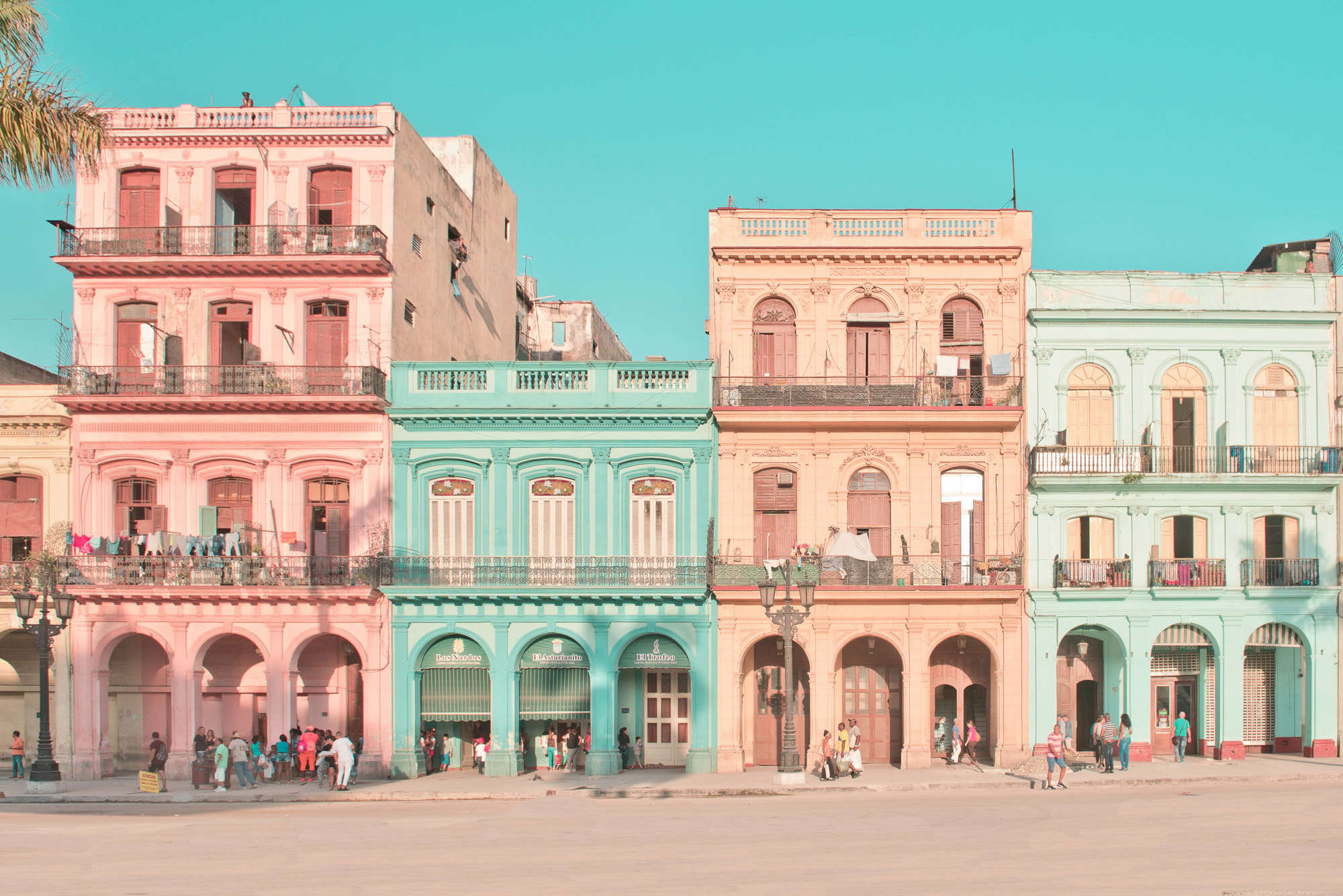
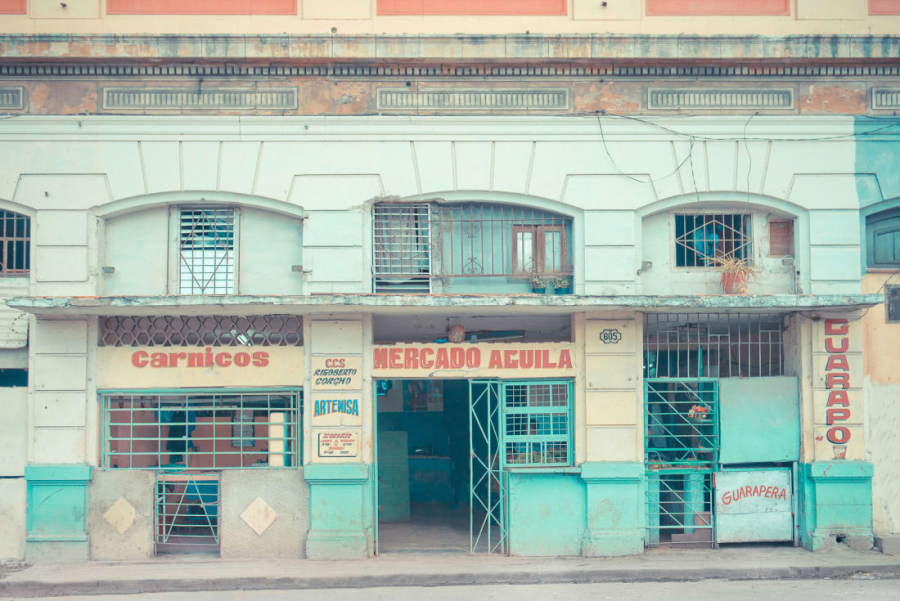
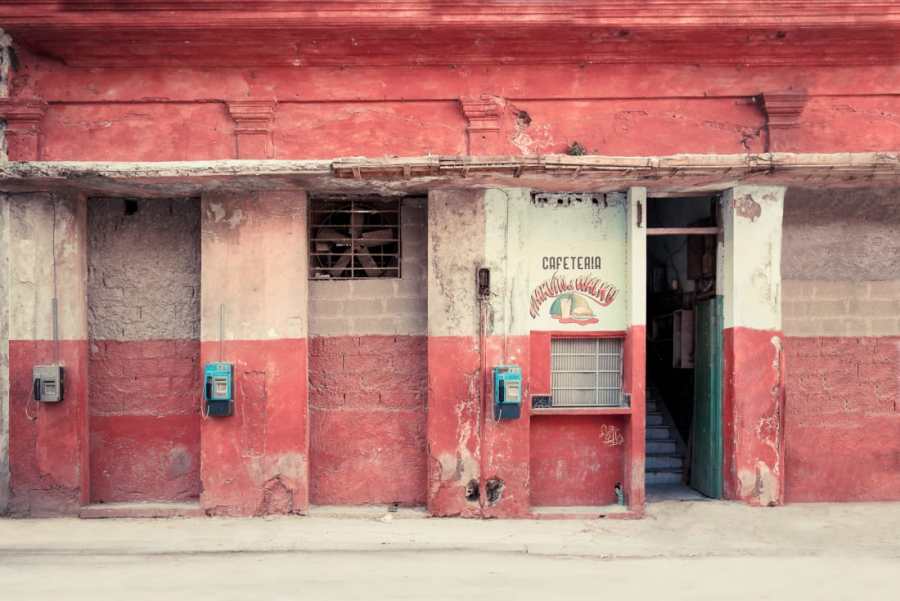
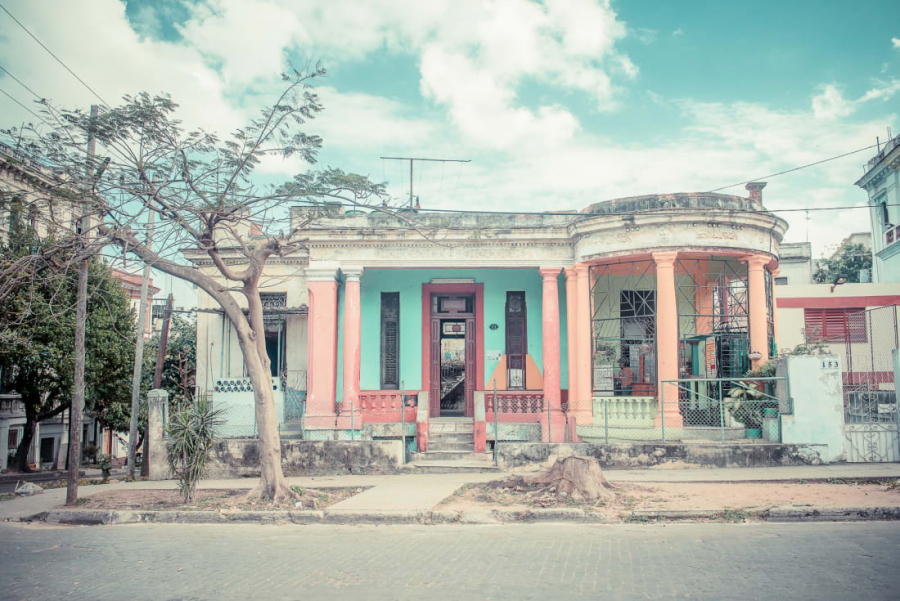
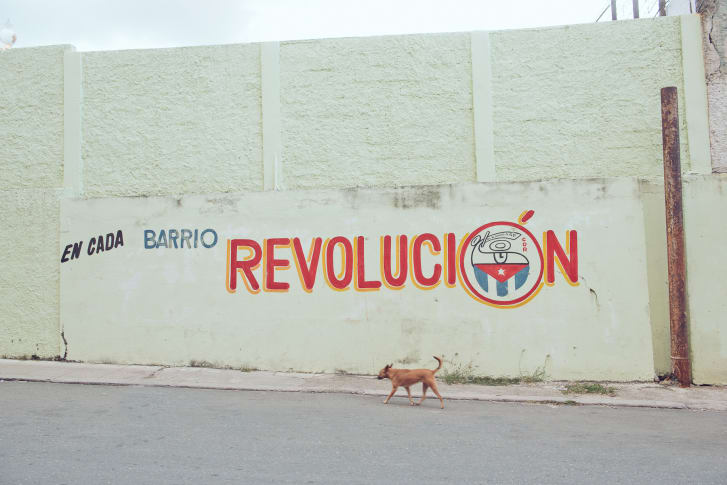
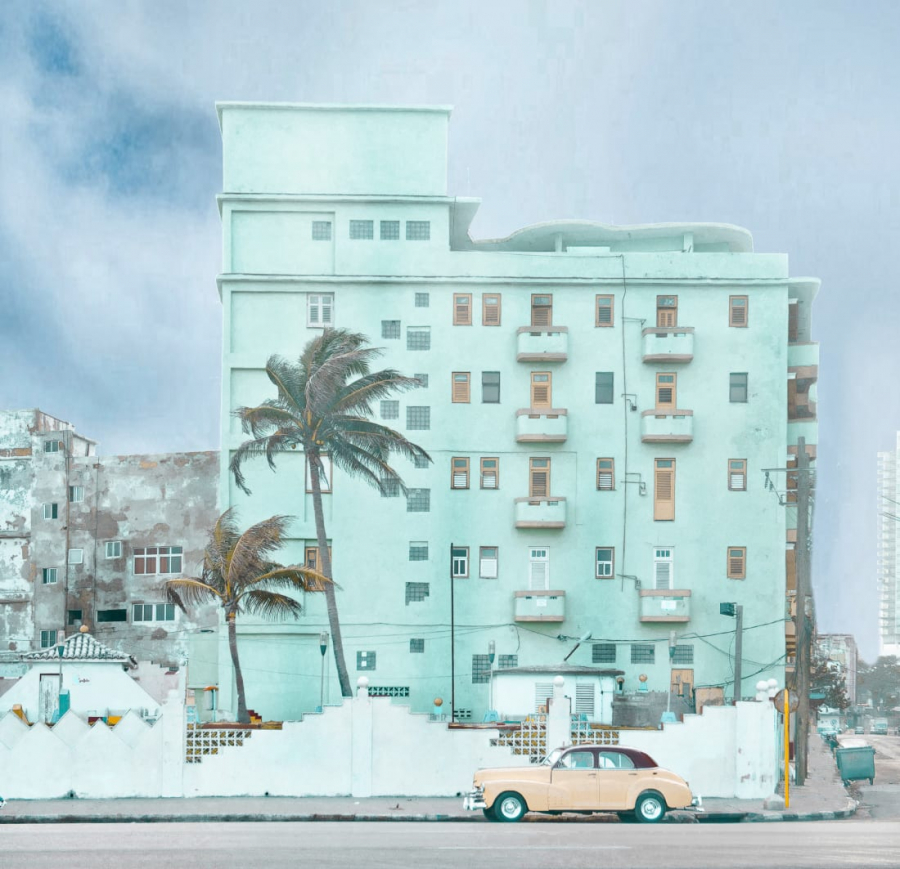
For those who have had the chance to visit Cuba, the images of narrow, old streets, peeling paint on doors, animals and children playing together in the sunshine, walls with the famous slogan "Revolution in every neighborhood" ("En cada barrio revolución"), vintage cars outside dilapidated cinemas... are nothing too unfamiliar. However, the unusually vibrant colors of the photographs taken by Helene Havard – enhanced in post-processing with image editing software – recreate a very different Cuban capital, like a dreamy, sweet "sleepy paradise."
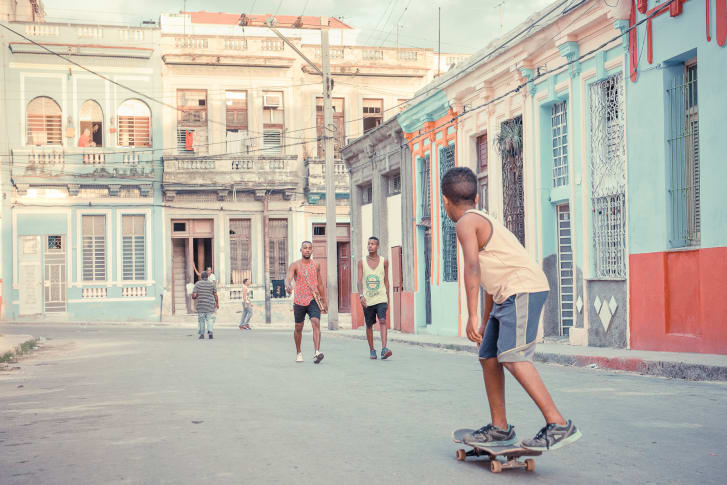
Helene Havard's photographs depict a dreamy Cuban capital in pastel shades.
"Instead of seeing the city in a dark and decaying light, I tried to imagine Havana as a dream," Havard shared. Her images highlight Havana's architectural traditions – a melting pot of French, Spanish, and Moorish influences. The city is also renowned for its blend of Art Deco, Neoclassical, and Baroque styles.
The female photographer shared that she was curious about the political system and the influence of communist rule in the area.
But beyond celebrating Havana's visual allure, this photographer's primary motivation was politics. Driven by curiosity about freedom and political identity, Havard conceived the idea of creating a series of photographic projects in communist and post-communist countries, where freedoms and economic sanctions have long been entrenched and profoundly influenced culture and people's lives. In Cuba, these issues have existed since Fidel Castro came to power in 1959.

Harvard understood the embargoes and isolationist policies of some of these countries and felt that people were facing difficulties in traveling and were constantly bound by strict rules. "These countries were like a mystery to me, so I just wanted to try to understand them. I also think that's because I've truly gained freedom."
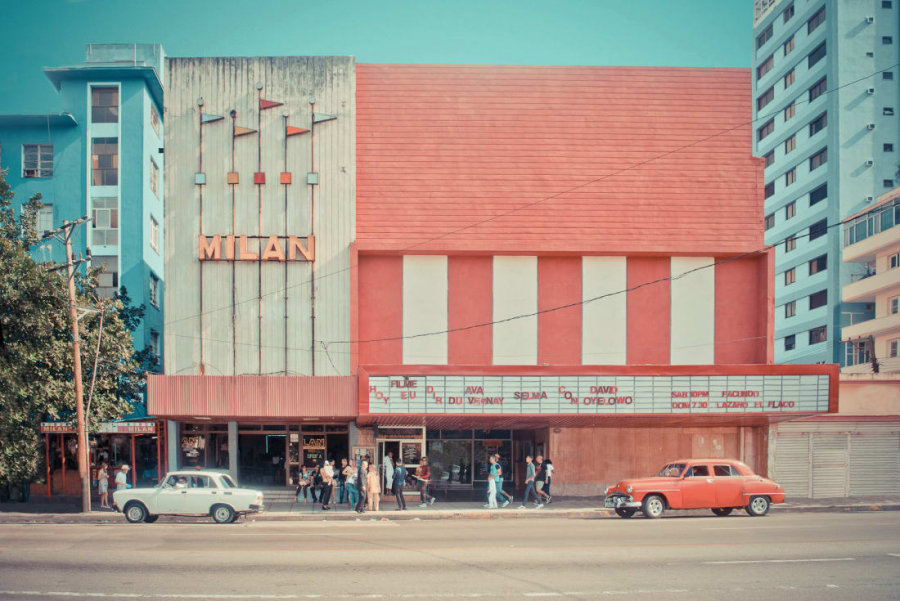
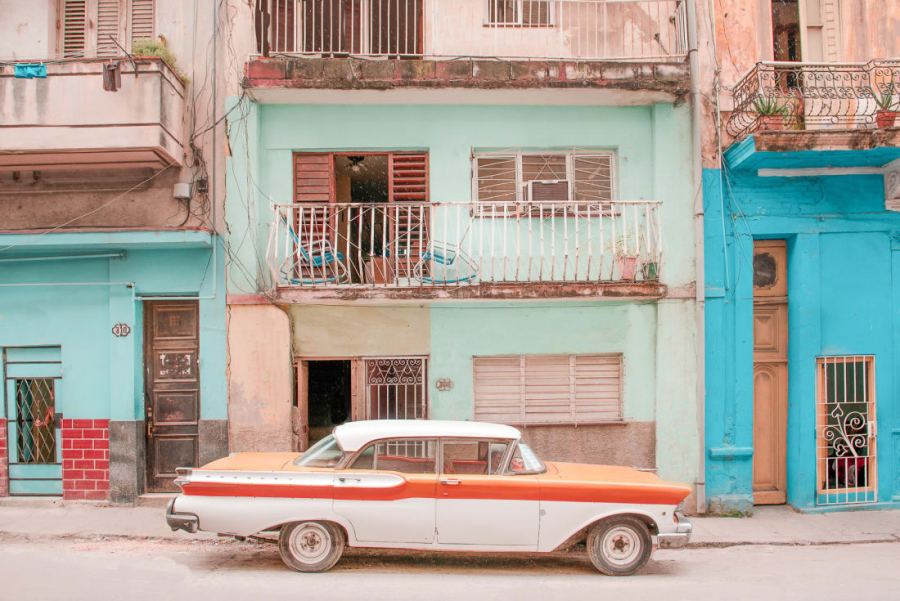
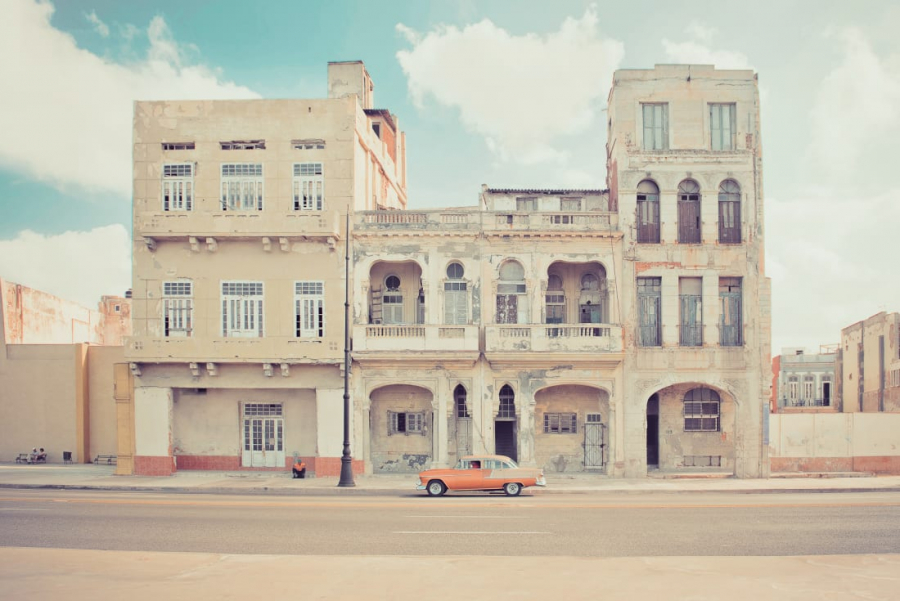
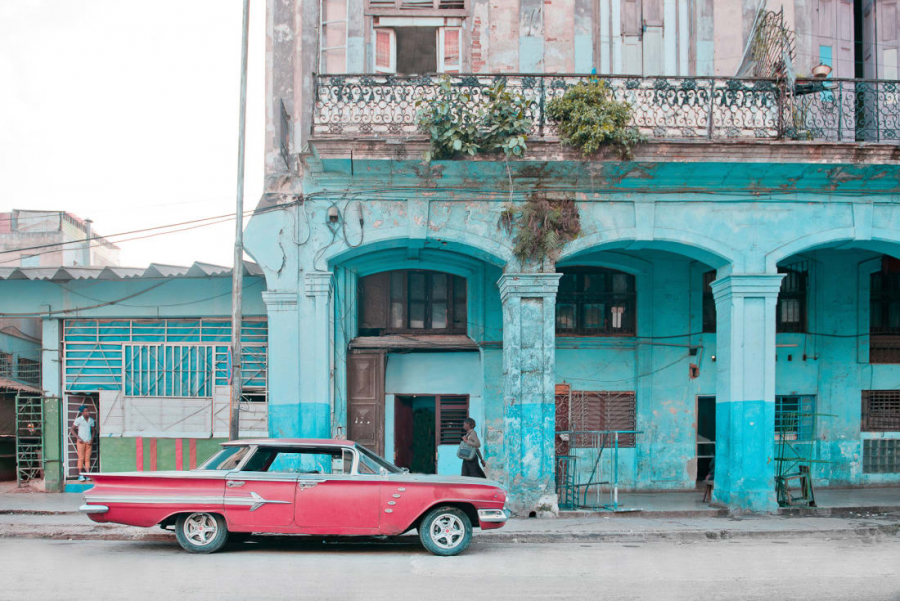
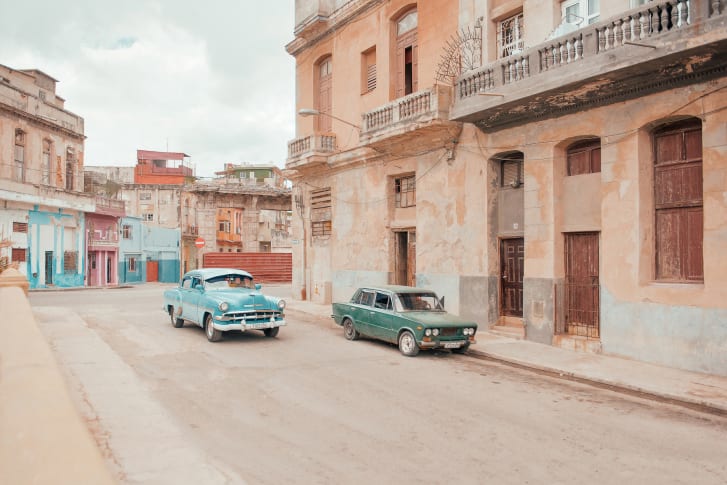
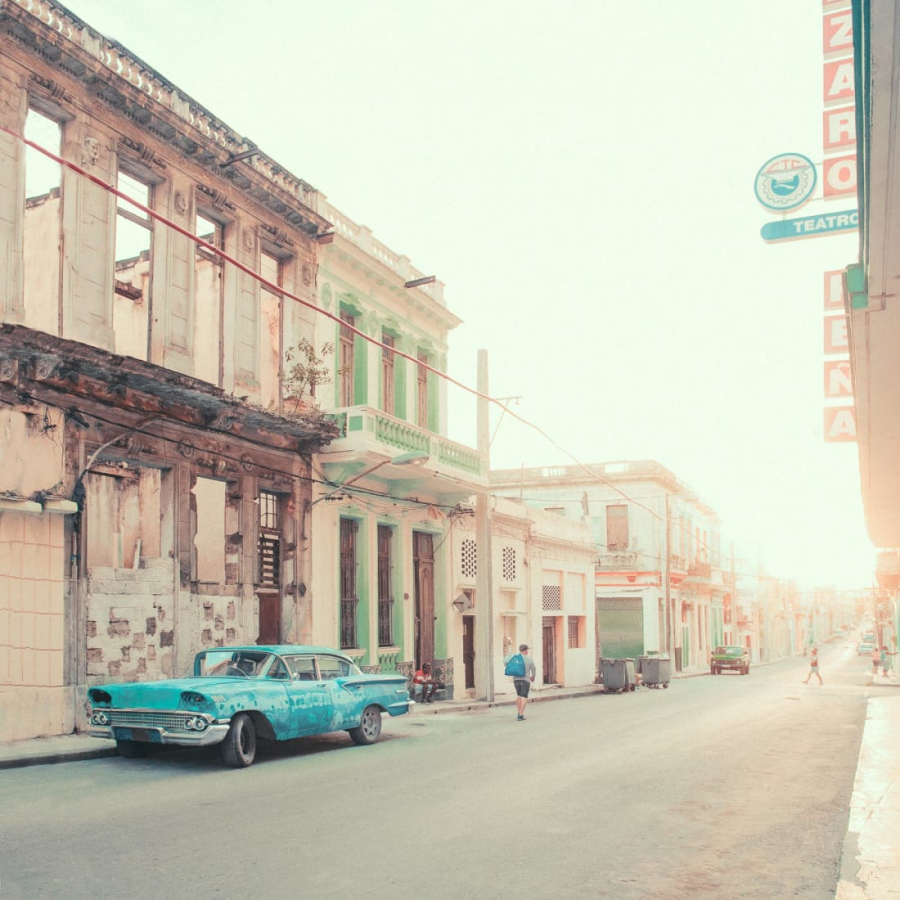
Vintage cars are a common sight on the streets of the Cuban capital and are featured in many of Harvard's photographs.
And while exploring and practicing photography, instead of being wary of challenging social and political conditions, Harvard defined her aesthetic based on the contrast between raw beauty and its social "struggle"—a combination she hopes to replicate in her upcoming projects in other communist and post-communist countries such as Russia and North Korea.
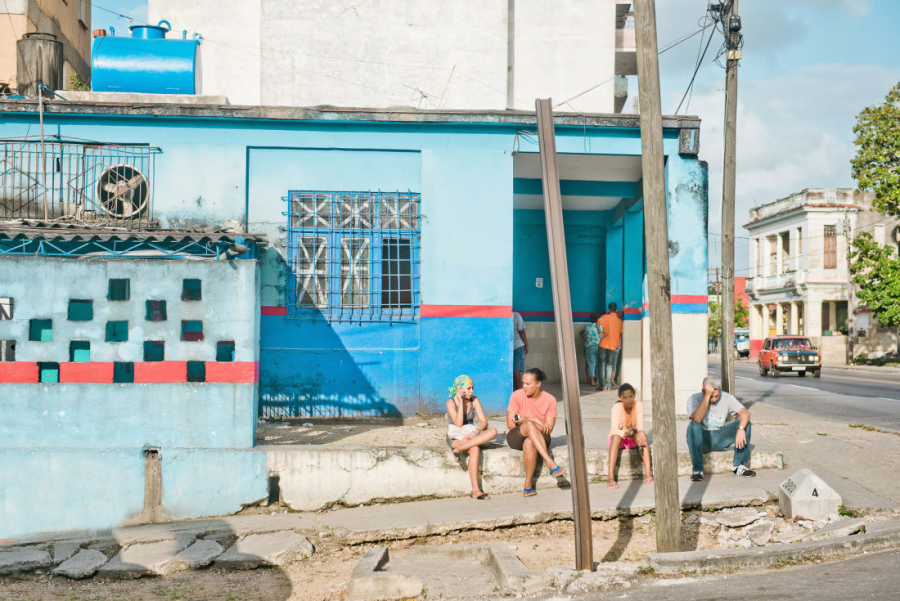
Despite her political leanings, the photographer's images are surprisingly gentle, friendly, and bright. "Working in the wedding industry, I've used pastel colors for a long time," she says. "I love the dreamy style. I've done it a lot since the beginning of my career, so I thought, why not try applying it to travel photography?"
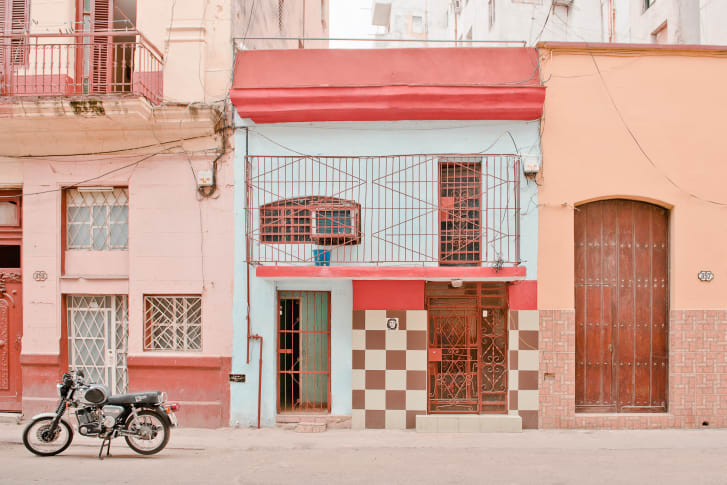
Harvard admitted that the use of dreamy pastel colors stems from his personal preference and habit, which he has maintained since starting his career with wedding photography.
And when you look at these photos with their color palette, you'll definitely think of the colorful films of director Wes Anderson! In fact, this is entirely a coincidence! The photographer even admits that she didn't know about Anderson and his work until recently. "I was very surprised because I had never seen his films!" she said. "When I was compared to Anderson, I discovered that his work is so good and wonderful, so it's an honor to be compared to him. Anderson's films look so dreamy, and perhaps that's something that will influence me in the future."