VI
VI


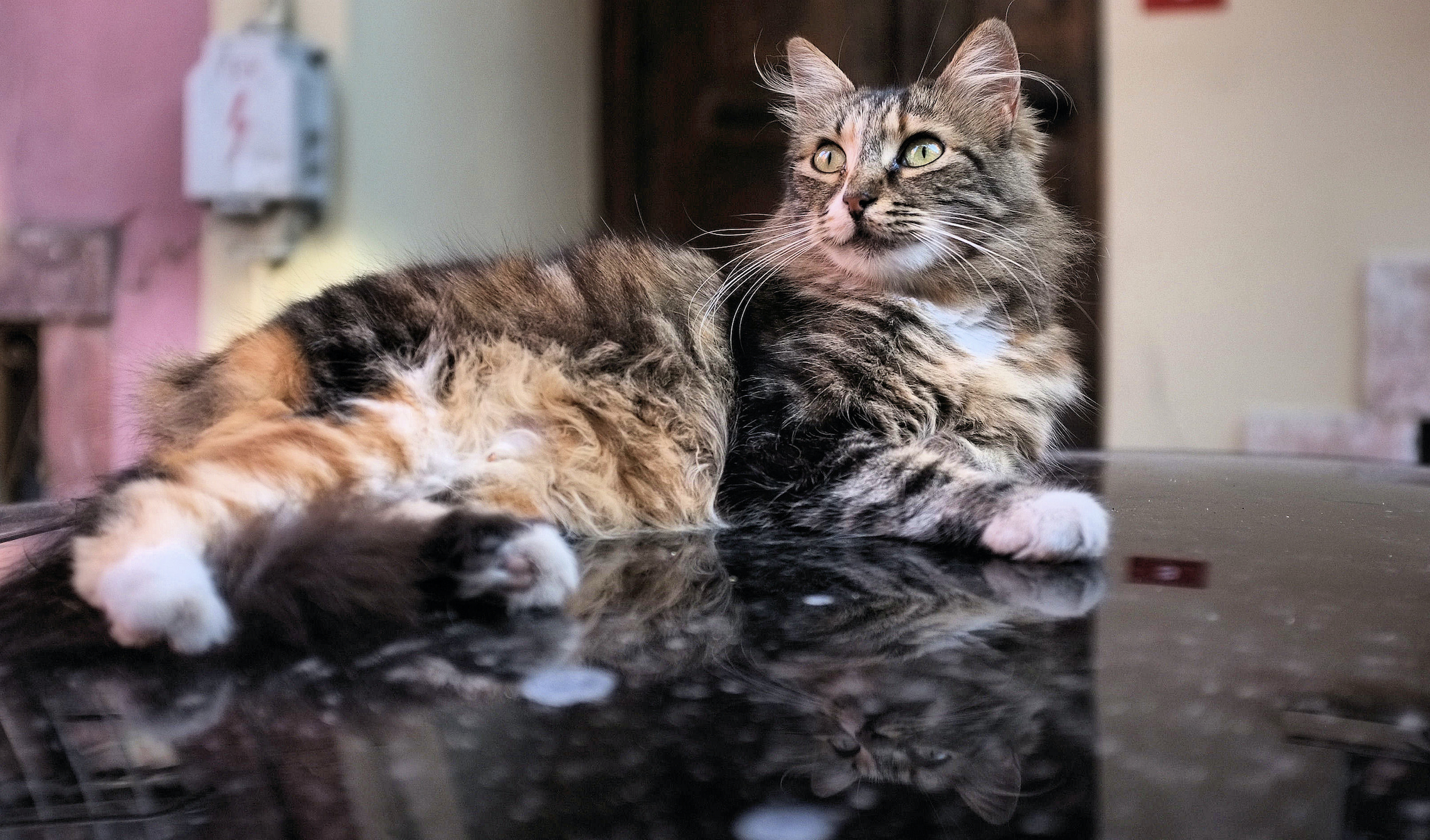
For centuries, despite the changing times, feral cats have roamed the streets of Istanbul. They are wild, yet they don't behave like wild animals. Instead, they live peacefully alongside the people of Istanbul. They are also the only animals allowed into Mecca – the holy site of Islam.
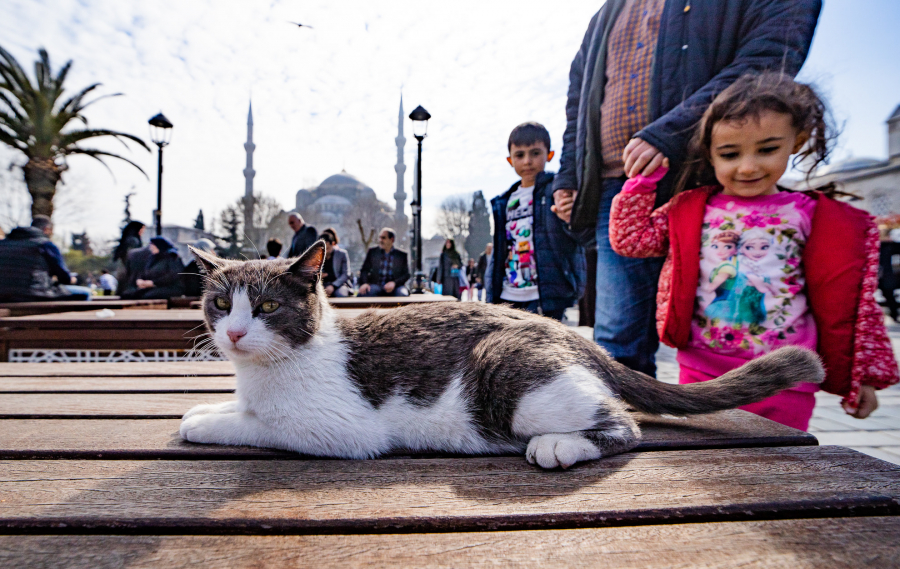
Photo: Hoang Le Giang
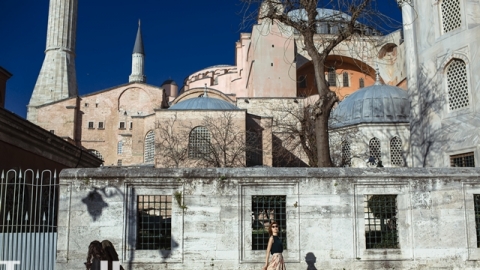
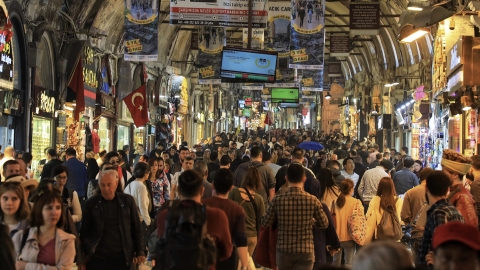
To illustrate, even as the Byzantine and Ottoman empires successively collapsed, cats still stroll daily through the Grand Bazaar and the famous Hagia Sophia mosque, as if to attest to the enduring and irreplaceable status of a "folk symbol".
ANECDOTES ABOUT CATS
The Quran contains numerous stories involving the Prophet Muhammad and cats. One story recounts a cat curled up on Muhammad's robe for a nap, so he cut off the sleeve of his robe to avoid disturbing the feline. In another, Abu Hurayrah's pet cat saved Muhammad from a deadly snake attack. Muhammad blessed the cat in gratitude and granted cats the ability to always land on their feet. Cats are considered protectors in the Islamic world: they guarded libraries from rodent damage and may have helped protect city dwellers from rodent-borne diseases.
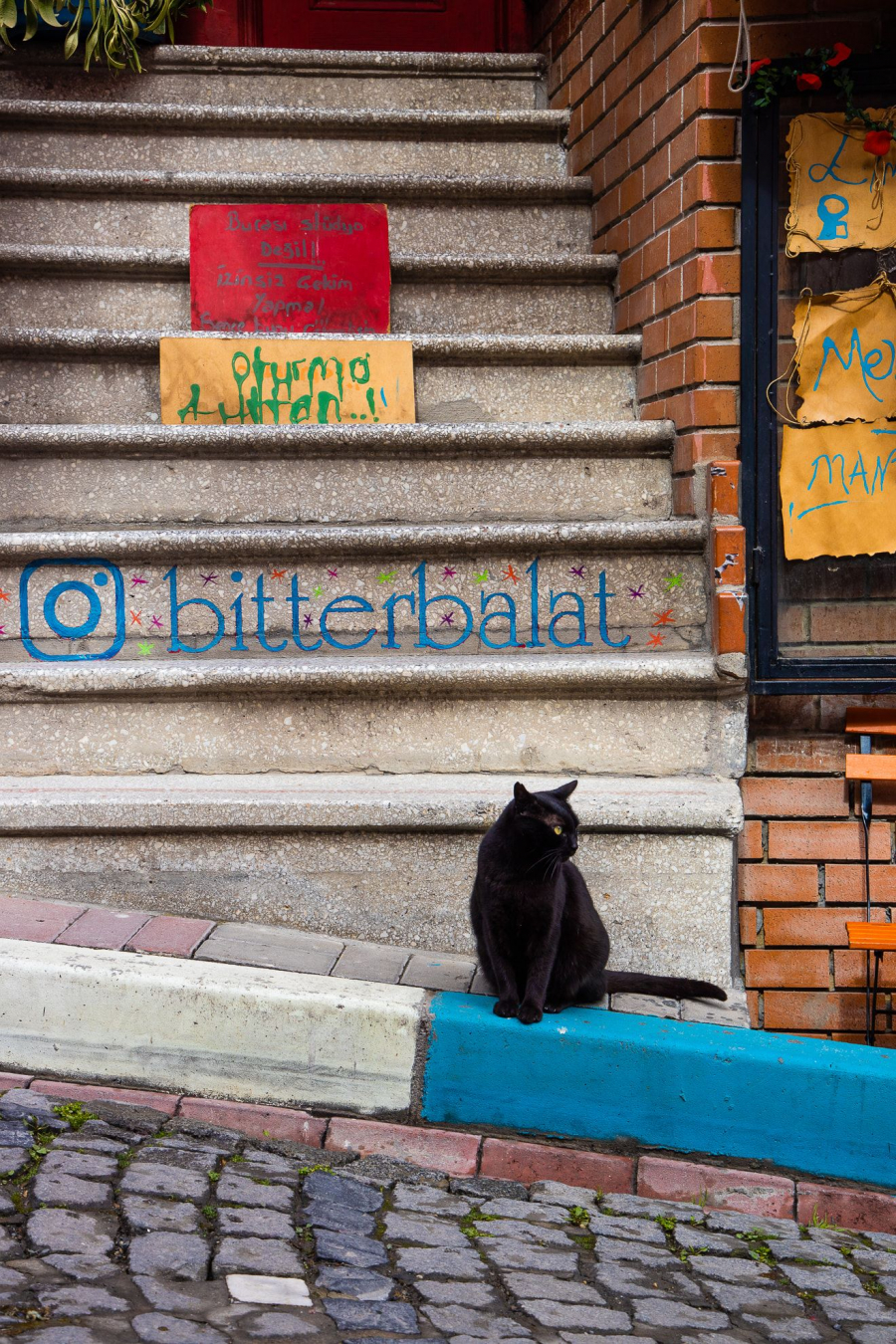
Photo: Hoang Le Giang
Looking through books on Islamic history, many authors mention the Prophet's love for cats, and no matter how many variations appear, Muhammad's affection for cats has always remained consistent.
In Cairo during the 1830s, every afternoon a large number of cats would gather in the Supreme Court garden, where many people would bring baskets full of food. This tradition dates back to the time of the Mamluk sultan al-Zahir Baybars, in the 13th century. This cat-loving king bestowed upon the cats of Cairo a garden where they could find everything they needed. Over time, the garden has been altered and rebuilt several times; however, the law requires that the successor to the building continue to fulfill the sultan's wish to care for the cats.
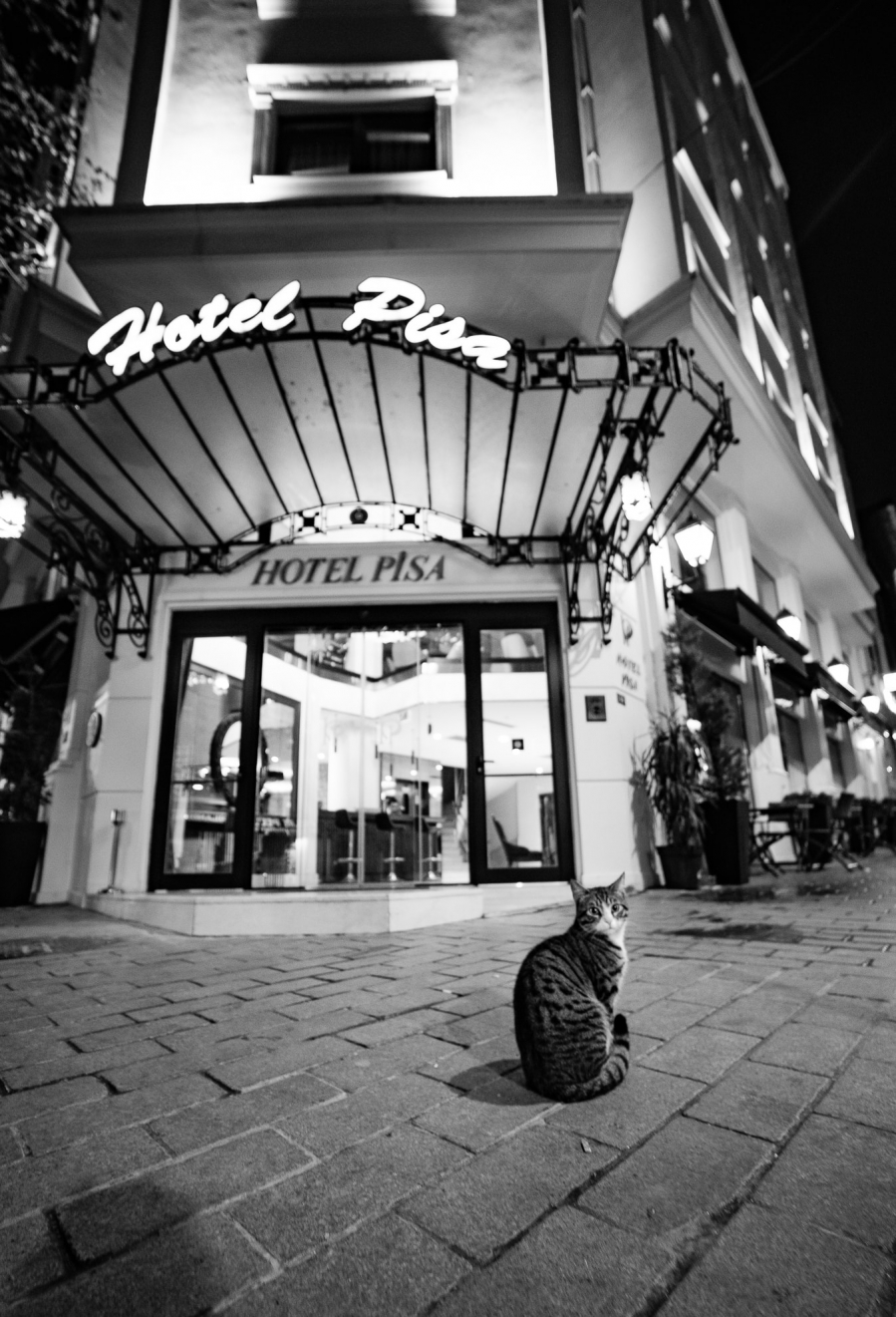
Photo: Hoang Le Giang
cats in Istanbul
In Türkiye, there's a famous proverb that says, "If you kill a cat, you need to build a mosque to be forgiven by God." Walking the streets of Istanbul, one can see many containers placed next to buildings, along with small portions of food brought by local residents. While we might feel sorry for the stray cats that have no one to adopt, it turns out they are cared for by everyone in the city. Even the World Basketball Championship has a cat as its mascot, the famous long-haired Bascat with blue and green eyes from Turkey. In the winter of 2016, a prominent Muslim leader in Turkey provided shelter for stray cats in Istanbul. It's worth noting that the city is home to over 30,000 stray cats.

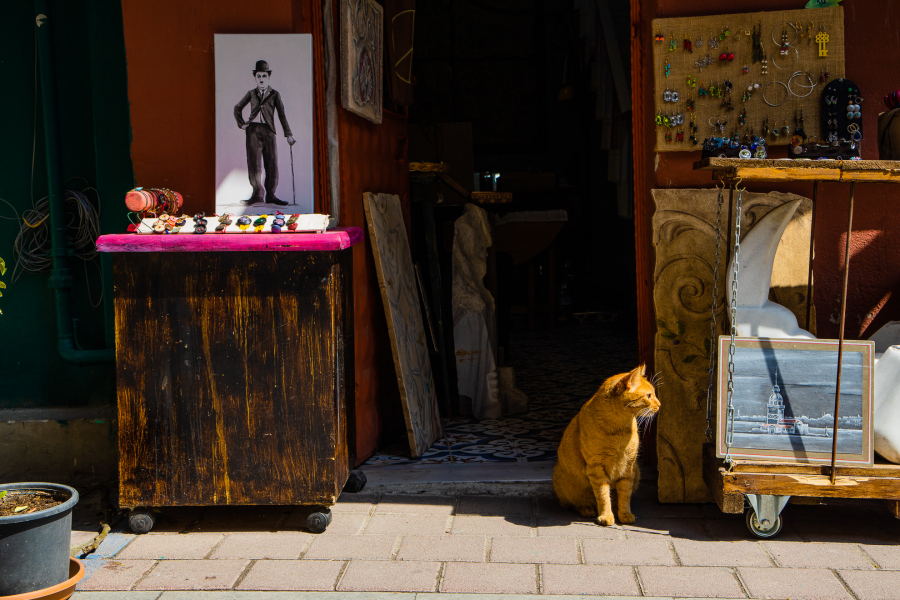
Photo: Hoang Le Giang
In Istanbul's narrow alleyways, cats perch on rooftops and windowsills, crouch before doorways, and rest in almost every nook and cranny. Whether strolling in the sunshine, grooming themselves, or wandering into shops in search of food, cats have become an integral part of daily life in Europe's largest city.
They're so ubiquitous that no one is surprised anymore when a cat crosses the lobby of a high-rise office building or enters a cathedral. Shop owners and locals even know the names of their neighbors' cats and chat with them as if they were friends.
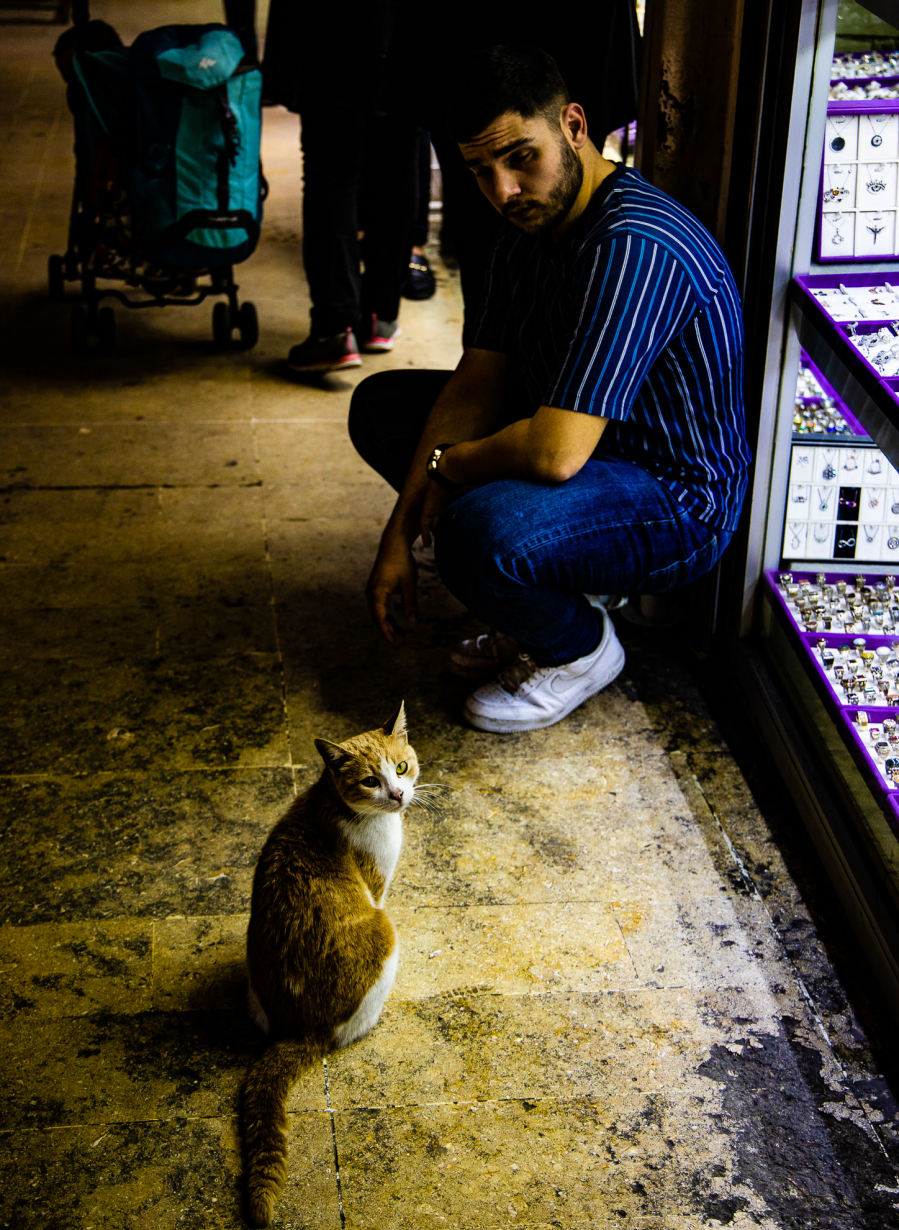
Photo: Hoang Le Giang
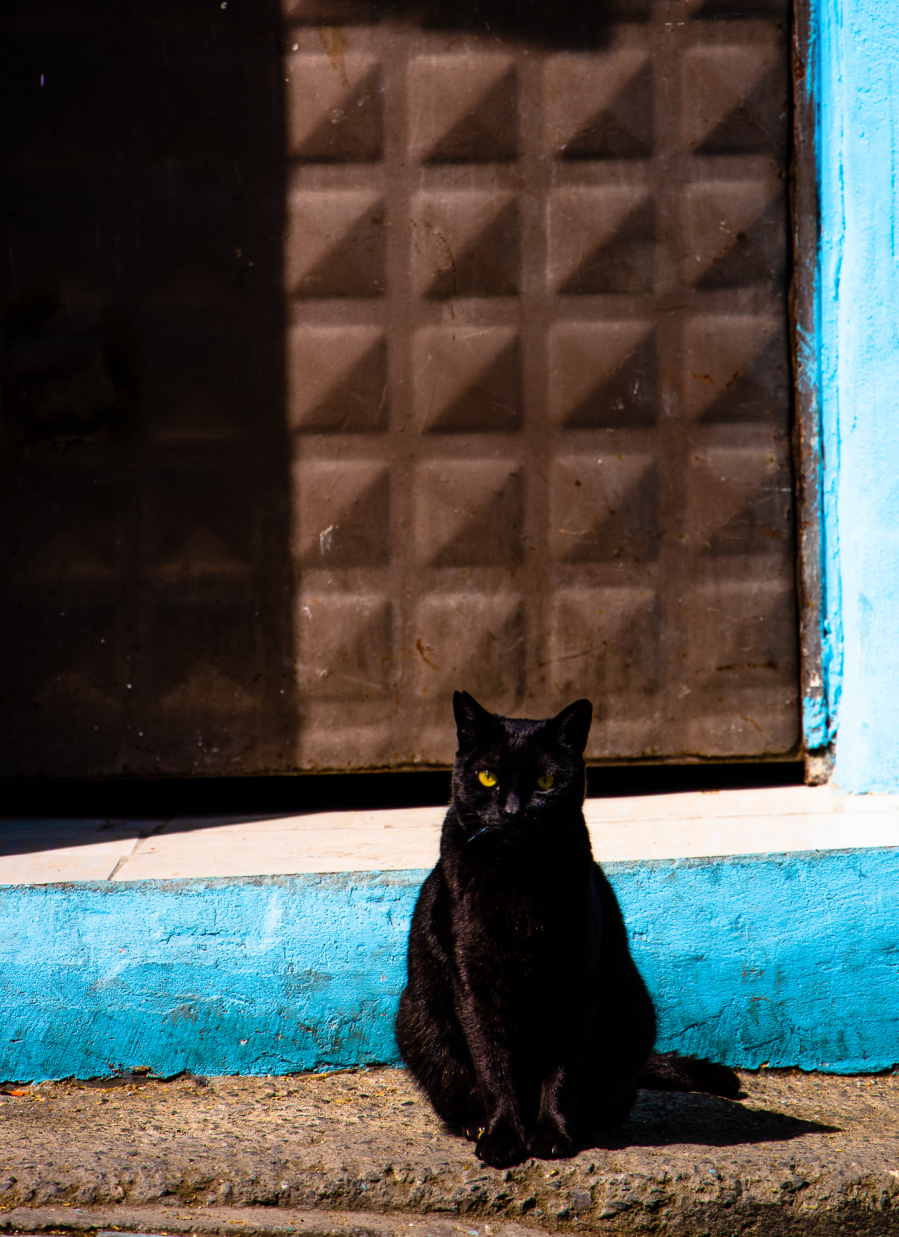
Photo: Hoang Le Giang
Many interesting stories about cats in Istanbul have been shared by travel enthusiasts, most famously the one about a travel blogger who secretly fed a stray cat his leftover chicken wing. When the restaurant owner saw this, he approached with a happy smile and gave the cat an entire chicken leg without hesitation. The Turks truly have a heart for cats!
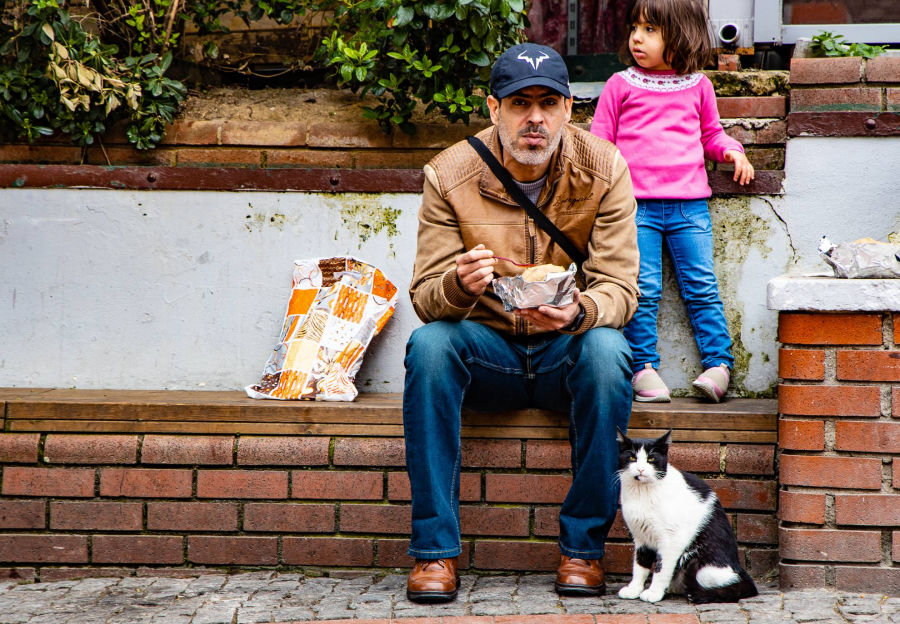
Photo: Hoang Le Giang
The Turkish government even enacted a law to punish those who mistreat, torture, or leave animals without food or water. In addition, a 2017 documentary titled "Kedi" was released to reflect a day in the lives of stray cats in Istanbul. While the film features many endearing scenes, it also offers rather somber predictions, warning that modernization in Istanbul is pushing both people and cats away from the city. To date, the film has grossed over $2.7 million in the US, becoming the third highest-grossing foreign-language documentary of all time.
The Facebook page "Cats of Istanbul" has nearly 85,000 followers. When Barack Obama visited Türkiye in 2009, he took a photo with a famous cat named Gli who had lived in Hagia Sophia for over 14 years. The Kadiköy district even erected a bronze statue of the Instagram star – the cat Tombili.
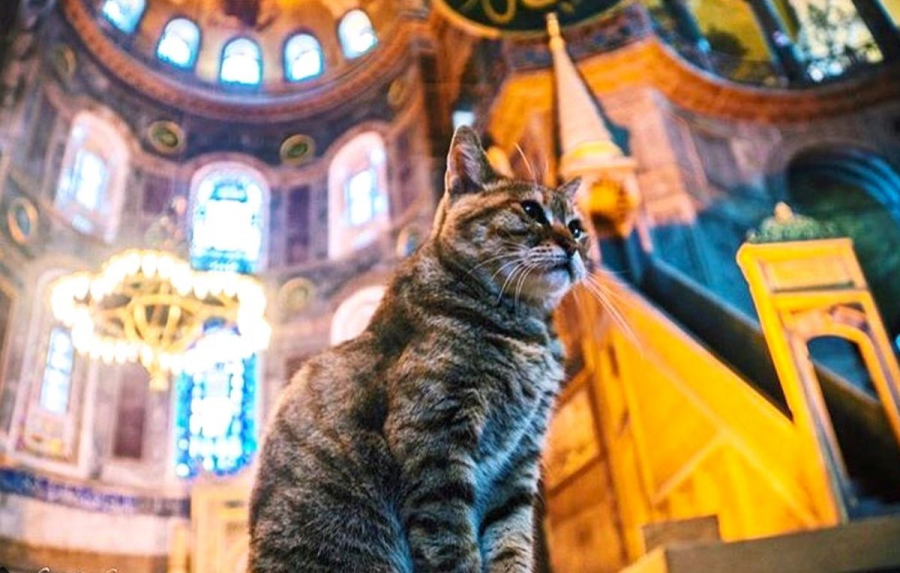
The famous cat Hagia Sophia once posed for a photo with US President Barack Obama.
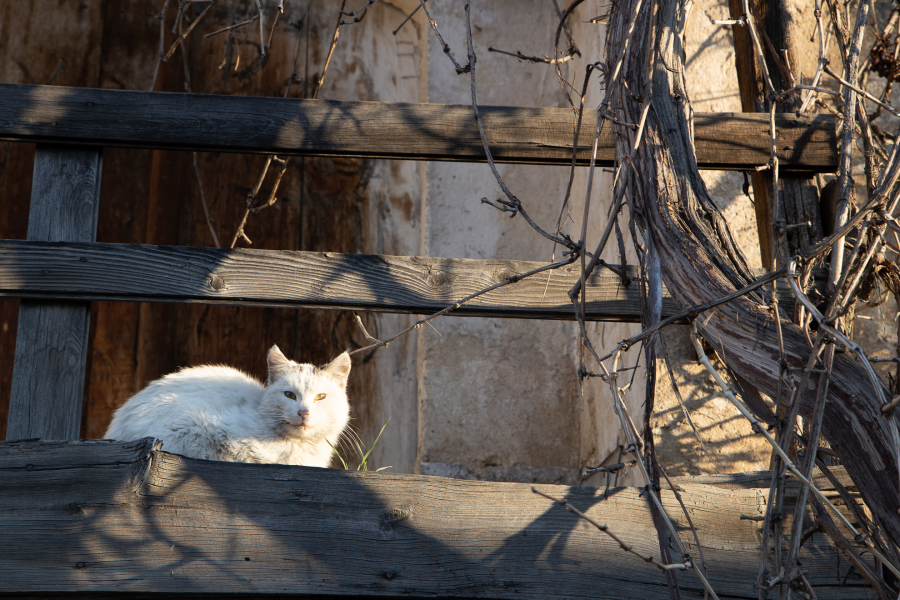
Photo: Hoang Le Giang
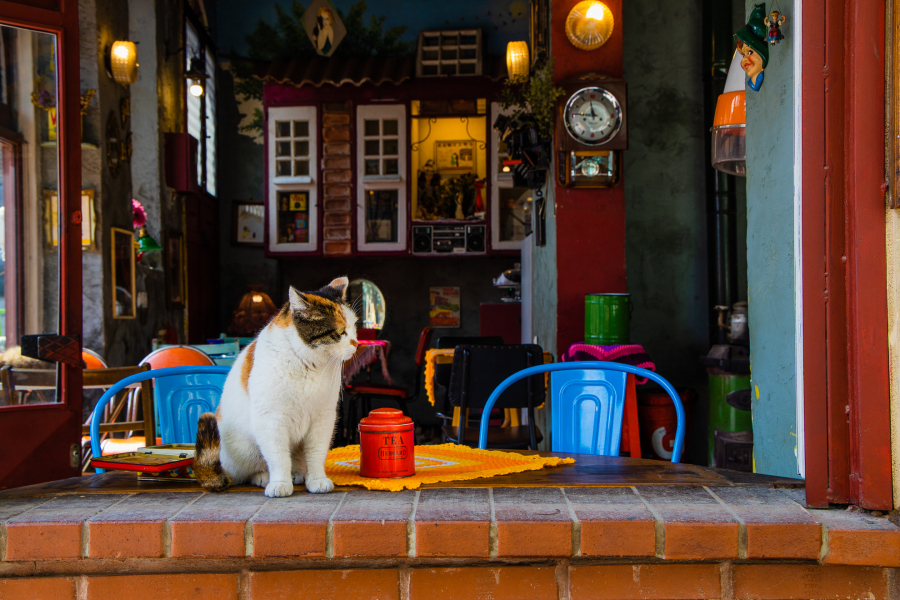
Photo: Hoang Le Giang
Some cat lovers buy tiny houses to keep their furry friends warm on cold nights, making the most of every food source to provide for their cats during the winter months. Some even bring cats home on the coldest nights.
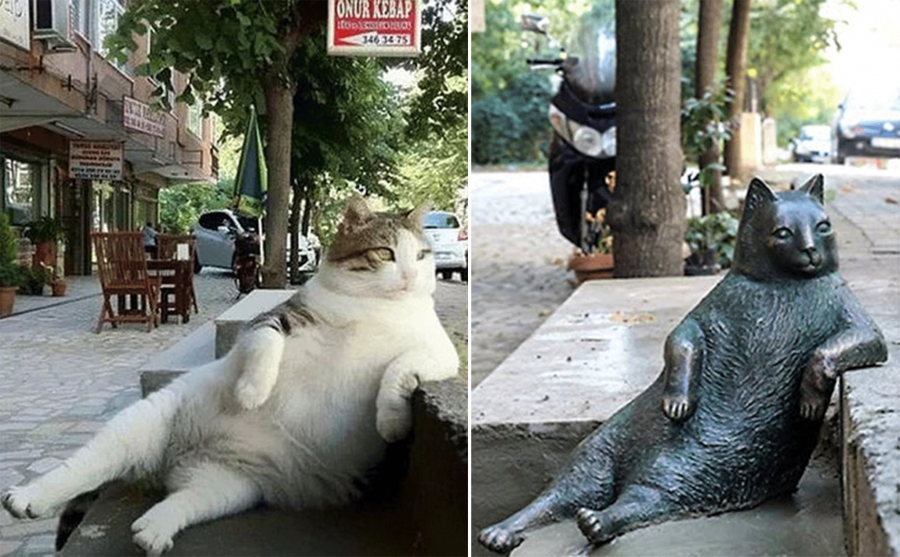
The famous Tombili cat statue in Istanbul.
"Money isn't an issue for some people when it comes to cats," said Ozan, a pet store employee.
"They adopt cats with broken legs, blindness, or stomach problems and take them to the clinic. Once they're cured, they're returned to the streets."
It could be said that in a country like Türkiye, which is frequently plagued by religious and ethnic conflicts, the love for cats seems to be what heals these rifts and brings people closer together.




meoTravelliveMagazine.jpg.jpg)


.jpg.jpg)