VI
VI


The journey of self-discovery
Originating over 1,200 years ago, Shikoku Henro is one of the rarest and oldest pilgrimages in the world, attracting visitors from all over the world.
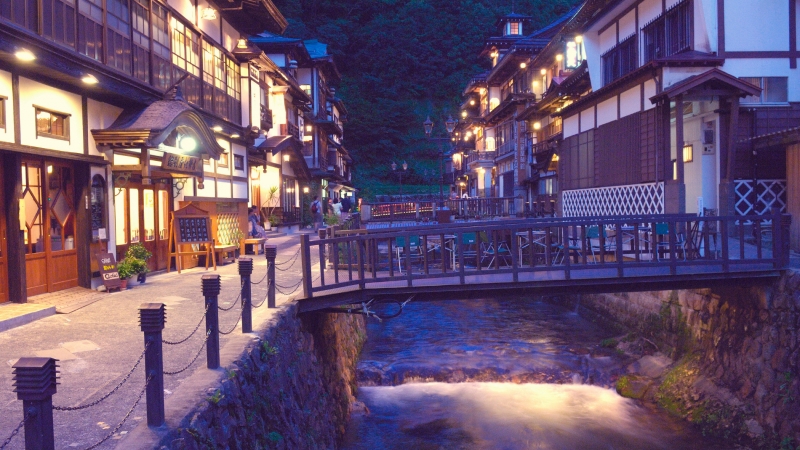
The Shikoku Henro is a pilgrimage route that recreates the journey of the 9th-century Buddhist monk Kukai. The pilgrimage path passes through 88 sacred temples on Shikoku Island, spanning four prefectures: Tokushima, Kochi, Ehime, and Kagawa. This route has been designated a Japanese Heritage Site.
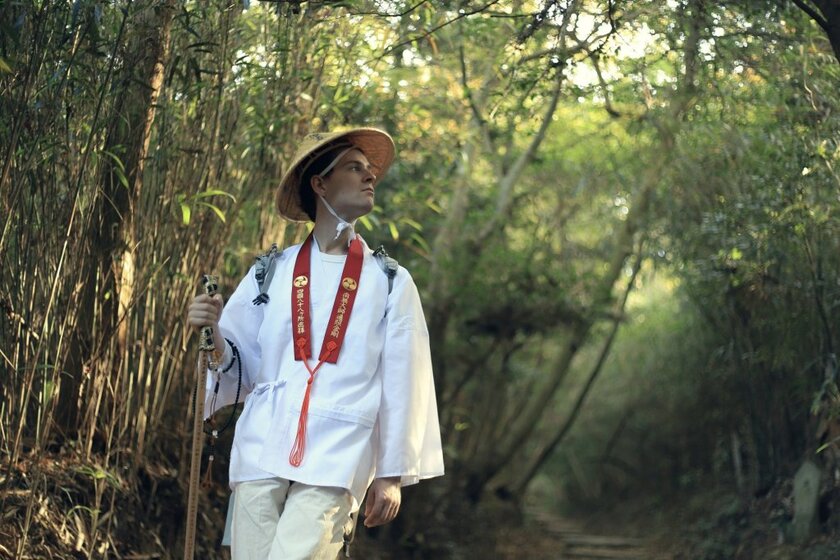
Shikoku Henro, a 1,200 km journey through 88 Buddhist temples, is not only a spiritual route but also reveals the unique natural beauty and cultural experiences of Japan.
What makes Shikoku Henro special is its deep connection to the great master Kūkai (also known as Kōbō Daishi), the founder of the Shingon school, who is revered as a saint in Japanese Buddhist culture. His life and teachings not only profoundly influenced Japanese Buddhism but also left a deep mark on the culture and thinking of the people there.
The Shikoku Henro trek is not only spiritually significant but also represents an important cultural heritage of Japan. Every year, thousands of people from all over the world, including Buddhists, adventure enthusiasts, and those seeking inner peace, come to experience this route.
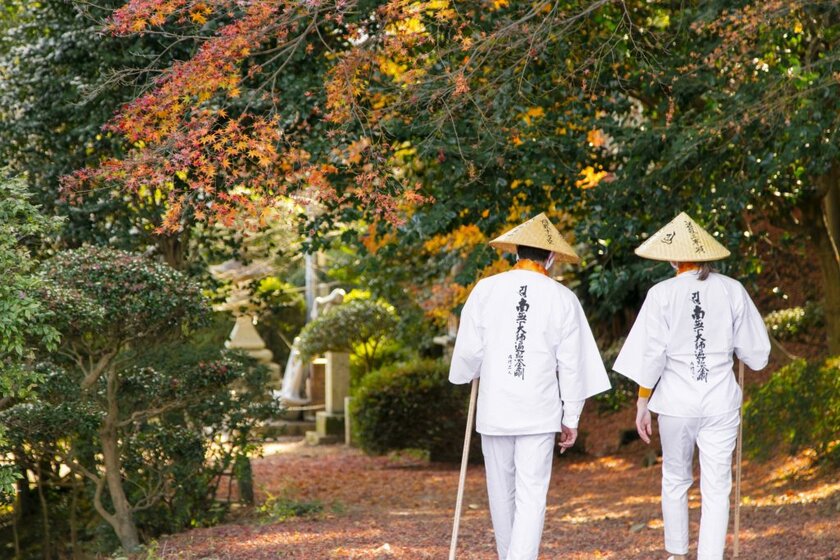
This journey spans approximately 1,200 km, taking pilgrims through 88 Buddhist temples belonging to the Shingon sect, an important branch in the history of Japanese Buddhism.
The Shikoku Henro pilgrimage, one of Japan's oldest and most significant pilgrimages, dates back to the 9th century and is closely associated with the life and great work of Master Kūkai (空海), also known as Kōbō Daishi (弘法大師). He was a Buddhist monk, scholar, calligrapher, and engineer who played a major role in spreading Esoteric Buddhism (Mikkyō) to Japan and founded the Shingon sect.
Master Kūkai was not only the founder of the system of 88 sacred temples on Shikoku Island, but also the creator of a profound philosophy of life and practice that has had a huge influence on Japanese Buddhism to this day. Legend says that Master Kūkai undertook this pilgrimage route in search of enlightenment and connection with the universe. Each temple along the route is not just a stop, but also a symbol of a stage in his spiritual journey, and contains valuable lessons in Buddhist teachings.

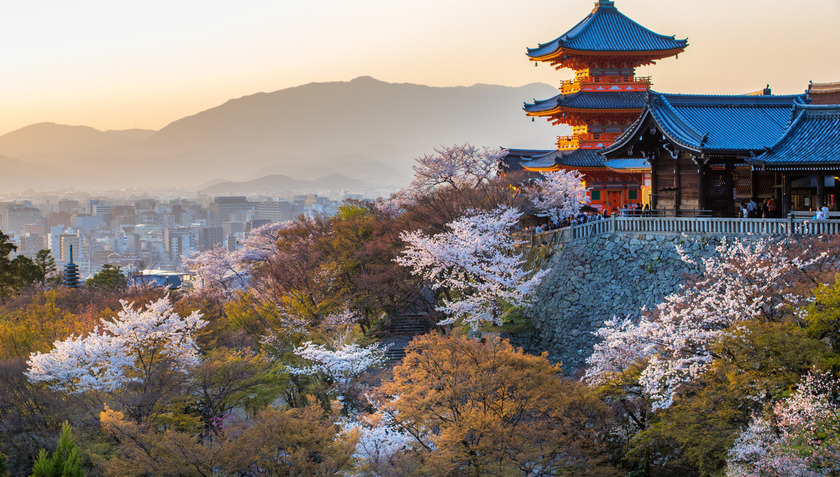
The Shikoku Henro pilgrimage route originates from the 9th century, when the great master Kūkai completed the establishment of a system of temples on Shikoku Island.
Beyond its religious significance, Shikoku Henro reflects an important aspect of Japanese culture: the harmony between humans, nature, and the divine. The surrounding nature, from dense forests and mountains to the sea, not only creates stunning scenery but also brings a sense of peace and connection to the world around us.
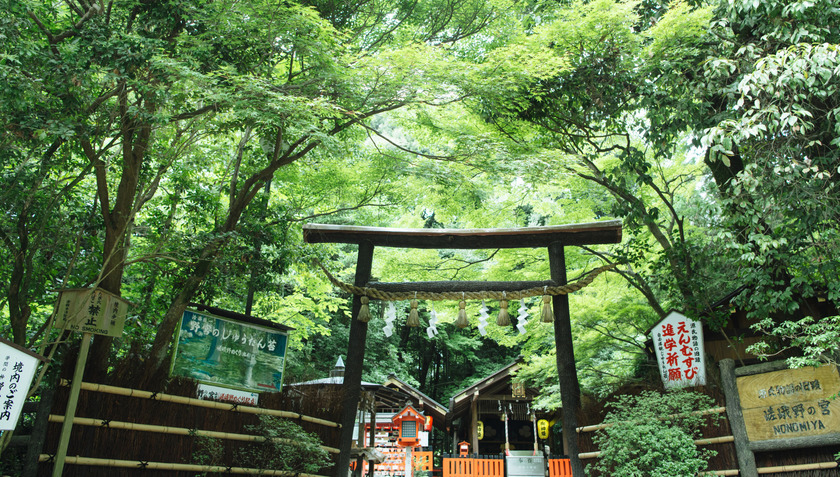
For many, the Shikoku Pilgrimage is a life-changing journey.
This journey is not just for Buddhists. It opens up opportunities for anyone who wants to slow down, find balance, and discover the meaning of life. Shikoku Henro is not just a pilgrimage route, but also a philosophical lesson, encouraging each person to re-evaluate their own value in relation to the universe and those around them.
A story of harmony between humans and nature.
The Shikoku Henro pilgrimage is distinguished by its rich and diverse natural landscapes, offering pilgrims the opportunity to immerse themselves in the pristine beauty of Japanese nature. Each section of the route is a vibrant painting, combining tranquil forests, verdant mountains, the vast ocean, and peaceful villages.
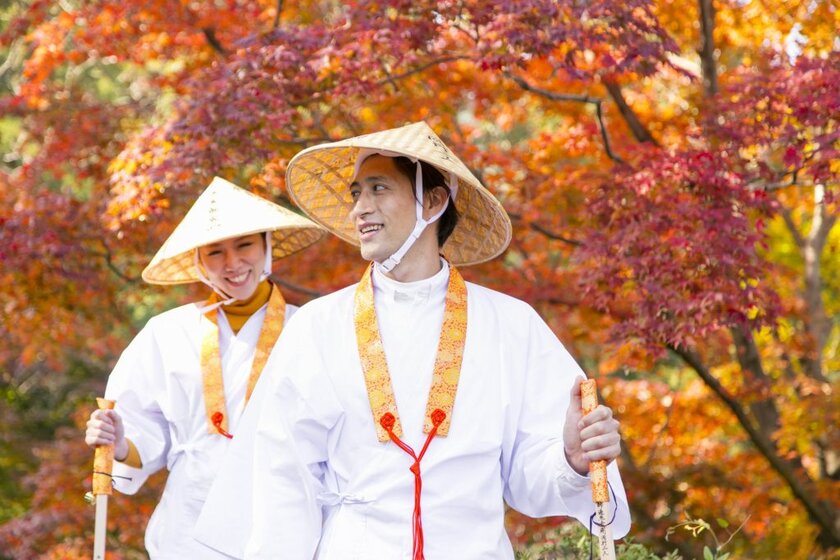
Pilgrimages to Shikoku are traditionally made on foot, and many people still choose to walk today.
The pilgrimage through these 88 sacred sites is called "Ohenro," and the pilgrims are called "Ohenro-san." Initially, monks made this pilgrimage as part of their spiritual practice, but from the Edo period onwards, ordinary people also visited to worship, admire the scenery, pray for good fortune, ward off evil spirits, and improve their health.
The pilgrimage begins at Ryozenji Temple in Tokushima Prefecture and ends at Okuboji Temple in Kagawa Prefecture. However, visitors can start anywhere, and it's not necessary to complete the entire journey in one go. Visiting the temples in numerical order starting from number 1 is called "Jun-uchi," and this is the traditional way of visiting. Visiting counter-clockwise from number 88 is called "Gyaku-uchi," and it's rumored that visiting three times in the correct order during a leap year will bring countless blessings. Visiting all the temples in one go is called "Toruuchi," visiting several individual temples is called "Kuguri-uchi," and visiting each prefecture separately is called "Ikkoku Mairi." In modern times, "Kuguri-uchi" is probably the most popular choice.
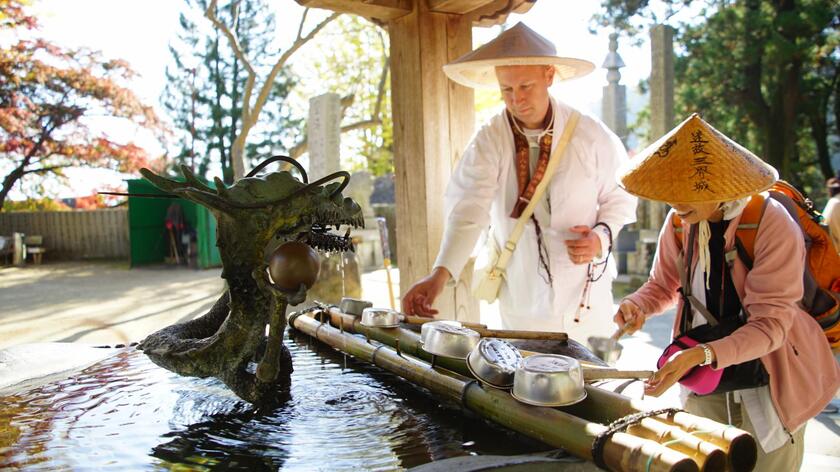
Some pilgrims choose to travel in stages, taking many years to complete their journey.
One of the most appealing aspects of Shikoku Henro is the warm smiles and hospitality of its people. This is unique because each region has its own customs, ranging from simply saying thank you to offering tea, sweets, meals, and lodging. This hospitality is said to originate from the ancient practice of locals donating to pilgrims in Shikoku during their alms-gathering journeys. It's a timeless connection between hearts, creating a powerful attraction not only for Japanese people but also for foreign pilgrims.
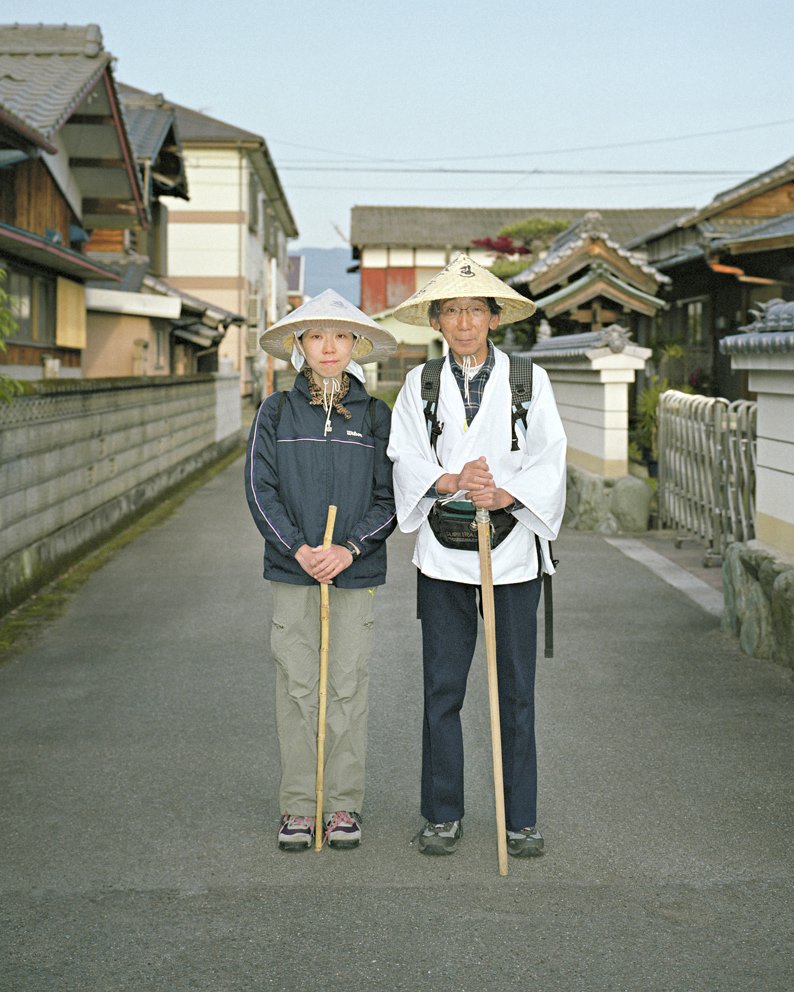
The hospitality and friendliness of the locals are part of the motivation for many tourists to participate in this pilgrimage route.
The pilgrimage route in Ehime Prefecture is the longest of the four prefectures due to the numerous temples located there. If you're planning your first pilgrimage to Ehime, you should visit Ishite Temple, the 51st temple. Located just a few minutes' walk from Dogo Onsen, it's one of the most famous of the 88 destinations. The temple grounds are vast and contain many important cultural assets, such as the main hall, the Sanju-noto pagoda, and the Goma-do hall, as well as the 3-meter-long straw sandals near the gate, guardian statues, and even caves… Furthermore, within the grounds of Ishite Temple, there is soil from all the temples that is said to accumulate merit equivalent to visiting all 88 temples by touching it.
The Shikoku Henro begins at the "Path of Aspiration" in Tokushima, where people strengthen their aspiration for ascetic practice, followed by the "Path of Cultivation" where people struggle to confront themselves. The route through Ehime Prefecture, also known as the "Bodhisattva Path," leads people to gradually escape from their delusions, and finally, the "Path to Nirvana"—the final leg where travelers can fulfill their vows and reach enlightenment. This path miraculously mirrors the process of a person's daily efforts and overcoming various challenges to achieve their goal.
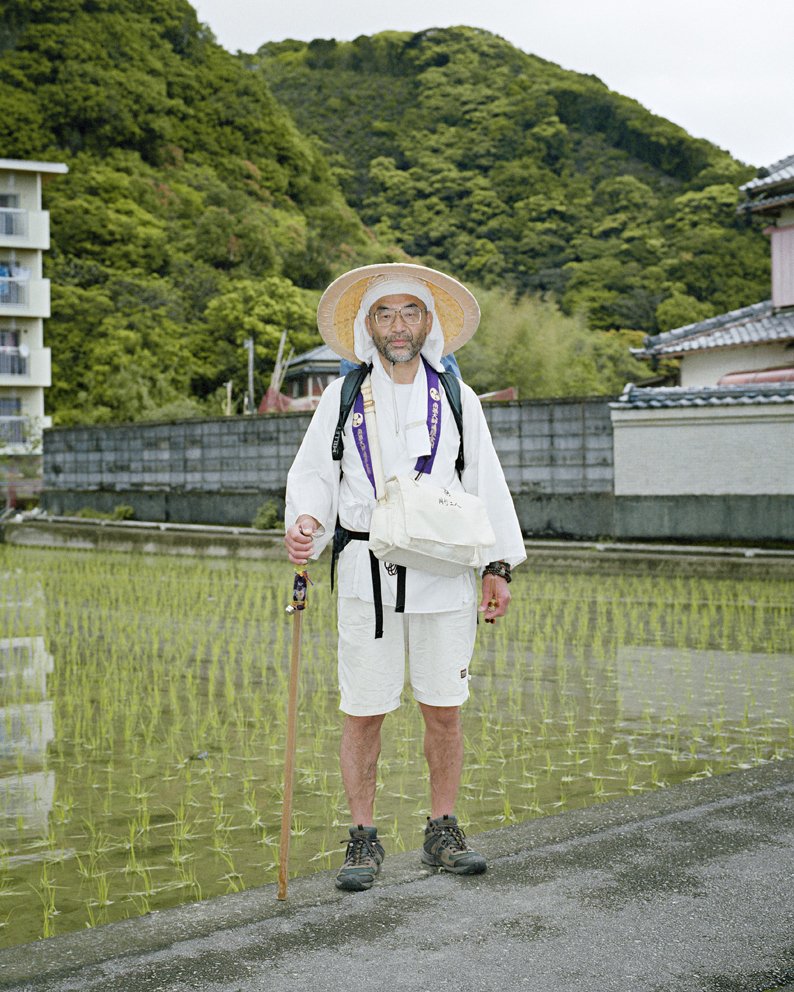
This is a journey to find peace of mind.
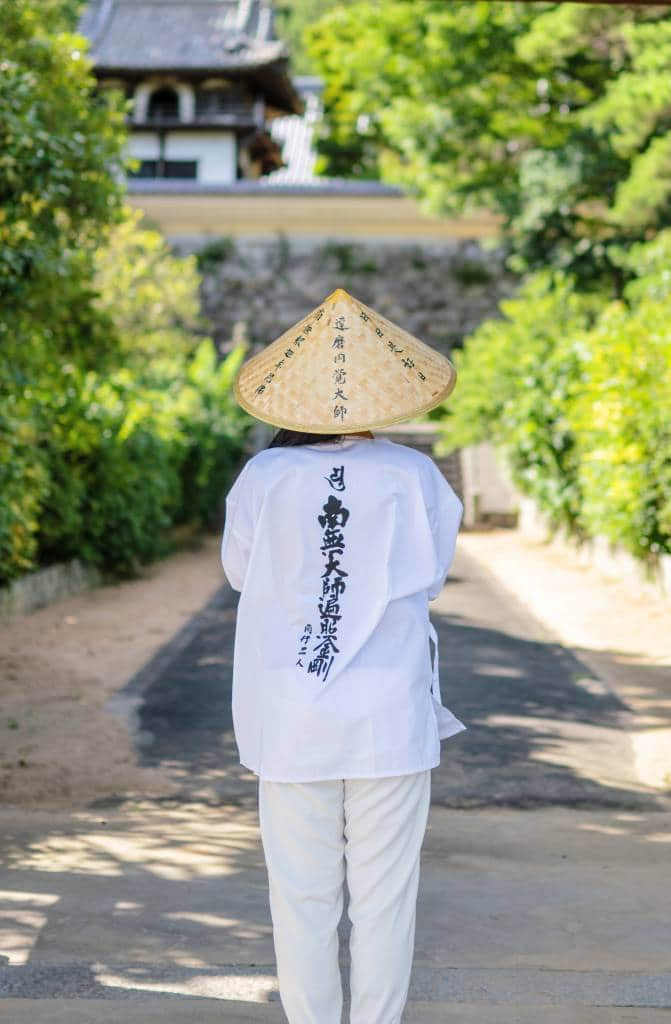
It's also a way to immerse yourself in the majestic nature of Japan.
Anyone can become a pilgrim in Shikoku Henro. Long-distance walking allows pilgrims to detach themselves from life and deeply reflect on themselves. For many, this can be a life-changing journey.
Along the route, pilgrims can admire the natural beauty of Shikoku Island at all times, visit traditional temples and sacred statues, stroll through ancient towns, explore traditional Japanese architecture from various periods, enjoy local specialties, and stay in traditional Japanese inns… A journey full of experiences for mind, body, and spirit!
Visitors can wear casual clothing when visiting the temple, but it's recommended to wear shoes for easy movement and clothing to protect against both hot and cold weather. Traditionally, pilgrims may wear straw hats, white coats, and carry kongo (a type of staff). These items can be purchased at locations such as Ichiban Temple and Matsuchikao Pilgrimage Shop located in the shopping center at Matsuyama City Station.