VI
VI



According to Nikkei Asia, Thailand is world-renowned for its diverse and appealing street food. From fresh seafood prepared in various ways, fragrant stir-fried pork, rich grilled chicken curry, to elaborately marinated beef dishes, Thai street food is a vibrant tapestry of flavors.


Besides the abundance of animal-based dishes sold on the streets, Bangkok also boasts a rich and diverse vegetarian culinary scene. While meat and seafood dishes offer bold flavors, vegetarian options captivate diners with their lightness and subtlety. This harmonious blend of tradition and modernity has created a unique and varied culinary landscape in Thailand.
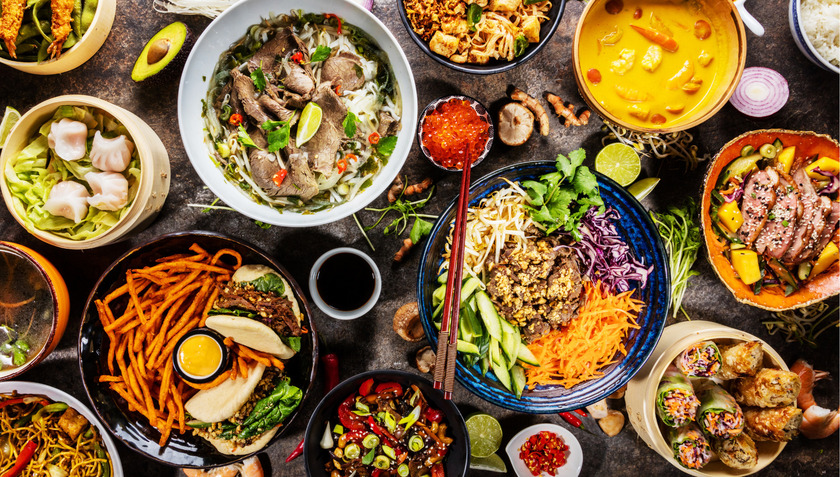
Vegetarian dishes from the Land of Smiles also have a very special flavor, satisfying many tourists from all over the world.
Thailand, with its deeply rooted Buddhist culture, has fostered a long-standing tradition of vegetarianism. Vegetarianism is not merely a dietary choice but also an act of reverence for deities and compassion for all living beings. Consequently, vegetarian restaurants have sprung up throughout the country, catering to the growing demand from locals and tourists alike. Especially during Buddhist holidays, vegetarianism becomes an indispensable custom, demonstrating people's devotion to the Buddha.
Some Thai people of Chinese descent eat ahaan jae – a vegetarian dish prepared without garlic and onions – for religious reasons. And many Indian restaurants in Bangkok serve vegetarian options. According to Statista, a German-based data provider, 8% of the Thai population was vegetarian in 2019.


Thai cuisine has a strong appeal to tourists from all over the world.
The trend of veganism, though relatively new, has quickly spread and become popular in Thailand, especially in popular tourist destinations like Koh Phangan Island and Pai town. The increasing popularity of mindful living among tourists, coupled with the rise of vegan restaurants, has contributed to a healthy and sustainable culinary movement. The strong growth of tourism has fueled the demand for diverse dining options, with vegan cuisine gaining increasing popularity.
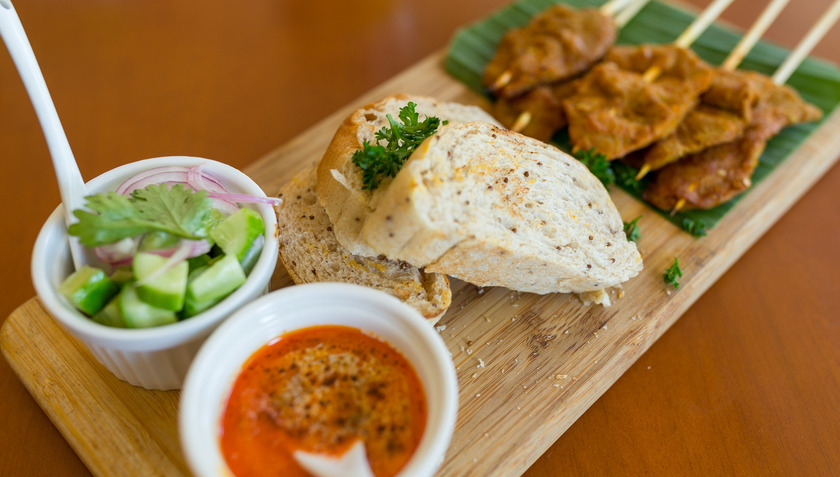
The country's vegetarian trend has emerged thanks to the power of social media.
Previously, vegan cuisine was quite unfamiliar and considered an expensive option for Thais. However, with the development of social media, especially Instagram and TikTok, influencers have played a significant role in promoting the vegan lifestyle. Images of visually appealing and delicious vegan dishes, along with information about their health benefits, have attracted the attention of young people, and more and more are beginning to explore and appreciate vegan food.
The level of attention given to vegan food has changed significantly over the past decade. Even Thais who weren't vegan are now aware of it as a healthy diet and have a positive view of it. More and more people are becoming more flexible in their eating habits and sometimes choose veganism to balance their cuisine.
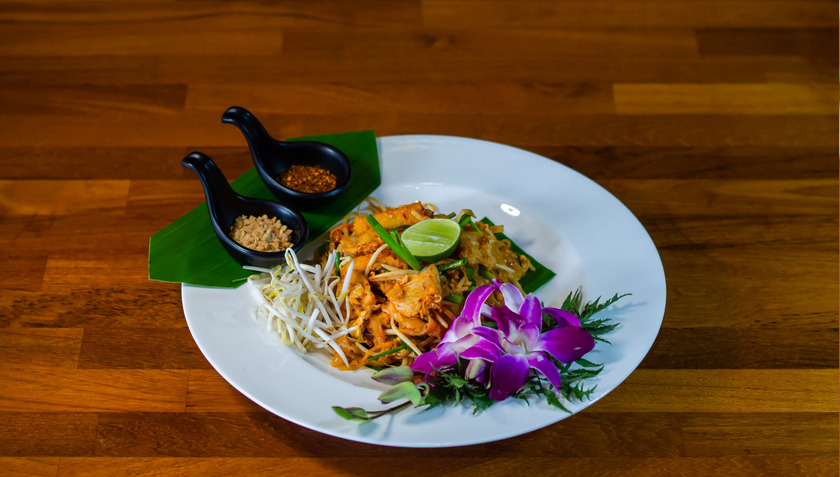
Vegetarianism is not just a diet, but also an act of showing respect to the gods and compassion for all living beings.
Culinary diversity is also increasing as international vegan food and vegan variations of traditional Thai dishes become more prevalent in Thai kitchens, often featuring tofu as a substitute for meat or fish.
Meanwhile, some eateries in Bangkok also offer vegan sushi. Many restaurants in upscale hotels also offer culinary diversity by including vegan dishes on their menus.
Notably, this October, Phuket city (Thailand) will be bustling with the 10-day Phuket Vegetarian Festival held on the streets.