VI
VI


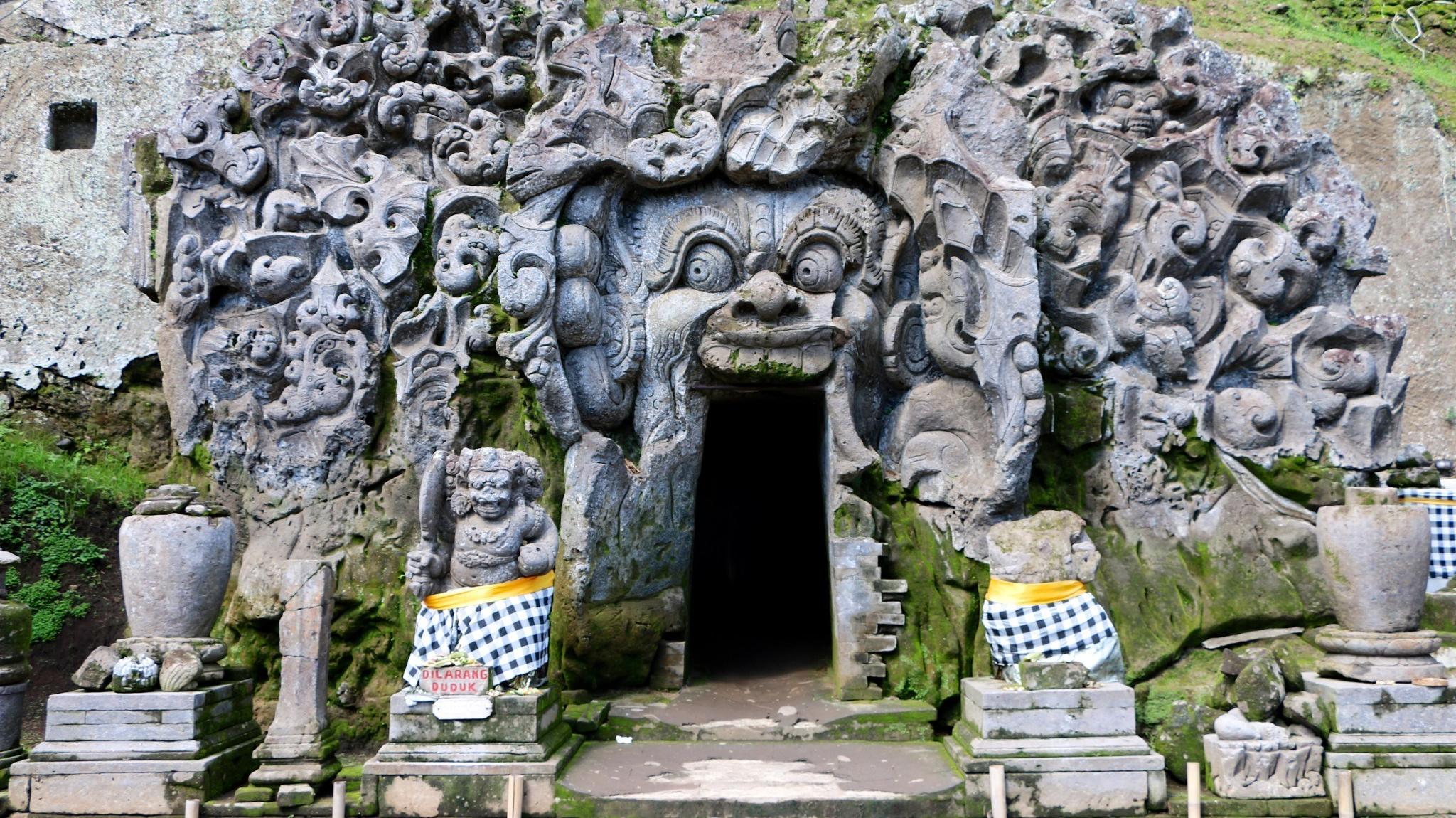
Located not far from Ubud on the island of Bali, Goa Gajah is a site of significant archaeological importance. Locals call Goa Gajah the Elephant Cave because it is situated near the Elephant River.
The entrance to Goa Gajah resembles a devil's mouth, eerily warning visitors that they are about to venture into a dark underworld. Some believe the entrance symbolizes the Hindu earth god Bhoma, while others say it represents the mouth of the child-eating witch Rangda from Balinese mythology.
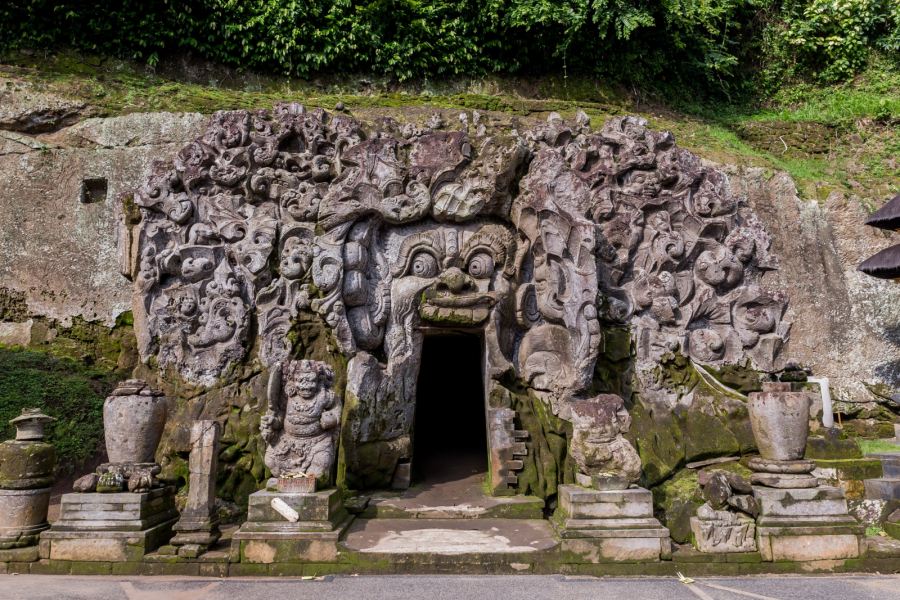
The somewhat eerie entrance to Goa Gajah
In 1995, Goa Gajah was officially included in UNESCO's tentative list of World Heritage Sites.
history of Goa Gajah
Goa Gajah Elephant Cave is believed to date back to the 11th century and was first mentioned in a poem.DesawarnanaJavanese writing in 1365.

Following the last excavations in the 1950s, several theories emerged suggesting that this stone structure was once a hermitage or sacred place for Hindu monks. While recognized as a Hindu holy site (one of many Hindu temples around Bali), some of its relics and its resemblance to a Buddhist temple suggest that it once held special significance for Buddhists in Bali.
Inside the Goa Gajah Elephant Cave
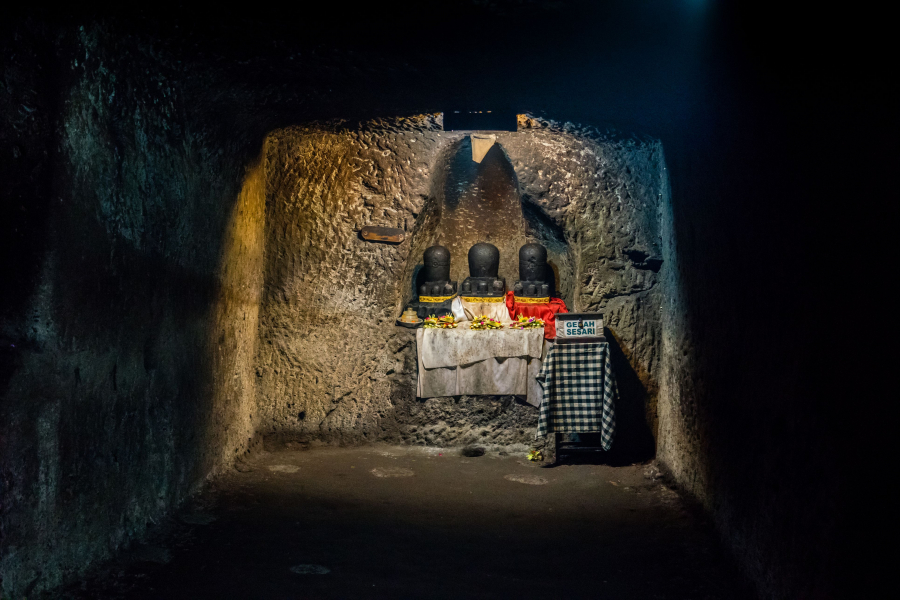
Shiva worship area
Many visitors to Goa Gajah Elephant Cave are surprised by the relatively small size of this rock formation. As you pass through the dark and narrow passageway, the cave abruptly ends at a junction.
The passageway on the left has a small alcove where a statue of the revered Hindu god Ganesha, depicted with an elephant's head and a human body, is placed. The passageway on the right is a small worship area with symbolic objects.lingamandyonimade of stone to honor the god Shiva.
Visit the Elephant Cave
- Goa Gajah is open seven days a week from 8:00 AM to 4:30 PM.
- The entrance fee is approximately 15,000 rupiah, equivalent to about 1.15 USD.
- Dress modestly is required, with both men and women needing to cover their knees. You can borrow a sarong at the entrance to Goa Gajah Elephant Cave (included in the ticket price).
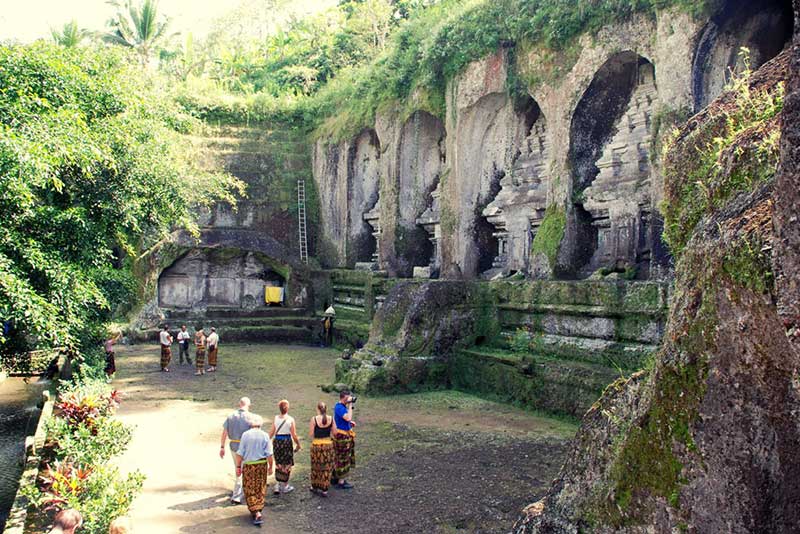
All visitors must wear trousers that cover their knees or cover themselves with a sarong.
- Goa Gajah remains a place of worship, so please try not to block the view of worshippers and refrain from taking photos of people while they are praying.
- Be prepared and mentally alert when entering the cave, as it will be very dark inside with no artificial light.
- At Goa Gajah Elephant Cave, there are no signs or information in English. If possible, ask a local who speaks English to explain it to you.
- Since it only takes a few minutes to explore Elephant Cave, if you're not in a hurry, take the opportunity to discover the stunning scenery surrounding it, from lush green fields to tranquil gardens and other ancient temples like Gunung Kawi, as well as the Tegenungan waterfall.
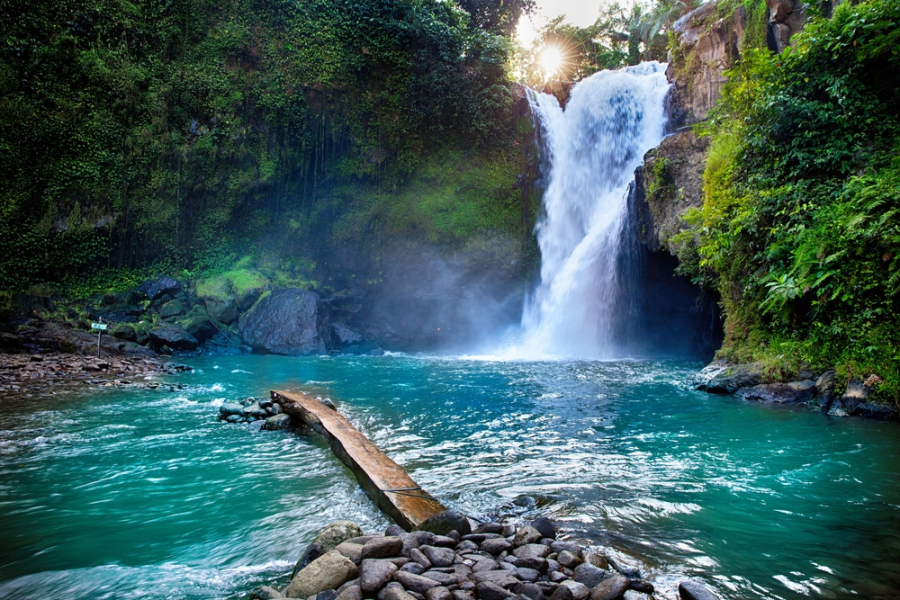
Tegenungan Waterfall is a 30-minute drive from Goa Gajah Elephant Cave.
Go to Goa Gajah
The Elephant Cave is located just 10 minutes southeast of the town of Ubud in central Bali, Indonesia. You can book tours to visit a number of famous temples, including the Goa Gajah Elephant Cave, in Bali, in Ubud.
Alternatively, you can rent a motorbike in this town for about $5 USD/day to freely explore other places. Start by driving south of Ubud, passing the monkey sanctuary towards Bedulu, then turn east (left) onto Jalan Raya Goa Gajah. There will be numerous signs directing you to Goa Gajah as well as other attractions. Parking at the Elephant Caves will cost a small fee.






.jpg.jpg)


.jpg.jpg)


.jpg.jpg)