Elizabeth Gilbert wrote in "Eat Pray Love" that "Everyone who goes to Bali falls in love." That statement may not be true for everyone, but I'm sure that everyone who goes to Ubud leaves with a sense of longing.
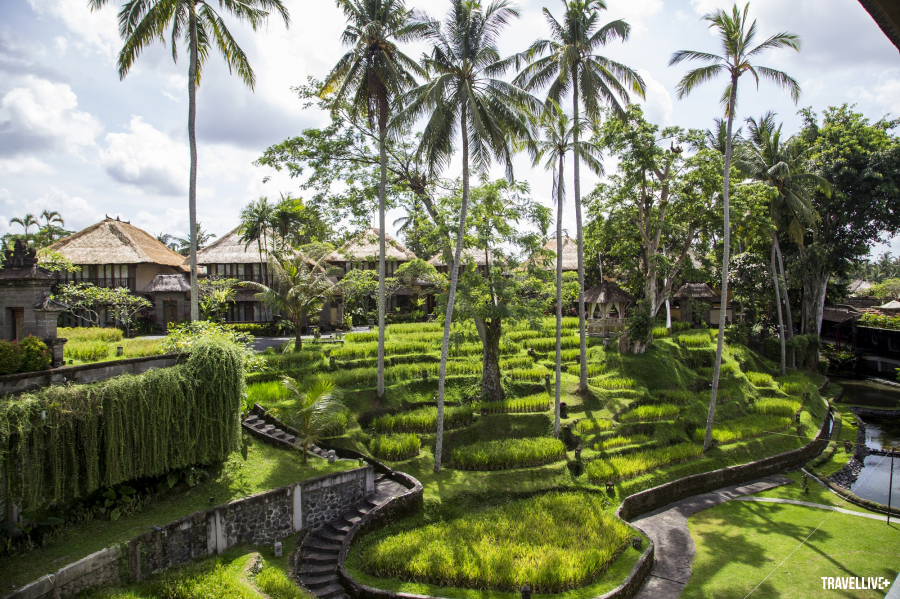
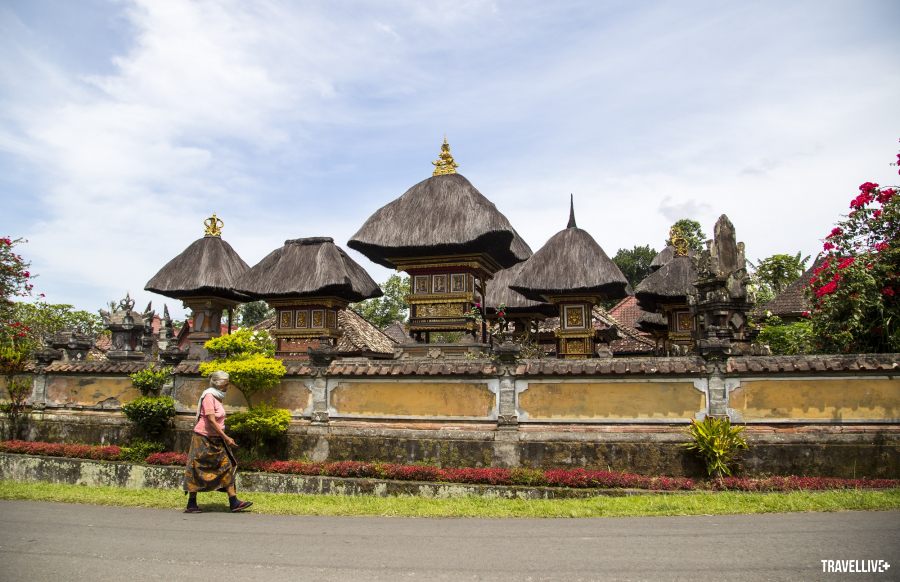
I still remember Bali, the "tiny" island among Indonesia's more than 17,000 islands and one of over 8,000 inhabited islands in a country with over 260 million people, also considered one of the most livable places in the world. In Bali, every house has a temple, a living museum of Hindu architecture and culture. The volcano in Ubud is sometimes still active, and the Tegalalang rice terraces nestle beneath coconut groves, changing color from green to yellow each harvest season. I will also never forget waking up to the gentle sound of prayers, the morning sun flooding every house and street corner. I remember Ubud as peacefully enchanting as it was, with its friendly and kind people. So, if you've been to Bali, do you miss it as much as I do?
The inspiration for the famous novel
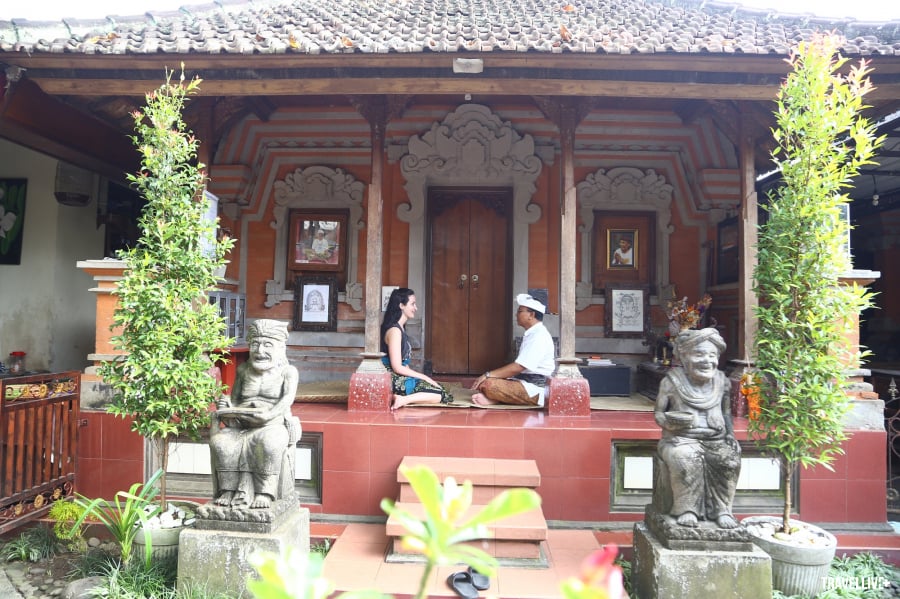
In the charming little house in Ubud, the scent of frangipani flowers mingled with the aroma of incense sticks scattered throughout, creating an enchanting atmosphere. Ketut Liyer's son sat cross-legged on a small mat, behind him an altar and photographs, and a book titled "Eat, Pray, Love." After a warm handshake came prophecies about my past and future. I found them quite accurate regarding my own past life; of course, the future lies ahead and needs to be verified. Many people may know Elizabeth Gilbert's romantic story in "Eat, Pray, Love," but they may not know the people and the house that inspired it.
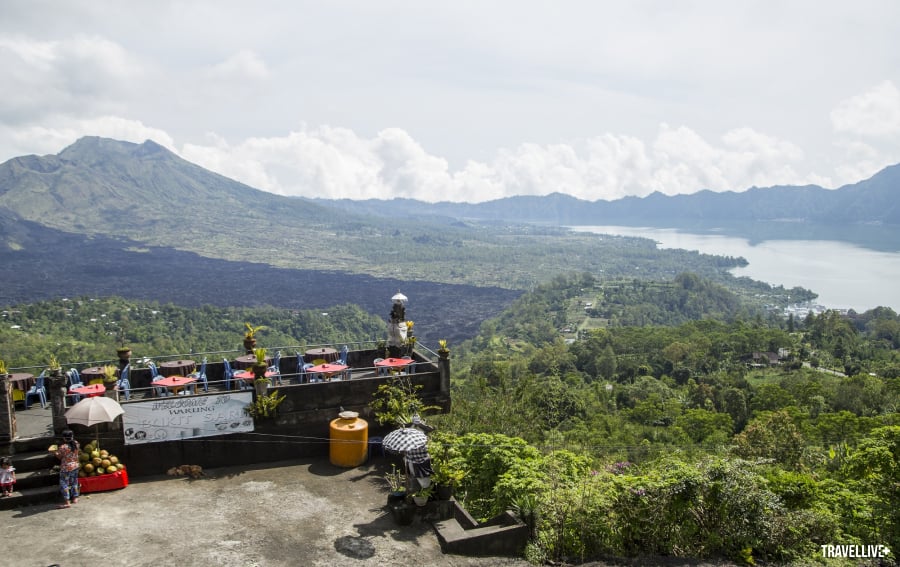
I said goodbye to Mr. Ketut Liyer and his family to continue my journey through the peaceful land of Ubud on the motorbike I had rented that morning. The roads in Indonesia aren't very wide, but they are very clean, people move around orderly, and you rarely hear car horns. I let my mind guide my body until the Batur volcano appeared before me, at which point I stopped abruptly.
Volcanoes and sacred temples
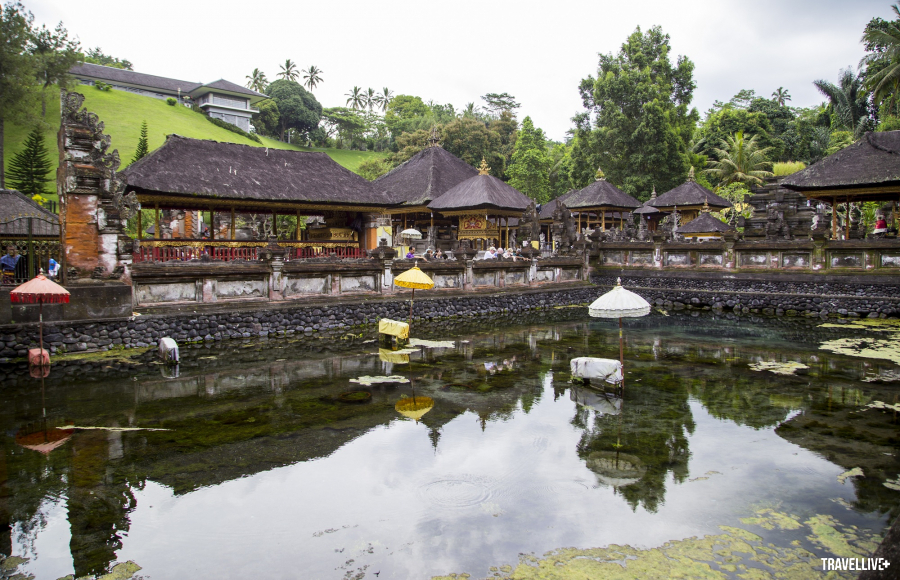
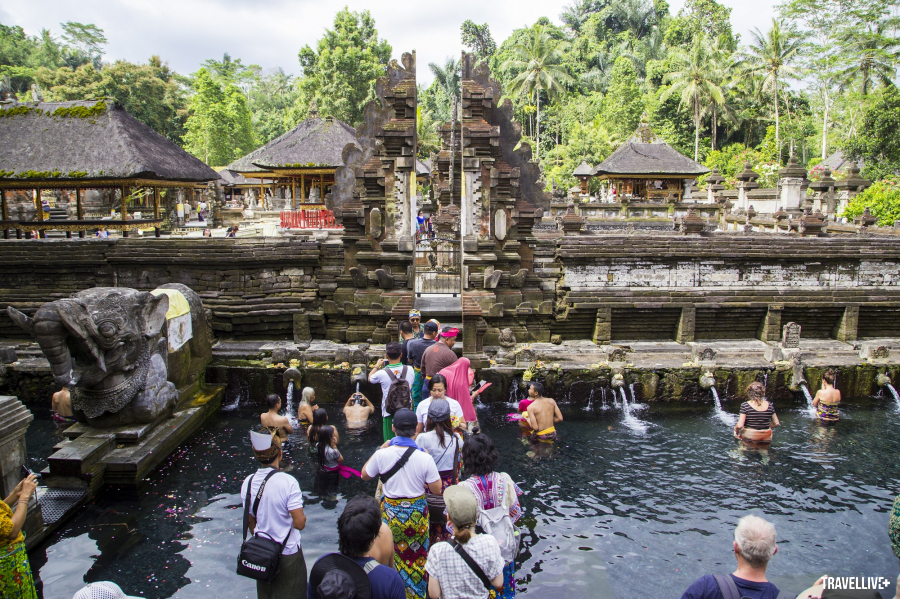
Located next to a lake, the volcano is theoretically still active, but it's now a fascinating destination. You can wake up early to climb to the summit and watch the sunrise, or simply sit in a small cafe with a beautiful view, like I did, and enjoy a delicious lunch. Many people only visit Ubud briefly because it's not as bustling as Kuta, but for me, a month here would still not be enough. There's so much to eat, so many places to go, and so many people to meet and talk to. Like the story of the Tirta Empul temple where the Holy Spring washes away all worldly impurities.
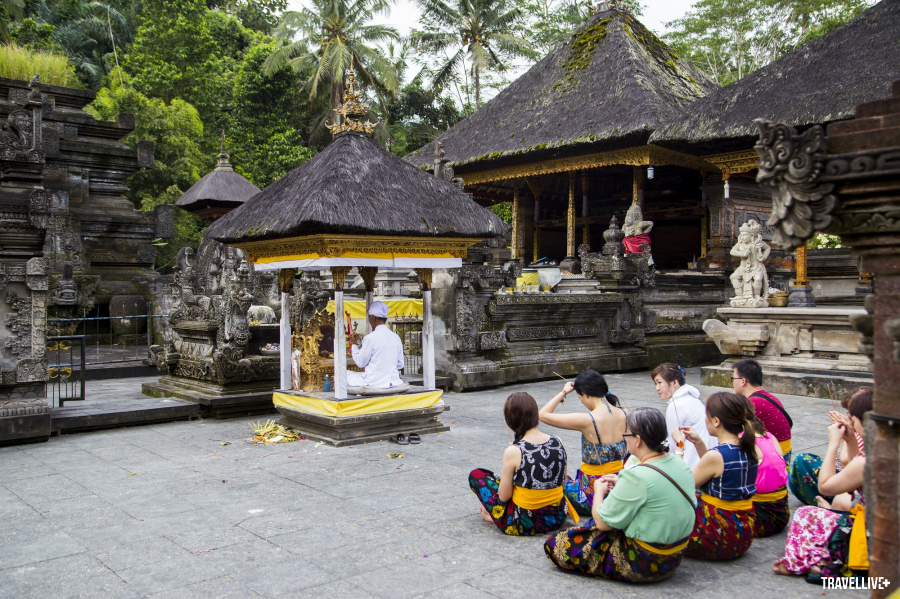
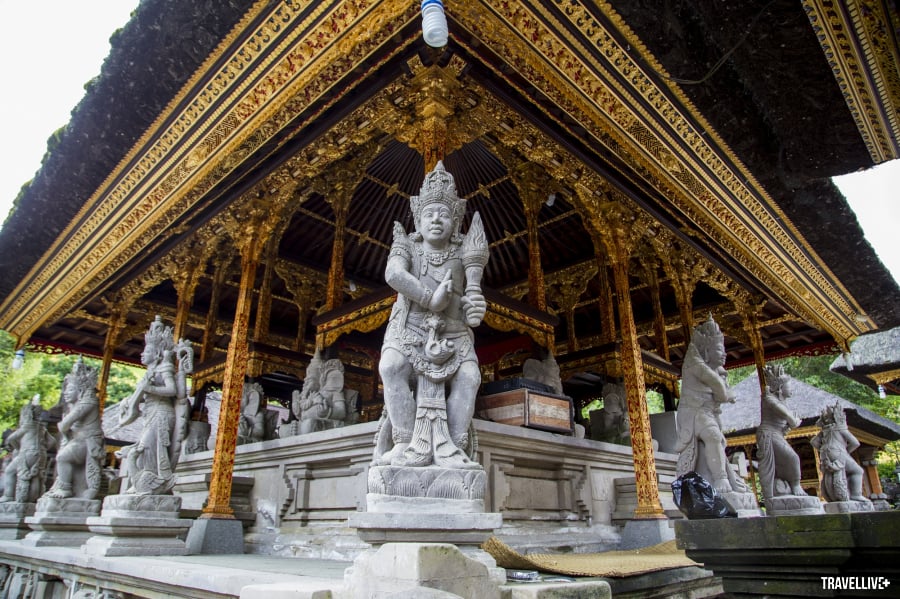
Nestled between two hills with sacred springs, the temple was built around the 10th century during the Warmadewa dynasty. Its name is derived from the underground spring, "Tirta Empul." The temple is divided into three main areas: Jaba Pura (front courtyard), Jaba Tengah (central courtyard), and Jeroan (inner courtyard). Jaba Tengah has two pools and dozens of water spouts. The temple is a place where Hindus in Bali come to perform purification rituals. The most special feature is the underground spring that has continuously erupted from the earth for thousands of years, creating a sacred stream. According to Balinese belief, this water will remove illnesses, cleanse sins, save souls, and bring joy to people. You will need to wear a sarong (provided at the counter) before entering the temple. Many tourists and locals bathe, use the water, and wash their faces at the spouts fed directly from the Holy Spring, which erupts day and night. I don't know if these streams of water can truly wash away all worldly impurities, but seeing the people solemnly performing the rituals and trying to scoop up water to wash their faces, I felt energized to explore this beautiful island.
A friendly Bali
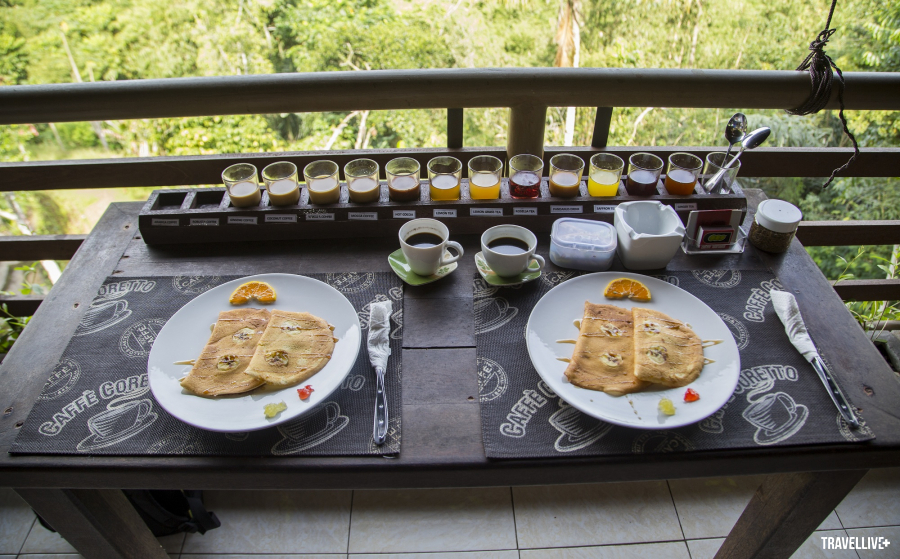
And so I continued my journey, circling through the rice paddies during planting season, the gentle smiles of the Ubud farmers ready to chat with me. Indonesia has over 300 ethnic groups with more than 700 different languages. However, on this island of Bali, you can comfortably use English because most people can speak Balinese and other international languages. When I was too tired, I stopped at a small roadside café, enjoying the sweet aroma of Balinese coffee or more than 14 different drinks, mostly made from ingredients from their own gardens.
I love the way the people of Bali handle tourism; it feels like they're doing it from the heart. No matter how picky you are, they can satisfy you. For example, when I said I was hungry (it was already 11 pm), just 30 minutes later, a resort staff member brought a steaming hot plate of Nasi Goreng (fried rice) to my room.
Countless activities await you to discover.
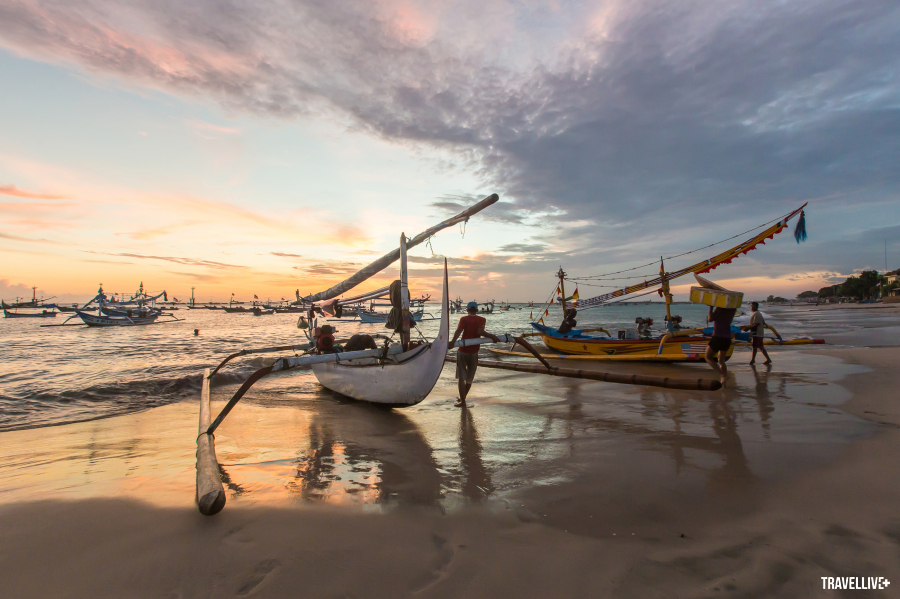
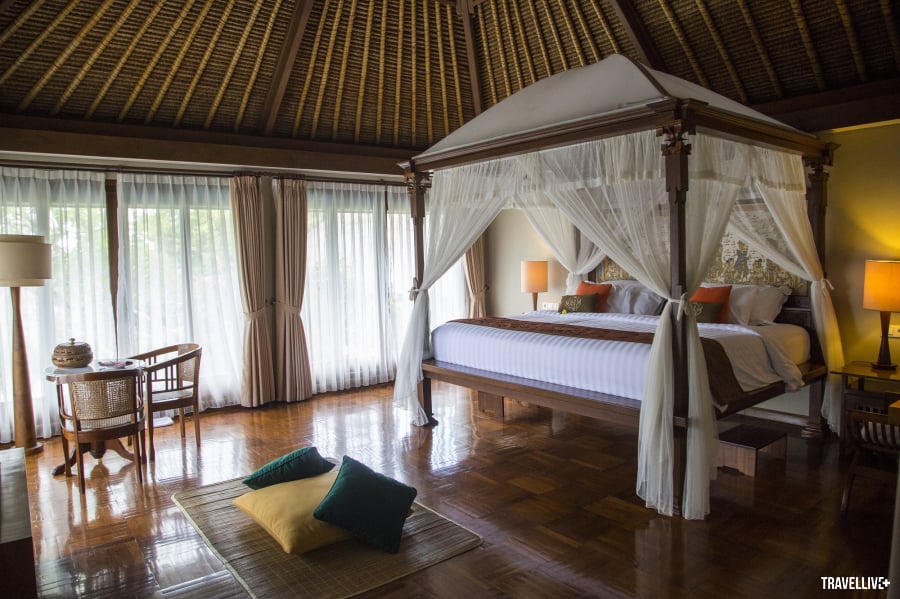
Bali offers everything a tourist could wish for. Thousands of temples, large and small, are scattered across the island, each with its own history, for those who want to explore spiritual culture. The stunning beaches of Kuta, Jimbaran, and others, bathed in sunshine and offering impeccable service, are paradises for those who enjoy sunbathing, savoring seafood, or engaging in thrilling activities like surfing, fishing, and scuba diving. Whether you want to trek, hike, bike, rafting, or surf, you can find it all with its seven volcanoes, pristine forests, lakes, and waterfalls. Thousands of resorts and homestays with beautiful scenery, nestled in nature yet affordable, are ideal places to escape the world and find a quiet corner for yourself.
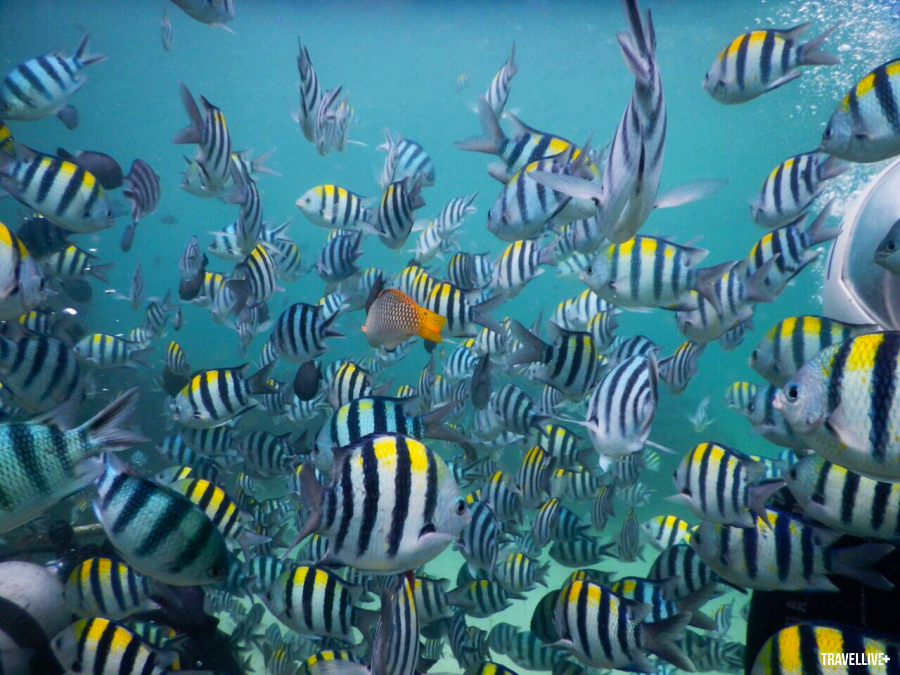
Like me, I love the ocean and chose Seawalker for my next activity in Bali. It's a real walk on the seabed, but beforehand, the instructors will give you full instructions on the signs, skills, and introductions to this exciting experience. Then, you board a small boat to go further out, and then onto a larger boat. Here, again, the instructors will explain in detail how to use the headgear, emergency signals, and offer underwater photography and videography services if you need them.
The change in pressure might cause a little ear pain, but afterwards, the unique underwater scenery will make you forget all about it. Schools of colorful fish swim around you, you can almost catch them with your hand, the coral reefs are stunning, and the sunlight reflecting off the surface of the sea is quite fascinating. I recommend you try this experience at least once in your life whenever you visit Bali.
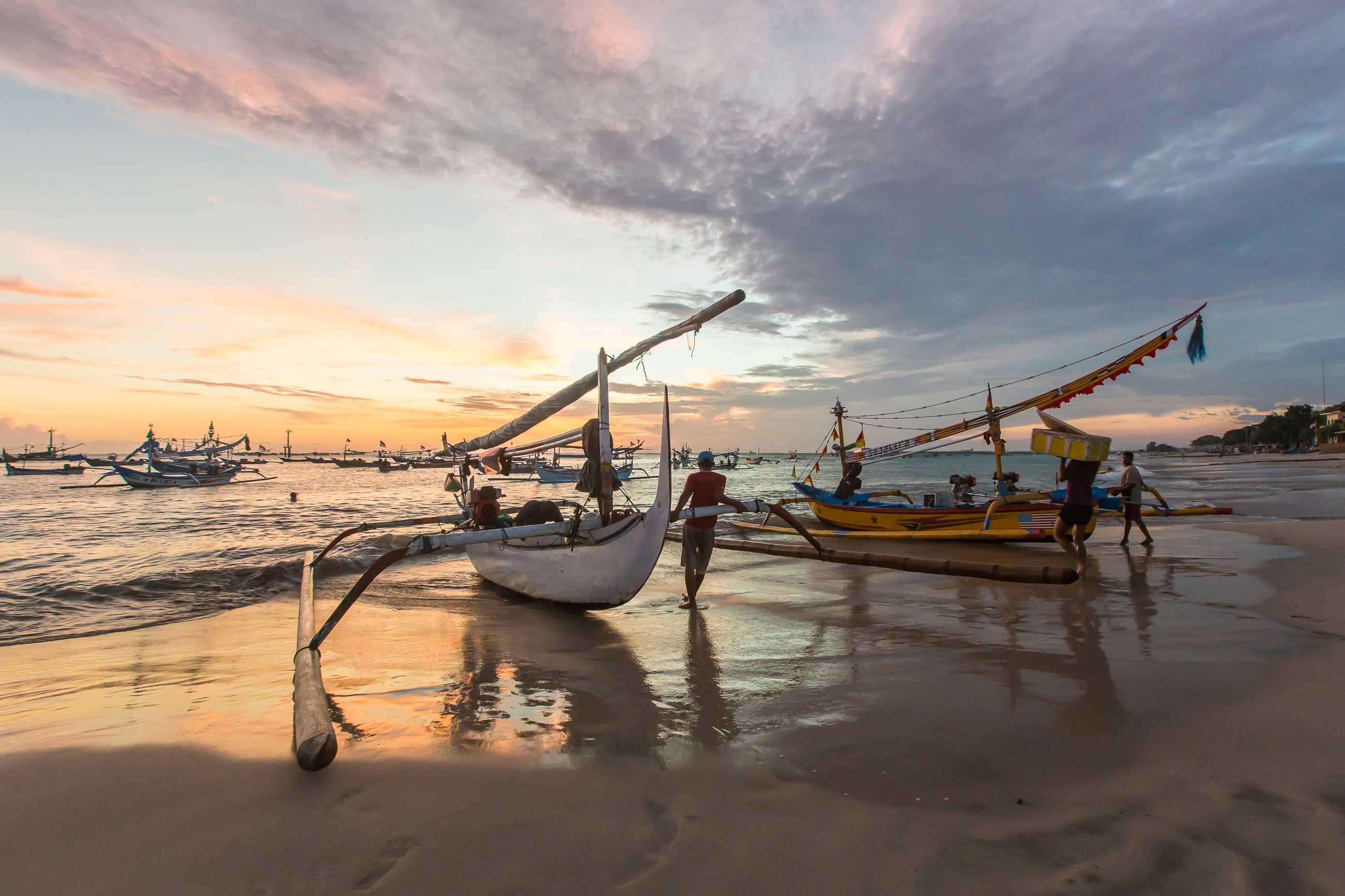
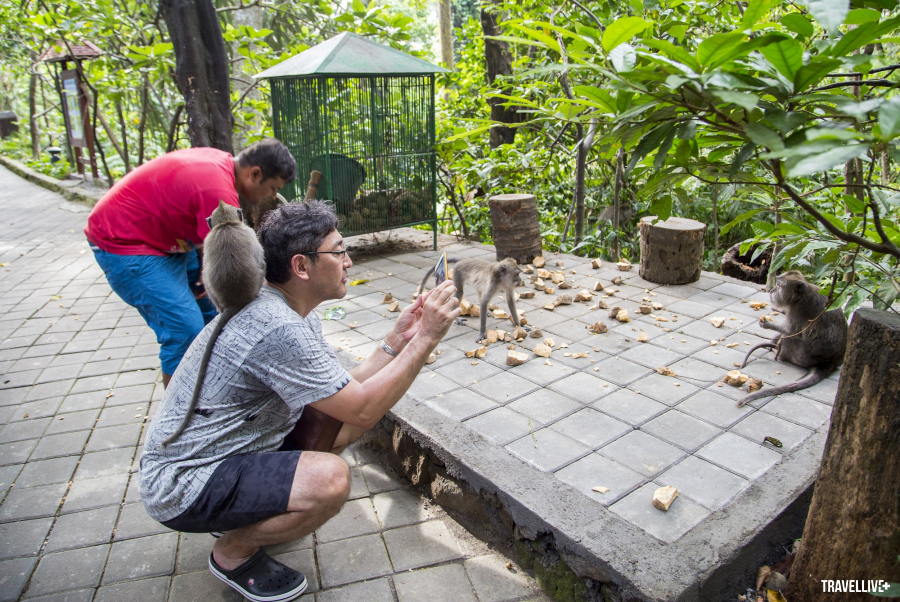
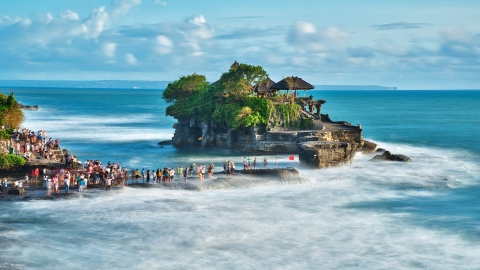
It's difficult to list all the attractions and the feelings after visiting each place. The monkey forest, with over 700 monkeys and a unique temple in the middle, could be a temporary stop before continuing your journey to Uluwatu or Tanah Lot. Uluwatu is one of the oldest temples in Bali, situated on a coastal cliff and carved from black coral rock with layered thatched roofs. Along with Tanah Lot, Uluwatu is one of the most beautiful sunset spots in Bali and the world. That was the sunset of my first day in this country; on my second day, I chose Rock Bar as my destination.
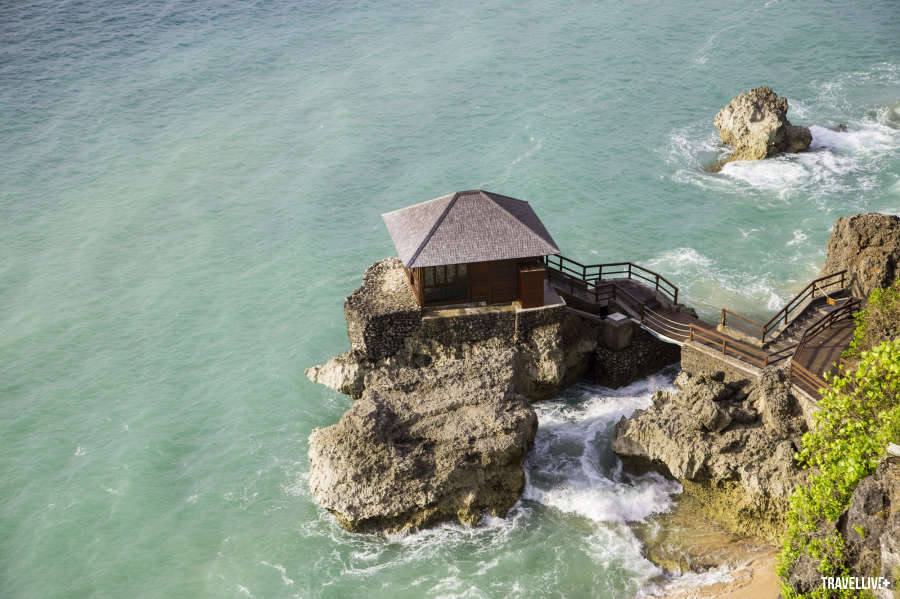
Nestled on a windswept cliff overlooking the vast ocean, you can relax on comfortable loungers, breathe in the sea breeze, listen to live music, and savor the island's specialties and seafood. Try a candlelit dinner with the gentle sound of waves and top-notch service – trust me, it's an unforgettable experience. You'll cherish the memories for a long time…
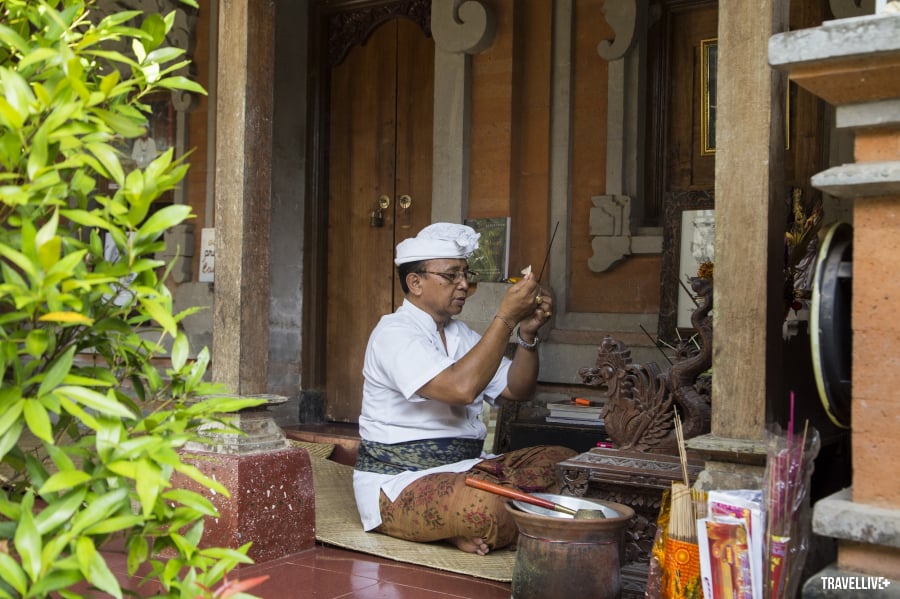
I love Ubud as much as I love my hometown of Hoi An. The people are friendly, warm, and hospitable. Almost no shops open before 9 am, because before that, they have to pray and perform traditional rituals. The offerings of flowers, incense, and heartfelt devotion in each house and temple can bring you a moment of peace after the hustle and bustle of the past.
In Ubud, people almost never close their shops later than 10 pm (except for some bars and pubs). Sitting in a small cafe in Tegalalang, gazing at the lush green rice terraces nestled among towering coconut trees, watching the farmers diligently work in the fields while tourists comfortably sip their coffee, you'll truly appreciate how peaceful their lives are.
In a charming little homestay nestled in the fields, candlelight in the corner mingled with the scent of essential oils, while outside a few crickets chirped softly. I sat quietly in my chair reading. Dimming the lamp slightly, I flipped through my notebook, which I always carried with me, to quickly jot down a few thoughts: Bali… a touch of nostalgia… Ubud…!
ADDITIONAL INFORMATION
+ Sightseeing:You need to plan your itinerary and sightseeing spots accordingly, depending on the number of days you plan to spend exploring this paradise island. Some of the main attractions in Bali include: Lake Beretan, Mount Batur, Mount Kintamani, Batubalan village, Tanah Lot temple, Uluwatu temple, Kuta beach, Jimbaran beach, Sanur beach, Ubud, Monkey Forest, Holy Spring, along with numerous other temples, traditional villages, and entertainment areas.
+ Baggage:If you plan on a backpacking trip and want to participate in adventurous activities, you need to prepare the appropriate specialized equipment. The climate in Bali is quite similar to Saigon, with two seasons: dry and rainy. The temperature can be hot during the day, but cool at night due to the sea breeze. Besides basic travel essentials, you should bring a universal power adapter because the electrical outlets in Bali are different from those in Vietnam. Another thing to note is that you should bring mosquito repellent, as the rural area of Ubud, with its garden-style resorts and homestays, has quite a lot of mosquitoes. Since you'll have a layover in Bali (usually in Singapore or Kuala Lumpur, Malaysia), you might want to bring books or entertainment devices while waiting.
+ CurrencyYou just need to exchange VND to USD in Vietnam and then bring it to Bali to exchange it for local Rupiah for spending. A tip is to check the exchange rates posted outside each shop; choose the one with the best rate. The average exchange rate in Bali is slightly higher than in Vietnam.
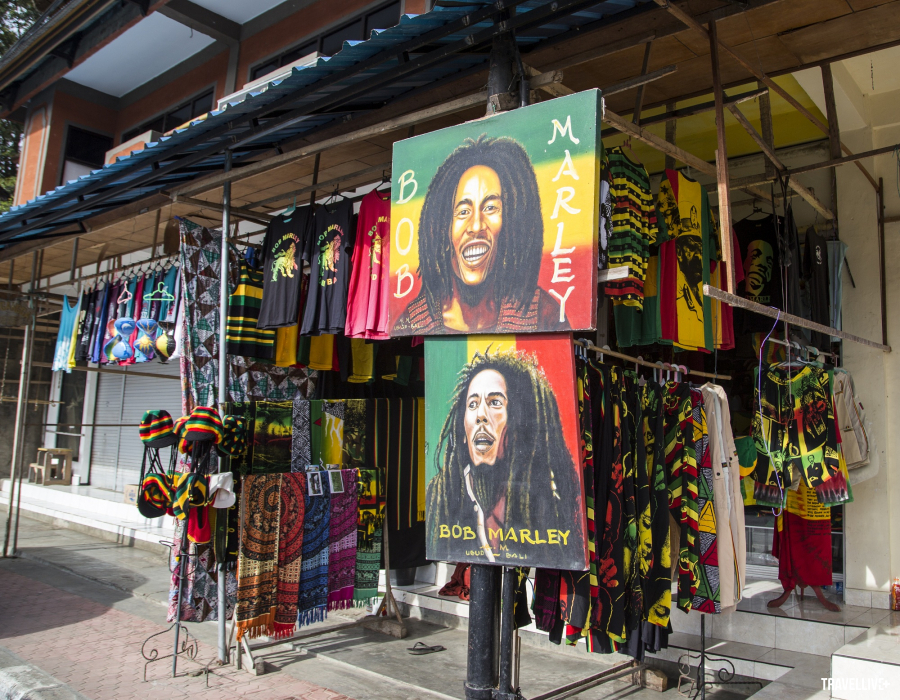
+ Shopping:When you go to the market or souvenir stalls on the sidewalk, you can bargain freely. The locals here are quite friendly, so you don't have to worry about them being harsh with you for haggling. Note that some shops might overcharge by 2-3 times the actual value of an item!
+ CuisineBali has a wide variety of traditional dishes as well as restaurants serving Asian and European cuisine, so you don't have to worry too much. If you want to eat traditional local dishes, look for restaurants with the word "Warung" in their name. Seafood is plentiful in Jimbaran beach and at various restaurants, and prices are very reasonable. Balinese people often use a lot of sauces in their dishes. Drinks are also very diverse; you can find around 14 different local beverages in local shops.
+ Transportation:You can rent a motorbike or a self-drive car to explore Bali, or you can opt for a private tour. Note that the roads in Bali are on the left, unlike in Vietnam. The roads here are very smooth and flat, but quite narrow, and most people rarely use their horns.
+Contact information:You should buy a local 3G SIM card for easy communication; Wi-Fi is also available in many places. Bringing a portable Wi-Fi hotspot is the most convenient option, and buying one SIM card can be used by the whole group.
+ Please note the dress codeSome temples require you to wear modest clothing to enter, or they will provide a sarong for you to wrap around your body before entering. If you go to Monkey Forest, you shouldn't carry bags or tease the monkeys because they will snatch your belongings!

 VI
VI









.jpg.jpg)


.jpg.jpg)


.jpg.jpg)






