VI
VI


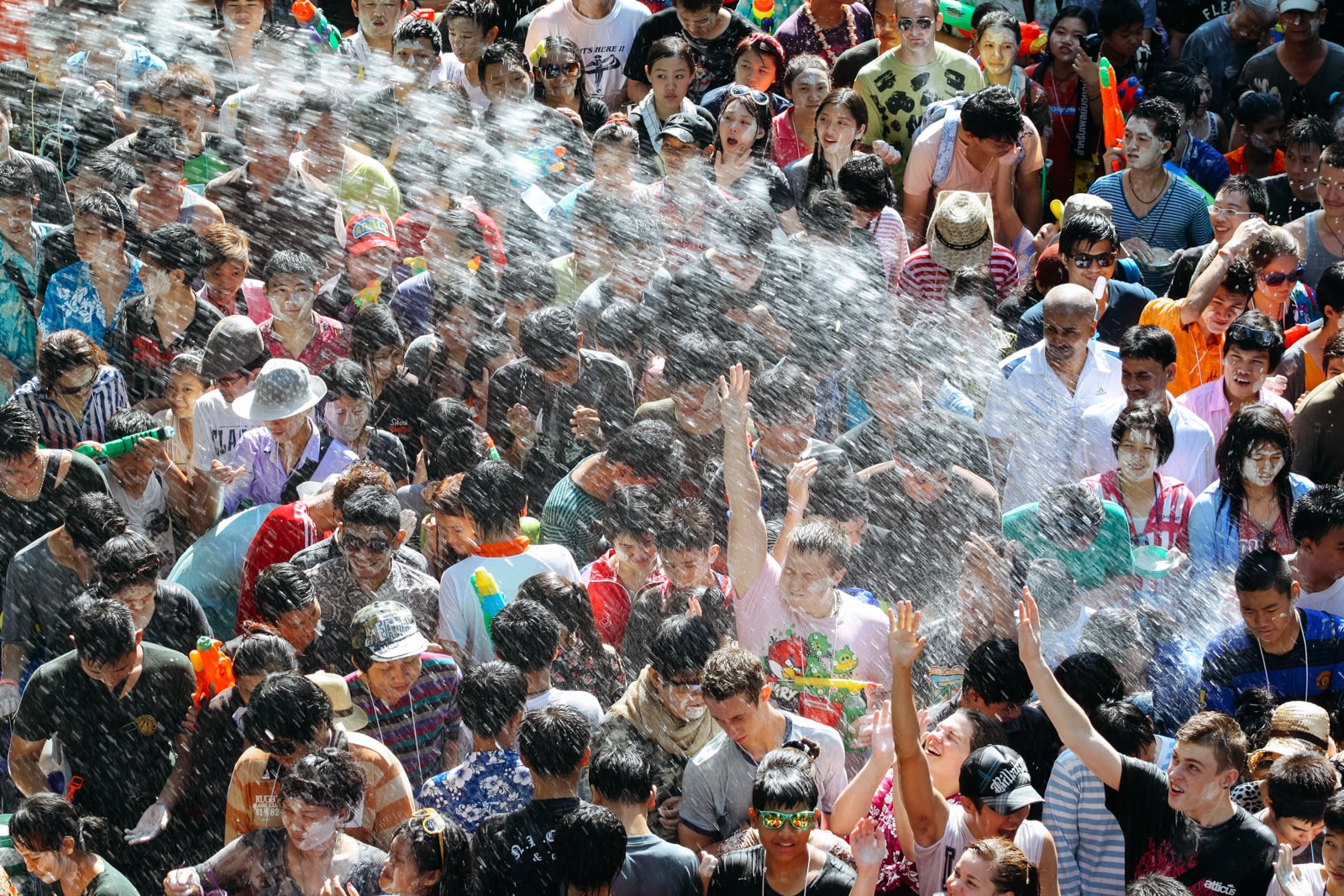
The Water Festival in many Southeast Asian countries usually takes place from April 13-15 each year, which is the first day of the Buddhist calendar year. The highlight of this unique festival is when people splash water on each other as a way of wishing each other good luck and happiness in the new year.
The Laotians call the water festival Bunpimay (or Pi Mai, Pee Mai, Koud Song Kane, Bunhot Nam), the Thais call it Songkran (in Sanskrit meaning "the time when time shifts, the sun moves from the ecliptic to the Taurus region in the universe"), the Cambodians call it Chol Chnam Thmey (or Sand Mountain Festival), and the Myanmars call it Thingyan.
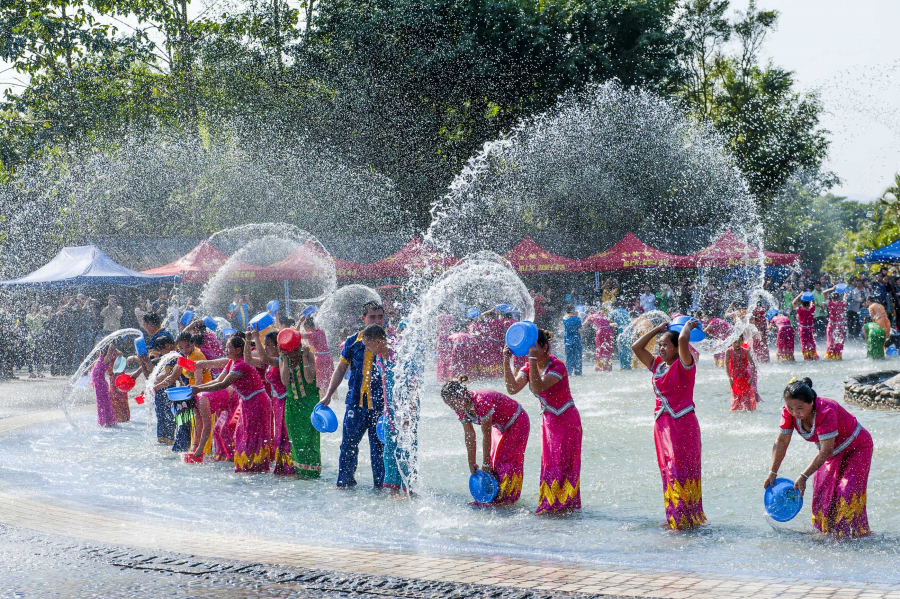
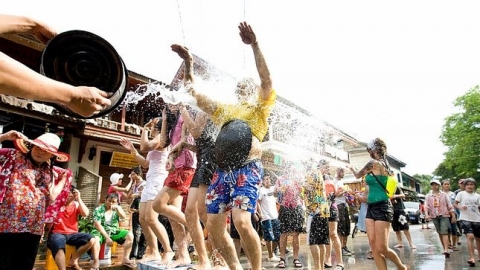
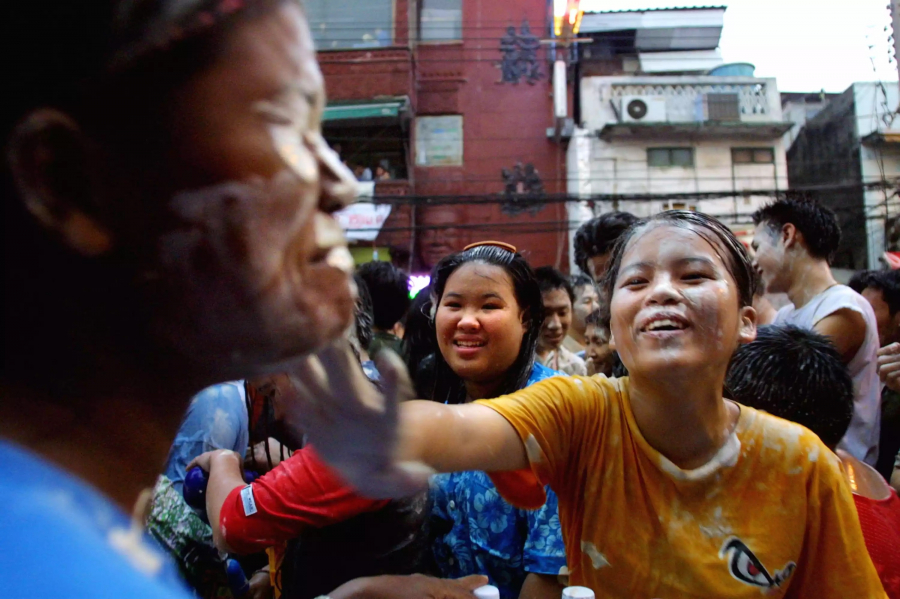
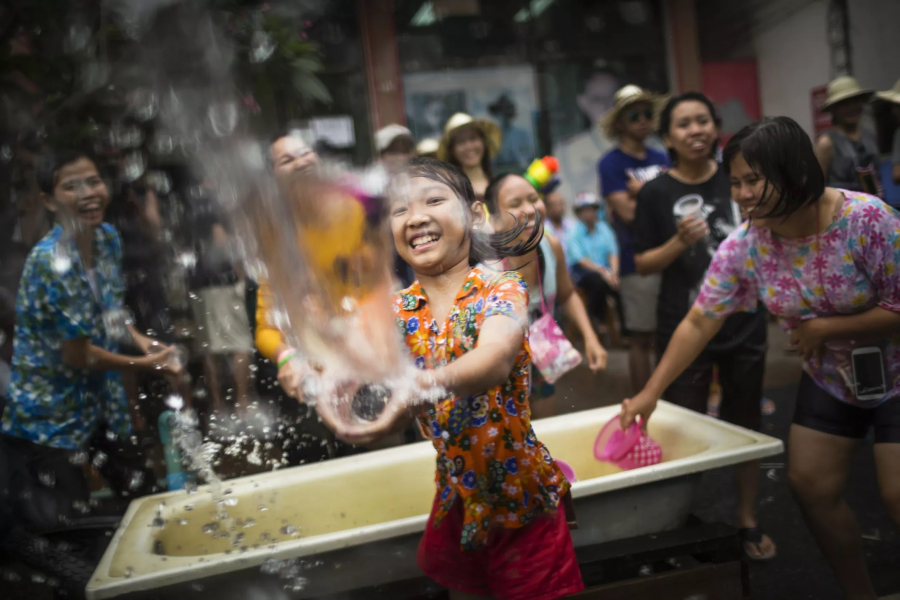
Although known by various names, the water-splashing festival in these countries shares many similarities in form. After religious ceremonies at temples, people pour into the streets, splashing water on each other, houses, religious objects, animals, and farming tools, praying for favorable weather and a prosperous and happy new year. They believe that the more water they are splashed with, the more good fortune they will have in the new year.
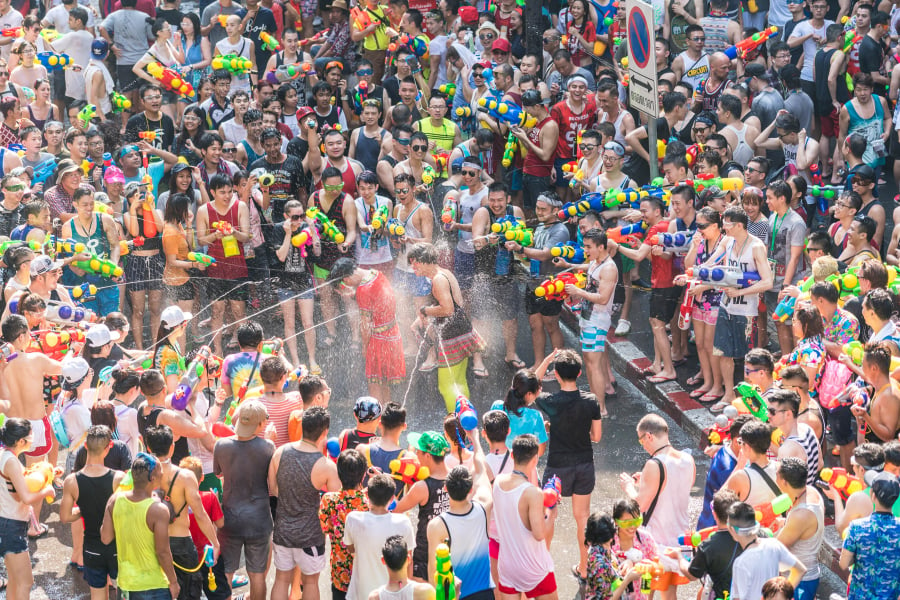
Currently, the water festival in Southeast Asian countries is a popular destination for many international tourists. Because the water festival is a widespread community event, regardless of whether people are locals or tourists, age, background, or social class, everyone joins in dancing, singing, drinking, playing in the water, and enjoying endless fun in the cool, clear water.
Thailand
The Thai Songkran festival takes place during the hottest time of the year. It's a time when Thais pay homage to Buddha, clean their homes, and splash water on elders as a sign of respect. During the festival, many parades and beauty contests are held. People also cook traditional dishes and wear colorful costumes. Besides splashing water, Thais also apply flour to their faces and objects to ward off evil spirits and bad luck.
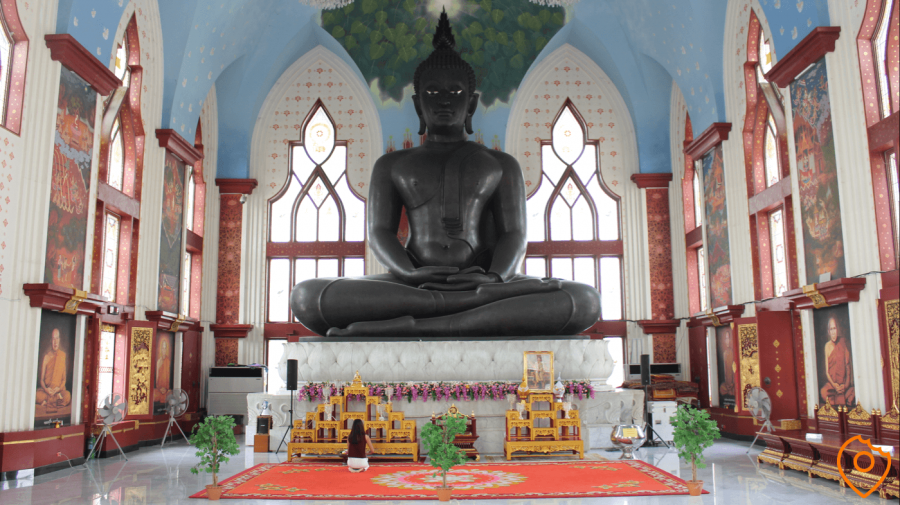
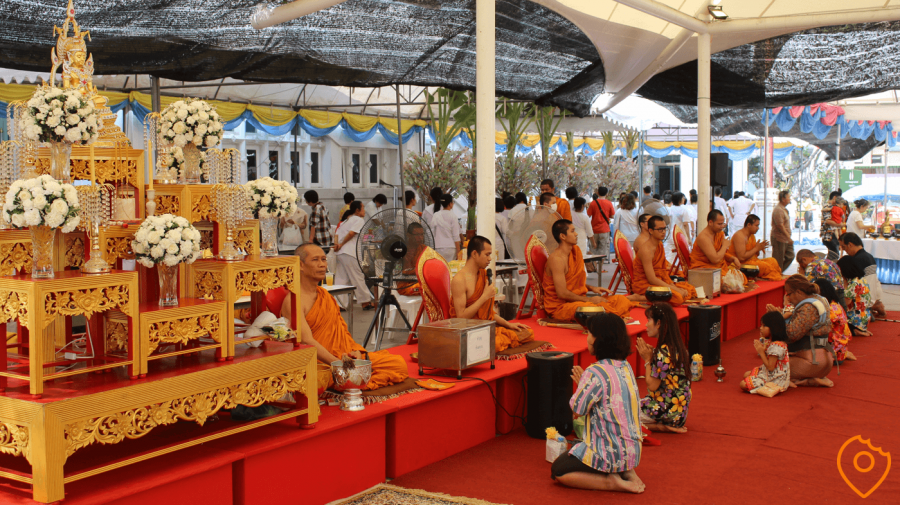
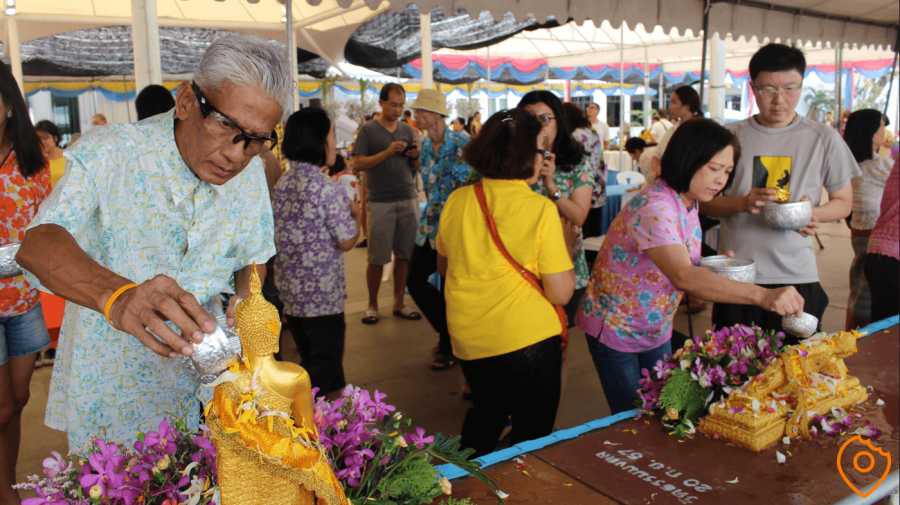
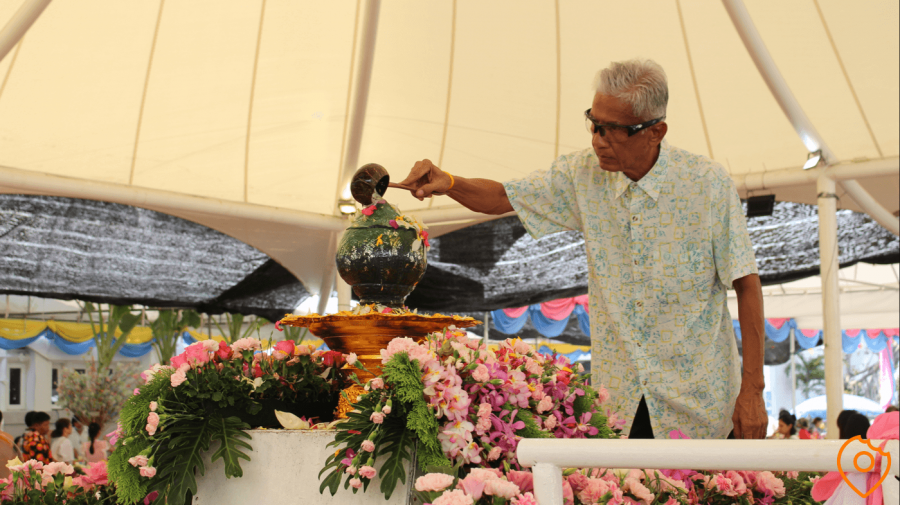
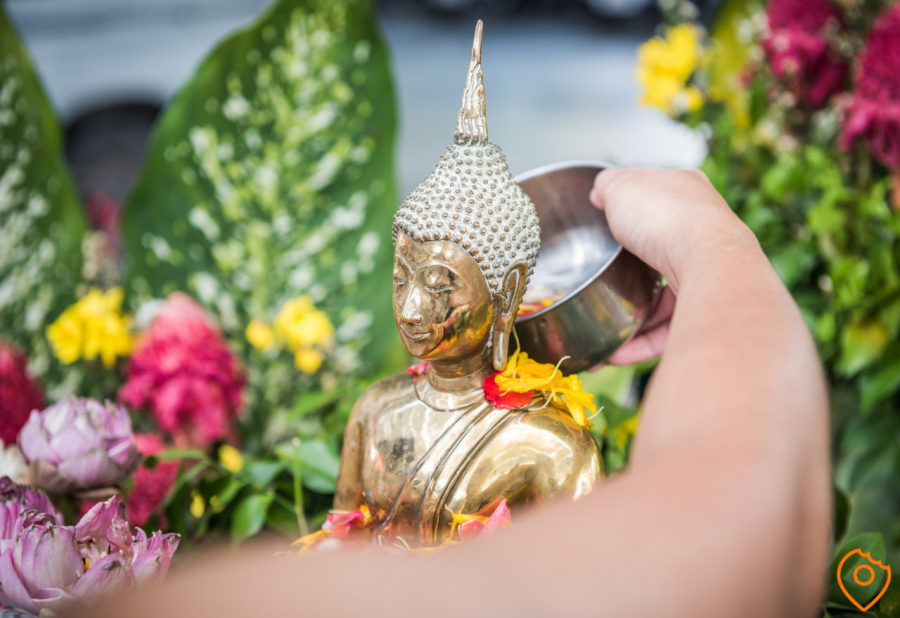
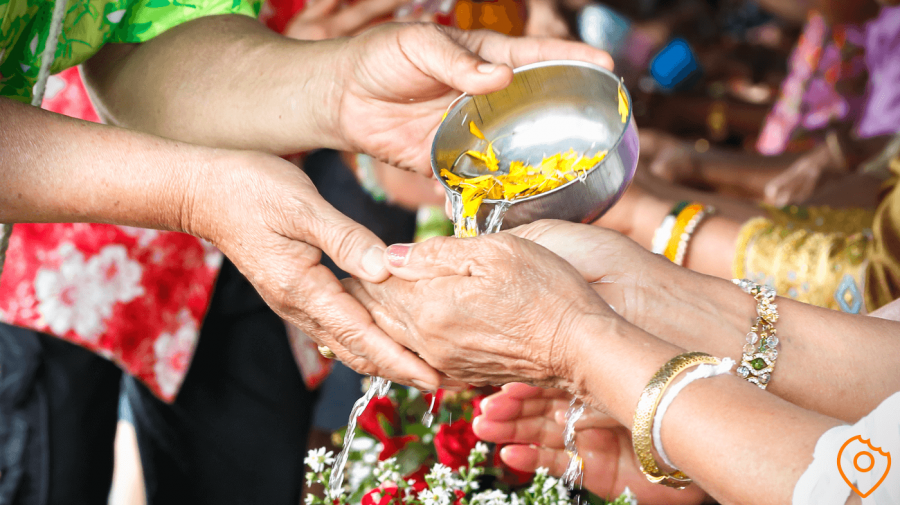
From the capital Bangkok to the "city that never sleeps" Pattaya, from Phuket in the south to Chiang Mai in the north, each place has its own unique water-throwing customs, deeply rooted in local culture. Bangkok is usually the venue for the biggest water-throwing celebrations. Locals often gather in large numbers around Khao San Road, as it's one of the most spectacular water-throwing spots. Additionally, Phra Athit Road, Rattanakosin Royal Square, Santhichairakan, and Krasa are also popular gathering places for people to play and dance. Whether adults, children, tourists, or locals, everyone joins in the water-throwing festival with endless joy.
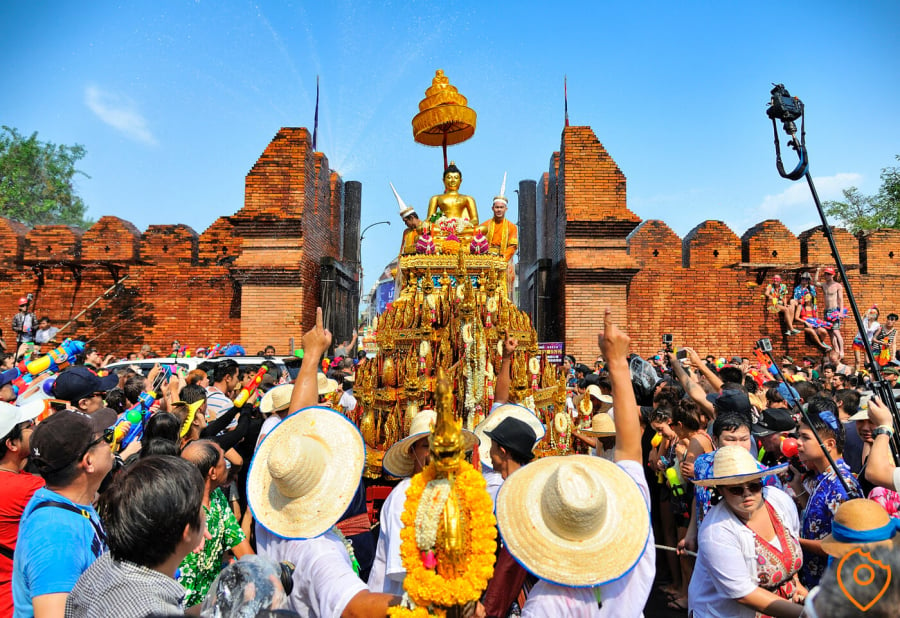
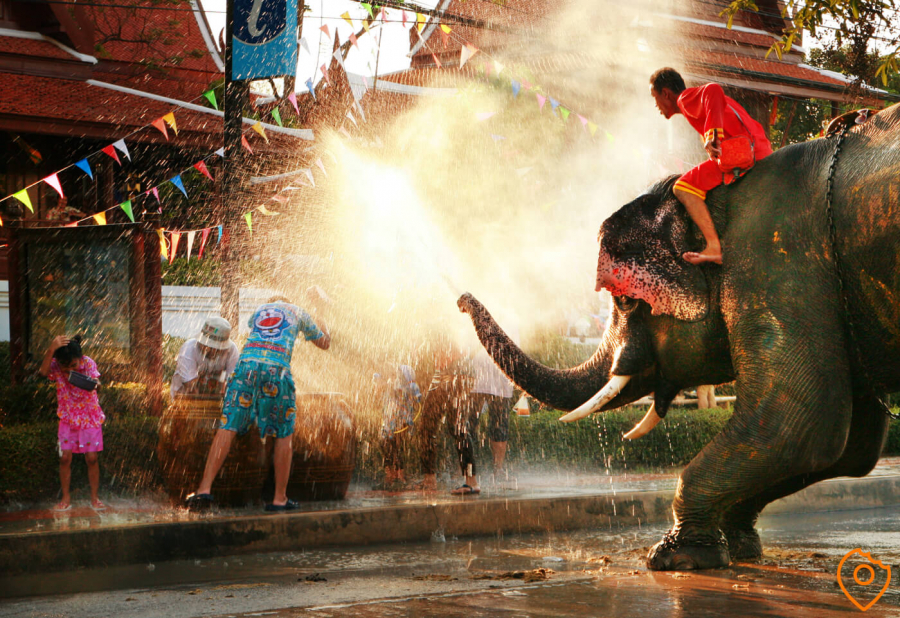
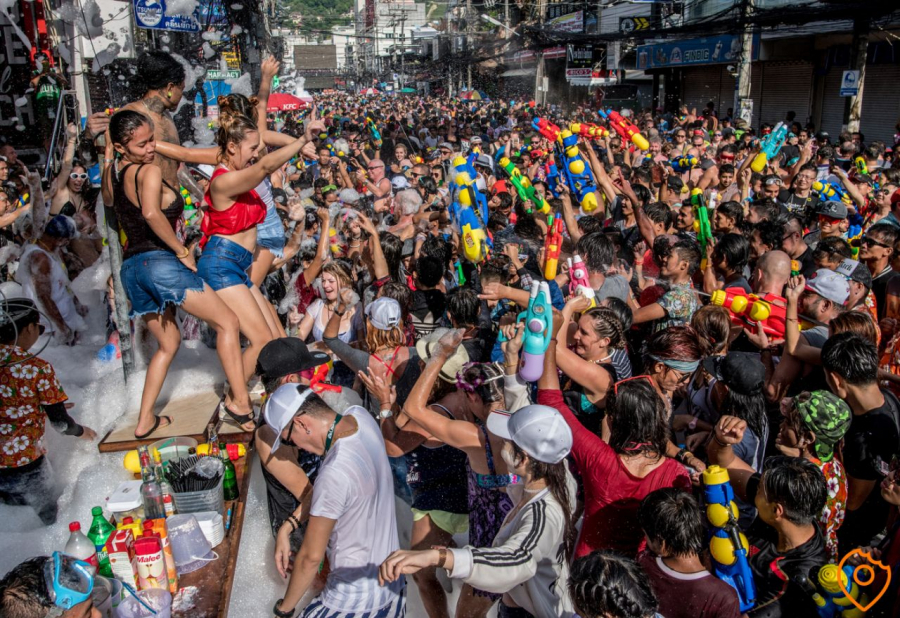
In Pattaya, there's even a Miss Songkran beauty pageant, with transgender contestants participating, creating a truly lively festival atmosphere. Many water cannons and fire trucks join in the water splashing. Tourists can take photos with colorful elephants and enjoy many vibrant outdoor parties. Additionally, along Patong Beach, there's a Buddhist procession with a large crowd, another interesting attraction.
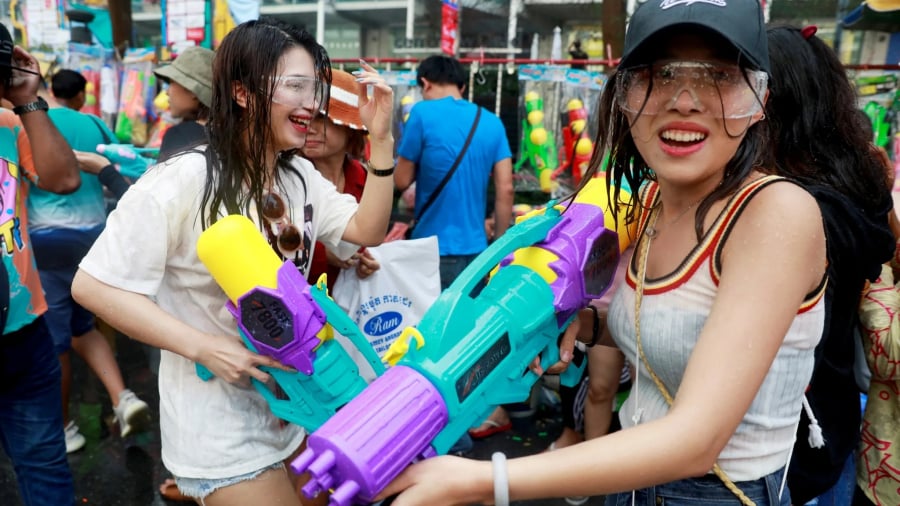
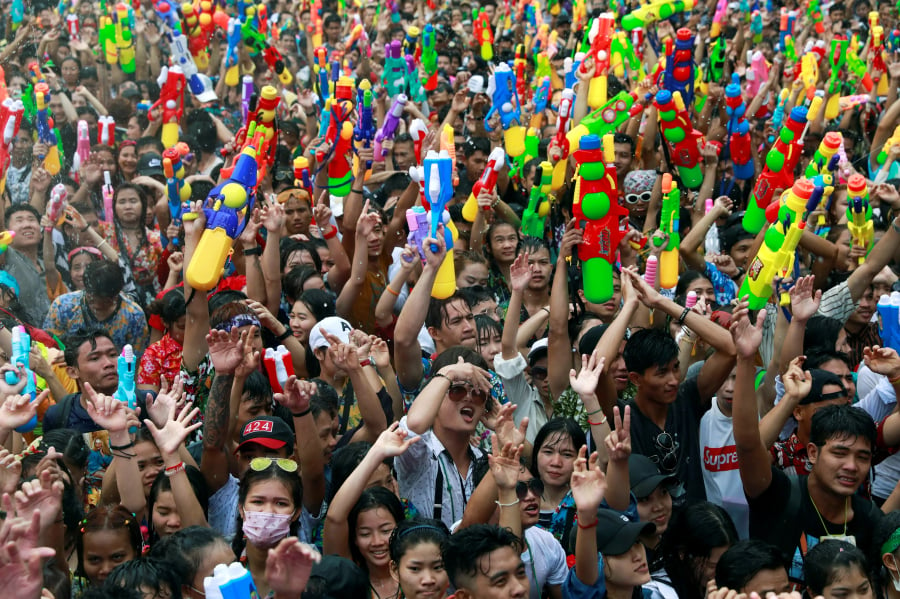
Meanwhile, Chiang Mai is considered the capital of Songkran because the festival is rich in tradition with many ancient customs still preserved. During this time, the people of Chiang Mai decorate their houses and temples, making them as magnificent as possible and the temples as beautiful and majestic as possible. For them, the wetter the water splashing festival, the happier and more joyful it is, so everyone prepares carefully the means of splashing water on each other, from buckets and basins to water guns and water balloons. Thapae Gate, also known as the center of the festival, even has a moat where people can get more water and continue the "battle"! In addition, they also tie threads around their wrists as a form of wishing good luck in the new year. After blessing each other with water, they begin to celebrate. Songkran is also a time to remember the deceased, so they usually prepare lavish meals to offer to their ancestors before enjoying themselves to the fullest.

Laos
The Lao New Year, known as Bunpimay, means "to do good deeds in order to receive blessings." Bunpimay symbolizes bringing coolness and prosperity to all things, abundance and happiness, and purifying people's lives. If you visit Laos during this time, be prepared with quick-drying clothes and embrace the refreshing splashes of water for good luck in the new year.
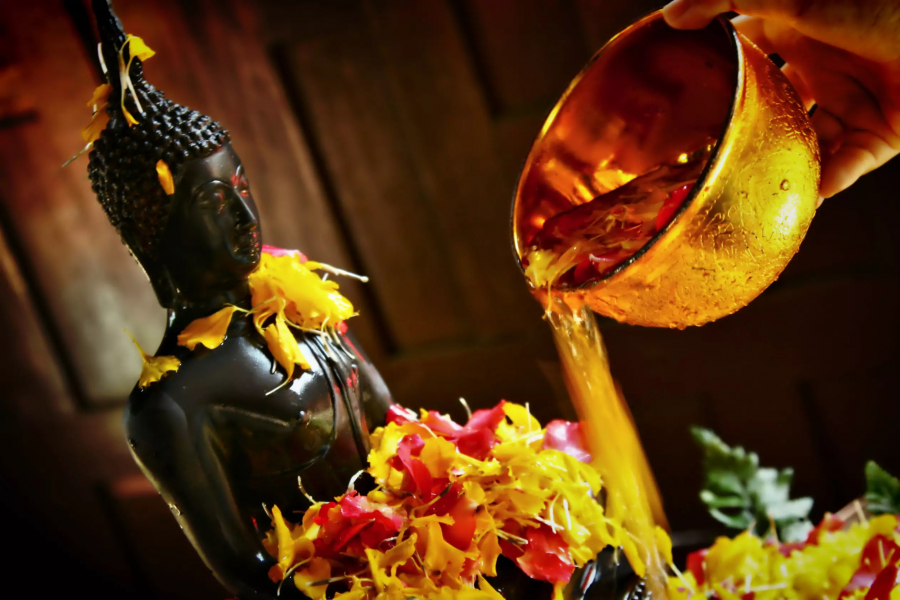
The Bunpimay festival usually lasts for three days. The first day of Bunpimay is also the last day of the old year. On this day, Laotians clean their houses and yards thoroughly, preparing fragrant water and flowers. In the afternoon, villagers gather at the temple to offer prayers to Buddha and listen to the monks' sermons. Afterwards, they carry the Buddha statue to a separate room for three days, opening the doors so that everyone can enter and bathe the Buddha. The fragrant water used to bathe the Buddha statues is collected and brought home to be applied to the body as an act of merit.
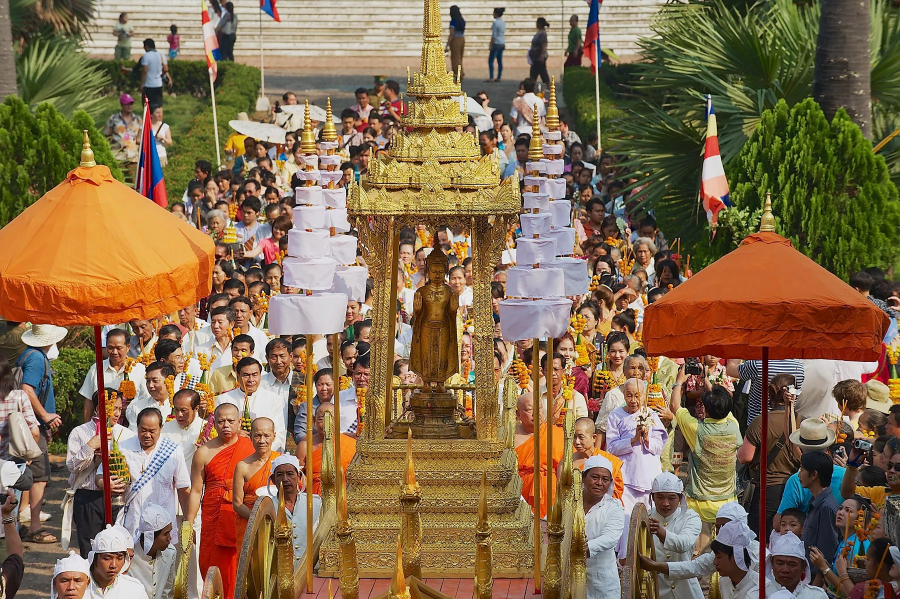
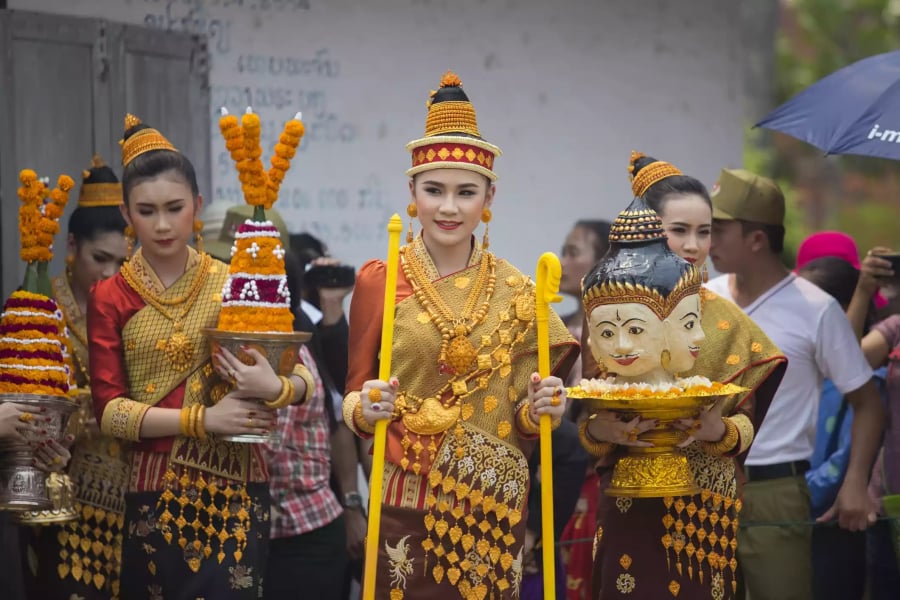
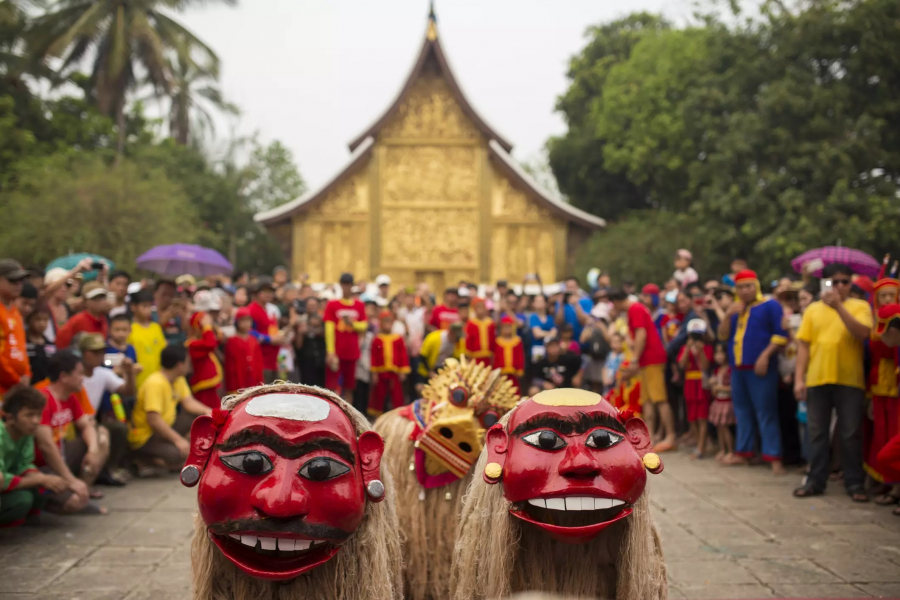
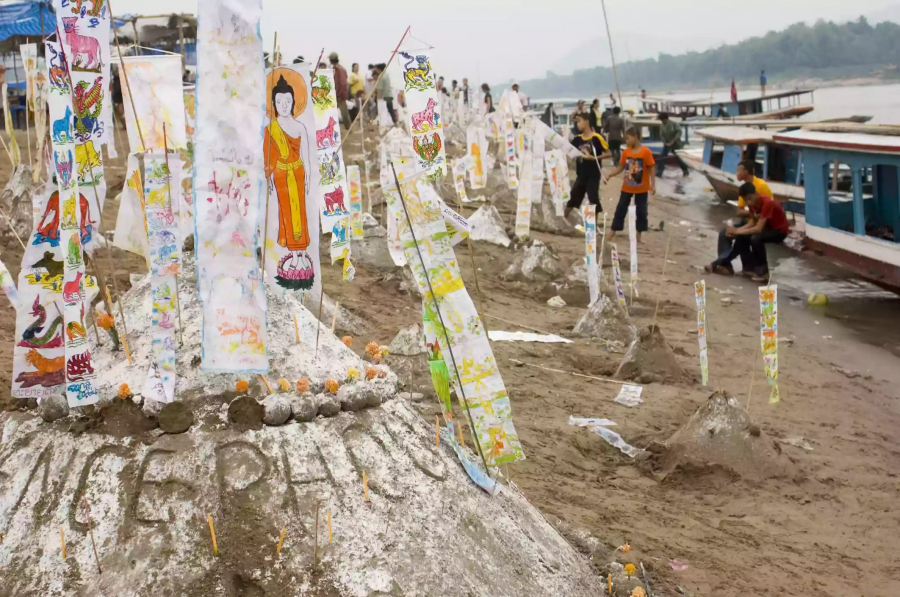
The second day is not counted as it marks the transition between the old and new year. The festivities begin on the last day with many lively activities everywhere. Before splashing water on each other, people usually exchange good wishes. To show respect, younger people splash water on older people to wish them long life and prosperity. During these days, people also release animals such as turtles, fish, crabs, and birds to bring good fortune. They also build sand mounds, decorate and sprinkle fragrant water, tie cassia flowers to cars and hang them on houses to pray for good luck, and tie frangipani flowers into bunches or wear them in their hair to pray for blessings in the coming year.
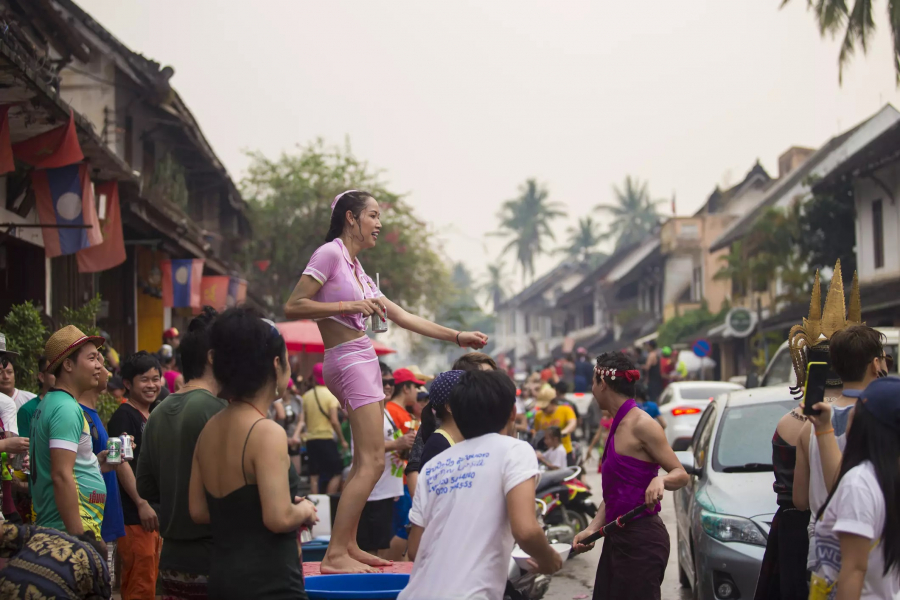
During Bunpimay, Laotians enjoy eating laap (a type of Vietnamese sausage) with hot sticky rice. Guests visiting a home on Bunpimay are given a green or red string tied around their wrist by the host, symbolizing happiness and health. Throughout the three days of the festival, those with the most strings tied around their wrists are considered to have good luck all year.
Cambodia
In Cambodia, the Chol Chnam Thmay water festival is an occasion for Cambodians to turn their attention to Buddha and welcome the coming new year. During these days, every household decorates their homes beautifully; along the streets, temples are brightly lit with lanterns and flowers, especially those leading to the Royal Palace.
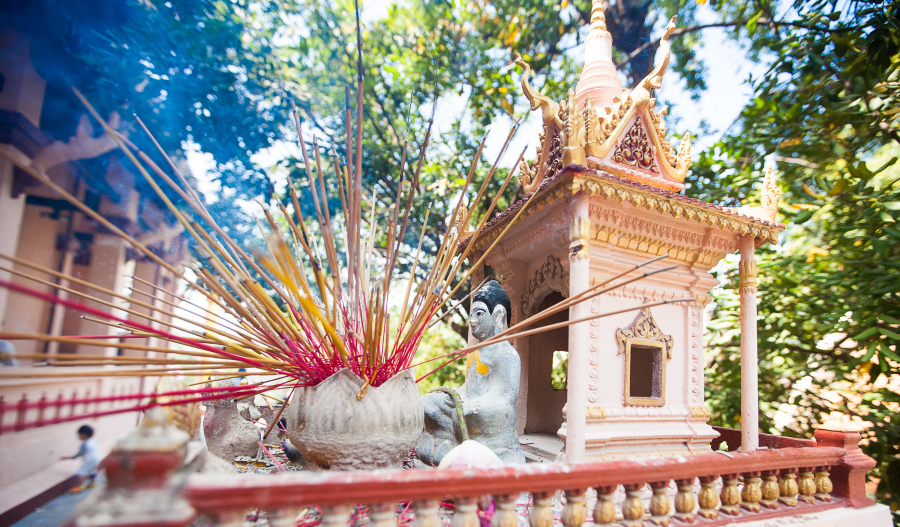
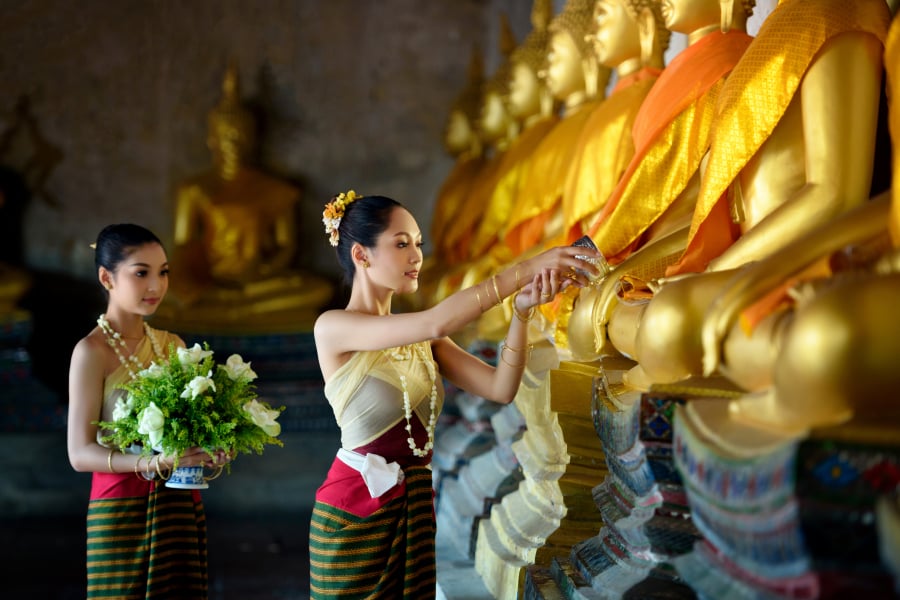
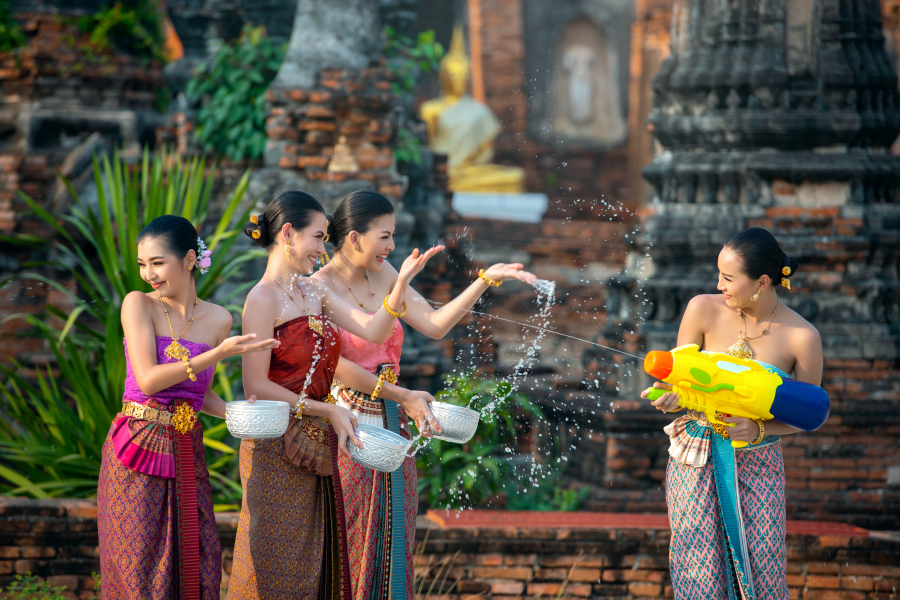
On New Year's Eve, people light incense and candles to bid farewell to the old god Téveda and welcome the new god Téveda Thmay into their homes. Similar to Laos, on the first day of the new year, Cambodians dress beautifully and carry offerings to the temple to worship Buddha. On the second day, people offer their family's rice in alms bowls to the monks as a sign of respect and receive blessings from the head monk. The third day is the Buddha bathing ceremony. In the evening, lively street festivities take place, such as water splashing and applying colored powder.
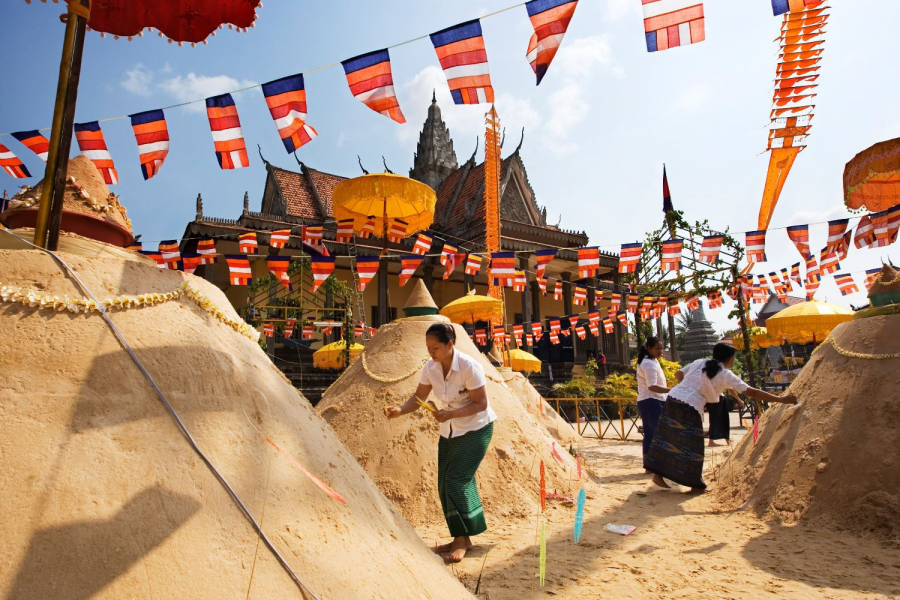
Cambodians also have the custom of building sand mounds, forming eight or four small mounds in different directions and one in the center, symbolizing the universe, favorable weather, and abundant harvests. People can replace sand with rice, cakes, or fruit.
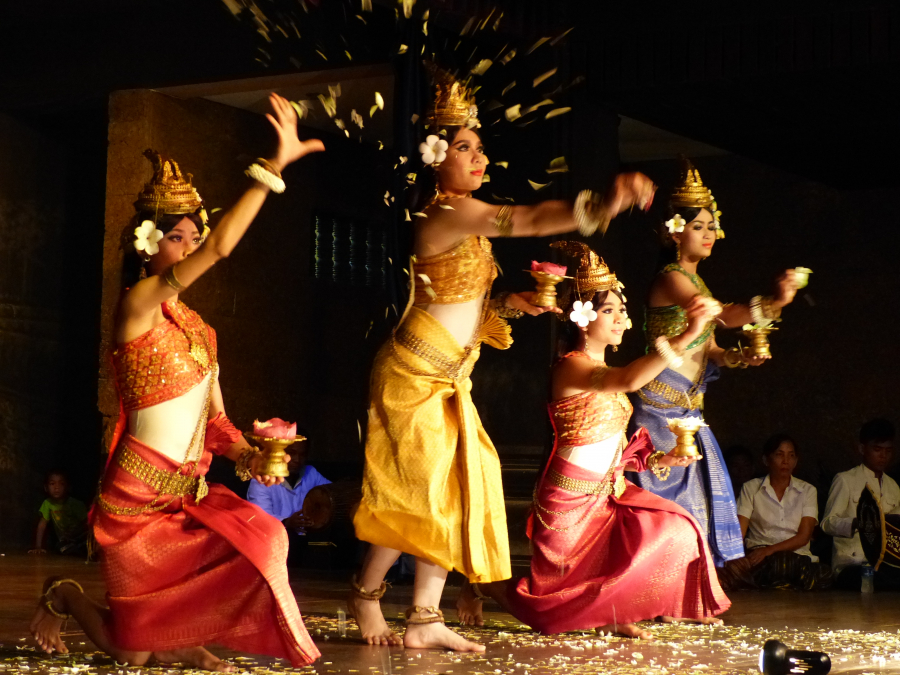
In addition, on this day Cambodia also organizes many folk games, singing, and traditional Apsara dances, which are incredibly fun. Originally a royal court dance, Apsara is now widely performed at festivals and celebrations, becoming a distinctive cultural feature of Cambodia. Tourists will have the opportunity to admire beautiful girls, brightly dressed, performing this elegant and noble ancient dance.
Myanmar
Whenever the Padauk flowers bloom, the people of Myanmar celebrate Thingyan, the water festival. Traditionally, Thingyan is calculated according to the Burmese lunar calendar, but nowadays it is fixed from April 13-17, coinciding with Easter in Western countries. Thingyan is one of the most important holidays and is part of the summer vacation after the school year. Water splashing is the most distinctive part of Thingyan and usually takes place during the first four days.
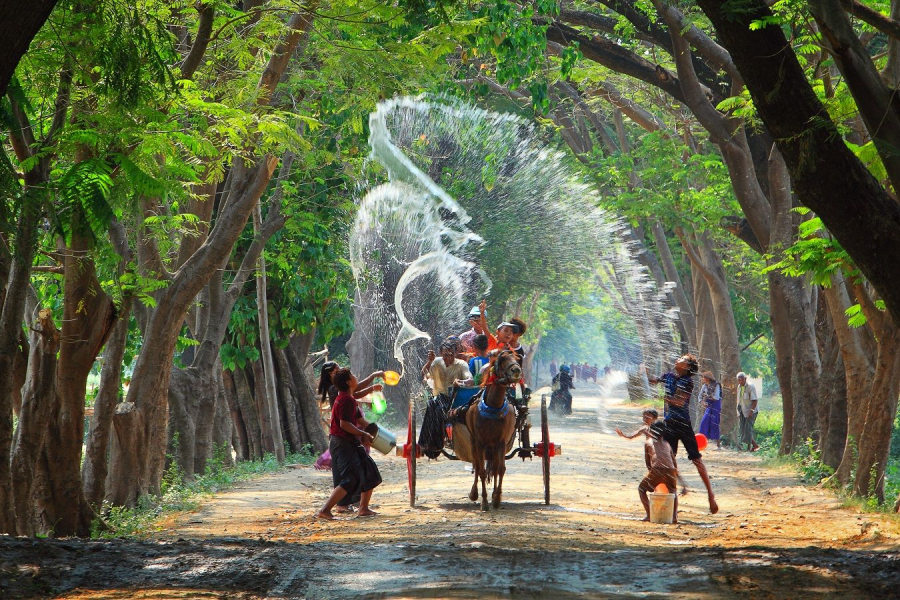
The Thingyan Water Festival is celebrated throughout Myanmar, but it is most vibrant in major cities like Yangon and Mandalay. During this time, people splash water on each other to the sound of music and dancing at water fountains. On these auspicious days, the people of Myanmar perform many good deeds to start the new year, such as visiting temples and monasteries, making offerings to monks, showing respect to parents, teachers, and elders, and releasing animals. Every year, the people of Myanmar look forward to Thingyan with great joy and excitement.
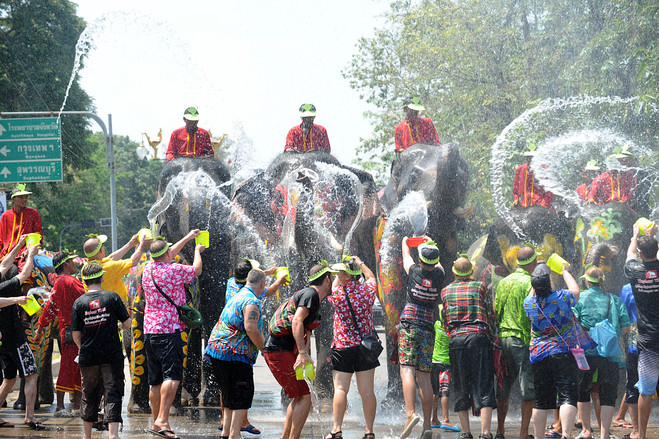
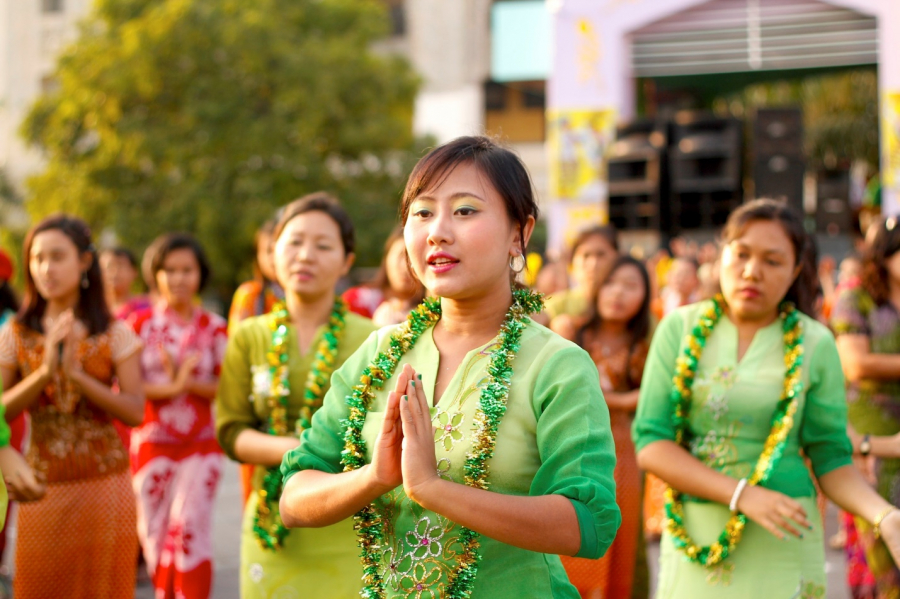
Similar to the Thingyan water festival in Laos, Cambodia, and Thailand, many participants in Myanmar's Thingyan festival use water guns, hoses, buckets, and other water-spraying equipment to create a lively and exciting atmosphere. The Thingyan water festival is considered a beautiful tradition of the Myanmar people, and it's also an opportunity for young men and women to meet and get to know each other. Many Myanmar songs have been written about love stories that began during the Thingyan festival, becoming famous love songs.
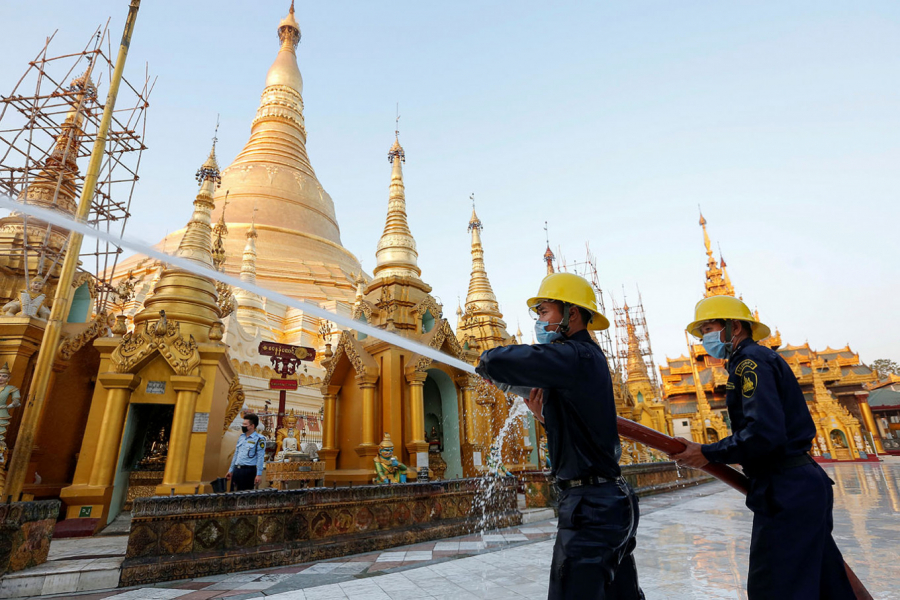
However, in the context of the Covid-19 pandemic, many governments have been forced to issue restrictions on large gatherings and travel to prevent the spread of the disease, leading to the banning of the Thingyan water festival in Southeast Asia. Immediately after the first Covid-19 case was detected on March 23rd, the Myanmar government announced its decision to cancel the Thingyan water festival. Furthermore, similar events and festivals involving large gatherings will be banned until the end of April or possibly longer.
Laos has also banned most group activities and advised people to temporarily suspend all non-essential gatherings, including weddings and some Bunpimay New Year celebrations. Similarly, Cambodia has canceled Chol Chhnam Thmay celebrations, only allowing essential traditional rituals. Cambodian Prime Minister Hun Sen has also sent a letter requesting temples to cancel New Year celebrations. The Thai government officially canceled the Songkran water festival and related events, and urged people to celebrate the New Year at home. In addition, Bangkok and many other provinces have banned the sale of alcohol for 10 days, starting from April 10th.