VI
VI


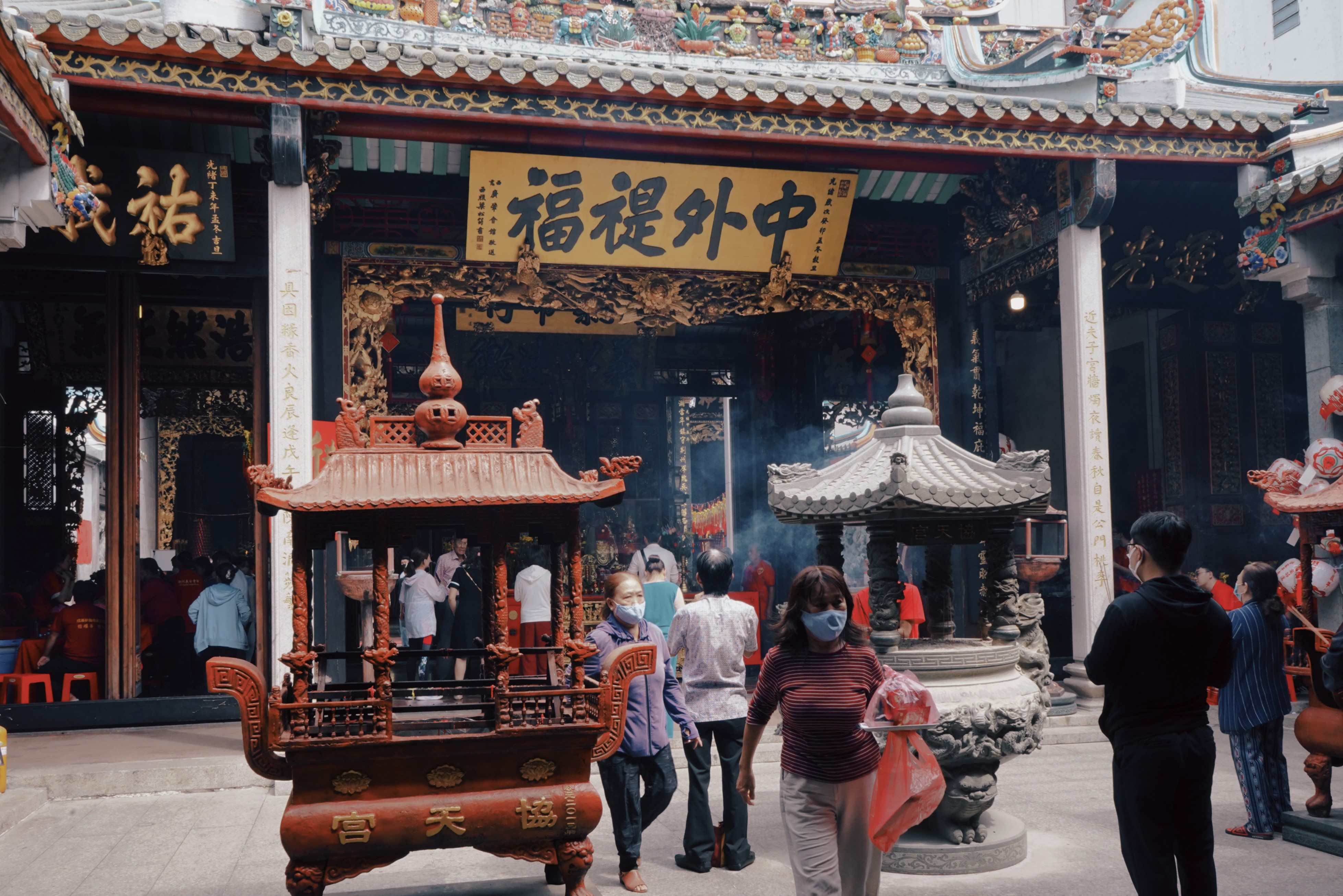
According to legend, Guan Yu, the deity worshipped here, symbolizes loyalty and heroic spirit, and is also the patron god of people's businesses. Therefore, many believe that "borrowing blessings" at Ong Pagoda will bring good fortune, wealth, and success in the new year.
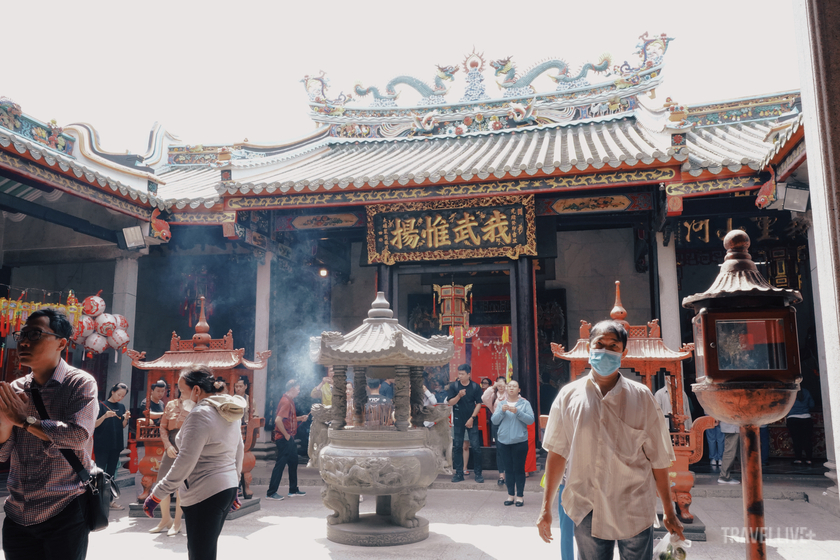
Ong Pagoda is famous for its unique custom of "borrowing blessings" during the Lantern Festival.
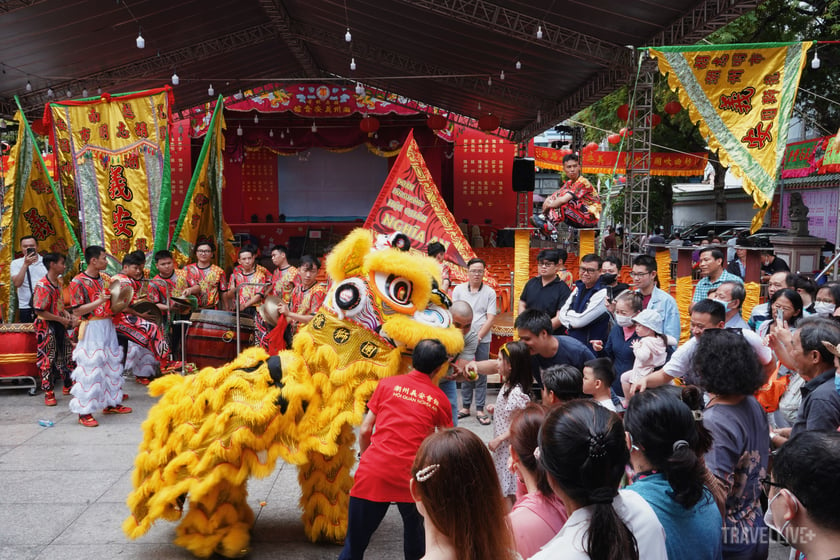
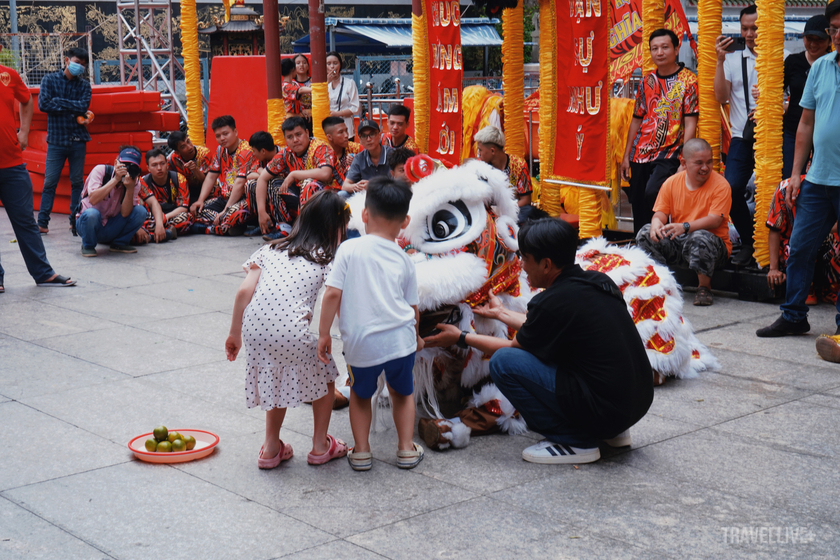
The borrowed blessings typically include fruit (usually tangerines), red envelopes, and a lucky charm paper. Following the principle of "borrowing and repaying," the borrower must return double the borrowed blessings at the same time the following year.
Anh Phát (a volunteer at Nghĩa An Community Center) said: “Usually, those who are involved in business come here to borrow blessings, while those who work normally come to ask for blessings. Many people come to repay, borrow, and ask for blessings; everyone is enthusiastic about this custom.”
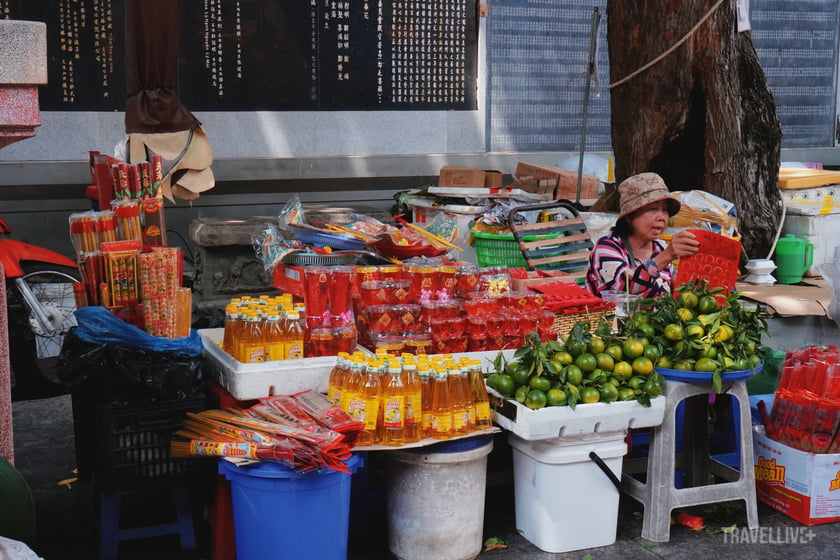
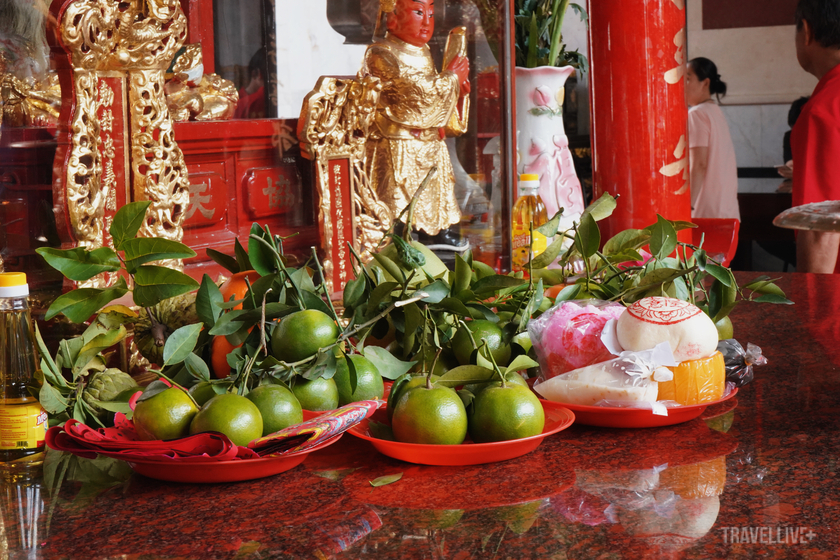
The gifts borrowed will include fruit (usually tangerines), red envelopes, and a lucky charm note.
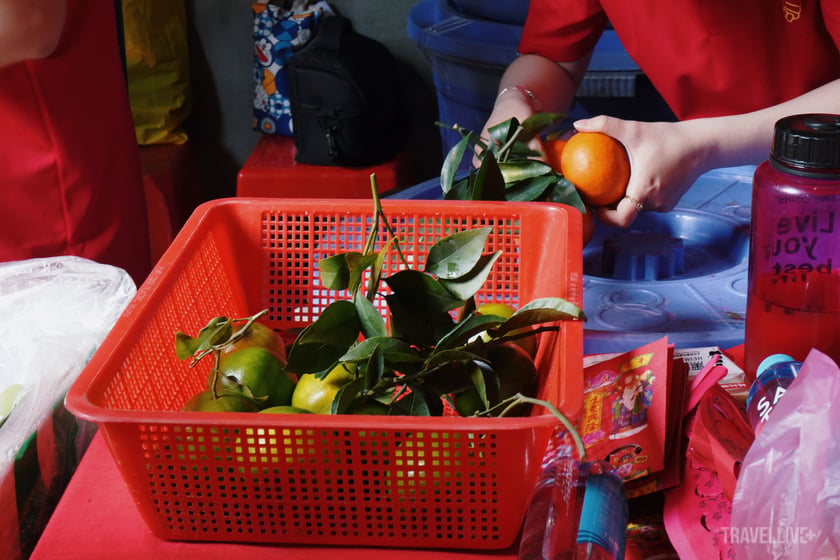
The red envelope contains money from Ông (the deity) inside, and the "noble person" paper is a type of paper money offered to the gods in Chinese folk beliefs.
From early morning on the 14th day of the lunar month, thousands of lucky charms were prepared at Nghia An Assembly Hall. More than 20 volunteers were on duty to assist locals and tourists in borrowing, requesting, and returning lucky charms. Borrowing lucky charms was quick and convenient. People simply needed to raise a finger to indicate the number of lucky charms they wished to borrow or return this year.

Mr. Phat also added that the lucky charm from the deity includes a tangerine, which in Cantonese is pronounced "tai ge," meaning great fortune and prosperity. The red envelope contains the deity's money inside, and a piece of paper called "noble person," which is a type of paper money offered to deities in the folk beliefs of the Chinese people.
According to the custom of most people, after receiving blessings, the tangerine and the lucky charm paper are placed on the altar of the God of Wealth. After three days, people eat the tangerine, while the lucky charm paper is carefully tucked behind the statue of the Earth God or the God of the Land, to be burned at the end of the Lunar year.
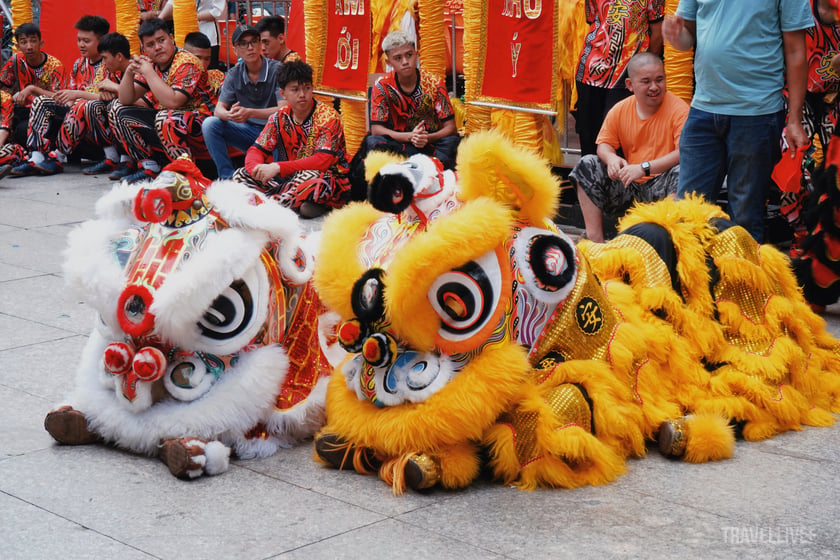
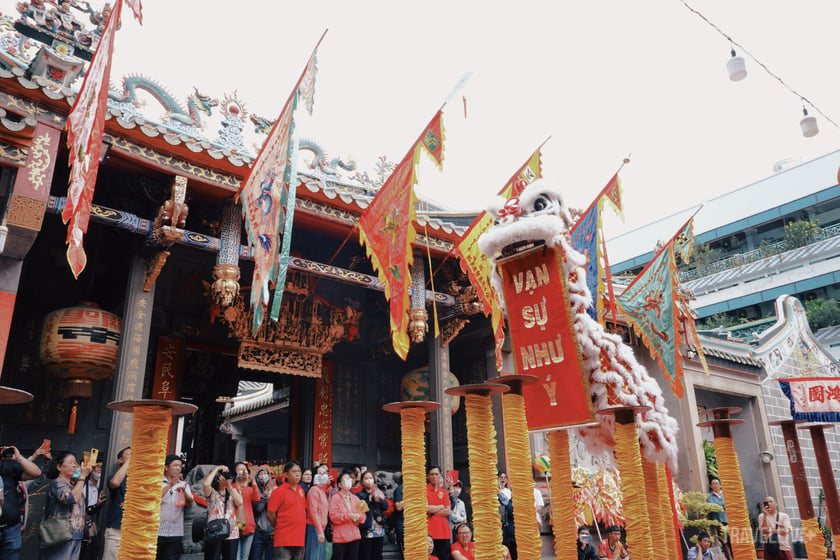
Besides the tradition of borrowing blessings, visitors can enjoy parades and spectacular art performances as part of the Lantern Festival.
Besides the tradition of borrowing blessings, visitors can also explore the unique architecture of Ong Pagoda, buy lanterns to pray for good fortune, and enjoy parades and special art performances within the framework of the Lantern Festival.
During the lion dance in front of Ong Pagoda, the lions dance around plates of tangerines that have been placed there, then grab the tangerines in their mouths and distribute them to the onlookers. Locals and tourists alike eagerly come to receive blessings from the lions.
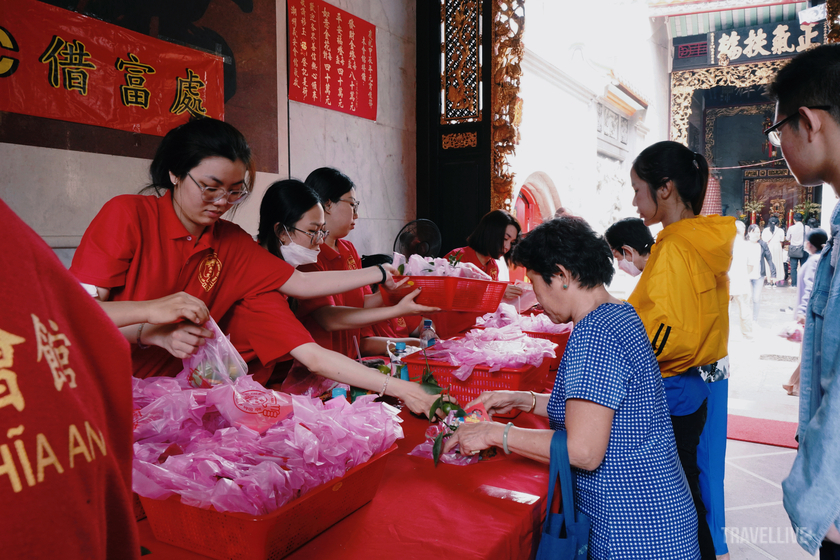
People simply need to raise a finger to indicate the amount of blessings they wish to repay or borrow this year.
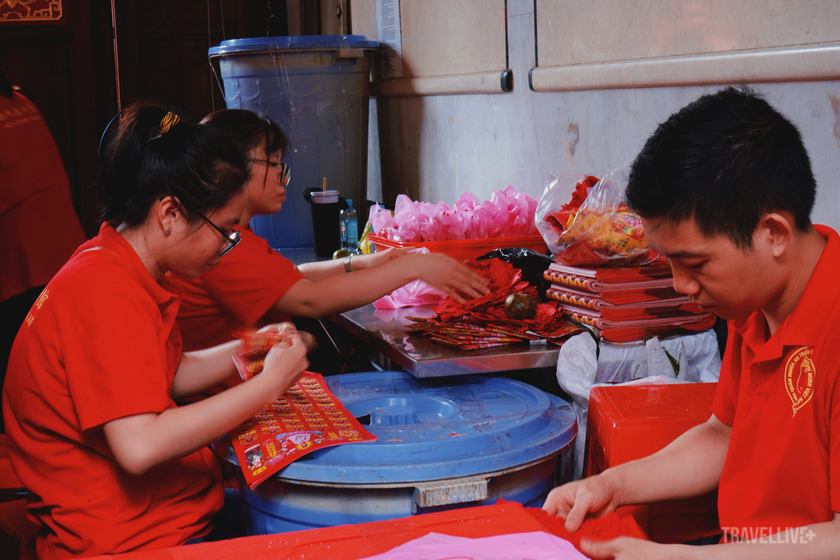
From early morning on the 14th day of the lunar month, thousands of offerings were prepared at Nghia An Assembly Hall.
Mr. Van Trieu (a Chinese resident in District 5, Ho Chi Minh City) said: "Receiving blessings from the lion dance is considered very lucky, so everyone tries to get a share. If it's a tangerine, they'll eat it right there. Even though it's a big festival with many people, everyone is orderly, doesn't push or shove, and happily watches the lion dance. Only when it's time to receive blessings do they go in to ask for some."
With its unique and meaningful traditional cultural features, Ong Pagoda promises to be a popular destination for tourists during this year's Lantern Festival.
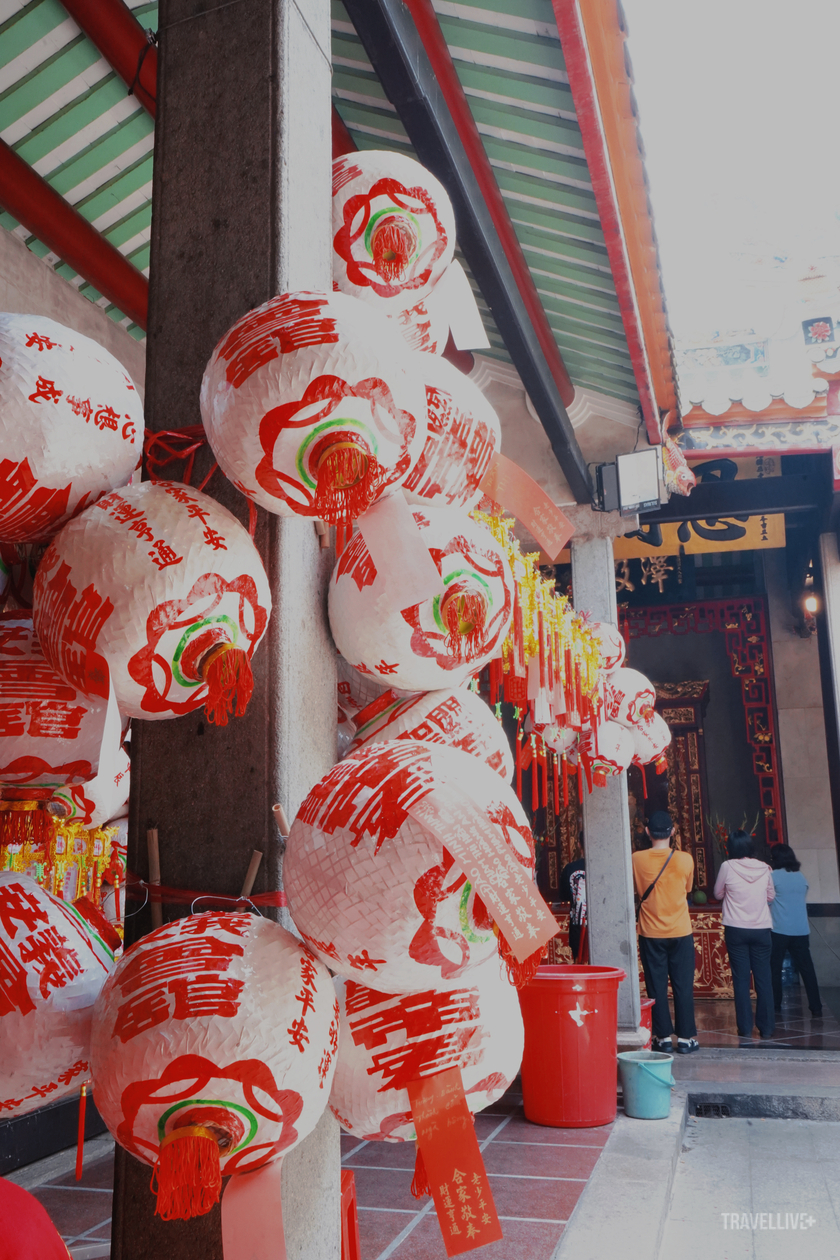
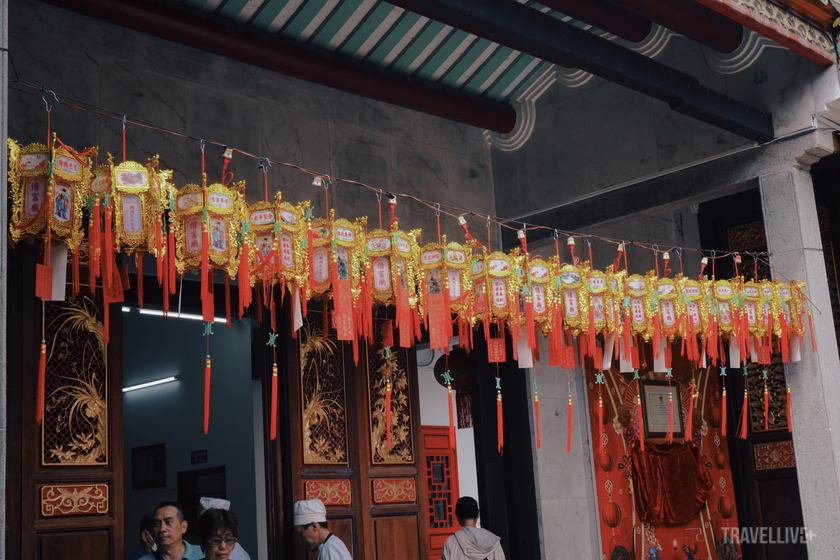
The unique atmosphere at Ong Pagoda