VI
VI


In terms of significance, the Lantern Festival is considered by both cultures as a time for family reunions, praying for peace and prosperity, and expressing gratitude to ancestors. It is also an occasion for people to celebrate, have fun, and enjoy traditional dishes.
Besides cultural exchange, the Lantern Festival in Vietnam and China also has distinct aspects in terms of meaning and activities.
Lantern Festival in China
In ancient China, the Lantern Festival was also known as the Scholar's Festival. It was an occasion when the emperor would gather, host a feast, and invite the top scholars to the imperial garden to admire the flowers, enjoy the scenery, and compose poetry.
Later, the Lantern Festival came to be considered the most sacred holiday of the new year, also known as the "Lantern Festival" or "Flower Lantern Festival". The origin of this name may stem from the custom of displaying lanterns on poles in front of houses, lighting lamps, and playing with colorful lanterns during the reign of Emperor Han Wudi. Lanterns shaped like dragons, phoenixes, the 12 zodiac animals, or ancient characters from legends and fairy tales were popular during this festival.
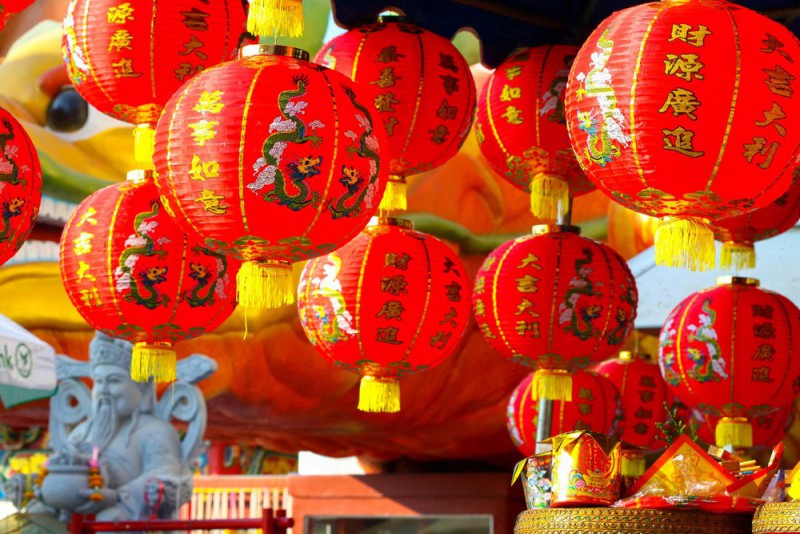
Lanterns shaped like dragons, phoenixes, the 12 zodiac animals, or ancient characters from legends and fairy tales are popular during this holiday.
In addition, the locals also prepare offerings to pray for peace and blessings, hoping for a prosperous and healthy new year. Glutinous rice balls, also known as "thang viên," symbolize family reunion and fulfillment, and are an indispensable dish on this day.

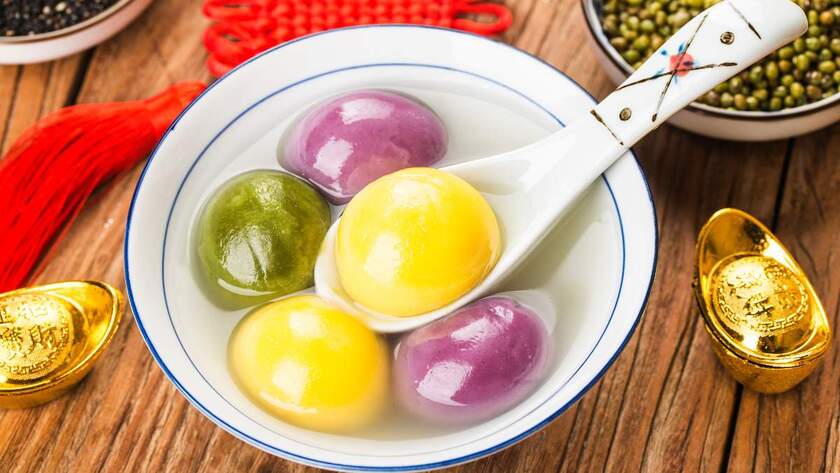
Sticky rice dumplings (Bánh trôi) are a traditional dish that is indispensable during this occasion.
Taiwan is particularly famous for the custom of releasing sky lanterns on the night of the full moon in the first lunar month. People write their wishes on the lanterns and then release them into the sky to pray for good fortune and peace. The image of the shimmering, magical lanterns floating into the night sky creates a truly impressive scene.
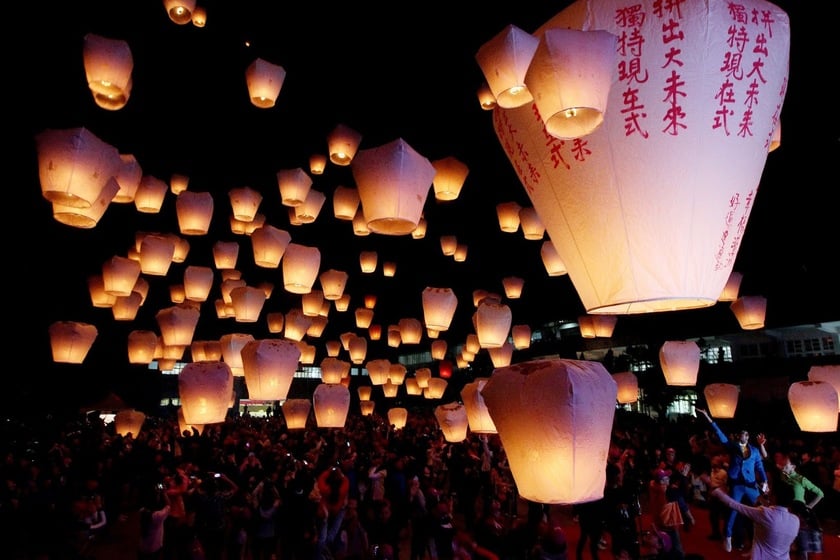
The sky lantern festival is a unique feature of the Lantern Festival in Taiwan.
Many people liken the Lantern Festival to the "Eastern Valentine's Day," similar to the Qixi Festival, creating a romantic atmosphere and attracting couples on dates.
Lantern Festival in Vietnam
Our ancestors had a saying, "Offering sacrifices all year round is not as important as the Lantern Festival on the 15th day of the first lunar month," or "The whole year is blessed with the Lantern Festival in the seventh lunar month, but all is blessed with the Lantern Festival in the first lunar month," showing the importance of the Lantern Festival in Vietnamese culture. This is an occasion for people to express their reverence and pray for peace in the new year.
On this day, people usually go to temples to worship Buddha, praying for good things for themselves and their families. At the same time, they also set up offerings outdoors to express gratitude to Heaven and Earth, deities, saints, Buddhas, and national heroes.
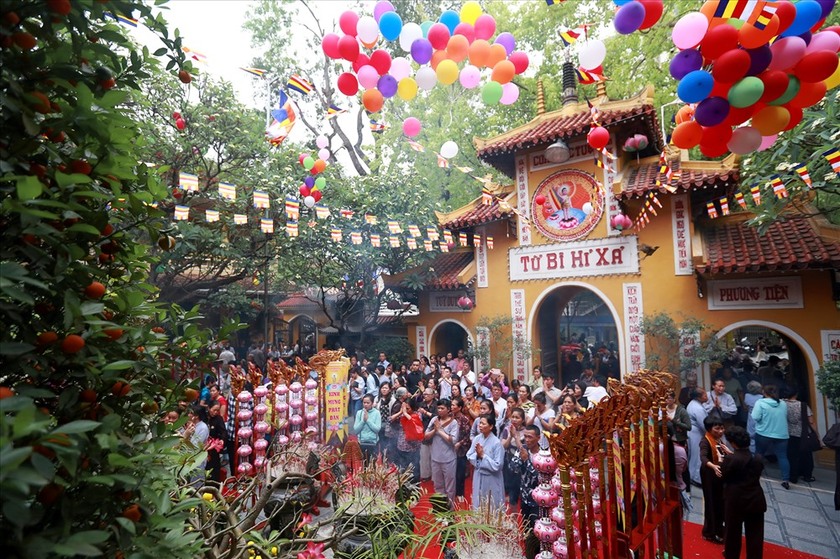
Vietnamese people often visit temples on the full moon day of the first lunar month.
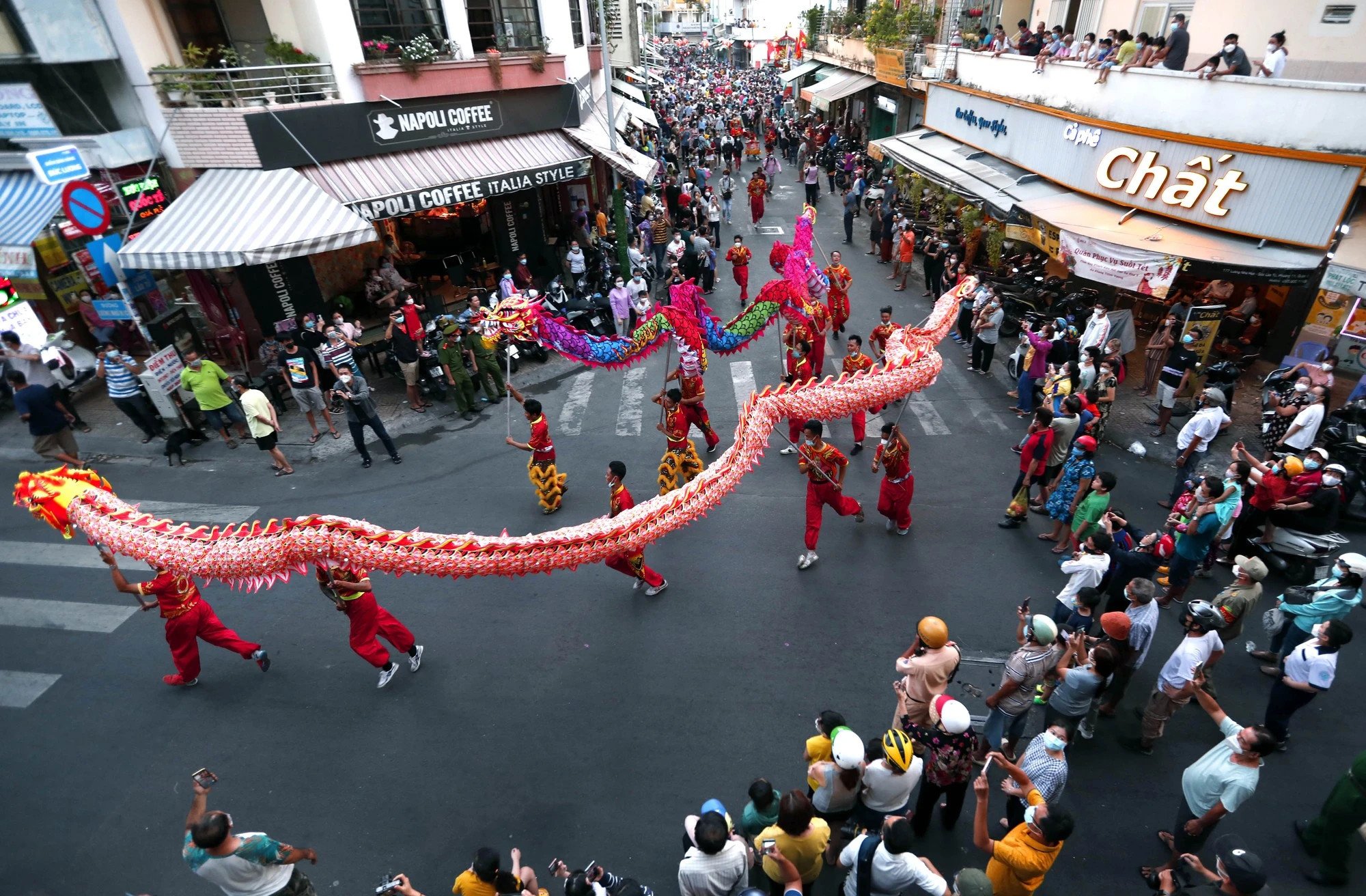
In areas with large Chinese communities, such as District 5 in Ho Chi Minh City, Ba Binh Duong Pagoda, and Lai Thieu Pagoda, the Lantern Festival is celebrated with many unique activities. Parades featuring traditional costumes, people dressed as deities, lion dances, dragon dances, and unicorn dances are highlights that attract tourists.
Since 2020, the Lantern Festival of the Chinese community in Cholon has been recognized as a National Intangible Cultural Heritage. This festival not only holds spiritual significance but is also an attractive destination for domestic and international tourists every Lunar New Year.
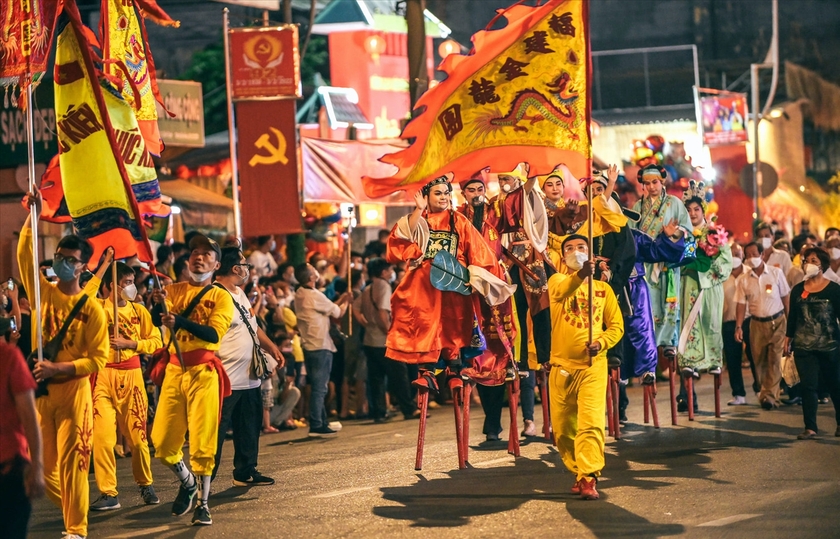
The Lantern Festival is a major festival for the Chinese community in Cholon.
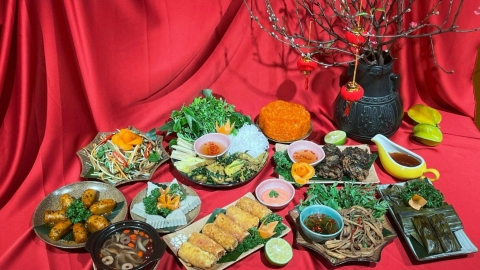
The Vietnamese Lantern Festival offering tray is a harmonious combination of traditional dishes with deep spiritual significance. Sticky rice with gac fruit symbolizes good fortune, banh chung (square rice cake) represents heaven and earth, banh troi (round rice balls) and banh chay (vegetarian rice cakes) wish for smooth sailing in all endeavors, boiled chicken with a flower in its beak represents abundance, boiled pork leg (or pork sausage) signifies fullness, and pickled vegetables add a refreshing sourness to the offering. The dipping sauce bowl placed in the center of the round tray symbolizes heaven and earth and the universe. The offering meal on the 15th day of the first lunar month, with its salty, spicy, sour, and sweet flavors, expresses the wish for a prosperous and peaceful new year.
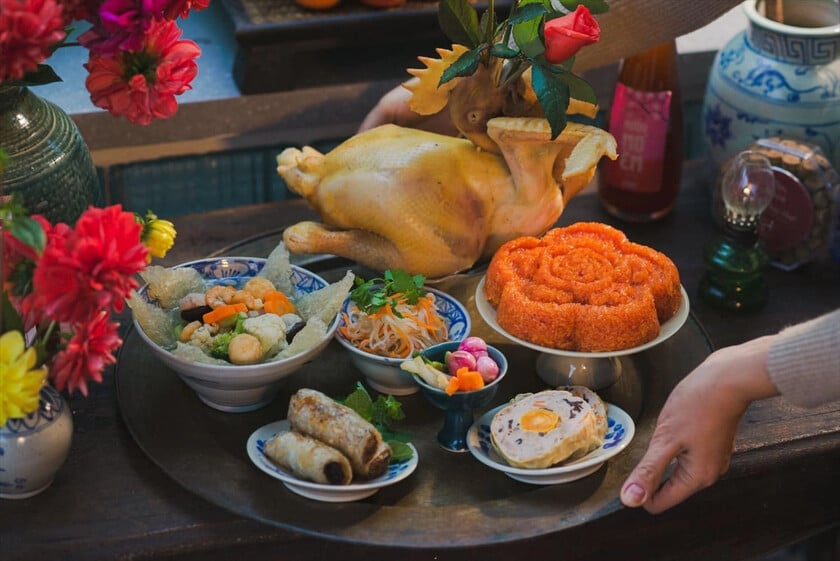
The offering meal on the full moon day of the first lunar month, with its savory, spicy, sour, and sweet flavors, expresses the wish for a peaceful and prosperous new year.