VI
VI


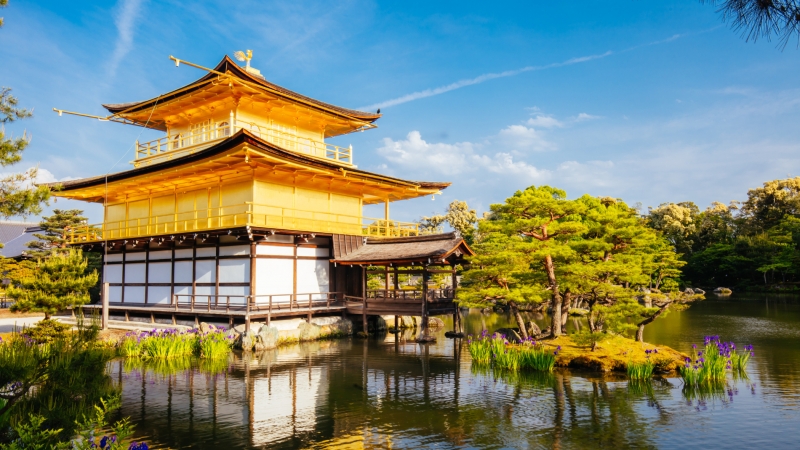
In March 2024, Japan recorded a record 3.1 million international visitors, an increase of more than 10% compared to the same period in 2019 – before the Covid-19 pandemic broke out, according to data from the Japan National Tourism Organization (JNTO).
The Japanese government is on track to surpass its target of 32 million tourists this year. This growth is being driven by pent-up travel demand during the pandemic and a weak yen. Last year, the country welcomed 25.1 million tourists, a sixfold increase compared to 2022.
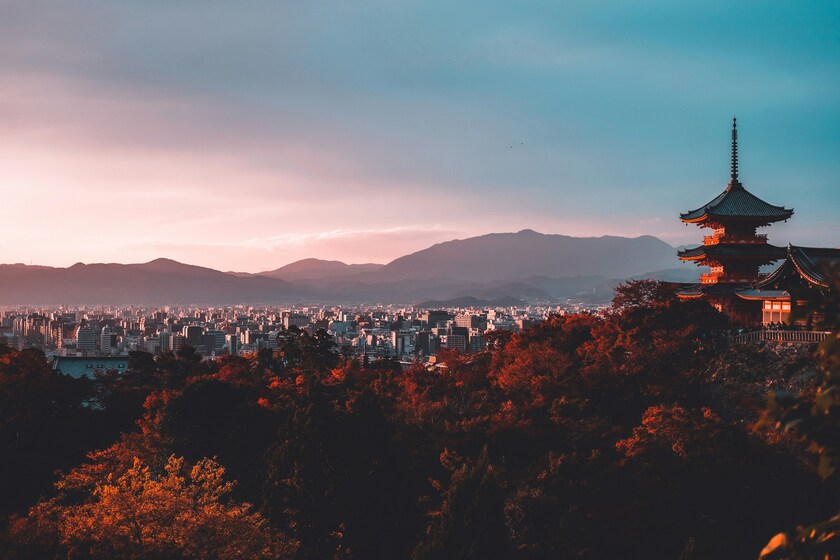
In reality, Japan doesn't attract as many tourists as people might imagine.
However, in reality, with a population of approximately 125 million, the average tourist rate is only 0.2 per capita. Previously, in 2019, this rate peaked at around 0.25.
In contrast, France receives 100 million visitors annually, achieving a rate of 1.5 tourists per capita. Greece has a rate of 3.4, Portugal 2.5, and Spain 1.8. To reach a similar level of tourism as Europe, Japan needs to attract an additional 100 million visitors per year. According to Terrie Lloyd, founder of Japan Travel magazine, "Japan doesn't actually receive that many foreign tourists."
It's important to acknowledge that this comparison is somewhat unfair. Within the European Union, free movement between member states helps distribute tourists more evenly, rather than concentrating them in one fixed location.
Japan, with its small land area and numerous islands, has more limited land available for tourism compared to larger, flat-land countries.

The number of foreign visitors to Japan has reached a record high of 3.1 million, an increase of more than 10% compared to March 2019 – the period before the Covid-19 pandemic outbreak.
The Japan Times reports that concerns about tourism overcrowding in Japan have peaked in recent months, despite relatively modest international visitor numbers. This may be due to a concentration of tourists at a specific time of year rather than being spread out throughout the year.
Professor Daniel Gschwind from the Griffith University Tourism Institute in Australia noted that in certain areas of Japan, "tourist carrying capacity" may have reached its limit. Popular destinations on social media, such as Instagram's most beautiful spots, are "overwhelmed" with foreign tourists.
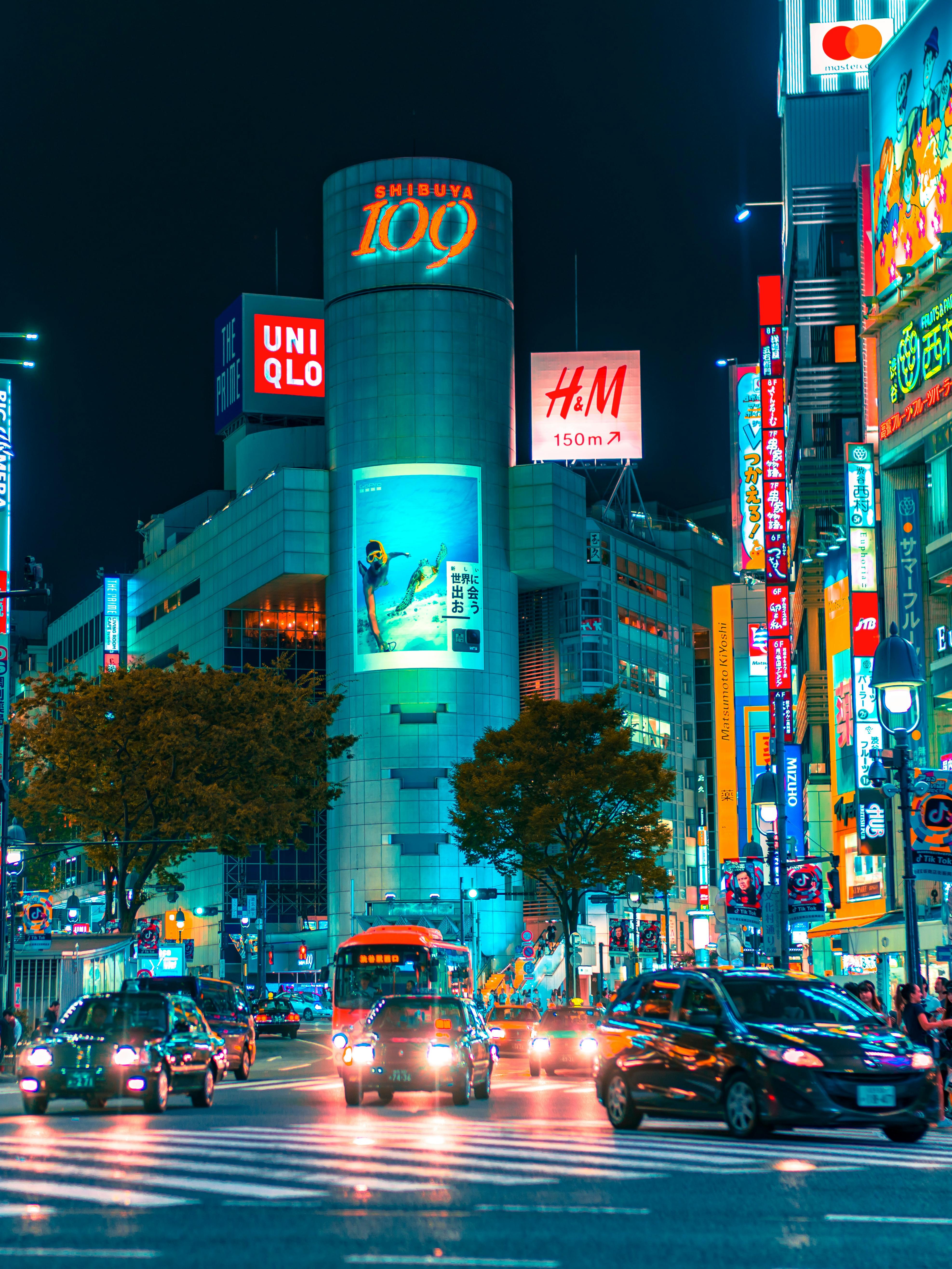
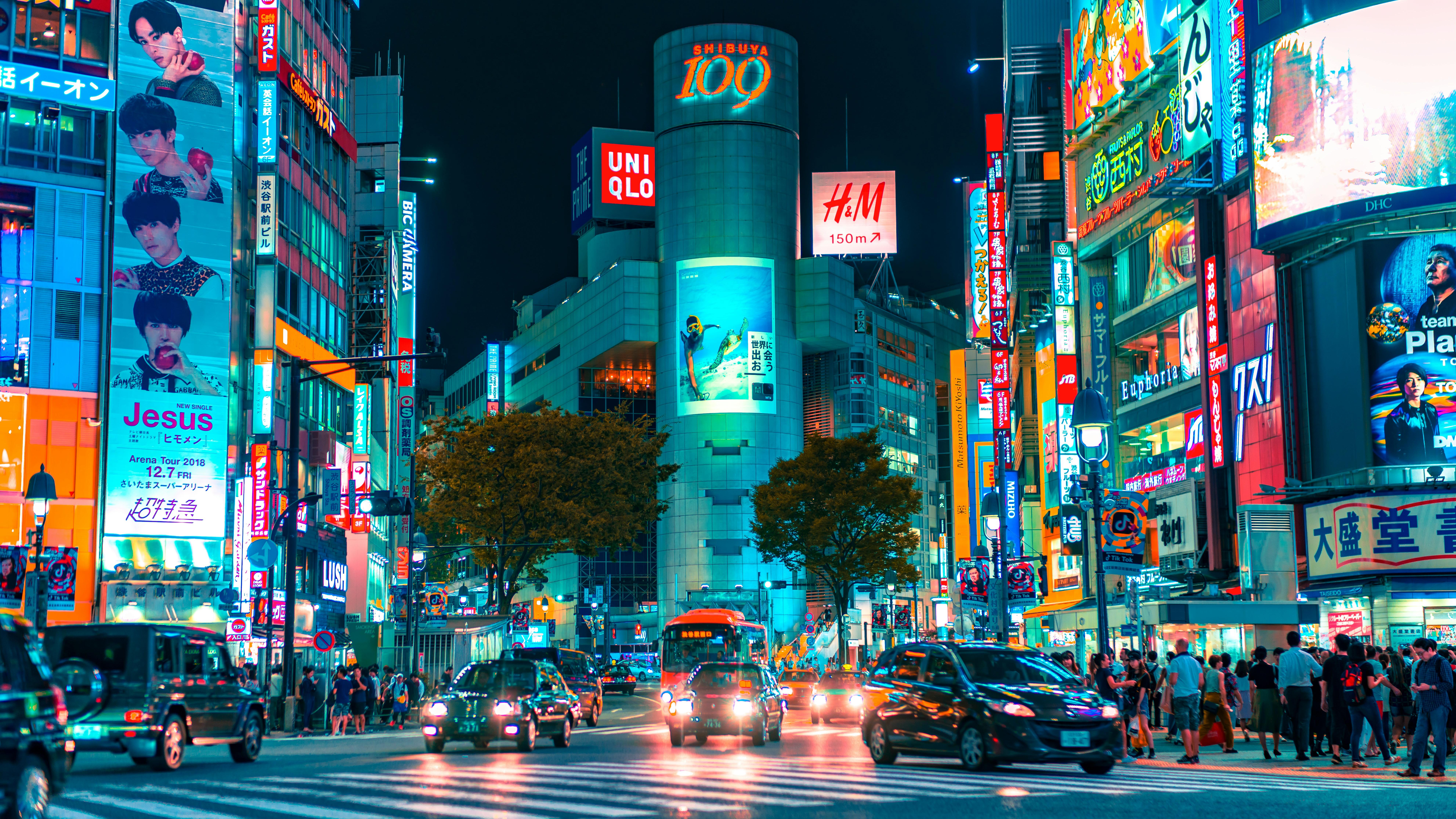
For example, Shibuya Crossing, the Ameyoko district in Ueno, and Sensoji Temple in Asakusa, along with their surrounding areas, are all crowded with tourists, many of whom are attracted by social media posts.
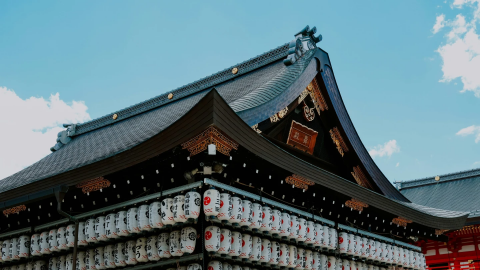
The ancient capital of Kyoto is considered a favorite tourist destination thanks to its Buddhist temples, imperial palaces, lush gardens, typical Japanese-style wooden houses, and Shinto shrines. Last year, this city of only about 1.5 million people welcomed 20 times its population, totaling 32 million visitors.
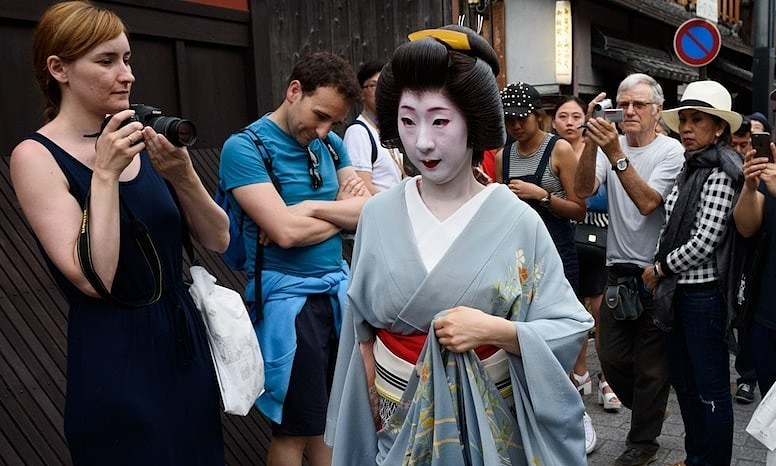
In these areas, many locals complain about high hotel room prices and overcrowding on buses and in restaurants. Many also report that foreign tourists lack respect for local customs, chasing after and bothering geishas, taking photos of them without permission, or eating while walking – behavior considered impolite in Japan.
Much of the country remains relatively uncrowded due to a declining population and the trend of social media-driven, crowd-driven tourism. Rural areas, second- and third-tier cities, less developed prefectures, and even some suburban areas of Tokyo still lack foreign tourists.
According to Lloyd, there are many places throughout Japan that offer similar experiences to Kyoto.
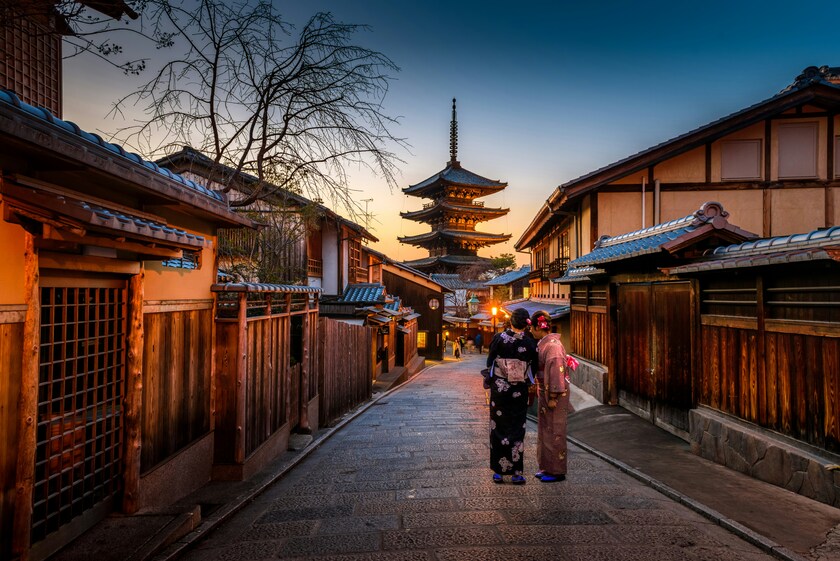
The ancient capital of Kyoto is considered a favorite tourist destination thanks to its famous tourist and cultural sites.
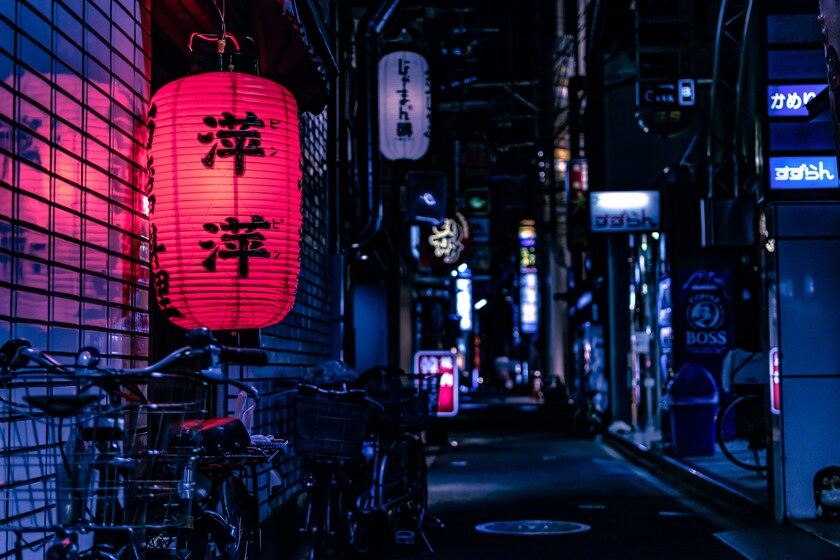
Late-night eateries in Japan are deserted in the evenings.
Although Ueno is crowded with tourists, less than a kilometer away, the beautiful temples are almost deserted, and the nearby green campus of the University of Tokyo is remarkably peaceful.
In 2023, the five prefectures of Akita, Yamaguchi, Tottori, Fukui, and Shimane recorded fewer than 100,000 overnight international visitors, a very modest number compared to 43 million in Tokyo, 18 million in Osaka, and 12 million in Kyoto.
The concept of tourism overcrowding remains controversial. It may have less to do with the absolute or relative number of tourists and more to focus on the overall impact on society. The Japanese government aims to attract 60 million tourists by the end of this decade, raising the tourist-per-capital ratio to around 0.5, a figure still low by European standards.
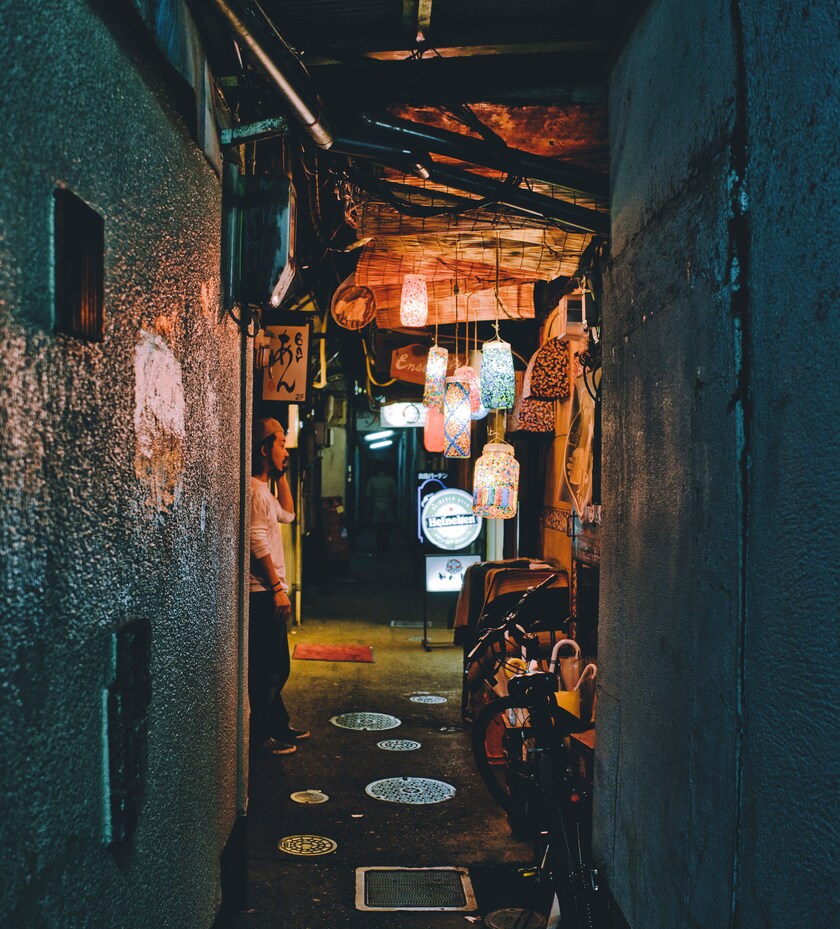
The concept of tourism overcrowding remains a subject of much debate.