VI
VI


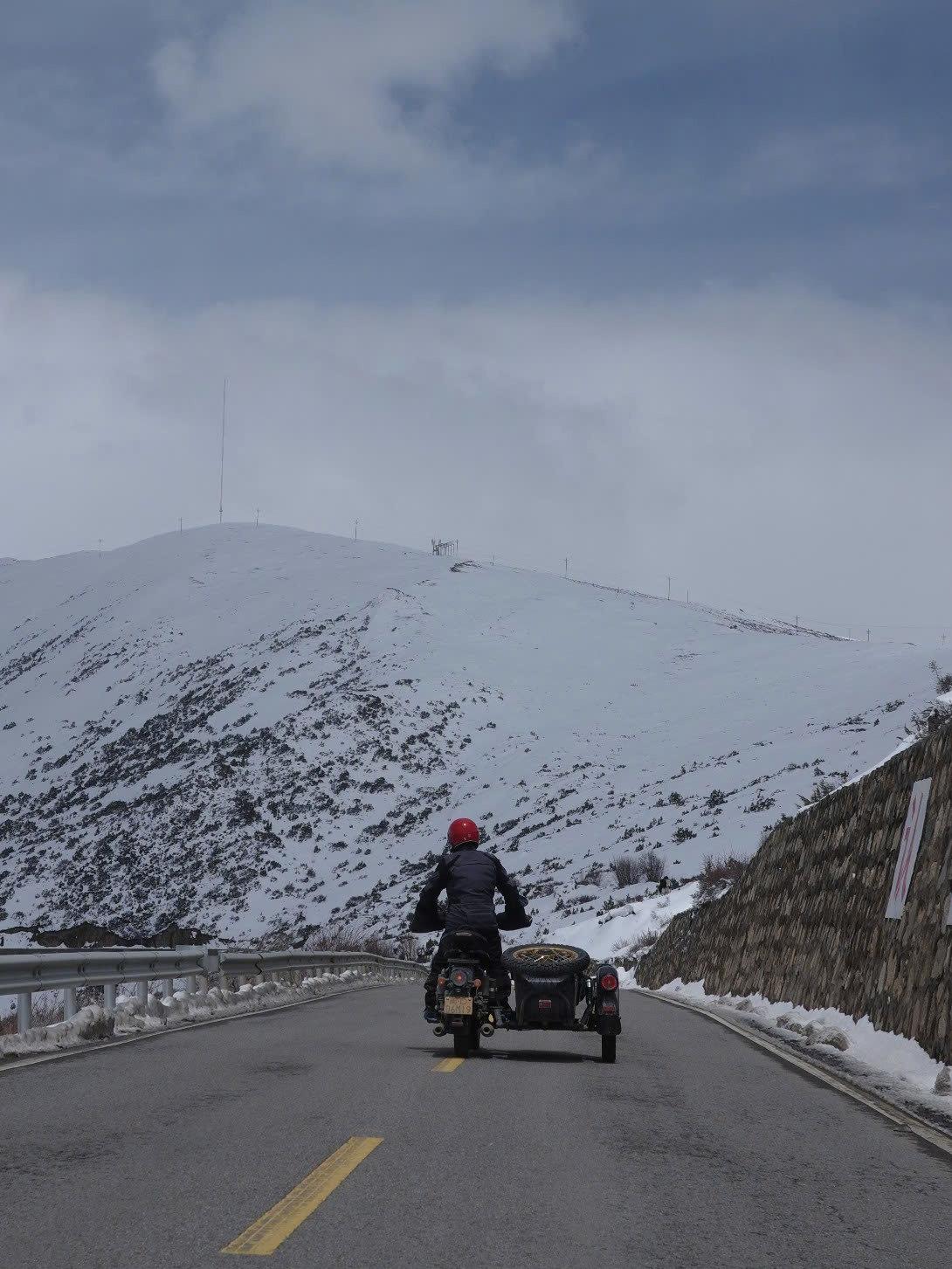
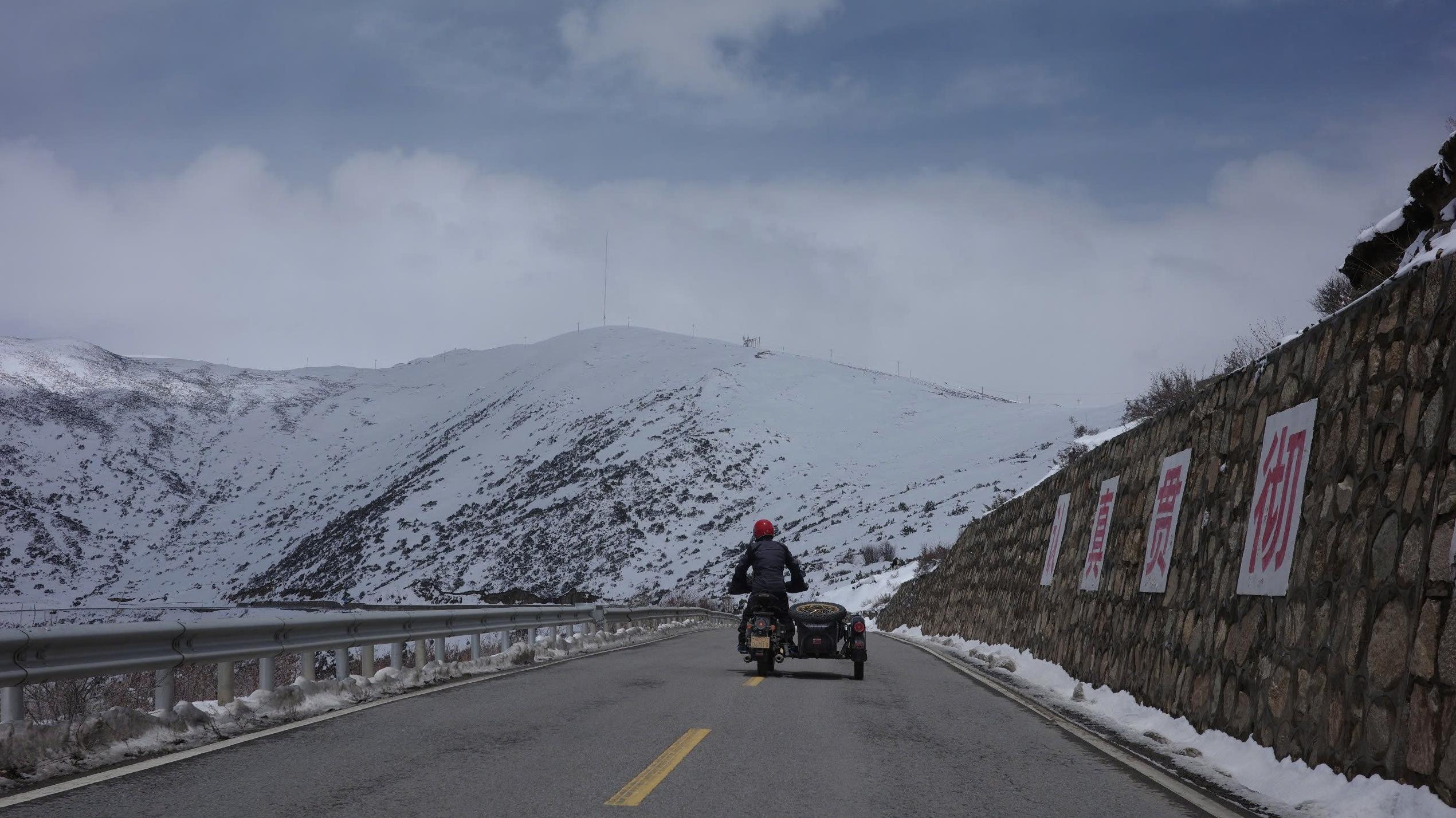
Tibet has never been a typical tourist destination, and choosing a three-wheeled sidecar to travel over 2,000 km at an altitude of over 5,000 meters is even rarer. But for Tung Le, an architect with a passion for speed, this journey is not just a trip, but a pilgrimage. "I didn't choose a sidecar from the start; I chose Tibet first. Because in life, one should at least once visit lands that still retain their pristine essence in the human consciousness," he shared.
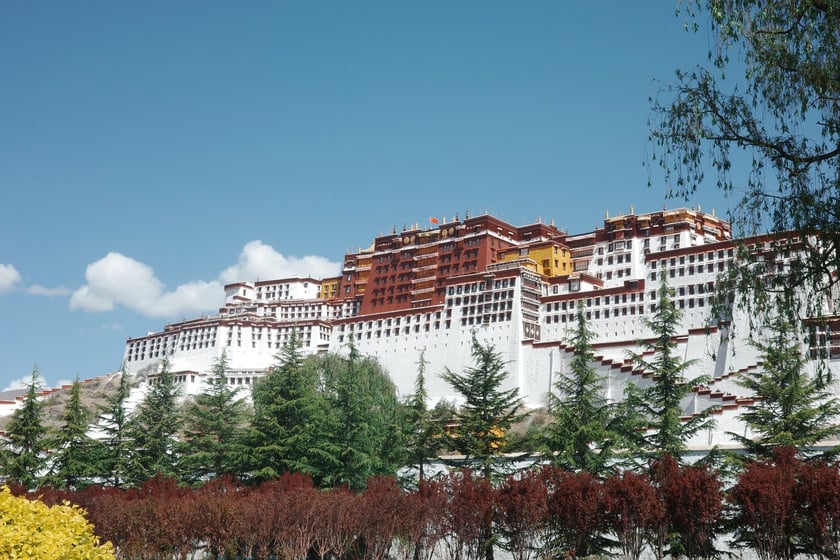
Tibet is a plateau region in Asia, spanning China, India, Bhutan, Nepal, and Pakistan, located northeast of the Himalayas.
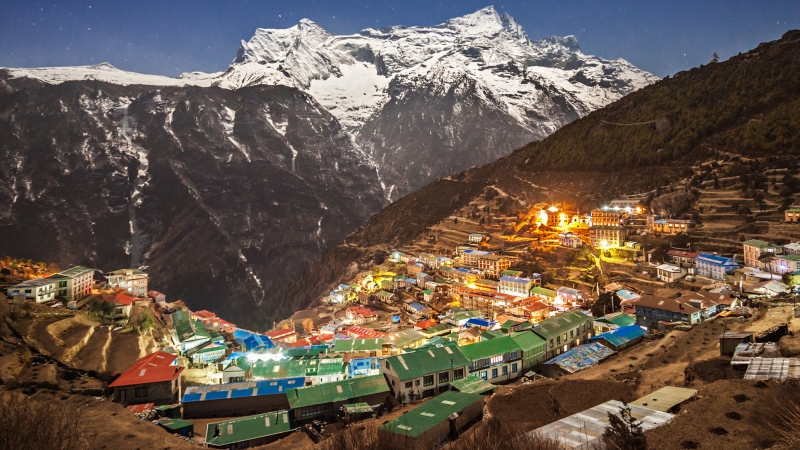
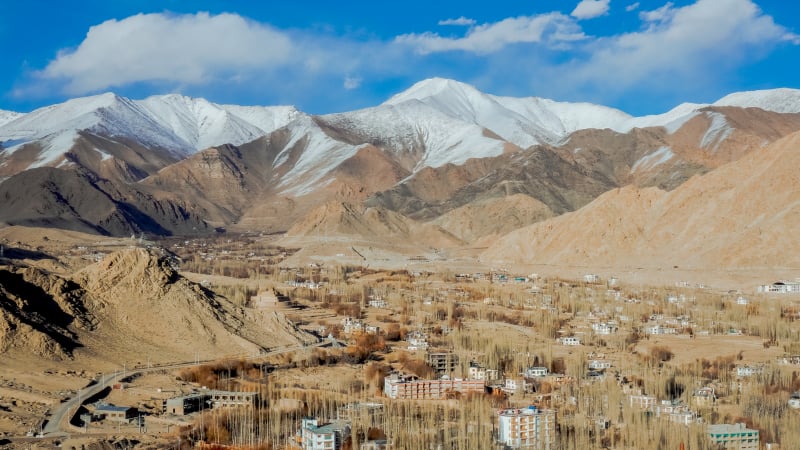
Everest Base Camp and the pilgrimage by sidecar.
Amidst a plethora of modern vehicles, the sidecar stands out as a captivating option. This three-wheeled vehicle isn't fast or luxurious, but it's slow enough for the rider to truly experience each moment. Lhasa, Shigatse, Gyantse, Rongbuk… these ancient temples still silently spin their prayer wheels in the 21st century. Tung Le doesn't want to visit them by sitting behind a car window, gliding past like a viewer on a screen. He wants to enter these places slowly, uninhibitedly, with nothing separating him from the highland wind. And the sidecar, a vehicle that's sufficiently unusual, old enough, and adventurous enough, has become the ideal companion for his journey of "traveling to live the journey."
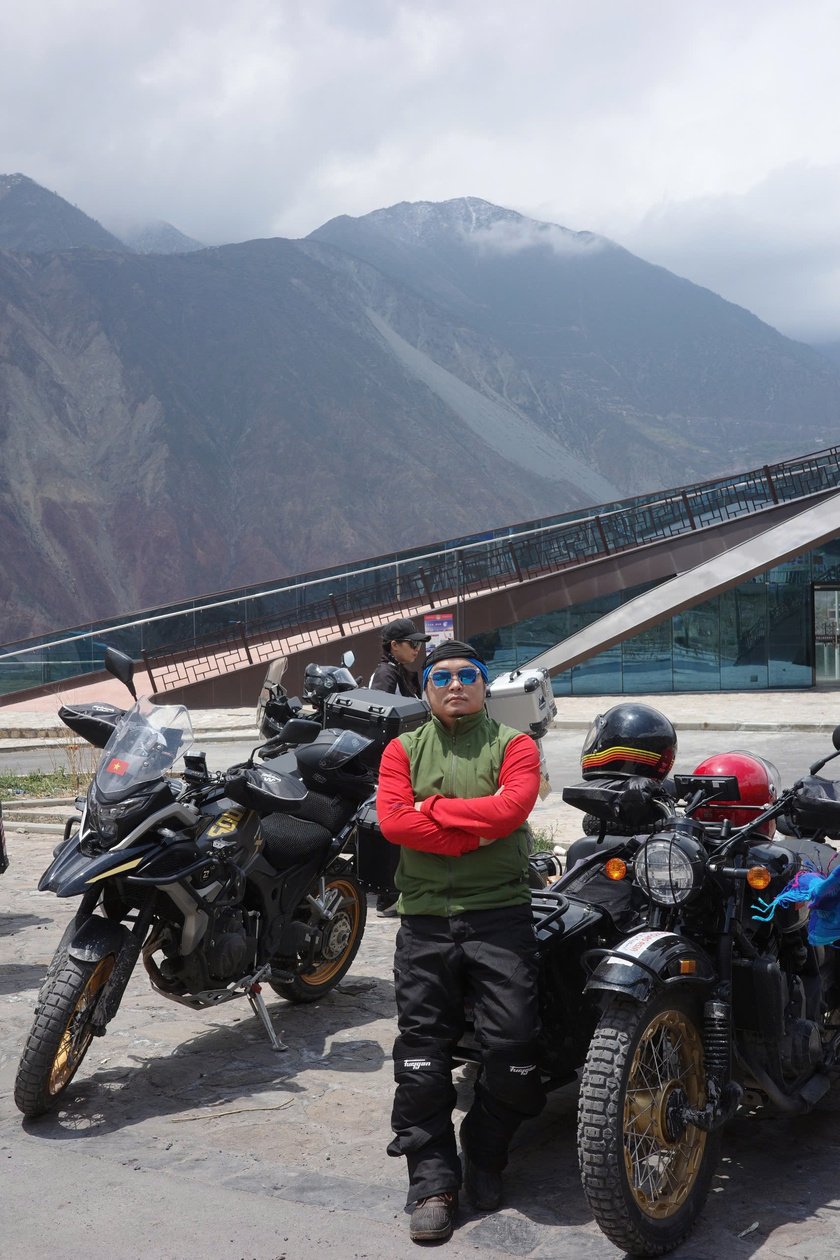
For Tung Le, an architect with a passion for speed, this journey is not just a trip, but a pilgrimage.
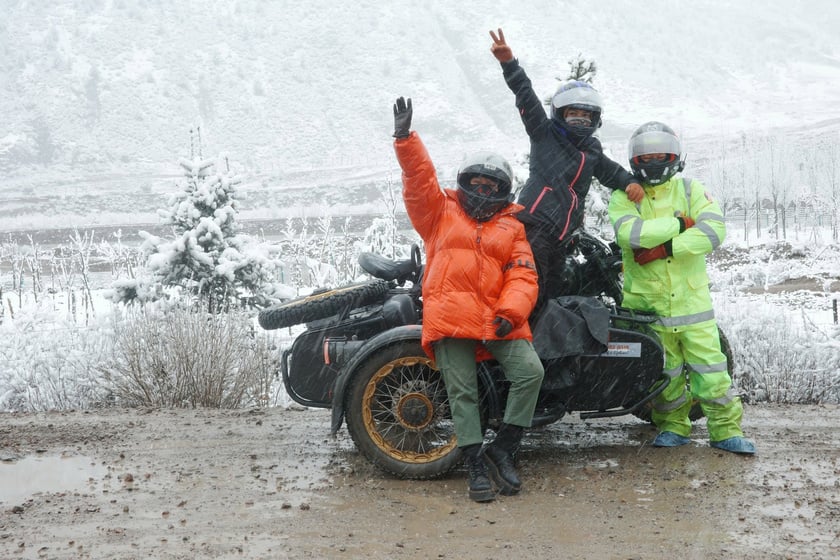
Not many people choose Tibet for a holiday, and even fewer would venture 17 days across the windy, sandy plateau at an altitude of over 5,000 meters on a three-wheeled sidecar.
Tung Le's 17-day expedition was a blend of adventure, contemplation, and at times, self-reflection. He traveled through Lhasa, Lake Yamdrok, Gyantse, Shigatse, Gyatso La Pass, Rongbuk Monastery, and finally Everest Base Camp (EBC). Throughout the journey, his durable yet challenging sidecar was always by his side. Every curve, every stretch of icy road forced the rider to relearn control, not only of the handlebars but also of himself. "The most difficult thing wasn't the terrain, but controlling haste and complacency, which easily deceives us amidst the overwhelming beauty of nature," Tung Le emphasized.
An expedition to listen to oneself.
Tibet is not a destination for those "must-see" travel lists. It offers not the usual tourist delights, but rather an almost sacred tranquility. Amidst ancient monasteries, barefoot monks, and the solemn chanting of scriptures, one is compelled to slow down. Not to rest, but to listen to one's inner voice.
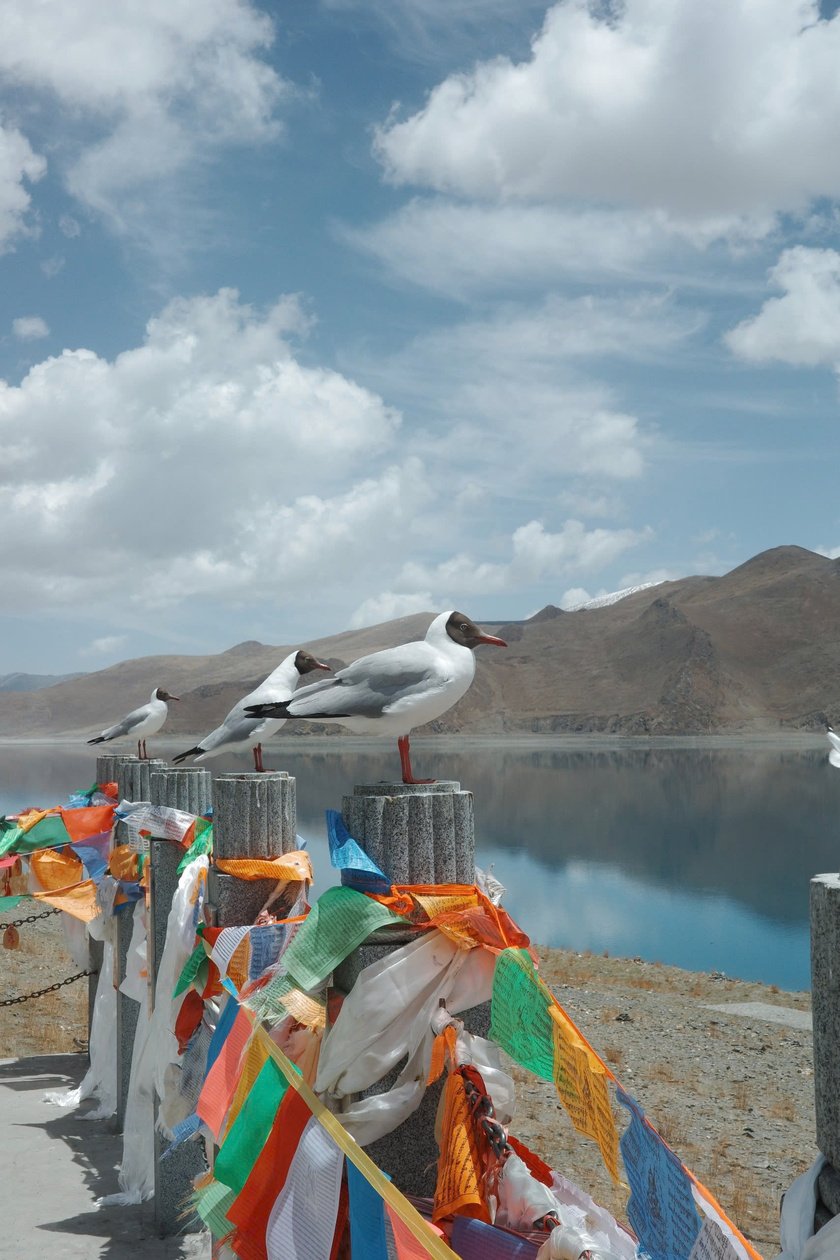
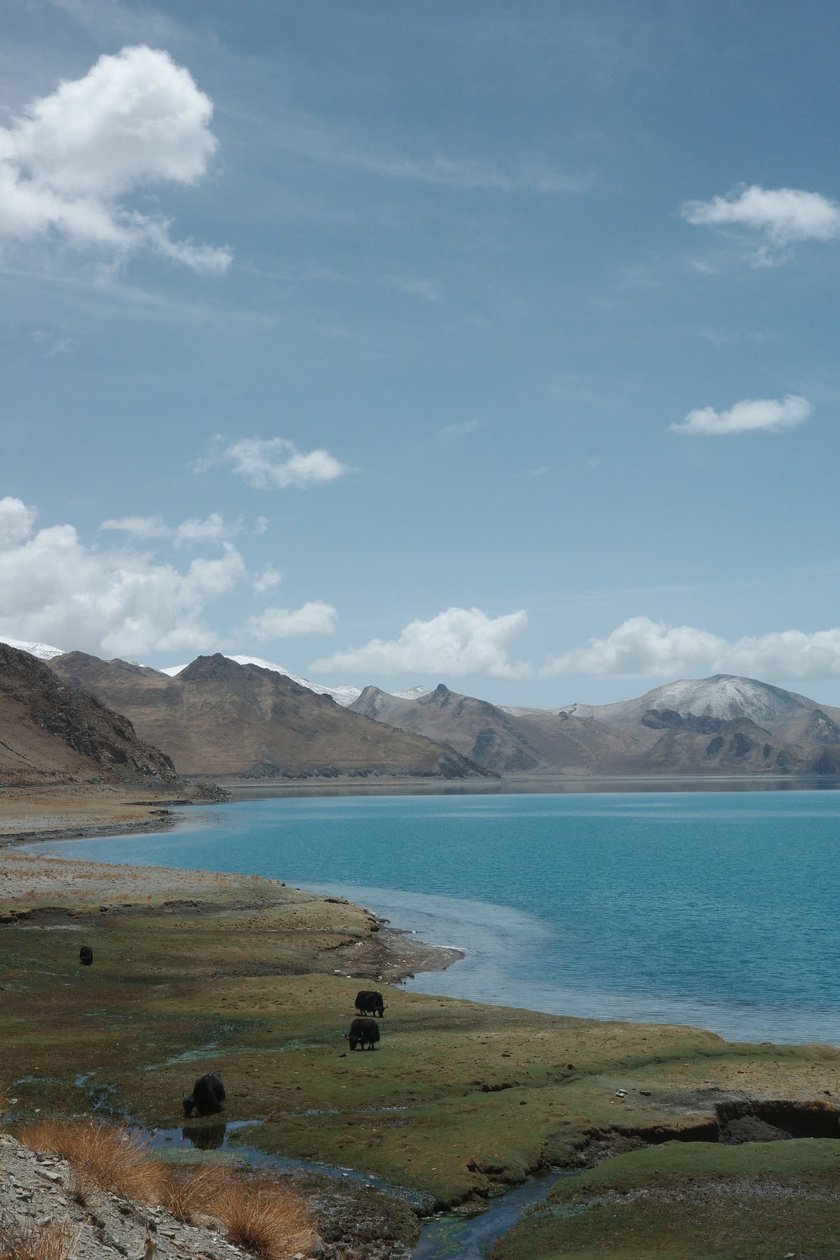
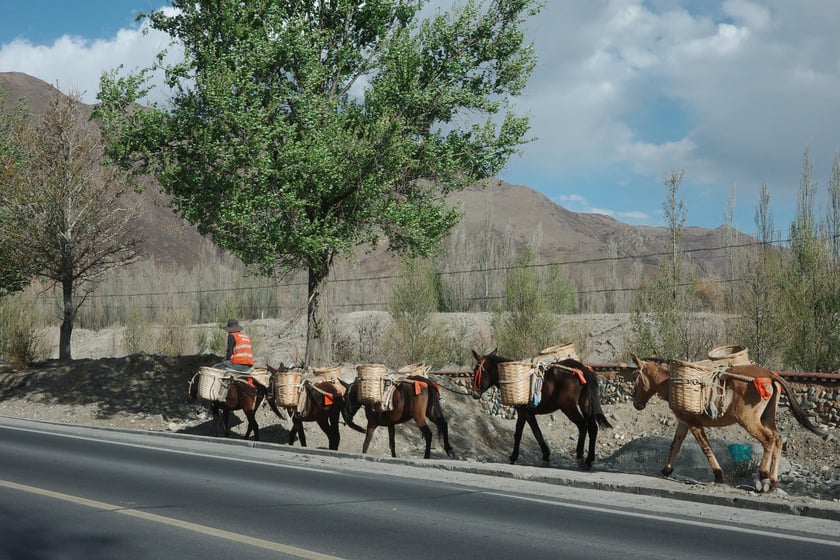
Tung Le's 17-day expedition is a blend of adventure, contemplation, and at times, self-reflection.
Tung Le has traveled past the turquoise Yamdrok Lake, like a crystal drop falling to earth, and crossed the Gyatso La Pass at an altitude of over 5,200m – where the air is so thin that each breath seems to drain the last bit of oxygen from his lungs. And he once stopped in Shigatse, watching the old monks walking barefoot, turning prayer wheels in the afternoon sun, amidst the steady chanting like a flowing stream.
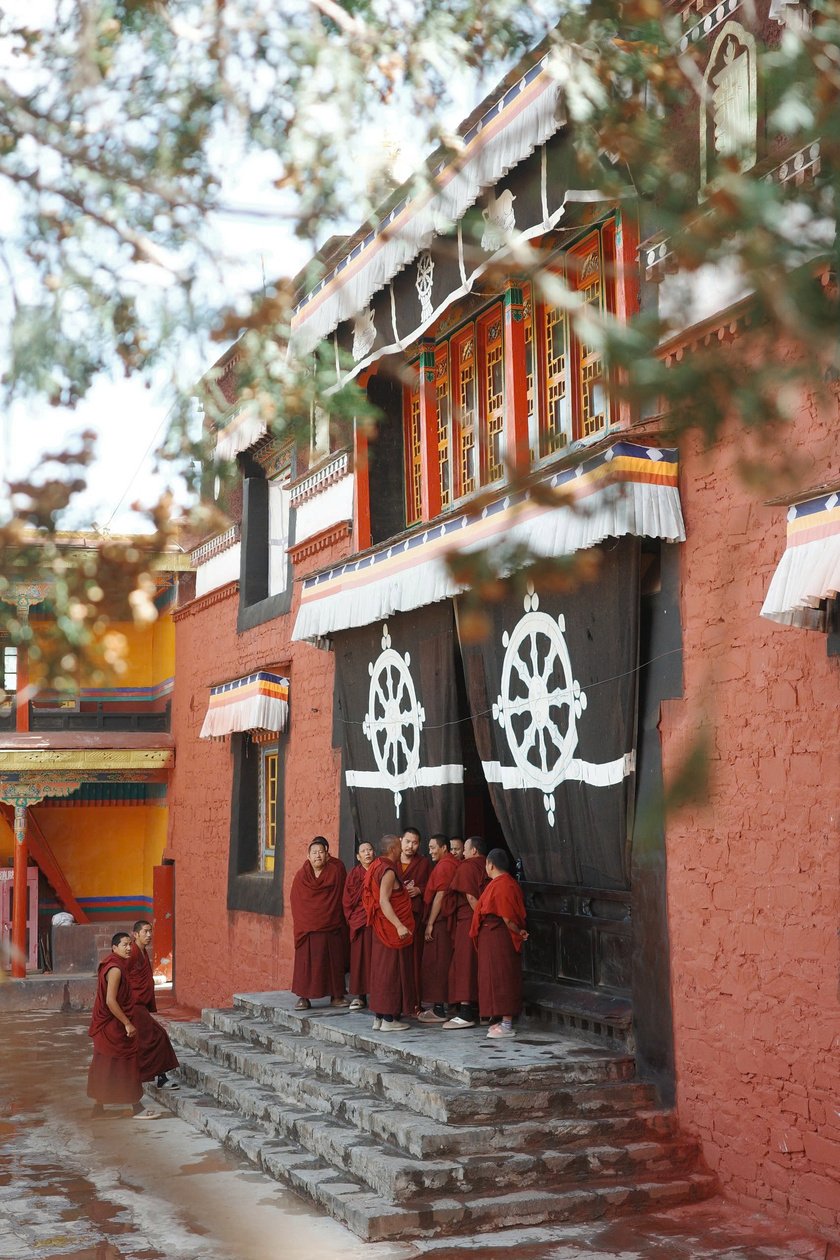
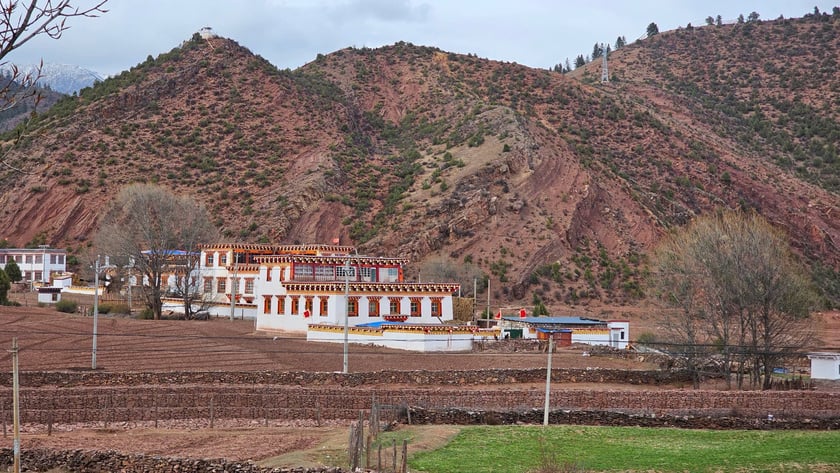
But if I had to choose one moment that left the deepest impression, it would be the time I got lost on my way back to Lhasa from Everest Base Camp and accidentally stopped at an ancient monastery over 1,500 years old, built only about 100 years after Jokhang (Great Jokhang Temple). It was quiet, without tourists, just Tibetans silently performing their rituals and young monks, having just finished their studies, running and playing in the golden afternoon sun.

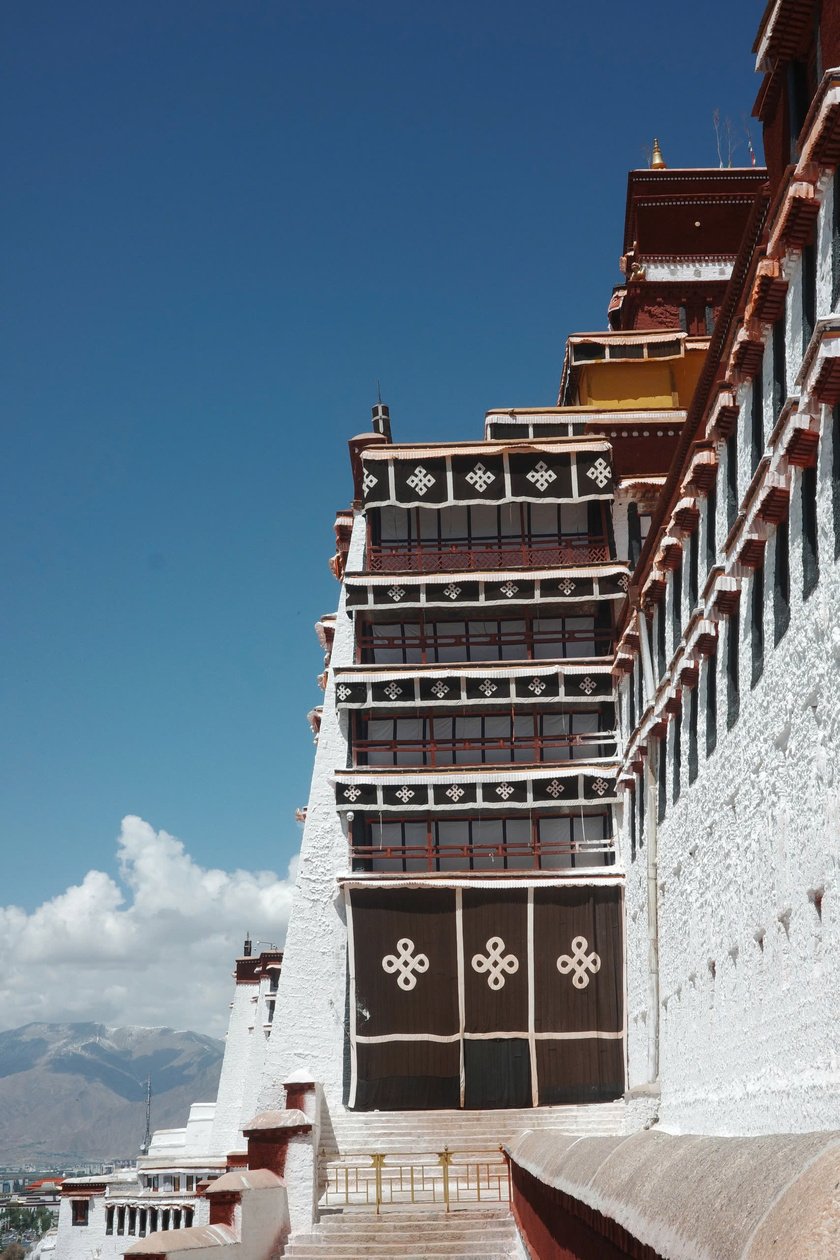
The clear sunlight poured down on the temple courtyard, as if washing away the dust of the world right before the entrance to the Buddha hall. In that moment, Tung Le knelt before the Buddha statue, all his worries seemingly vanishing in the absolute silence that enveloped the ancient temple. The scene was like something straight out of the book "Where Did We Come From?" that he had read, about the eyes of the Buddha, about humanity's journey to find its origins. Not because it was the most beautiful place, but because it made one temporarily forget the reasons for their worries.
Standing at Everest Base Camp, gazing at Chomolungma (the respectful name Tibetans use for Everest) towering before him, Tung Le realized: "Humans are good at imagining themselves as great, but standing before that mountain, all ambitions become fleeting. It's not the exhilarating joy of 'conquest,' but a feeling of breathlessness, biting cold, solitude, yet profound serenity. Because ultimately, some places exist only to teach people humility."
The sidecar, like a stubborn companion, helped him stay steady on the snow and ice, diligently carrying his partner. Each bend in the road was a lesson in control and adjustment. At an altitude of 5,000 meters, when the engine was running out of steam, when his head was spinning from lack of oxygen, that lesson became even clearer: go slowly to survive.
"The most difficult thing isn't the terrain, but self-control: don't rush, don't be overconfident, don't be arrogant towards nature," Tùng Lê concluded.
Tung Le shared a message for those who want to try a similar journey: "Go, if you're ready to leave your phone, deadlines, and the race for achievement behind at home. Go, to receive the most precious gift of any trip: liberation from yourself."
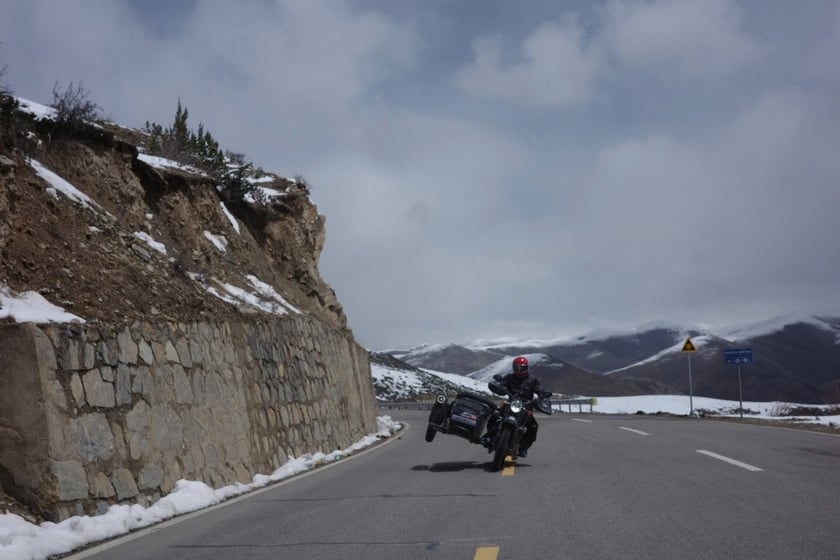
The sidecar, like a stubborn companion, helped him stay steady on the snow and ice, diligently carrying his partner.
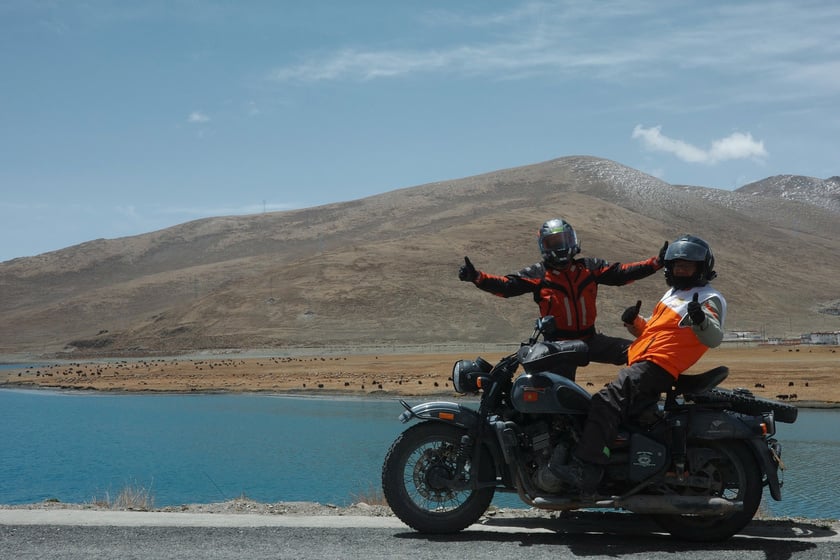
Each bend in the road was a lesson in control and adjustment. At an altitude of 5,000 meters, when the engine was running out of steam, when your head was spinning from lack of oxygen, that lesson became even clearer: go slowly to survive.
If you're considering a trip to Tibet by sidecar, here are some important things to keep in mind:
Required documents include: a Chinese visa, a Tibet travel permit, an Aliens' travel permit to Everest Base Camp, and a sidecar driver's license if driving yourself. All should be obtained early through the tour company as foreign tourists cannot apply directly.
• Expense:The estimated cost for a full 17-day trip is approximately $3,500–$5,000 (90 to 130 million VND), including technical support, rescue, and logistics.
• Health:It's essential to prepare physically before the trip and bring necessary medications such as blood pressure medication, altitude sickness medication, and vitamins. Don't underestimate acute mountain sickness (AMS), as it can be the biggest obstacle.
• Spirit:Be prepared to confront yourself amidst the majestic beauty and solitude of the plateau. Tibet is beautiful, but not for those who lack respect for nature.