VI
VI


Mr. Weiqiang, Director of the Regional Development and Reform Commission, shared at the conference that this 20.16 billion yuan investment is a strategic step to transform Tibet into an international-class cultural and tourism hub. With this money, the autonomous region will not only focus on preserving historical sites but also invest heavily in developing modern infrastructure, facilitating tourists' exploration and experience of Tibetan culture.
The investment in planetariums, art museums, and cultural centers clearly demonstrates the local government's commitment to developing a diverse and rich culture.
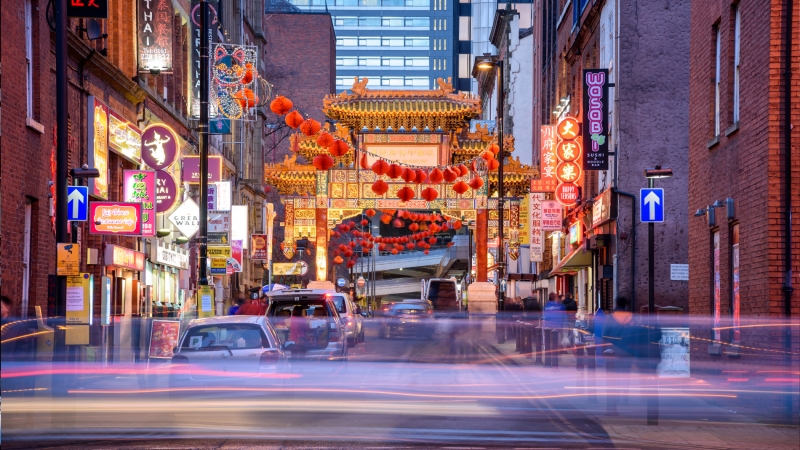

"These projects will showcase the cultural achievements of Tibet (China). This will then become a new driving force for the development of cultural tourism in the region," said Weiqiang, Director of the Regional Development and Reform Commission.

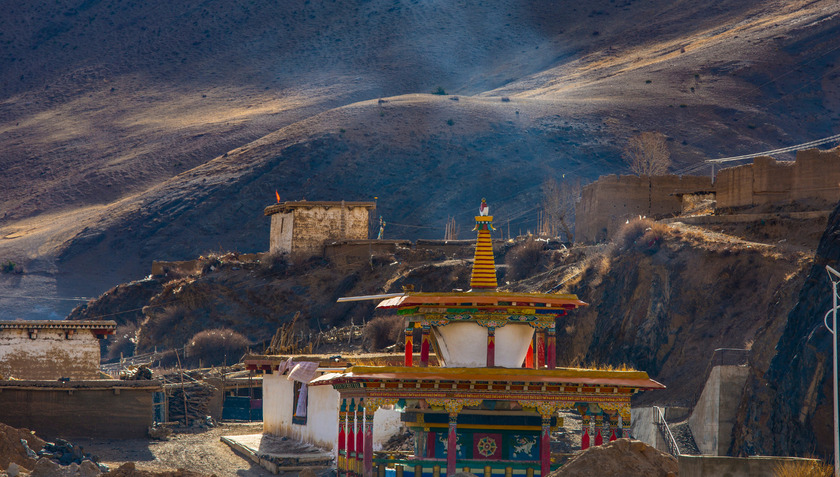
Nestled high in the highlands, Tibet captivates both domestic and international tourists with its landscapes, religious traditions, culture, and unsolved mysteries.
Tibet is an autonomous region spanning 1.2 million square kilometers, accounting for one-eighth of China's territory. Located on the Qinghai Plateau, it borders southwestern China and adjoins Myanmar, India, Bhutan, Nepal, Kashmir, and other regions. At an altitude of over 4,000 meters, it is known as the "Roof of the World" or the "Third Pole of the Earth".
Tibet is known for the majestic Mount Everest – the world's highest mountain – and the Tibetan Plateau, the source of both the Yangtze and Yellow Rivers. But that's not all; this highest plateau in the world also attracts tourists with its breathtaking natural scenery and unique, somewhat mysterious culture, making a trip to Tibet a dream for many.
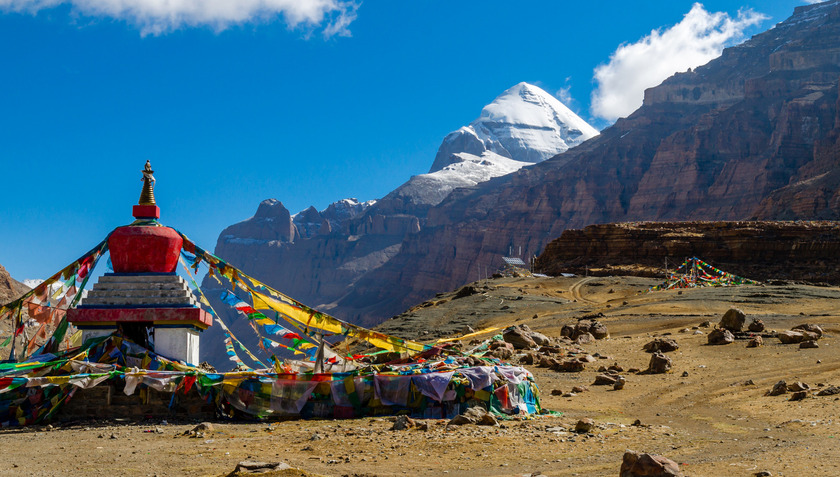
Tibet is striving to become a world-class cultural and tourist destination.
Tibetan culture is shaped by the influences of neighboring cultures such as Nepal, India, and Bhutan. However, geographically, Tibet is nestled in the Himalayan highlands, which has created a unique cultural identity for this region.
Data shows that from January to September this year, Tibet welcomed over 57 million domestic and international tourists. This represents a 15% increase compared to the same period in 2023. Furthermore, the total amount spent by tourists during their stay in the region exceeded 67 billion yuan, a 13% increase compared to the same period last year.