VI
VI


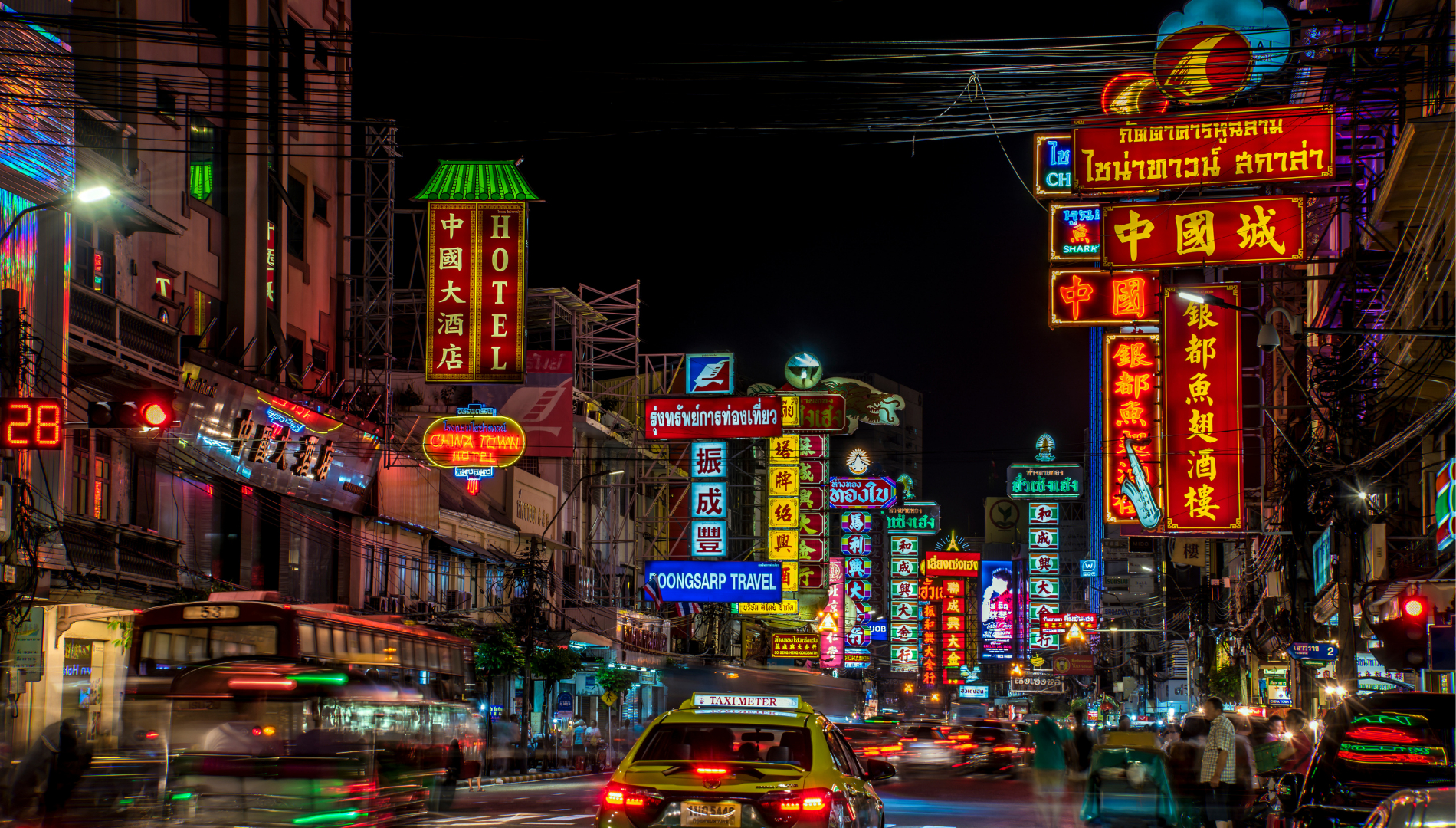
With the decision to extend the TM6 immigration form waiver until April 30, 2025, Thailand has opened a new chapter for cross-border tourism. Simplifying entry procedures at 16 land and sea checkpoints will save travelers time, reduce hassles, and allow them to enjoy a truly comfortable journey exploring the Land of Smiles.


The waiver of the TM6 form, which first came into effect on April 15 and is scheduled to expire on October 15, aims to improve immigration services, reduce congestion at checkpoints, and boost tourism, supporting economic growth. This decision not only demonstrates the Thai government's concern for tourists but also shows its commitment to promoting the tourism industry, one of the country's key economic pillars.

With the new Electronic Travel Authorization System (ETA), applying for a visa to Thailand is now incredibly simple and fast.
Some key checkpoints that are exempt include Aranyaprathet in Sa Kaeo province bordering Cambodia, Chiang Saen in Chiang Rai province bordering Myanmar, and Padang Besar in Songkhla province bordering Malaysia.

To enhance the travel experience and optimize the entry process, the Thai Ministry of Foreign Affairs has proposed a groundbreaking solution: the Electronic Travel Authorization System (ETA). Completely replacing the cumbersome TM6 immigration form, the ETA will allow visitors from 93 countries to apply for entry permits online quickly and conveniently. With just a few simple steps, visitors will receive a QR code and can automatically pass through border crossings, saving considerable time.

With just a few clicks, travelers from 93 countries can complete their visa applications online, saving time and effort compared to the traditional method.
The Ministry of Tourism and Sports is considering integrating the 300 baht (approximately US$9 - for air travelers) and 150 baht (for land and sea travelers) tourism fee into the ETA system. Songchai Mungprasithichai, Chairman of the Songkhla Province Tourism Promotion Association, said that waiving the TM6 form would help increase the daily number of Malaysian tourists visiting Songkhla Province by 50% compared to the period when this requirement was in effect.
Recently, the Thai government approved a policy to promote tourism and the economy under the “Six Countries, One Destination” initiative, which includes Brunei, Cambodia, Laos, Malaysia, Vietnam, and Thailand. Thailand emphasizes strengthening private sector cooperation in the tourism sector by creating tourism routes connecting World Heritage sites, organizing regional tourism calendars to arrange major festivals, and holding events to bring benefits, including knowledge exchange among human resources in the tourism industry.