VI
VI


Amidst the global tourism industry's search for more unique and immersive experiences, China has been witnessing a strong resurgence of Hanfu – the quintessential traditional attire of the nation. From appearing only in historical dramas or quietly displayed in museum cases, Hanfu has now experienced a vibrant revival, becoming a unique cultural highlight that strongly attracts international tourists to the country of over a billion people.
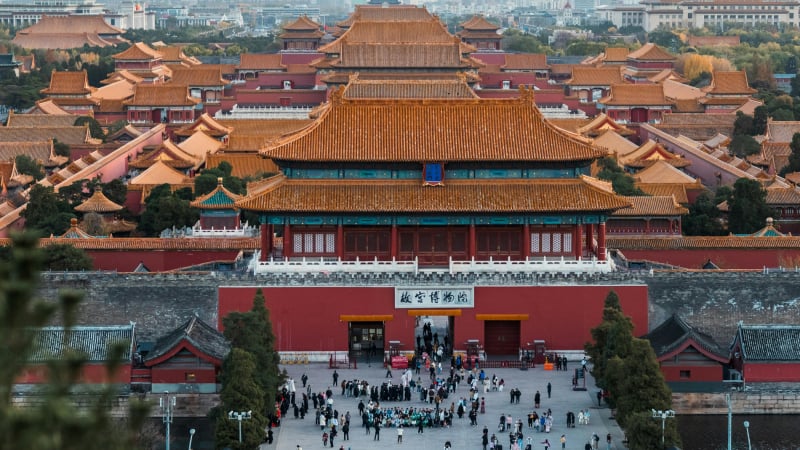
Hanfu is not just a piece of clothing; it is a living symbol, embodying the rich intangible cultural heritage of China, with its development closely intertwined with the glorious history of the Chinese nation. There was a time when, with the rapid development of modern society and the trend of globalization, Hanfu seemed to be merely a memory, a nostalgic image. However, in recent years, a strong cultural revival across China, coupled with the rise of domestic trends such as cultural tourism and especially the "photo shoot in national costume" trend, has breathed new life into the Hanfu industry.
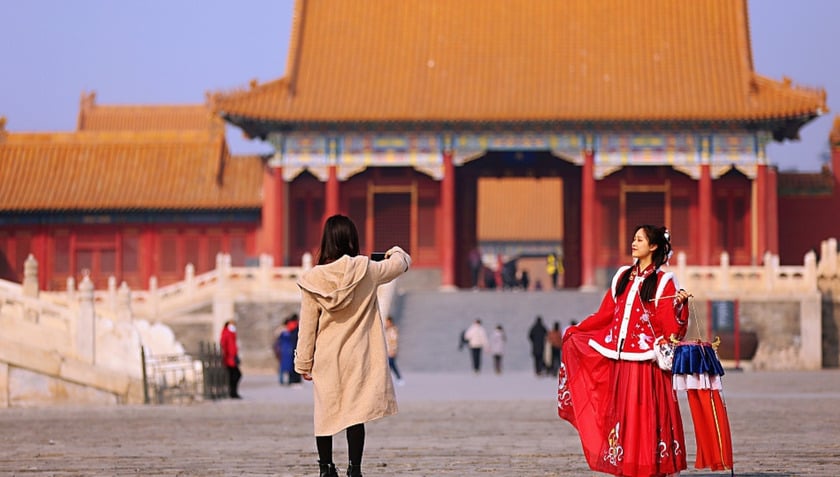
Hanfu - A traditional beauty that attracts tourists to China.
This industry has witnessed astonishingly rapid growth, with independent designers and major brands alike capitalizing on the immense appeal of traditional clothing. Hanfu is not only warmly received in the domestic Chinese market but has also spread rapidly, becoming increasingly popular among overseas Chinese communities and especially among foreigners with a particular passion for Chinese culture. They wear Hanfu not only to express admiration but also to explore the cultural depth it represents.

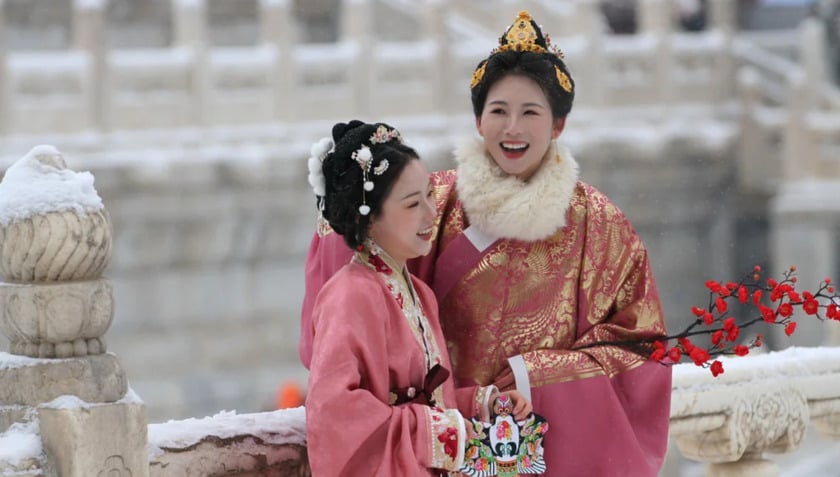
Hanfu, the traditional Chinese garment embodying elements of the country's intangible cultural heritage, is experiencing a resurgence, becoming one of the highlights attracting foreign tourists to China.
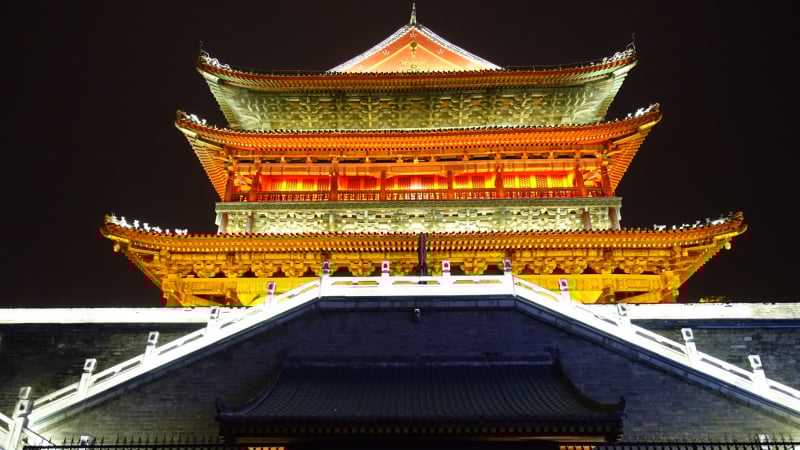
The allure of Hanfu (traditional Chinese clothing) is not limited to Beijing, but has spread to many other regions across China, attracting a large wave of international tourists seeking unique immersive experiences. In Xi'an, the historical capital of Shaanxi Province – once the capital of the glorious Tang Dynasty – visitors can dress in magnificent Hanfu, recreating the Tang Dynasty style for photos amidst ancient structures such as the Big Wild Goose Pagoda or the ancient city walls. These photos are not only mementos but also a bridge to help them better feel the golden atmosphere of a bygone era.
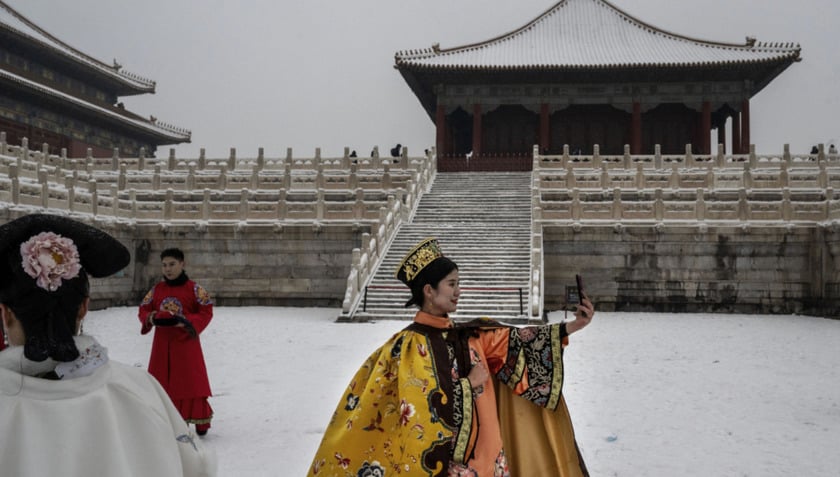
Many young people travel to China for this unique experience.
Beyond the clothing of the Han people, China's cultural diversity is also reflected in the attire of its ethnic minorities. In Yunnan, a mountainous province with many unique ethnic groups, the vibrant traditional costumes of the minority groups have captivated foreign tourists, offering a distinct and intriguing cultural experience. Visitors can try on the costumes of the Bai, Nung, or Miao people, immerse themselves in local festivals, and learn about the lives of the indigenous people.
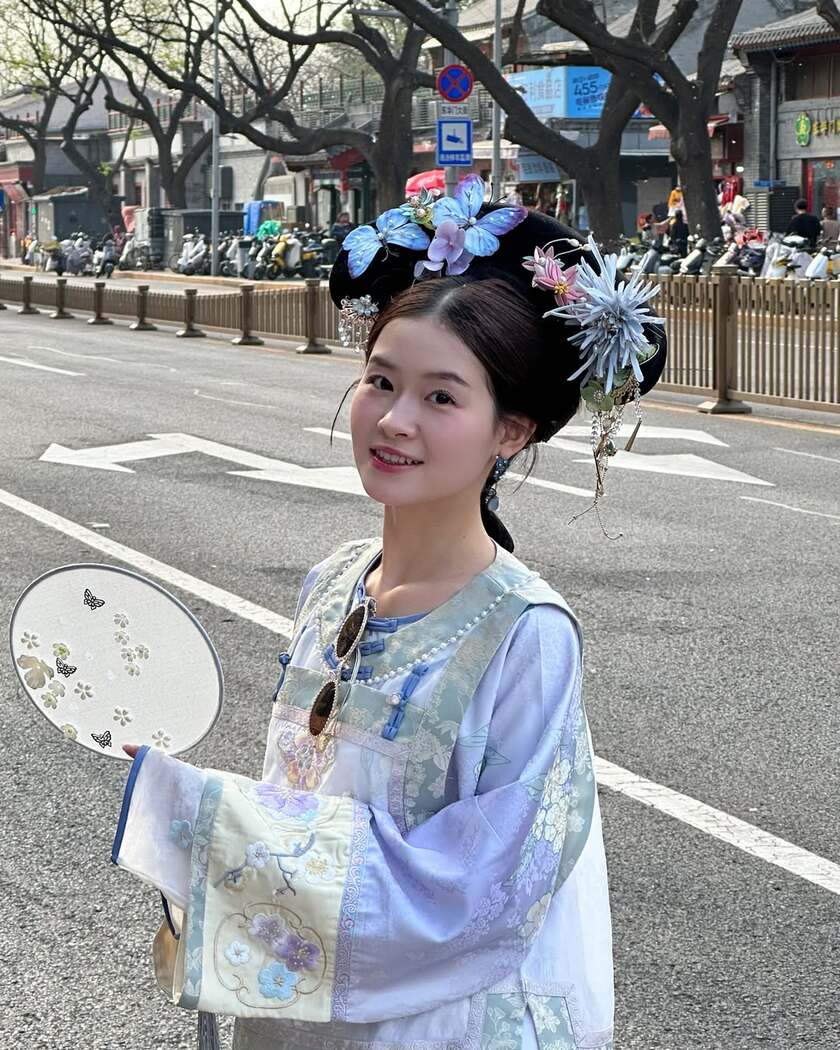
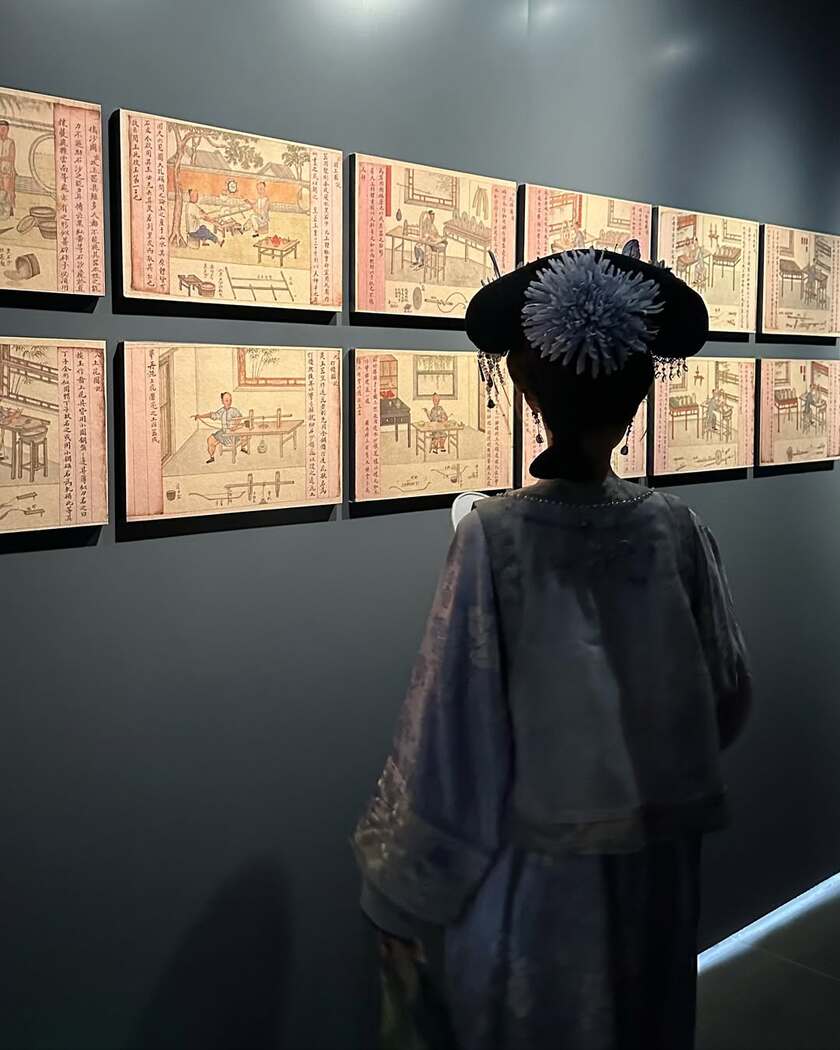
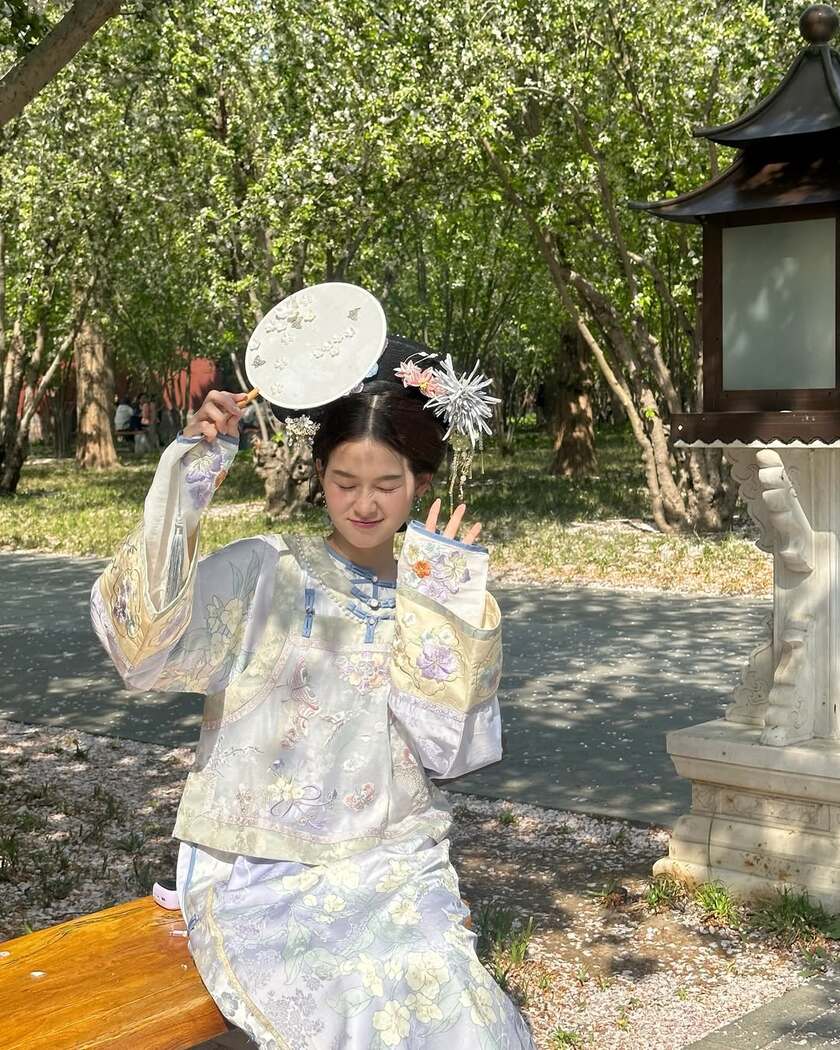
Over time, Hanfu has undergone many transformations, with each dynasty bringing its own unique style and characteristics, reflecting the creativity and aesthetic philosophy of each era. However, generally speaking, Hanfu designs always emphasize aesthetic lines and symmetry, highlighting elegance, comfort, and harmony between humans and nature. Hanfu is designed in an incredibly diverse range of styles, from everyday wear to elaborate ceremonial attire, featuring many exquisite traditional patterns such as dragons, phoenixes, peonies, and plum blossoms. Combined with subtle color coordination, these garments create a powerful visual effect, attracting all eyes and telling the story of Chinese culture.
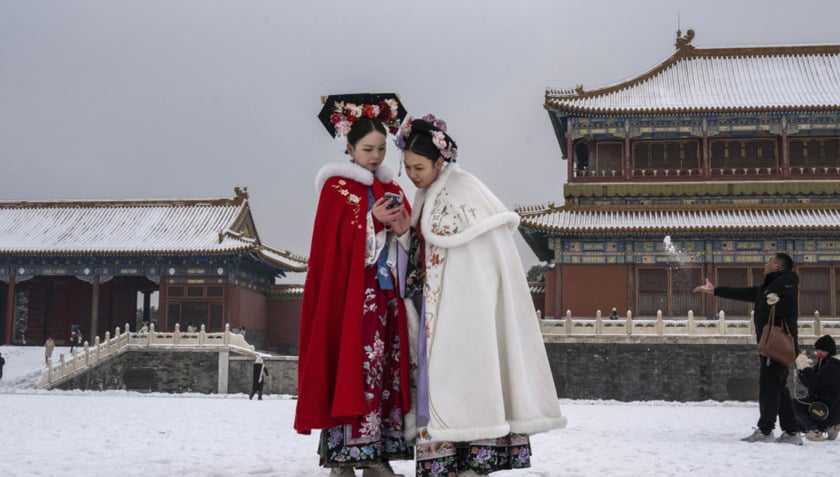
Professor Li Min of Beijing Foreign Studies University believes that cultural tourism activities not only help tourists understand China better but also transform them from observers into active participants.
Notably, the role of the government and social organizations in promoting this trend is significant. Last year, the Communist Youth League of China launched a widespread appeal, encouraging all citizens to share images of themselves wearing traditional clothing on social media platforms during National Day celebrations. This appeal not only aimed to foster national pride and reinforce a sense of cultural identity but also served as a clever and effective strategy for promoting Chinese culture to the world. This action aligns perfectly with President Xi Jinping's policy of bringing China's traditional cultural values beyond its borders, making them an important part of the nation's soft power and a highlight in international cultural exchange.
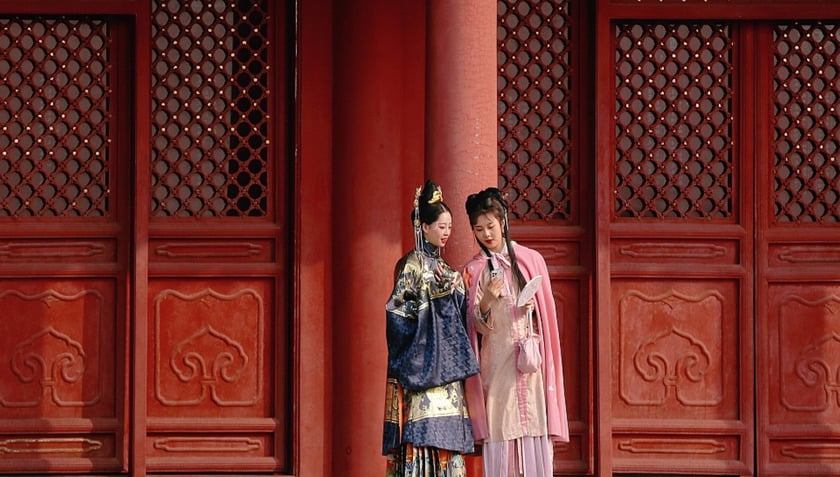
Culture is a powerful catalyst for promoting inbound tourism.
Hanfu, once a quiet heritage, is becoming a vibrant symbol of creativity and cultural pride, inviting international visitors to explore, experience, and immerse themselves in the flow of Chinese history and art in the most authentic way.