VI
VI


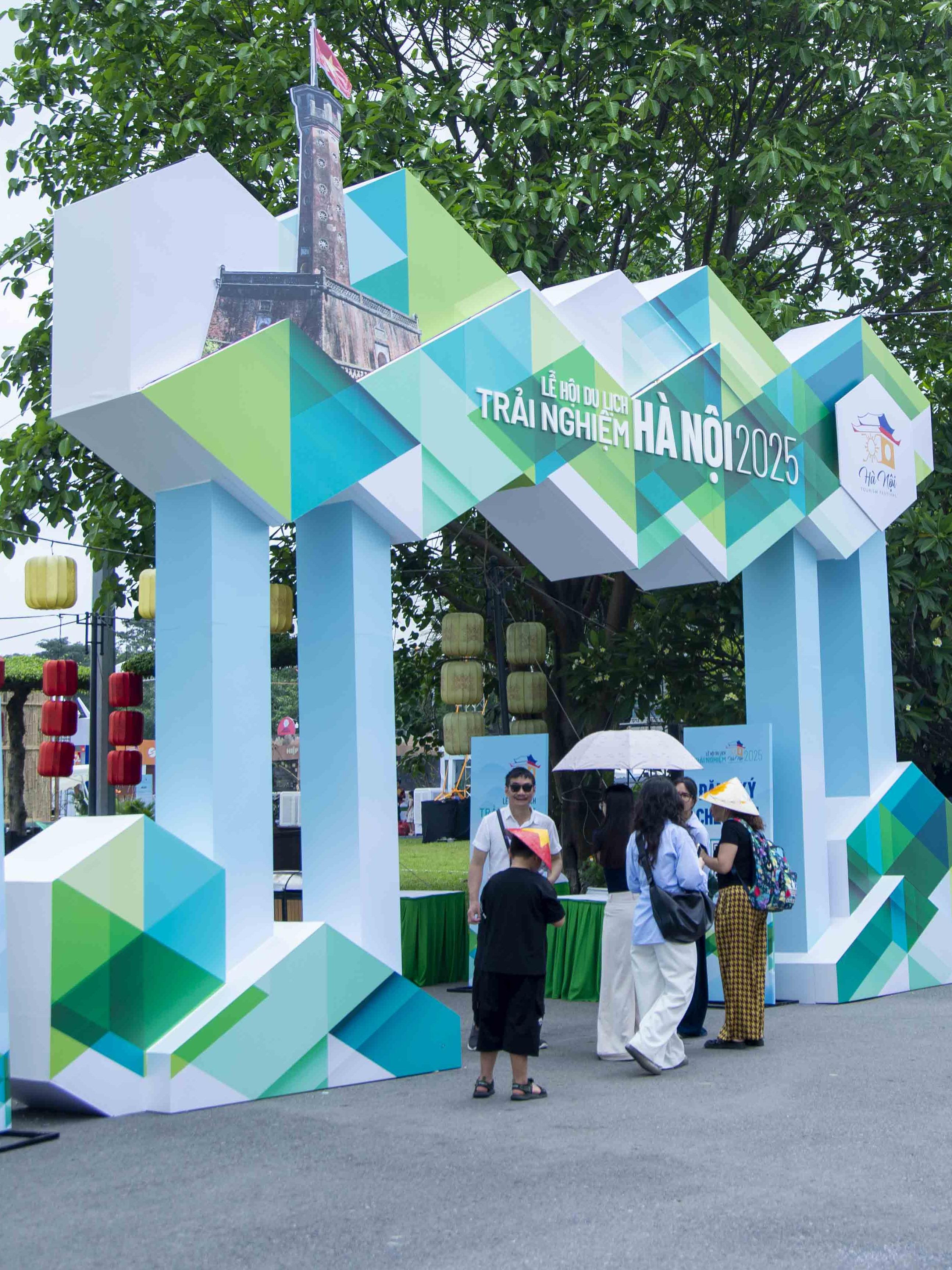
The Hanoi Tourism Festival 2025 is not only an annual cultural and tourism event, but also a powerful impetus in the capital's sustainable tourism growth strategy, aiming to build Hanoi into a "livable, friendly and creative city," a leading cultural destination in Asia and the world.
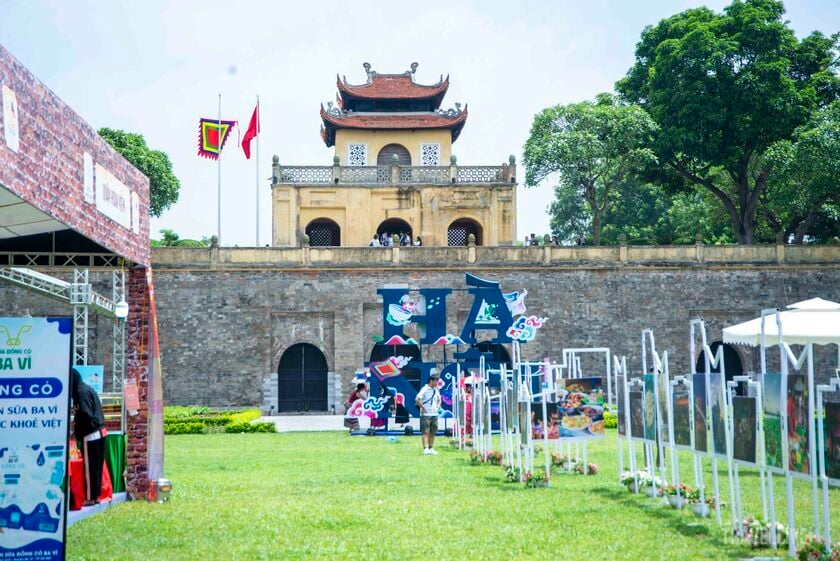
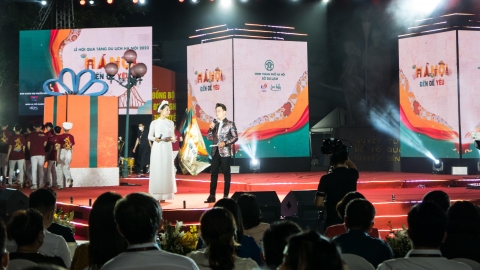
With tourists at its center, this year's festival created a vibrant open space, bringing together over 150 booths from reputable tourism businesses, localities nationwide, and many international organizations. The event was a colorful tapestry of Hanoi's culture, history, cuisine, and people, while also subtly incorporating technology and innovation, opening up new and unique experiences never before seen.
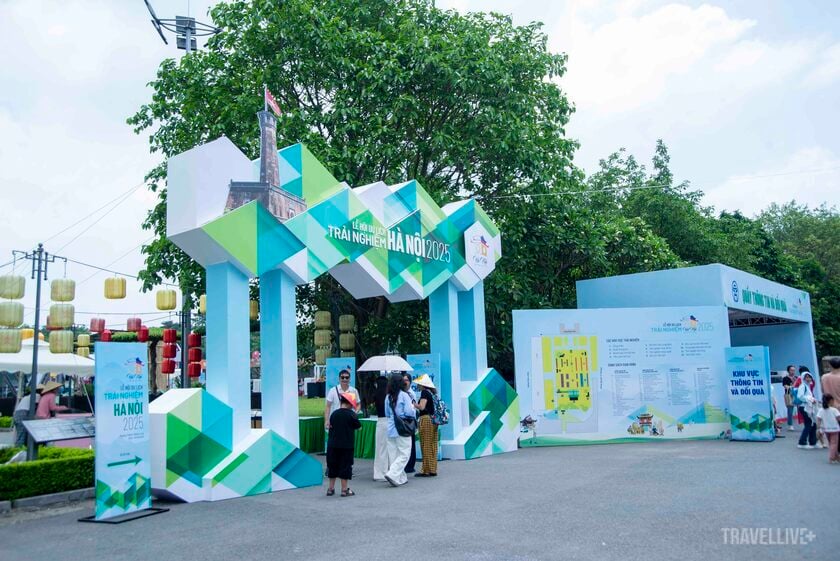
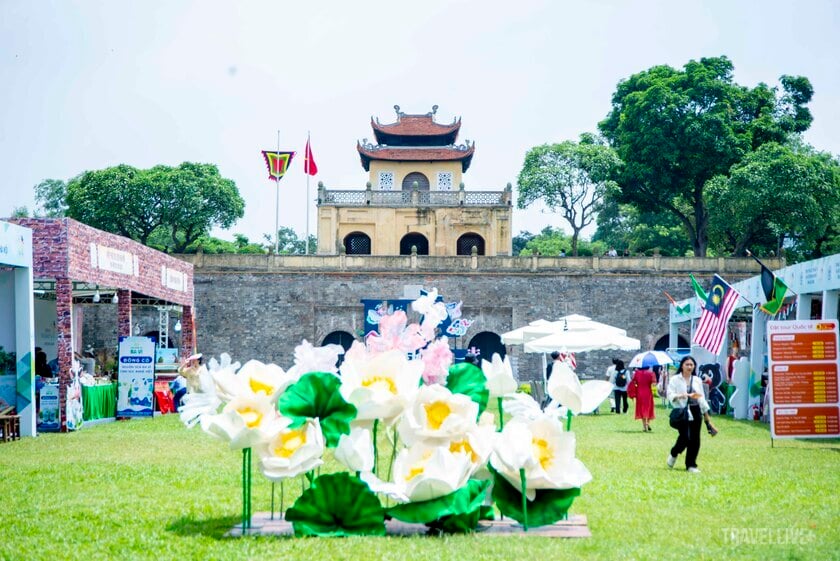
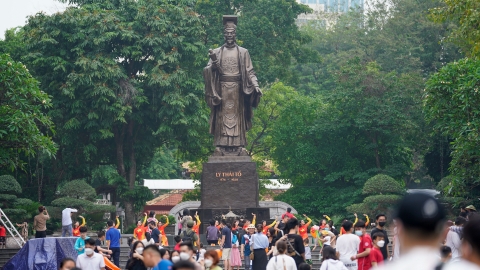
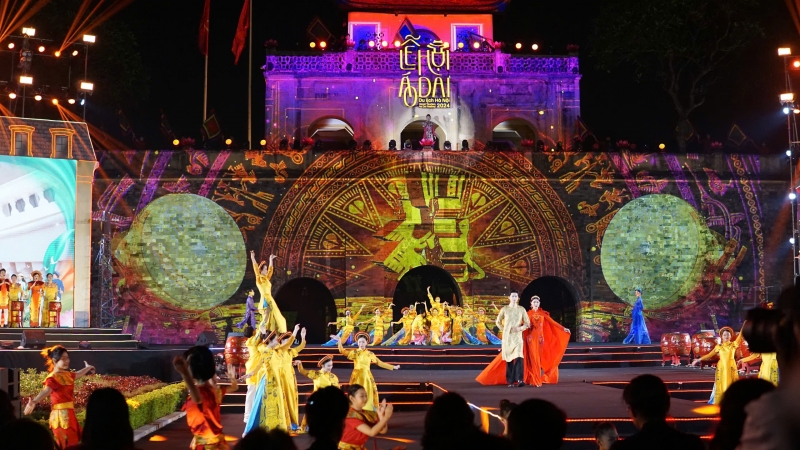
Hanoi Tourism Festival at Thang Long Imperial Citadel
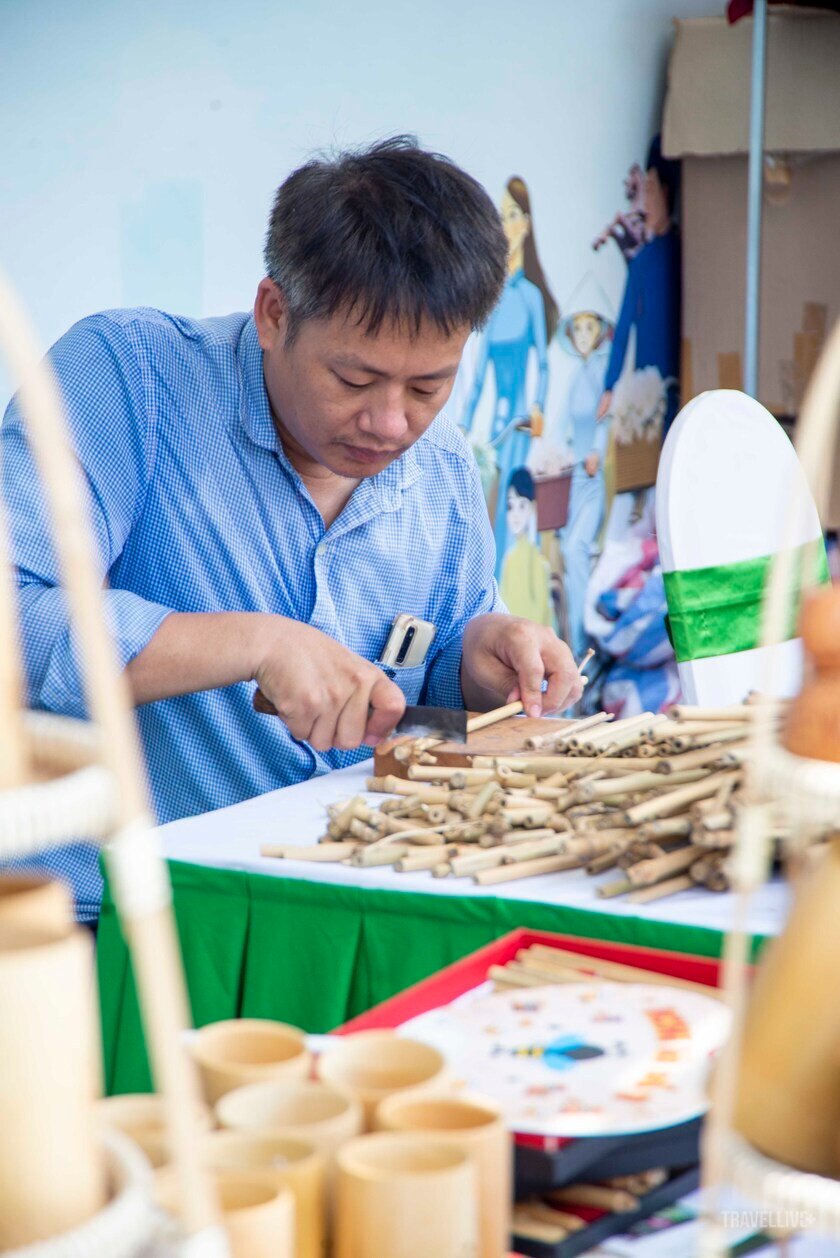
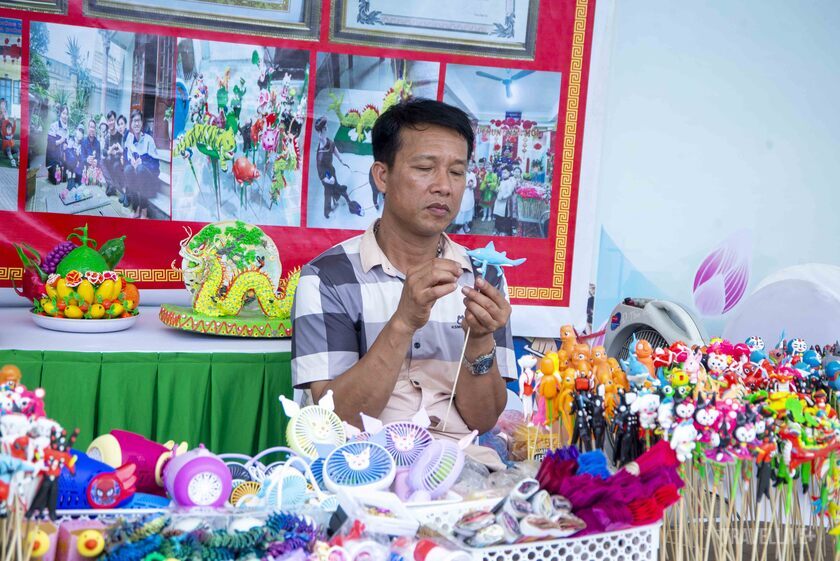
Traditional craft village exhibition booths
With the continuous development of technology and artificial intelligence, Hanoi's tourism industry is entering a period of strong transformation. According to Ms. Dang Huong Giang, Director of the Hanoi Department of Tourism: "Renewing tourism products is a vital factor in the context of fierce competition among destinations. Technology not only helps enhance the visitor experience but also creates opportunities to effectively access the international market, especially the younger generation of tourists."
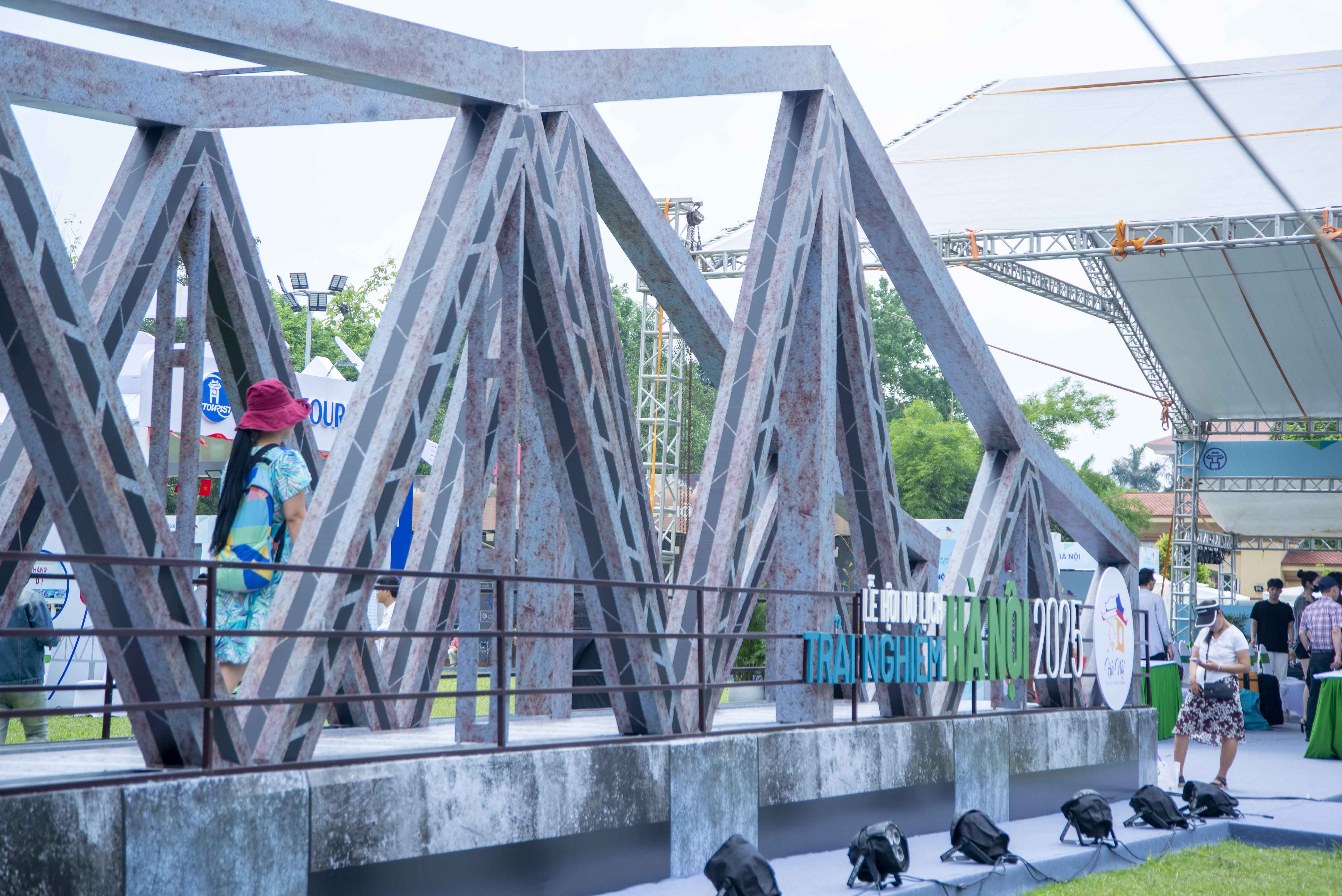
From the moment visitors step into the festival grounds, they can clearly feel the meticulous and innovative design of the space. Miniature scenes recreating iconic landmarks such as Hoan Kiem Lake, the Temple of Literature, Duong Lam Ancient Village, and Long Bien Bridge are vividly simulated and combined with virtual reality (VR) technology, allowing viewers to "travel" through these historical sites, ancient streets, and architectural heritage with just a VR headset. These experiences are not only highly entertaining but also contribute to spreading historical and cultural values to young visitors, a generation closely connected to digital technology.
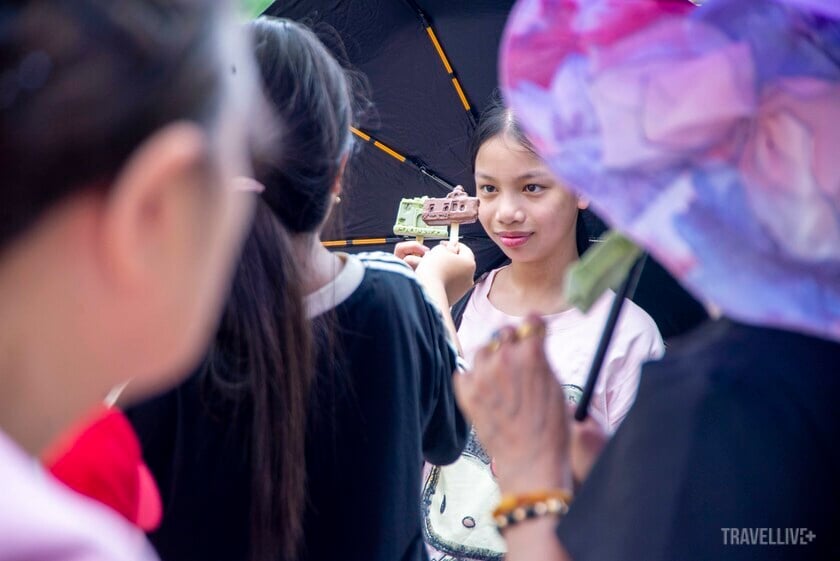

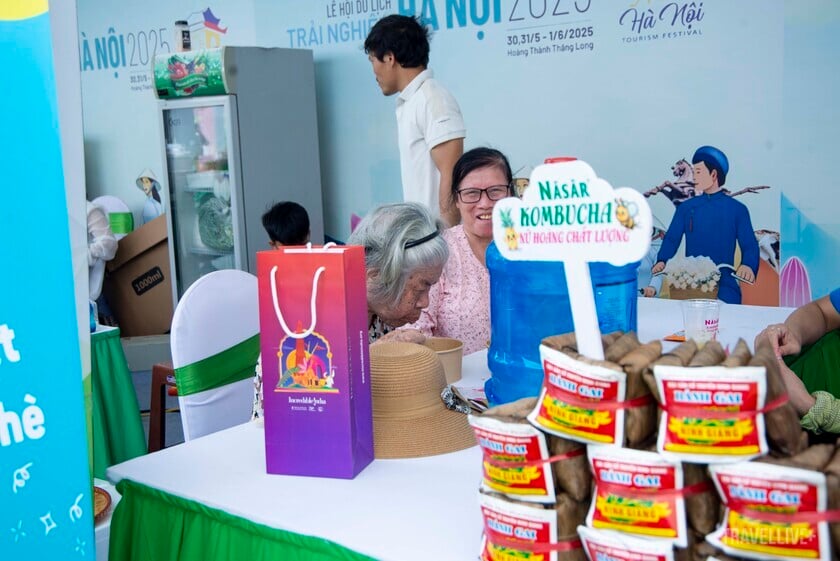
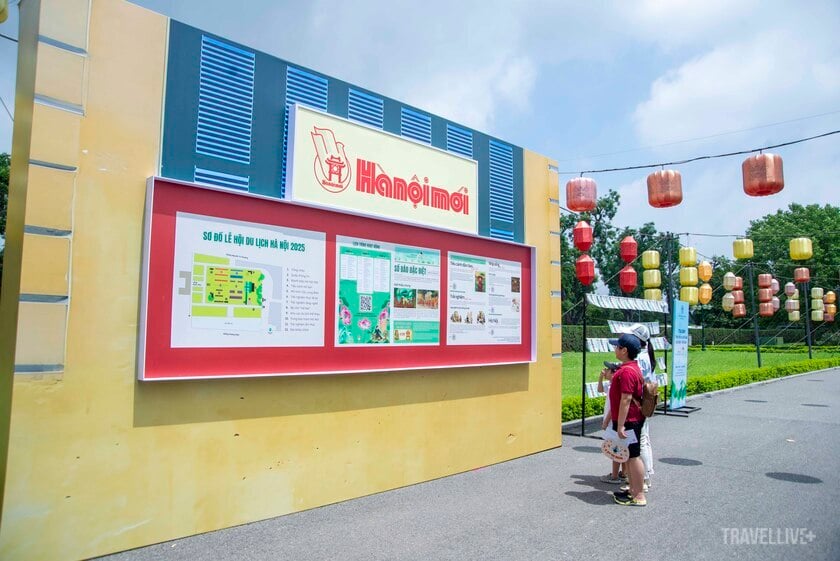
The festival attracts people of all ages to enjoy it.
If technology is the language connecting the future, then cuisine is the living memory of Hanoi. The traditional culinary space at the festival is like a "symphony" of the tastes, smells, and colors of the capital. There, Hanoi pho is still steaming hot, West Lake shrimp cakes are crispy alongside fragrant lotus tea or traditional sticky rice and sweet soup.

What's special this year is that the culinary space isn't limited to traditional dishes; it also features an intersection with international cuisine, with stalls showcasing Japanese, Korean, French, and Italian food – where chefs demonstrate their skills and introduce cultural exchange through food. This combination reflects the spirit of "opening up to the world while preserving identity" of modern Hanoi tourism.
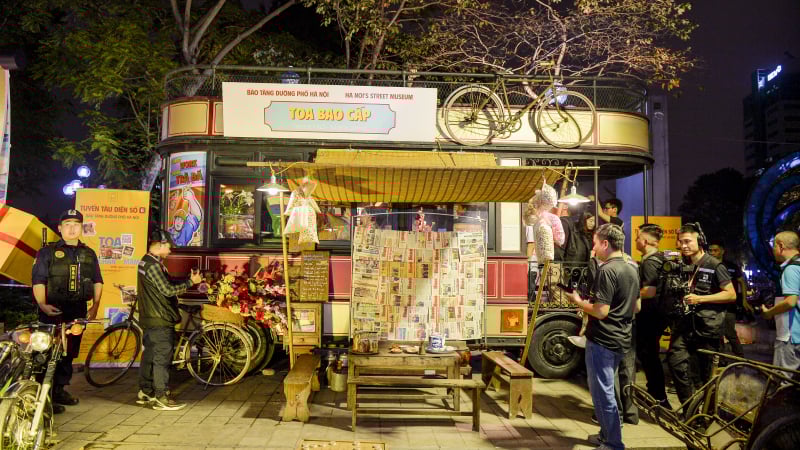
Traditional craft villages - the hands that preserve the soul of heritage.
This year's festival also dedicated a separate area to honoring traditional craft villages, an integral part of Hanoi's cultural identity. Here, artisans from Bat Trang pottery village, Van Phuc silk village, Dong Ho painting village, and the traditional toy maker demonstrated their handcrafted techniques firsthand.
The stalls are not simply display areas, but also vibrant interactive spaces where visitors – especially children – can directly participate in creating products. These are valuable experiences that help the younger generation better understand the values of traditional crafts and the meticulous effort behind each "made in Hanoi" product.
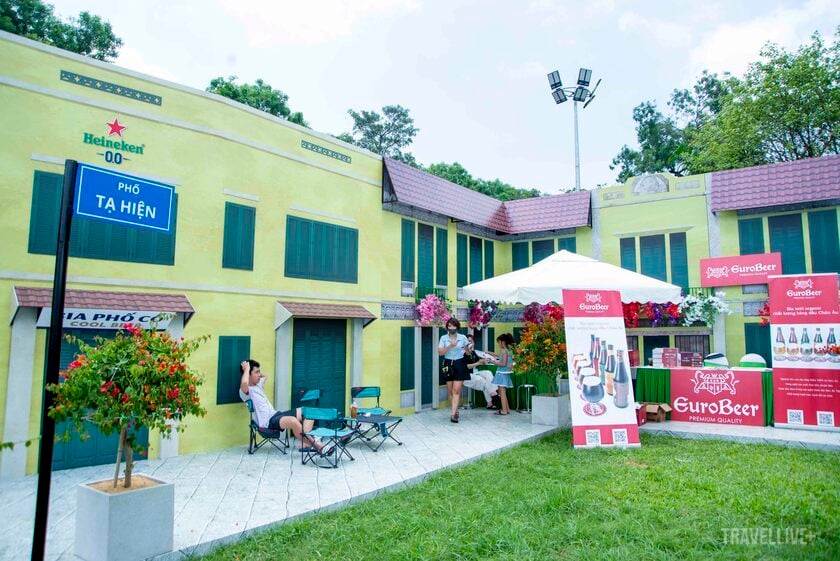
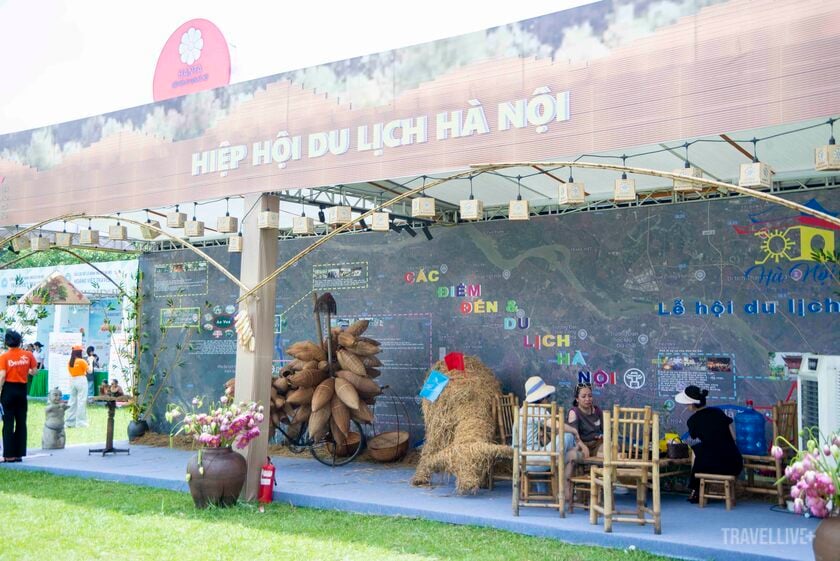
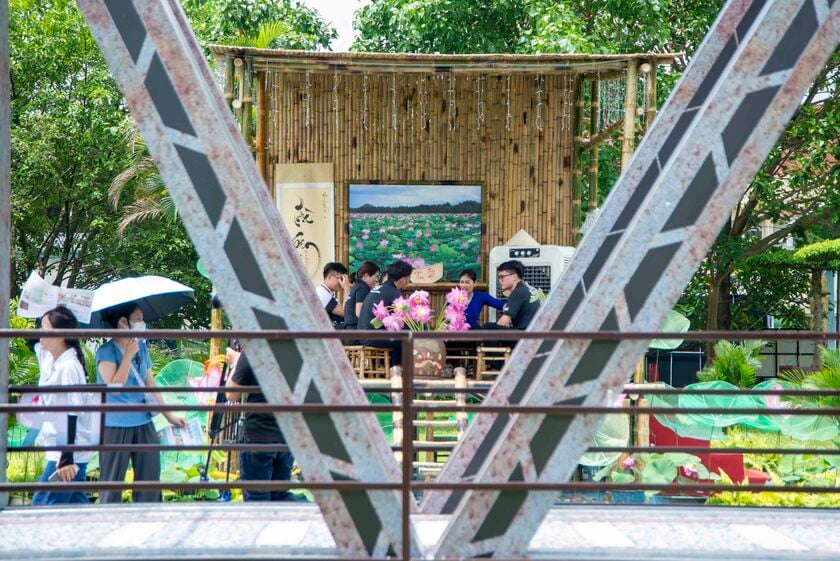
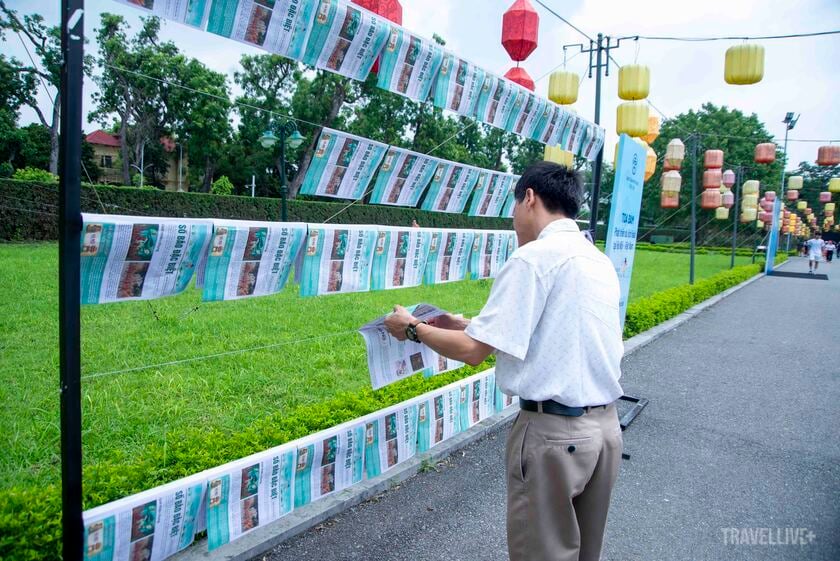
The exhibition space at the festival was impressive.
Within the framework of the festival, many high-tech tourism products were introduced, from automatic audio guides at historical sites, AI-integrated digital tourist maps, smart navigation tours to drone and VR360 travel experiences. Particularly, virtual reality tours of historical sites made a strong impression, allowing visitors to "step into" the Thang Long Imperial Citadel during the Ly-Tran dynasties, or "sit" in an old classroom at the Temple of Literature through 3D recreated images.
A lovely highlight of this year's festival is the children's experience zone, organized to celebrate International Children's Day on June 1st. With activities such as mini Robocon programming, painting about Hanoi, and participating in handicrafts, the children not only have a fun and educational playground but also have the opportunity to better understand the city they live in through an innocent perspective.
These activities affirm Hanoi's long-term strategy of nurturing a love for heritage from the youngest generation, thereby laying the foundation for a generation of domestic tourists who are knowledgeable, emotionally receptive, and responsible towards national culture. In particular, the Hanoi culinary space, showcasing traditional dishes such as pho, shrimp cakes, coffee, lotus tea, and sticky rice with sweet soup, has garnered significant interest from visitors.

Hanoi's culinary scene
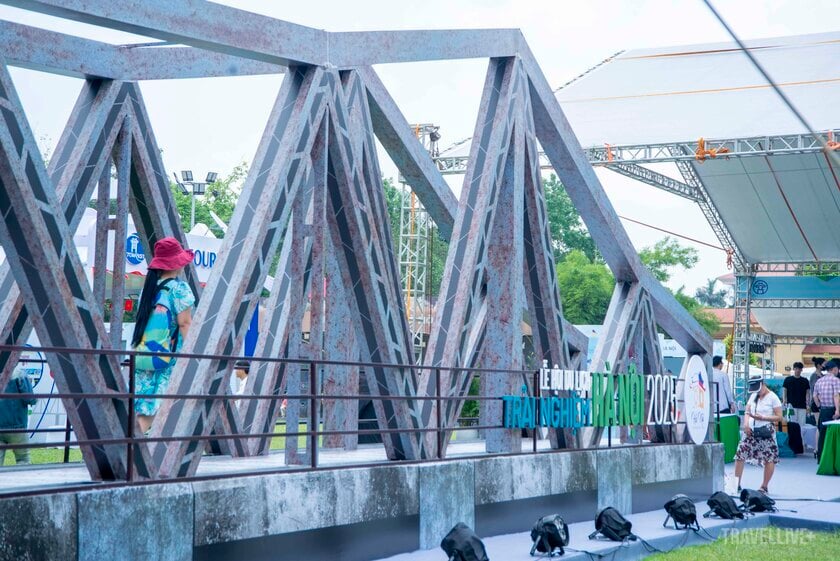
Destination promotion - boosting the tourism industry.
Besides experiential activities, the festival also serves as a platform to promote Hanoi's tourism image nationwide and internationally. The exhibition space "Hanoi - a heritage, safe and attractive destination" showcases new tourism products such as the Imperial Citadel night tour, the cycling tour through the 36 streets of the Old Quarter, and the Red River riverside tour...
Businesses also took advantage of the occasion to connect and cooperate, launching discounted tour packages, creating opportunities for locals and tourists to access high-quality services at reasonable costs. In just 5 days of the festival, Hanoi's tourism sector generated over 3 trillion VND in revenue, a figure that demonstrates the strong appeal of the capital city in the context of post-pandemic tourism recovery.
The Hanoi Tourism Festival 2025 is not merely an entertainment event, but also a declaration of development for a city on the rise. Through the blend of tradition and modernity, technology and emotion, and the connection between tourists and the local community, Hanoi is gradually asserting itself as a multi-layered, sustainable, and inspiring destination.