VI
VI


1. Admire the Northern Lights
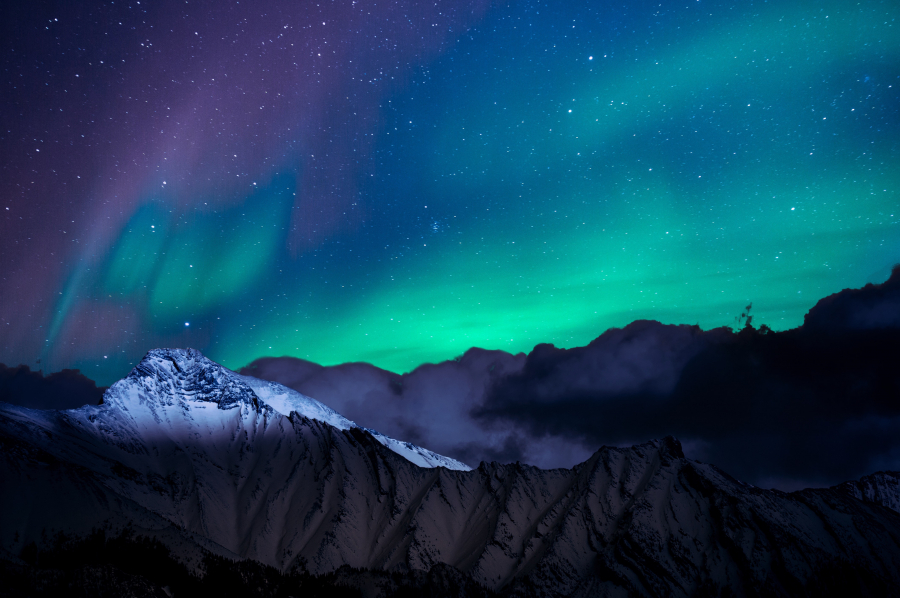
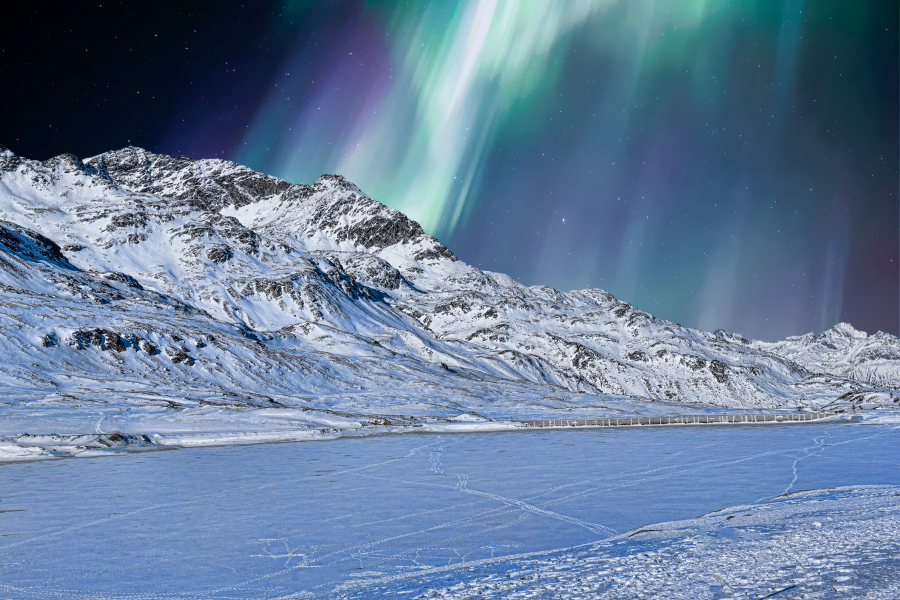
The Northern Lights are likened to the "dance of the sky" of Northern Europe. This mysterious natural phenomenon usually appears from the end of September to the beginning of April each year. When visiting, tourists will be able to admire colorful bands of light that seem to only appear in mythical dreams. One of the most beautiful effects of the aurora is when the bands of light move and change direction, then transform into rainbow shapes, circles, or sometimes blaze like flames. This is a natural optical phenomenon, characterized by the colorful display of light in the night sky, created by the interaction of charged particles from the solar wind with the Earth's upper atmosphere. This fascinating phenomenon appears with particularly high frequency from late autumn, during winter, or early spring.
Northern Lights in Iceland
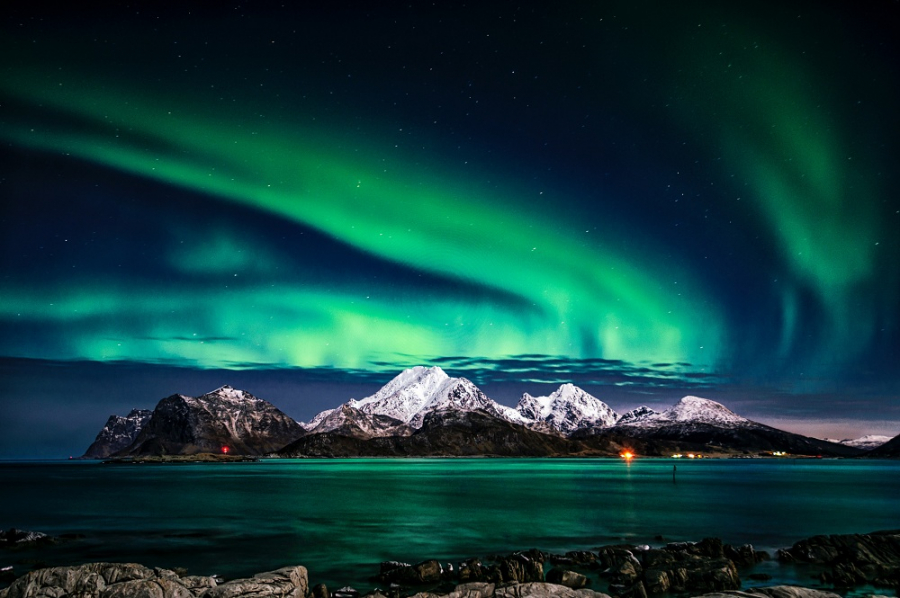
Northern Lights in Norway
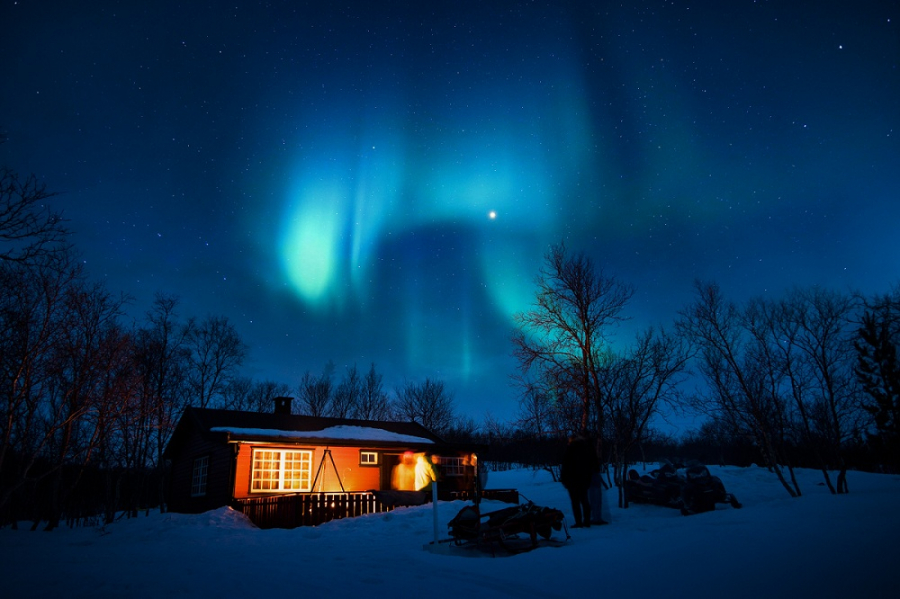
The aurora borealis corresponds to the Arctic Circle, meaning visitors can see it most clearly and beautifully when visiting Norway, Sweden, Finland, Iceland, Northern Siberia, Alaska, and Northern Canada.
Because the weather in Northern Europe is quite cold, especially at night, tourists hunting for the aurora borealis need to prepare warm clothing to protect their health. Experts advise avoiding aurora hunting on full moon nights because the bright moon makes observation and photography more difficult.
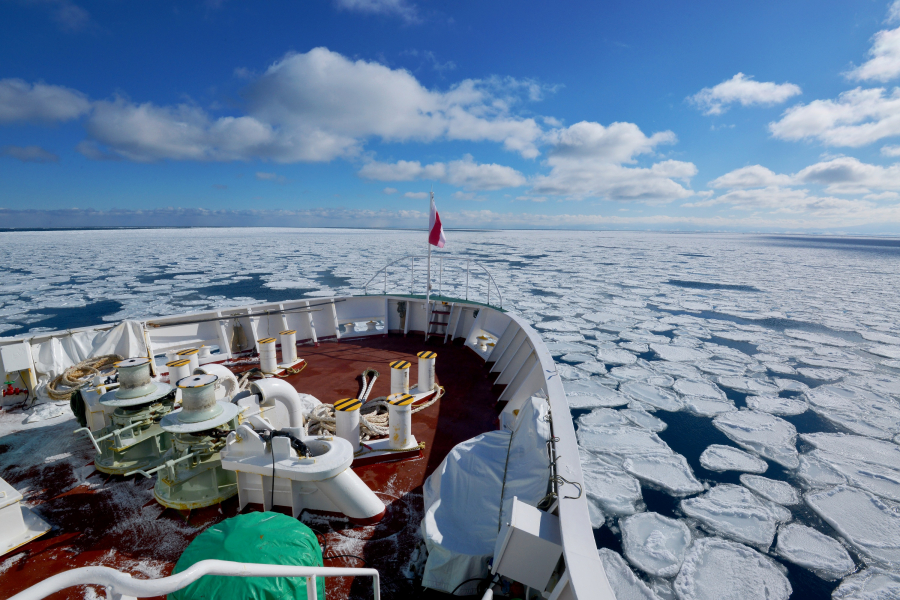
2. Cruising on a glacier in Japan
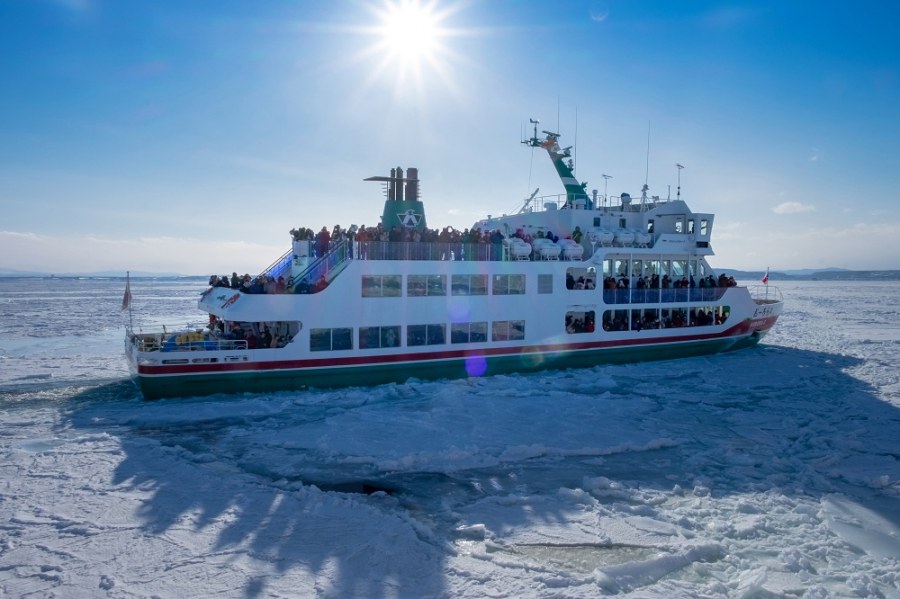
In winter, when Japan's rivers freeze over, tourists are drawn to the experience of ice-cruising. From aboard icebreakers, visitors can gaze out at the unique scenery on either side of the river and observe rare animals foraging in the icy conditions. Some animals even seem to "enjoy" the harsh winter cold, such as the red-faced monkeys at Jigokudani Conservation Park in Nagano. Hokkaido and Okahotsk are among the best places in Japan for ice-cruising experiences.

3. Ice Sculpture Festival in Belgium
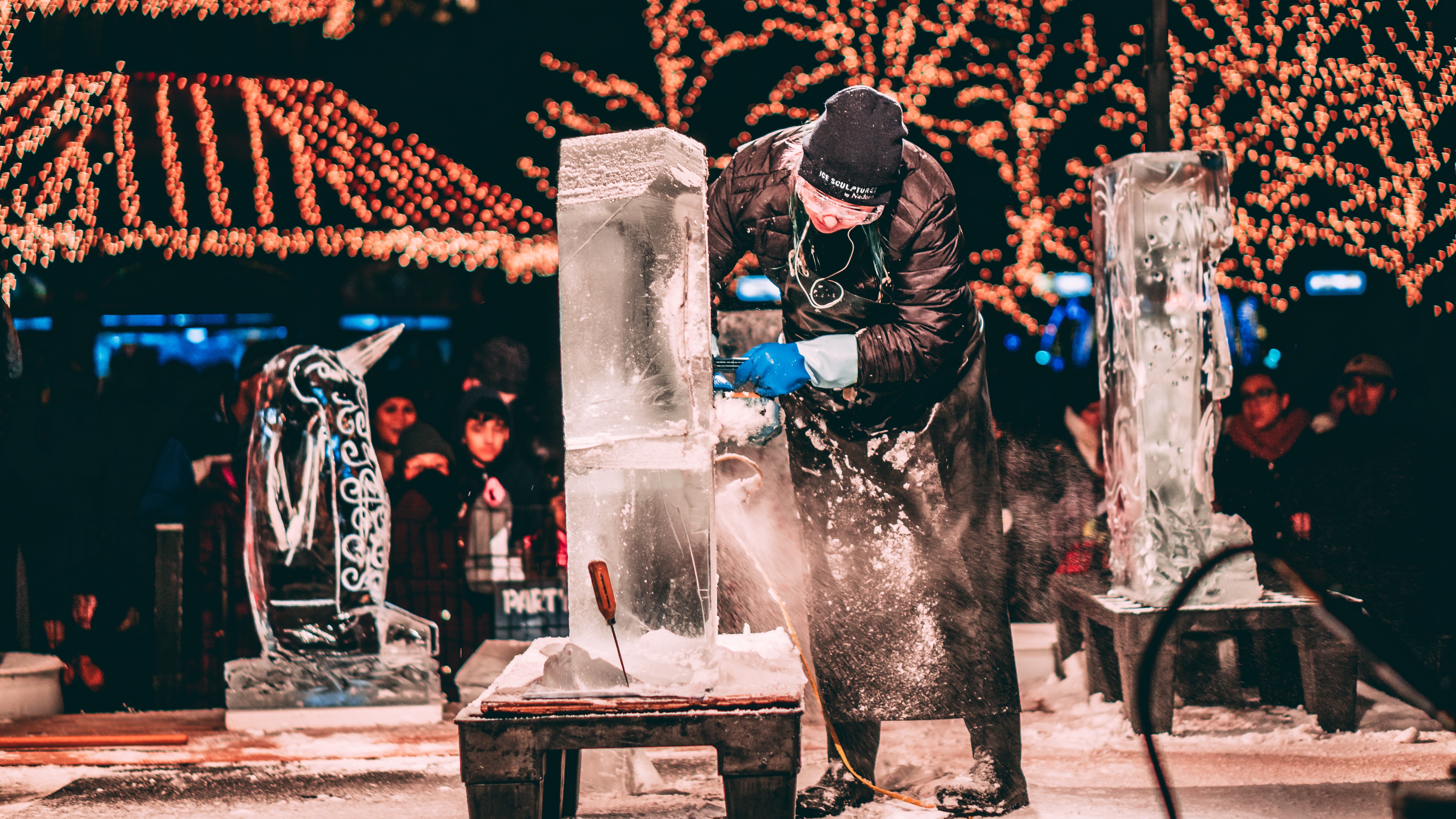
Belgium hosts numerous ice and snow festivals, but the ice sculpture festival in Bruges is considered one of the four most unique in Belgium. The festival runs from November until January and is held in the middle of Station Square, about a 5-minute walk from the center of Bruges.
Visitors here have the opportunity to admire meticulously carved ice sculptures with themes that change every year. Even in freezing temperatures often below -10°C, many people still come to admire these ice masterpieces created by the skillful combination of light and sculpting, leaving them both amazed and impressed.
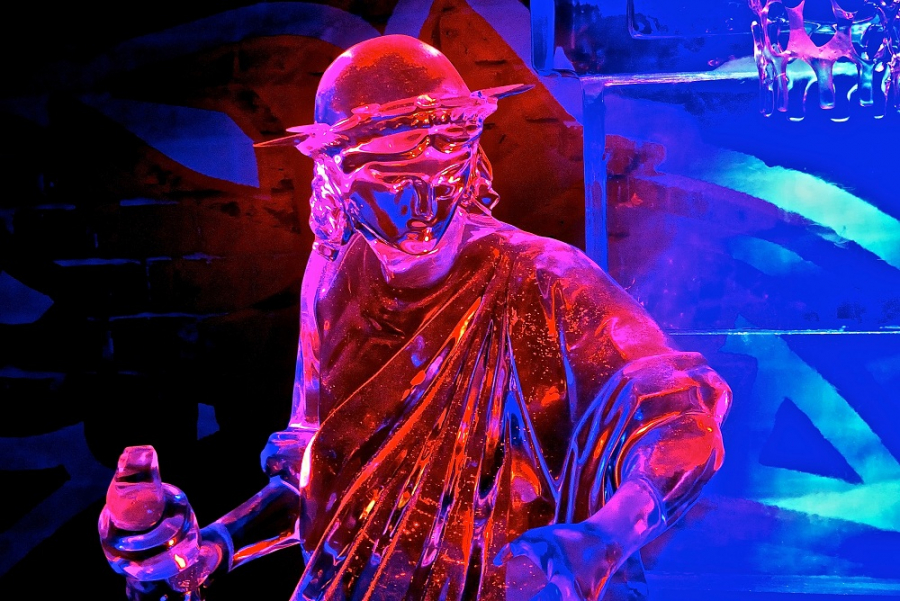
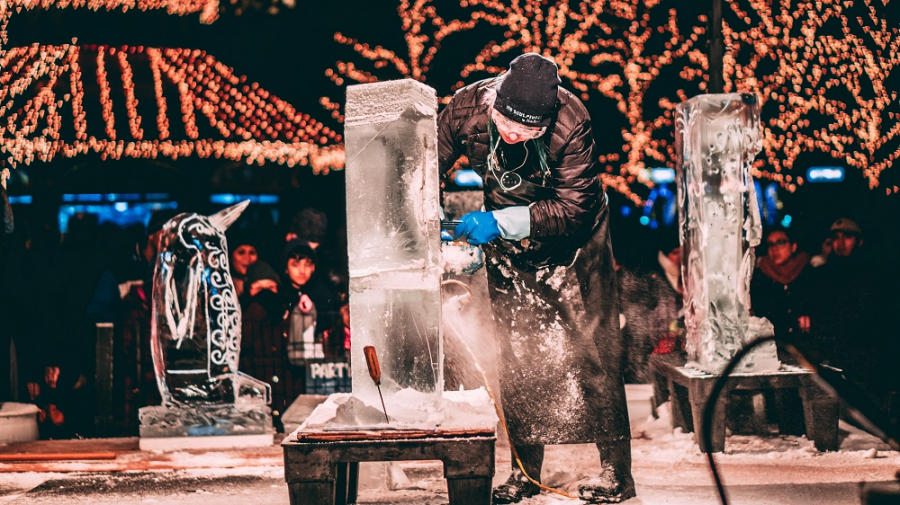
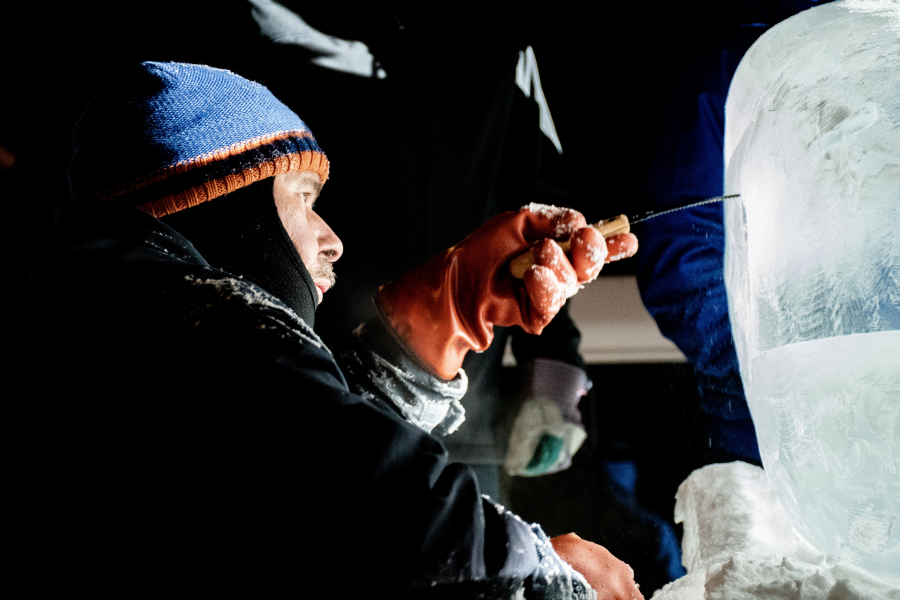
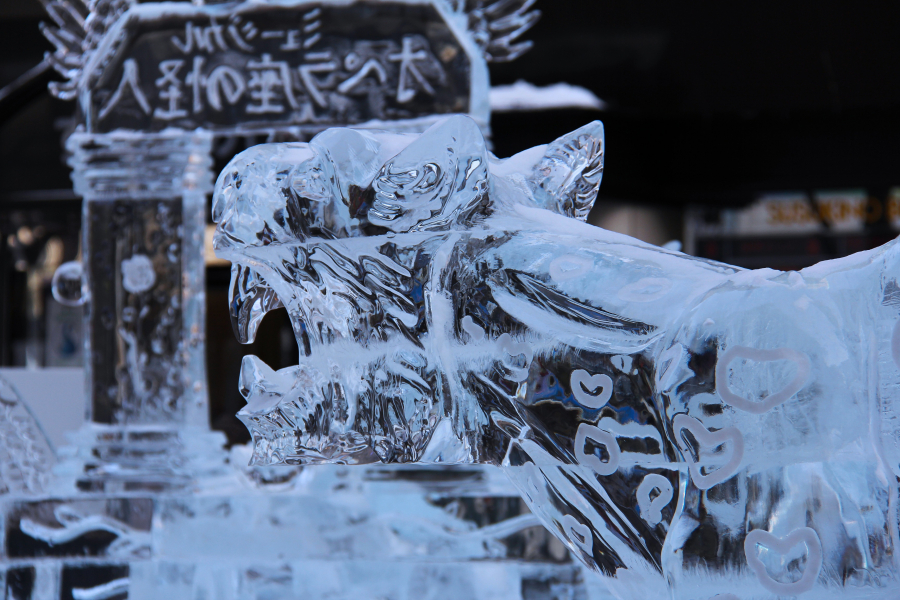
Each artwork created by the artisans tells a different story. This year, with the theme of celebrating the 25th anniversary of Disneyland Paris, the festival will showcase statues of 90 Disney characters.
4. Quebec Winter Carnival
The Winter Festival is held in Quebec, Canada, at the end of January and beginning of February each year, lasting for 17 days. First held in 1894, it was initially seen as a way for locals to escape the monotony of the harsh winter. Today, it has become one of the world's largest winter festivals, featuring over 200 activities including night parades, snow sculpture competitions, and the main event: a boat race on the frozen St. Lawrence River.
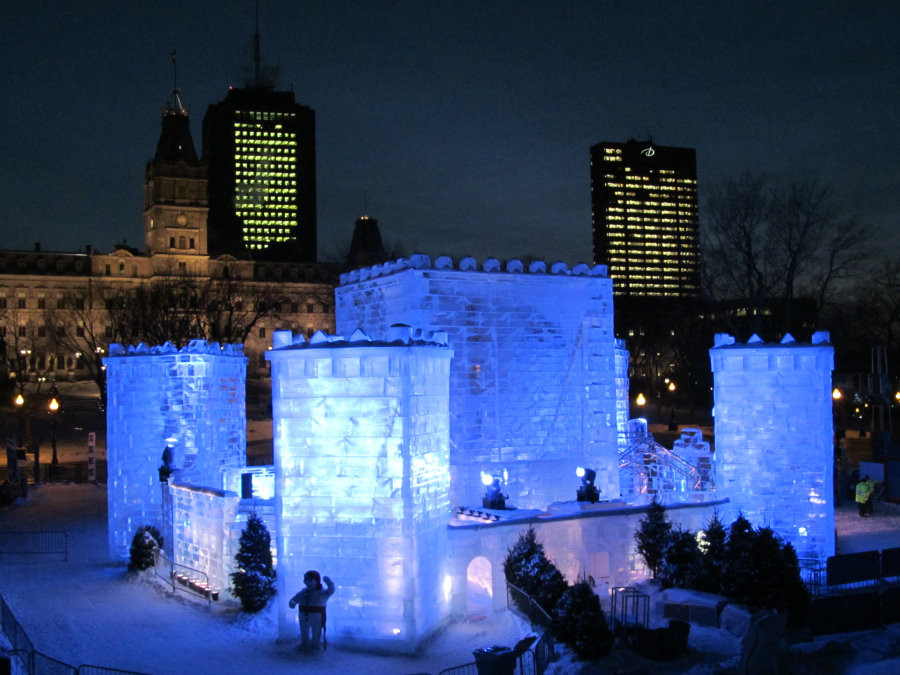
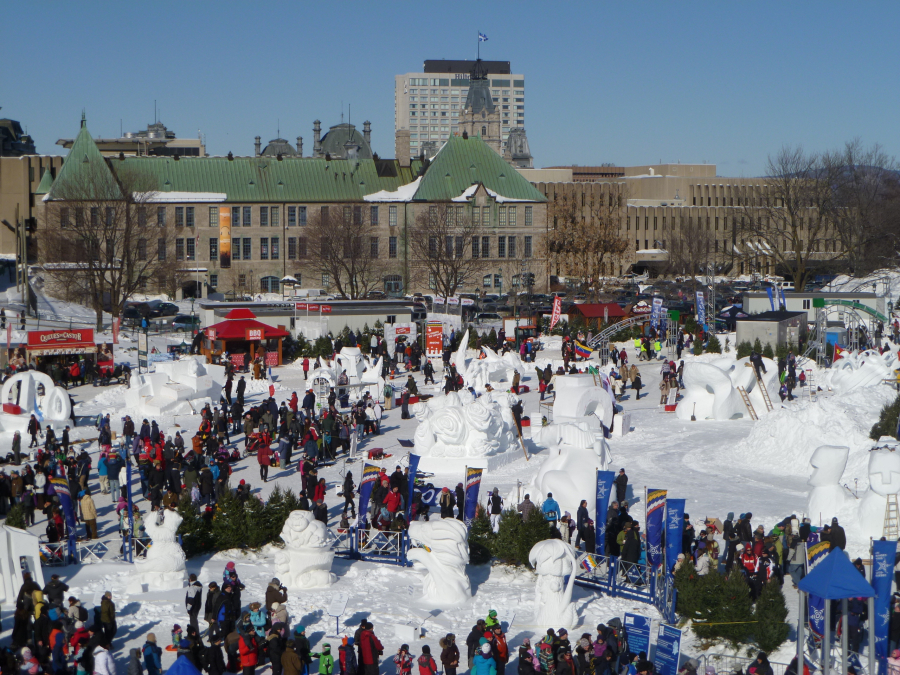
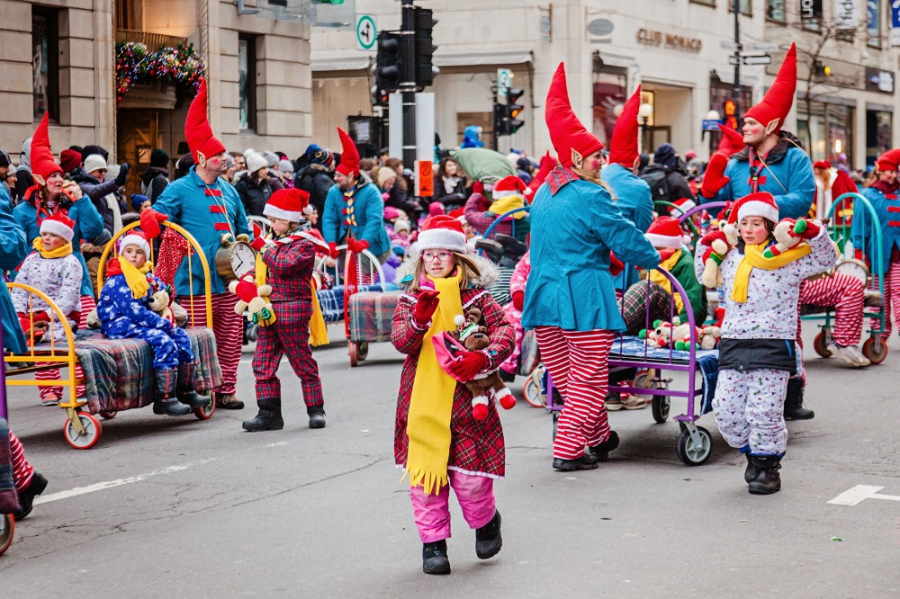
Throughout the festival, snowmen will appear everywhere, along with many fun activities. At the festival entrance, behind the snow-covered pine trees, is a magical snow palace built entirely of ice and snow, created by professional sculptors, and something you won't find anywhere else.
5. Wildlife viewing at Churchill
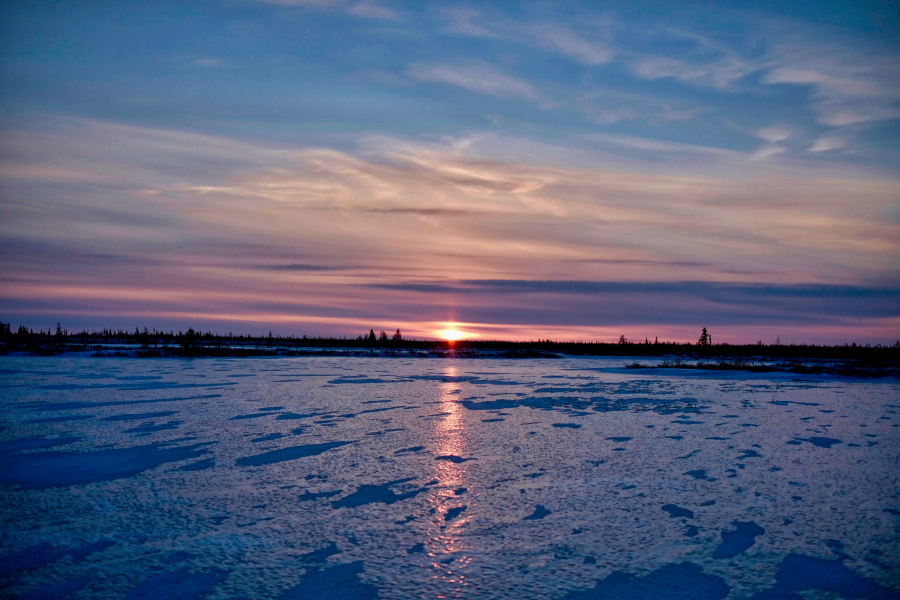
Churchill is a town located in northern Manitoba, Canada. It is famous for its large polar bear population living in their natural habitat in the icy tundra. Dubbed the "polar bear capital of the world," Churchill offers visitors the best chance to witness the wild beauty of Canada in winter.
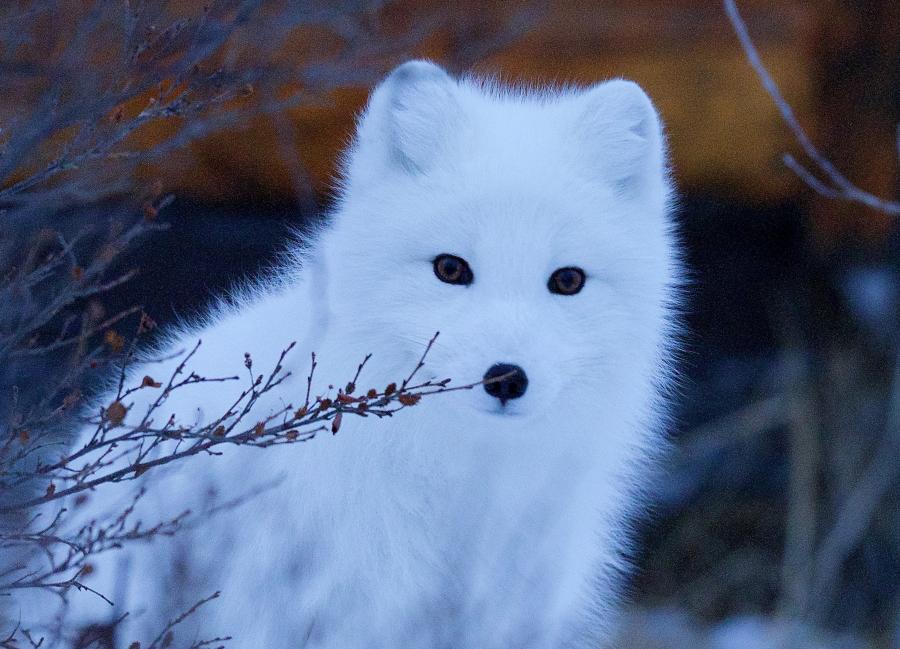
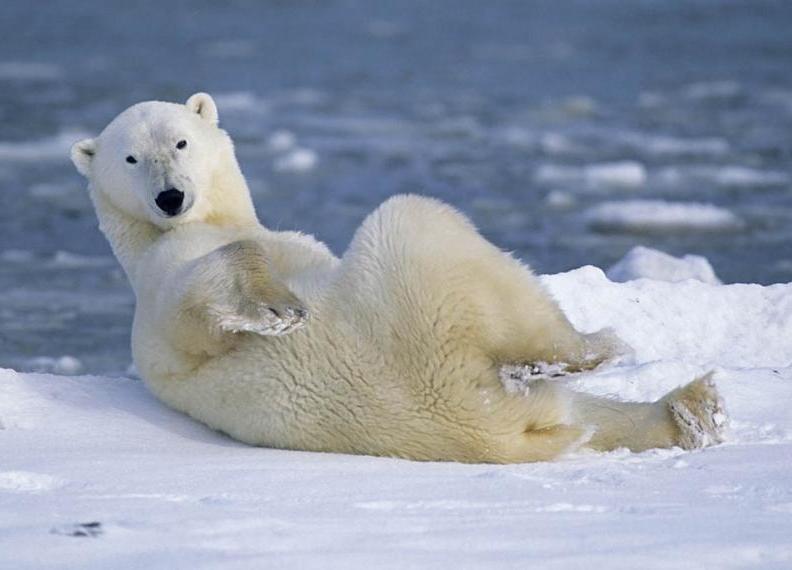
Visitors can take photos and observe polar bears up close. This is also why a remote Canadian town attracts so many tourists.