VI
VI


For me, this was probably the coldest trip of my life. In some of the places we passed through, when I looked at the thermometer, the temperature dropped to -35 degrees Celsius.oC. I must say, for the first time, I "enjoyed" the feeling of putting myself in an environment colder than the freezer compartment of a refrigerator.
"The Fairy Tale Village of the Arctic"
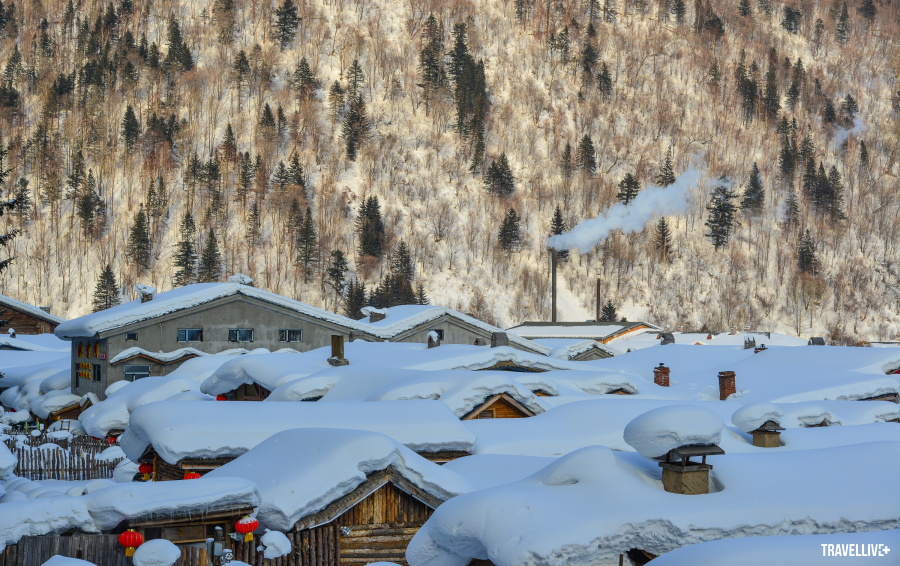
The Chinese like to name some villages in Mohe County "Arctic villages".

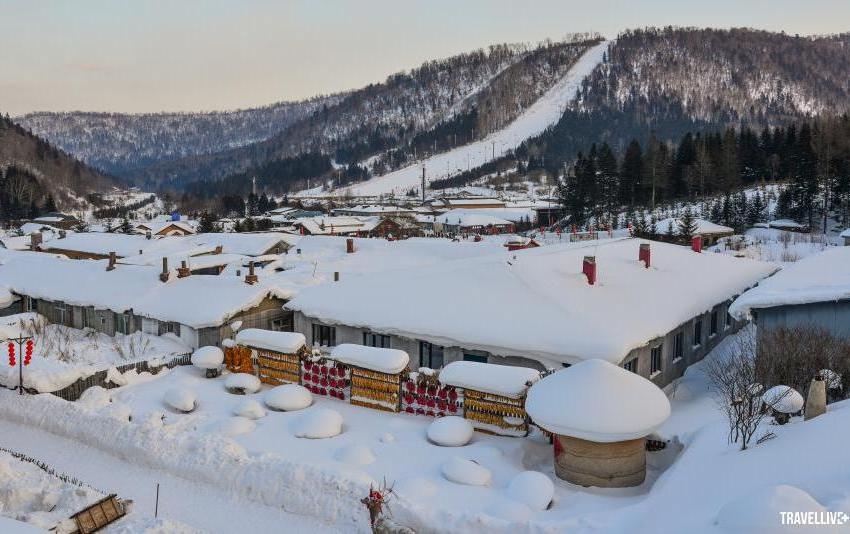
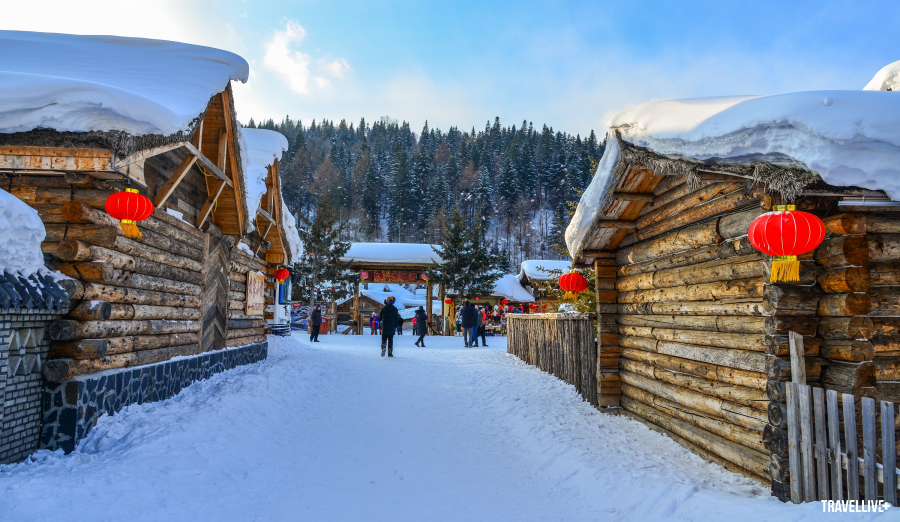
The charming houses are built of wood, resembling the villages in Northern Europe or those found in fairy tales.
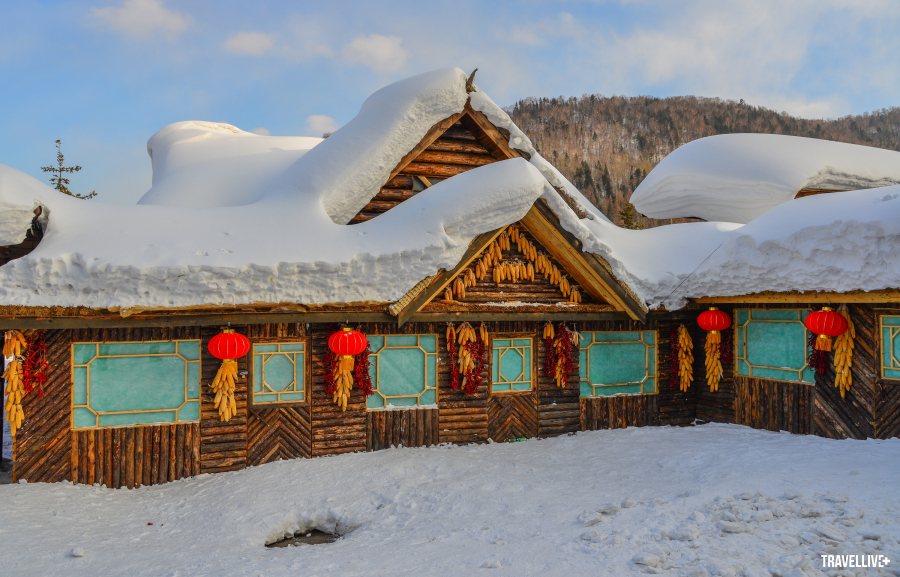
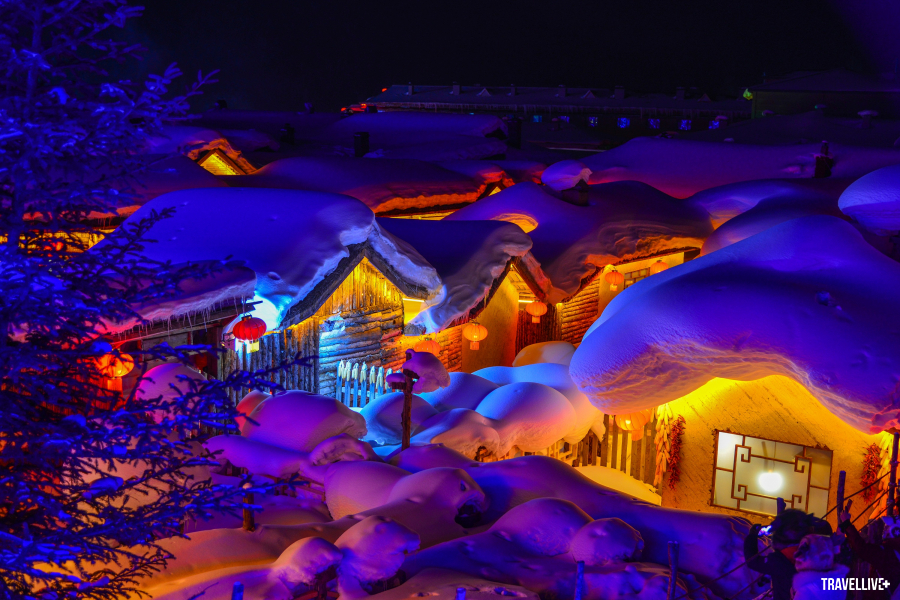
In the evening, the villagers light up the entire village with colorful lights, creating a beautiful, magical, and enchanting scene.
Cold is a "specialty"
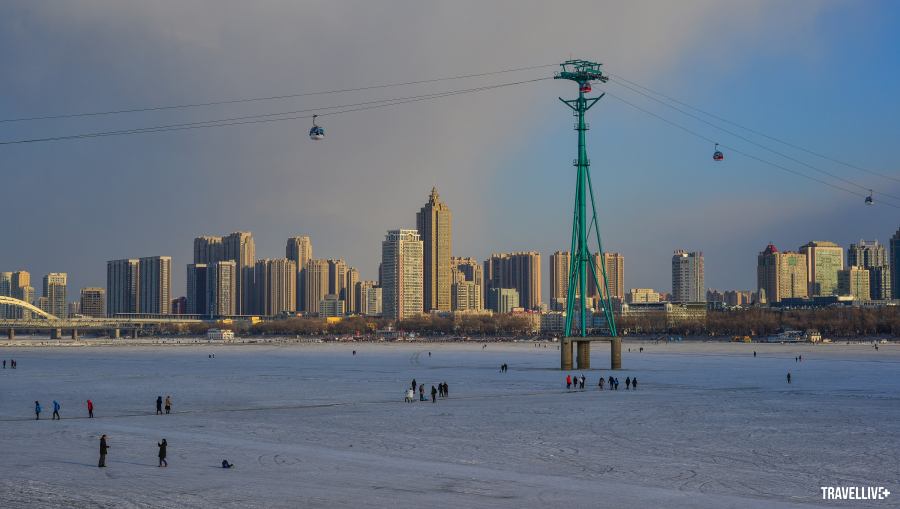
The Songhua River, which flows through the city of Harbin, has completely frozen over.
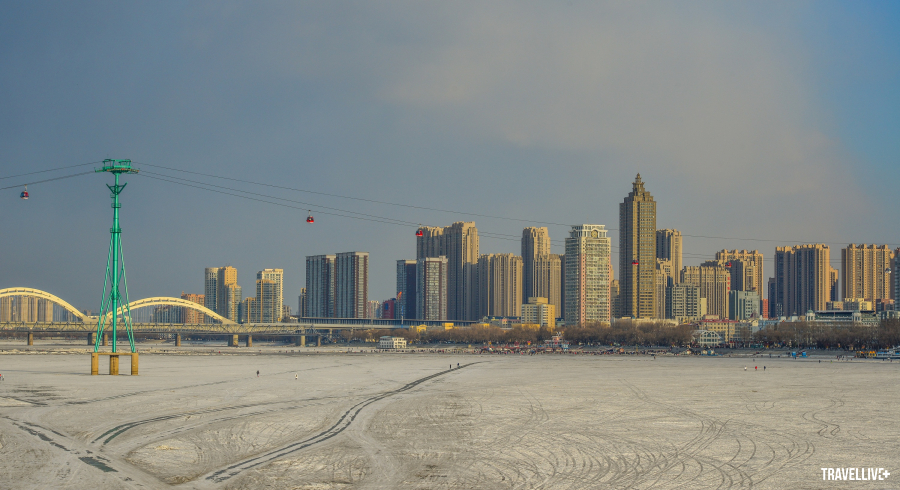
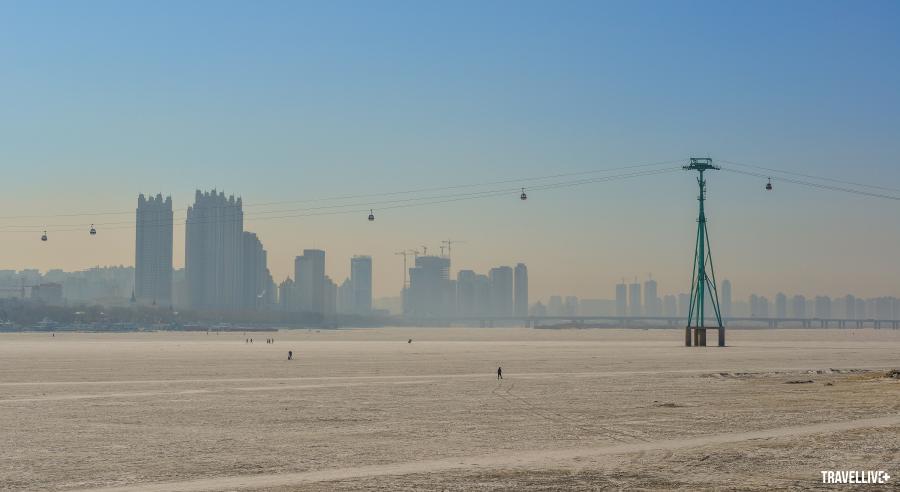
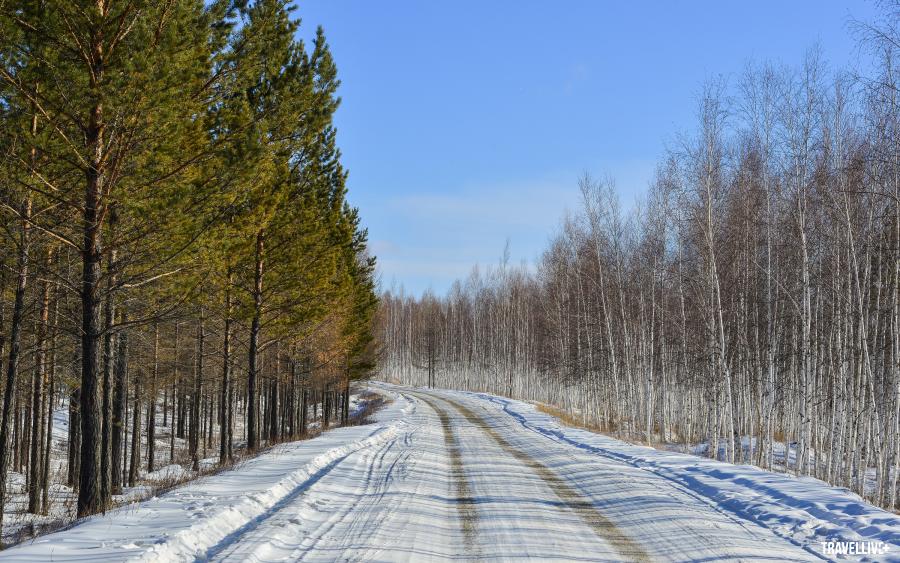
In Heilongjiang, winter temperatures drop very low, causing everything to change.
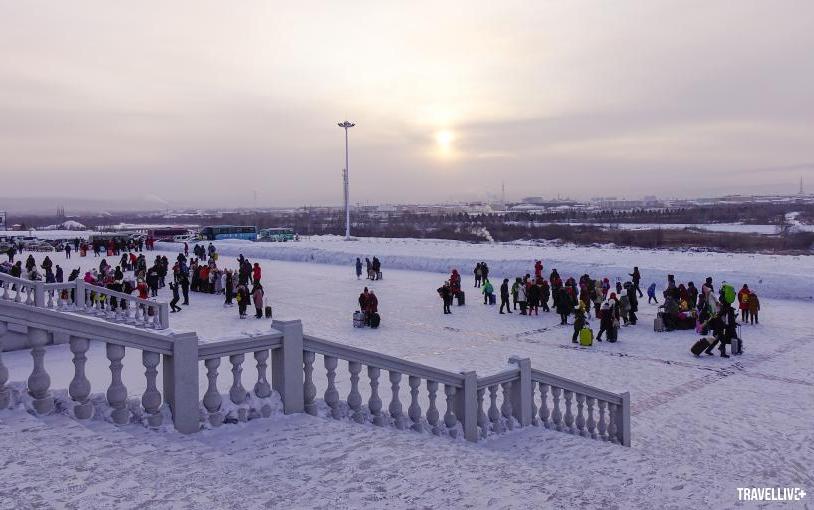
The Mohe train station, the roads, the trees... everything was covered in white snow.
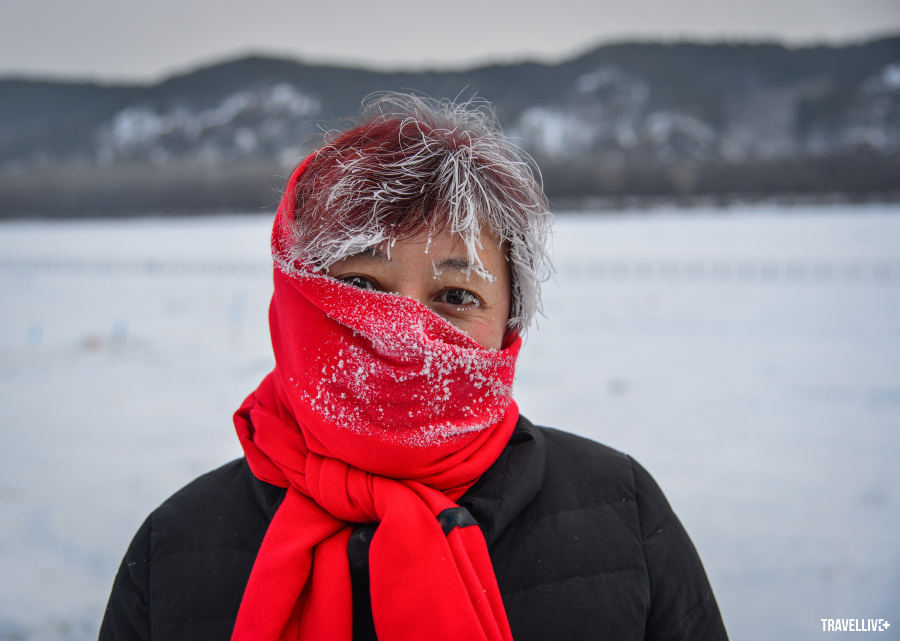
The woman walking outside had ice and snow forming around her hair and eyebrows.

Sunset in Mac Ha village
Wonderful experiences
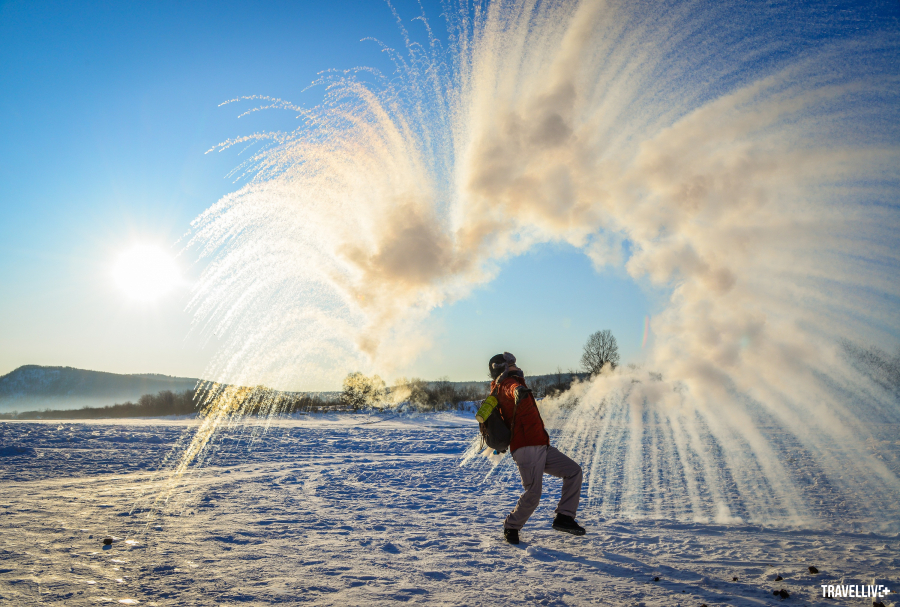
Tourists here love to play the game of splashing hot water to create ice. You have to use very hot water, pour it into a thermos, and then rush out into the freezing -20°C weather.oC. Open the bottle and sprinkle water into the air in a circular motion. Immediately, the water will freeze, forming small, beautiful snowflakes that scatter in all directions.


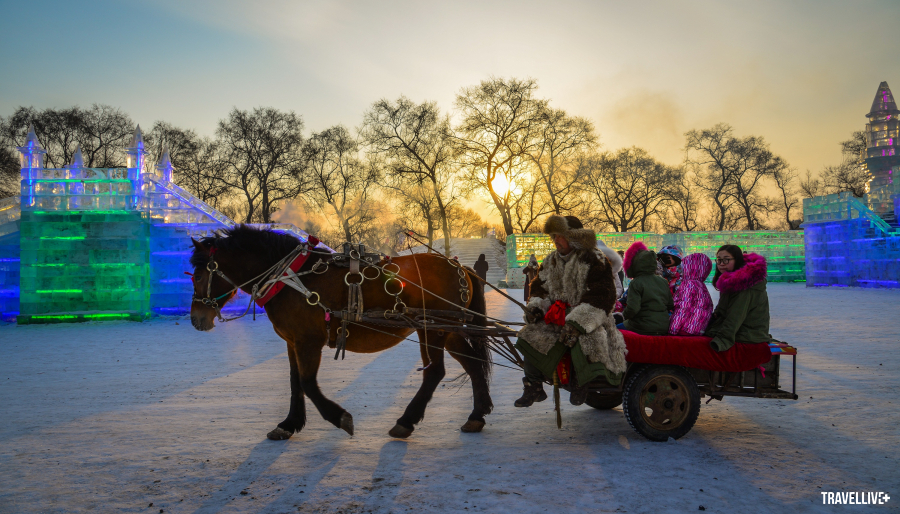
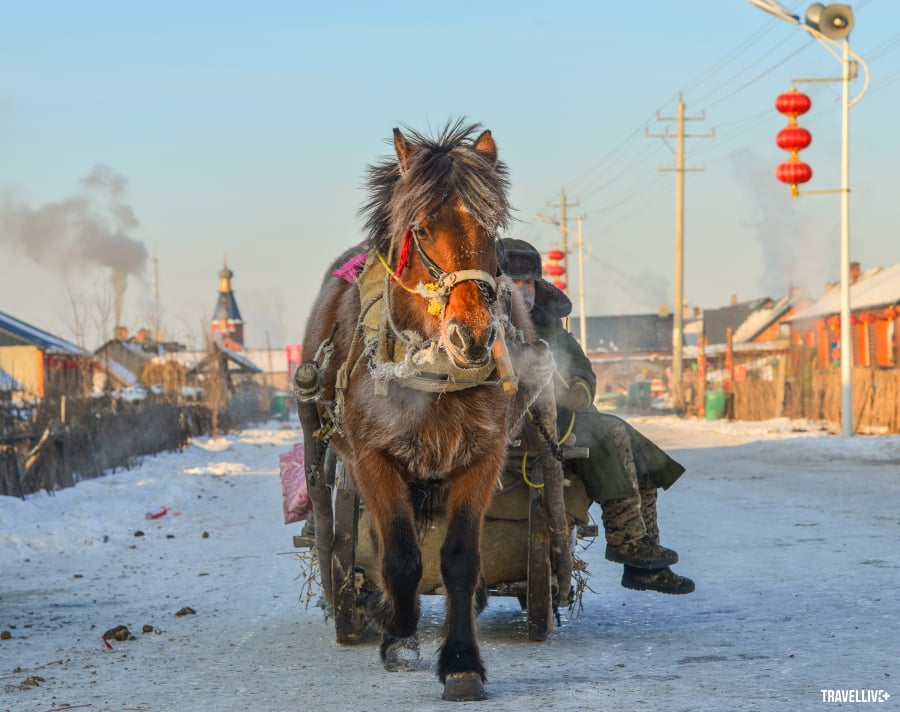
At dawn, when the sunlight glistens on the thick ice, a horse-drawn carriage ride is also a very enjoyable experience.
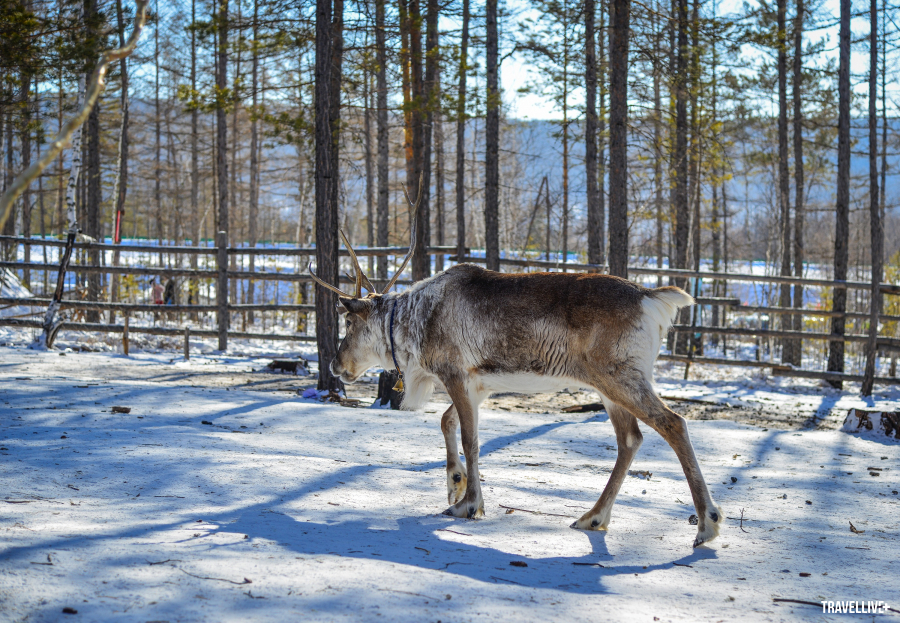
Visiting a reindeer farm is also a popular activity for many tourists. The reindeer there are very gentle and friendly towards humans.
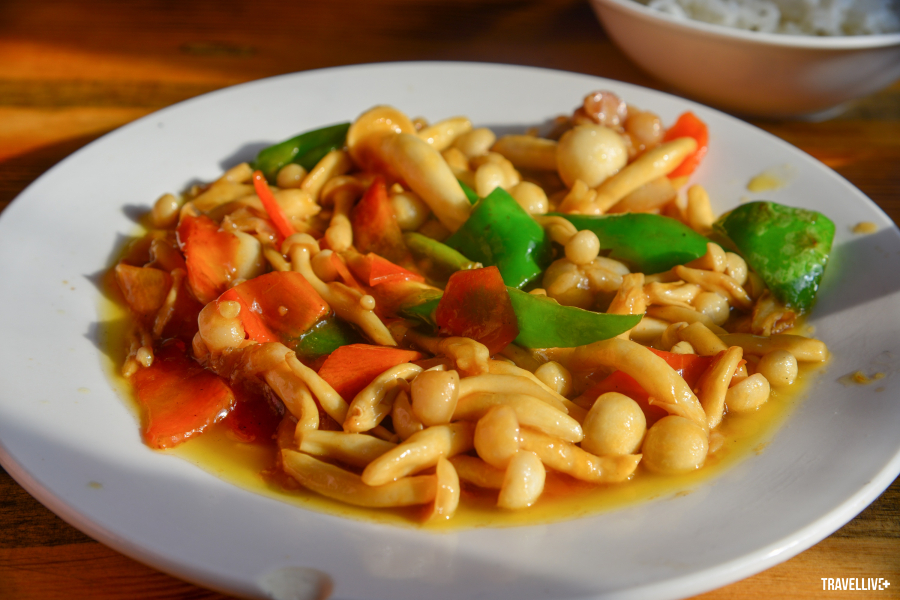
Unique cuisine
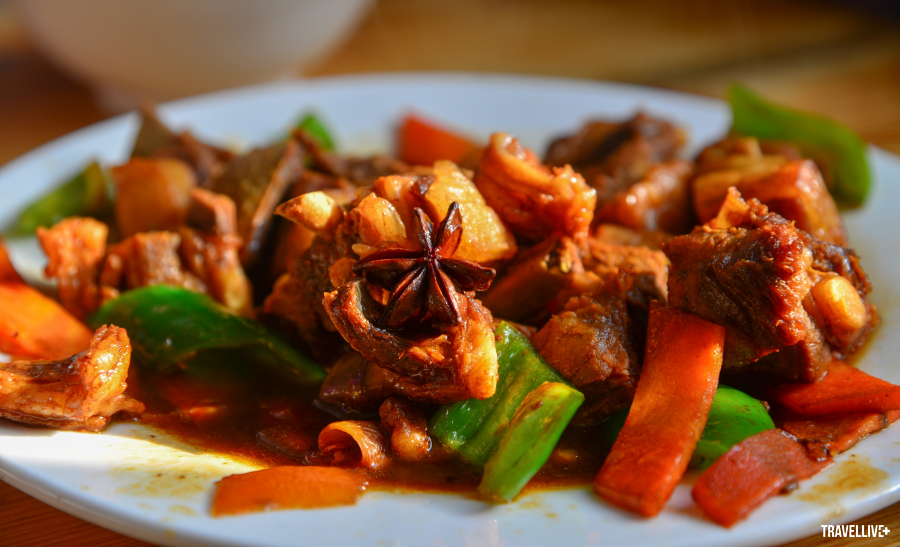
The culinary culture here is somewhat influenced by Russia, mostly featuring greasy dishes, which are very suitable for the cold winter climate.

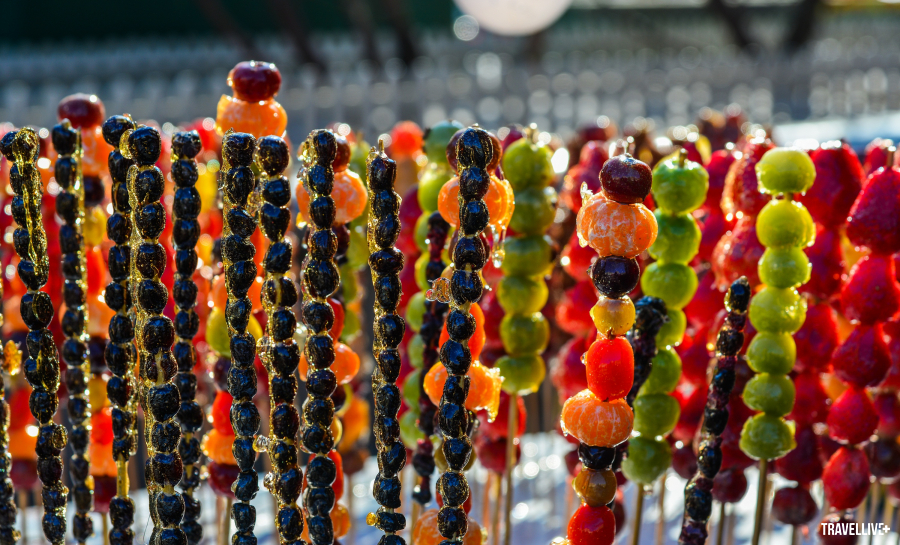
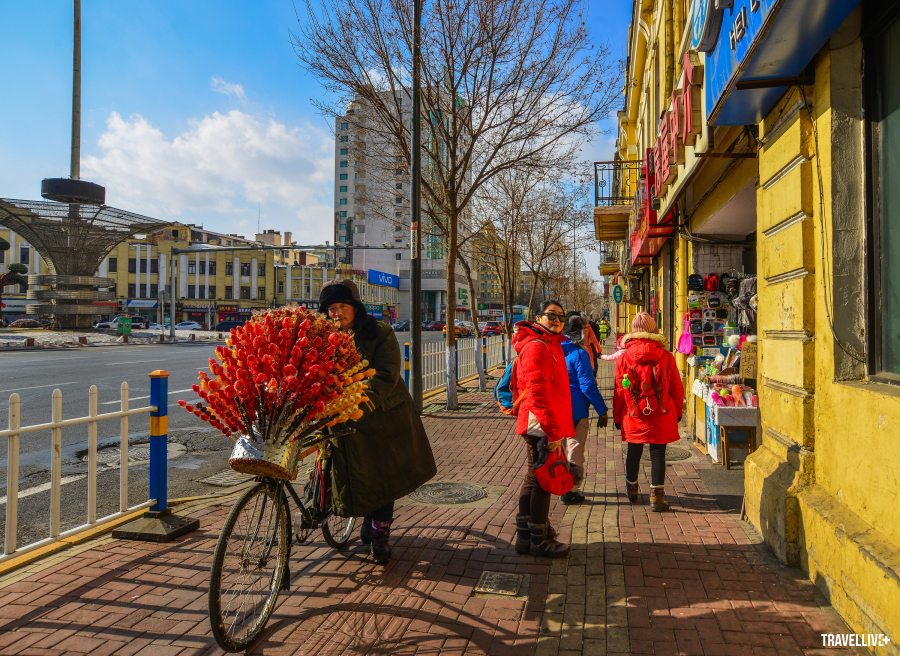
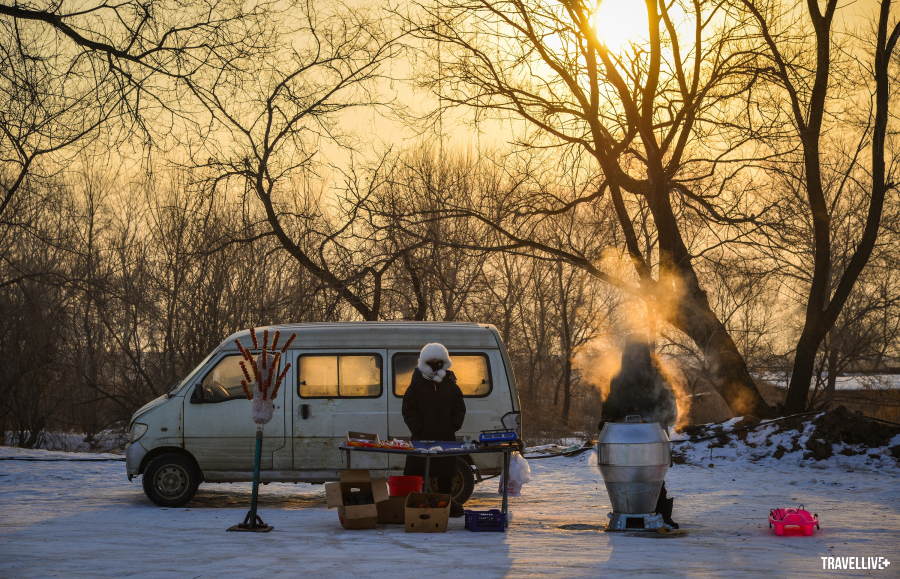
These colorful candied hawthorn skewers are a traditional snack that can easily be bought from street vendors.
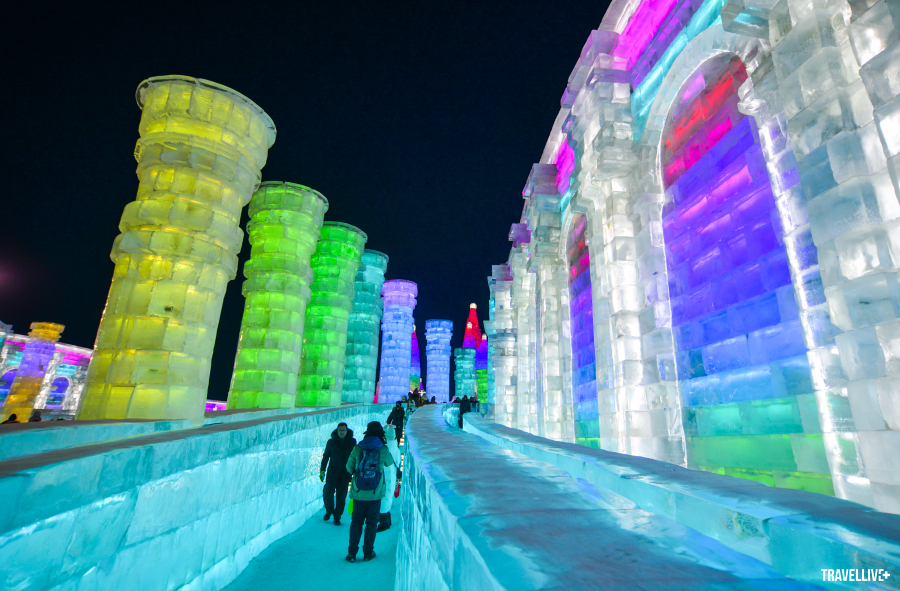
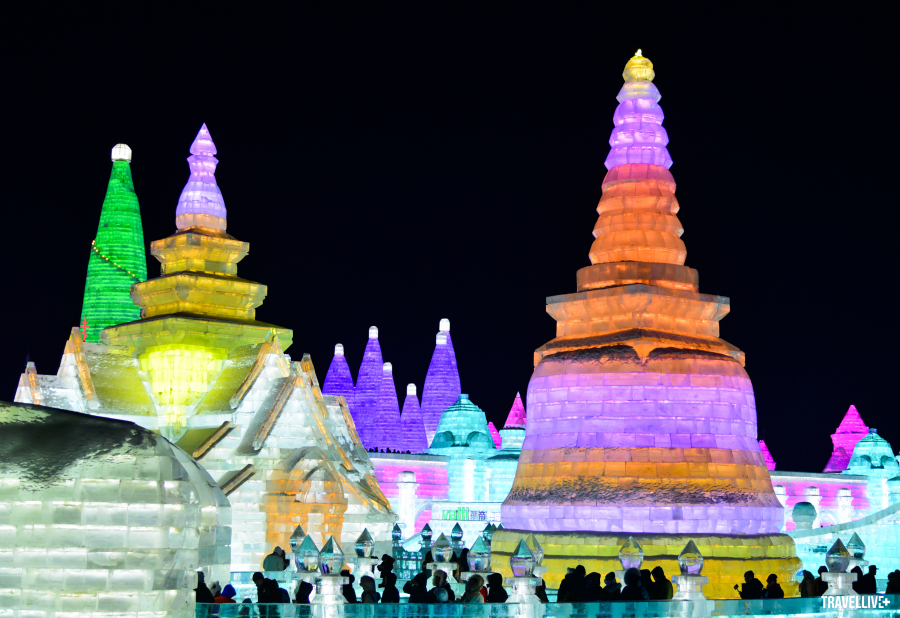
International Ice and Snow Festival
The Harbin International Ice and Snow Festival typically begins in January and lasts until the end of February each year. It is estimated that during the 2019 Ice and Snow Festival, artisans used over 100,000 cubic meters of ice and snow.3ice and 120,000 m3Snow. The majority of the ice was extracted from the Songhua River.