I had never been to Italy, although I had traveled to many European countries. My image of Italy was of Rome with its ancient Roman heritage, the fashion capital Milan, cities with unique architectural landmarks like the Leaning Tower of Pisa, Venice, Florence, and the famous football atmosphere that permeated the country shaped like a boot. However, I began exploring Italy in a completely opposite way.
My first stop was an unfamiliar destination: the small villages on the Mediterranean coast of northwestern Italy – Cinque Terre, also known as the "land of colors," part of the city of La Spezia. I can't remember why I was drawn there, a strange journey with little intention that ultimately opened up a whole new and enchanting horizon. Due to its isolated location, the easiest way to get to Cinque Terre is by train. Water transport is another option, but it's less common, operating only from Easter until September each year.
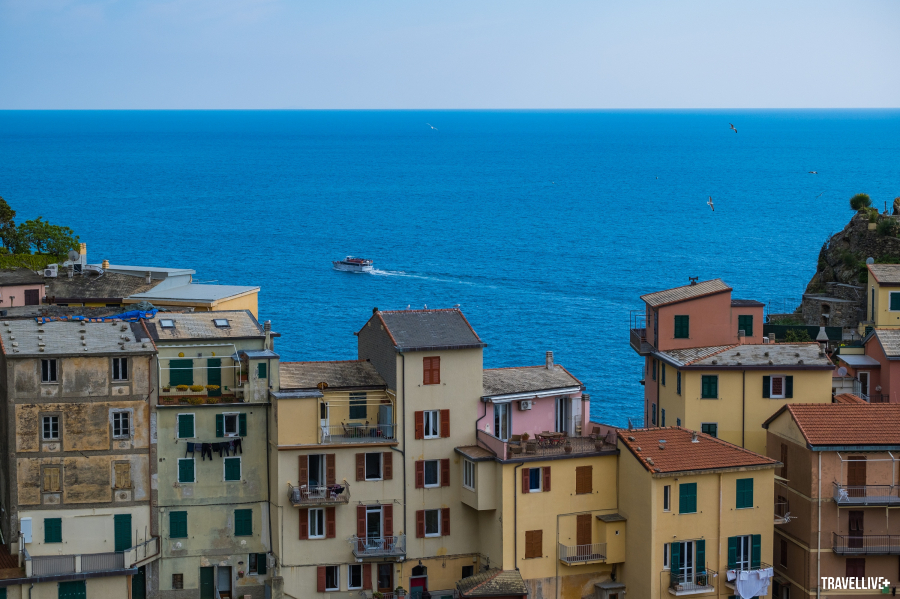
Cinque Terre – meaning "five lands" – is a cluster of exquisitely beautiful villages with names that are not easy to remember: Riomaggiore, Manarola, Corniglia, Vernazza, and Monterosso al Mare. To be honest, I had never known anything about this place, and certainly didn't want to read what "humanity" had written before. I came here out of primal curiosity, through a friend's story, and then embraced the existence of Cinque Terre with my own eyes and the remaining senses I possessed.
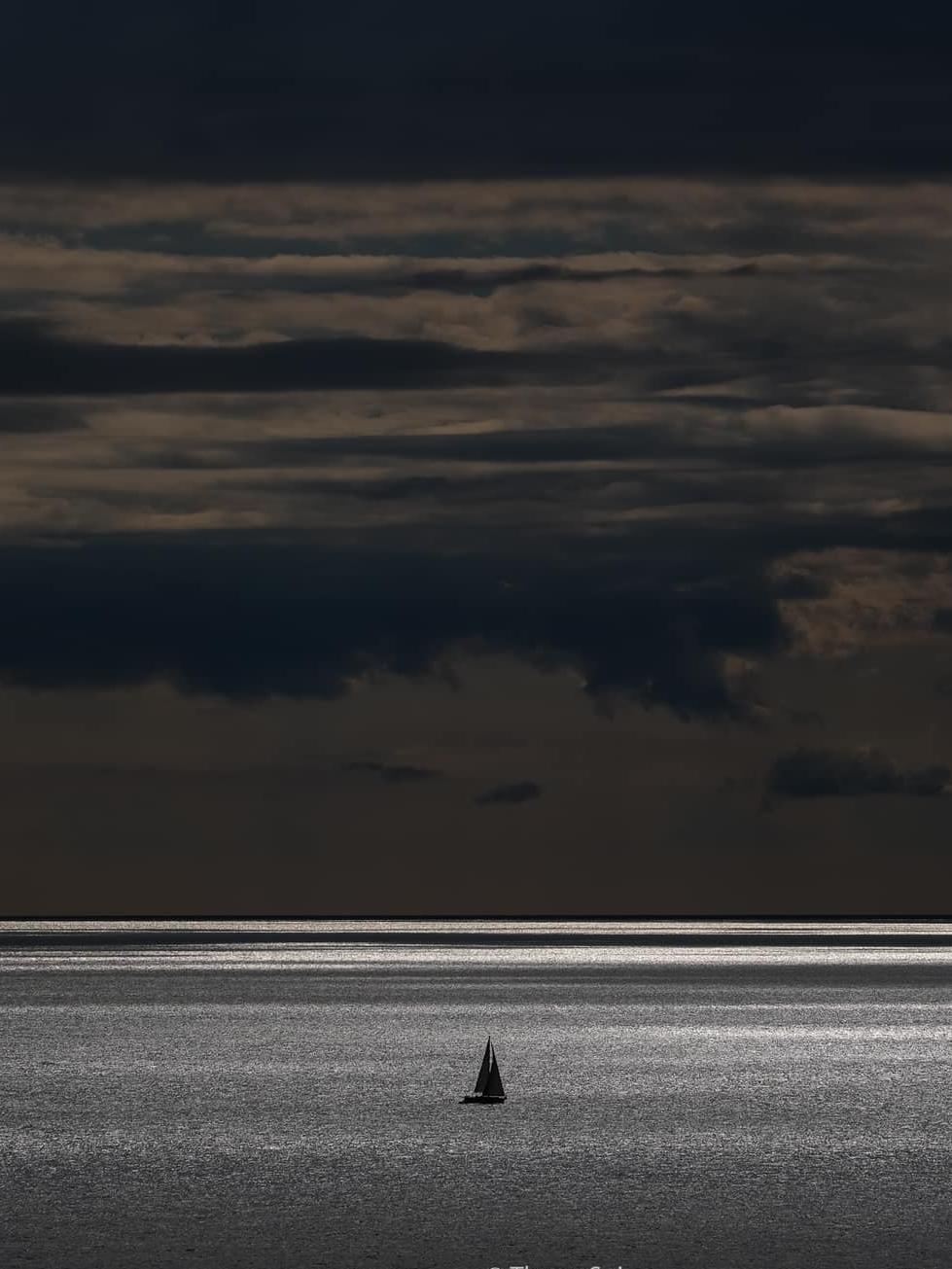
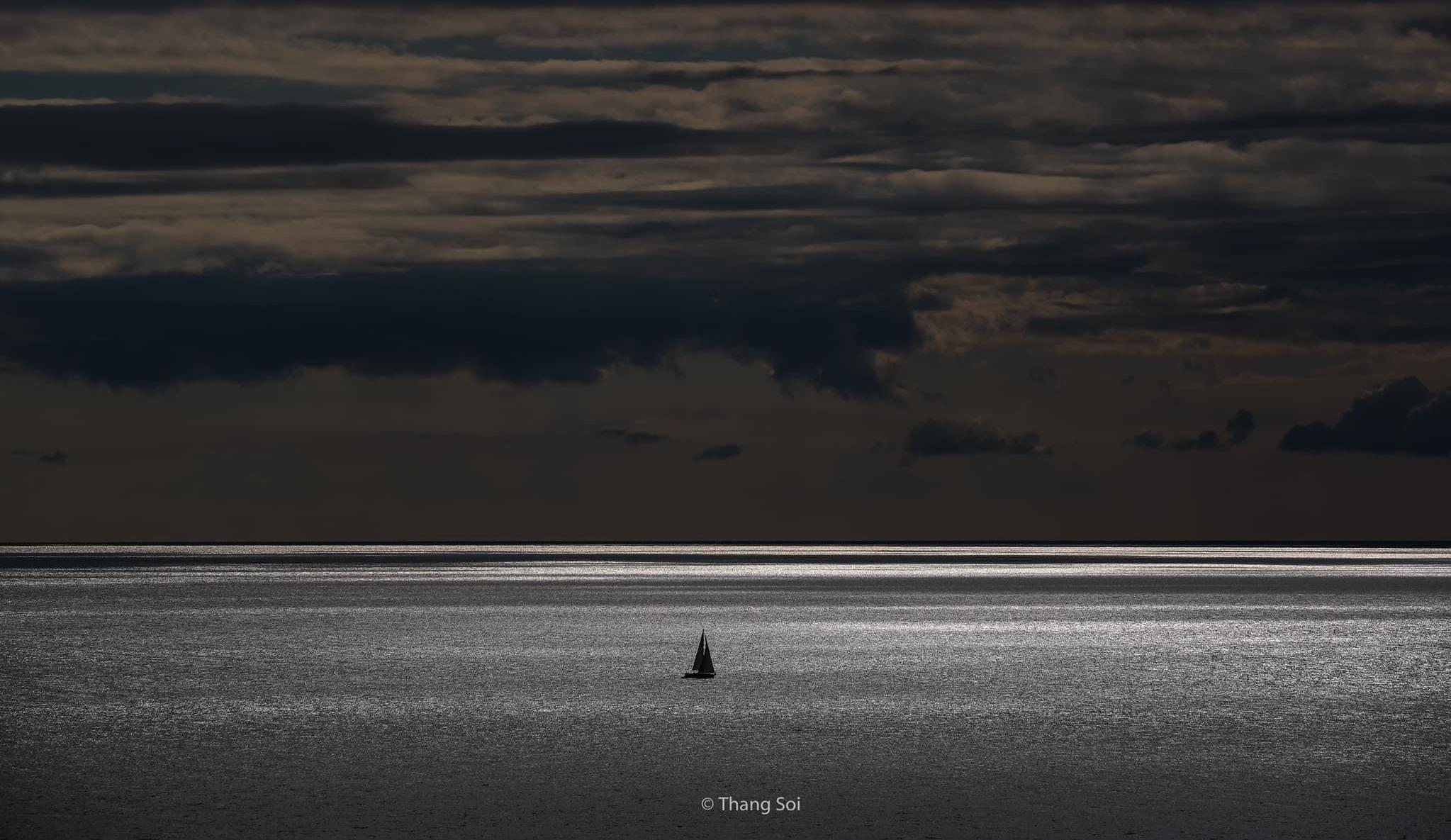
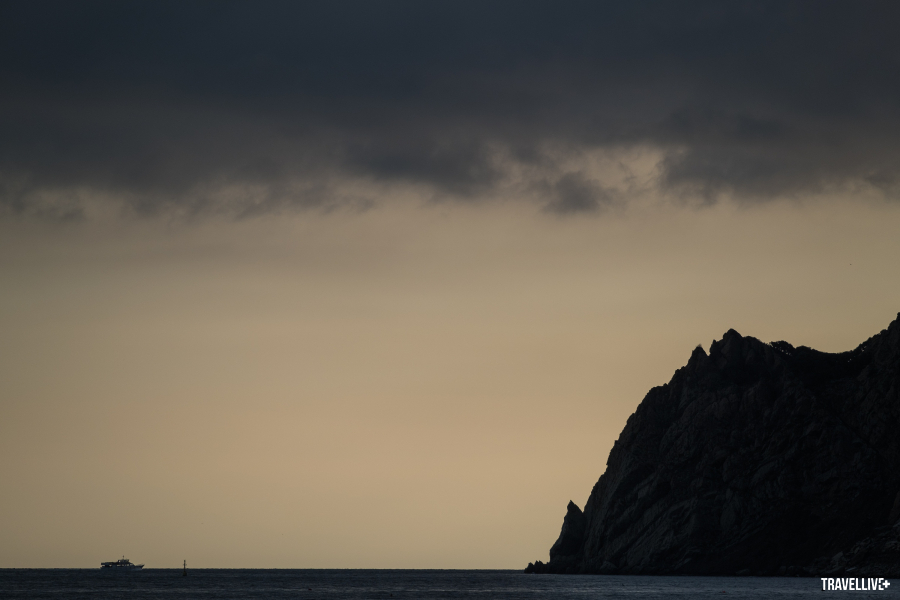
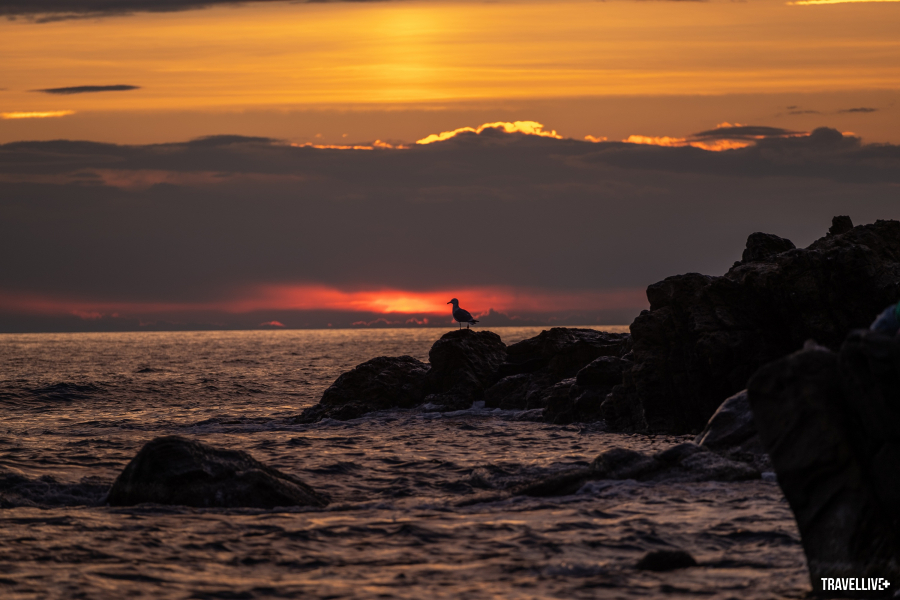
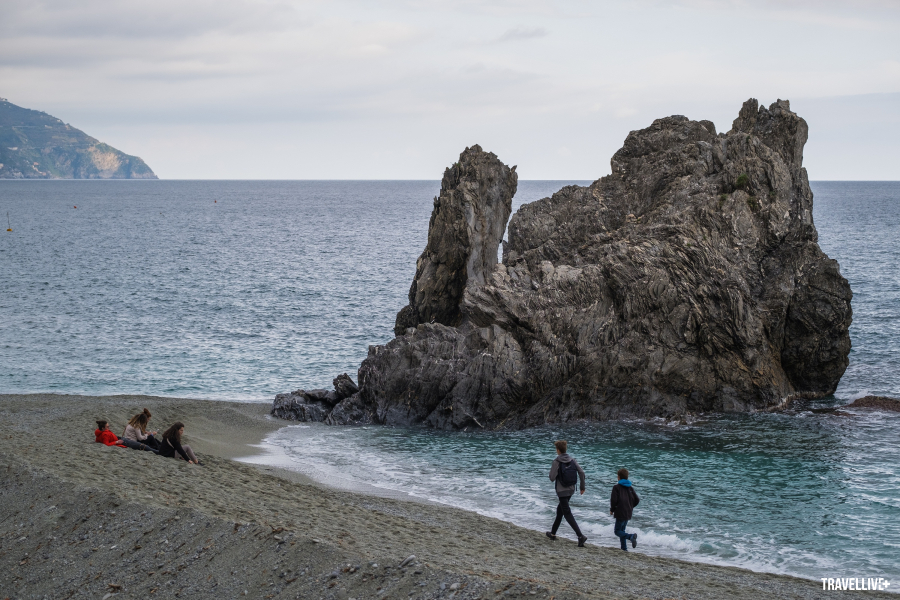
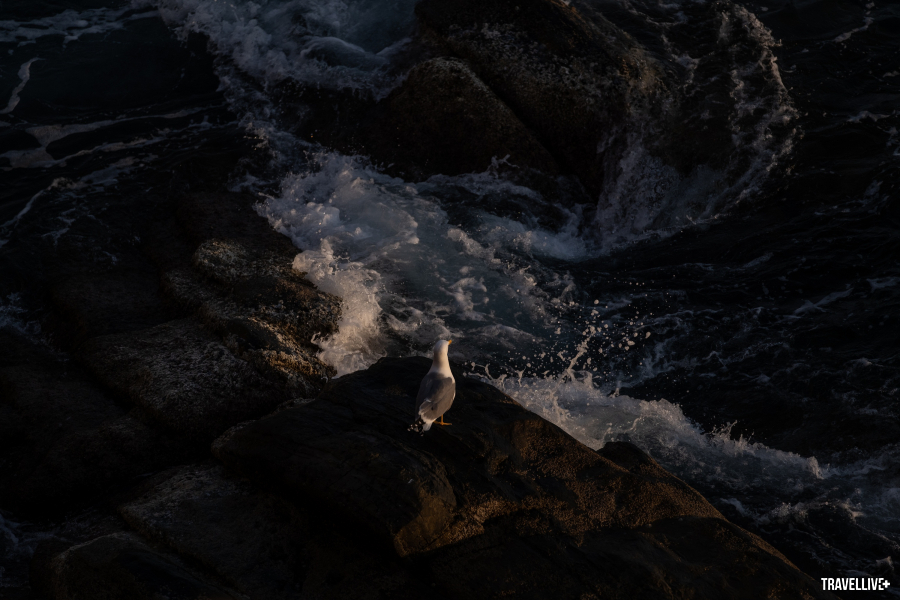
The Mediterranean Sea, undeniably, is a place where few seas in the world can surpass its beauty. I sat for a long time by the Mediterranean coast at the first sunset, watching the sun sink into the sea, and behind me, the sunlight fading on the colorful walls. That's how I began to experience the charm of Cinque Terre, with a seagull standing silently on a rock, amidst the surging waves.
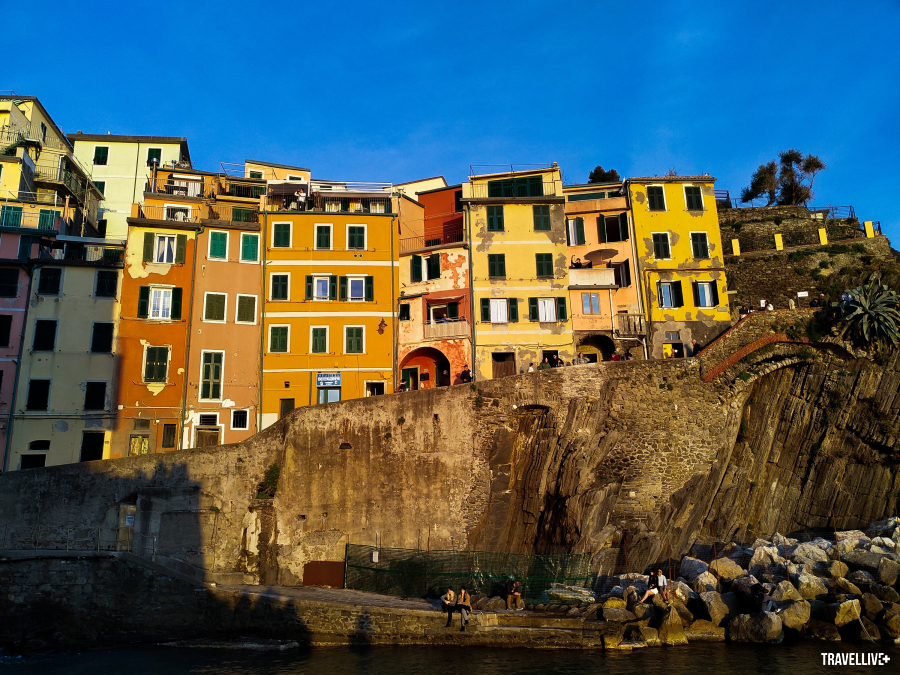
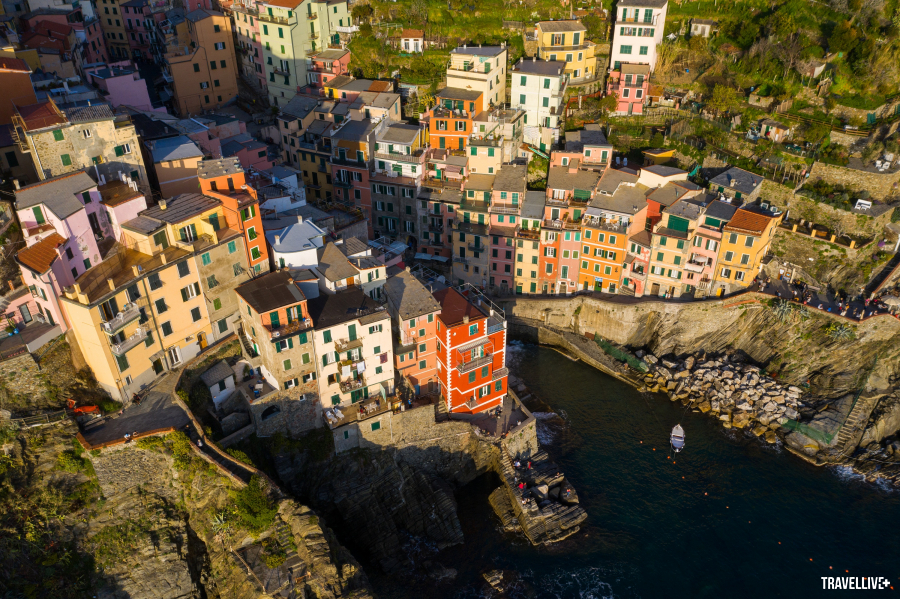
Italy has no shortage of rugged coastlines or picturesque towns and villages, but the five fishing villages of Cinque Terre are Italy's most iconic highlights.RiomaggioreIt was the first village I visited and stayed in during my entire stay in Cinque Terre.
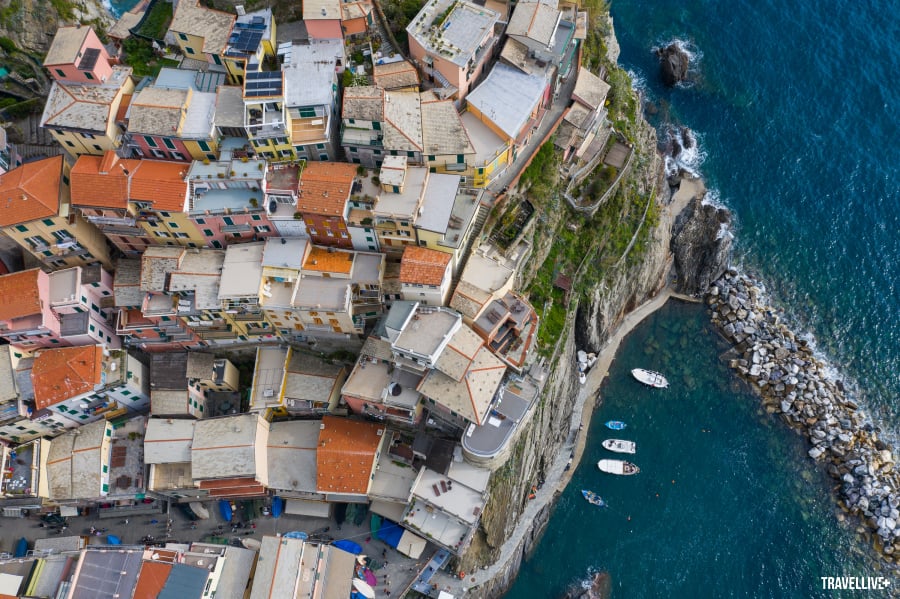
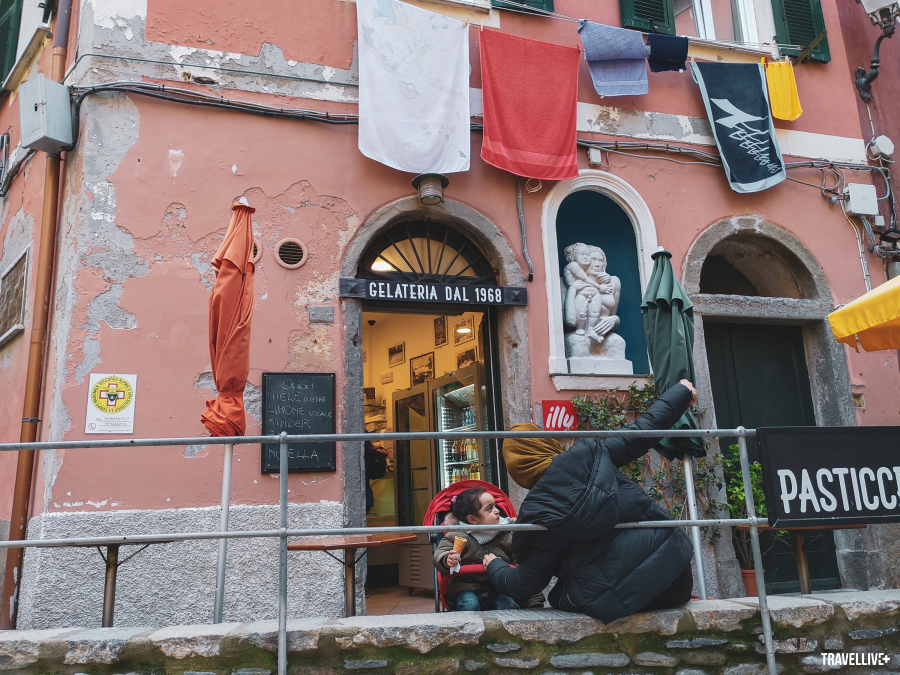
Here you'll find some of the most beautifully colored houses, built in the 13th century and meticulously preserved, creating a stunning picture for visitors to relax at the table as the sun sets. The village of Riomaggiore is also famous for its staircases leading down to the sea and connecting the houses, with a slope where villagers anchor their boats, reminiscent of medieval fishing villages. Starting in Riomaggiore, enchanting days followed one another for me, filled with the beauty of the villages and, even more so, their captivating history.
The history of Cinque Terre spans nearly a millennium. The earliest historical records about Cinque Terre date back to the 11th century. The people of Cinque Terre primarily subsist on fishing, grape cultivation for winemaking and vinegar production, and olive oil production. Their ancestors had previously sought refuge on the high cliffs, building their homes to escape invading armies and the Greeks seeking a new life.
Of the five villages that make up Cinque Terre, only one village exists.CornigliaThere are no beaches or direct access to the blue sea. The village is situated on a precarious hilltop, and to reach its center, one can only walk up a winding staircase resembling a giant staircase with nearly 500 steps. The most interesting thing is that from the center of Corniglia, you can see all four other villages. The houses here have a slightly different architecture from the four surrounding villages, being low, very narrow, and connected around the main street, Fieschi. Visitors can see many traces of Roman civilization on the cobblestone streets and in the old town center.
ManaroManarola is the oldest village, founded by locals in 1261, surrounded by vineyards on the hills and famous for its winemaking. It is also the smallest village in Cinque Terre, as Manarola was originally a hamlet of Riomaggiore. Nevertheless, Manarola is considered one of the eight most beautiful villages in Italy, thanks to the beauty of its long, narrow, labyrinthine streets and pointed-roof houses.
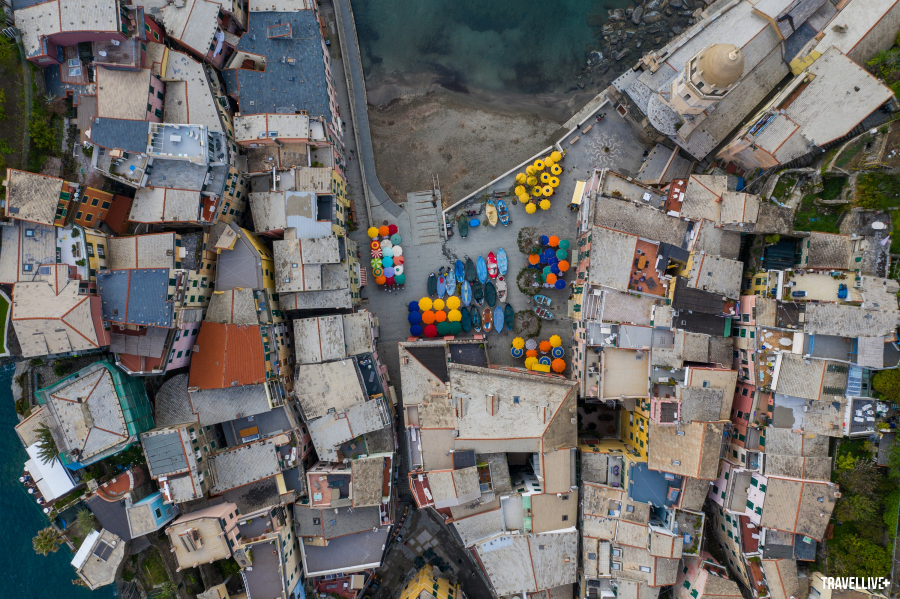
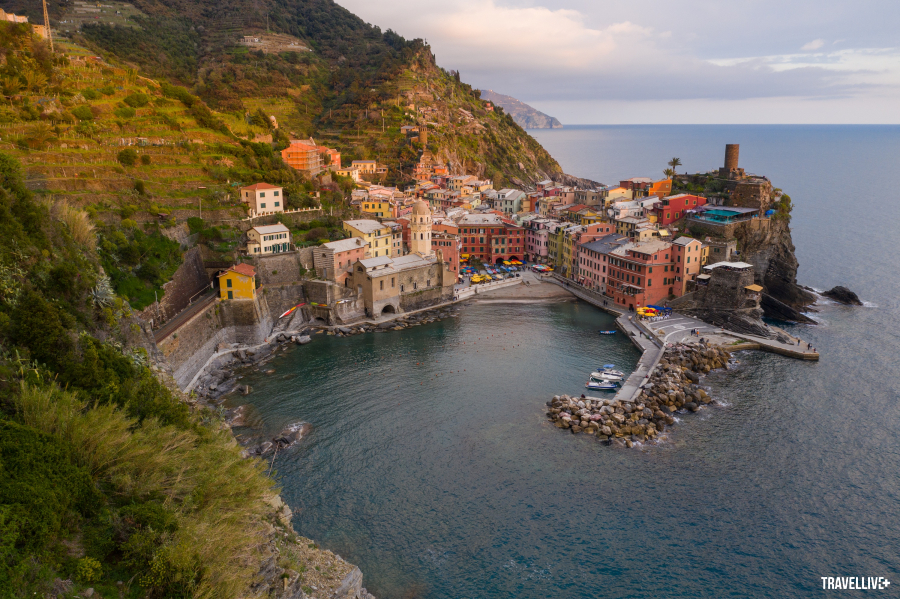
The village of Vernazza boasts a small, tranquil harbor. It's the "jewel" of the five villages in Cinque Terre and the most prosperous in the region. Looking at Vernazza from above gives me the feeling of admiring a painting by the Austrian Symbolist Gustav Klimt, specifically his famous "The Kiss"—a symbol of the Art Nouveau movement.
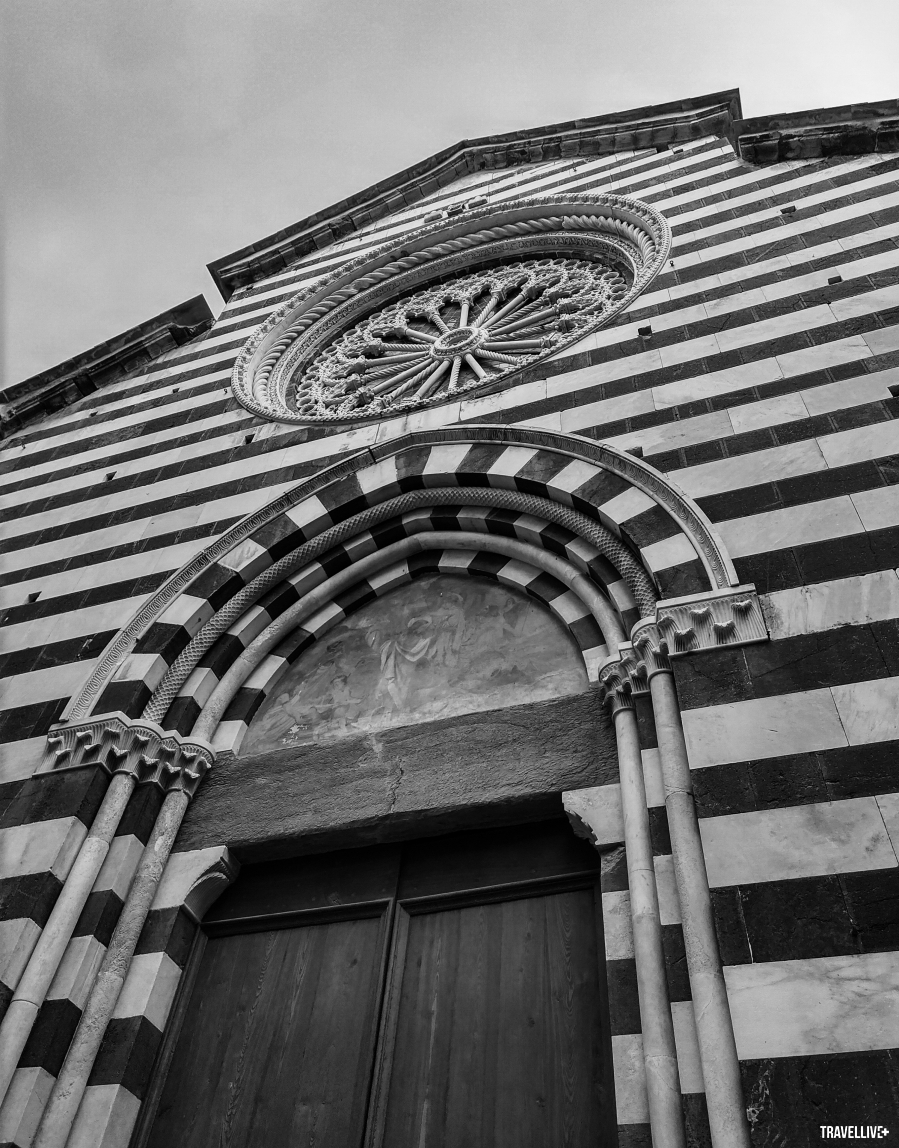
VillageMonterossoMonterosso boasts one of the world's most charming beaches, is considered one of the least polluted in the Mediterranean, and is home to numerous fragrant orange and lemon groves. As the largest village in Cinque Terre, Monterosso is regarded as the cultural and political center of the region.
The five villages are connected by a system of trails, formed over millennia by the footsteps of local inhabitants. Most trails follow the coastline and rugged cliffs, sometimes disappearing into lush green forests. A railway line has also been built here, still in operation today, mainly transporting tourists from afar. The trails have become beautiful trekking routes and also offer stunning viewpoints overlooking the colorful houses along the Mediterranean coast.
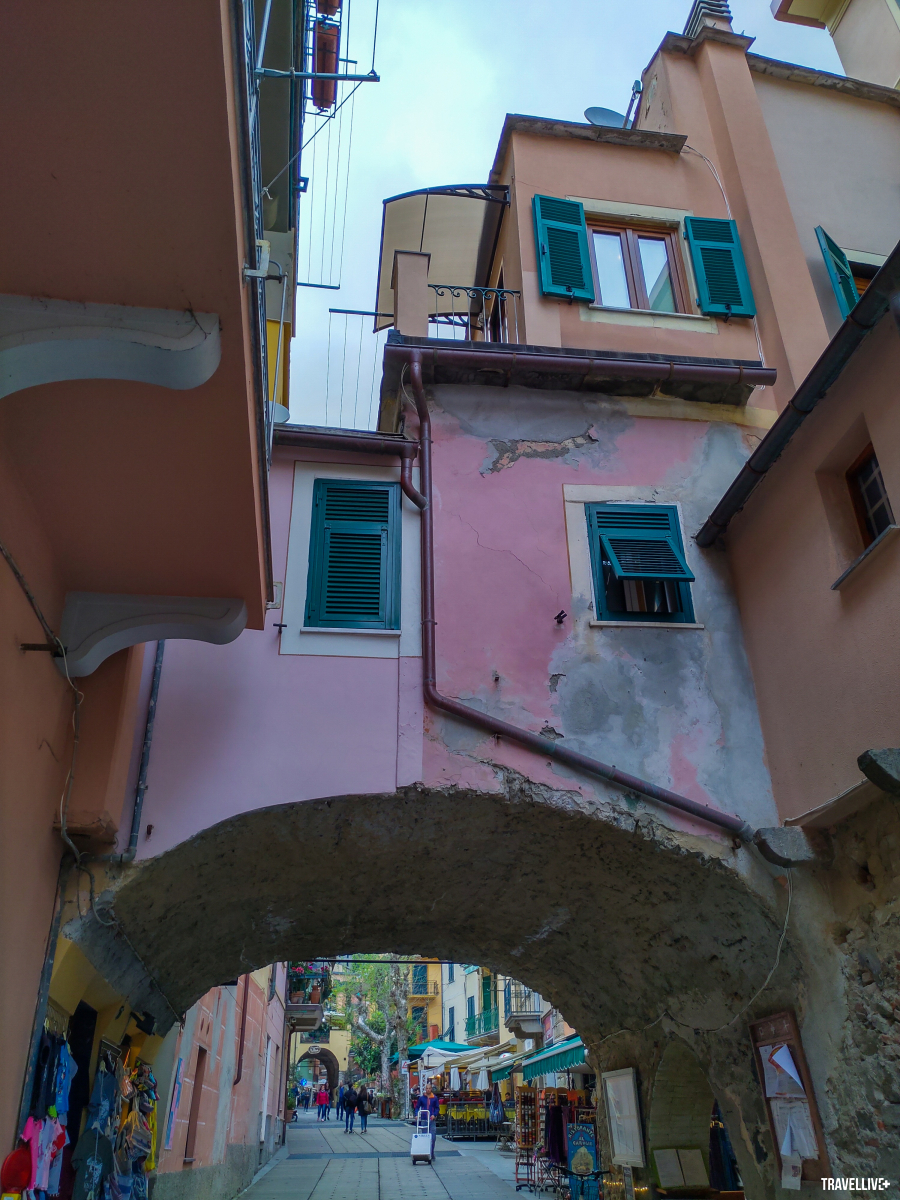
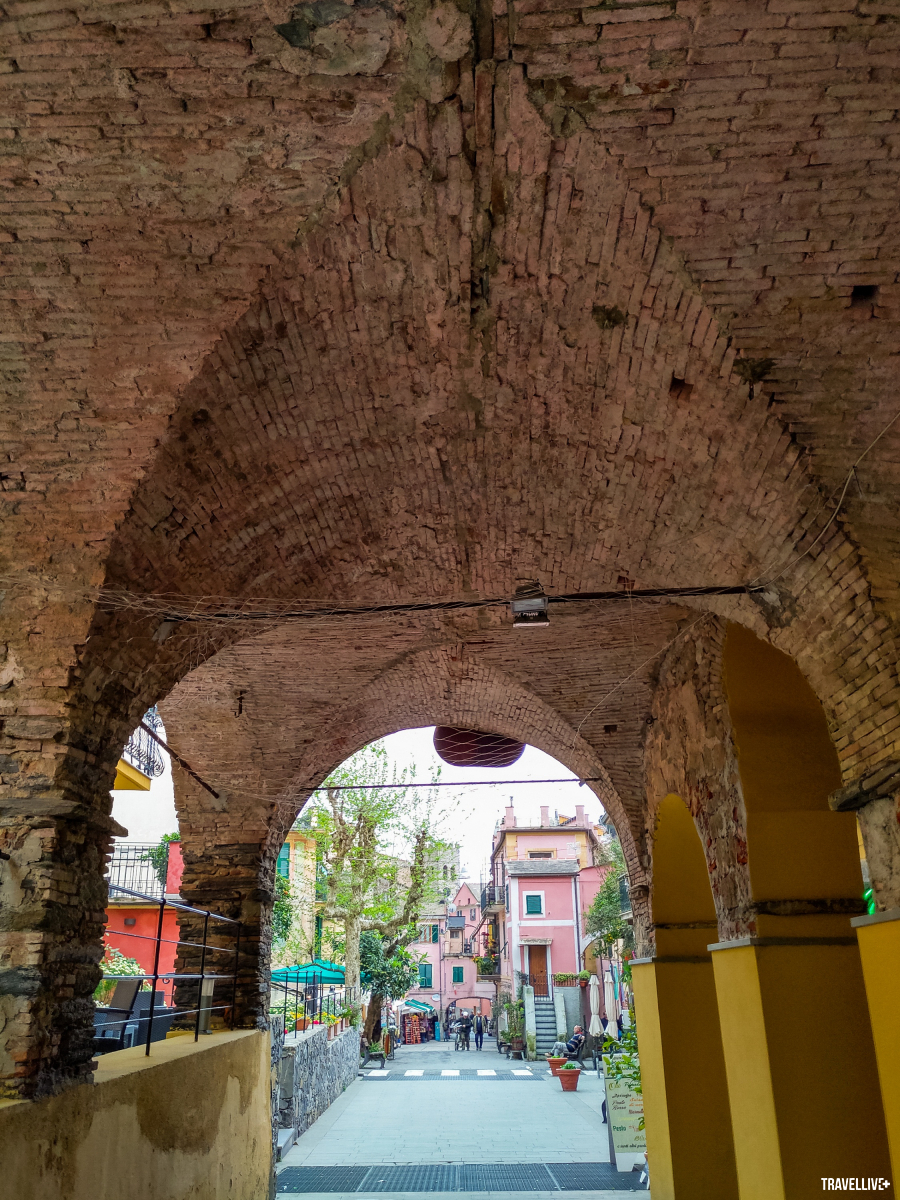
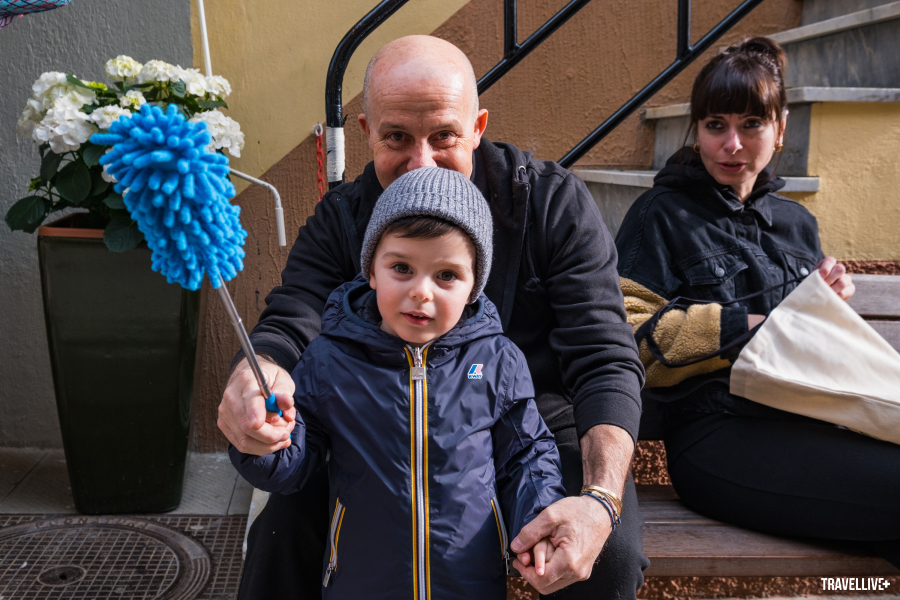
But Cinque Terre isn't just beautiful for its natural scenery, so it would be a shame to visit and leave on the same day. The houses, the narrow alleyways, and the simple, idyllic lifestyle characteristic of Italian villages on the Mediterranean coast also have a special charm. And for just a few tens to a few hundred euros, visitors can find a lovely room or apartment and experience local life with friendly hosts.
Enchanting neighborhoods, restaurants offering authentic local cuisine, and fine wines. Famous Italian pizzas and ice cream, souvenirs... all combine to create a truly unique Cinque Terre.
Another unique aspect is Cinque Terre's distinctive tourism management. The local tourism industry issues a Cinque Terre card, which visitors can purchase for a day or multiple days at affordable prices. This card allows visitors to travel by train through all five villages at any time and in any number of days, and provides free Wi-Fi and other basic amenities. Thanks to this local management, despite the impact of tourism development over the centuries, Cinque Terre has retained its pristine beauty and unique ancient architecture.
Additional information
Move:The easiest way to get to Cinque Terre from other cities in Italy is by train. From major cities like Rome and Florence, there are direct trains to La Spezia – one of the main cities in the Ligurian region. Then, transfer trains in La Spezia, and it only takes 5 minutes to reach Riomaggiore (part of Cinque Terre).
Time:Visitors can come here at any time of year. However, the best time to explore Cinque Terre is from April to October.
Cuisine:Seafood and pesto pasta are two of the region's most famous dishes. The seafood is always fresh, caught daily, and the dishes are often prepared using traditional family recipes. Cinque Terre is a wine-growing region, so don't miss the opportunity to sample its wines. Most Cinque Terre wines are white, and one of the most famous is the sweet "sciacchetra," often paired with biscotti for an afternoon snack.
Accommodation:Cinque Terre doesn't have many large hotels or resorts, so tourists usually stay in the two nearby major cities of Spezia or Genoa. However, for a cost of 50-100 euros, visitors can easily find accommodation in small hotels, guesthouses, or homestays in Cinque Terre.
Experiences you shouldn't miss:
- Watch the sunrise and sunset on the Mediterranean coast.
- Visit all five villages
- Taste Cinque Terre wines
- Trekking along coastal trails and trails connecting villages.
- Spend time on the beautiful beaches in Monterosso

 VI
VI