VI
VI


Known as the Rainbow Nation, South Africa is a multi-ethnic and multicultural country, but also renowned for its diverse and well-preserved natural environment. Boasting a long list of world-class parks and wildlife reserves home to many rare animal species, South Africa is also a destination for famous safari tours. Because this trip combined work and leisure, the location for our safari was chosen within KwaZulu-Natal, a province in the southeastern part of the country, on the Indian Ocean coast.
Take a boat trip to "hunt" hippos and crocodiles in St. Lucia.
From Durban, the largest city in KwaZulu-Natal province, we traveled over 250 km to St. Lucia. Despite an early start and relatively good road conditions, by the time we reached the river mouth, it was already midday. This was somewhat disappointing, as we had heard beforehand that the best time to experience a boat trip on Lake St. Lucia is at sunrise and sunset.
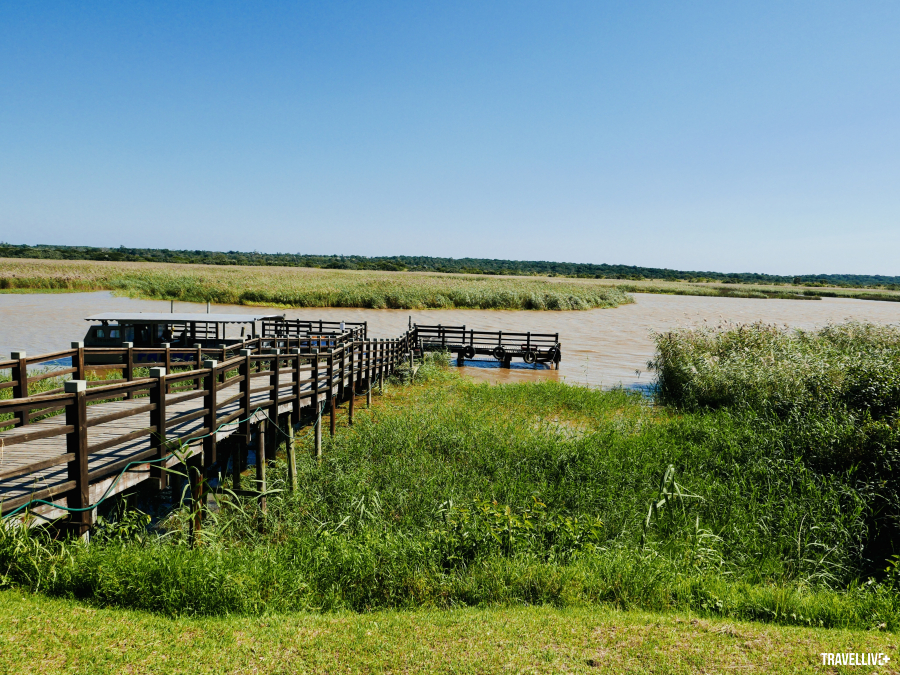
Historically, the town of St. Lucia has been known as the mouth of the St. Lucia River because its mouth is one of the largest in Africa, stretching 85 km from south to north. The town resembles an island surrounded by water, with the river mouth to the left and the Indian Ocean to the east.
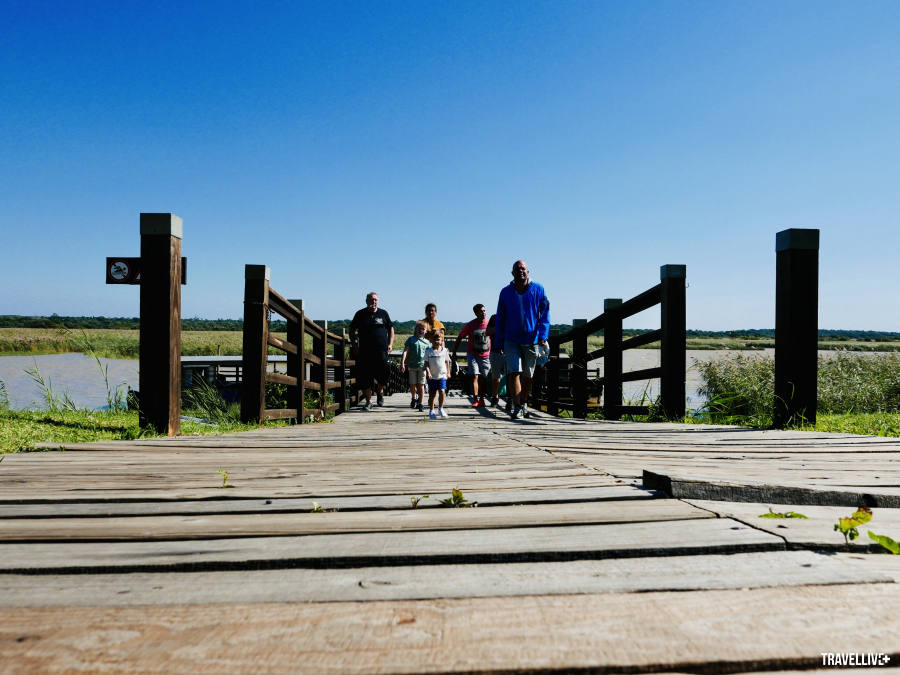
This area is home to over 800 hippos and 1,200 crocodiles, not to mention the abundance of birds that live here. Experts say nowhere else offers the opportunity to experience such diverse and magnificent beauty as in St. Lucia. It's no wonder, then, that this area was declared a UNESCO World Heritage Site in 1999, South Africa's first World Heritage Site.
Indeed, we had two enjoyable hours exploring the estuary landscape on a small boat. It was summer in Vietnam, but winter here. However, the weather was very pleasant, with daytime temperatures ranging from 20-27 degrees Celsius.oC, the sun casts warm rays from above and cool breezes blow across the river.
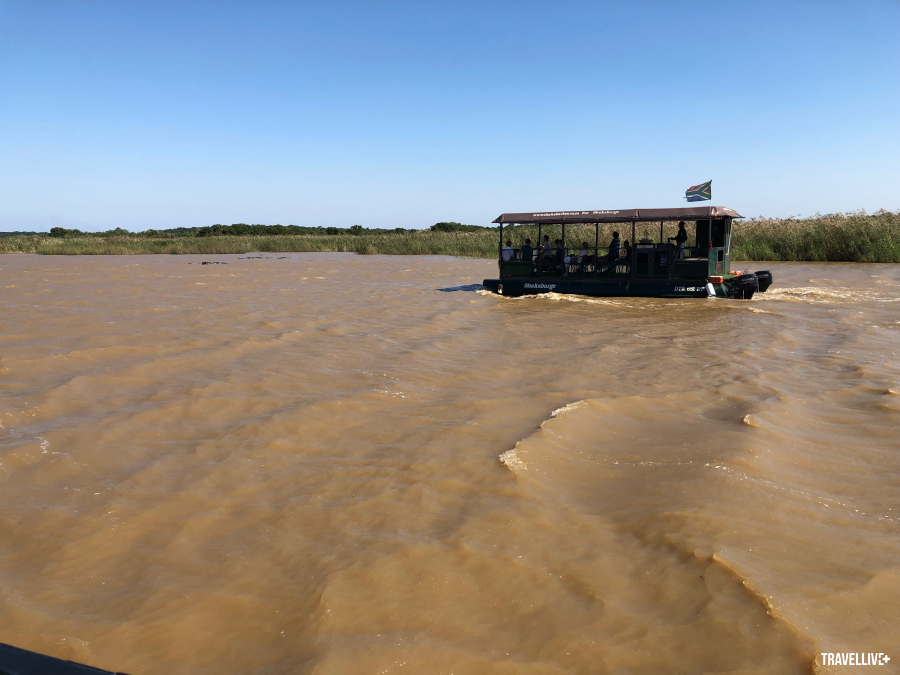
Explore St. Lucia on small boats.
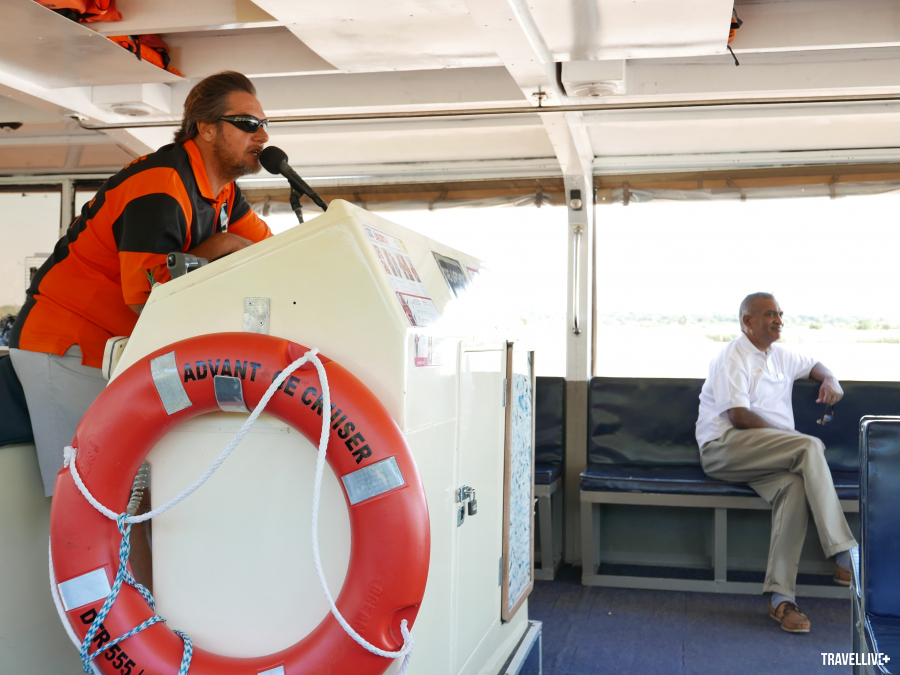
The tour guides on the ship were all very enthusiastic.
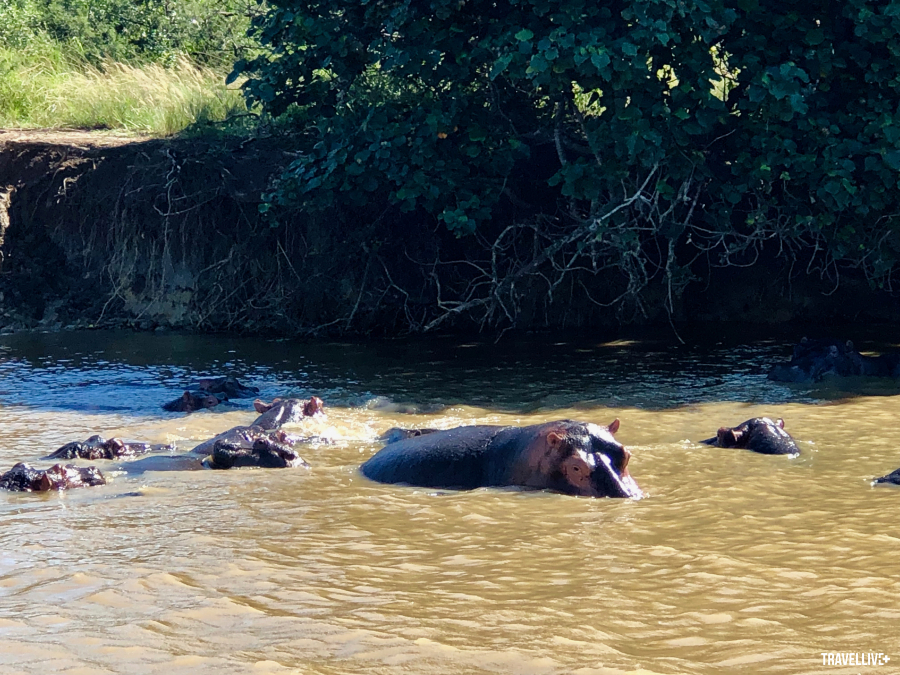
Just about 100 meters from the pier, we encountered the inhabitants of the estuary: dozens of giant hippos gathered in herds, basking in the water near the shore to escape the sun. Most swam silently, their entire bodies submerged, only their noses and eyes protruding above the water to breathe, so from a distance they looked like a pile of driftwood bobbing along with the current. However, some were more active, wrestling or playing with each other. At those times, they resembled overgrown children, nothing like the description of the animal considered the most dangerous in Africa. Throughout our time on the boat, we repeatedly encountered such herds of hippos. Several times the boat driver even pulled up close and stopped the boat so we could admire them to our heart's content. According to the locals, at night, tourists can spot hippos leaving the river and wandering through the town.

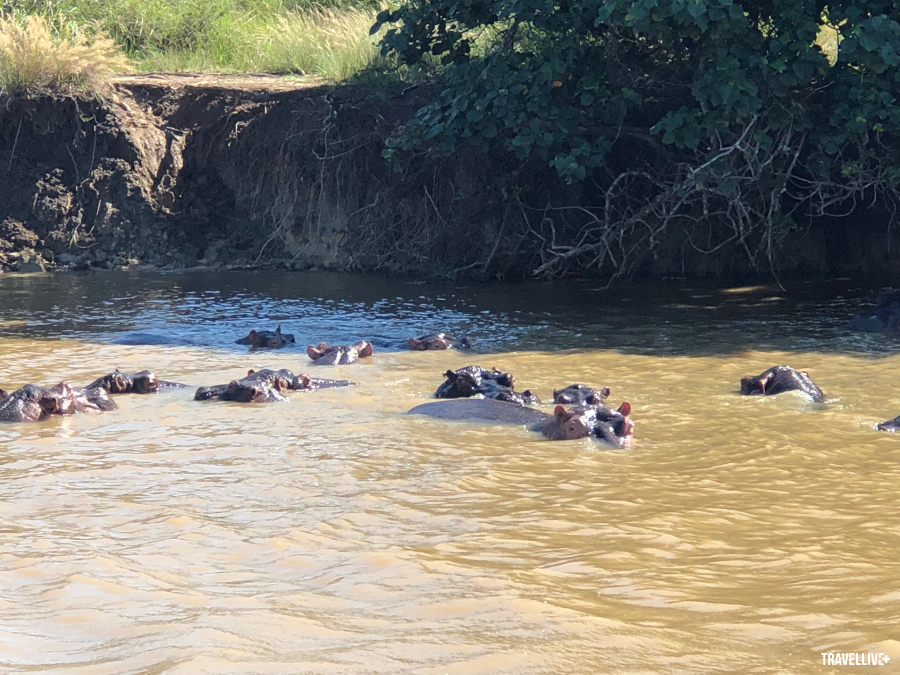
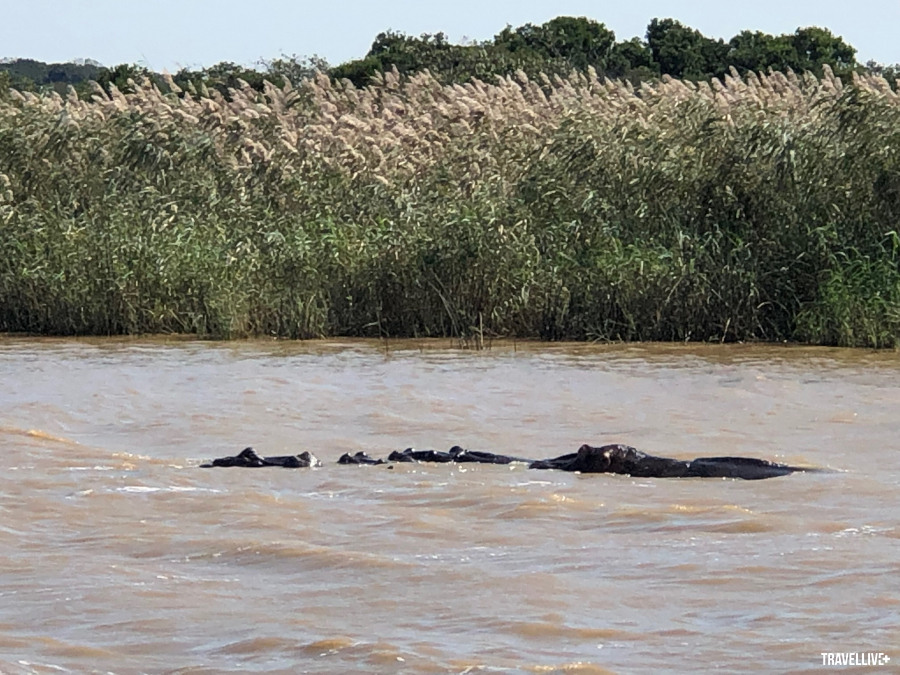
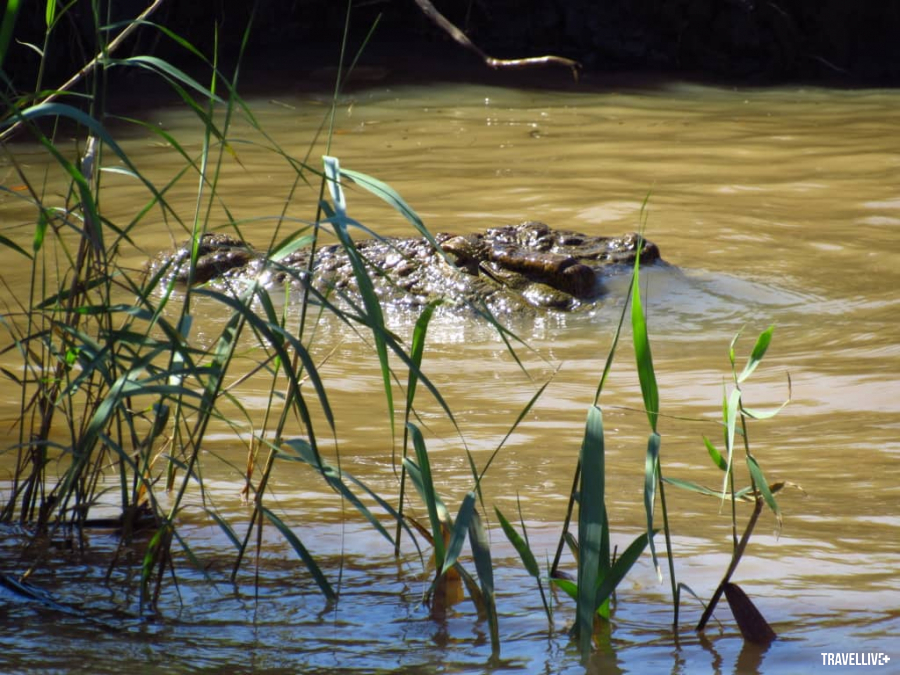
Meanwhile, the crocodiles are surprisingly quiet creatures. They usually appear alone, close to the riverbank, under the shade of trees. The midday sun makes them lazy, even unwilling to move, lying still with only a section of their backs or their rough snouts protruding from the water. Although the crocodile population in this area is much larger than that of the hippos, finding them is far more difficult.
Another highlight of this tour was the guides on board. They possessed in-depth knowledge of the area and the living habits of the local animals, answering all our questions and telling us amazing stories. We even got to see an elephant tusk – according to the guide, it was taken from the carcass of an old elephant that had died in the reserve.
Hunting for the Big Five
Leaving St. Lucia, we traveled to the Thanda Safari private reserve, located about 100 km away, to fulfill our dream of hunting for the Big Five. In Africa, the Big Five refers to five large animals: lions, leopards, rhinos, elephants, and buffalo. However, not every reserve has all five. Thanda Safari is one of the reserves that possesses all five.
We arrived in Thanda just in time for the afternoon game drive (the locals call these kinds of trips "game drives"). Each day, the Thanda reserve has two game drives: one departing at dawn and another hunting trip at sunset.
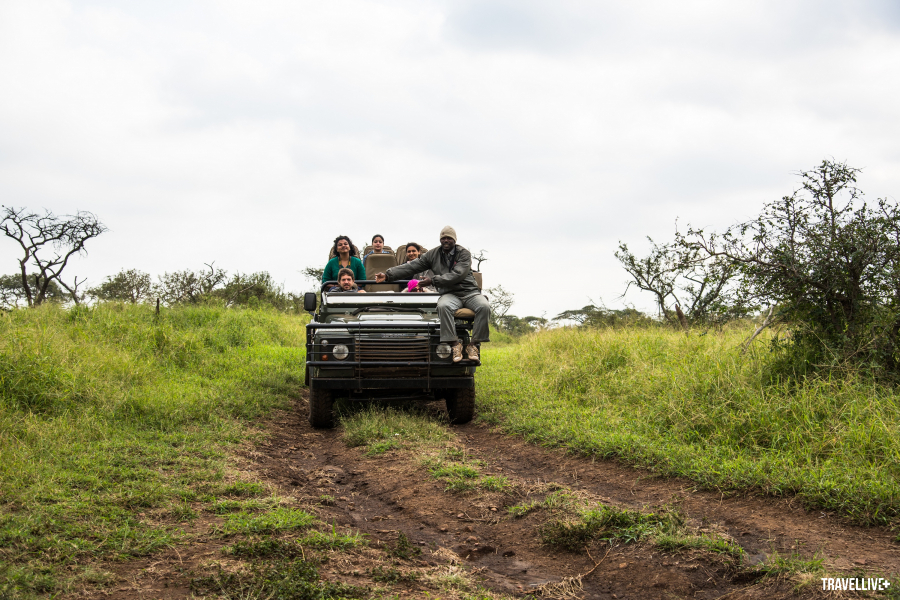
Our group in the Jeep
We ventured deep into the jungle in a specialized Jeep with a driver and a tracker perched precariously on the hood. The vast wilderness stretched slowly before us, the tracker's nonchalant, almost arrogant posture making me feel like I was in a wildlife documentary. But in reality, it was more than that; we were truly venturing into the African jungle to witness life in the wild as it truly is.
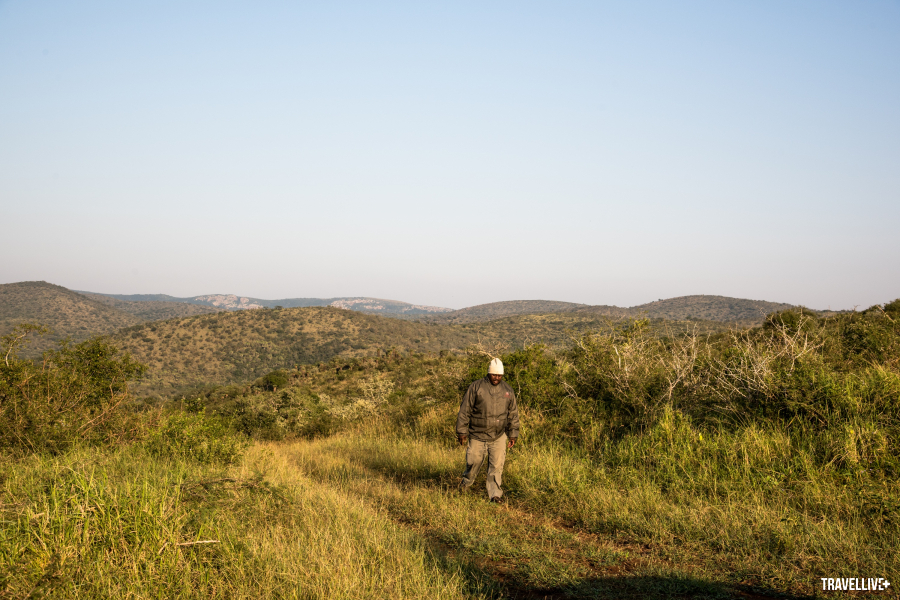
The tracker is searching for animal footprints.
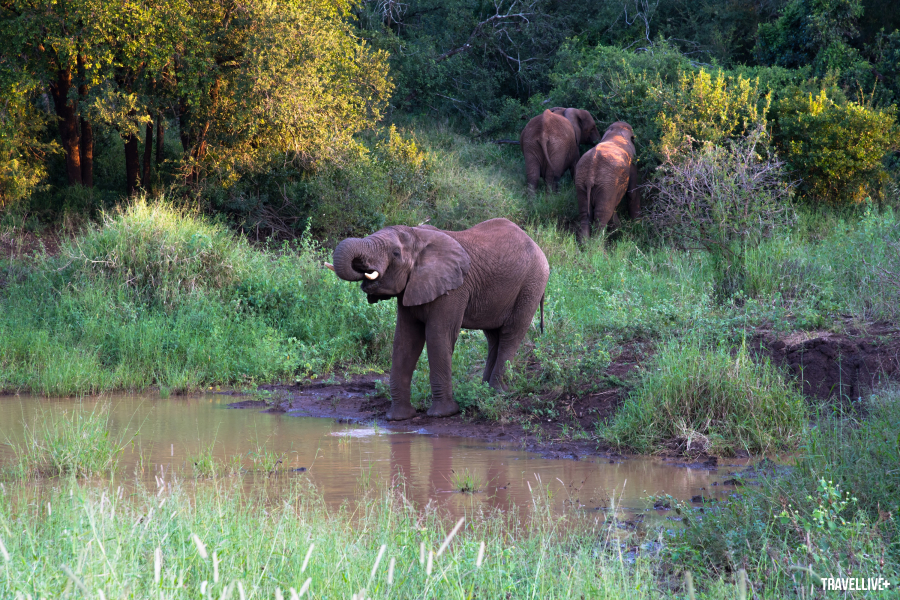
According to the tracker, not every hunting trip guarantees an encounter with animals. Besides factors like time, weather, and the tracker's experience, luck is the most important factor determining the success of the trip. Sunrise and sunset are the two times of day when animals are most likely to be seen, as this is when they are foraging. Perhaps luck was on our side, because after spotting some small animals scurrying through the bushes, we came across a herd of elephants leisurely crossing the road. They looked at us with gentle, calm eyes, then calmly turned into the bushes. The driver followed and intercepted the elephants, giving us more time to observe and photograph them. One large elephant seemed angry at being blocked, staring at us for a full minute before finally leaving. After encountering another herd of elephants stopping to drink water, the sun began to set, but instead of heading back, we stopped at a crossroads to enjoy some drinks and snacks, excitedly sharing our first impressions and waiting for the stars to appear in the sky. On the way back, the car stopped in the middle of the forest, where we gazed at the brilliant Milky Way and listened to the tracker's directions about the positions of the stars and how to use stargazing to navigate through the forest at night. Everything was wonderful!
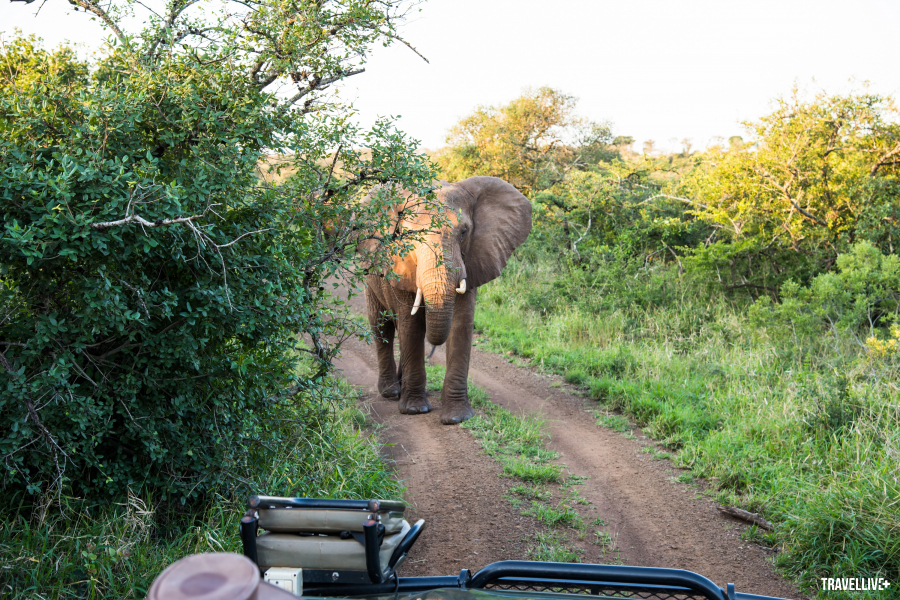
The elephant was accidentally blocked by us.
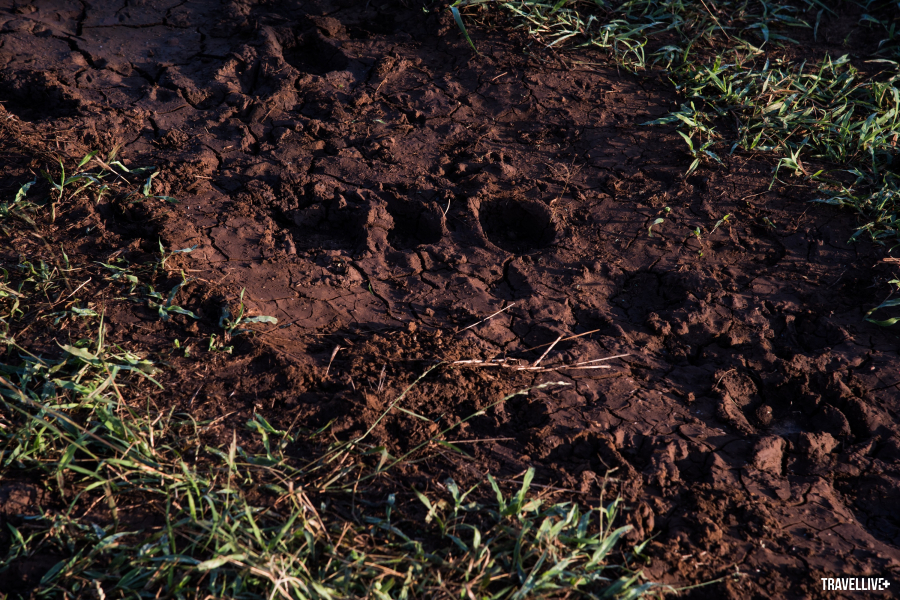
The footprints left behind by some kind of hoofed animal.
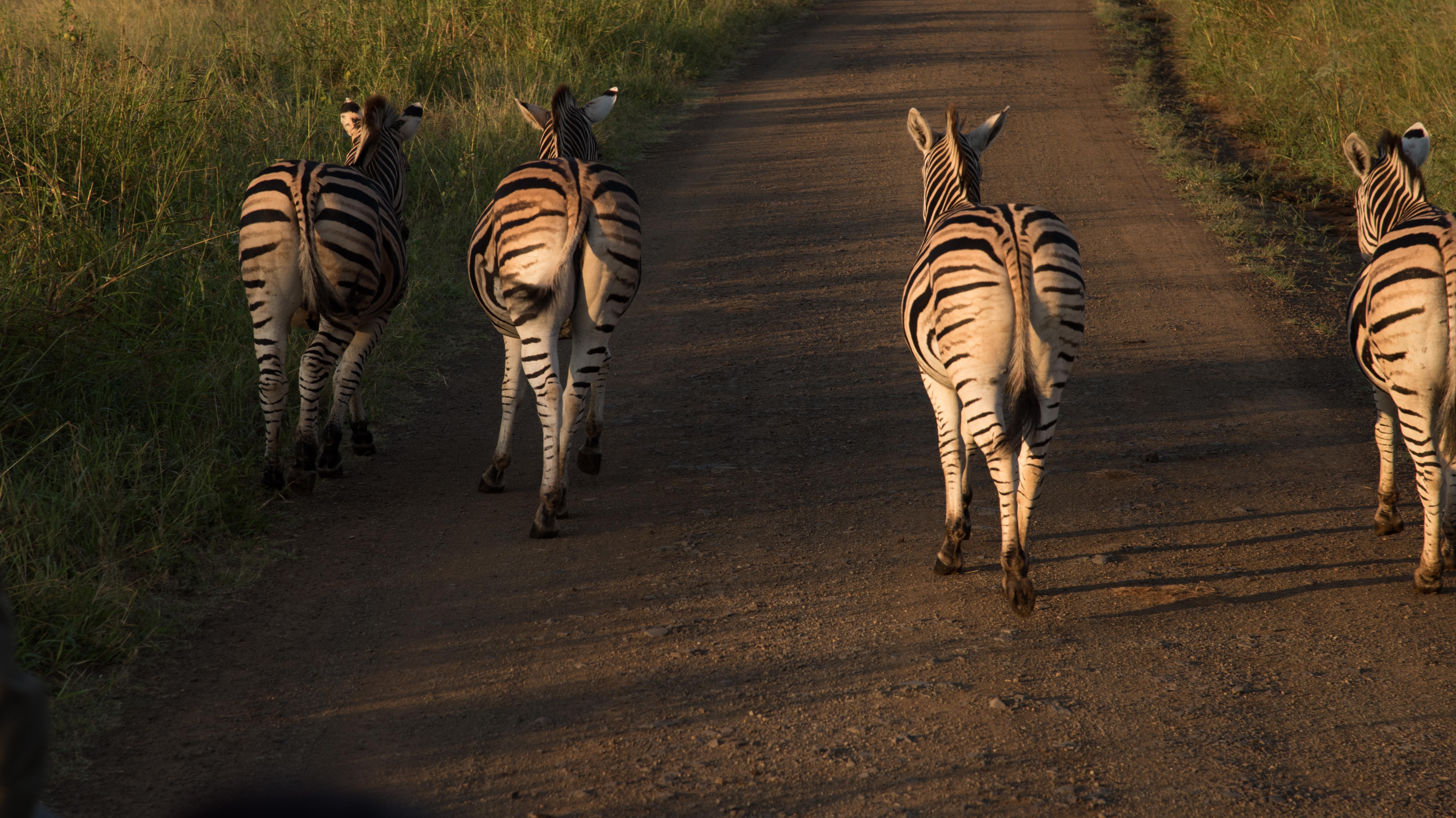
The next hunting trip began at 5 a.m. the following day. The fog was thick and heavy, the weather freezing, but the air was crisp. Luck was on our side, and we encountered many animals. Zebras roamed in herds, looking playful. Spinous-horned antelopes leaped and danced nimbly, always appearing wary. Giraffes proudly plucked leaves from the treetops. A herd of rhinos, though heavy, fled with remarkable agility. A leopard darted past like a gust of wind. Most notably, we encountered a pride of ten lions by the water's edge. They seemed to have just eaten, as they were unusually docile, huddled together and sleeping soundly. Only one lion – possibly the leader – looked wary, sluggishly getting up to approach and observe for a few minutes before slowly returning to its pride. Our hunting trip ended like that, with a touch of regret for not encountering wild buffalo to complete the Big Five, but the tracker comforted us by saying we were unexpectedly lucky, as some people have stayed for days and still returned empty-handed.
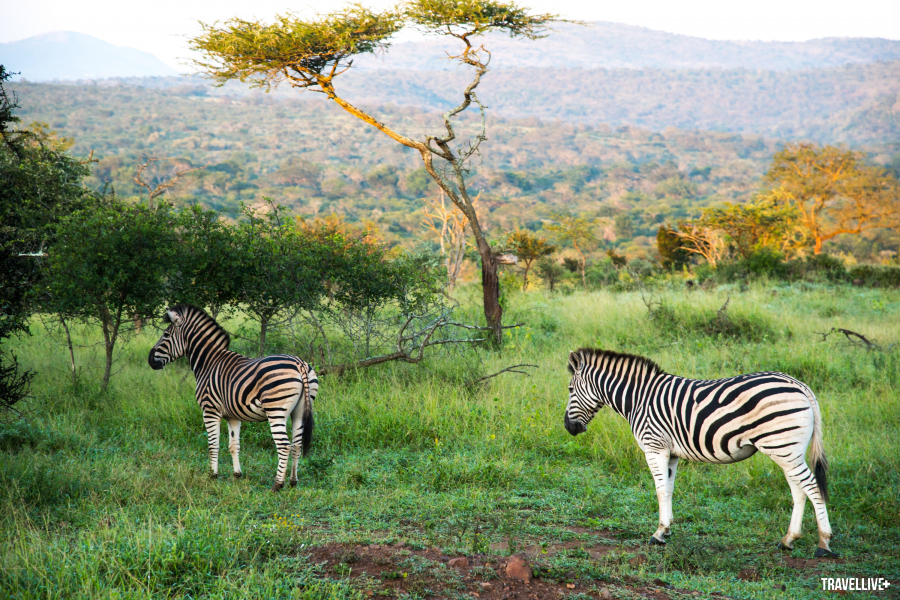
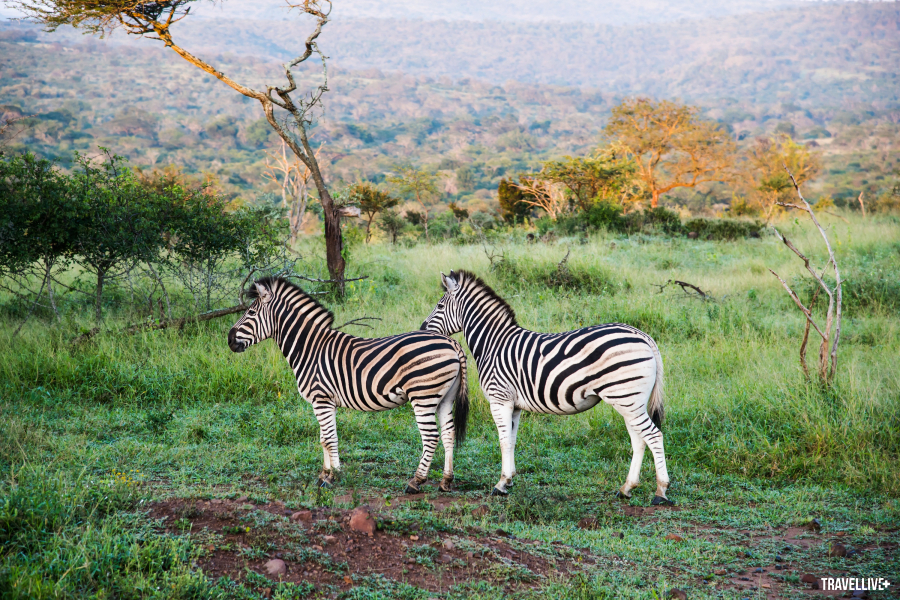
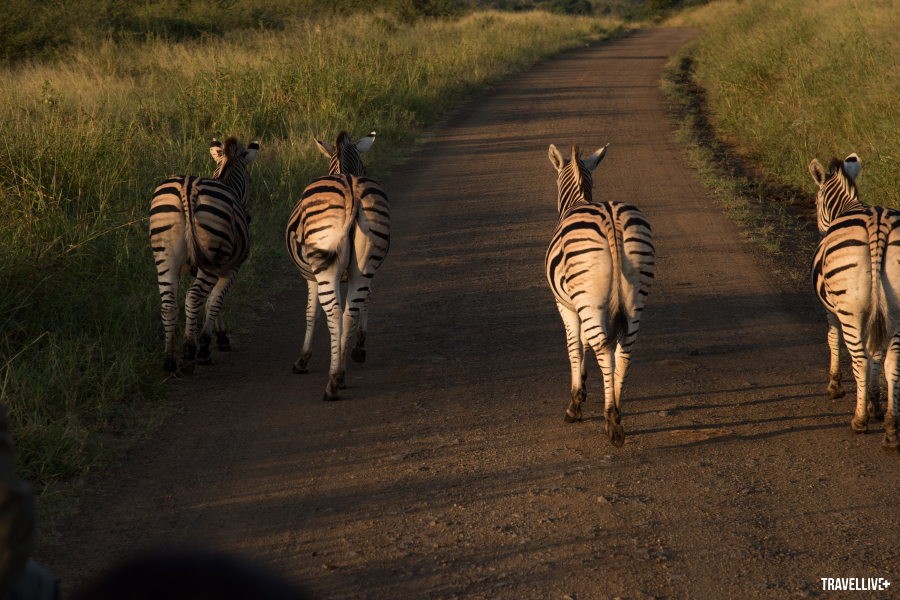
The zebras strutted playfully.
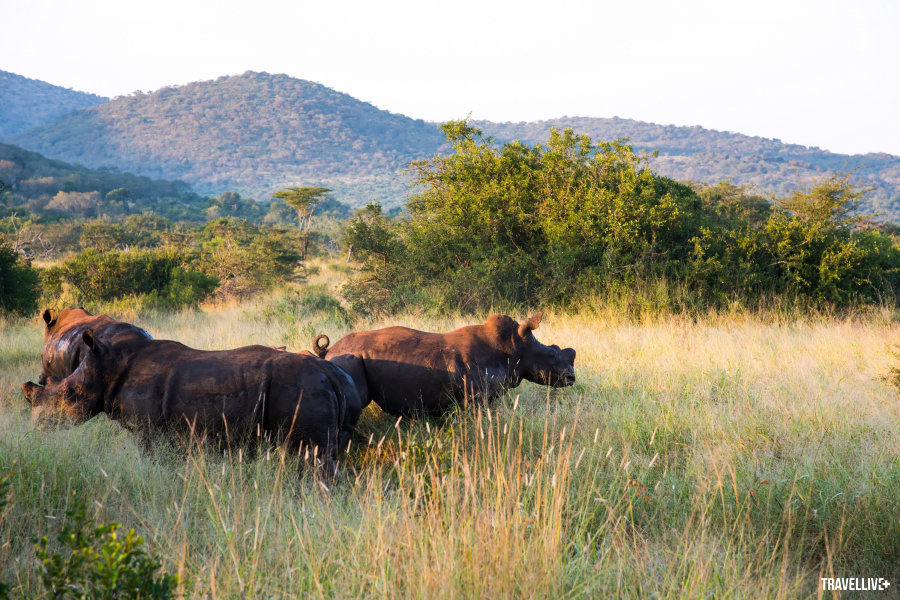
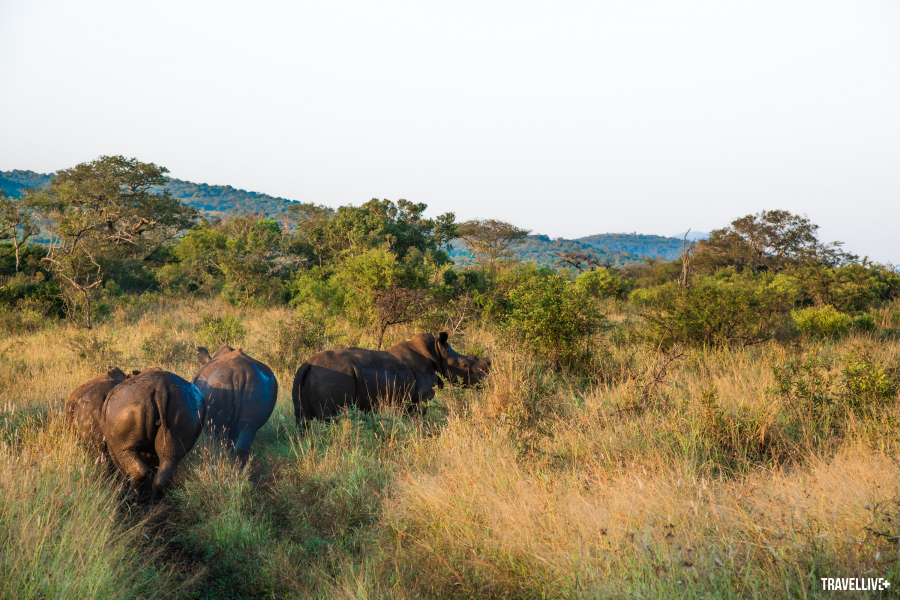
Although rhinos are heavy, they are not slow at all.
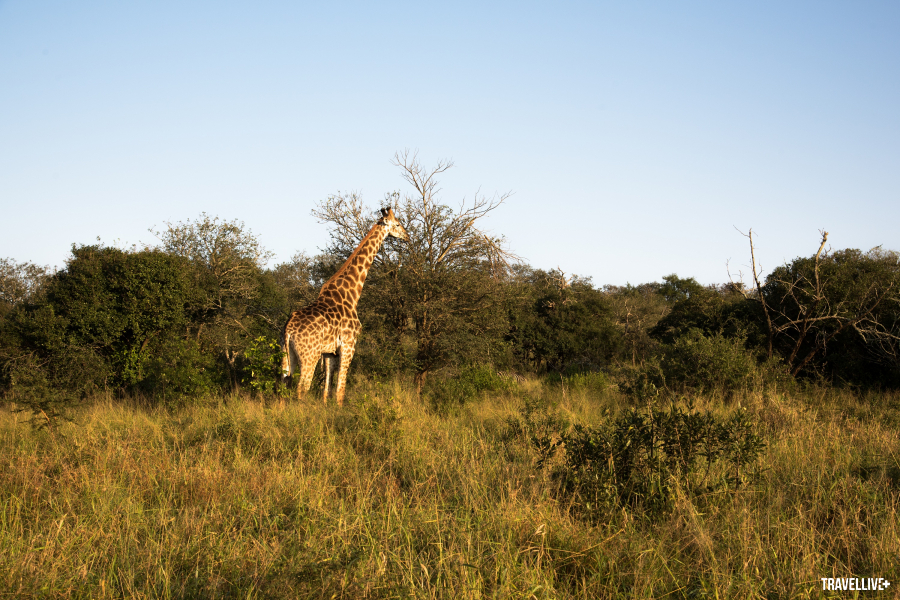
The proud giraffe
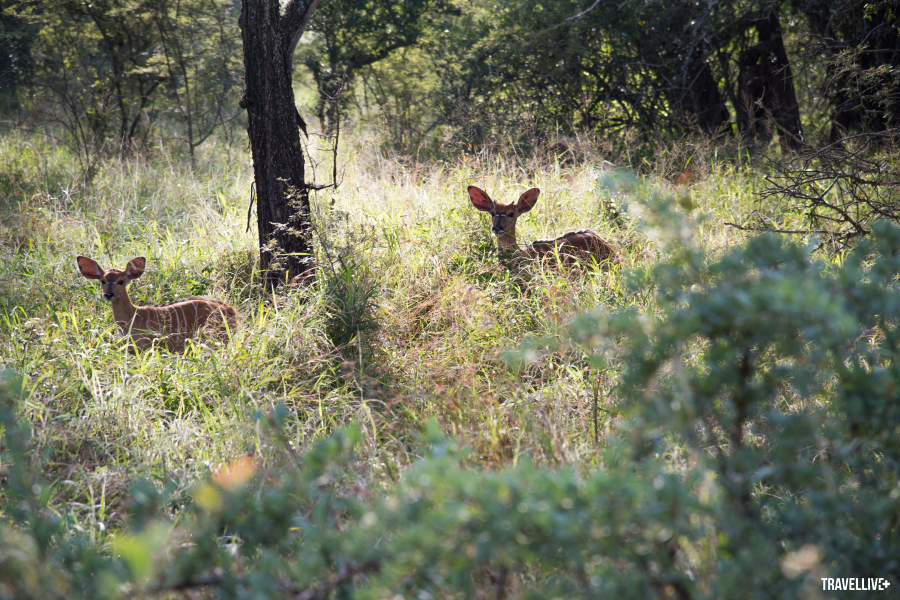
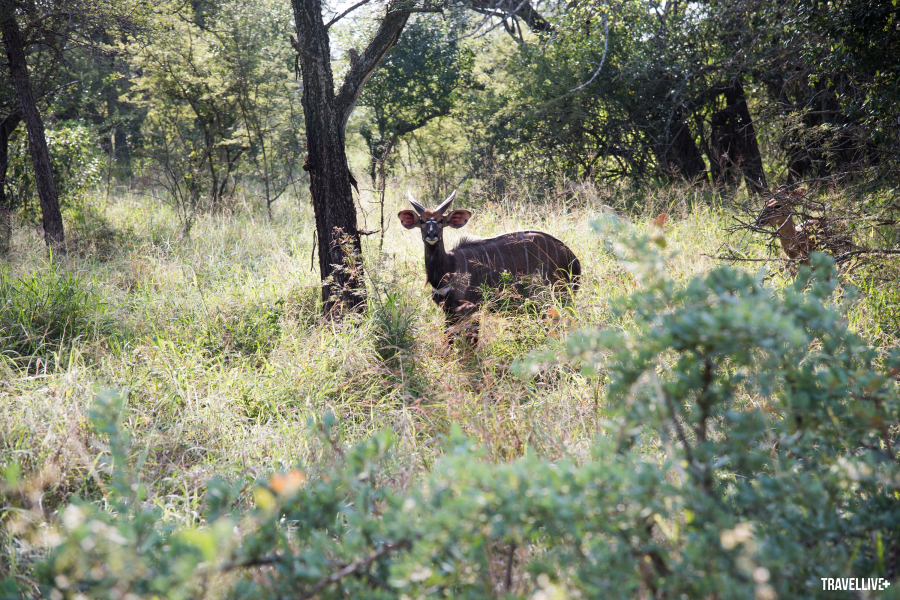
The antelope appears to be on alert.
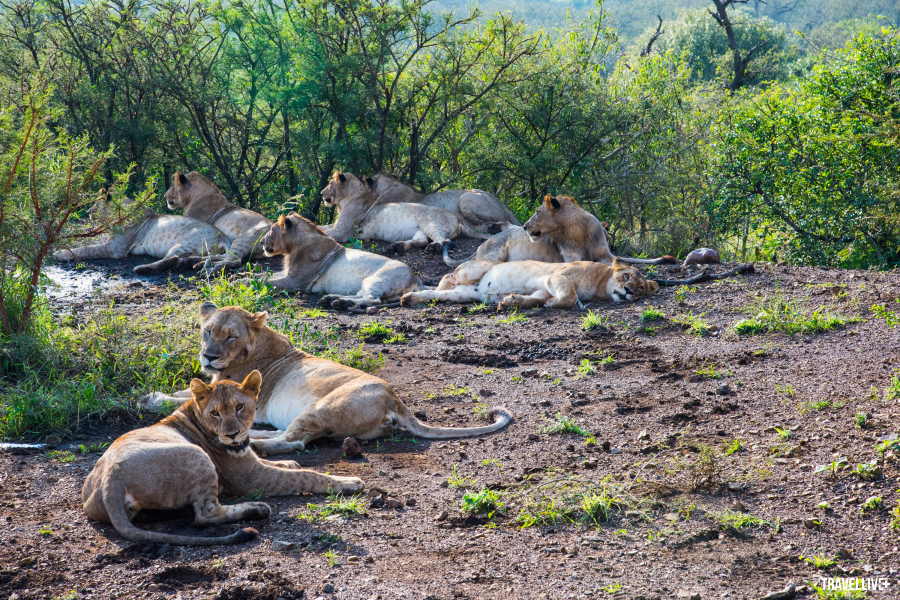
And the lions, though seemingly ferocious, actually look very "gentle".
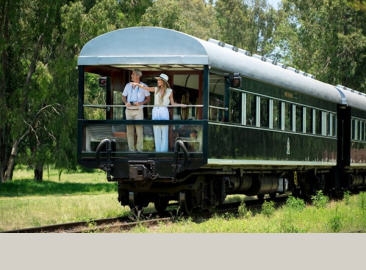
Ultra-luxury resort in the African jungle.
Besides the safari, our overnight stay also made a strong impression. It was a villa named Zulu located in the middle of the reserve. Here, at night, you can clearly hear the sounds of animals hunting and other characteristic sounds of the wild forest. The villa is magnificent, and its interior reflects the rich culture of the Zulu people. The amenities are complete and luxurious, surpassing even 5-star resorts, with a swimming pool, library, entertainment room, children's room, wine cellar, lawn for BBQ parties... and even a helipad. I heard it was once voted the world's leading luxury private villa.
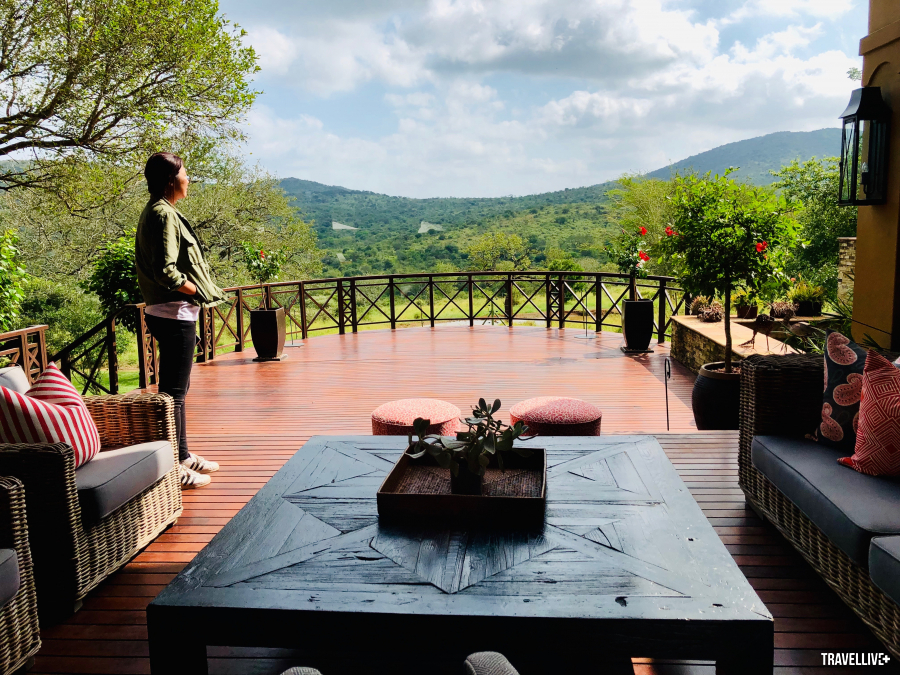
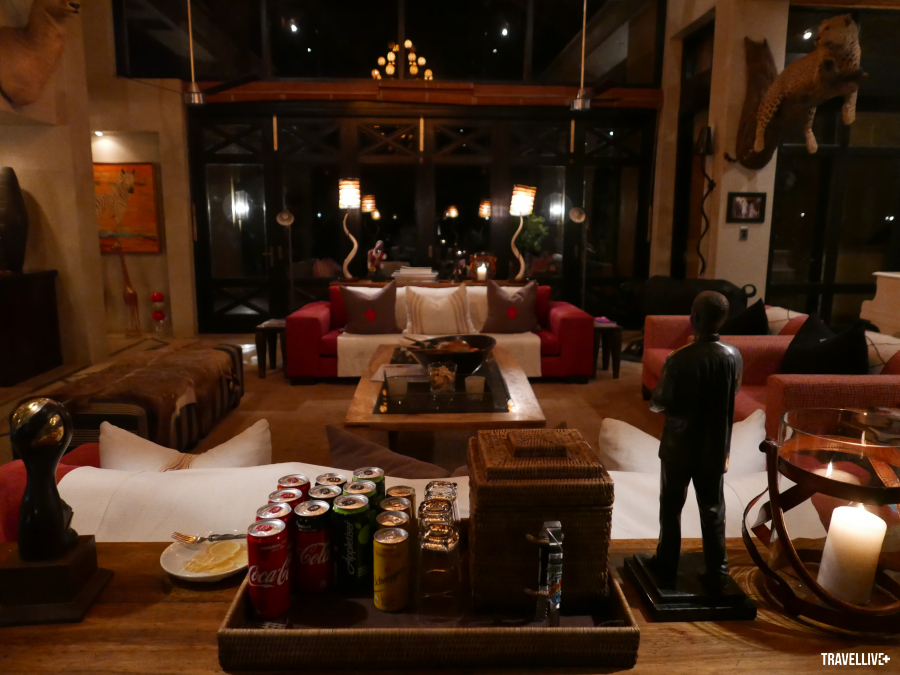
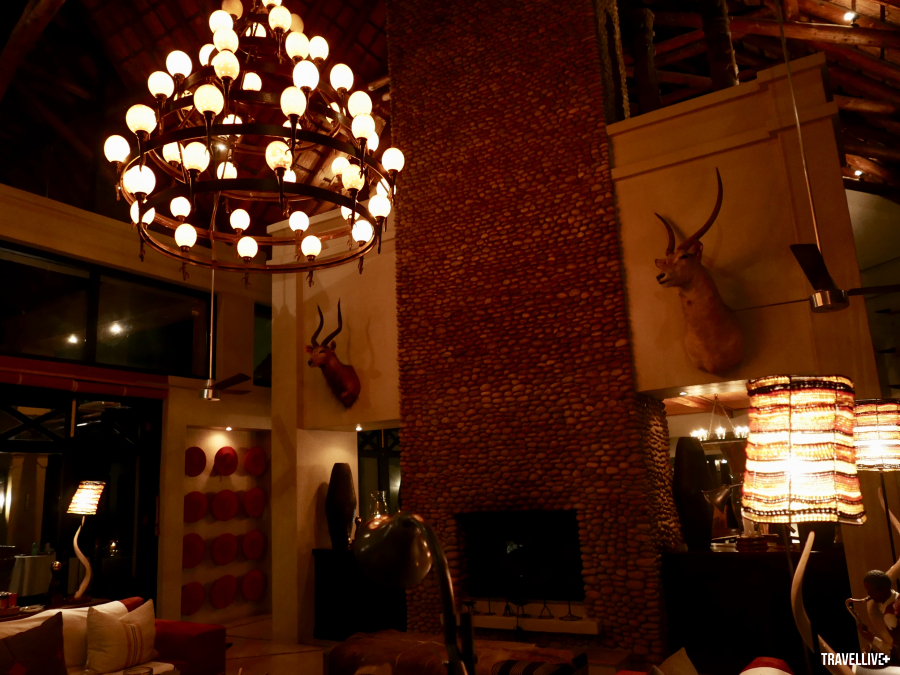
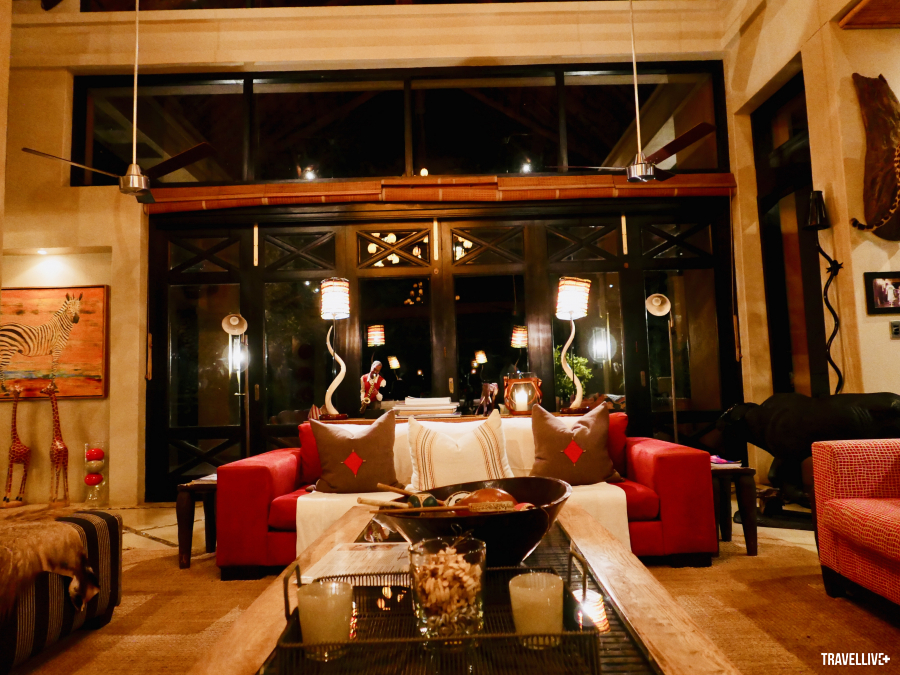
Even more impressive than the luxurious amenities was the opportunity to learn about Zulu culture through the powerful traditional dances of Zulu men, through conversations with Zulu staff, and through local handicrafts. It was like a fascinating book unfolding before our eager eyes, the final drop filling a cup already overflowing with wonders!
Additional information
Visa:Applicants submit their applications to the South African Embassy, after which they need to wait two weeks for their visa to be issued.
Trip:There are no direct flights from Vietnam to South Africa; you must have at least one layover, the most common being Doha International Airport (Qatar).
Time:October to March is the peak tourist season in South Africa. However, every season in South Africa is beautiful and suitable for tourism.
Cuisine:South African cuisine is highly praised by many tourists. Curry is a popular condiment used in many dishes. South Africa also boasts many delicious and famous fruits such as grapes, apples, pears, and lemons.
Skin:If you're going in winter, you only need to bring a light jacket. In summer, remember to bring sunscreen, sunglasses, and a hat.
Money:South Africa uses the Rand (ZAR) as its currency, with an exchange rate of approximately 1 ZAR to 1,700 Vietnamese Dong.
For more information about traveling to South Africa, please contact:
- Mr. To Manh Hung
- Embassy of South Africa, 3rd floor, 31 Hai Ba Trung Street, Hanoi
- Tel: 02439362000/ 0913547647