VI
VI


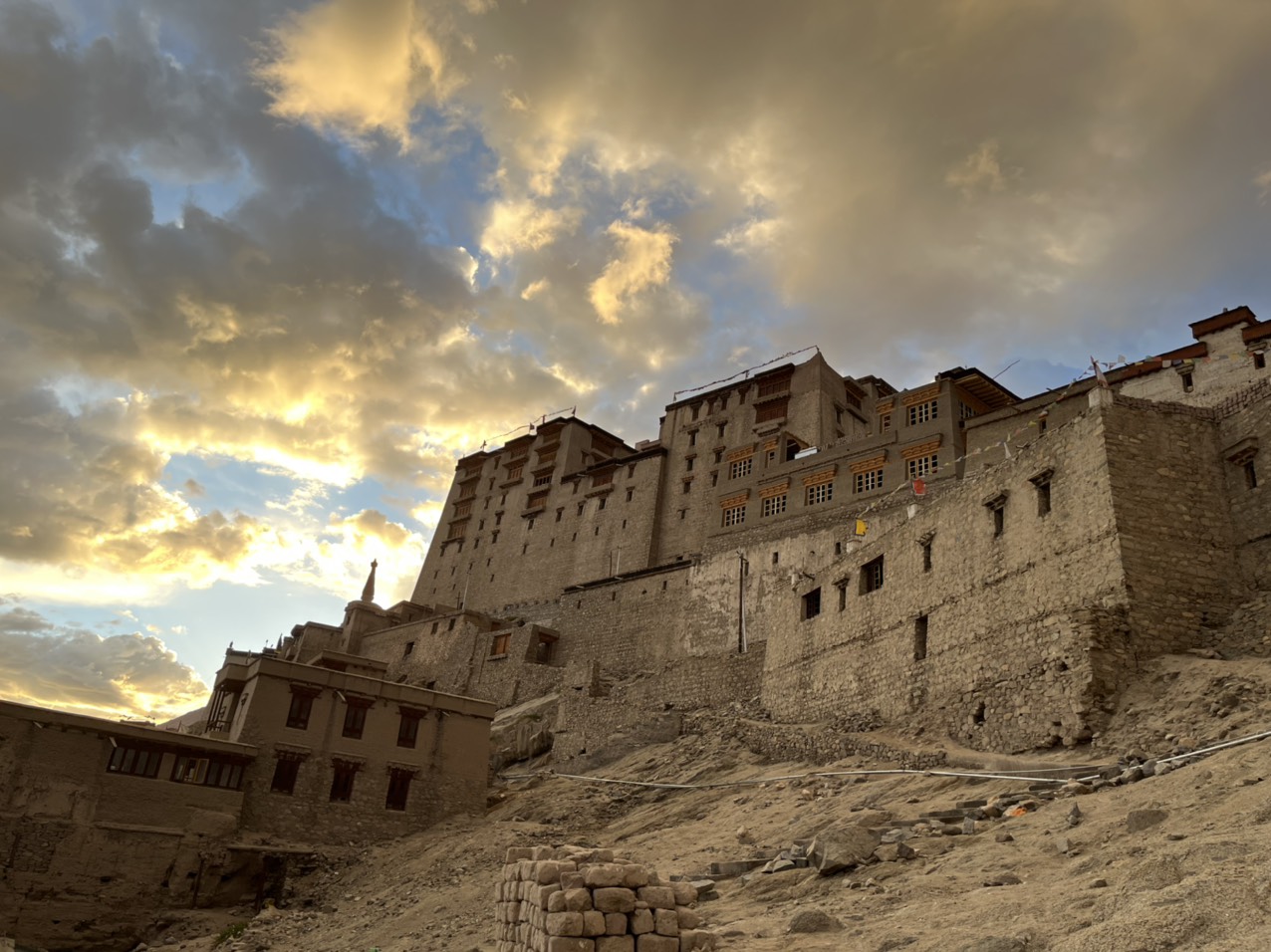
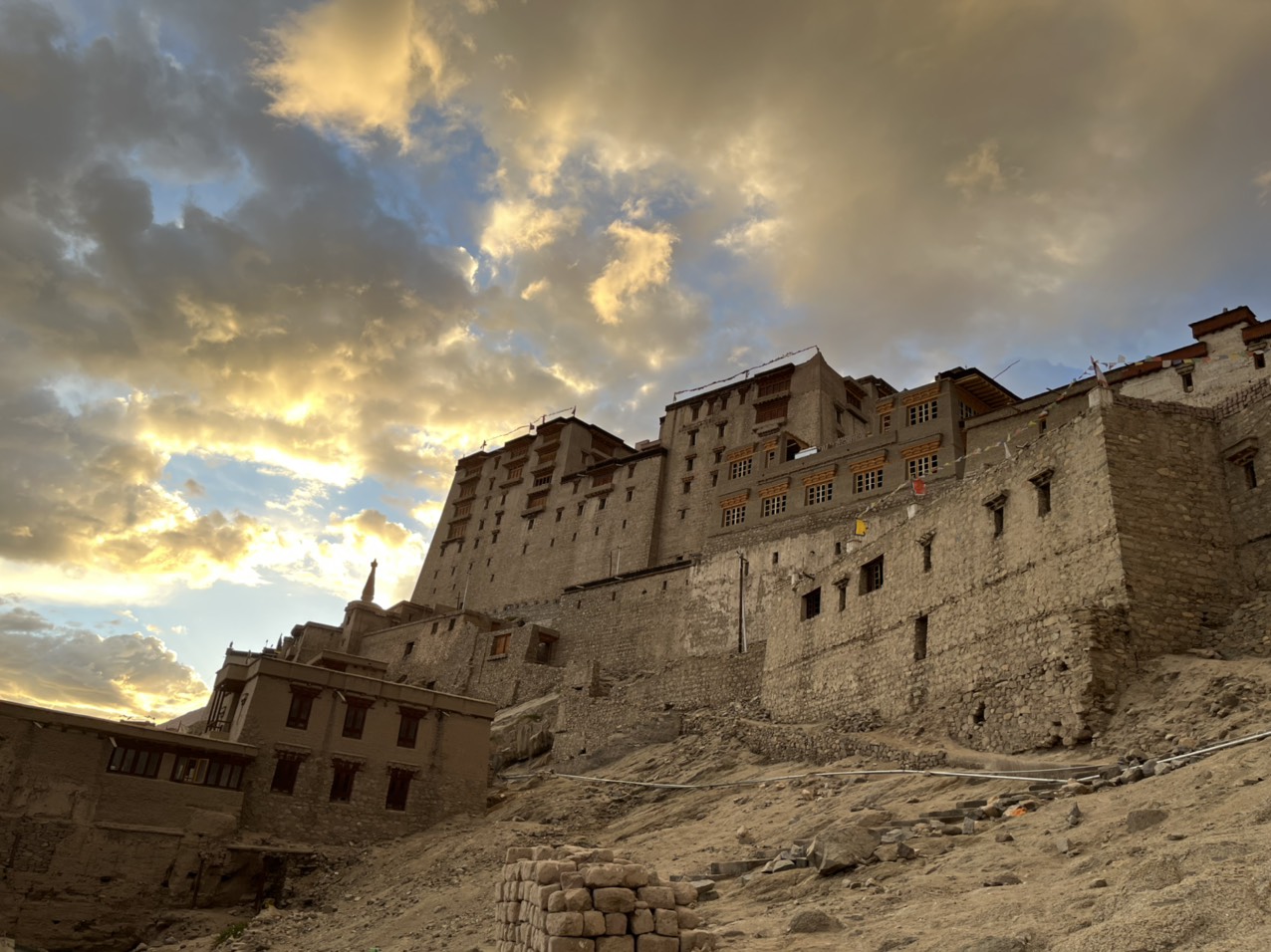
India is experiencing one of its harshest summers in 122 years. These are the three hottest months since 1901, with the national average temperature reaching 33.1°C. Temperatures in June are expected to continue rising, potentially exceeding 50°C in New Delhi and many other locations across the country. Tourists are also stunned and find it difficult to venture outside in such extreme weather.
Global warming is changing all schedules.
After spending time exploring the high mountains of Ladakh, India, travel blogger Nguyen Thuy Trang (27 years old) traveled to the capital New Delhi but was "shocked" to encounter temperatures exceeding 40 degrees Celsius. She then changed course and headed south to Mumbai, where the temperature was lower, around 35 degrees Celsius.
"During my three days here, I just stayed indoors, eating, working, and watching movies..." - Trang shared on her personal page. Whenever she went out, Trang tried her best to protect her health by taking measures such as wrapping a scarf around her neck and drinking plenty of water. With the spirit of a traveler, Trang still tried to complete her journey to other provinces of India.
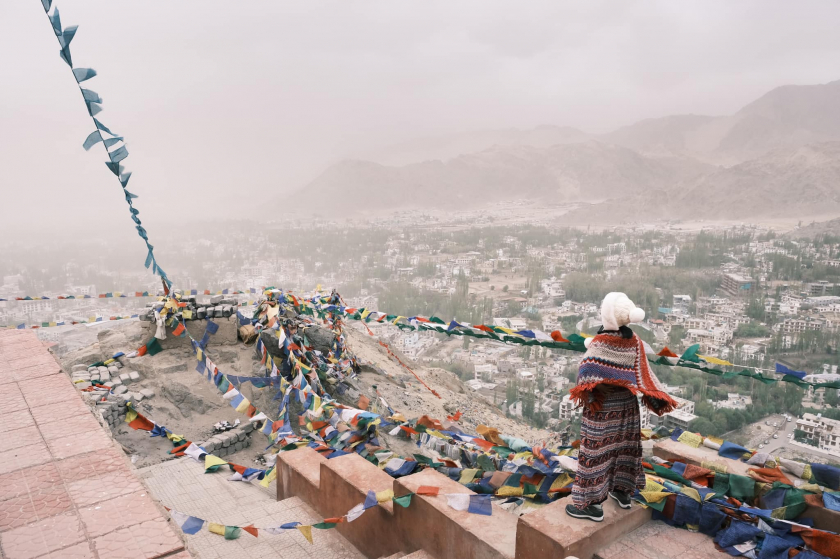
India has always attracted tourists with its diverse cultural beauty (Photo: Provided by the interviewee).
India has always been an attractive destination for many tourists due to its diverse culture and mystical spiritual atmosphere. However, with the current extreme weather conditions, which may persist in the future due to climate change, many tourists will hesitate to travel there.
Quach Thanh Thien (28 years old) is passionate about travel and agriculture. Thien chose May to visit Ladakh to learn more about the houses made of earth and stone and the unique farming culture there. In Ladakh, during the summer months of March, the snow and ice on the high mountain peaks melt, and water flows down the waterfalls, helping farmers have a bountiful harvest.
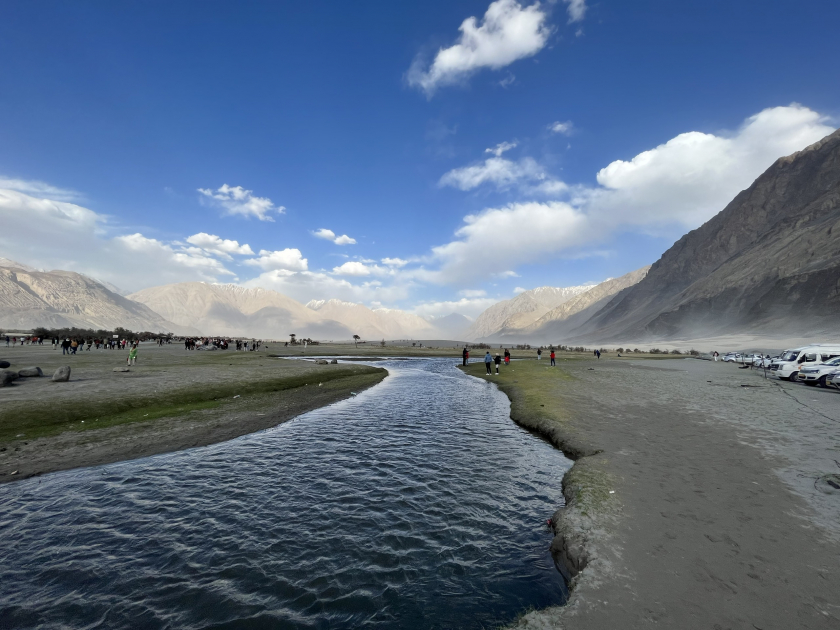
Small rivers formed from melting ice (Photo: Provided by the subject)

Because record-breaking temperatures caused the ice and snow to melt prematurely, farmers gradually changed their farming practices. They had to use groundwater and other common water storage methods for cultivation. Perhaps in the future, the model of summer farming that relies on melting ice will gradually disappear as the Earth warms.
After finishing his trip in Ladakh, Thien took a flight to New Delhi. From the plane, the Indian capital was bathed in a refreshing green hue, but beneath the surface, the dry heat and lack of wind reached 45 degrees Celsius in late May.
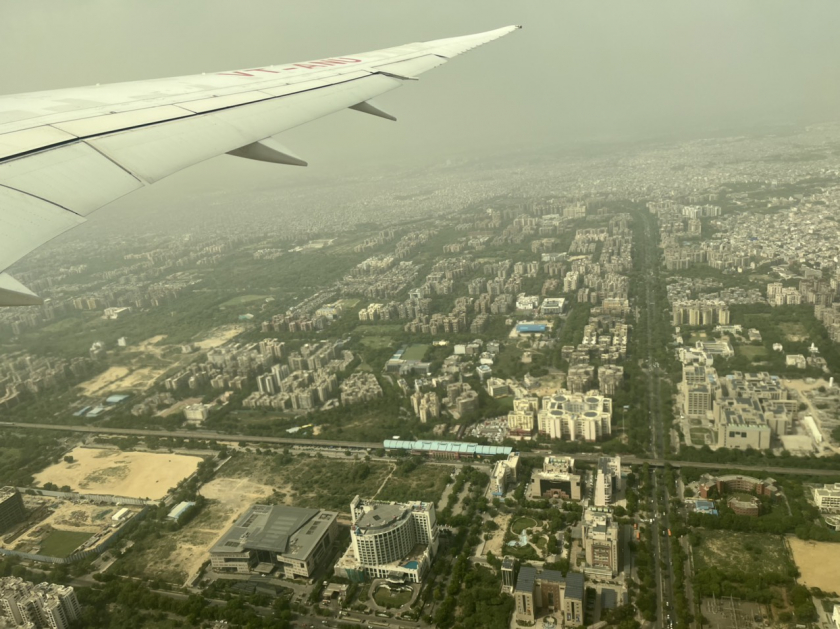
The capital city of New Delhi seen from above (Photo: Provided by the interviewee)
Thien shared: “It’s very hot in Delhi. I always have to stay in the air conditioning even though I love being close to nature. Going outside easily causes headaches due to heat shock, and I have to drink cold water constantly. When waiting for an Uber to pick me up, I also lose patience and have to run to buy ice cream in a shop to enjoy the air conditioning.”
During the trip, Thien said he suffered from diarrhea due to eating too much cold food and heatstroke. He also didn't go out much in the evenings because of the persistent, stifling heat. Thien had been to India twice in winter, and this was his first time in New Delhi in summer. He's certain that if the weather continues to be this hot, he won't choose India as his destination next summer.
Climate change is gradually transforming the tourism industry.
South Asia is accustomed to extreme weather, but this heatwave has arrived unusually early, quickly, and intensely, and is not expected to subside until the end of June. Experts attribute this to climate change.
Compared to May 2021, New Delhi had a highest temperature of 42°C and only 14 days above 40°C. However, in May 2022, the highest temperature reached 46°C and there were 22 days above 40°C that month. In June, India will likely continue to experience record-breaking temperatures. Visitors may consider higher-altitude regions like Ladakh instead of cities with high average temperatures.

Earthen houses help to keep the area cool in Ladakh (Photo: Provided by the interviewee)
Climate change is having and will continue to have a significant impact on global tourism in general and Vietnam in particular. Rising sea levels will affect the lives of residents and reduce the attractiveness of seaside resorts. Increased average temperatures will diminish the appeal of tourism in mountainous regions.
The above factors will negatively impact the number of tourists annually, especially during the summer. Perhaps in the future, the idea of tourists relaxing on the beach will only be a dream when outdoor temperatures reach over 40 degrees Celsius.
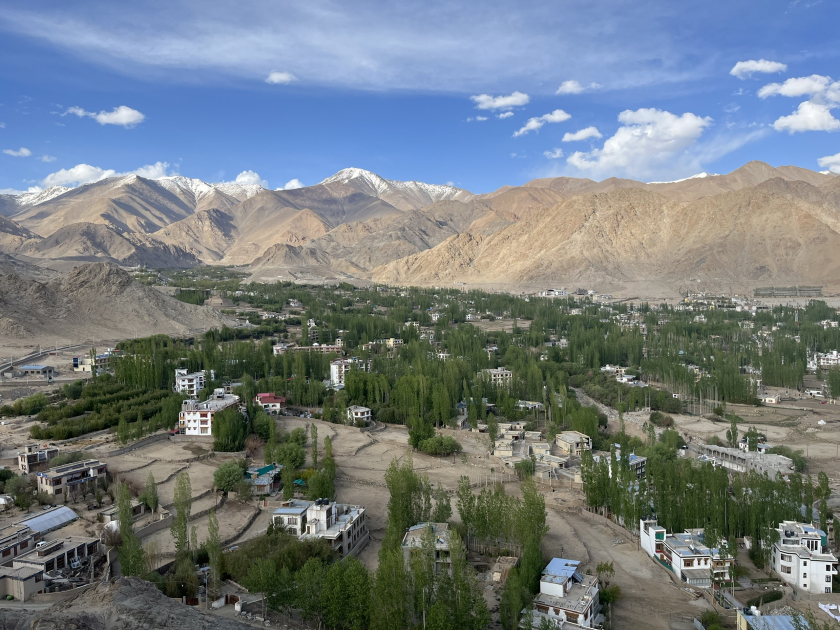
A view of the central village in Ladakh (Photo: Provided by the subject)
During her 30-day trip to India, Trang was amazed by the majestic natural scenery when she visited Pangong Lake in the Ladakh region, a crossroads of South Asian countries full of mystical colors. Here, Trang was also impressed by the sign that read "Think Clean."
But perhaps it's time we put up more "Think Different" signs at tourist attractions – protecting the environment through the smallest actions so that tourism and nature can endure.