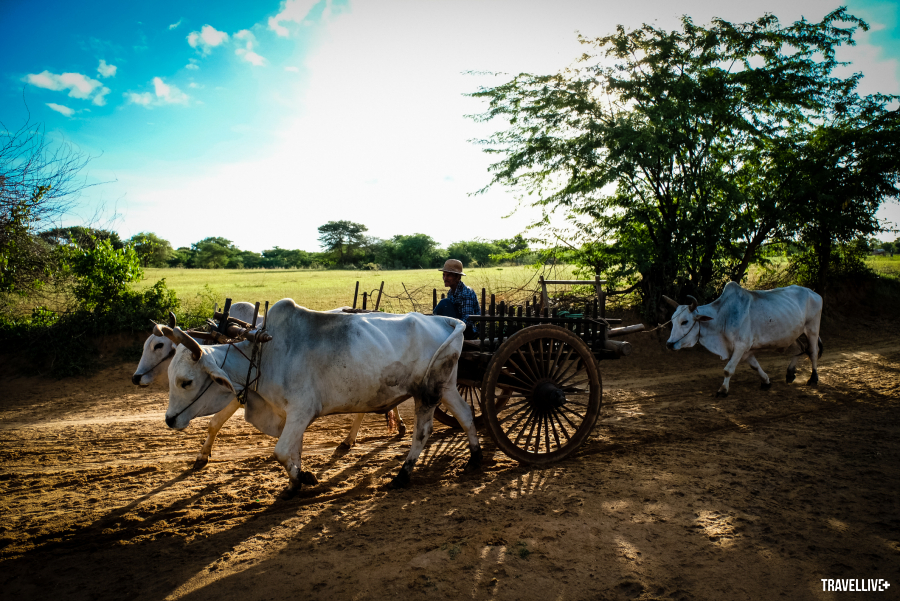
Bagan has no winter; people come here to chase the sunrise and sunset. As far as the eye can see, moss-covered temples stretch as far as the eye can see, old horse-drawn carriages kick up clouds of dust, and the sound of ox carts breaks the stillness of the space...
Impressions of the ancient capital
Mentioning Bagan brings to mind the most precious and brilliant ancient treasures on the Myanmar tourism map. After 25 years of effort to be nominated, in July 2019, UNESCO officially recognized Bagan as a World Cultural Heritage site.
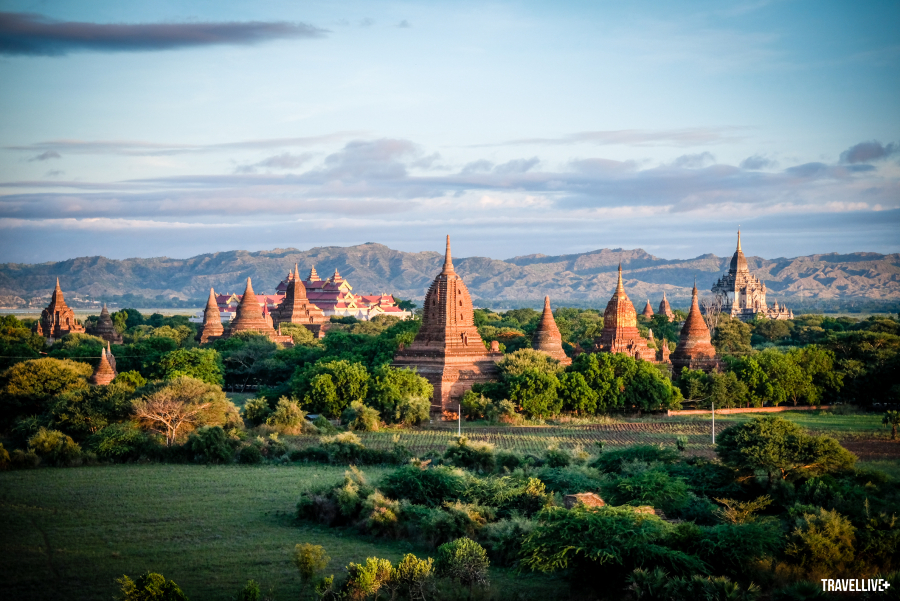
With an area of over 40 km²2Located on the eastern bank of the Ayeyarwady River, Bagan was once the ancient capital of the Pagan dynasty from the 9th to the 13th centuries. Thousands of pagodas and stupas remain today, bearing witness to a time when Buddhism flourished in this land. Through countless historical upheavals, time has shrouded Bagan in dust and smoke, sweeping away the glory of its millennia-old past, leaving only the dazzling sunlight on the old brickwork. I came to Bagan like that, during hot air balloon season, to gaze at the vast horizons of this beautiful yet melancholic and slow-paced land.
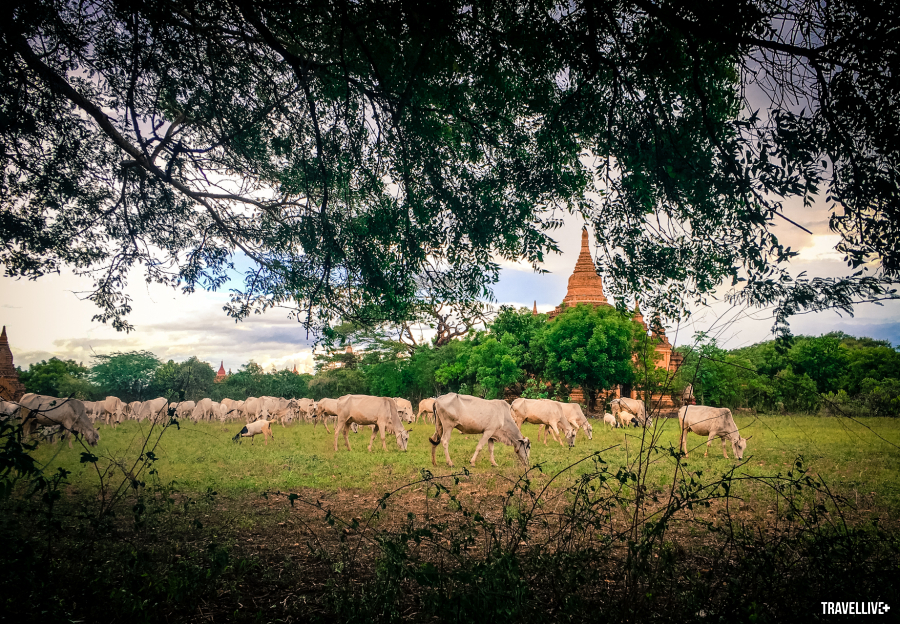
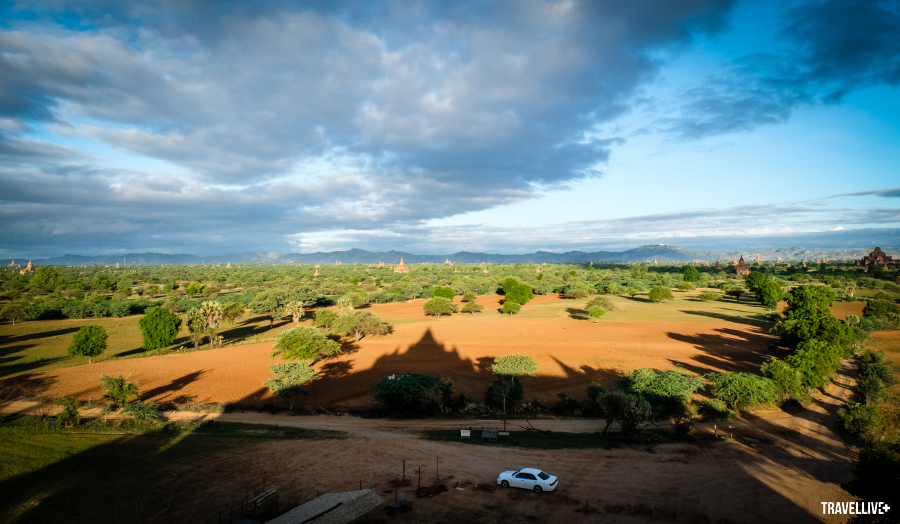
Bagan has no winter; people come to chase the sunlight at sunrise and sunset. As far as the eye can see, moss-covered temples stretch as far as the eye can see, old horse-drawn carriages kick up clouds of dust, and the sound of ox carts breaks the stillness of the space. Visitors slow down to more deeply enjoy the peaceful, simple beauty of this majestic imperial city.
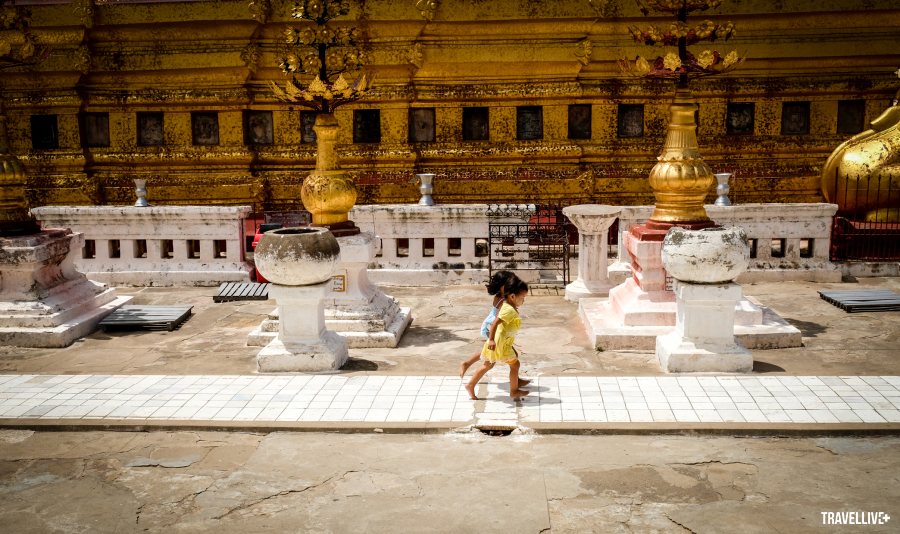
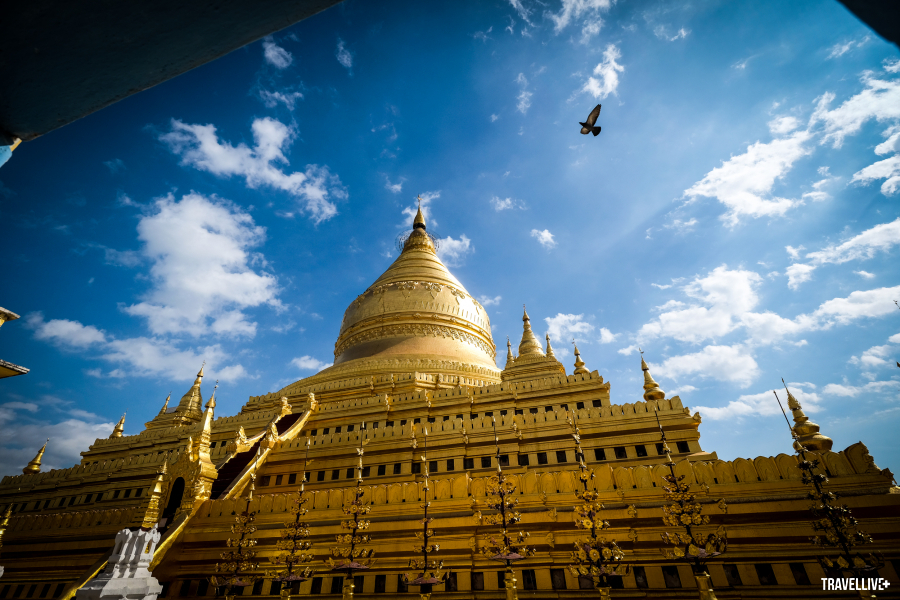
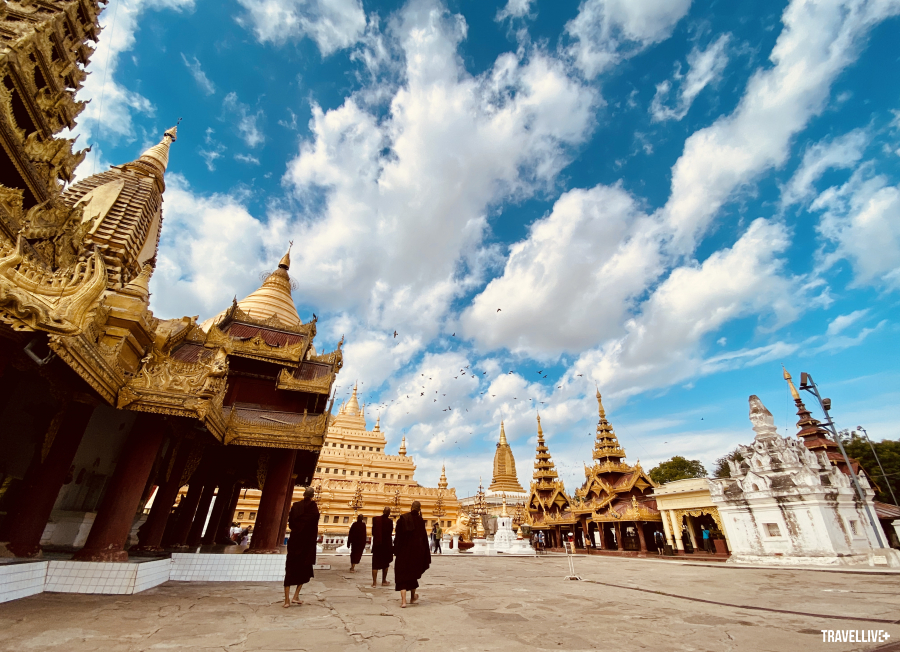
The golden land of Bagan is famous for its many ancient temples and numerous "must-visit" shrines. First is the Shwezigon Pagoda – which in Myanmar means "pagoda on the sand dunes" – a story dating back to the 11th century. Legend says that King Anawrahta used a white elephant, adorned with relics of the Buddha, and declared that wherever the elephant rested, a pagoda would be built. The elephant eventually stopped on a sand dune – and Shwezigon was built right there.
With its sacred significance as the repository of relics of the Buddha, Shwezigon Pagoda has been preserved, restored, and renovated by the local people for over 1,000 years. The most striking feature of the pagoda's architecture is the gilded stupa in the center, which shines brilliantly and magically in the sunlight. This is also the model for many large pagodas in Myanmar that were later built.
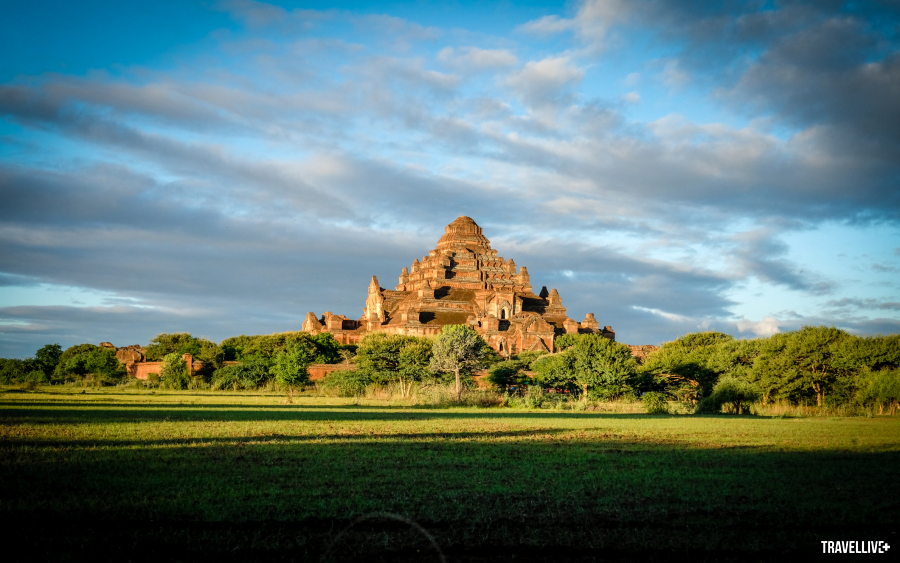
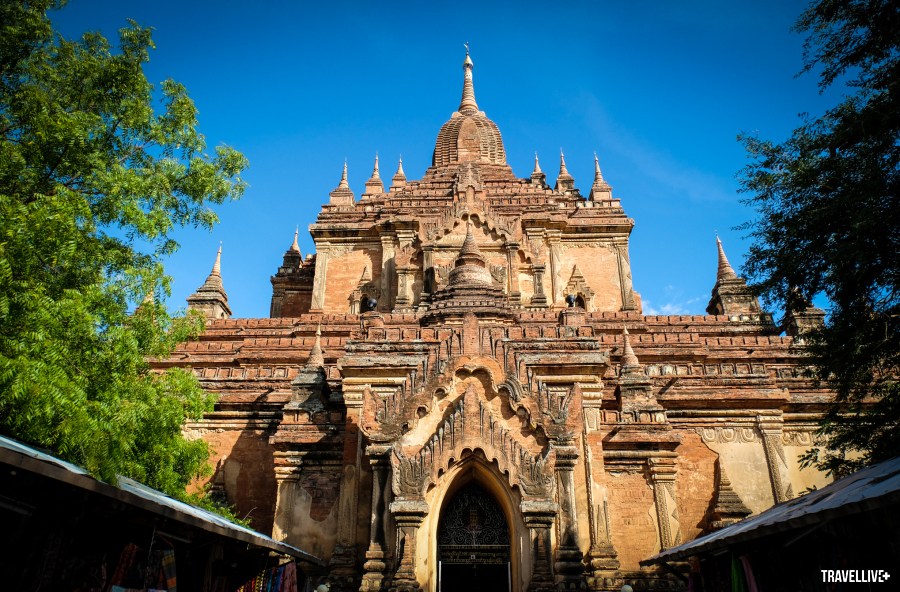
Next on the list is Dhammayangyi – the largest of all the temples in Bagan, situated amidst a vast field of distinctive red bricks, standing majestically as if to overshadow all the surrounding temples. Dhammayangyi is special not only for its almost unique pyramid shape in Bagan, but legend also says that the temple is still unfinished despite having used 6 million bricks. However, this does not diminish its appeal, as its grandeur and mystique only grow thicker with time.
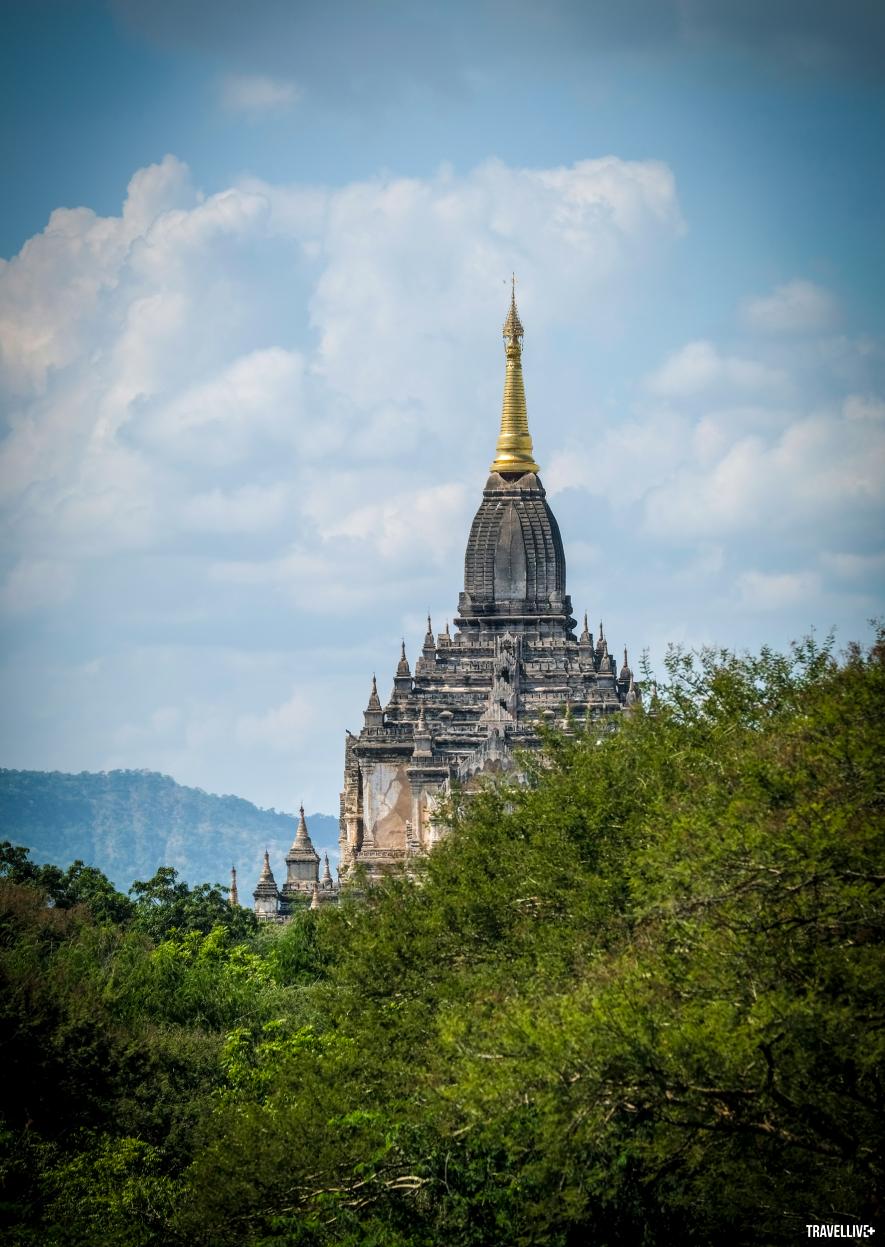
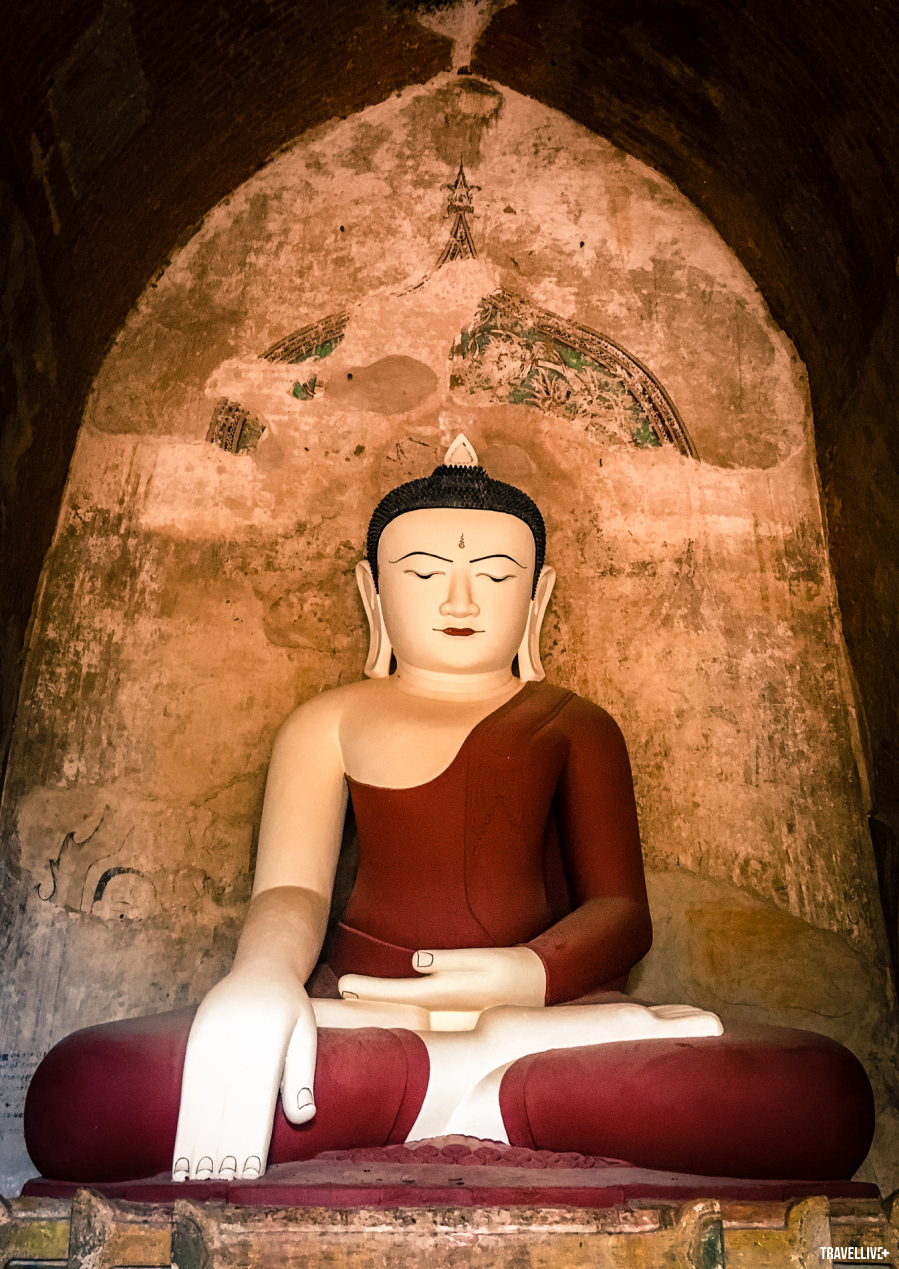
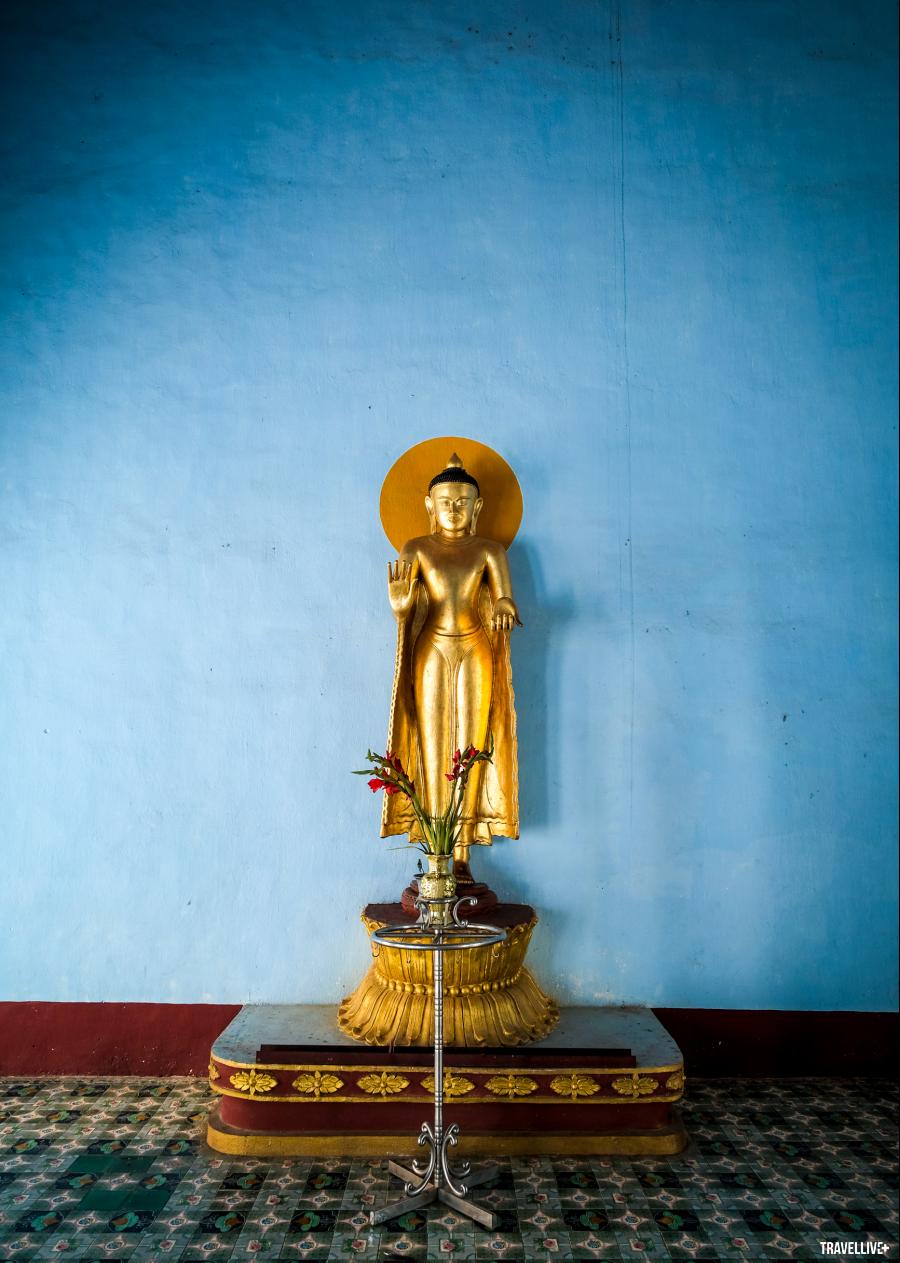
Not far from Dhammayangyi, one can see the tallest temple in Bagan – Thatbyinnyu – built by King Alaung Sithu in 1144, with architecture resembling a Renaissance Christian monastery more than a Buddhist temple. The exterior of Thatbyinnyu is completely whitewashed, making it the most noticeable feature of the Bagan complex. Inside, besides the artistic murals, the statues are all gilded with glittering gold, contributing to the temple's reputation, which in ancient Myanmar means "Place of the Omniscient One".
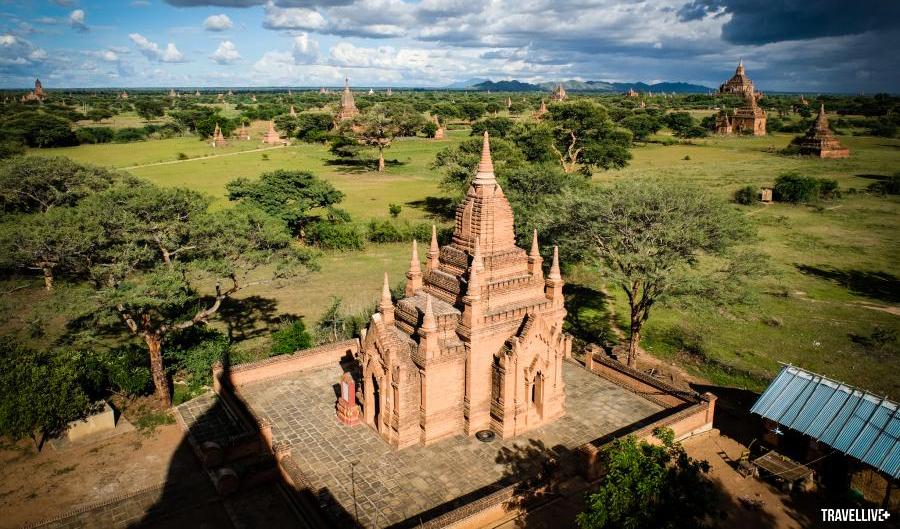
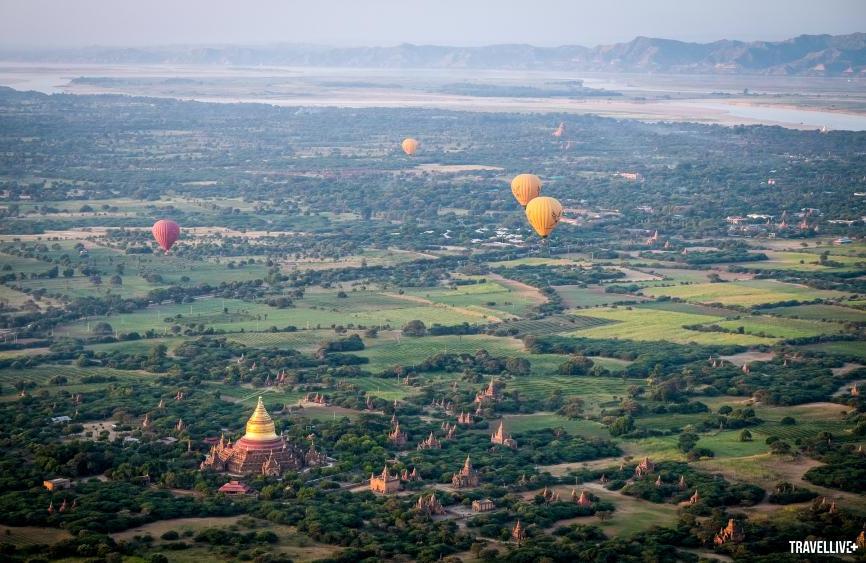
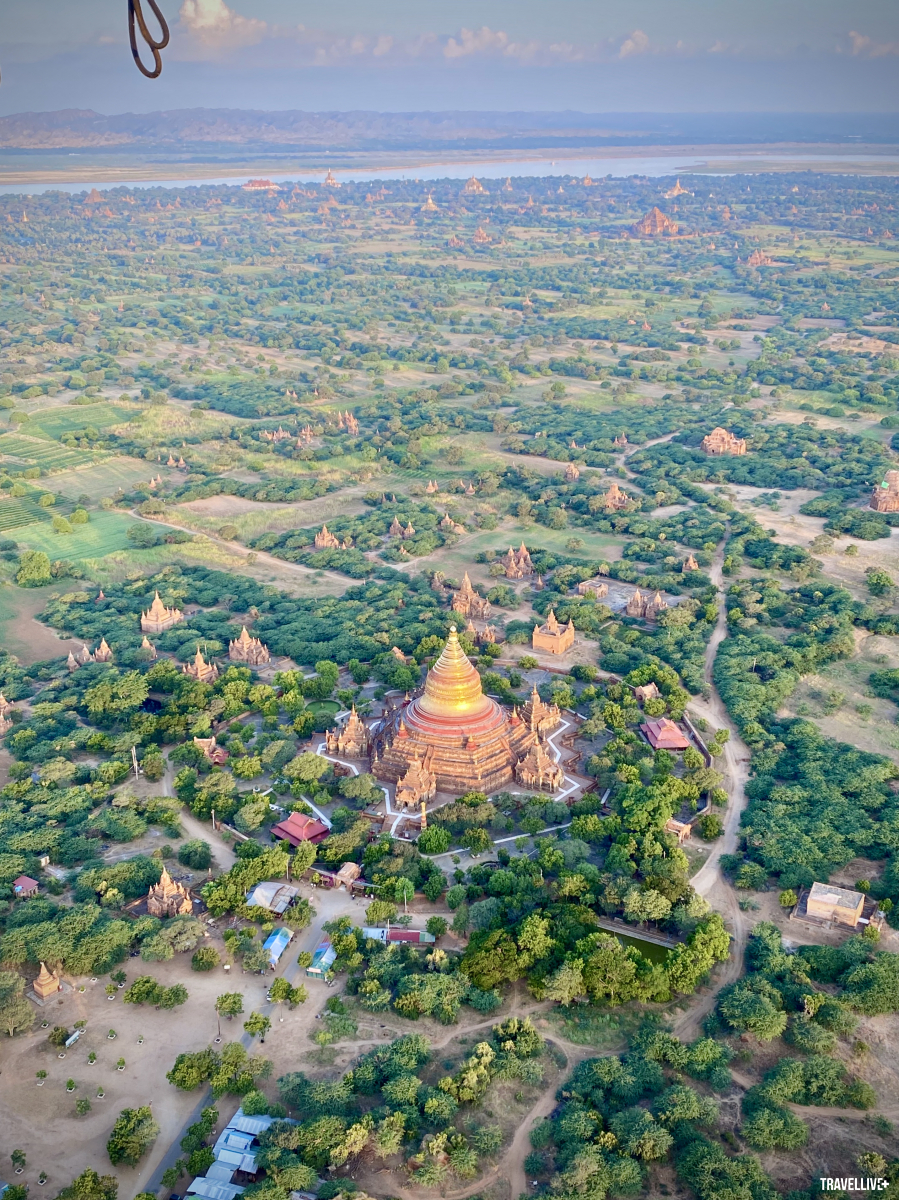
Traveling throughout Bagan, one will encounter the Ananda Temple – the most perfectly symmetrical in terms of architecture; the Gawdawpalin Temple, the second tallest in Bagan, built in the 11th century; the Sulamani Temple, with its striking red bricks reflecting the sunlight in both morning and evening; and the Shwesandaw Temple, renowned as the best sunset viewing spot in Bagan, with its stepped architecture for visitors to climb to the top. Nestled amidst lush greenery and bathed in golden sunlight, the more than 2,000 temples and pagodas of Bagan spread across the plain, lulling visitors into a golden, pristine realm of memories.
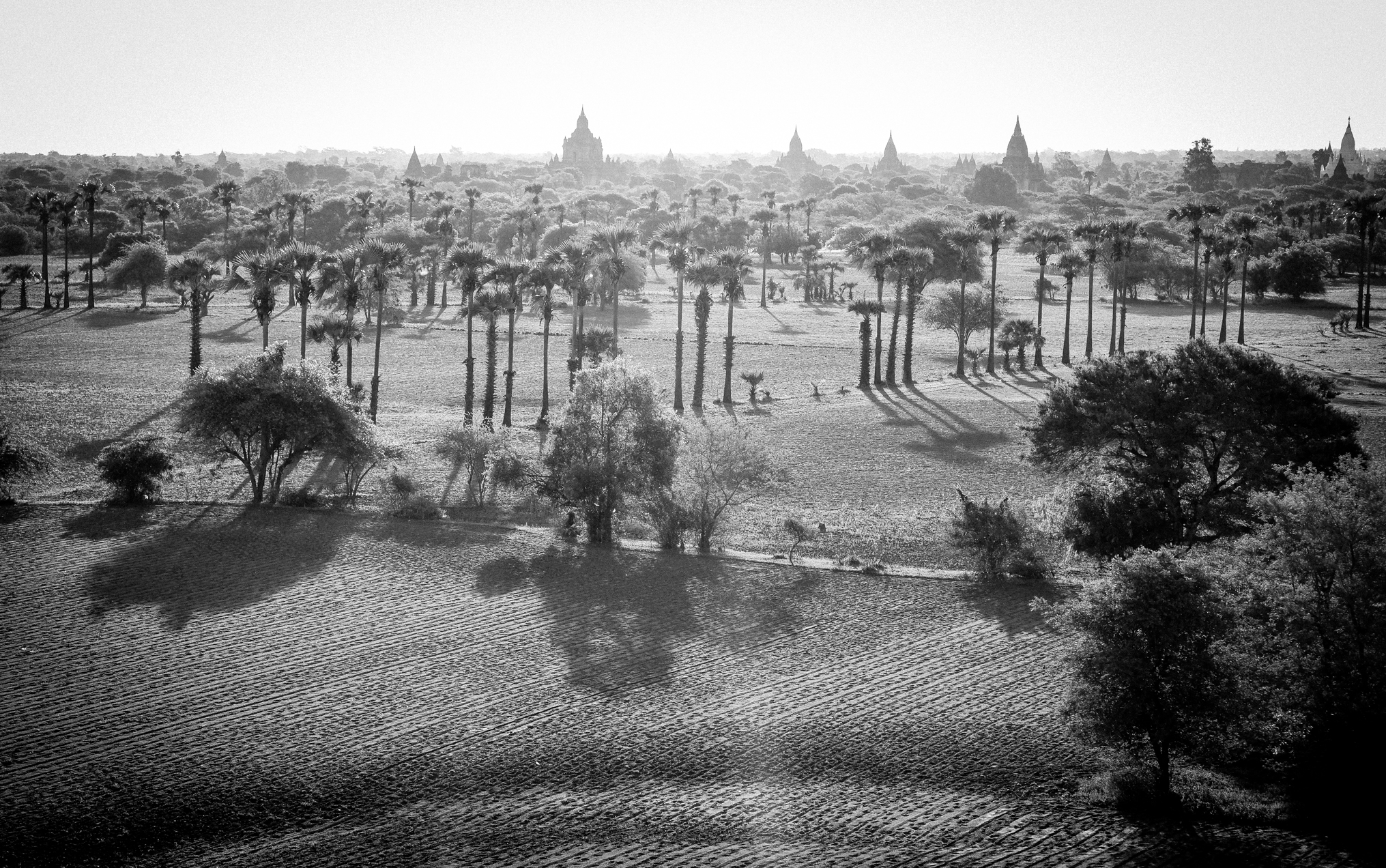
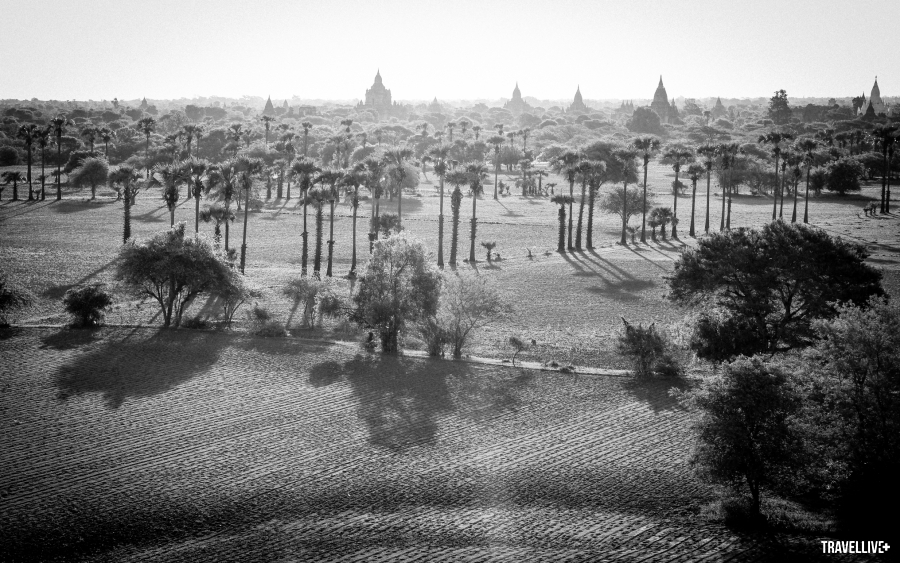
Bagan viewed from above.
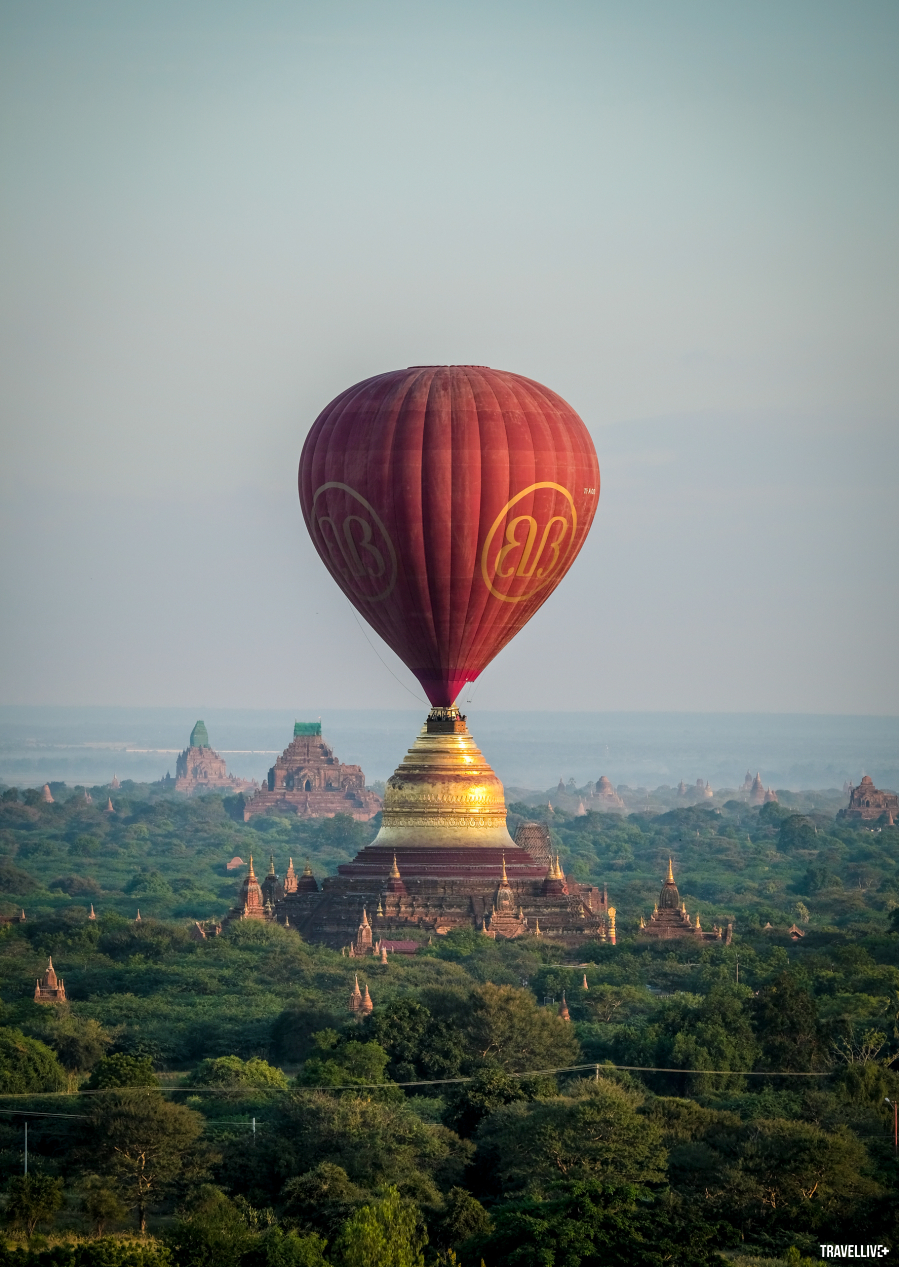
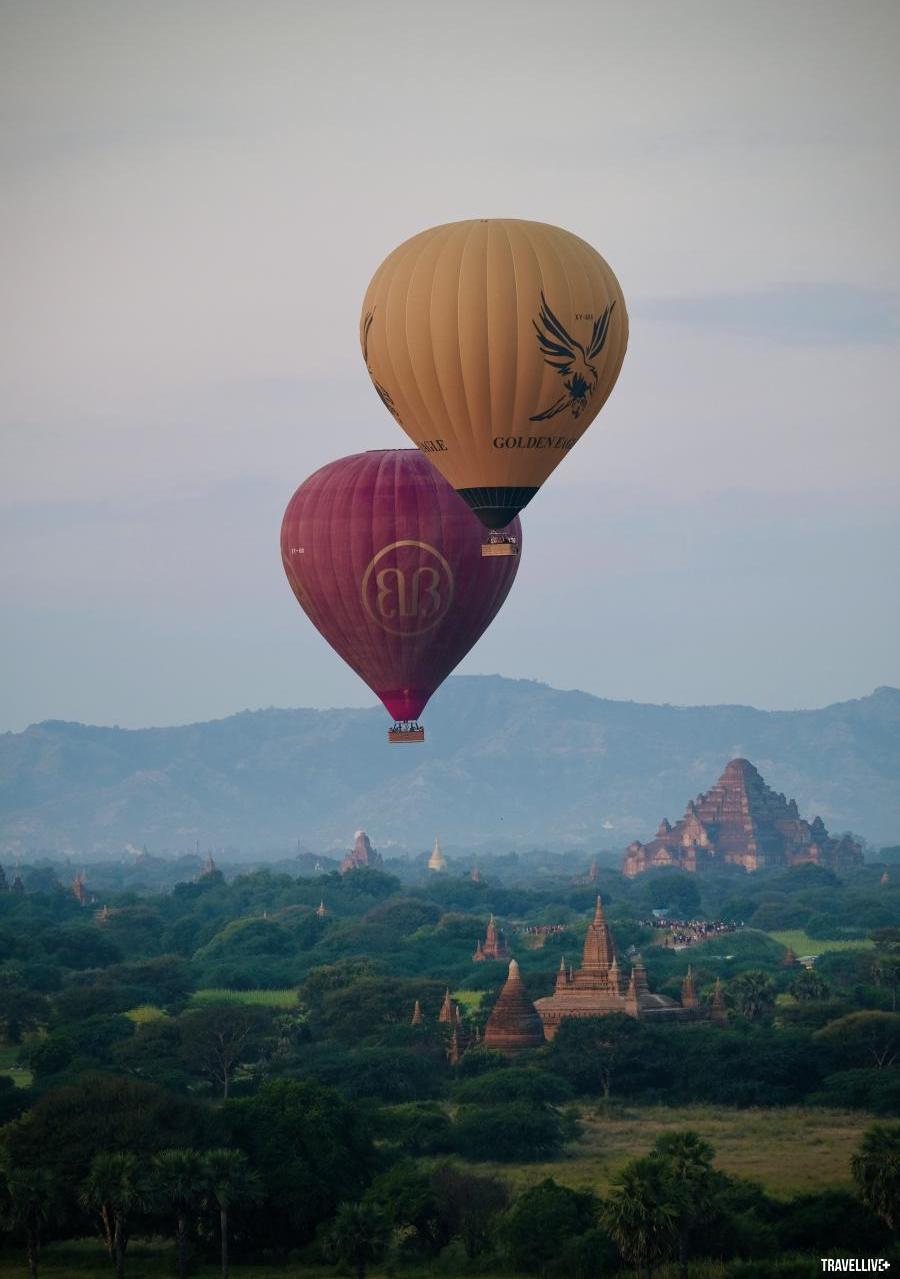
Visitors are not only moved and captivated by Bagan during their visits to the pagodas and temples, walking barefoot on the stone pavements and touching the millennia-old memories preserved to this day, but also by the vast and peaceful expanse that stretches before their eyes when they fly over this land of Buddhism. Hot air balloons slowly rising from the ground, drifting gently with the wind in the early morning sunlight, have long become an iconic image whenever Bagan is mentioned, and Myanmar in general.
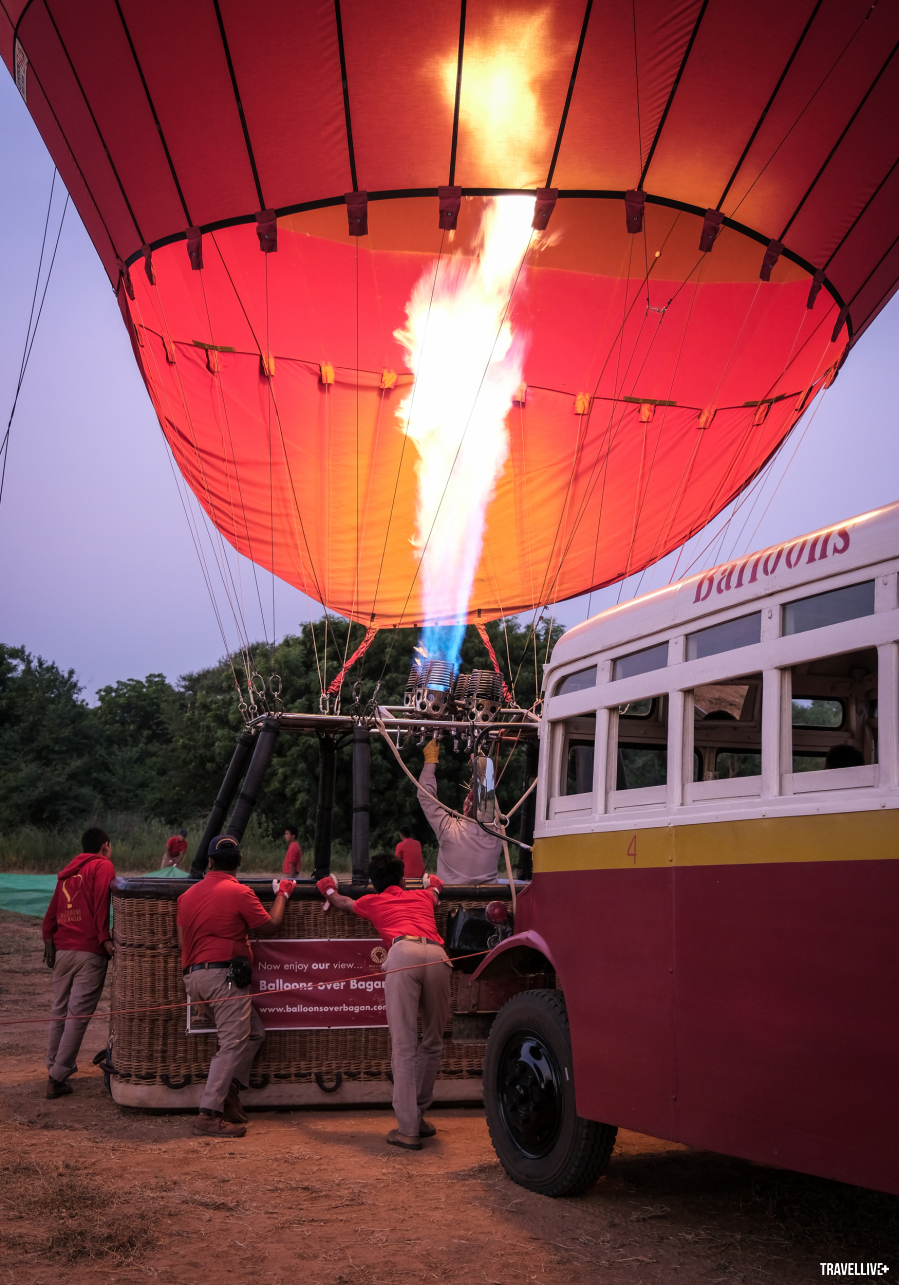
The annual hot air balloon season lasts six months, from the beginning of October to the end of April the following year. Each morning's hot air balloon ride begins at 5:00 AM. Companies organize tours to pick up tourists from their hotels, gather them in an open area, and explain the rules to follow. The balloons take off and fly over Bagan to watch the sunrise for about 45 minutes before landing at the gathering point. Tourists raise their glasses of wine to greet the new day and congratulate themselves on having had an unforgettable experience!
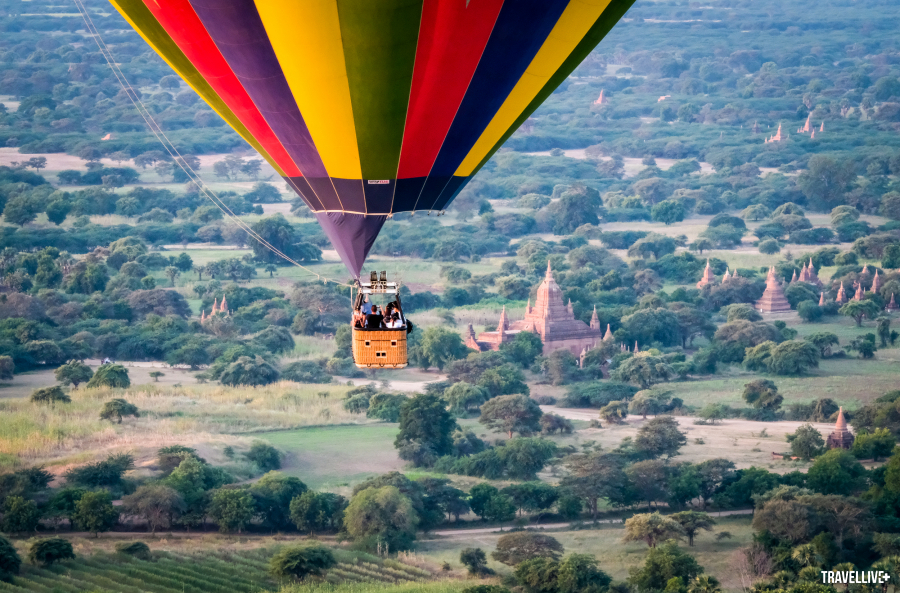
Our morning flight unfolded like this with Captain Galvin – the "conductor" responsible for controlling the group's balloon. With the help of the ground crew, after we were safely seated in the basket and followed safety procedures, Captain Galvin slowly released the anchor and fired all four gas guns into the balloon, causing it to lift off and then steadily ascend. According to Bagan tourism regulations, hot air balloons are not allowed to fly directly over the temple roofs. Therefore, the pilots must fly with great skill and precision, while also giving a brief introduction to tourists whenever they fly over famous temple complexes.
"I don't remember how many seasons I've flown, how many temples and pagodas I've passed, how many sunrises I've witnessed; but I remember the exhilarating feeling of riding the first breeze of the day and, from above, greeting the peaceful, fairytale-like dawn of Bagan!" - Captain Galvin shared as he guided us to catch up with the legendary sunrise.
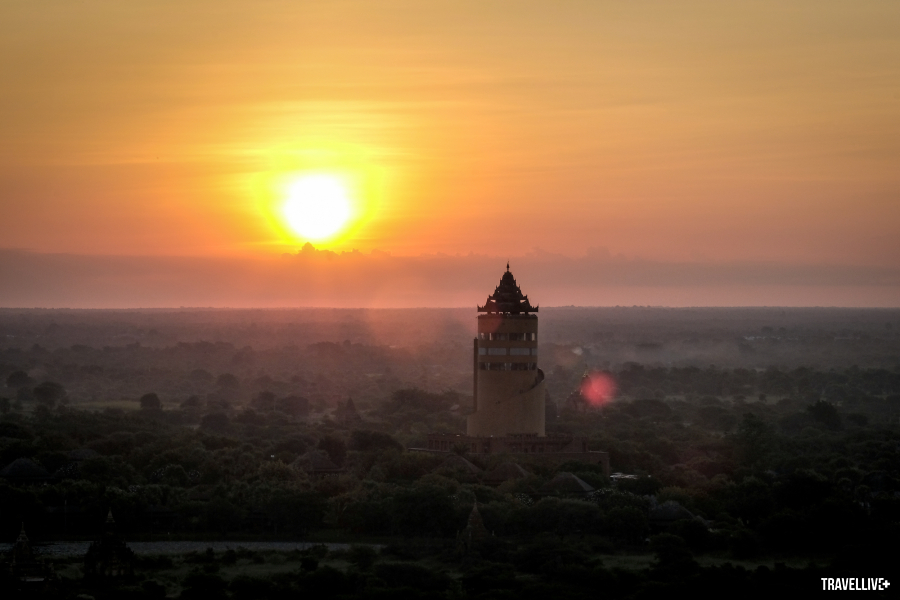
From above, thousands of temples appear small and beautiful like miniature models, the deep orange sunlight gradually fading from the horizon, piercing through the morning mist, creating a truly magical and spectacular sight in Bagan.
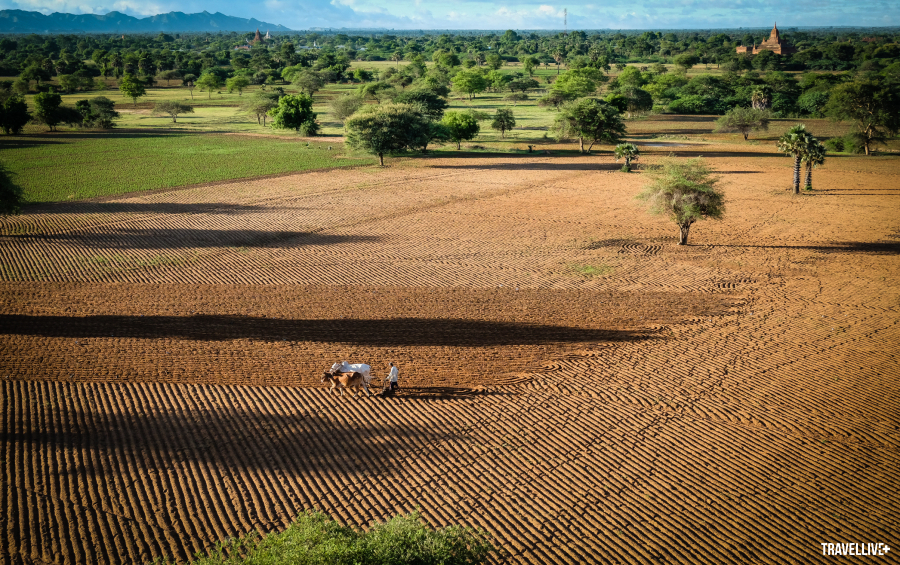
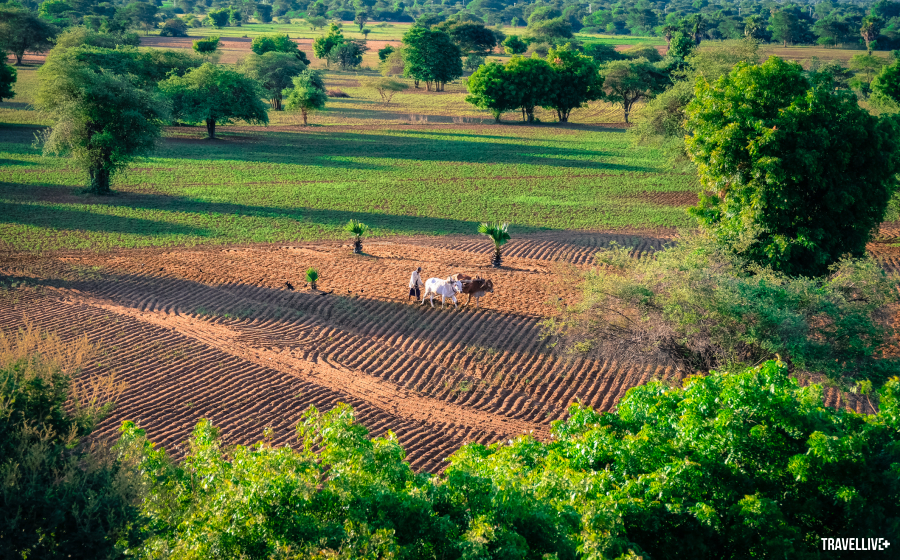
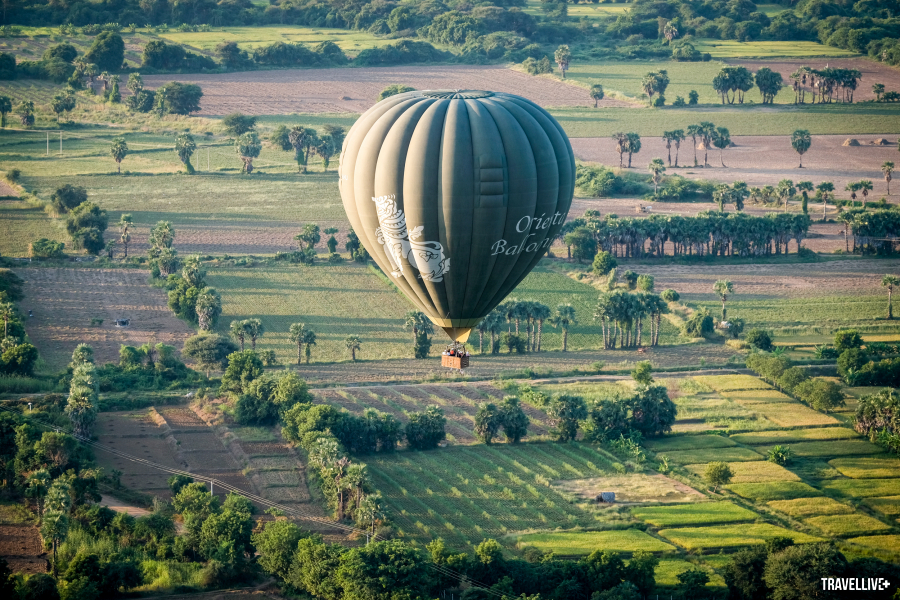
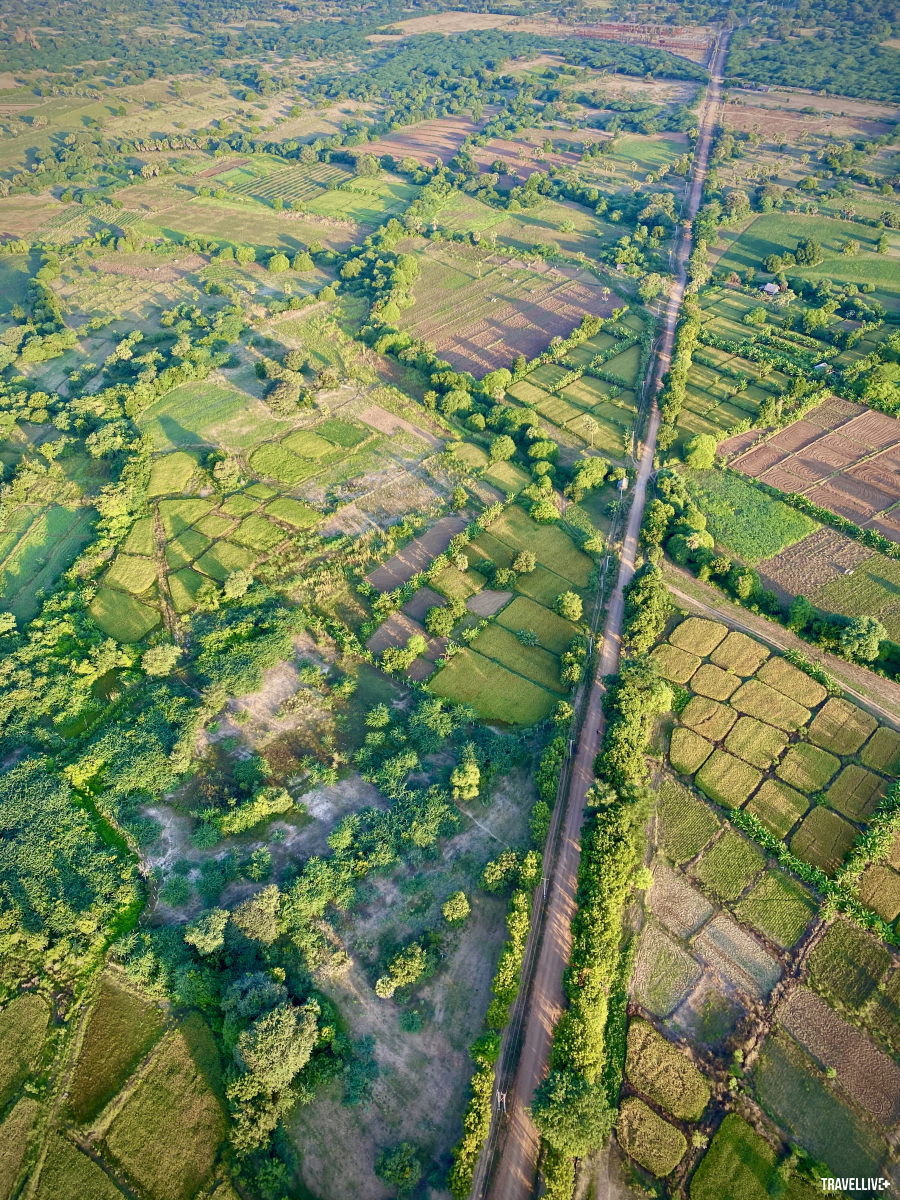
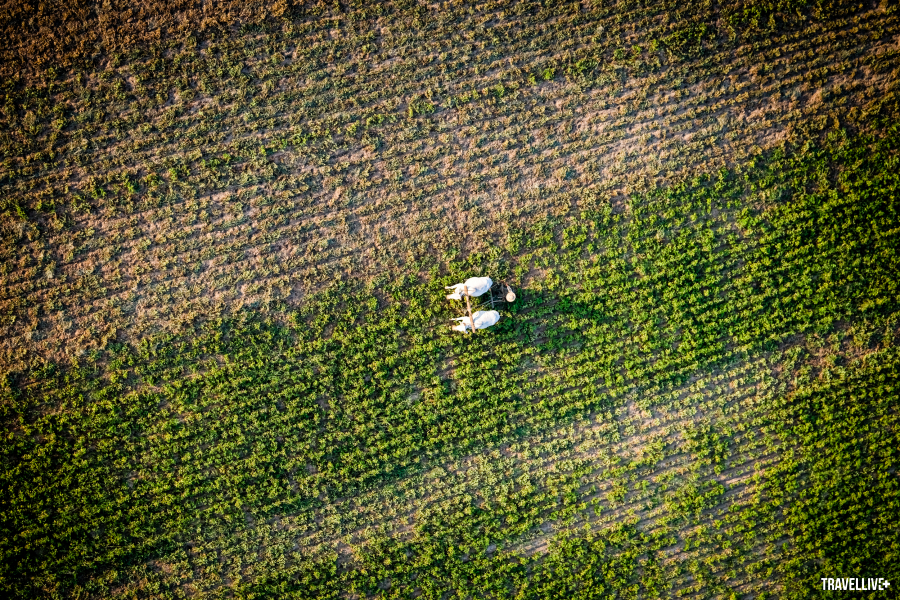
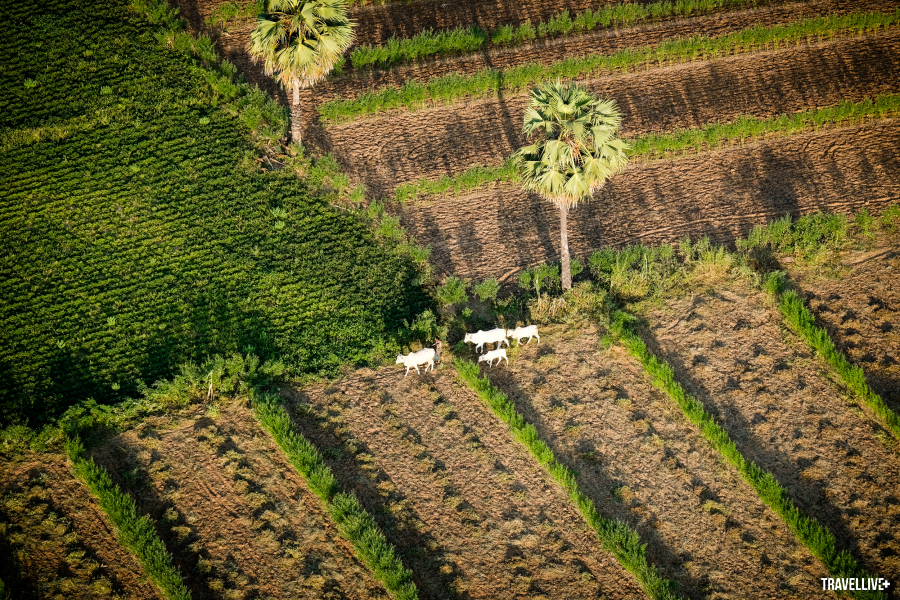
Galvin deliberately extinguished the fire so our hot air balloon could drift lower. This allowed us to witness local people working in the fields, admiring the lush green farms and neatly furrowed plows. It all painted a peaceful, dreamy, and nostalgic picture.
In those exhilarating moments, besides gazing and taking photos, we waved to other groups in neighboring hot air balloons and tourists standing on the hilltops, also watching the glorious sunrise. Even after landing, everyone was still feeling euphoric. Hot air ballooning in Bagan can be considered the most amazing and unique experience for those who love expansive views in tranquil serenity, because up here, the wind is incredibly gentle!
Additional information
Visa:Being a member of ASEAN, Myanmar has waived visa requirements for Vietnamese tourists, allowing entry for up to 14 days.
Trip:Direct flights from Hanoi/Ho Chi Minh City to Yangon cost around 3 million VND round trip, with convenient flight times as they always depart in the afternoon and land around 6 PM.
Means of transportation:The most optimal and economical way to travel from Yangon to Bagan is by overnight bus. You will arrive in Bagan around 6 AM after a 9-hour journey. It's recommended to choose reputable bus companies like JJ Express or Khaing Mandalay, which offer high-quality, air-conditioned VIP sleeper buses with spacious seats, warm blankets, snacks, drinks, Wi-Fi, mini screens, and convenient charging ports for passengers. Tickets can be purchased online for approximately 12-15 USD per way.
In Bagan, you can rent an electric bicycle or ride a horse-drawn carriage to explore the area at a leisurely pace; or you can hire a car with a driver who also acts as a tour guide to take you around Bagan for no more than $40 per day.
Accommodation:Bagan is divided into three areas: Old Bagan, New Bagan, and the town of Nyaung-U. Each area has many convenient hotels and guesthouses, but Old Bagan has the highest room rates, while Nyaung-U offers more affordable options. The peak tourist season in Bagan falls in the last months of the year, so you should book your accommodation at least a month in advance to ensure you have suitable options.
Cuisine:Myanmar food is delicious and inexpensive, costing around $3-5 USD per meal per person. Some small restaurants inside the temples in Bagan even specialize in vegetarian food. Don't forget to try Myanmar milk tea.
Money:The Kyat is the currency of Myanmar; 1 Kyat is worth approximately 16 Vietnamese Dong.
Other notes:
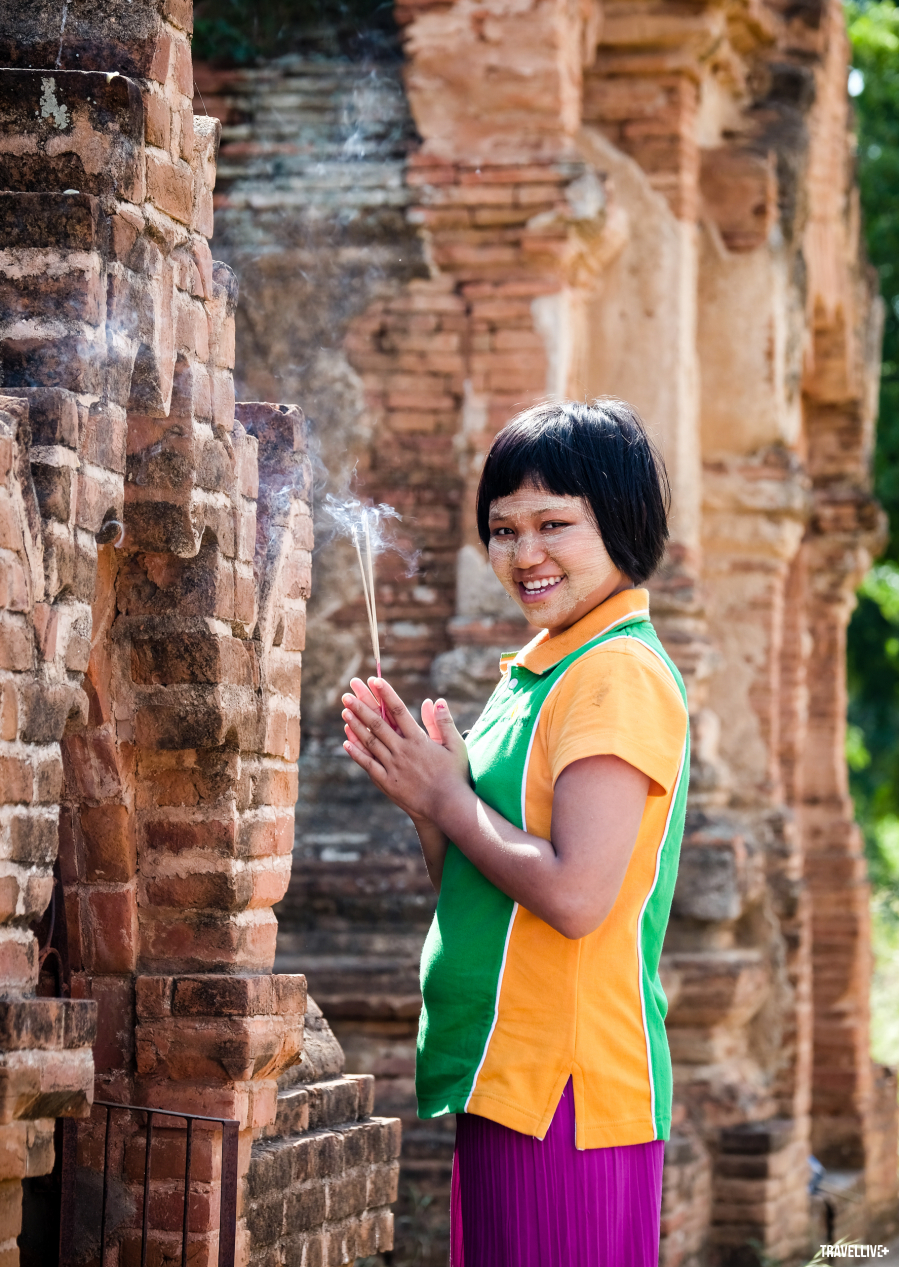
- Visitors will be asked to dress modestly, remove their shoes, and go barefoot when entering temples and pagodas.
If you don't go for a hot air balloon ride, visit the 12-story Nan Myint Viewing Tower for a panoramic view of Bagan. The ticket costs $5 USD per person and allows two entries, one at sunrise and one at sunset.

 VI
VI