VI
VI


Last month, Ha Giang was cold. My friend and I took a bus from Hanoi to the city center, arriving at 5 a.m. Walking through the fog and dim yellow streetlights, the cold of Ha Giang seeped into our thick coats. I took deep breaths of the morning mist, satisfying my longing for the mountains and passes that I'd experienced for months. And so, the two of us – each with a backpack – walked along the hazy road to our guesthouse to rest and rent a motorbike.
The weather this season is mostly foggy with little sunshine. After finishing our bowl of bun cha (grilled pork with vermicelli), we began our 160 km journey to Lo Lo village - Lung Cu.
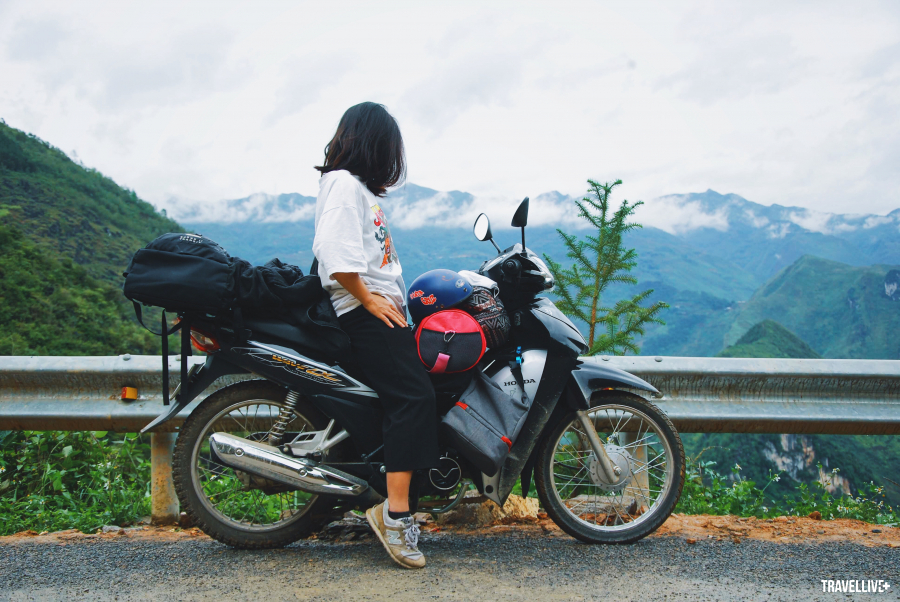
Ha Giang is so strange; every time I go there, it feels different. The mountains are different, the clouds are different, even the faint scent in the air is different. Sometimes, the mountains seem so close, the clouds descend right to my head. Other times, the mountains seem endlessly far away, the clouds high and silvery, and I don't smell the damp mist, only the dry, crisp air of the sun hitting my nose, invigorating me. This time, it's foggy. It's 10 o'clock, it's still raining, and Quan Ba remains still under its opaque white blanket.
This time in Ha Giang, we decided not to visit any paid tourist attractions. No Pao's house, no Vuong family mansion, no climbing the Lung Cu flagpole, no stopping along the way to take photos and give a few tens of thousands of dong to some kids.
Of course, I understand that when visiting a place, paying for a visit is a way to contribute a little something to that place. But this time, let chance be the answer of nature, of enjoyment.
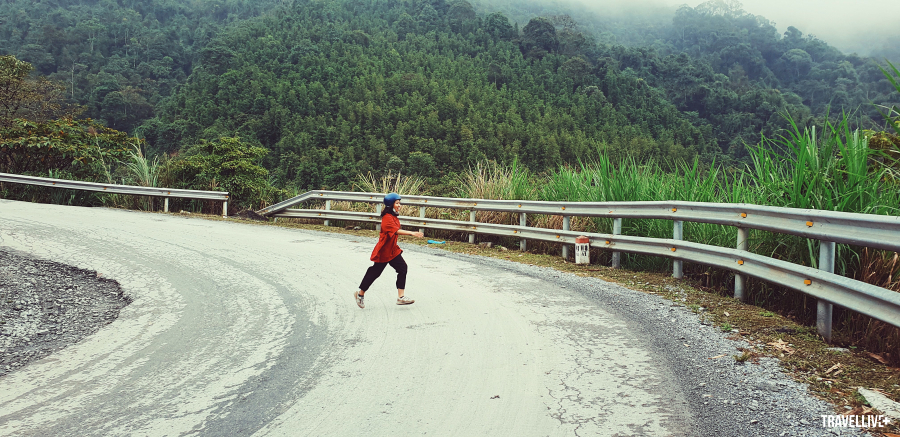
The road near Yen Minh pine forest
And, these are the places we've been to...
The forest stretches endlessly, while the Nho Que River is as thin as a thread.
In Ha Giang, everything is green. The sky is green, the mountains are green, the forests are green, even the river is a vibrant green. I like to stand in less crowded areas, where there are small mounds of earth beside the paved road, watching the streams of cars descending the mountain pass below. Occasionally, a few people drive by, waving as if they've known each other for a long time. Down below, the Nho Que River still swirls, as thin as a thread, a thread that binds people to Ha Giang, so that those who come once will return again, and those who leave will fondly remember it…
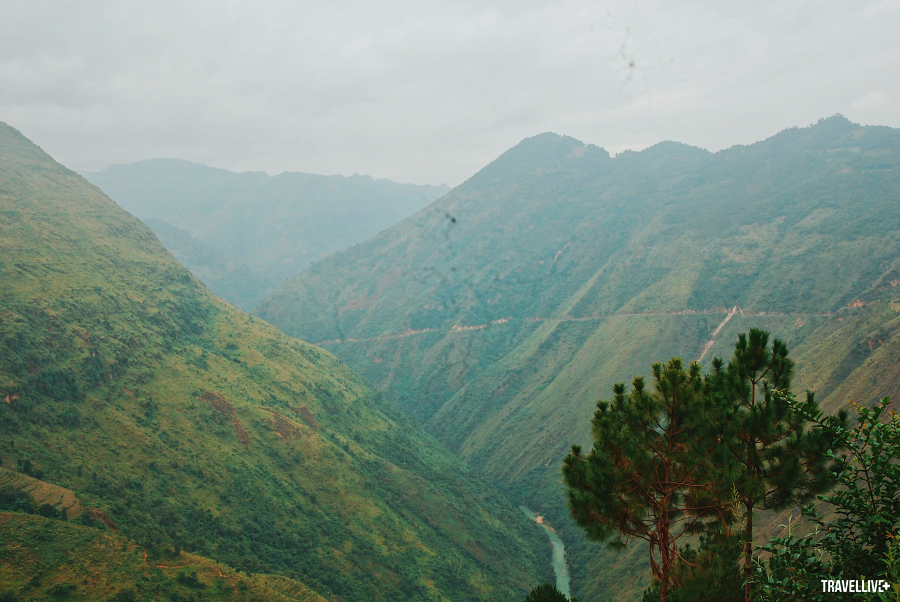
The Nho Que River as seen from the Northernmost trekking route.
Traditional houses with earthen walls and rows of golden corn.
On the way to Pao's house, we stopped in front of a small yard. Initially, I only intended to take pictures of the yellow corn drying on the porch, but the "uncle" came out, waved, and invited me inside to explore. His broken Vietnamese was pleasant to listen to, and the house looked so appealing that I stayed and played for almost half an hour.

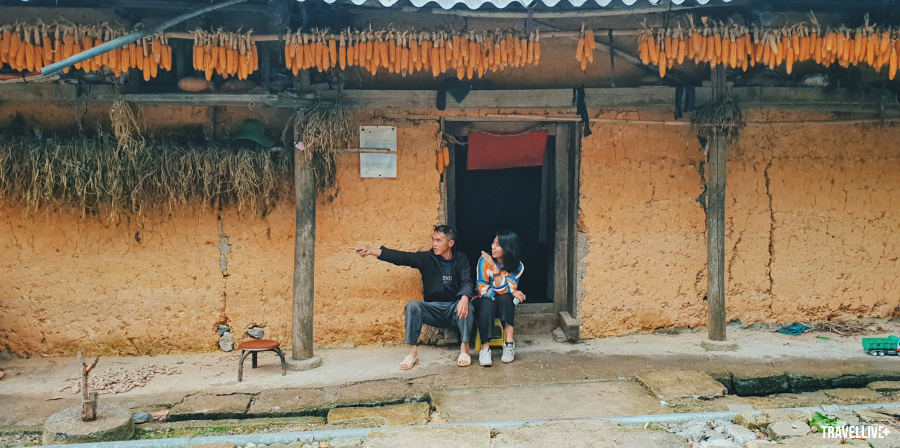
The traditional earthen house is located near the tourist attraction "Pao's House".
The Lo Lo village is perched precariously at the northernmost point of the country.
The weather in the highlands is strange. Cold rain, early and sudden darkness. At 5 pm, you can still see people's faces clearly. Yet half an hour later, the entire pass to Lung Cu is shrouded in thick fog. The sky is pitch black, and the wind chills your jacket. At that time, only cars are coming from Lung Cu to Dong Van; hardly anyone is going in the opposite direction to Lo Lo. Therefore, we were like people going against the traffic on a one-way road. Cars and motorbikes sped past on the hairpin bends. We went slowly and very focused. Traveling in the dark was incredibly difficult, but the reward of a full day in the village was well worth it.
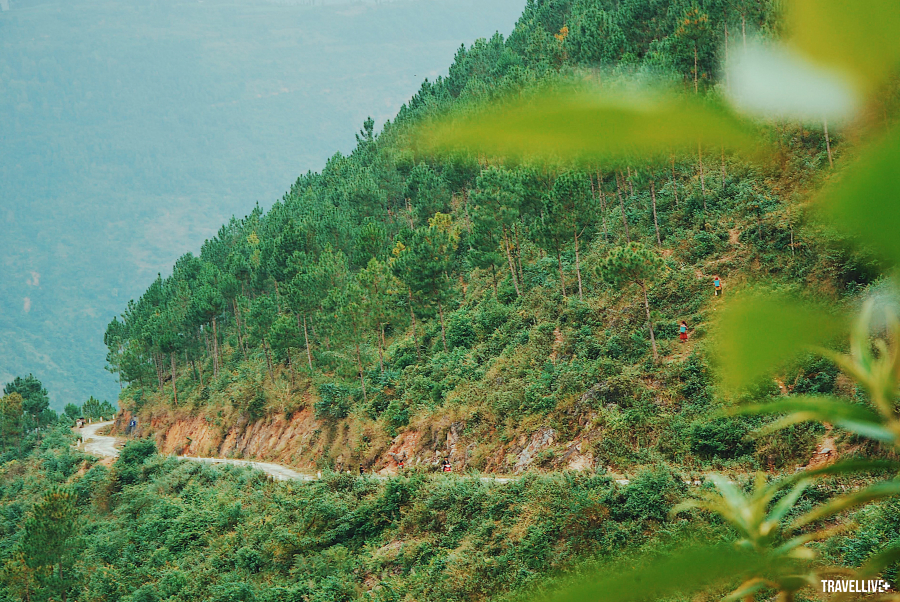
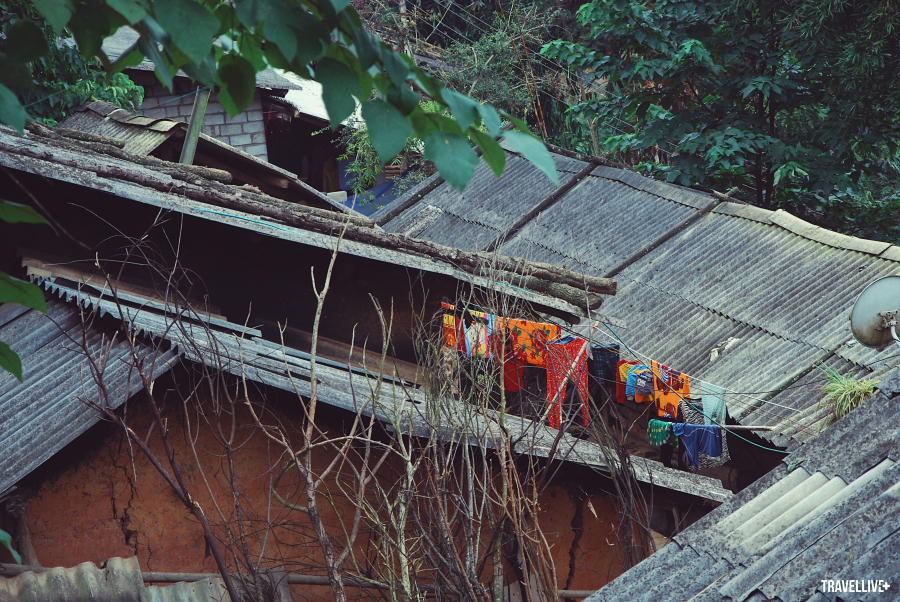
The next morning, the sky was clear. We sipped our filter coffee, sat on the swing, and gazed at the mountains and hills. The sound of bells around the necks of cows and goats echoed across the high mountain slopes... it seemed as if no one could break this sense of freedom. At 10 o'clock, we began trekking to the actual northernmost marker – located deep in the forest, not the Lung Cu flagpole. The path wasn't too difficult, just a little tiring for those unaccustomed to long walks. On the way back, we stopped by Seo Lung village, the first point marking the Nho Que River's entry into Vietnam. Usually, tourists hire guides, but we took a chance and explored on our own, and it was truly worthwhile, like a traveler from afar who had stumbled into a new land.
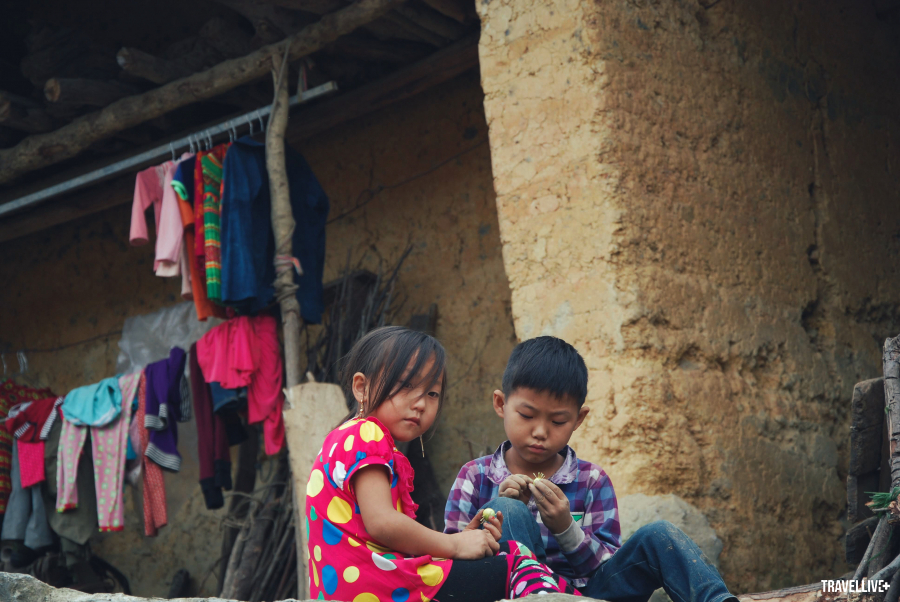
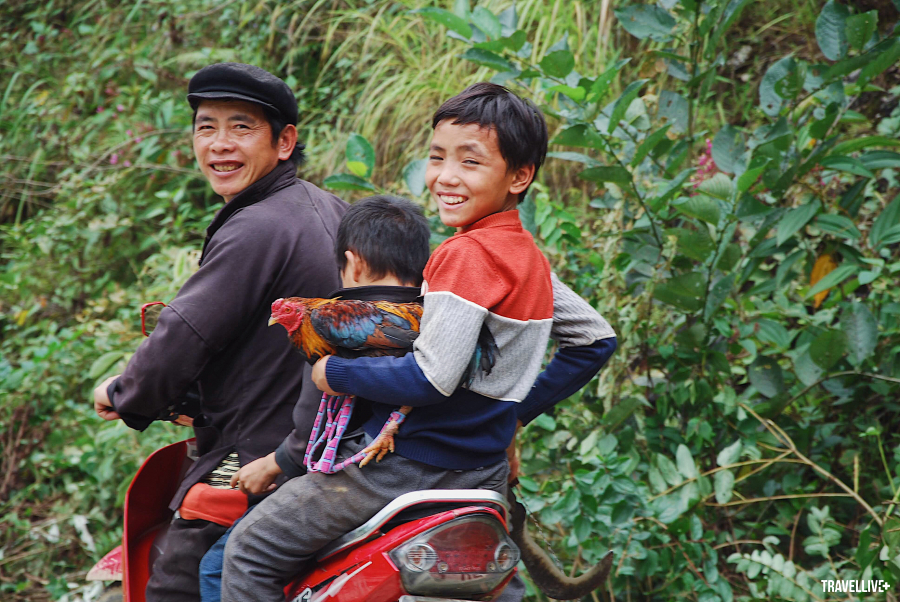
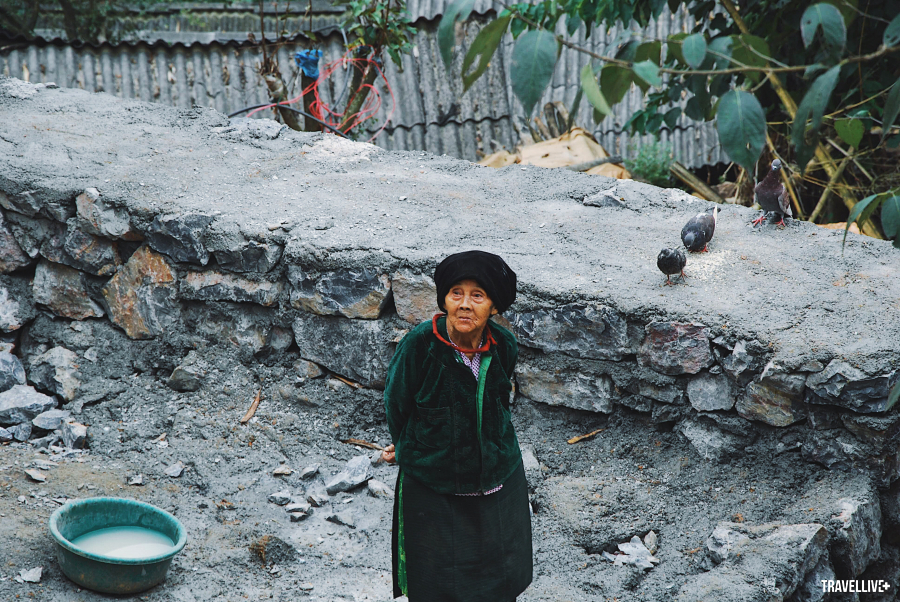
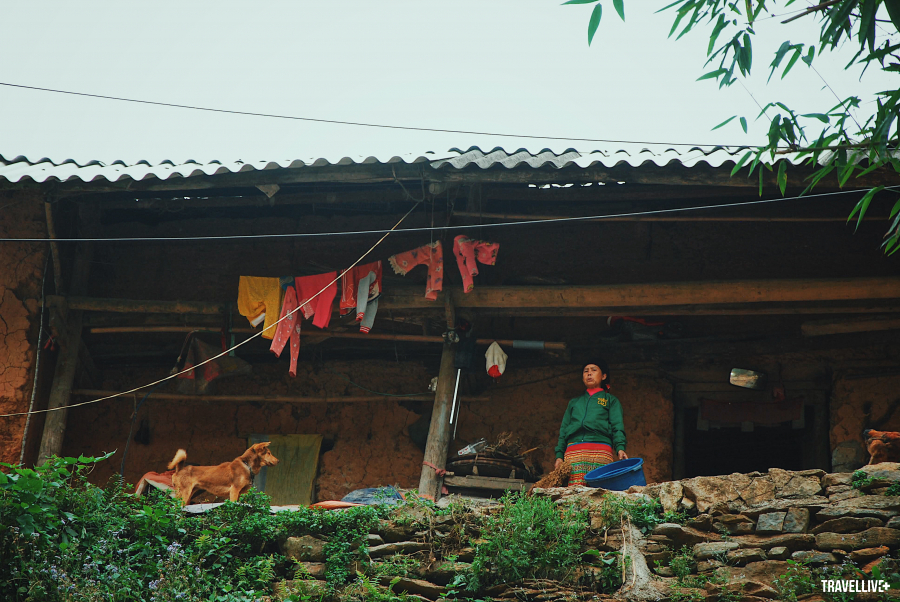
And, the people we met...
The lovable village chief, the culture-loving Japanese "uncle"
Anyone visiting the Lo Lo village will easily spot the village chief and his Japanese "uncle" carrying sticks to pick up trash. Every day, they walk around and pick up garbage on the streets. Upon inquiring, I learned that the Japanese man had spent 20 years traveling and learning Vietnamese. He was extremely interested in the culture of ethnic minorities, especially the Lo Lo people, and decided to stay here to study it.
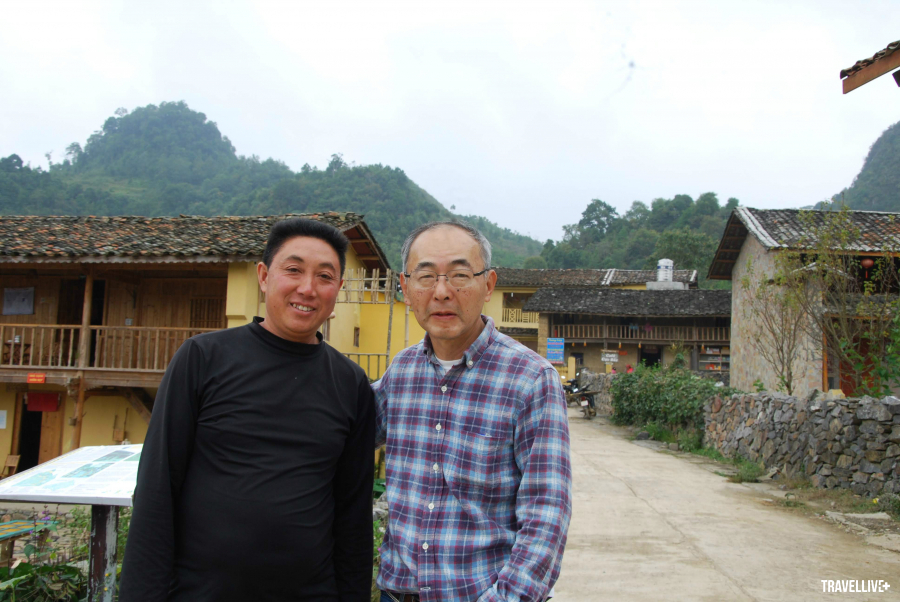
The Lolo village chief and the Japanese man
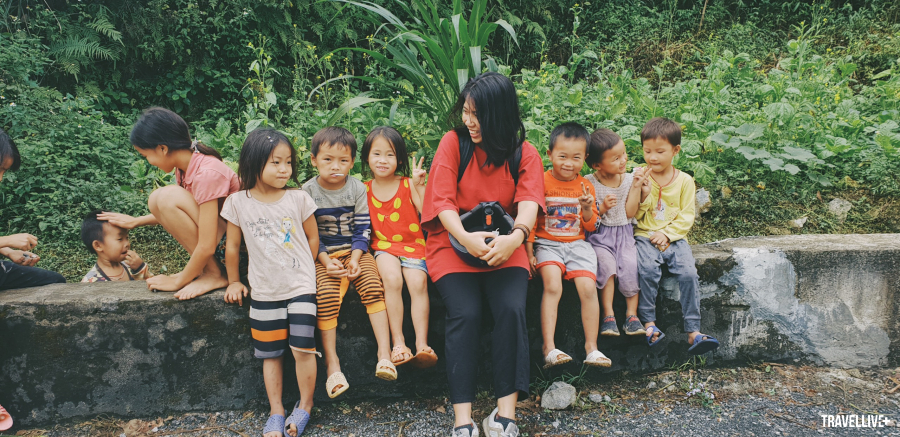
The children are as beautiful as "flowers blooming on rocks".
I enjoy watching the children in the highlands. Their faces have a certain naivety, a touch of excitement, and a hint of scrutiny whenever they see "strangers" visiting their homeland. But after just a couple of minutes of conversation, they can comfortably smile at me and at the camera.
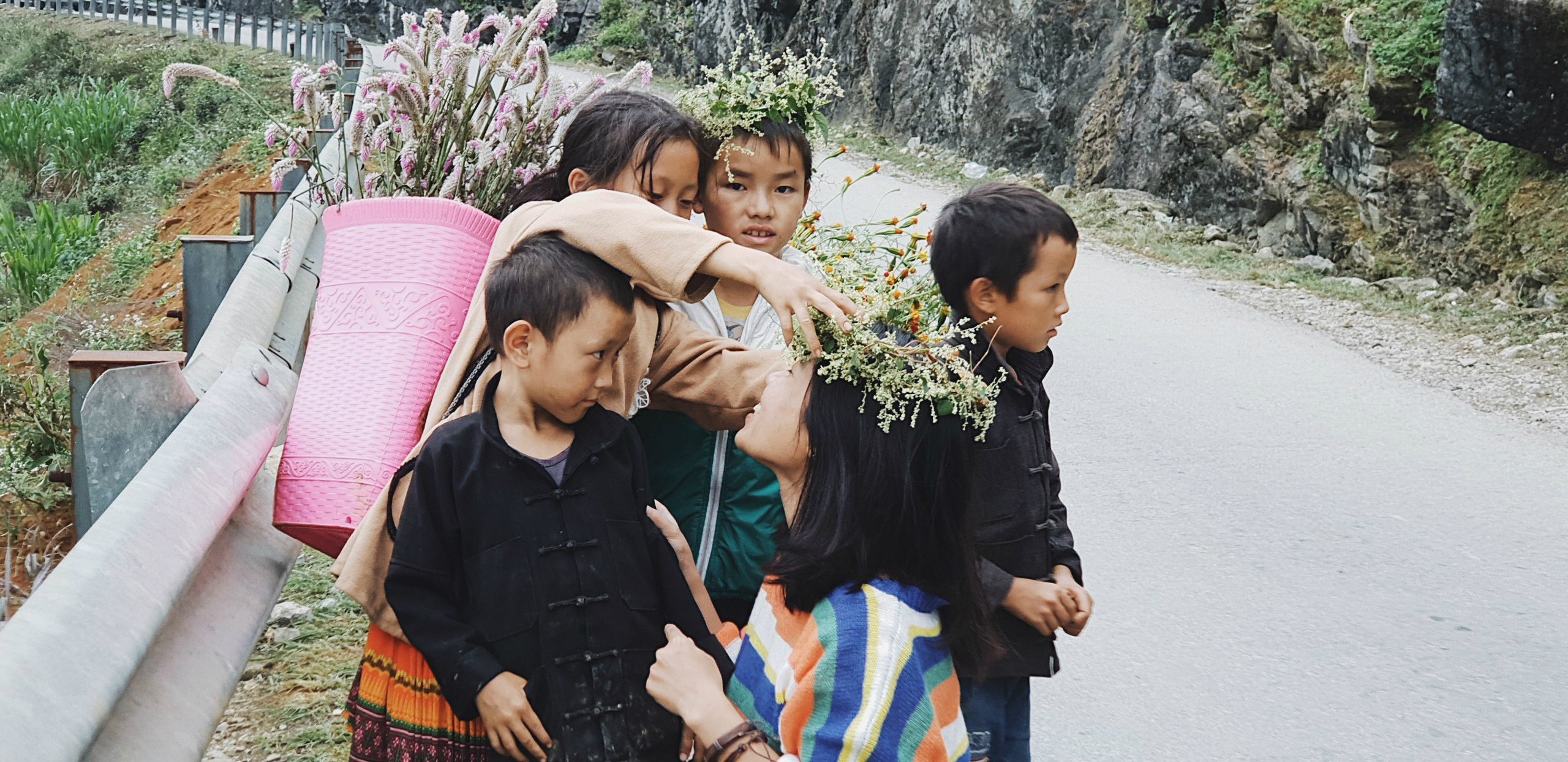
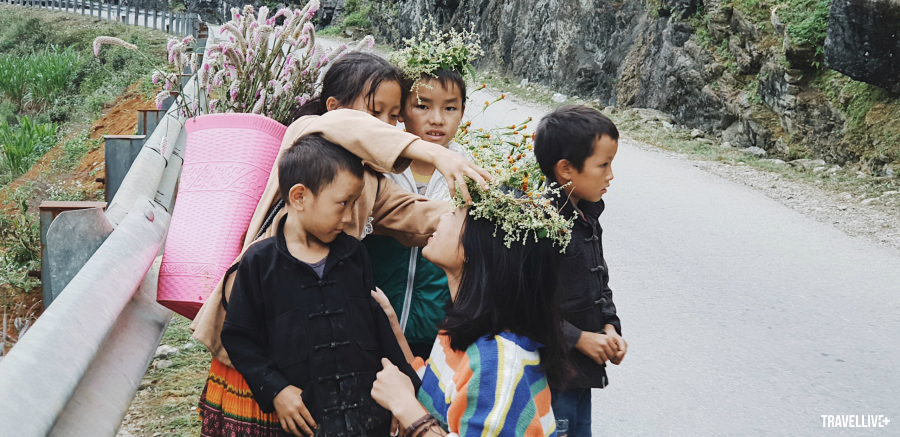
On the road to Dong Van, we met a group of children carrying baskets full of cockscomb flowers. They didn't sell them, nor did they ask me for money. They didn't fully understand what I was trying to say. But they readily knitted me a flower wreath to wear on my head. In return, I gave them some lozenges. And so, they kept turning their heads to look after me as I had to get back on the bus to continue my journey. A very long gaze.
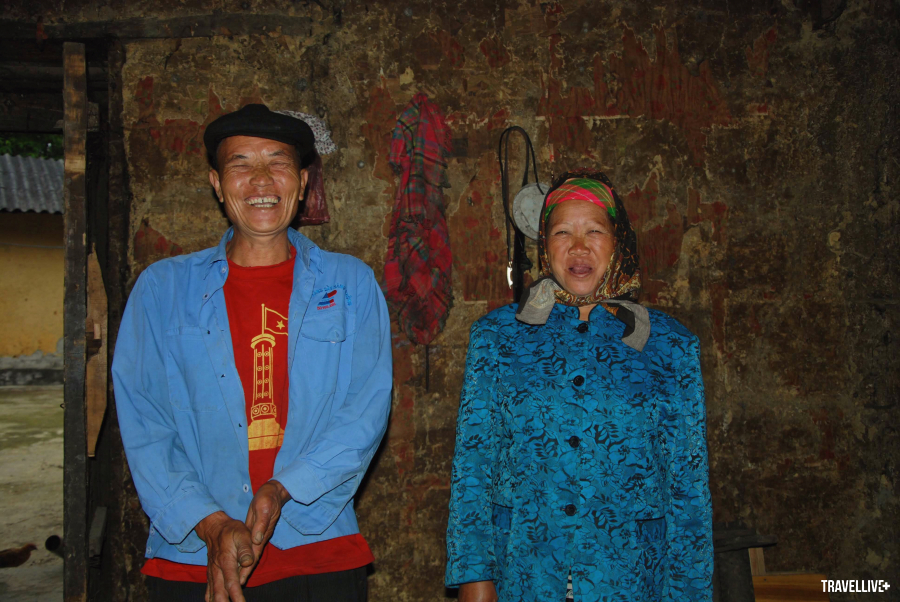
The elderly couple had their first wedding photos taken.
In the afternoon, before leaving Lo Lo, we took a stroll around the houses on the opposite side. I wasn't sure if it was still a Lo Lo village, as there were no signs or directions. That was interesting. I struck up a conversation with an elderly man. He invited us to his house to smoke his pipe. They were unusually hospitable. The old couple lived together, and only he understood Vietnamese; his wife just smiled at us the whole time. I teased them, "You two are so loving, how long have you been married?" "Over 50 years," he replied. The mud-walled house had only one small lamp, its dim light not enough to illuminate the main room. I pointed to my camera and said, "Would you like to have some wedding photos taken?" They grinned widely. And so this photo was taken. The wife looked at the photo, still shy like a young girl on her wedding day, stealing a glance at her husband before going to light the fire. So adorable!
A 22-year-old woman with four young children.
I don't remember which village she lived in, only vaguely that it was on a mountain pass near the foot of Meo Vac. Her house was perched precariously by the roadside, exposed to the gusts of wind. She was holding a little girl, and three other children were lined up beside her. She spoke to me quite fluently in Vietnamese. Out of habit, I called her "sister," until she asked my age and said, "So we're the same age."
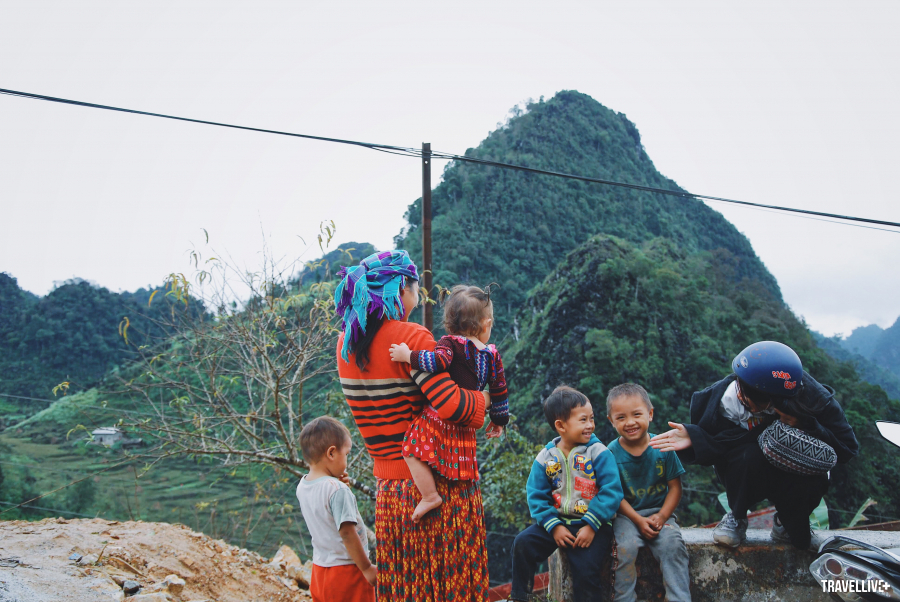
Do Bich Thuy often spoke of Hmong girls as being full of worries and mature beyond their years. But they were simple and content. Her smile at the children lingered in my mind as I left. Ultimately, what made them so cheerful? In a small house in the middle of winter, in thin clothing and barefoot… And what caused so many people in the brightly lit city to frown and sigh in their warm rooms?

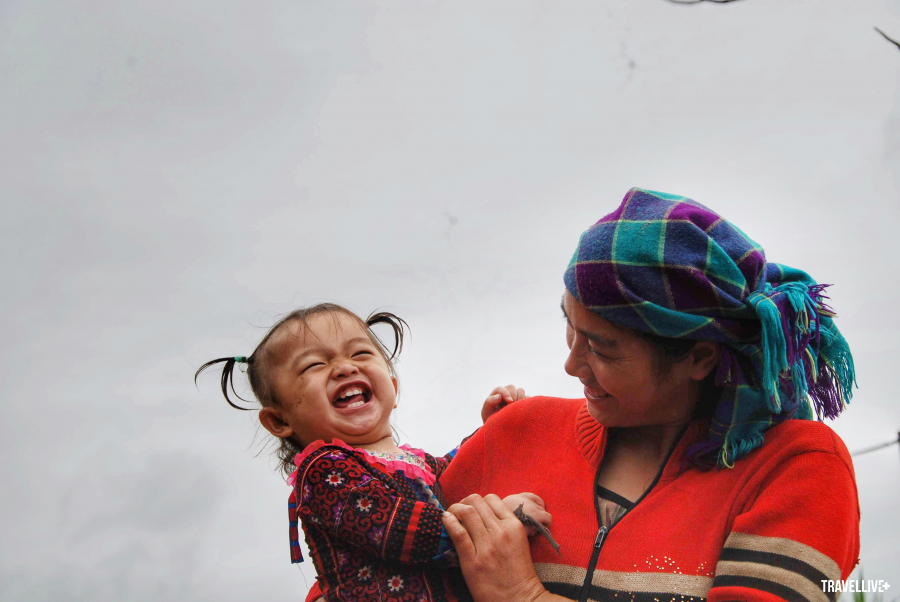
Our journey through Ha Giang is drawing to a close. With the sound of the wind and the exhilarating mountain passes. With the laughter of the children, the gentle rain on the roofs of the traditional houses, and the mist that shrouds the stone fences…
Back home, I felt a pang of longing. Like a greedy and selfish traveler: I love Hanoi, but I still intensely miss Ha Giang.
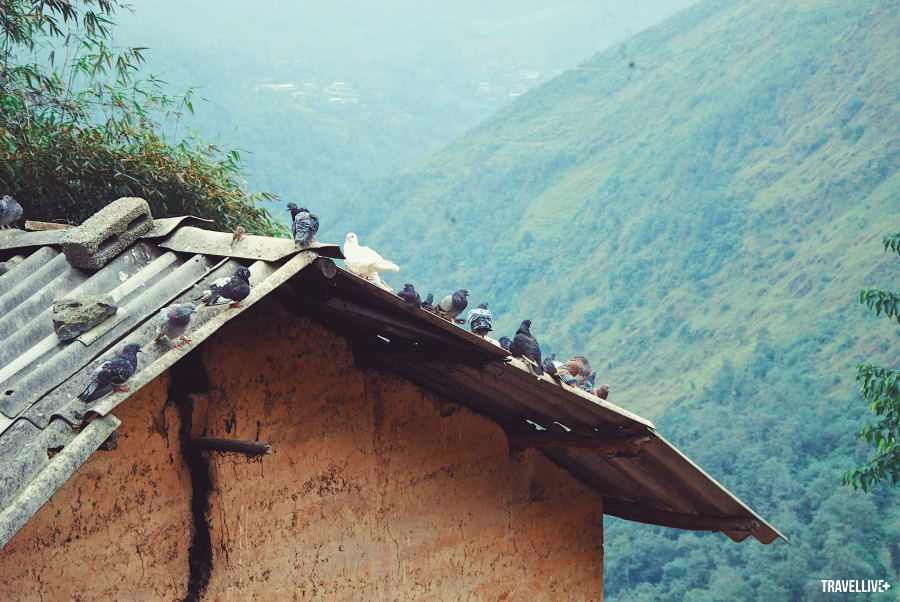
And so, today I sit down to write about this meaningful short trip I've just completed, to write about a time in the future when I feel tired and need to pause. I write about Ha Giang, so beloved in my heart…
------
The title is taken from the poem "Buckwheat Flower" by author Lang Du Nguyen.