VI
VI



“Let’s go to Sa Pa!” This name echoed, bringing with it a series of images I’d heard many people mention: overcrowded, recklessly driven buses, children pestering tourists, noise, lack of culture, etc… “Sa Pa is so boring!” I wearily refused my friend’s invitation. However, ignoring all my refusals, she booked two tickets to Sa Pa on her own. And so, we flew to Hanoi together one day in May.
An unexpected gift from Nature
From Hanoi, we traveled to Sa Pa by sleeper bus, departing at 10 PM. The bus arrived in the center of Sa Pa city at 5 AM. The homestay we chose was in Ta Van village, 8 kilometers from the city center, and we had to take a taxi for about half an hour to get there.
At that time, the road to Ta Van village was still under construction, full of potholes and gravel, and the heavy rain that greeted us in Sa Pa made the taxi bounce up and down, giving us the feeling of riding a bouncy castle. It was still dimly lit, not yet fully light, but I could sense that the road was very narrow, with a cliff on one side and a deep ravine on the other. I said to my friend, "How can we possibly love this?" My friend calmly replied, "Just be patient." Although I expressed my displeasure, my presence here at this moment was also due to a deep-seated belief that if I just went, I wouldn't regret it.
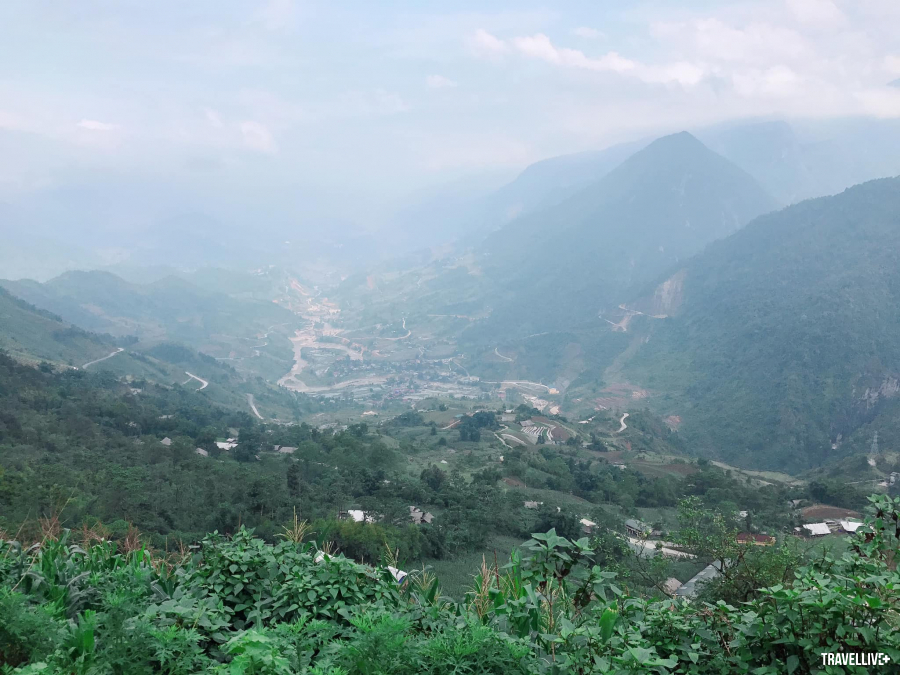
After navigating a winding mountain pass, crossing another bridge, and navigating a narrow slope, we finally arrived at the homestay. The rain hadn't stopped, so we went up to our rooms and tried to get some sleep.
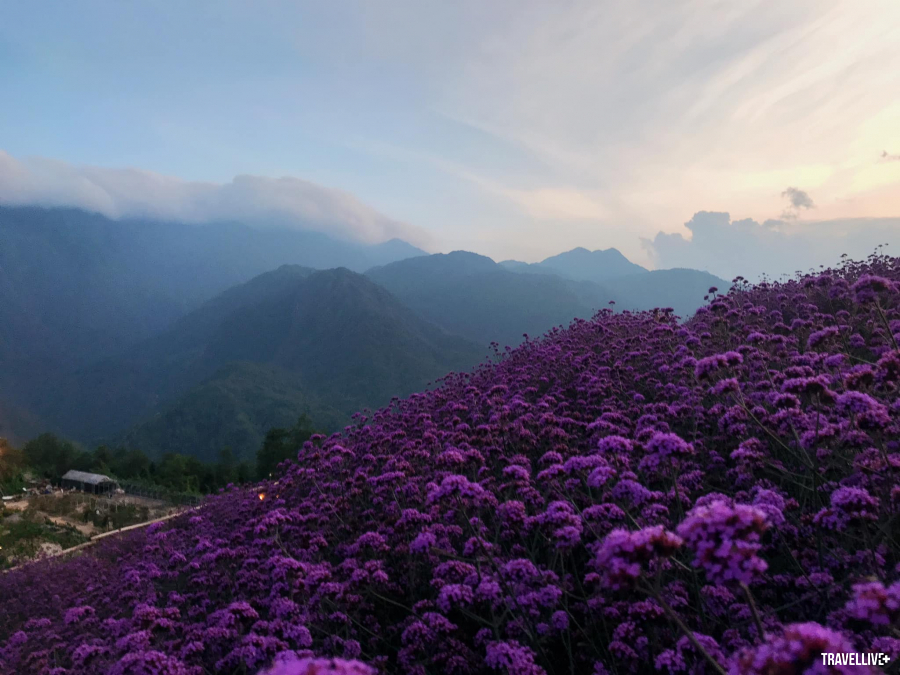
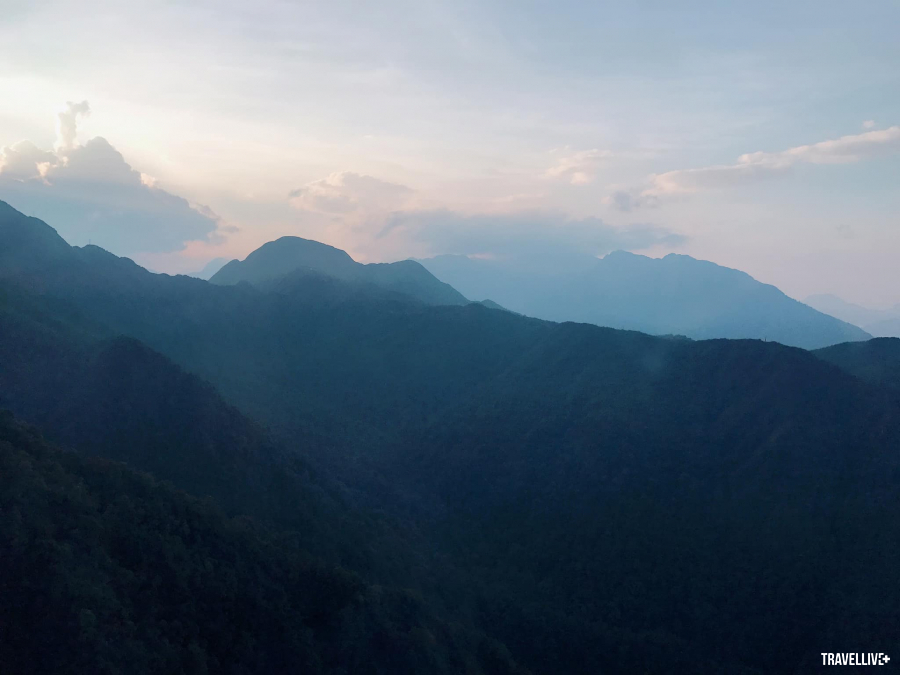
After about two or three hours, a warm sensation gently touched my fingers. I vaguely opened my eyes. It turned out we had forgotten to close the window, and the sunlight greeted me softly. I rubbed my eyes and walked closer to the window, then exclaimed, "Wow!" Before me was a colorful flower garden, which I later learned was meticulously cultivated by the homestay owner herself. Behind the garden was the breathtaking scenery of the Sa Pa mountains and forests. I couldn't wait any longer and threw open the door and ran outside. The wind was cool, but the sun had already dispelled the mist, revealing lush green terraced rice fields and charming little ethnic houses. The scenery was truly captivating, intoxicating like having just drunk a strong glass of wine.

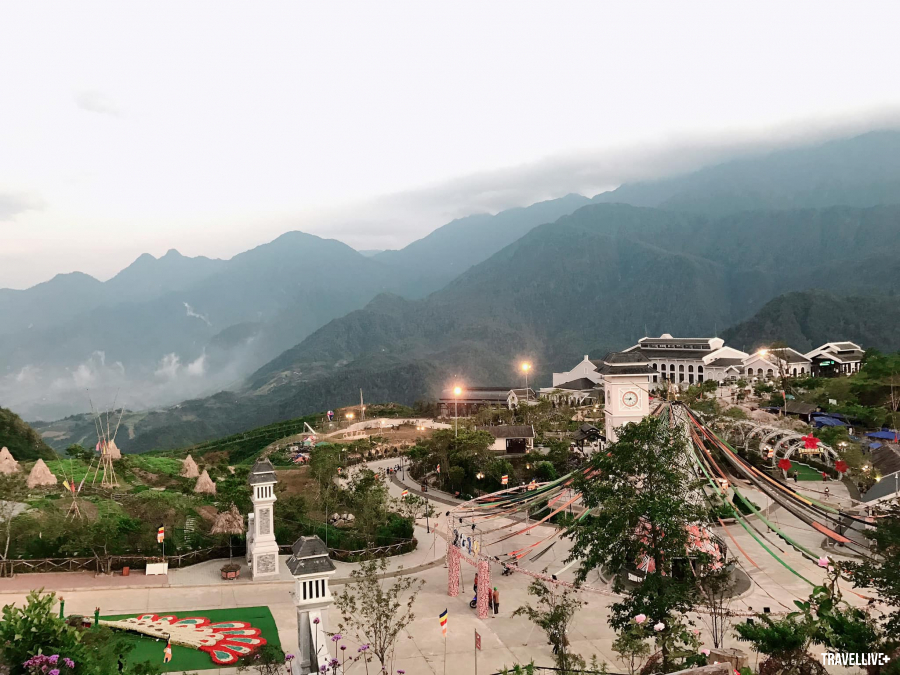
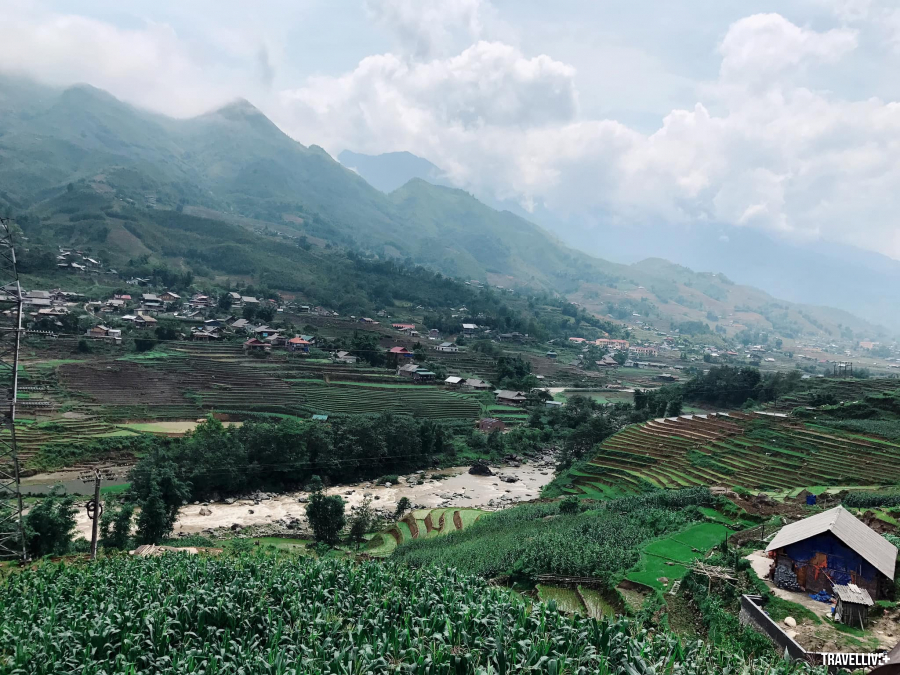
"Hey!" My friend called out suddenly. I turned around, and he threw me a helmet. Next to him was a motorbike, seemingly rented from the homestay. "Exploring Sa Pa by motorbike is the best!" he boasted again. This time, I didn't ask many questions and got on immediately.
"The" quiet people
We traveled up the Muong Hoa Valley, strolled past the Ancient Stone Field, and slowly made our way through Lao Chai. Every 100 meters, we could take hundreds of photos, because the scenery of the mountains and forests at each moment we saw possessed a unique beauty. Only then did I understand why the writer Nguyen Thanh Long once wrote...Quiet Sapa"Every artist comes to Sa Pa; there's plenty to paint about there." Any artist or tourist would surely want to capture all the pristine and mysterious beauty of Sa Pa—in the past, through paintings; nowadays, through photography. I regret not coming during the rice harvest season, but what Sa Pa is showcasing is enough to leave me in awe.
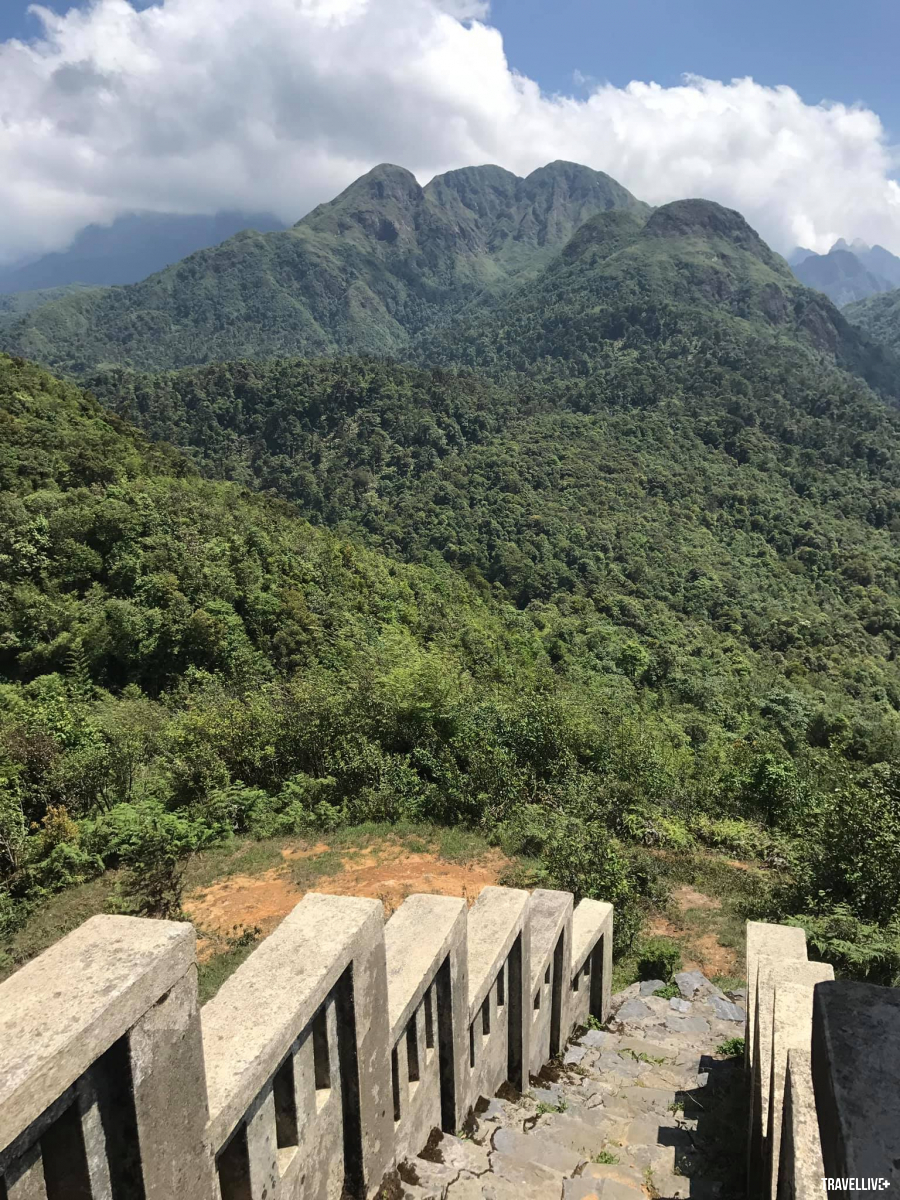
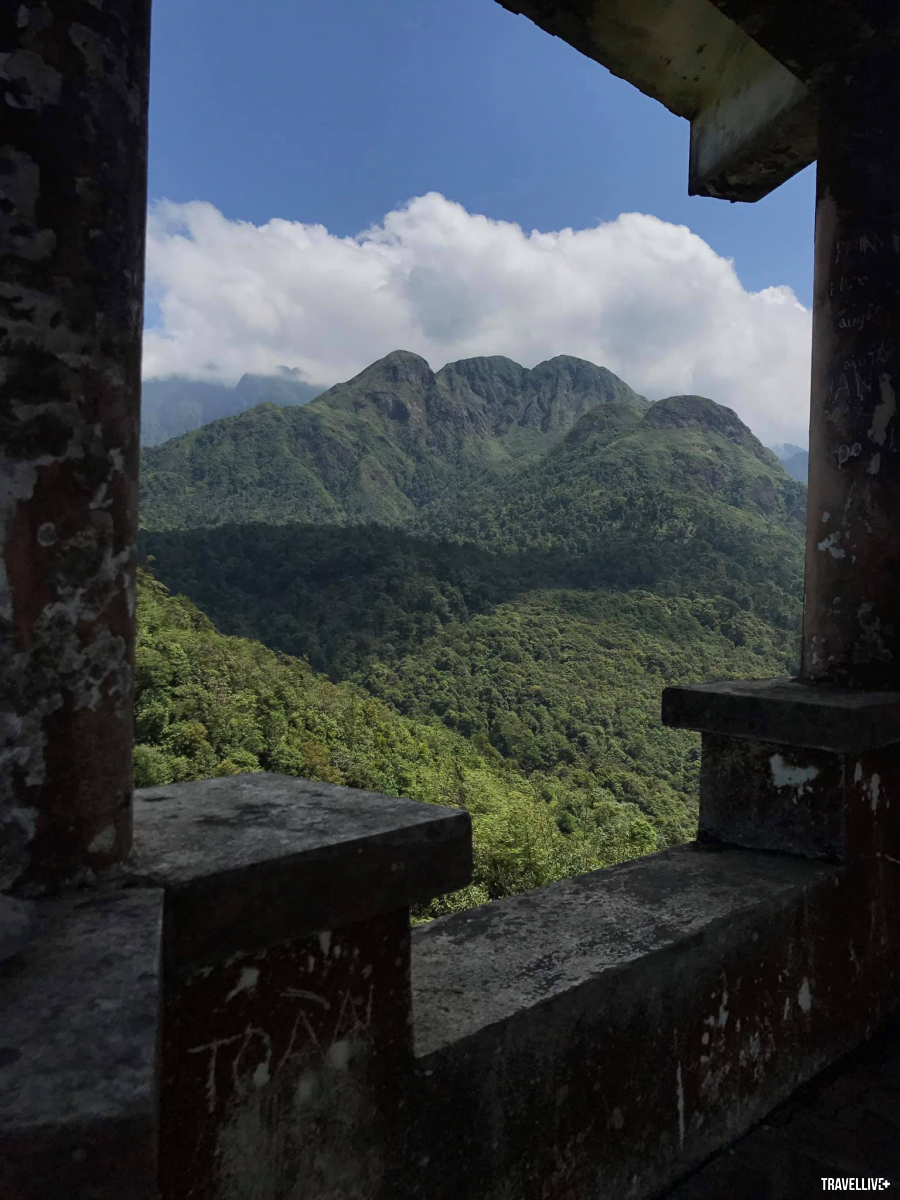
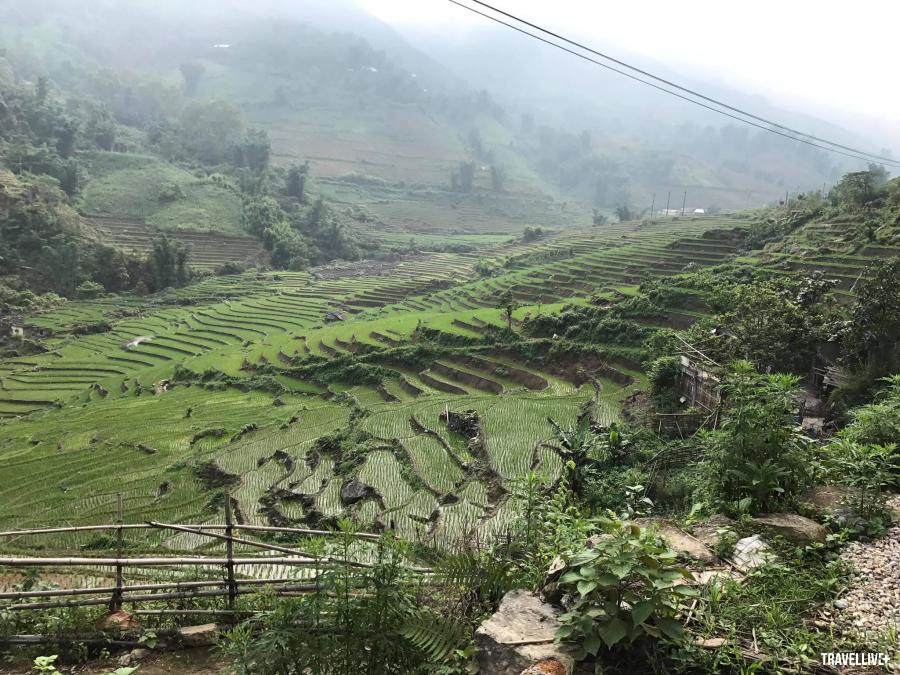
Tired of riding motorbikes, we strolled around the valley to delve deeper into the lives of the local people. Ta Van is home to a community of indigenous ethnic groups such as the Hmong, Dao, Giay, and Tay, among others. They engage in various occupations to make a living, primarily farming.
We stopped at a souvenir shop. They sold clothes and accessories with distinctive ethnic patterns. The owner was Ms. Lan Sung, dressed in the traditional attire of the Red Dao people. Although unsure if we would buy anything, Ms. Lan was very welcoming and told us many stories related to weaving and dyeing. “If you share all your secrets, aren’t you afraid of competition?” I asked. She smiled kindly and replied, “The more people know, the more our traditional craft is preserved, and I’m happy about that.” Then she held up a dress with various patterns and introduced it: “To be honest with you, everything we sell is repurposed from other clothes. A new outfit is very expensive, so we collect clothes that others no longer use and rework them.” We were completely surprised by this revelation, because the items displayed in the shop looked very new; it turned out that the women had refurbished and restyled them, selling them at a better price. She continued, “This idea is something I just won in a competition organized by the Ta Van Women’s Association. I see that women in ethnic minority groups only do farming to provide for their families, so why can’t they do business? It’s still in its early stages, so there are many difficulties, but I will try my best…” We ended the conversation by buying a few scarves and handbags from her, wishing her success with her business idea.
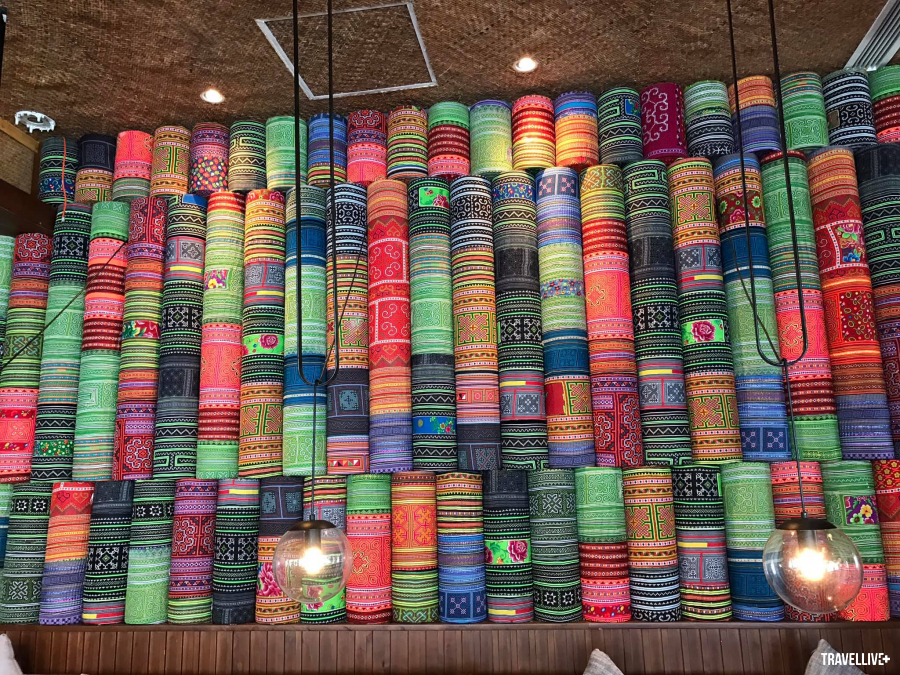
Walking downhill for another two kilometers, we came across another shop selling agarwood. The agarwood here was shaped into spirals, which looked quite amusing. I was looking for the shop owner to ask for information when I heard the rumble of a motorbike behind me. It was Ms. Lan Sung.
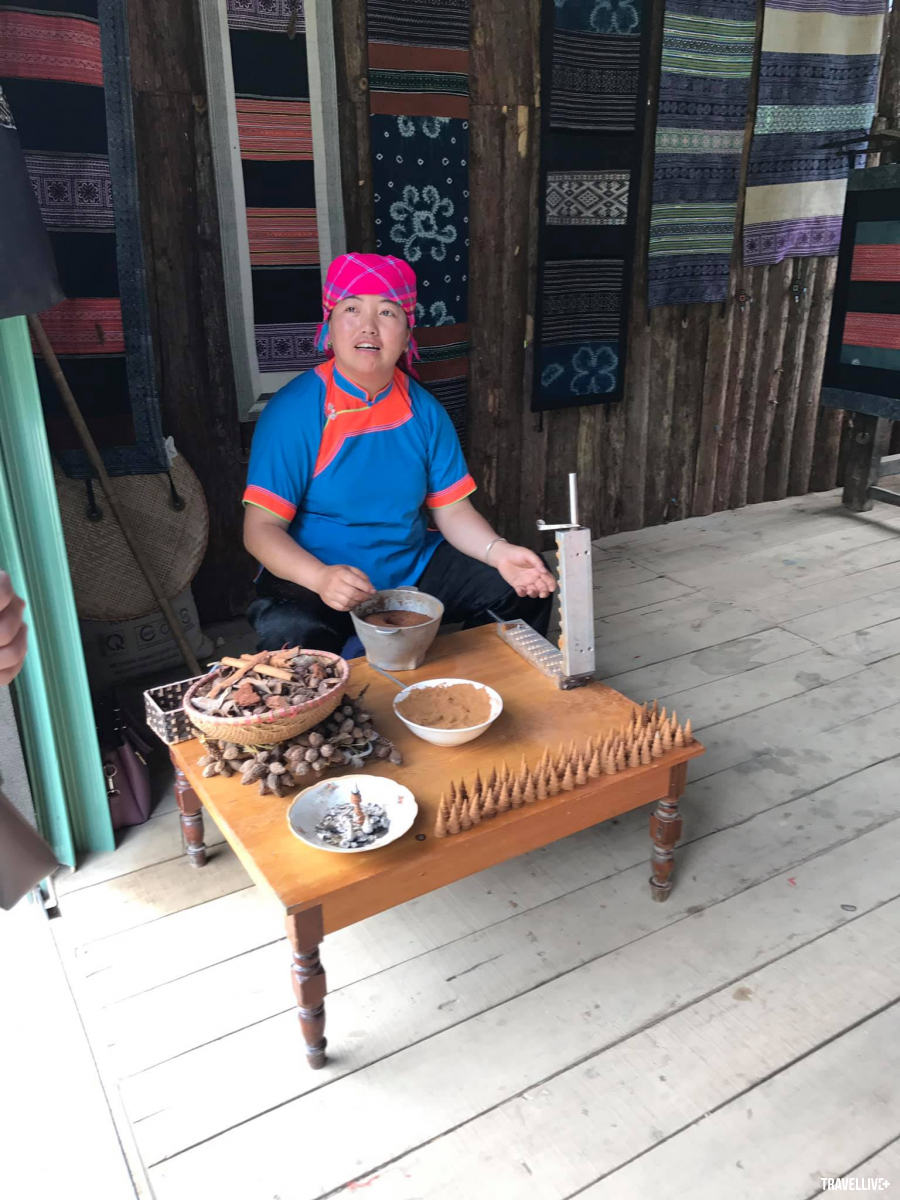
“Oh, it’s you again?” She walked into the shop, much to our surprise. “This shop is mine too. I sell agarwood here. Sit down and I’ll show you how.” We listened to her story about making agarwood. This type of agarwood is a blend of many health-beneficial ingredients such as cinnamon, star anise, cloves, etc. Her hands moved swiftly, scraping, grinding, pressing, shaping, and drying each agarwood bead. I jokingly asked, “Another business idea of yours?” – “That’s right. I want my hometown to develop further. It’s still so poor here, life is so difficult, and I want women to have their own careers. I’m going to open a class to teach tourists how to make agarwood. I also need to learn English; I just assembled a computer and it’s so hard to use, but I’ll try my best to learn.”
I was utterly impressed and felt ashamed in front of this woman. If I only thought about the trivialities of everyday life, I would be amazed to see a woman from a remote ethnic minority group possess such ideals and willpower. Not only that, she was incredibly kind; on the way back, she lent us her motorbike: “Go to the fabric shop, and my husband will come down to pick me up later. It’s alright.” I promised to help her become proficient in using phones, computers, and foreign languages to the best of my ability. We arrived back at the homestay just as darkness fell. Thank you, Ms. Lan!
I hated my friend's look that seemed to read my mind. "So? In love, aren't you?" But she was right. I didn't think Sa Pa would be so captivating, and I'll definitely return during the rice harvest season. Hopefully, by then I'll have seen Lan Sung's "business" thriving.