VI
VI


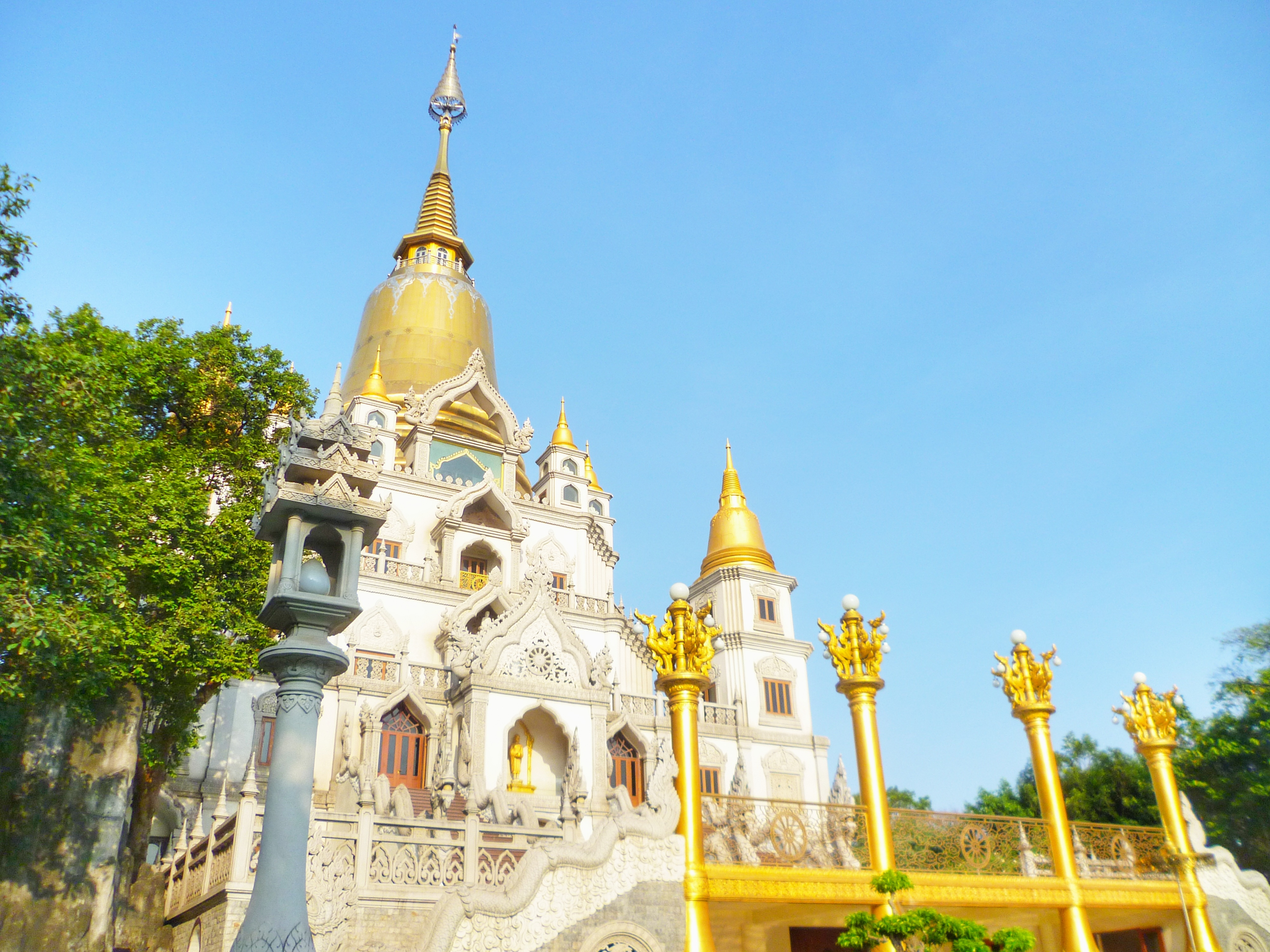
The temple I'm referring to is Buu Long Temple (District 9, Ho Chi Minh City). Along with Tran Quoc Temple in Hanoi, these two temples were once named by the world-renowned travel website National Geographic as some of the most beautiful and well-known temples.
I grabbed my backpack and rode my old motorbike to the temple as the new day dawned. Although the long journey had left my legs numb, I was incredibly excited. Finally, I arrived, and indeed, I wasn't disappointed to see one of the two most beautiful temples in Vietnam.
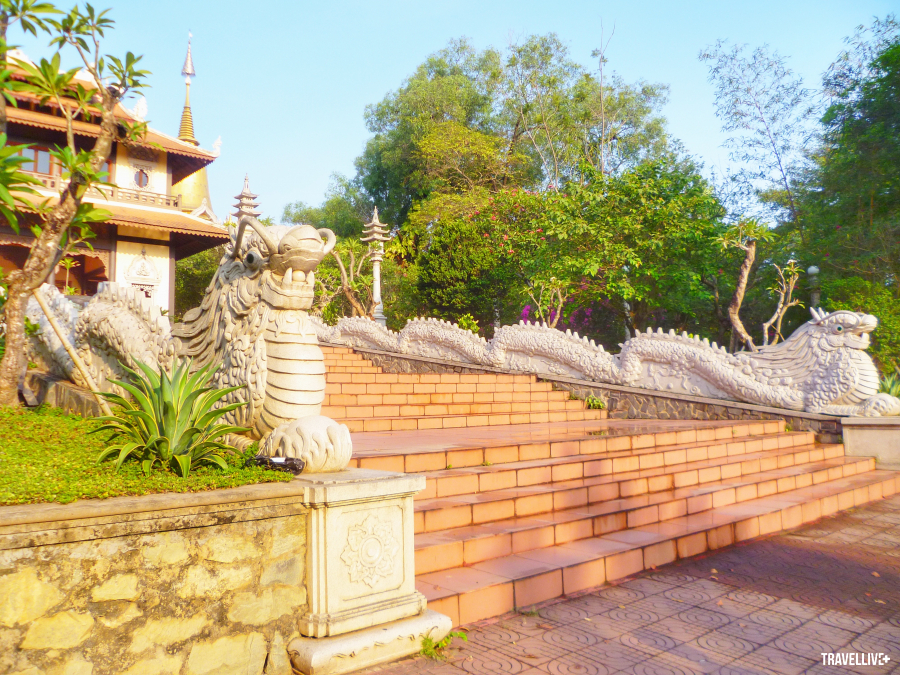
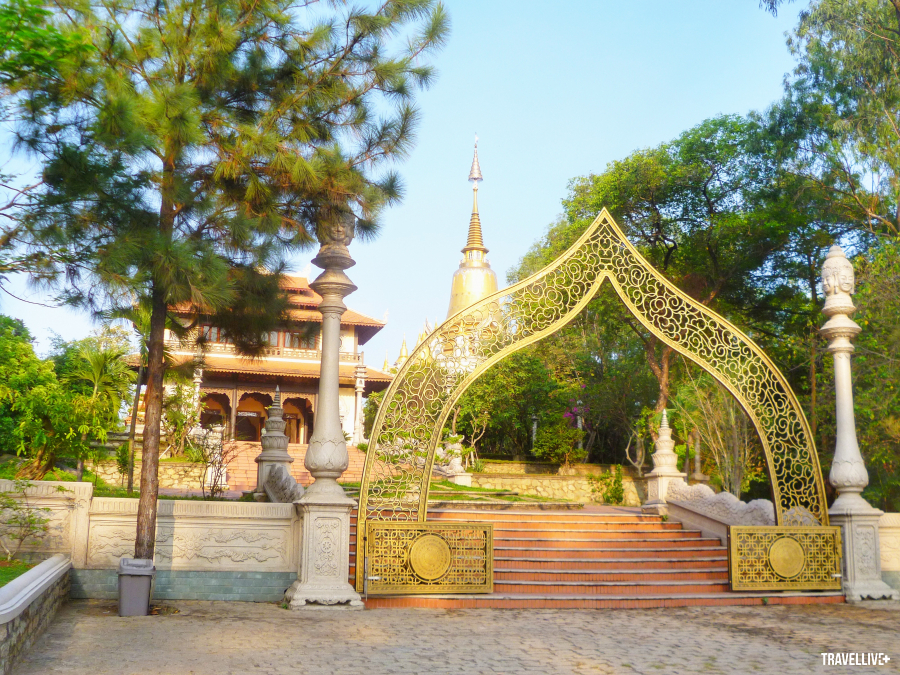
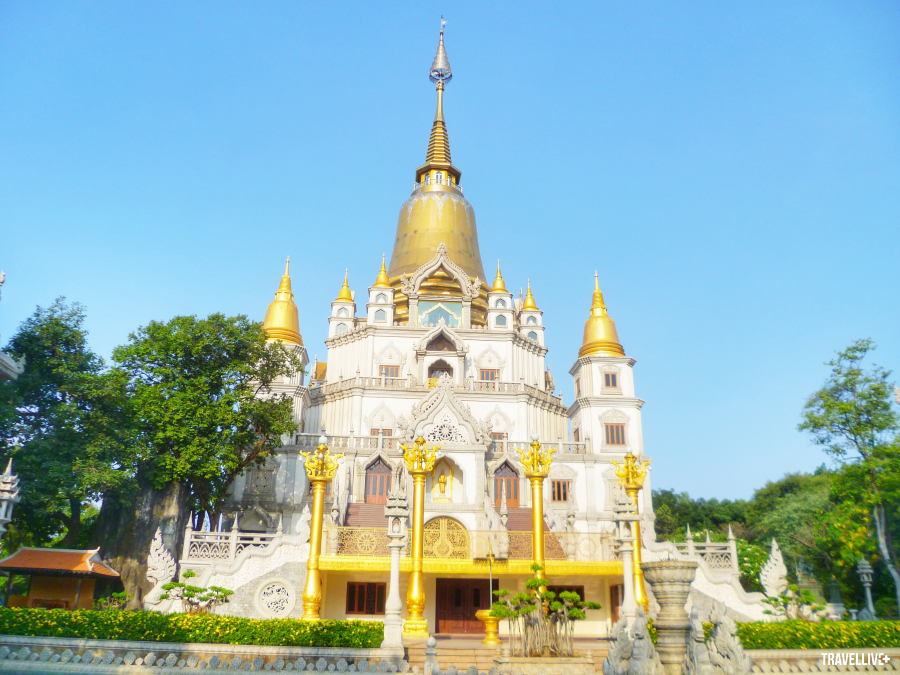
Buu Long Pagoda was built in the Southern Buddhist architectural style, different from the more common Northern Buddhist style. While Northern Buddhist pagodas typically worship Avalokiteshvara (Guan Yin), Southern Buddhist pagodas do not have female statues and instead worship the Naga dragon god. The Naga dragon god has no legs and is the guardian deity of wells, rivers, lakes, and seas. Legend says that when Buddha Shakyamuni was born, the Naga dragon god bathed him and protected him during his spiritual practice. The Naga dragon god is also one of the two leading deities in the Eightfold Pantheon of Heavenly Dragons, alongside Indra.

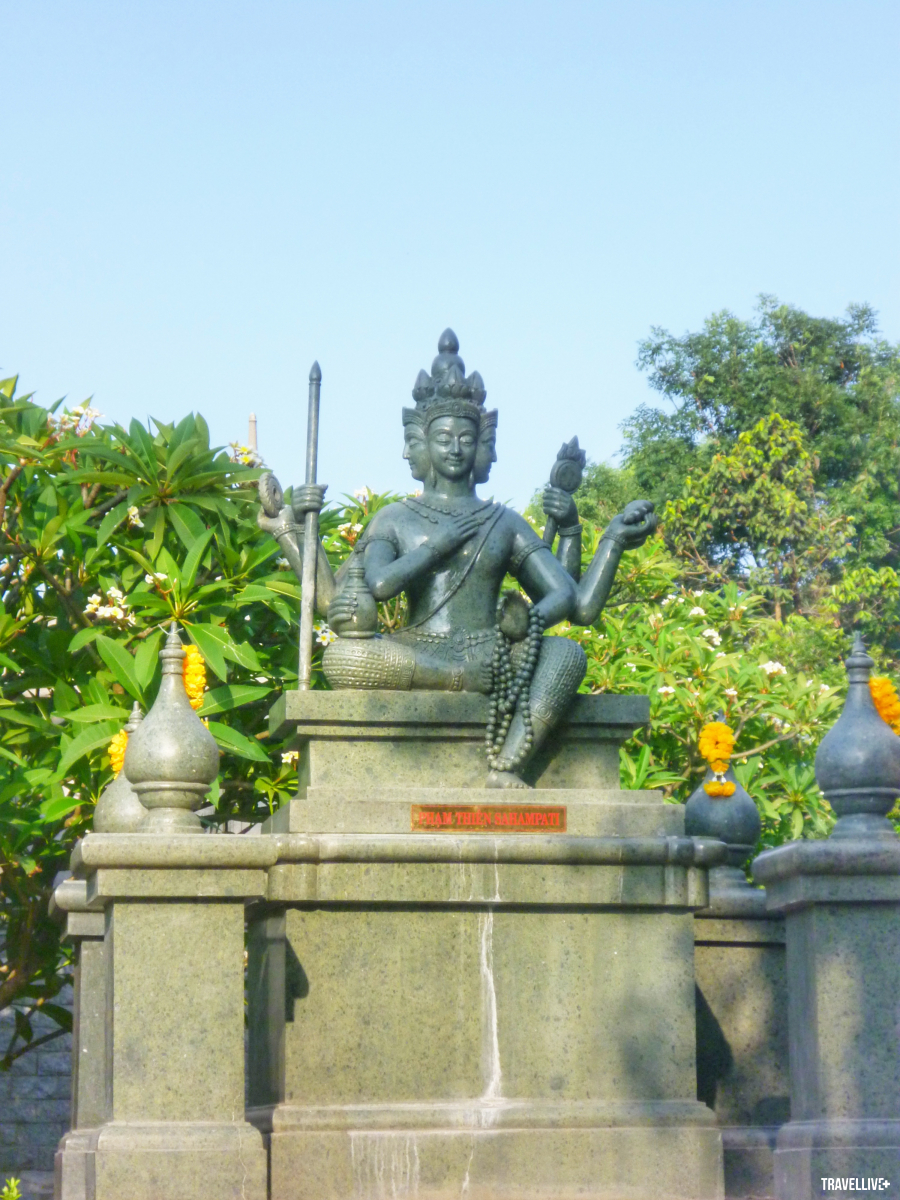
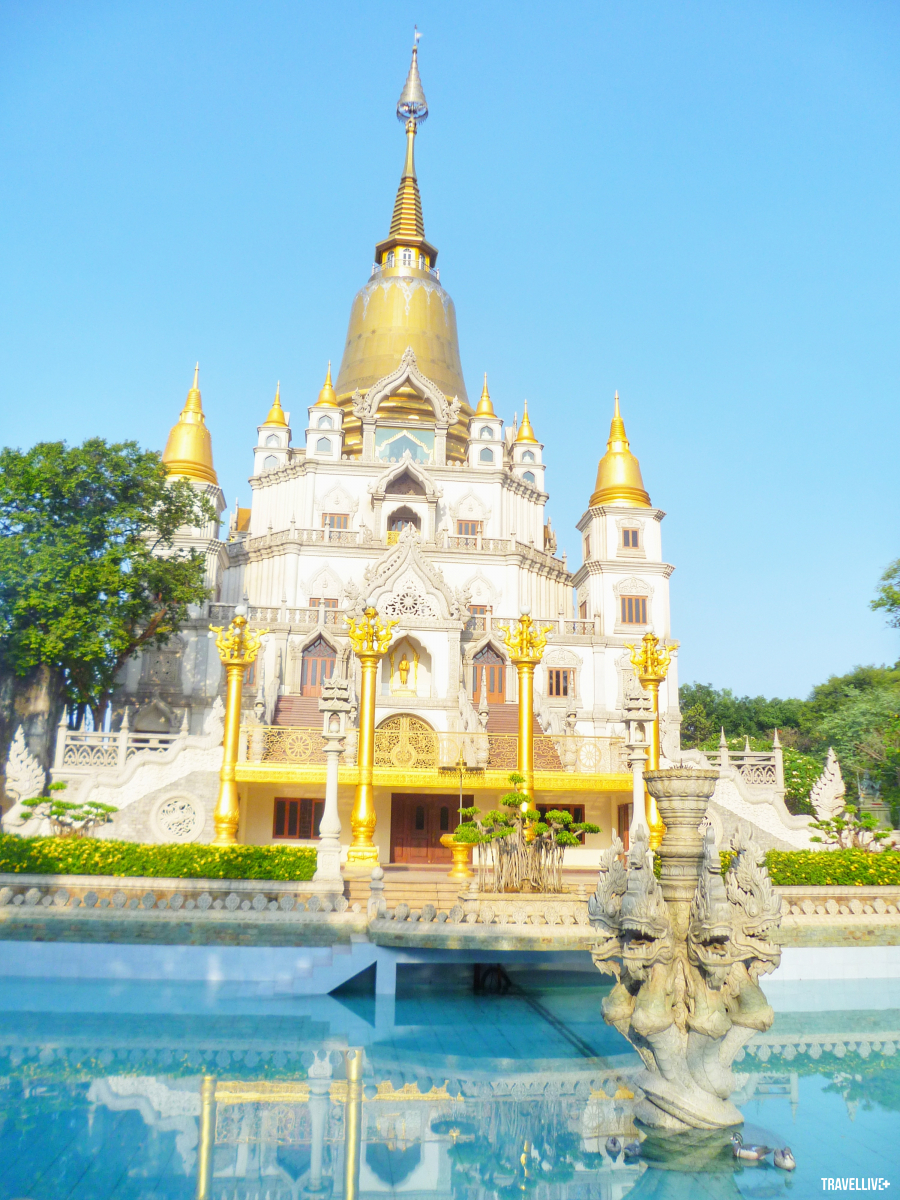
In the temple courtyard is a pond, and in the center stands a multi-headed Naga dragon statue spouting water, symbolizing prosperity and favorable weather. The staircases and pathways are lined with winding Naga dragon statues, signifying the connection between the celestial and earthly realms.
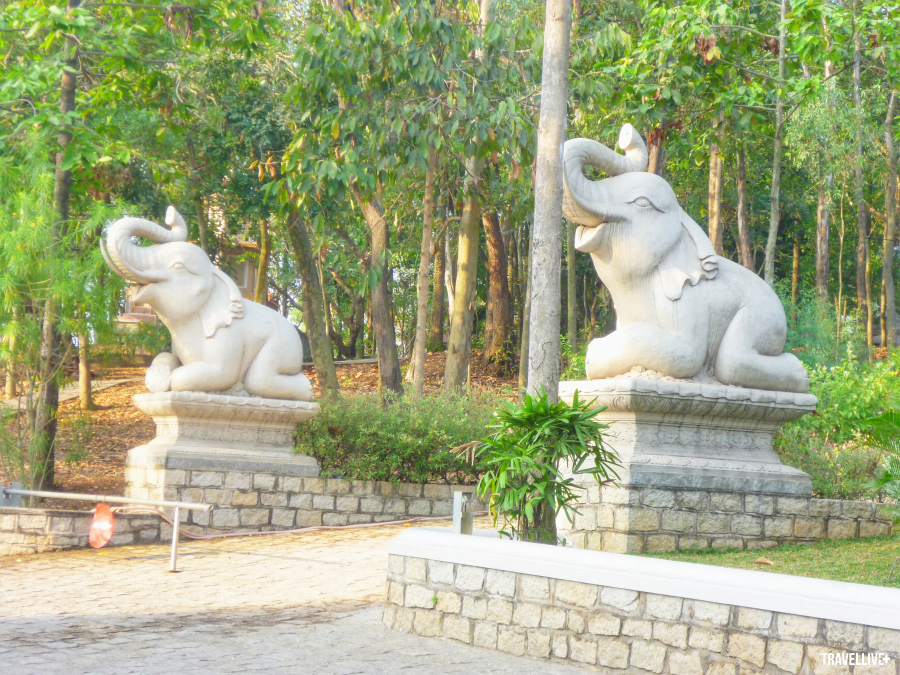
It's safe to say that Buu Long Pagoda is one of the most auspicious and blessed temples I've ever seen. In the temple courtyard, there's a statue of a crane riding a turtle, a common sight in Vietnamese temples and shrines. The crane and the turtle symbolize heaven and earth, yin and yang. In ancient times, the crane and the turtle were close friends; during storms, the turtle carried the crane to land, and during droughts, the crane carried the turtle to the river. Additionally, there are statues of two elephants performing a ritual bowing to the Buddha – animals closely associated with the Buddha, considered to be one of his previous lives.
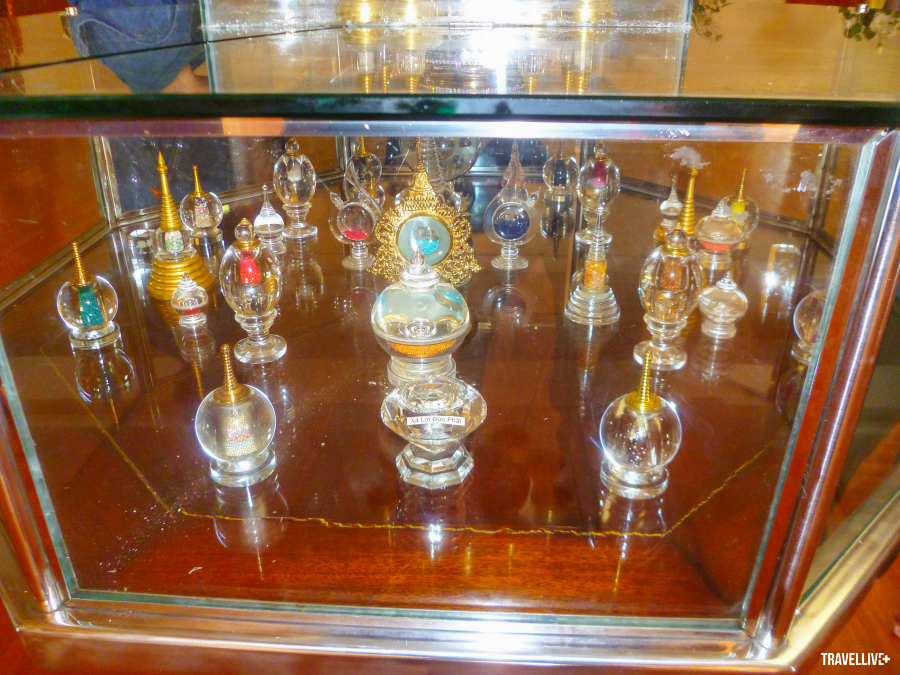
Inside the temple, each floor features a beautifully crafted stupa displaying relics, shimmering, sparkling, and mysterious. Legend says these relics are the essence and core of the enlightened monks and Buddhas who have passed away. Transparent glass jars contain relics of various colors—red, yellow, green, and more—like luminous gems, guiding people to escape the ocean of suffering. On the highest floor is a reclining Buddha statue, an image that brought tears to my eyes. In that moment, I felt as if all the weariness and anxieties of everyday life had been washed away.
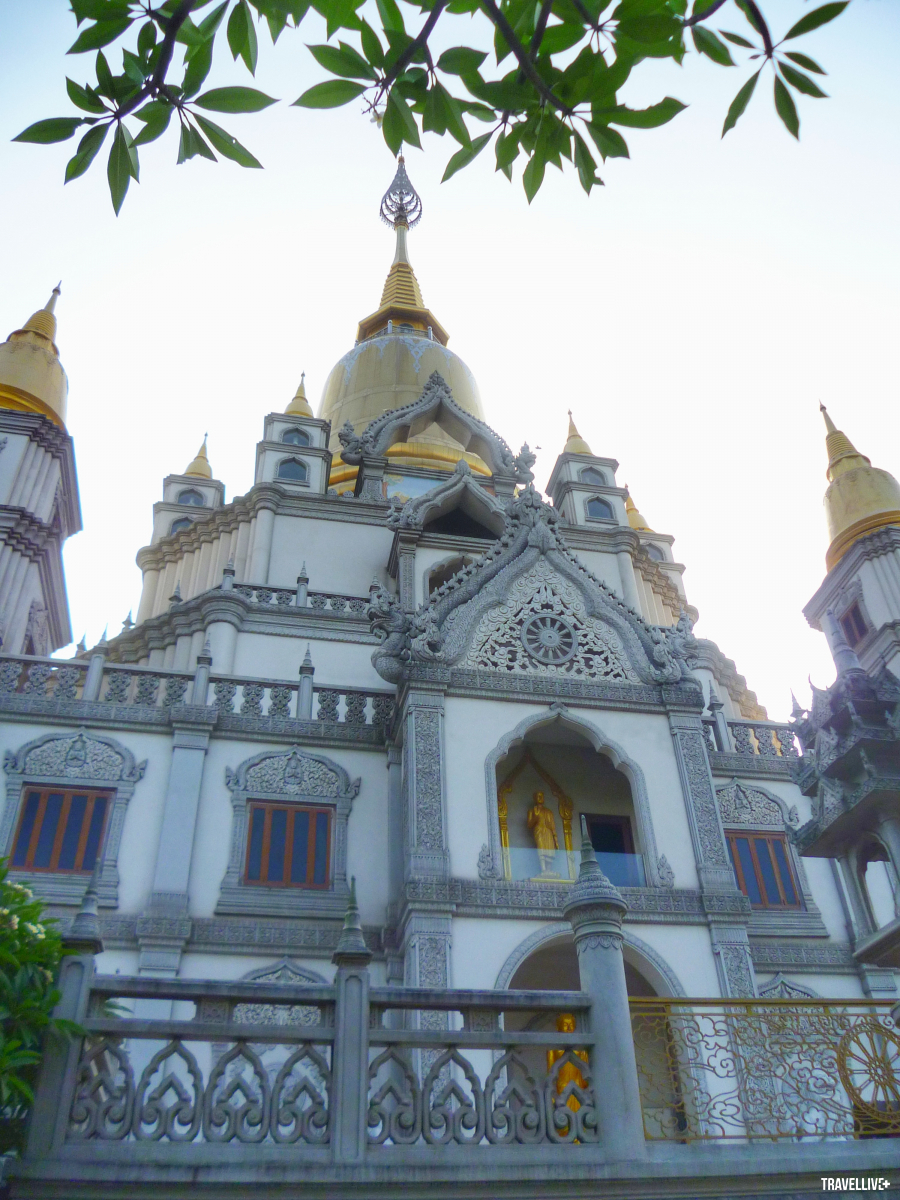
If you've ever dreamed of visiting the Golden and Silver Pagodas in Thailand but haven't had the opportunity, then visit Buu Long Temple once to experience its serenity, dispel all worries, and realize that Buddha is very close to us.