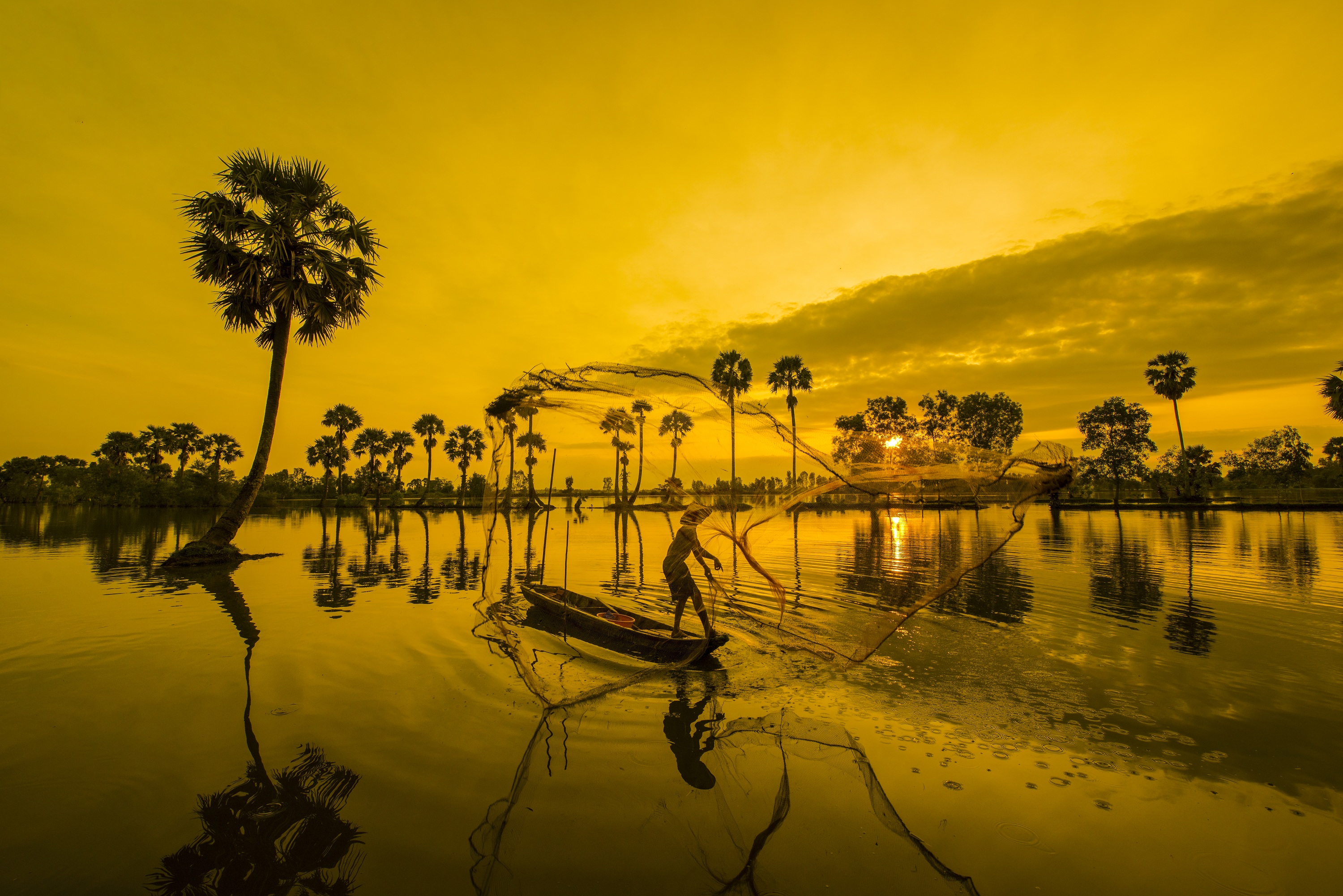
On my first exploration of the Southwestern region of Vietnam, following the advice of local friends, I decided to visit Chau Doc city in An Giang province, in the Mekong Delta.
Watching the sunset on Mount Sam
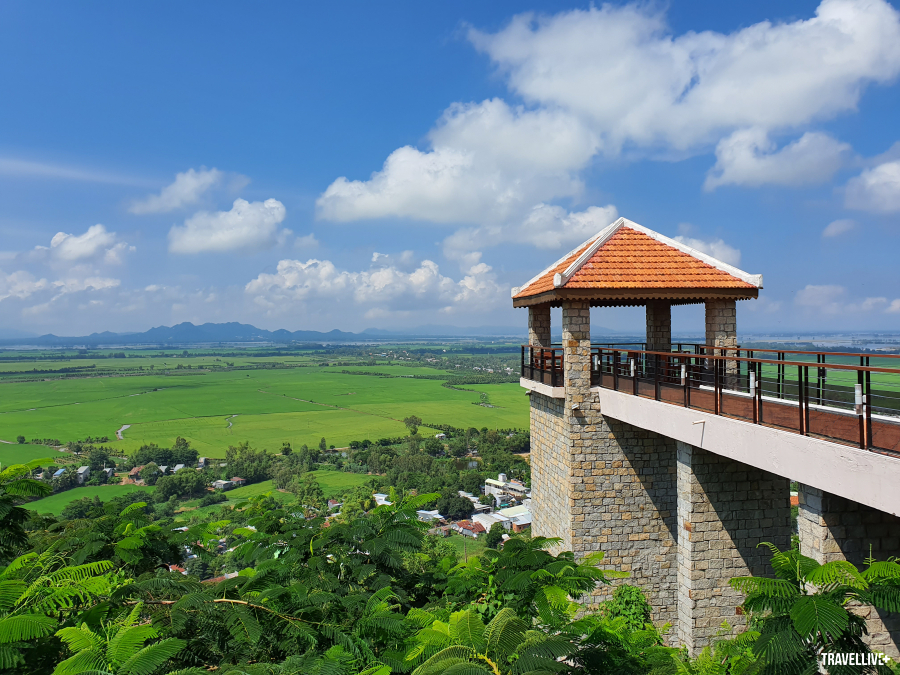
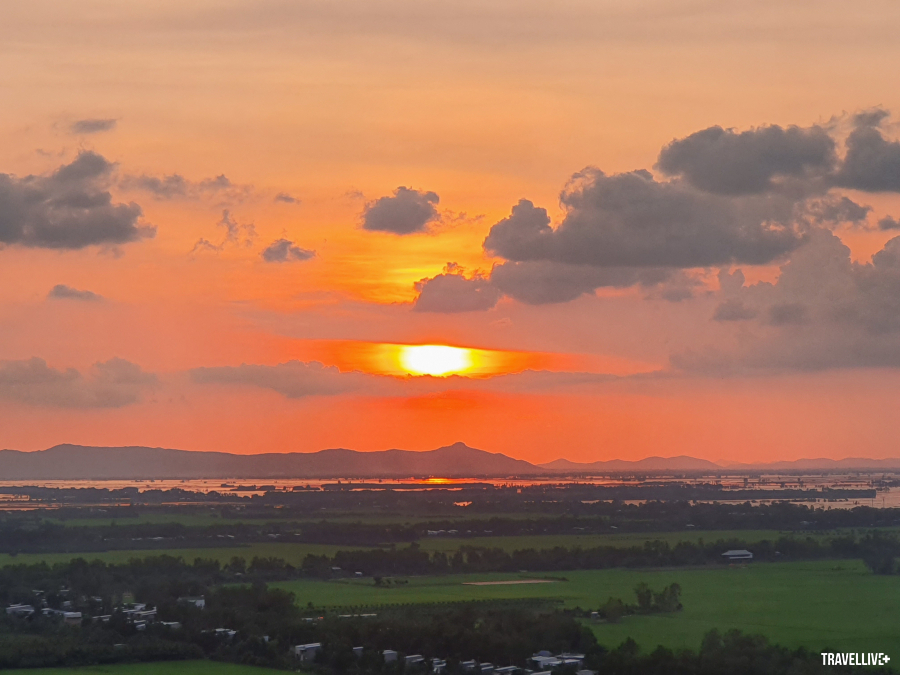
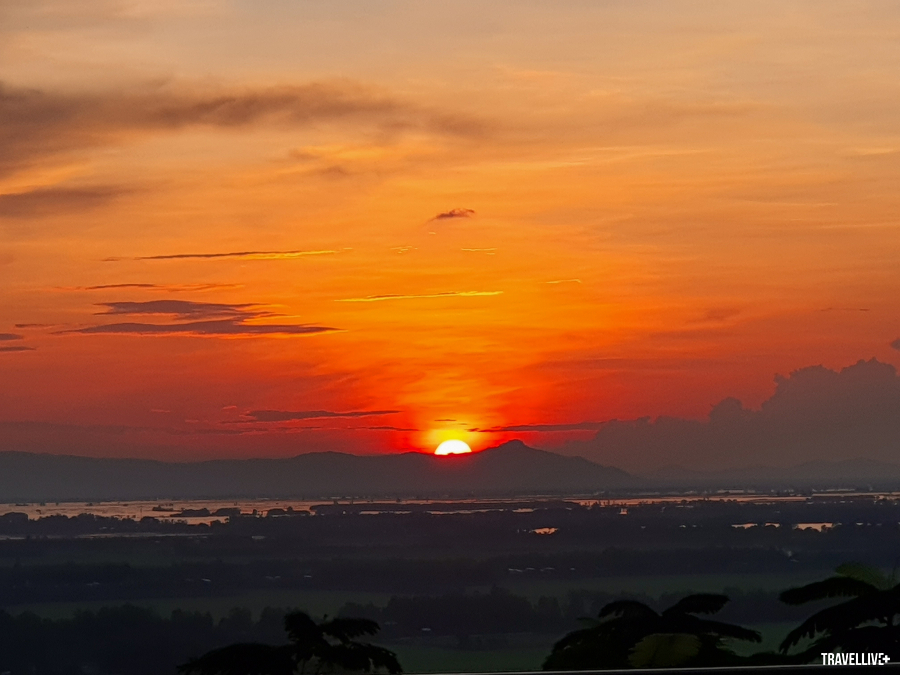
After a long 6-hour bus ride from Saigon, we finally arrived at our accommodation on Mount Sam. This mountain is also known by other names such as Vinh Te Son or Ngoc Lanh Son. Located 284 meters above sea level, Mount Sam is one of the famous tourist destinations in An Giang. There are up to 200 temples, pagodas, shrines, and sanctuaries scattered from the foot of the mountain, along the slopes, to the summit. However, what I looked forward to most was enjoying the stunning sunset.
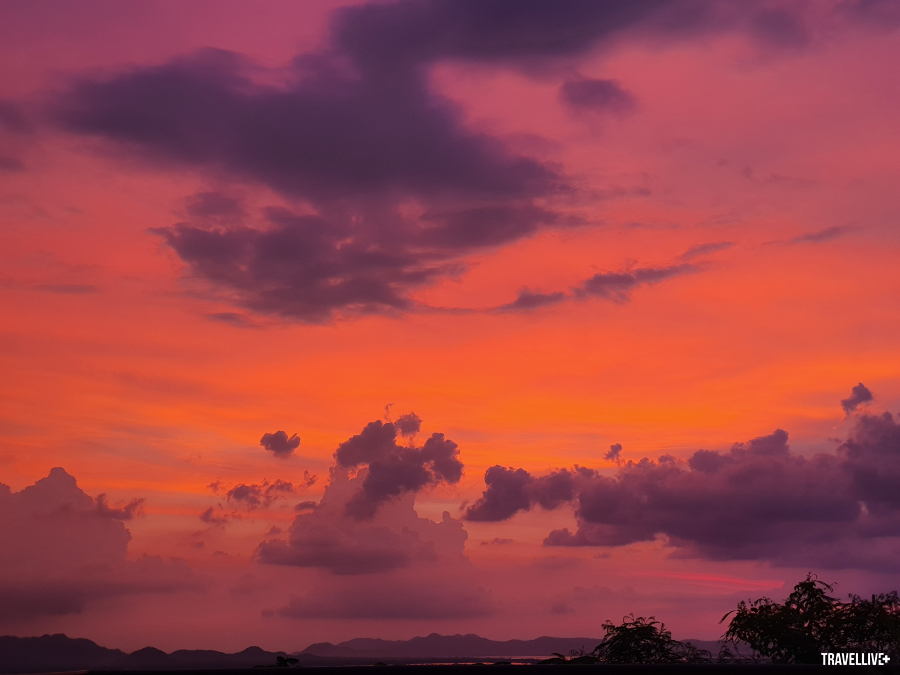
Luckily, we arrived at Mount Sam just as the sun was setting. We were able to breathe in the fresh air of the Mekong Delta while admiring the spectacular sunset over the river.
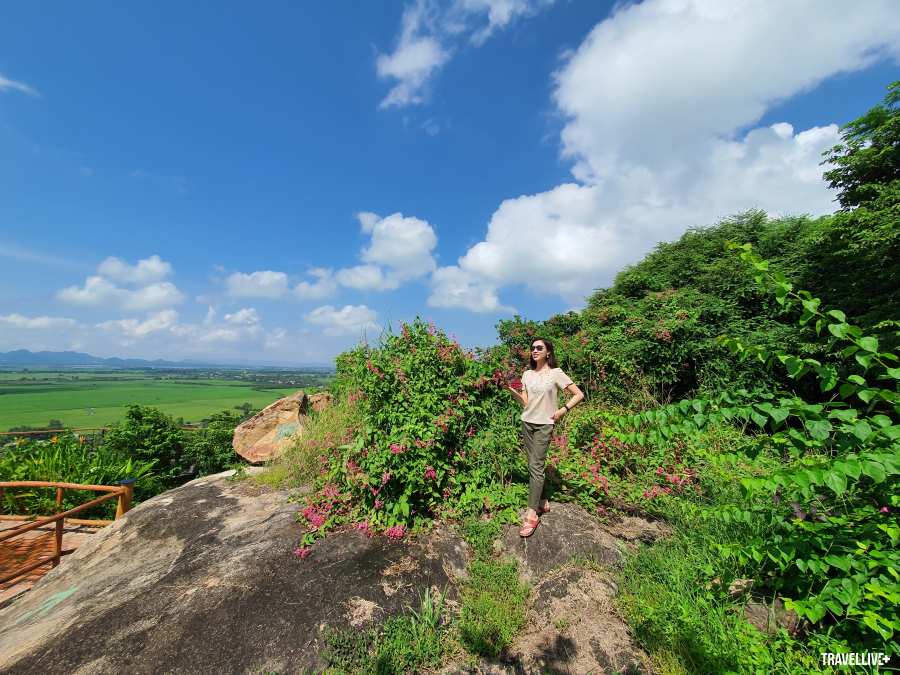
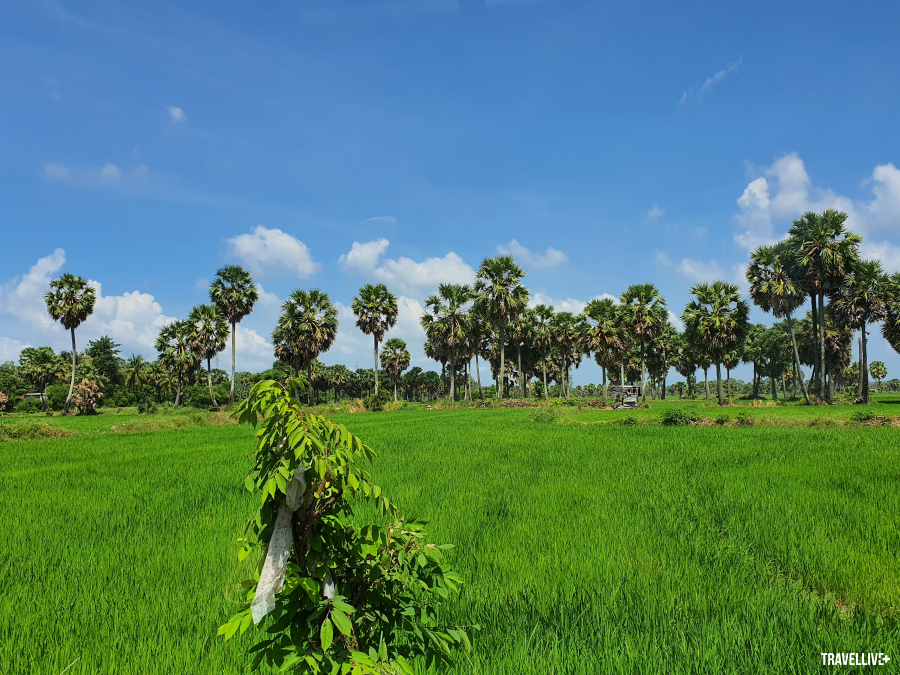
I went in October, so the rice fields below were a vibrant green, a fresh and pleasant shade of green. The scenery was beautiful, yet there were only a few tourists, allowing me to take plenty of photos and enjoy the moment. The peaceful atmosphere immediately made me forget the smog and hustle and bustle of Saigon. I can say that the sunset in Chau Doc is one of the most beautiful I've ever seen. Not only that, we arrived in Chau Doc during a full moon, so every night we enjoyed the bright and romantic moonlight.
Discover the temple with the deep cave.
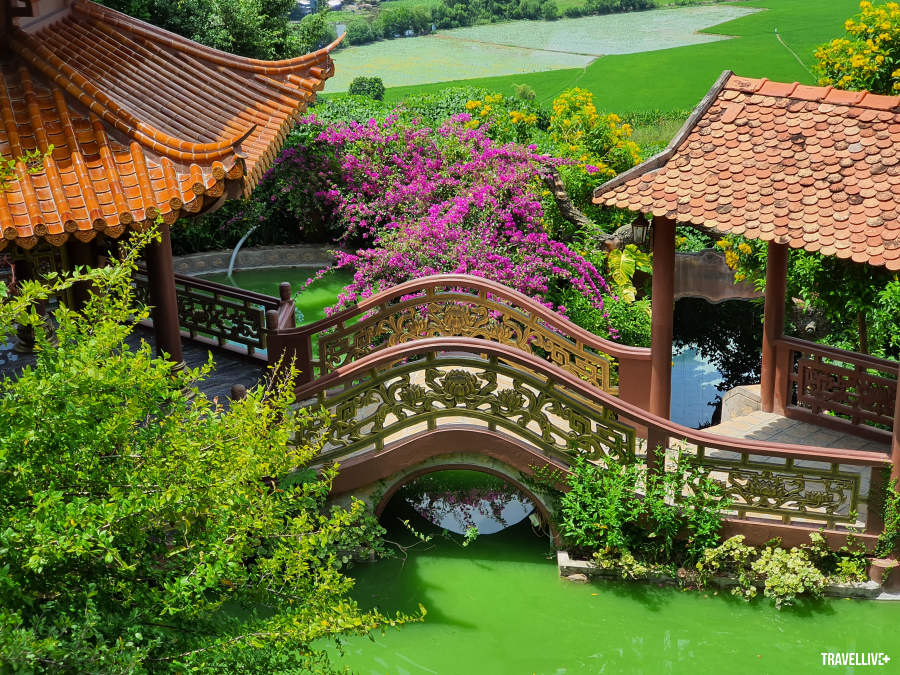
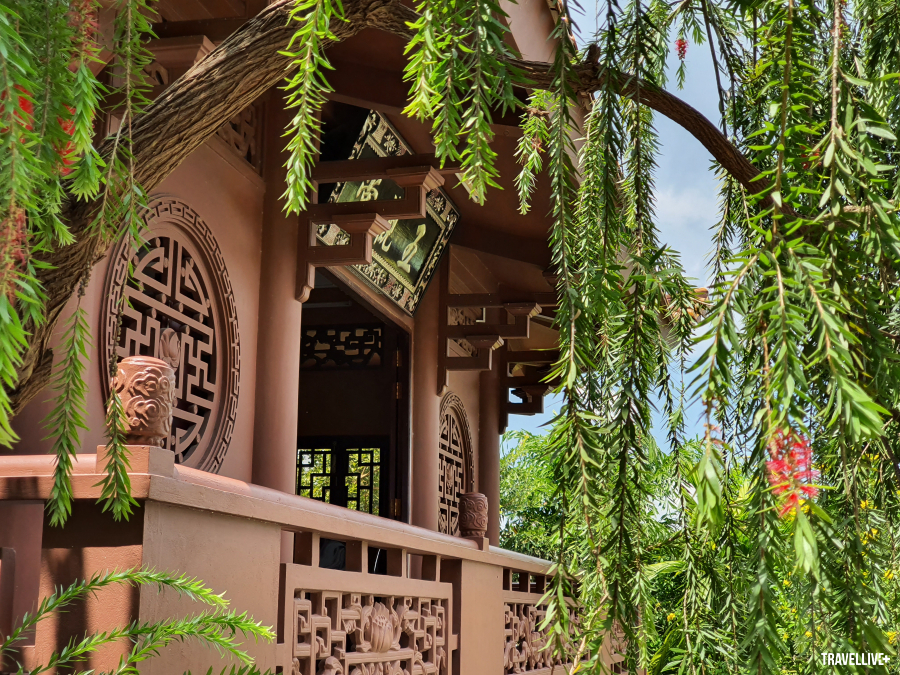
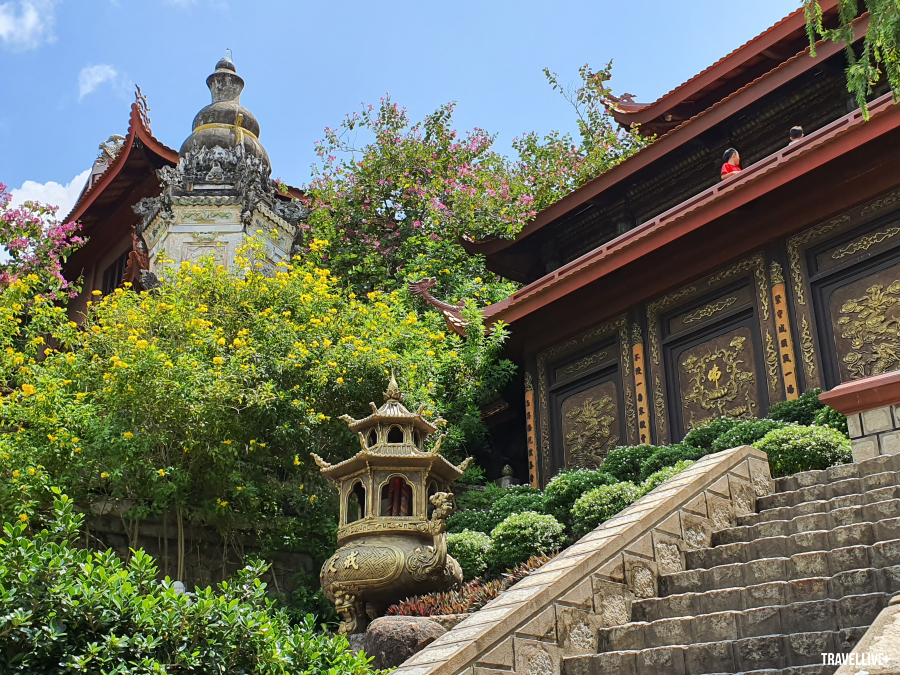
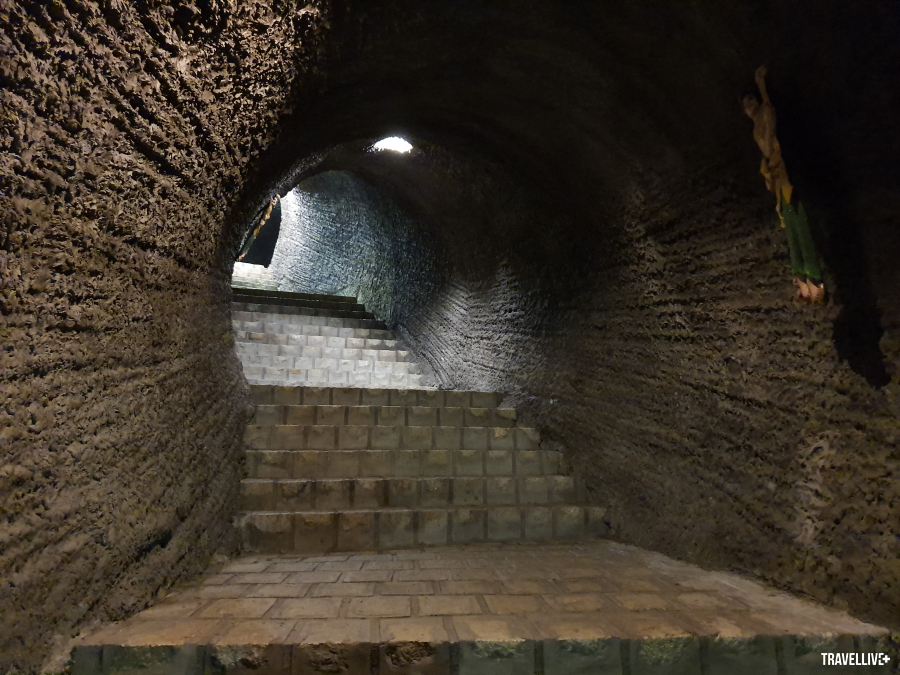
When talking about spiritual tourism in Chau Doc, everyone says you absolutely must visit the famous and sacred Ba Chua Xu Temple at the foot of Mount Sam. But with the main purpose being sightseeing, we spent time visiting Phuoc Dien Pagoda, also known as Hang Pagoda. Originally a simple hermitage built around the 1840s-1850s by nun Le Thi Tho (1818-1899), whose Buddhist name was Dieu Thien. After several expansions and renovations, Hang Pagoda became a scenic spot on Mount Sam and was recognized as a National Historical Monument in 1980.
To enter the temple, visitors must leave their shoes outside and walk barefoot for the rest of the journey (this path is quite long, including both the courtyard and the cave). A full tour of the temple takes about two hours. The scenery here is tranquil, with unique and exquisite architecture. The outdoor areas are breathtakingly beautiful, offering many diverse photo opportunities. Reaching the highest point of the temple, we were able to admire the vast, expansive plains and enjoy the refreshing breeze.
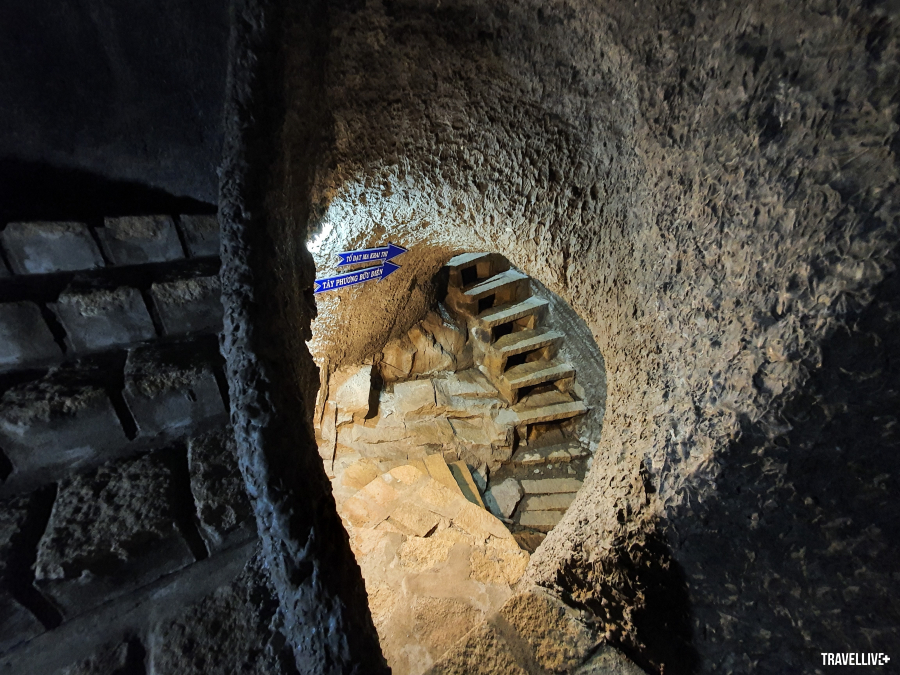
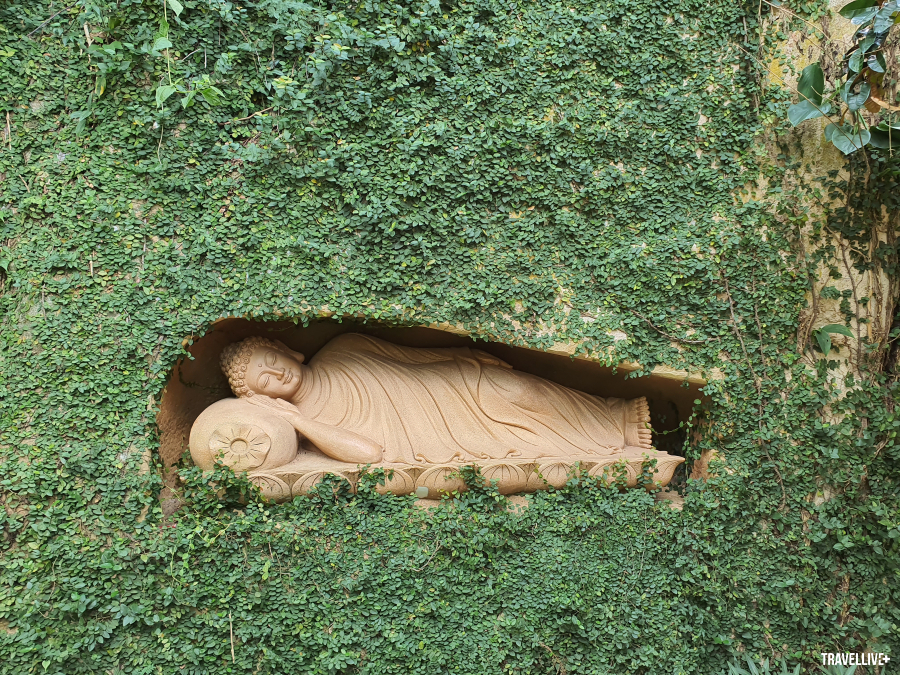
The most exciting part for me was exploring the interior of the temple cave. The cave was quite deep with many niches containing statues, creating a feeling of profound tranquility and mystery. It was my first time exploring a deep mountain cave barefoot, directly touching the sacred earth, and it evoked indescribable emotions. There was no guide on this tour. At first, I felt a little scared, like I was lost in a mysterious labyrinth with no way out. But if you listen carefully, you'll hear the sound of trickling water. In the deep cave, the water acts as a special signpost, and simply following the direction of the water will lead you to the path.
The poetic flood season in the mangrove forest.
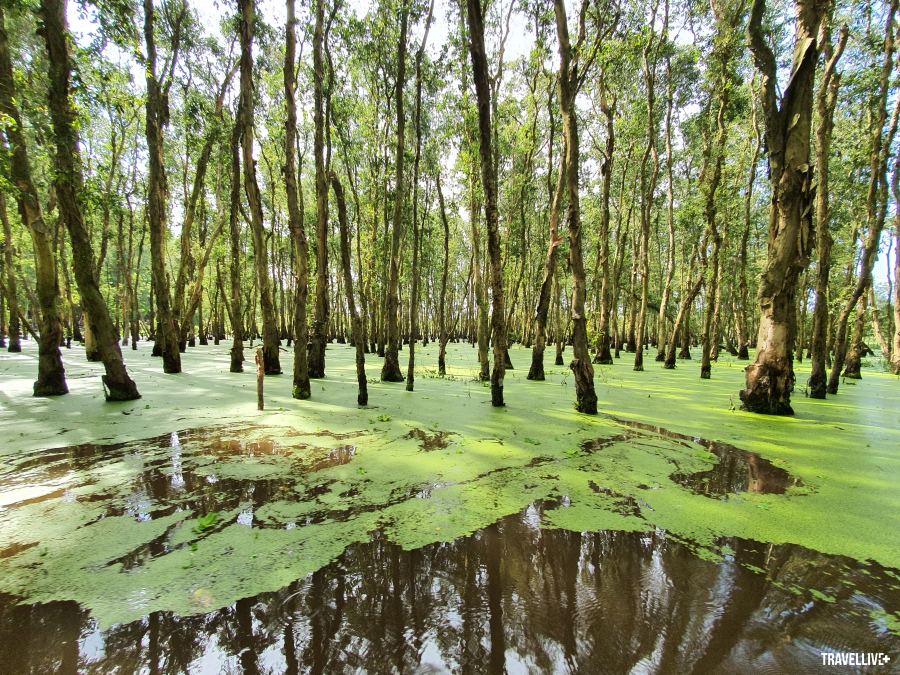
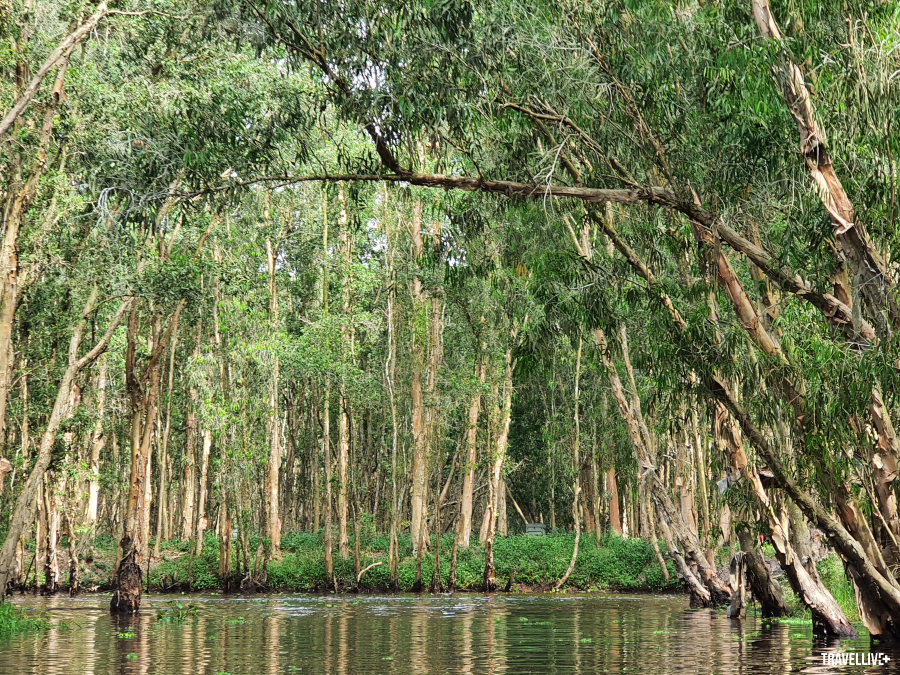
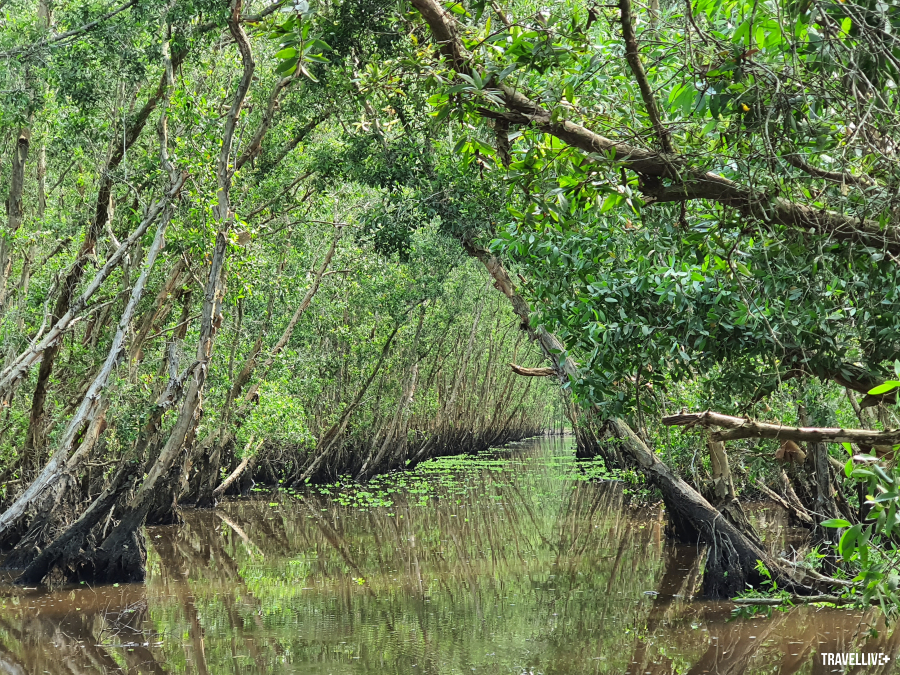
We chose to visit Chau Doc in October because we heard that the flood season, from September to November, is the most beautiful. Before we left, I was a little worried that it would rain a lot during this season, but luckily it usually rains in the late afternoon or at night, while the mornings are still sunny and perfect for sightseeing. Chau Doc is beautiful in every season, but perhaps the most unique time is the flood season, when the lush green water hyacinths cover the surface of the mangrove forest.
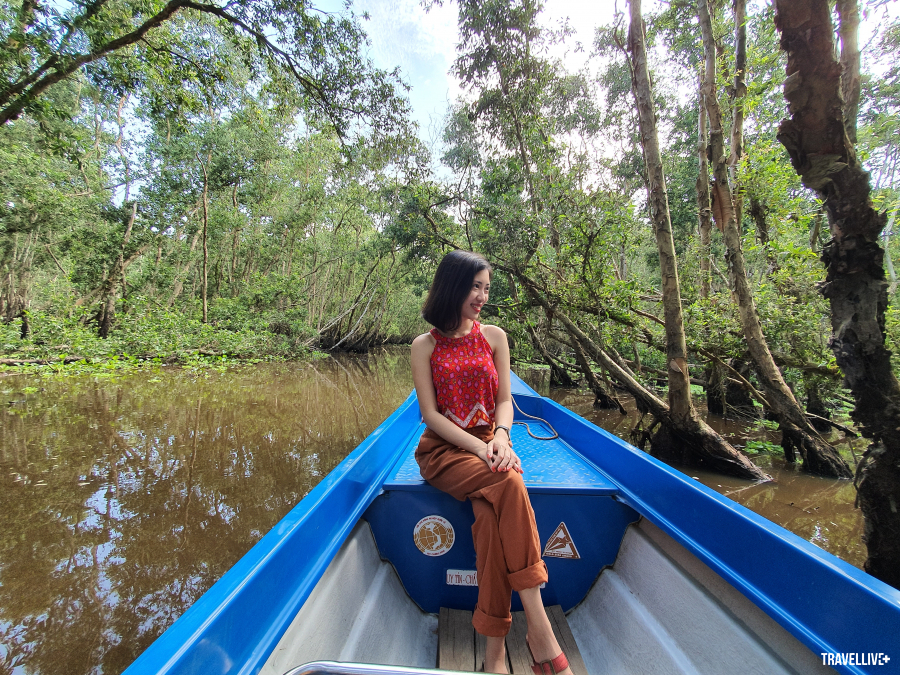
On our last day in Chau Doc, we eagerly planned to visit Tra Su Melaleuca Forest, expecting a large number of tourists, but upon arrival, there was hardly anyone around – it turned out to be a weekday. This made our experience in the melaleuca forest even more relaxing and unforgettable.
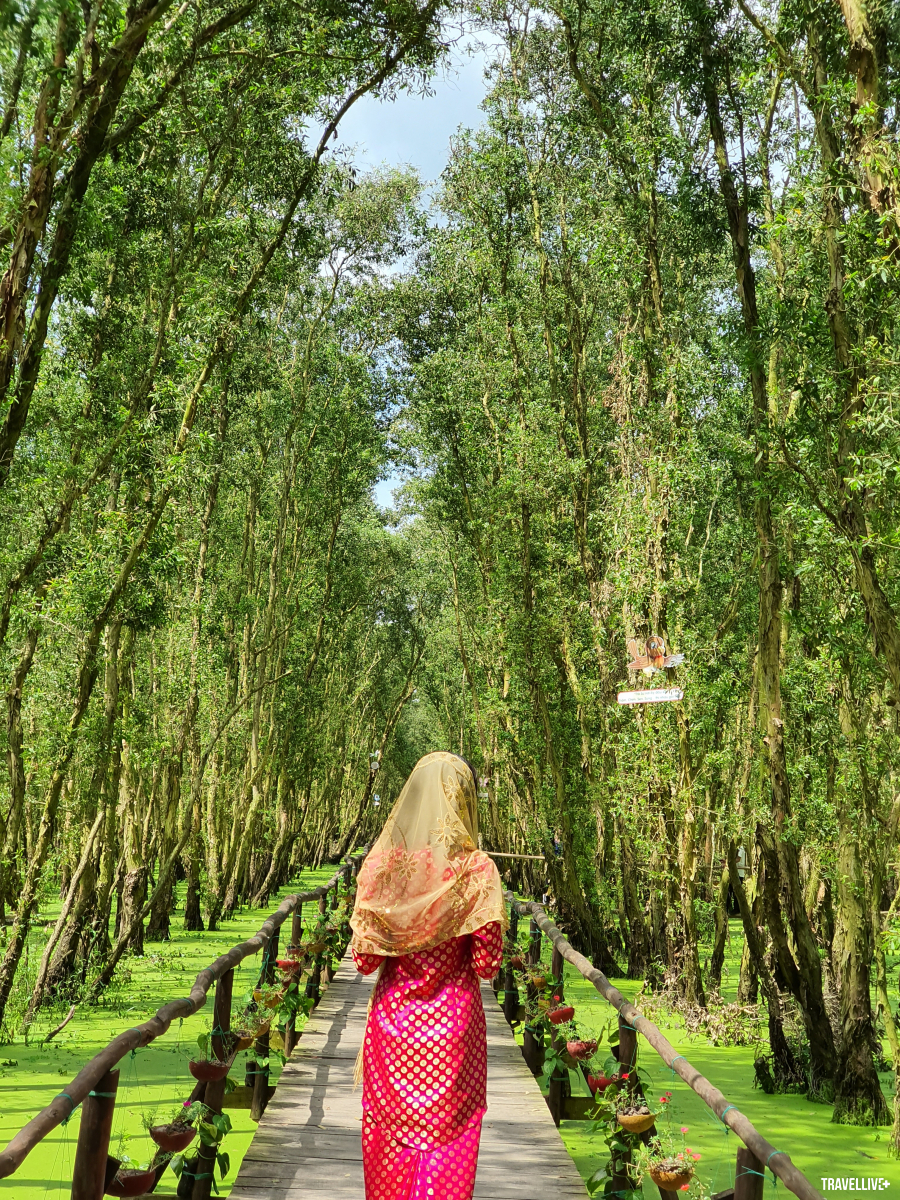
The typical riverine landscape of the Mekong Delta gradually unfolded before our eyes, with many stretches of water hyacinth covering the surface, winding into lush green patches that looked truly artistic. The most impressive moment was when we walked onto the Love Bridge; beneath the bridge were green water hyacinths, and above were rows of slender melaleuca trees – a truly unique and beautiful sight, perhaps only found here.
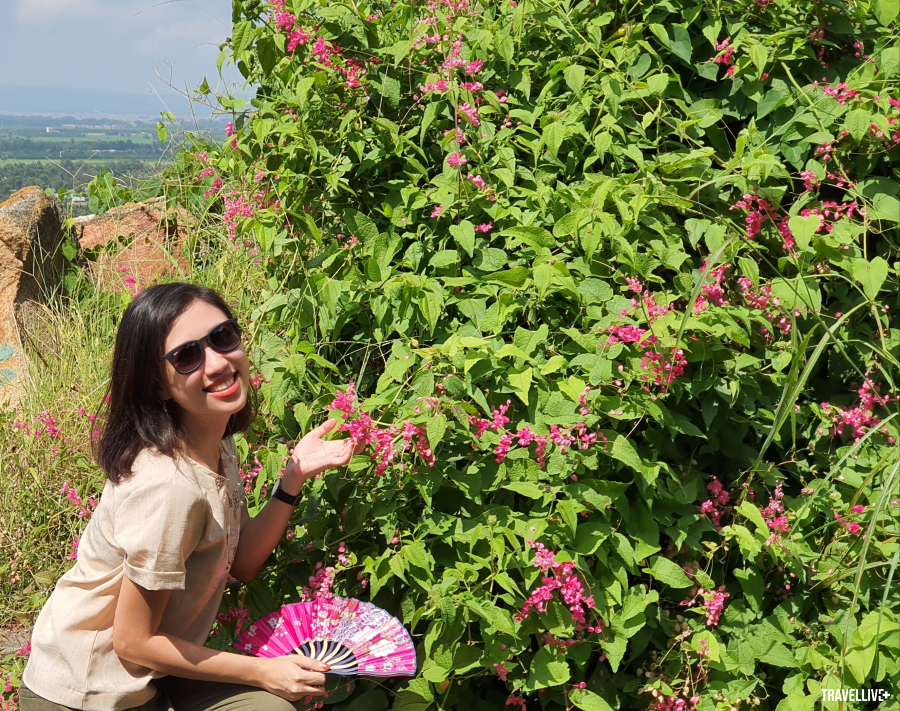
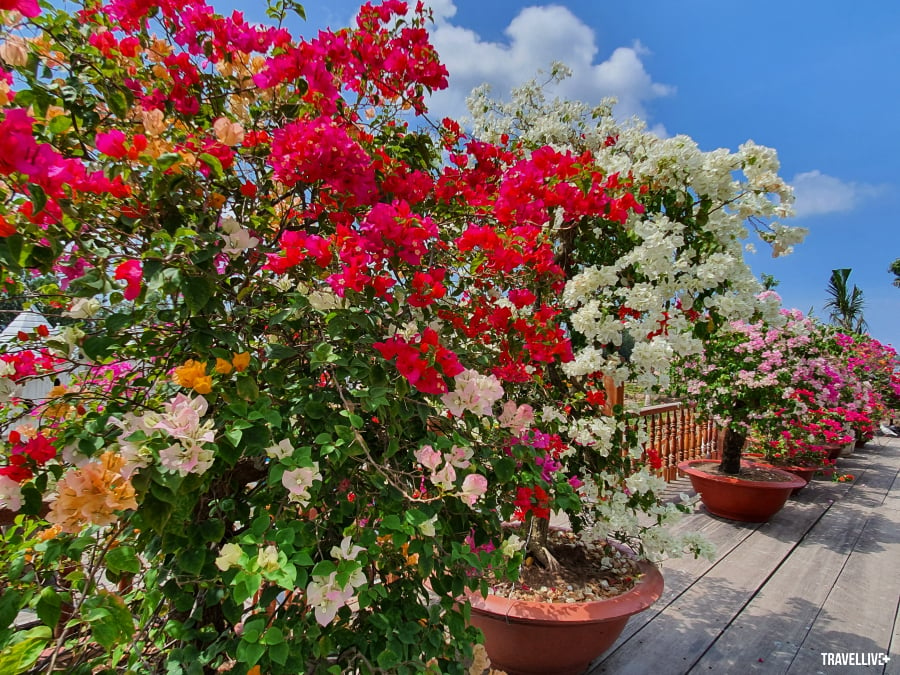
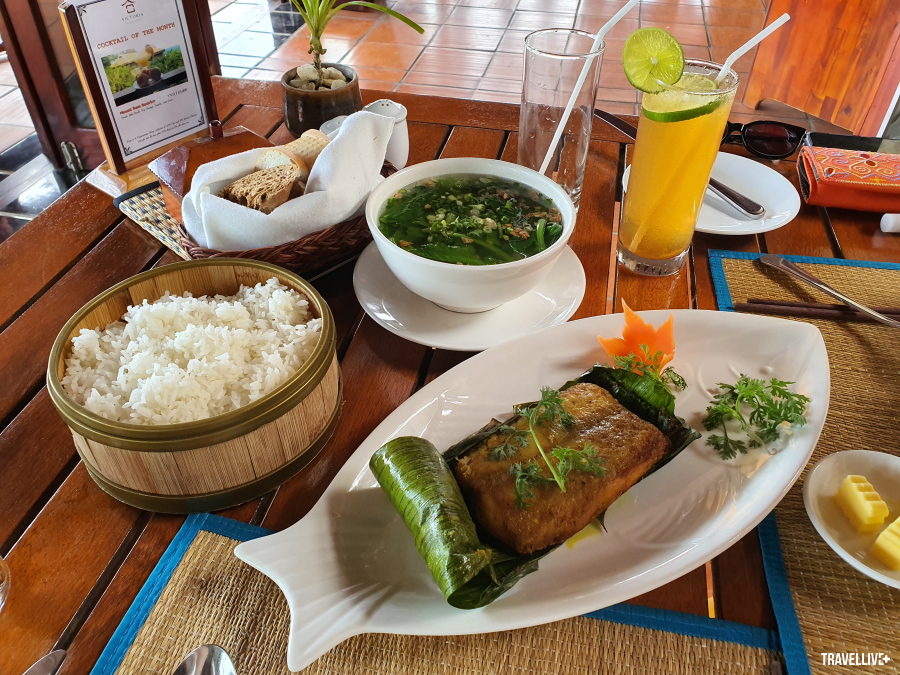
Lunch in the mangrove forest was also delicious. We ordered honey-grilled chicken and steamed snakehead fish, fresh food prepared in a rustic, Western Vietnam style. Here, you can sit and eat in wooden huts jutting out over the water, creating a feeling of closeness to nature. Nearby, there's a birdwatching platform, but we heard that going early in the morning or late in the evening offers a more beautiful birdwatching experience, so we skipped that. Before leaving the mangrove forest, we also enjoyed admiring the bougainvillea flowers in all their colors and tried palm juice and carambola fruit. Tra Su Mangrove Forest truly deserves to be a must-visit tourist destination in Chau Doc with its many interesting experiences.
The distinctive traditional costumes of the Cham people.
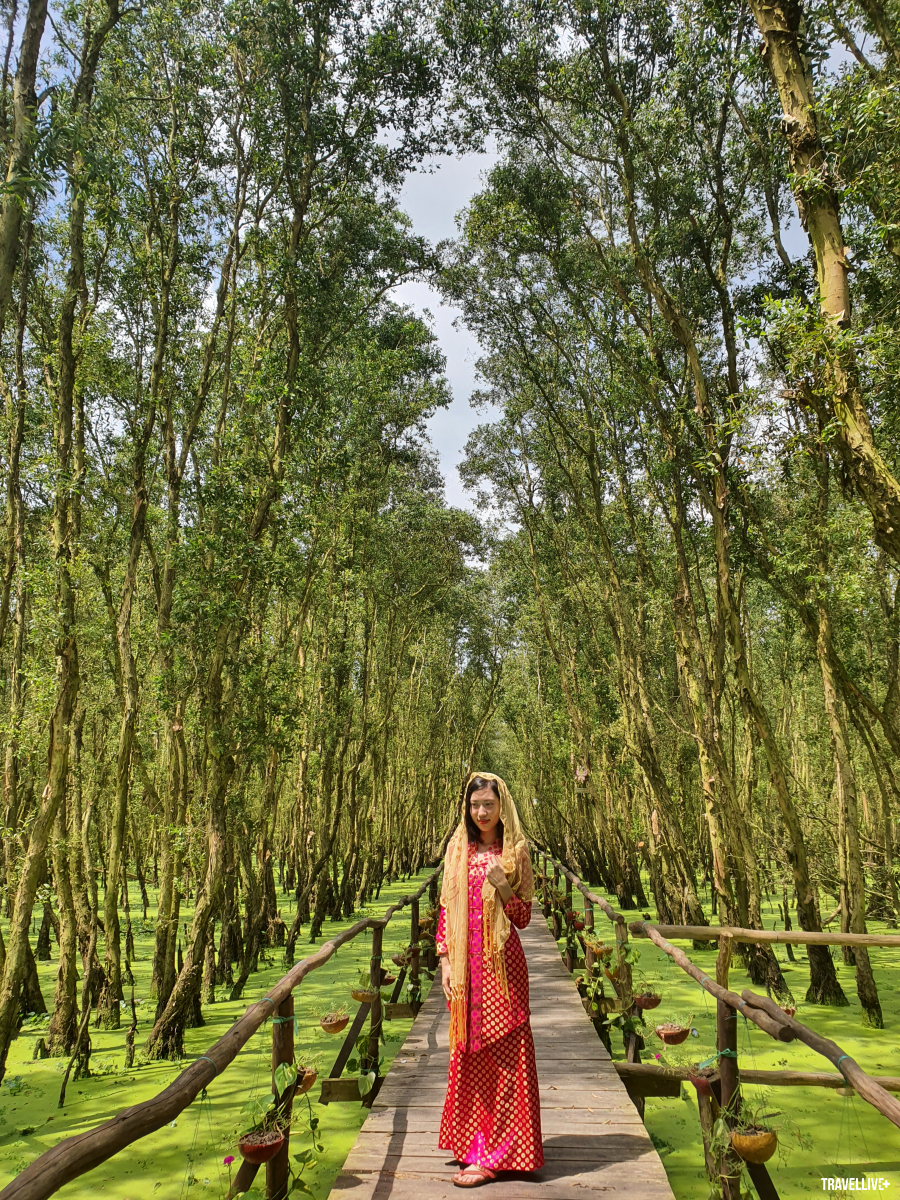
Although we didn't visit the Cham village, we coincidentally learned about this ethnic costume right in the Tra Su Melaleuca Forest through the stories of the Cham women working there. A special feature is that girls can rent Cham costumes for photos for only 30,000 VND per set. The outfit I rented was a magnificent pink and yellow brocade dress and blouse worn by Cham girls, complete with a headscarf because the Cham people follow Islam. Girls can also take photos wearing the traditional "áo bà ba" dress in the Tra Su Melaleuca Forest, but it's only for sale, not for rent. In my opinion, a Cham costume would be much more unique and striking.
During our exploration of Chau Doc, we missed quite a few other famous tourist destinations such as Mount Cam, the Lady of the Land Temple, and the Cham villages. If you prefer a relaxing vacation, just Mount Sam, Hang Pagoda, and Tra Su Melaleuca Forest can offer a peaceful yet equally interesting getaway. The tranquil beauty of Chau Doc during the flood season left a deep impression on me and made me extremely satisfied with this trip. No matter how much you research before your trip, Chau Doc will surely offer you wonderful surprises, especially the genuine friendliness of the locals, which will make you want to return.
Additional information
Move:You can travel from Saigon to Chau Doc by bus or by renting a private car. In Chau Doc, hotels offer motorbike rentals, and you can also take a taxi.
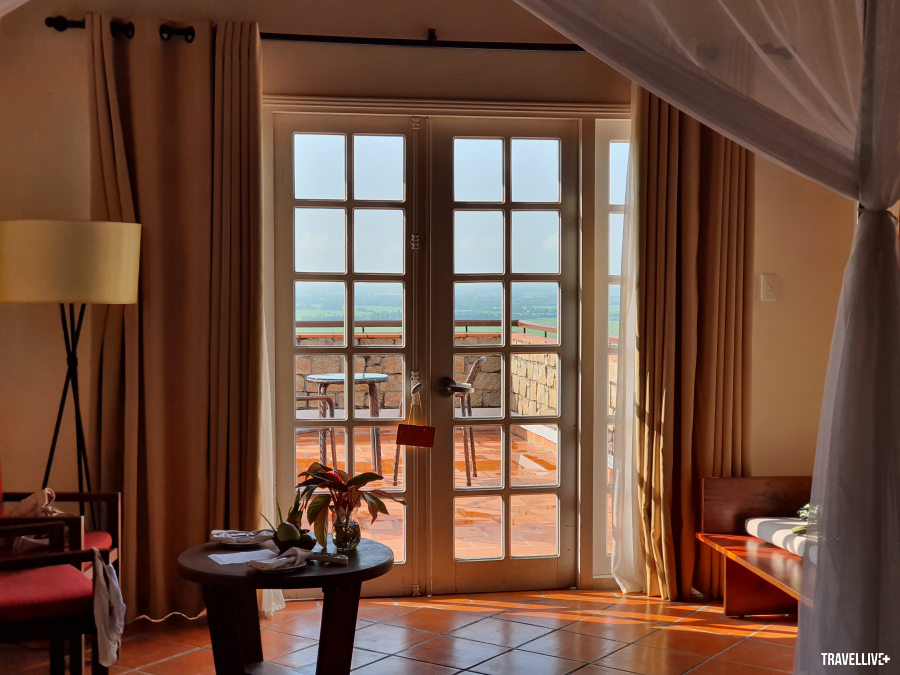
Hotel:We chose the Victoria Nui Sam Hotel, where a double room costs around 1,400,000 VND per night. The hotel is located on a mountain, so there are many stairs; therefore, it's advisable not to bring oversized luggage, and those with leg pain should consider this.
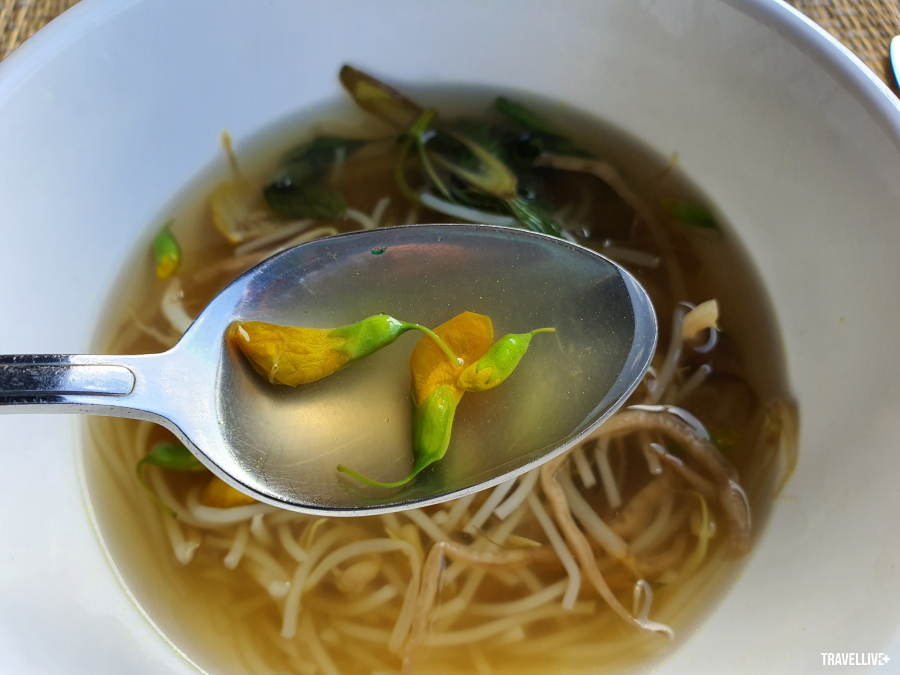
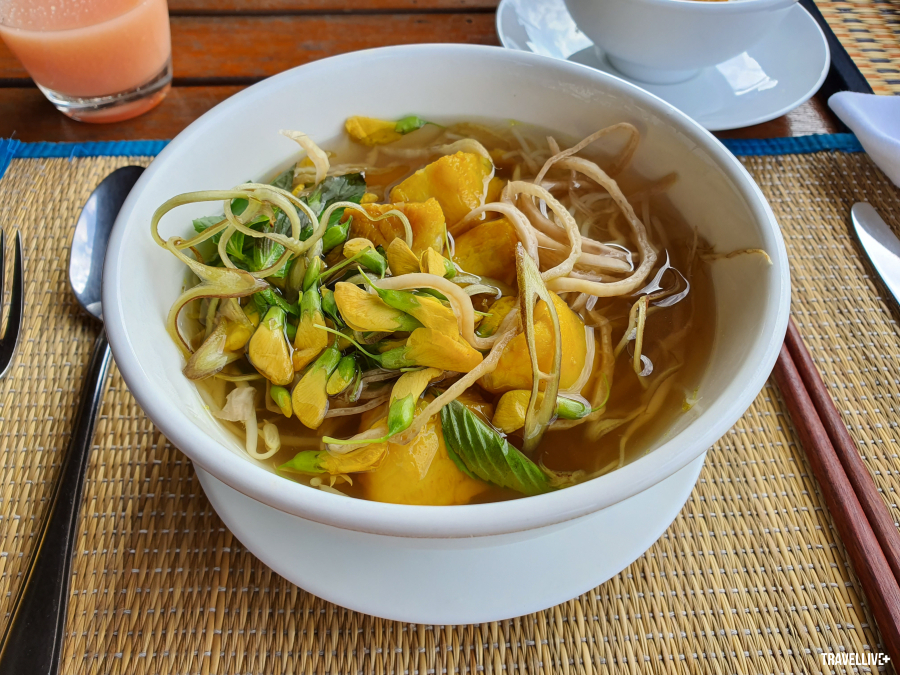
Cuisine:Fish noodle soup, fermented fish hotpot, palm sugar, Sesbania grandiflora flowers (a type of yellow flower that tastes somewhat like Telosma cordata), Giang leaves, Siamese sticky rice, and Canarium fruit... are some of the dishes that tourists should try.
Tourist attractions:Cam Mountain tourist area, Ba Chua Xu Temple, Tay An Pagoda, Thoai Ngoc Hau Mausoleum, Da Phuoc Cham village and Chau Giang Cham village.
Other notes:It's advisable to carry mosquito repellent, use mosquito nets while sleeping, and wear long clothing to prevent dengue fever. Although September to November is the rainy season, the sun is still strong, so it's still a good idea to bring sunscreen, a hat, or an umbrella.
Tran Dan Vy
Tran Dan Vy- Source: Photos by Tran Dan Vy and Le Huy Hoang Hai

 VI
VI