VI
VI


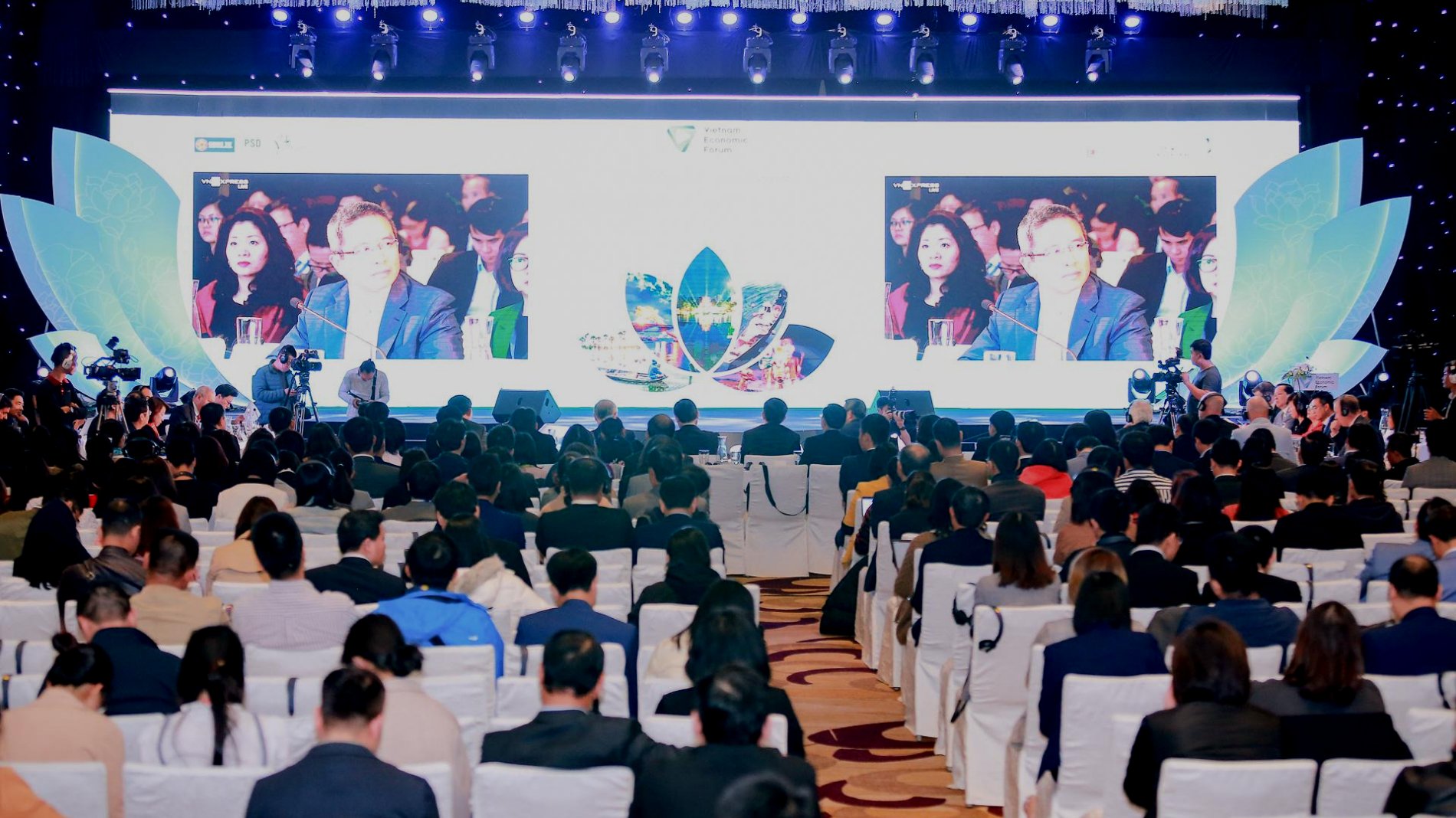
Vietnam's tourism industry has made remarkable progress recently, with its ranking rising from 75th out of 141 countries in 2016 to 63rd out of 140 countries in 2019. Price competitiveness increased by 13 points, and the airline ranking improved by 11 points compared to 2017. In November 2019 alone, Vietnam welcomed 1.8 million international visitors, a 39% increase compared to the same period in 2018 and double the number in 2016. It is projected that Vietnam will welcome 18 million international visitors in 2019.
These are the encouraging figures presented by Mr. Le Quang Tung, Deputy Minister of Culture, Sports and Tourism, in his opening speech at the plenary session of the Vietnam Tourism High-Level Forum held on the afternoon of December 9th.
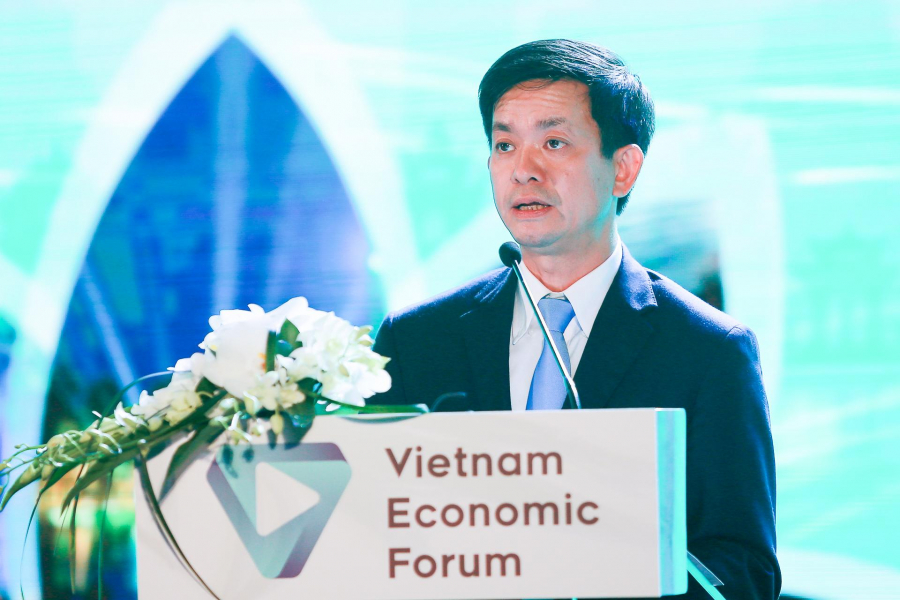
Mr. Le Quang Tung, Deputy Minister of Culture, Sports and Tourism, delivered the opening remarks at the plenary session.
However, he acknowledged that many challenges remain, such as the fact that Vietnam's tourism competitiveness still has many low indicators.
The plenary session discussed and put forward proposals and recommendations to reorganize tourism activities through two main themes: Solutions for "A beautiful, peaceful, and culturally unique Vietnam in the hearts of tourists" and "What should Vietnam do to develop aviation and boost tourism?".

In Topic 1, many experts offered opinions on the immediate limitations that need to be addressed. Among them, Vietnam's environmental sustainability index and tourism infrastructure ranking among the lowest in the world is a critical issue that needs improvement. Many limitations and bottlenecks remain unresolved, such as inadequate promotion and marketing, the lack of a fully operational tourism development fund, overloaded airport infrastructure unable to handle the growing number of tourists, and restrictive visa policies.
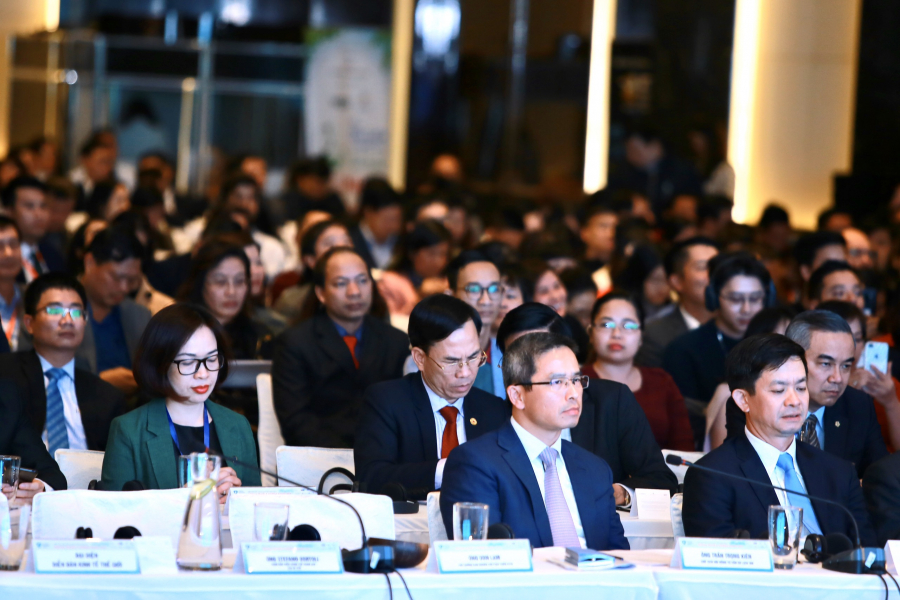
Many delegates at the Forum also raised concerns about Vietnam's modest tourism promotion budget of only $2 million per year. To address this issue, many businesses and organizations have expressed their willingness to participate in the proposed 60 billion VND fund to contribute to promoting Vietnamese tourism.
In Topic 2, a key issue raised by the Tourism Summit was the overload of aviation infrastructure. According to Mr. Luong Hoai Nam, an aviation expert, overloaded infrastructure is inevitable because Vietnam has 22 airports, but their total capacity is only equivalent to Changi Airport (Singapore), Suvarnabhumi Airport (Bangkok, Thailand), Kuala Lumpur International Airport (Malaysia)... Meanwhile, overloaded aviation infrastructure greatly affects the tourism industry, as 80% of tourists arriving in Vietnam arrive by air.
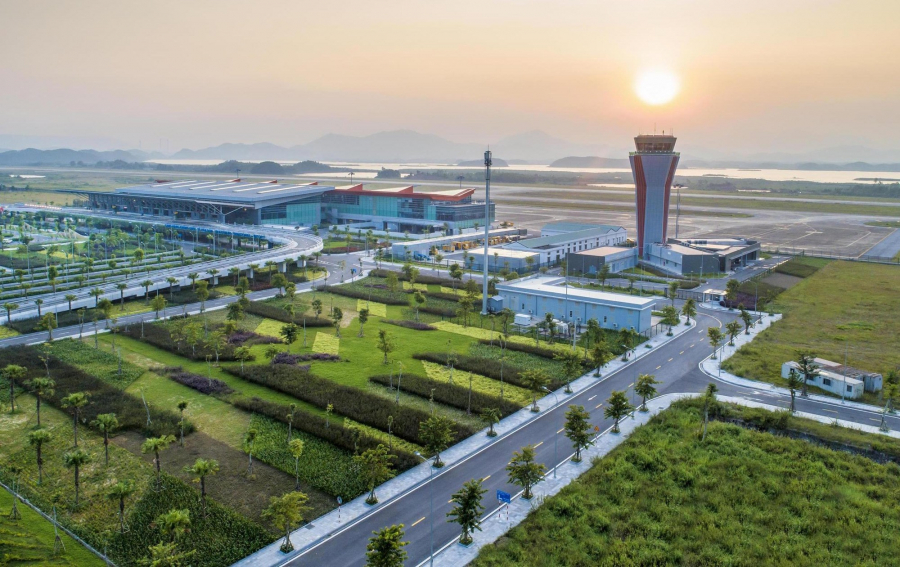
We need stronger social participation to encourage private sector involvement in tourism infrastructure development.
To address this issue, from a private sector perspective, Mr. Chu Viet Cuong, a member of Vietjet's Board of Directors, suggested that stronger socialization is needed to encourage private sector participation in infrastructure development and capital mobilization. According to him, many countries such as Australia, the UK, and the US allow private sector involvement in aviation infrastructure construction, and some airports in Australia and Thailand are privately managed and operated, resulting in very high quality. While attracting private investment is necessary, the policies are still flawed and lack the necessary incentives for businesses to participate.
The visa issue also attracted the attention of many other international guests. Kenneth Atkinson, Vice President of the Tourism Advisory Board (TAB), noted that despite being the leading tourist destination in Southeast Asia, Vietnam has a relatively low number of returning visitors. This rate is 70% for Thailand. To improve the return rate, he suggested that Vietnam should enhance service quality, make more positive changes regarding visa extensions and exemptions, cooperate with airlines, open direct flights to Europe, and improve transit capabilities.
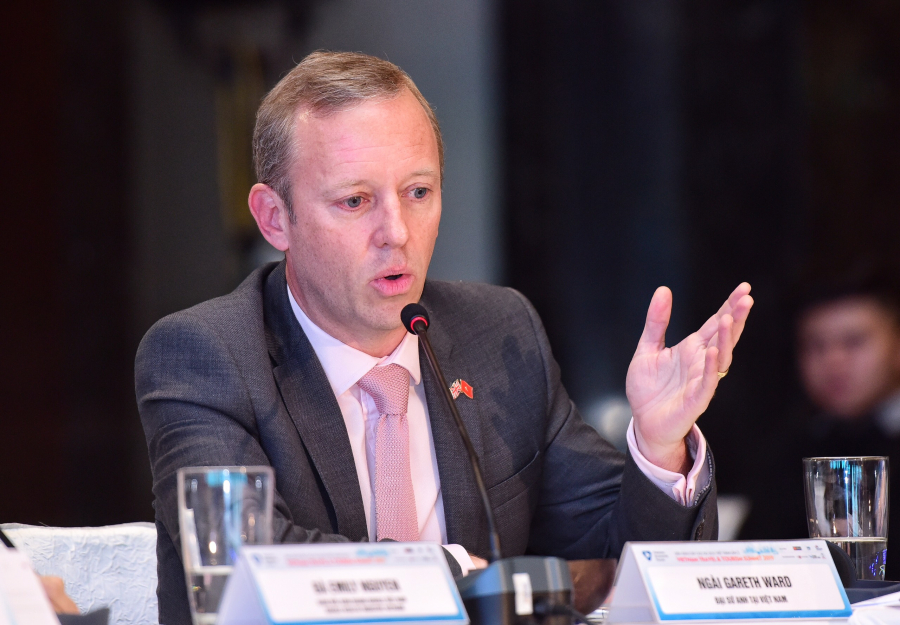
British Ambassador Gareth Warth proposed solutions for developing tourism in Vietnam.
Yesterday afternoon's plenary session also included the signing of memoranda of understanding and cooperation agreements between parties to develop products and services, improve infrastructure, and promote destinations. Notably, a cooperation agreement was signed between the Vietnam National Administration of Tourism and the Tourism Advisory Council on the establishment and operation of two offices to promote Vietnamese tourism in the UK and Australia.
Additional information
The 2nd Vietnam Tourism Summit - 2019 was organized by the Prime Minister's Advisory Council on Administrative Procedure Reform in collaboration with the Ministry of Culture, Sports & Tourism, the Vietnam Tourism Advisory Board (TAB), and the Vietnam Tourism Association. This is an annual high-level event within the framework of the Vietnam Private Sector Economic Forum (ViEF) - the largest public-private dialogue forum between the Government, businesses, and the private sector.