Tohoku is a large region in northeastern Japan, comprising six prefectures: Aomori, Akita, Iwate, Yamagata, Miyagi, and Fukushima.
This time I only visited Tohoku for four days. Each prefecture has its own unique characteristics, and the travel time by car can sometimes feel incredibly long. However, whenever I look back, I feel as if time has stood still while I was in Tohoku – day after day flowed seamlessly into one another with a gentle, tranquil rhythm. If there's any clear concept of time, it's probably the space between day and night.
Day
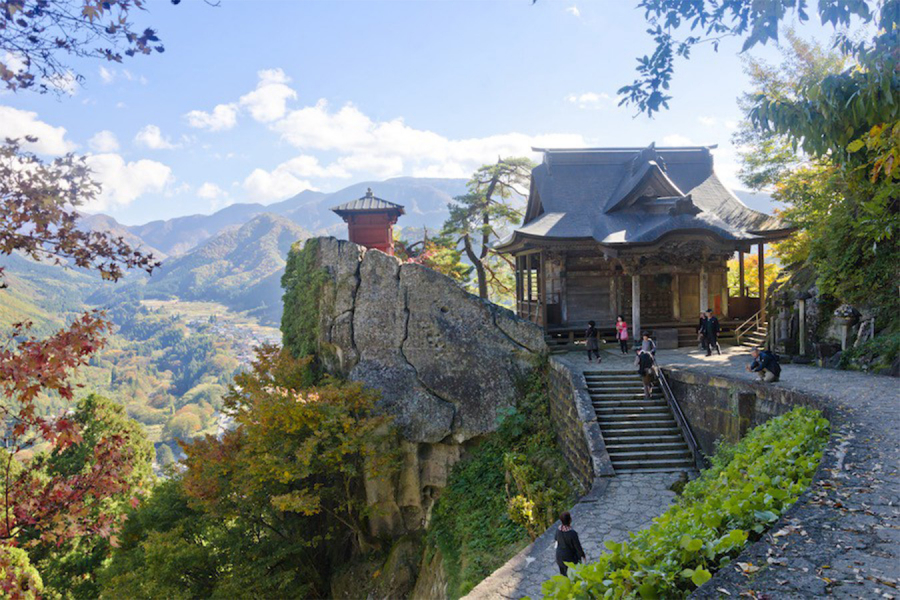
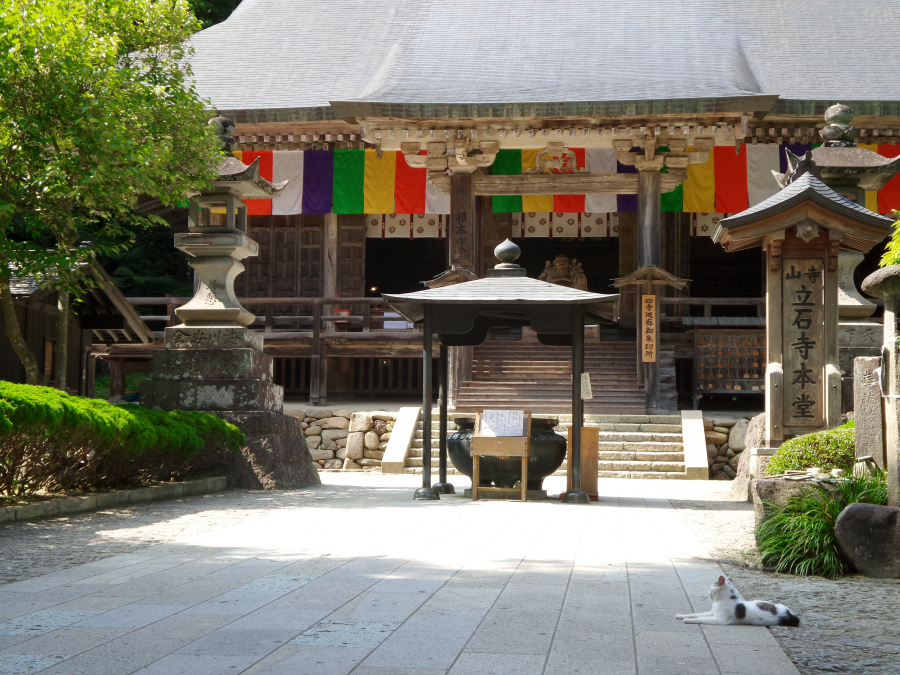
Spend the early morning visiting Yamadera Temple (meaning "temple on the mountain" in Japanese) in Yamagata Prefecture. Founded over a thousand years ago, the temple is recognized as a national historical site and scenic spot. Starting from the foot of Mount Yamadera, after climbing over 1,000 steps, you will reach the summit of Mount Hoju-san and enter the main hall of Okunoin Shrine.
My travel companion told me that, according to legend, the 1,000 steps up the mountain represent 1,000 sorrows and troubles of a person. With each step, a sorrow is released, and upon reaching the summit, one can erase all worries. I jokingly asked, "But I'm not suffering?" "There are sorrows within us that we are unaware of," was the reply I received.
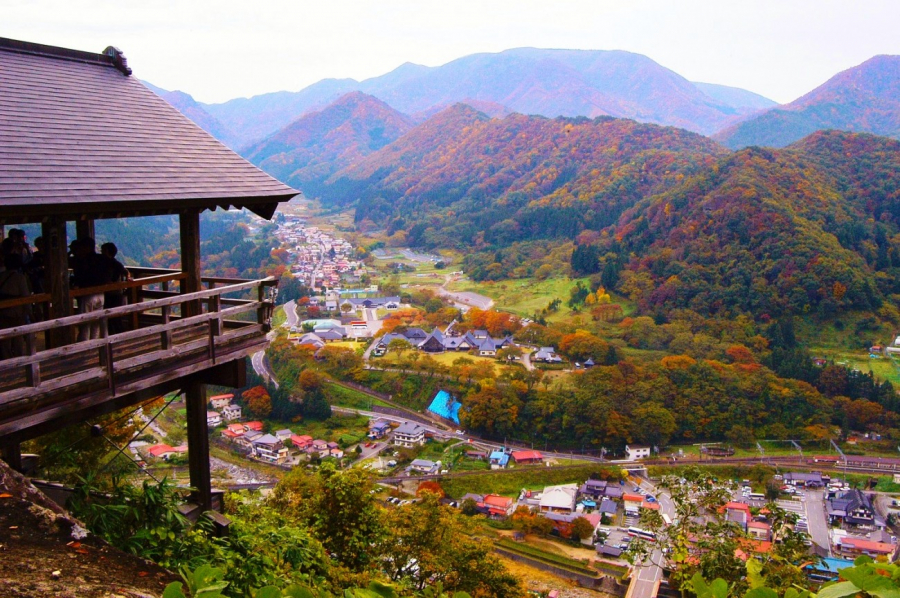
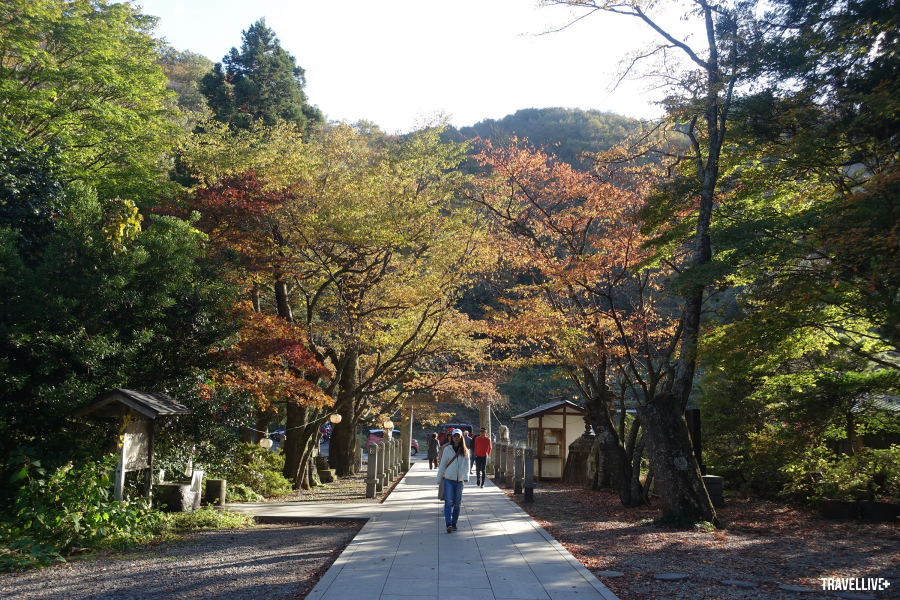
On the way to the summit, I was constantly amazed by the charming "teasing" of Mother Nature. There were some foliage that, when I looked up, were a vibrant orange, but after climbing a dozen more steps and looking down, the sunlight had transformed them into a deep purple. Reaching the summit didn't require too much sweat or effort, and from there I could gaze out at the entire peaceful countryside of the Yamagata region. Especially at the end of the year, the landscape was further enhanced by the yellow, orange, and red hues of the changing seasons.
But I didn't feel… "my worries were dispelled" after climbing 1,000 steps. That's because from the very first step into Yamadera, peace filled my heart. This peace came from the serene scenery and the relaxed demeanor of the Japanese tourists. I don't know if they came here to "discard their worries," but no one seemed anxious, demanding, or expecting any miracles, so the atmosphere was very light and airy. It's no wonder Yamadera was once a resting place for Matsuo Basho, the most famous haiku poet of the Edo period, who inspired him to write many poems about the tranquility of this place.
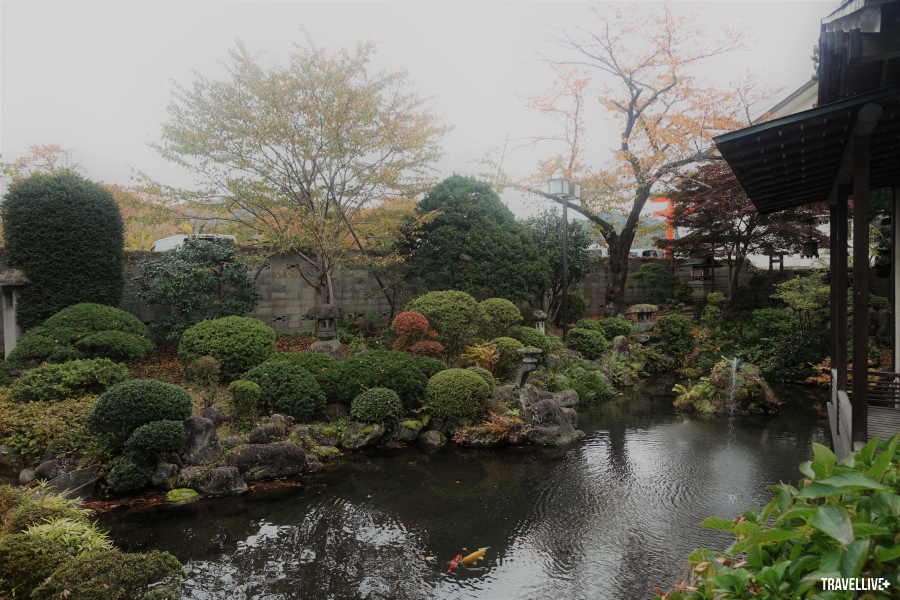
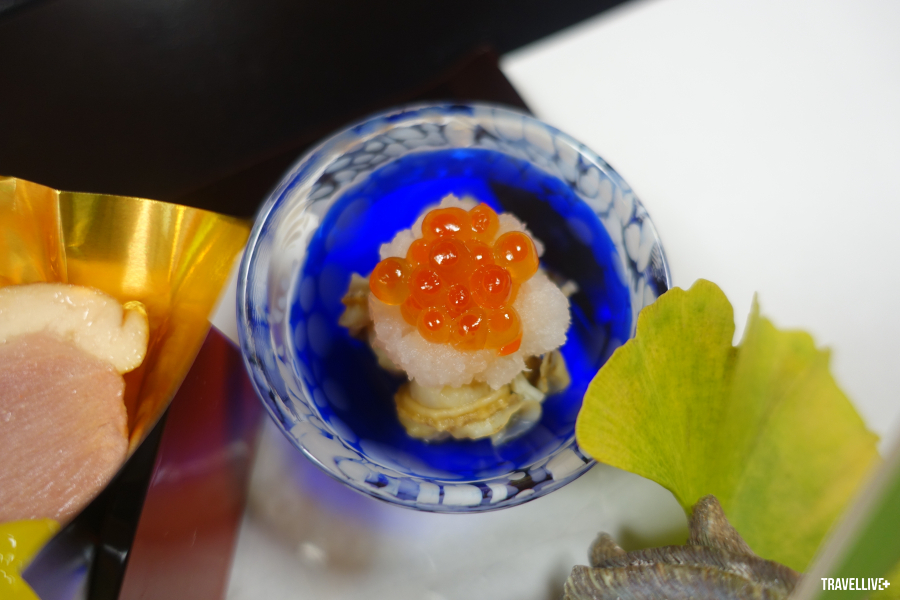
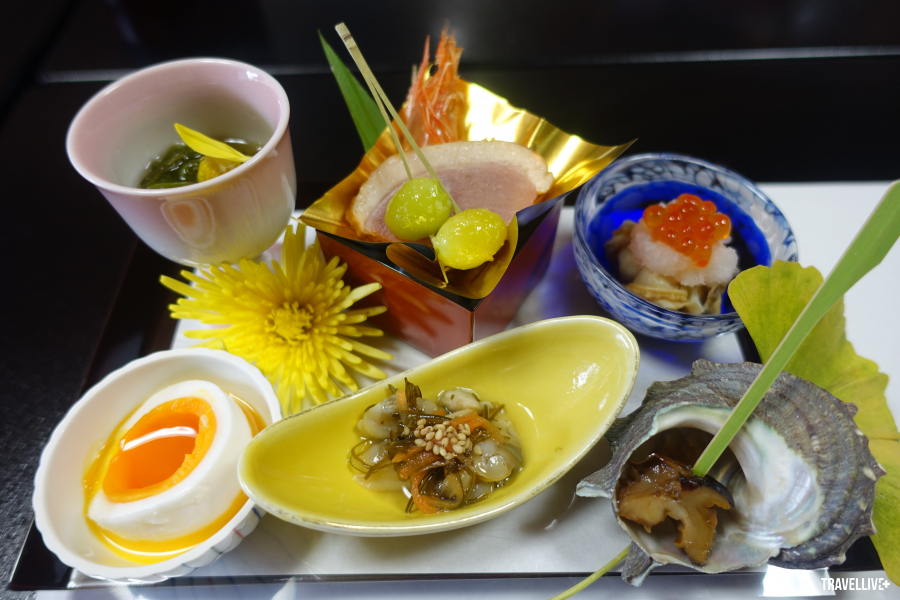
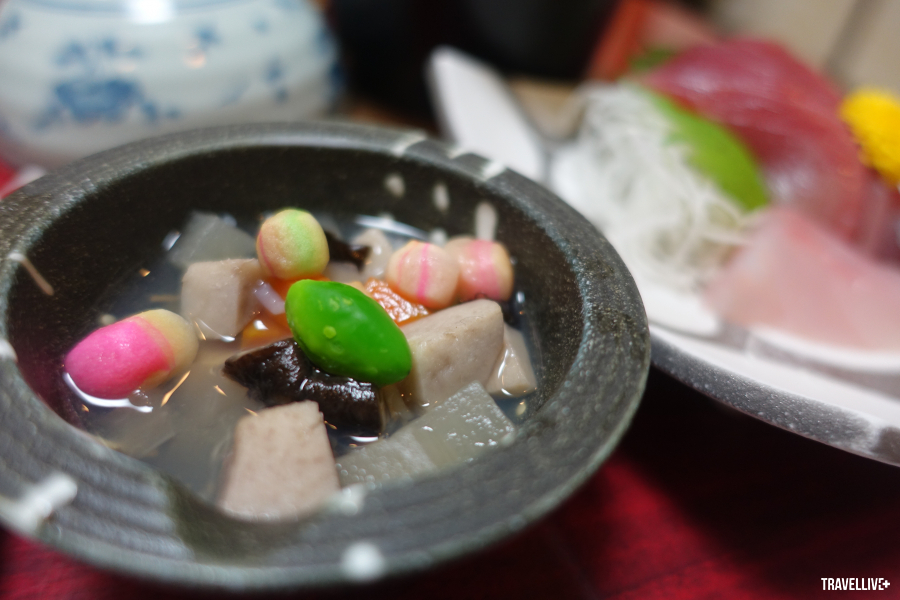
If you're in Yamadera, don't miss lunch at Hitosara restaurant, not far away. Over 100 years old, the restaurant is famous for having served meals to Emperor Meiji. Here, we tried a Kaiseki set meal in a private room overlooking a beautiful koi pond. Kaiseki cuisine is considered the finest in Japan, combining sophisticated cooking and presentation techniques with carefully selected seasonal ingredients – primarily vegetables, fish, seaweed, and mushrooms. Although I don't usually drink alcohol, the restaurant's picturesque setting and beautiful, fresh, and delicious food made it impossible for me to resist a few glasses of fragrant sake.
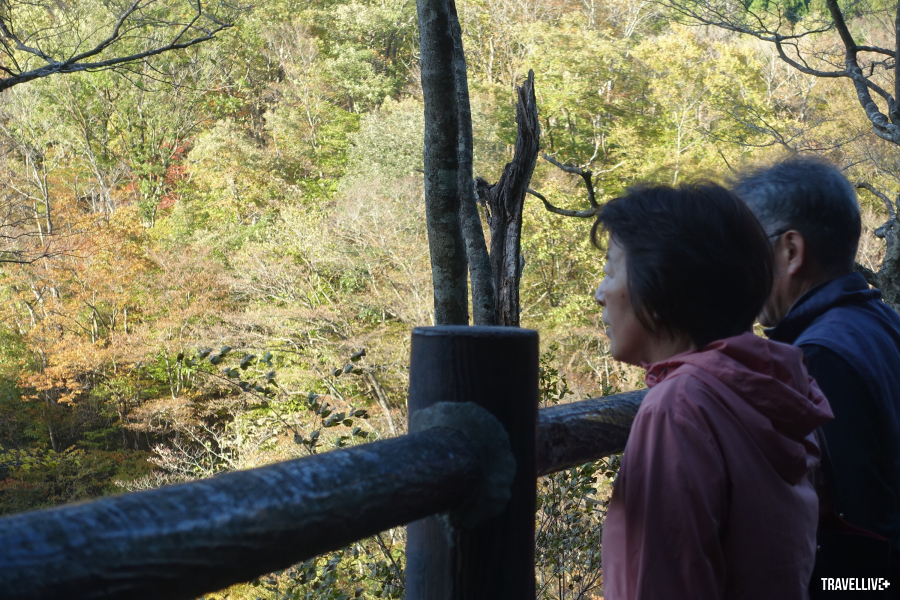
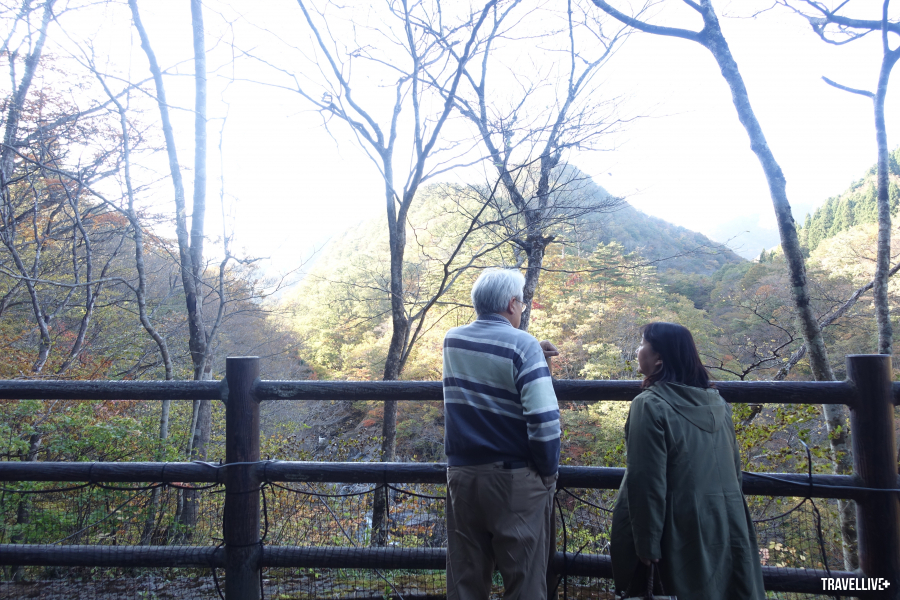
Spending an afternoon in Sendai, the capital of Miyagi Prefecture, my first stop was Akiu Falls, one of the three most beautiful waterfalls in Japan. Here, we admired the spectacle of water cascading from a height of 55 meters, the majestic stream surrounded by thousands of golden and red leaves from ginkgo, oak, and maple trees in autumn…
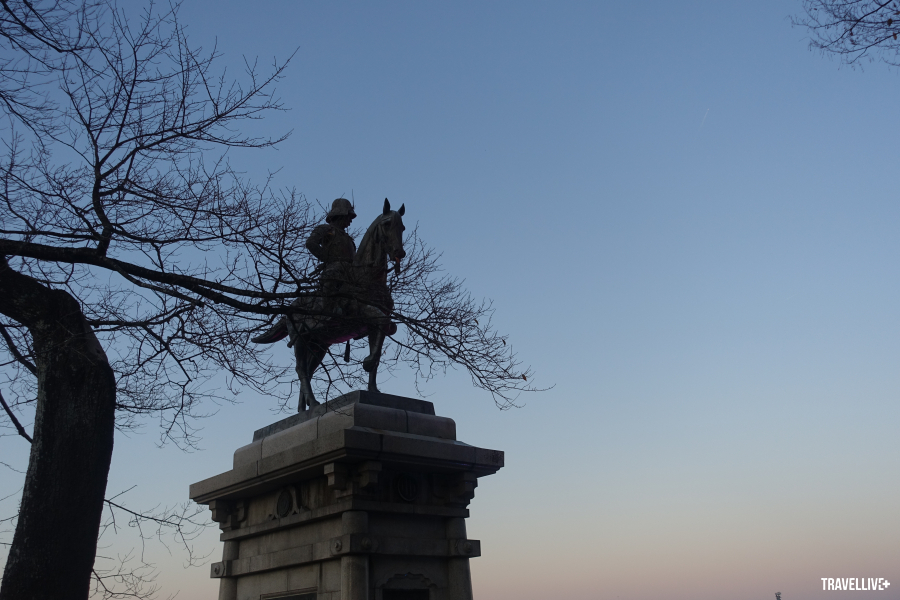
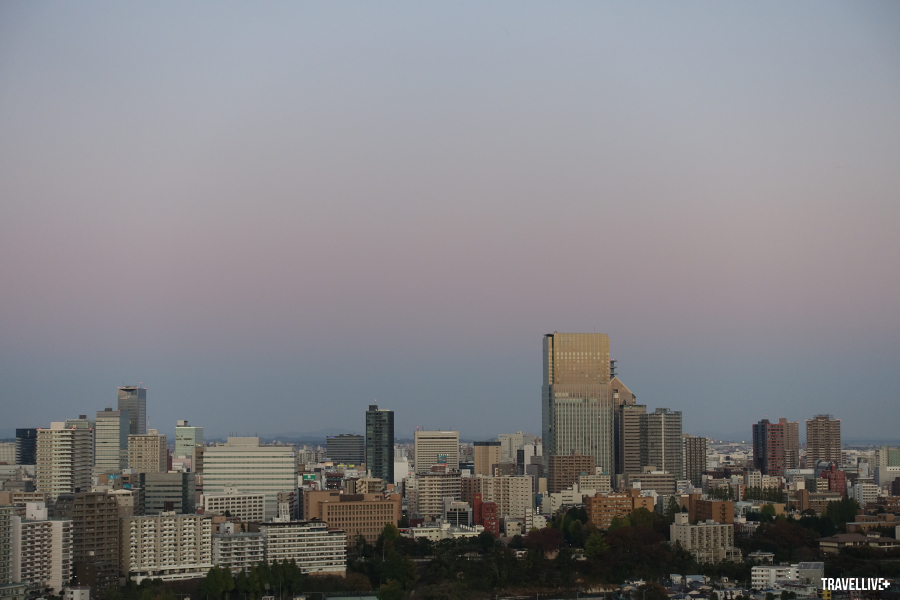
After leisurely enjoying the cool breeze at Akiu Falls, and with the afternoon drawing to a close, I set off for Sendai Castle to watch the sunset. Sendai Castle ruins are a former castle built by Date Masamune, the first lord of Sendai-han. Today, the castle no longer exists; part of the ruins is now used as Aobayama Park, featuring a statue of Date Masamune on horseback.
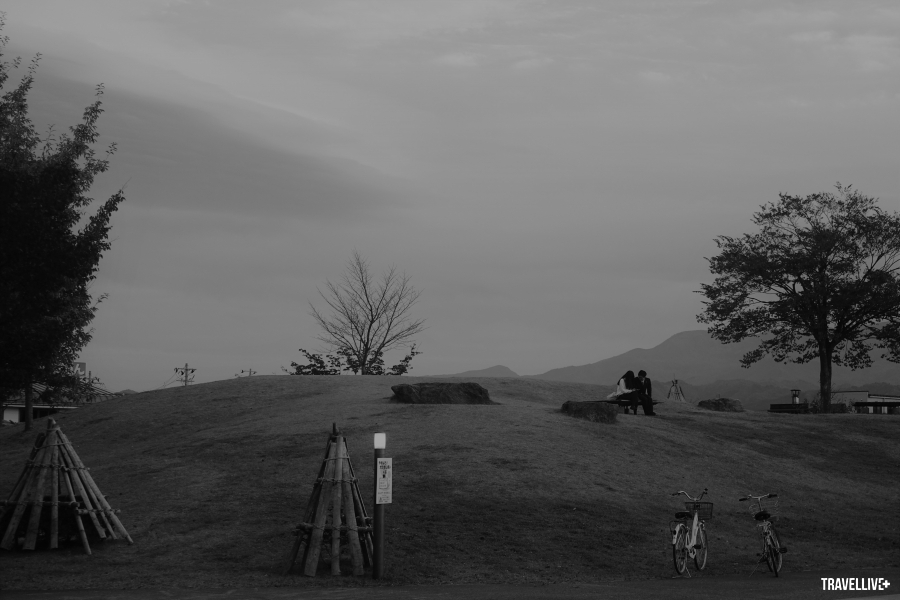
From here, you can admire the entire city of Sendai – perhaps even more magnificent during the day and more dazzling at night (when the color-changing lights illuminate the Date Masumune statue). As twilight descended when I arrived, the space became strangely tranquil and prolonged. Few tourists were leaving, and scattered in a few corners of the park were young couples, sitting together, chatting, reading, or… doing nothing at all. I suddenly realized this would be the most “Japanese” moment I could enjoy – when the sky, the earth, the people, and I were all “motionless” in peaceful serenity.
Night
After a day of exploring Tohoku at full capacity, I slept soundly in the car and when I woke up, I was bewildered to find myself on a remote mountaintop in Fukushima Prefecture, with the Takayu Onsen Kagetsu Highland hotel in front of me, surrounded by the vast expanse of sky and land.
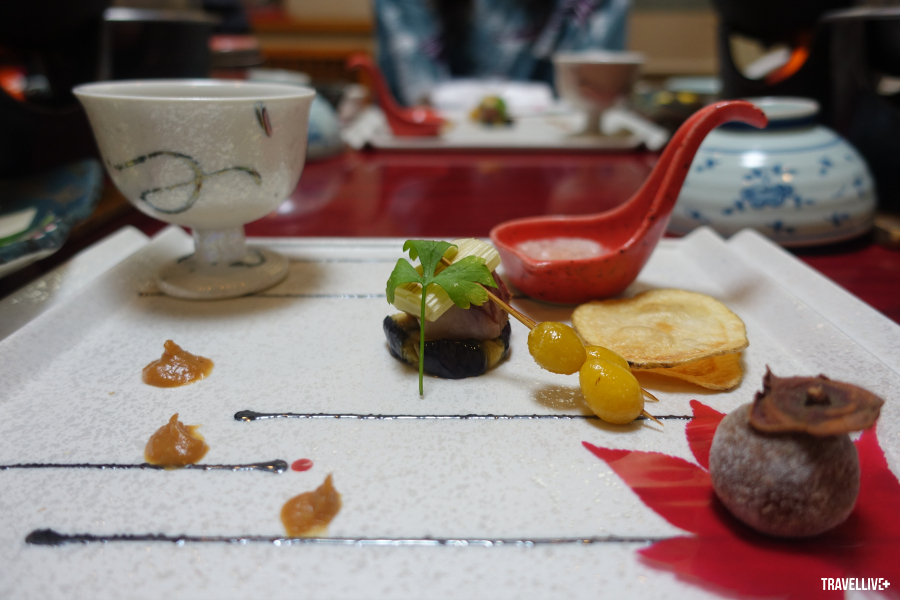
The hotel's name already hints at its "specialty": onsen. But before experiencing the onsen, we had a Kaiseki dinner prepared at the hotel. Looking at the small, colorful plates of food, I almost didn't want to eat them. Nevertheless, I needed to finish dinner before heading to the onsen, the "holy water" for weary bodies.
I was quite lucky this time because I was in the hot spring late at night, when the other tourists seemed to have gone to bed. Alone in a steaming hot spring at an altitude of 600 meters above the ground, I leisurely gazed out at the dark sky, imagining the city below the mountain dozing off. Perhaps, in Japan, there's no more blissful way to end a day than in an onsen…
Or, there's another way.
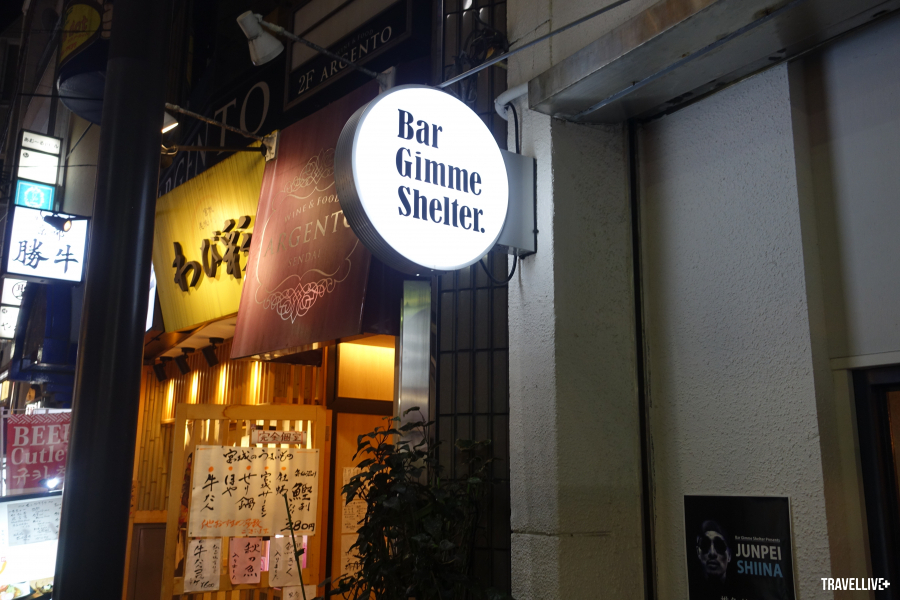
On another night, amidst the bustling atmosphere of Sendai, which at the time was freezing cold below 10 degrees Celsius.oC, I had to stop in front of a bar with a sign that read "Gimme Shelter"—that's the name of my favorite song. Hesitantly admiring the square, blue-painted door, the playful slogans, and the modest lighting..., I decided to go inside.
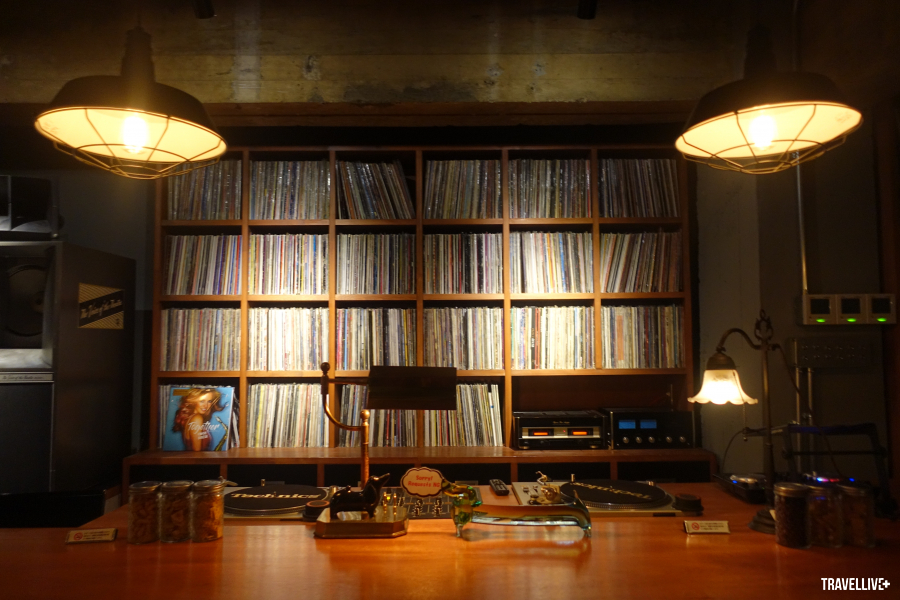
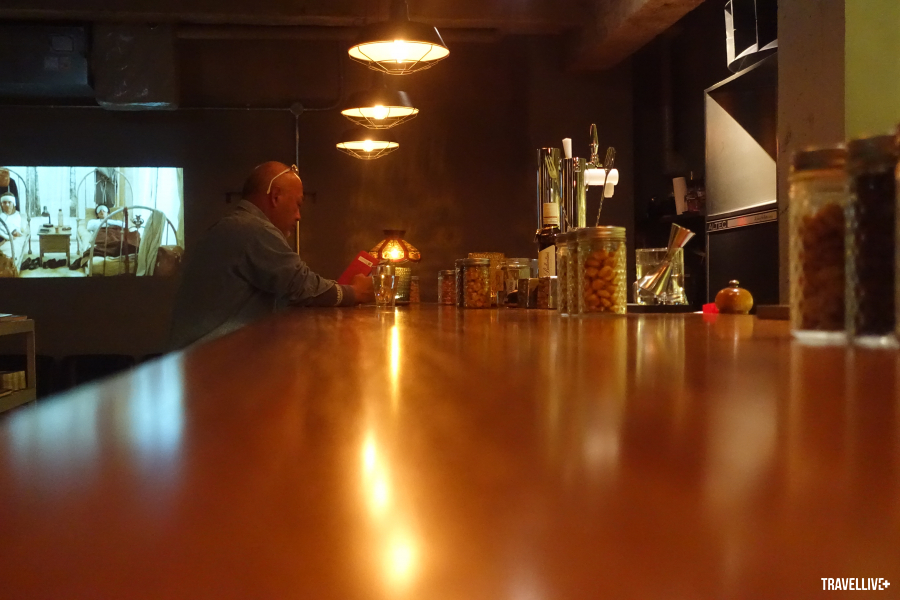
Inside the bar, though empty, every bartender seemed to have something to do besides mixing drinks. The Japanese possess a truly "peculiar" demeanor – a meticulousness, seriousness mixed with subtlety and tact that makes them seem like both office workers and bartenders at the same time. I relaxed into the leather chair, feeling myself sinking into the endless comfort of the antique-style space, the depth of the flickering lights hanging down from above, the familiarity of the music playing in this foreign land…
From the very first moments in the cafe, I felt a pang of regret at the thought that in just one or two hours I would have to leave. And all I wanted was to stay there forever.
Additional information
Visa: Apply at the Japanese Embassy; minimum processing time is 8 days.
The journey: From Vietnam, you can fly directly to Tokyo. At Narita Airport, you can take a connecting flight to Sendai or travel by Shinkansen, both of which take more than an hour.
Transportation: Use public transportation (train, bus) or rent a car.
Accommodation: Most major cities in the region have large hotel and ryokan (inn) systems that can be booked through booking websites.
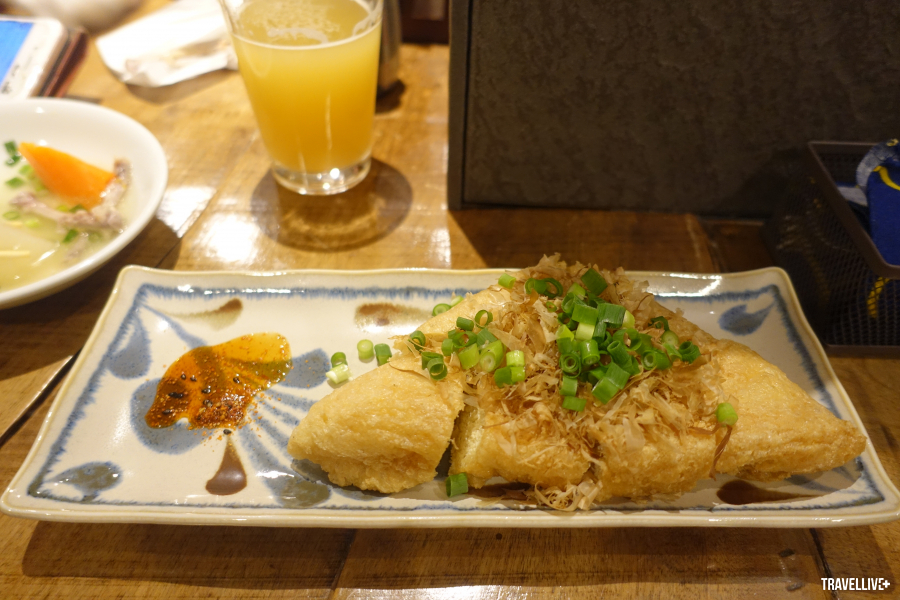
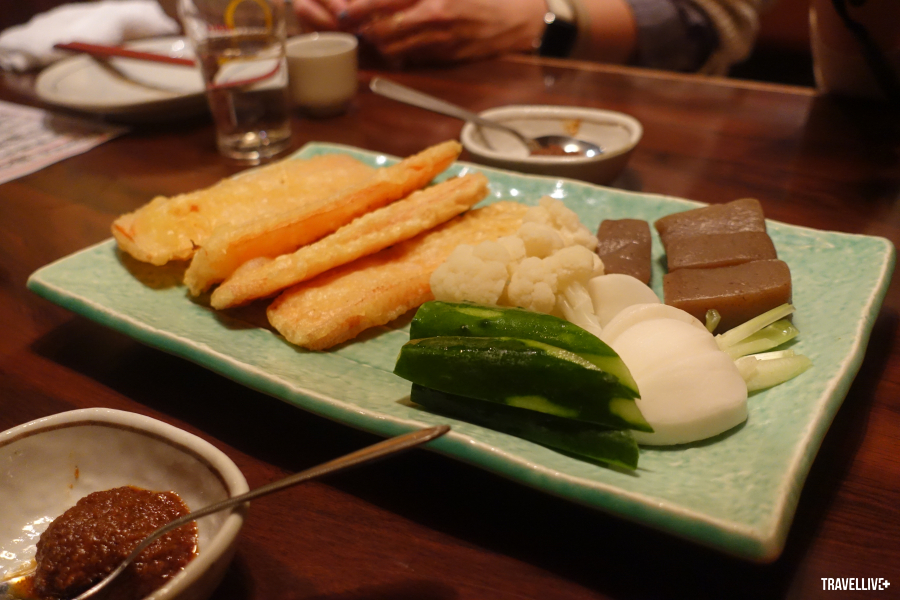
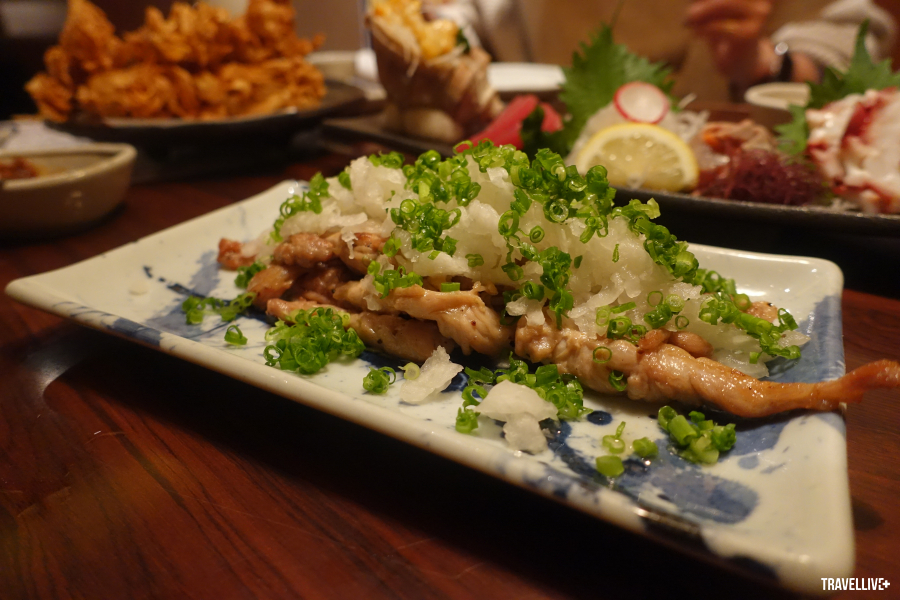
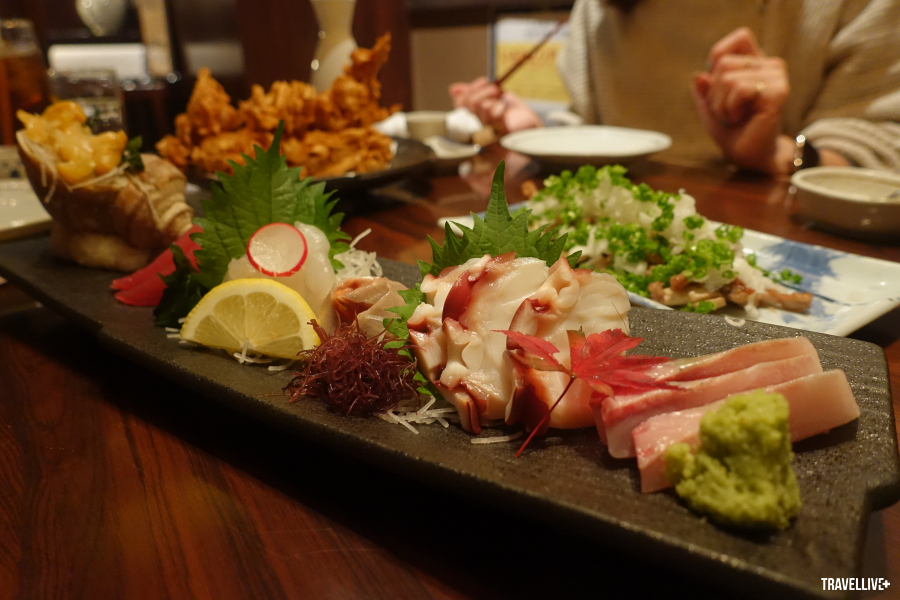
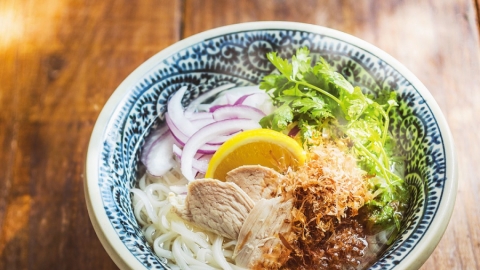
Cuisine: Enjoying drinks at small pubs in Sendai; eating Soba noodles in the ancient village of Ouchijuku; having fruit ice cream at Takahashi Fruitland; tempura, okonomiyaki, sashimi… are experiences not to be missed.

 VI
VI