VI
VI


Recently, Kabin restaurant (part of the Renaissance Riverside Hotel Saigon) officially introduced its new menu for 2026. After more than three months of research and testing, this menu focuses on refreshing traditional cooking techniques while expanding the use of ingredients, especially those of herbal origin.
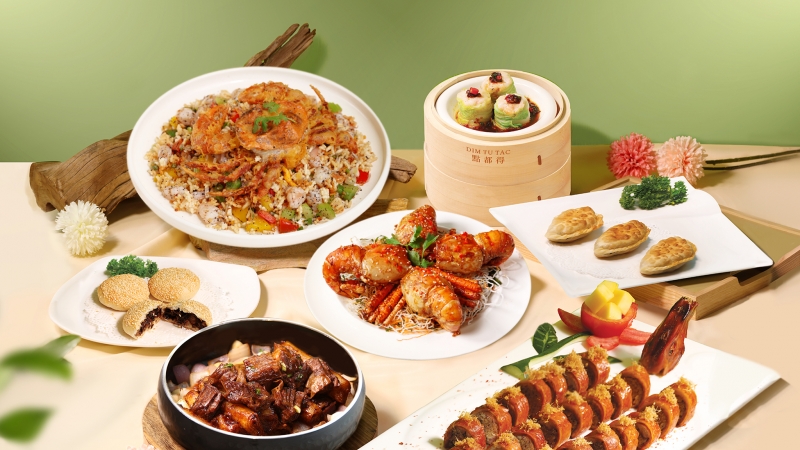


Recently, Kabin restaurant (located in Renaissance Riverside Hotel Saigon) introduced its new menu for 2026.
Instead of a complete "transformation," Kabin's new menu demonstrates a cautious and nuanced approach: retaining the familiar structure of Cantonese cuisine, but adjusting the preparation to better suit contemporary tastes and dining styles. The most noticeable difference lies in the balance between creative thinking and rigorous standards for ingredient freshness. In a culinary landscape increasingly influenced by industrialization, Kabin's emphasis on "refined" and "fresh" makes the dining experience slower and more conscious.

Chef Oai preparing fried and stir-fried dishes in the Kabin kitchen.
Each dish is crafted as a test of moderation, where spices don't overpower the main ingredients but are just enough to highlight their natural flavors. This requires the chef to be sensitive to temperature and time, preserving the inherent sweetness, texture, and nutritional value of the food. Therefore, this launch is more about continuity than innovation. The Chinese culinary team chose to refine familiar recipes, focusing on technique and fine details to create a fresh look that feels familiar.


Among the roasted dishes – considered the "soul" of Cantonese cuisine – the Peking duck marinated with angelica and ginseng demonstrates how the restaurant experiments with incorporating East Asian medicinal herbs into a familiar dish. Beyond just the crispy skin or tender meat, the use of herbs in the marinade creates deeper layers of flavor, while also providing a light and balanced taste. This is a subtle adjustment to refresh the dish without losing its inherent character.
In the dim sum section, the chefs' skills are evident in the thinness of the wrappers and the way the fillings are prepared. The new menu features quail egg shumai with black pine nut sauce, and Tangzhou-style shrimp and crab dumplings. The inclusion of truffles, a familiar ingredient in Western cuisine, in dim sum demonstrates an open-minded approach without overshadowing the Cantonese spirit. The key remains the precise steaming technique, which ensures the wrapper retains its soft and chewy texture while the filling remains fresh and sweet.

Chef Cuong, the mastermind behind those flavorful Cantonese dim sum dishes.
Furthermore, the sea bass fillet soup with pickled mustard greens has a Sichuan flavor profile with a balance of mild sourness and moderate spiciness, while the crab claws with mixed vegetables emphasize the contrasting textures – the crispy fried outer layer and the tender, sweet crab meat inside. The menu concludes with fried glutinous rice cakes with chestnuts, a clear intention: to bring the experience back to traditional, simple flavors after a series of technically demanding dishes.
The restaurant's space, combining a modern open kitchen with private dining rooms featuring Indochinese architecture, complements the dining experience. Diners can directly observe the preparation process, transforming the meal into a visual journey alongside the taste. This balance between openness and privacy makes Kabin a popular choice for a variety of occasions, from intimate family meals to business meetings in the heart of District 1.