VI
VI



In Brazil, a five-time World Cup champion, football is not simply a sport but an art form that can evoke endless, exhilarating emotions.
In Brazil, children are taught to play football from a very young age. People play football everywhere, all the time—on the beach, on the roof of a house, or in an open field in a slum; from dawn until dusk.
For Brazilians, the football pitch is not just a place to showcase their technical skills, but also a place where they demonstrate an artistic approach to the round ball. Italian filmmaker Pier Paolo Pasolini remarked that if Europeans compose prose while playing football, Brazilians produce emotionally rich poetry when they are on the pitch.
Football brings immense happiness to the people of this country; the love of football is deeply ingrained in every breath and every fiber of the Brazilian people with passionate intensity. To mark the 2014 World Cup held in Brazil, photographers from the country held exhibitions showcasing images of the Brazilian people's fervent love of football.

Pelé's impressive goal on the Maracana pitch in Rio de Janeiro.
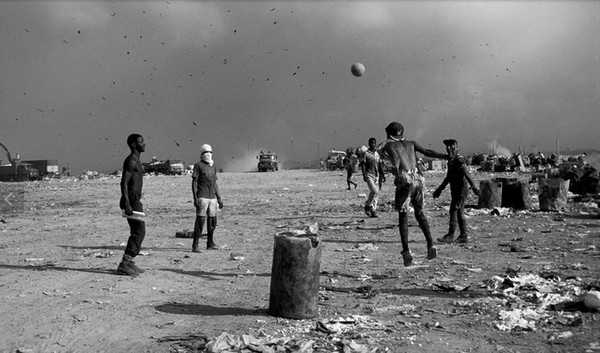
Brazilians play football everywhere, even on an open field in a garbage dump in a slum.


They even played football on the muddy riverbank.

The love of football is deeply ingrained in the blood of the Brazilian people.
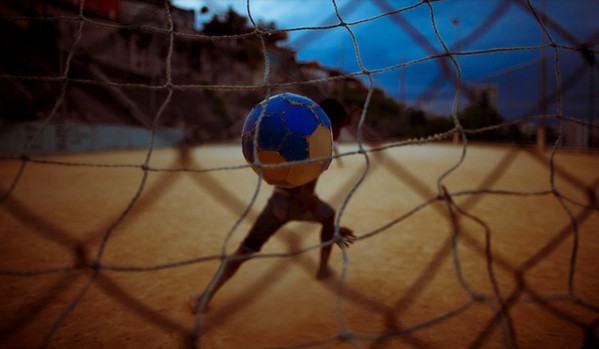
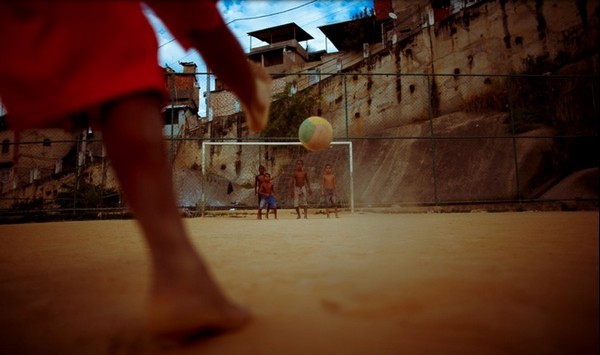

Children in the São Carlos slums (Rio de Janeiro) are fascinated by football.
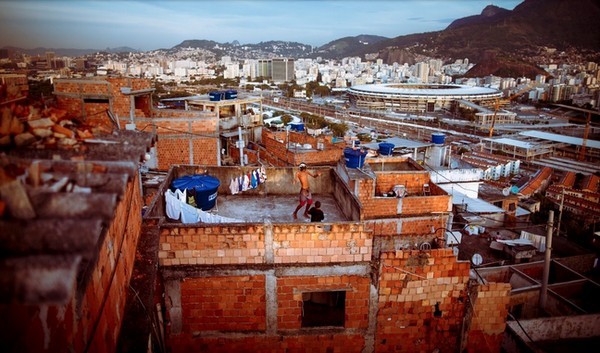
The children are playing football on the rooftop.
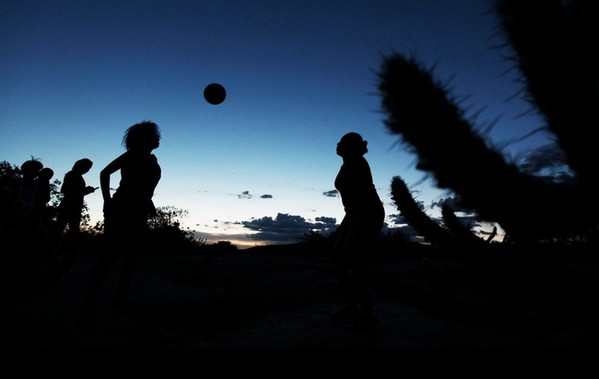

Young girls from the village of Salgueiro, Pernambuco, in northeastern Brazil, play football in an open field.
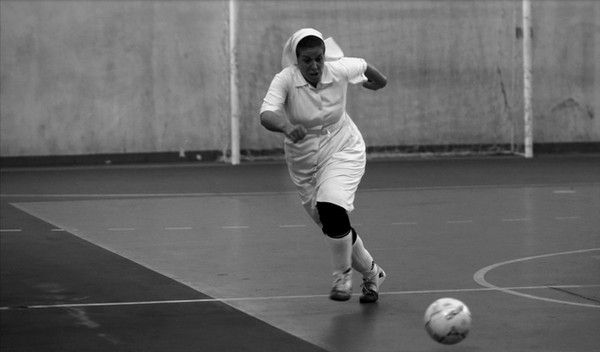
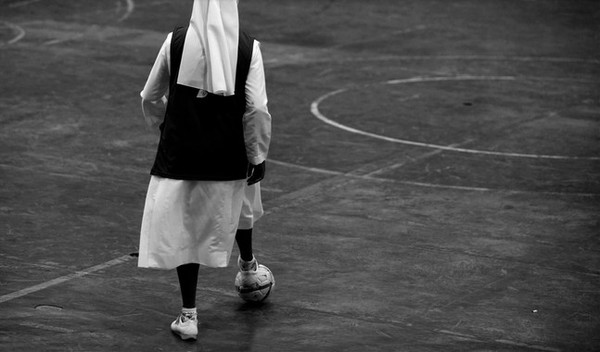
The nuns were excitedly playing soccer.



Football fans play on Ipanema Beach, Rio de Janeiro.

The coach and the female players closed their eyes and prayed before the match began.
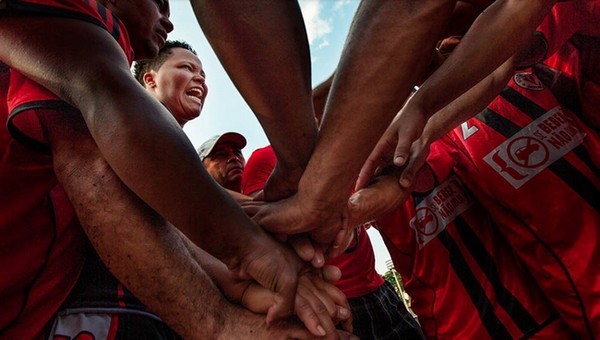
The female players celebrate their victory.
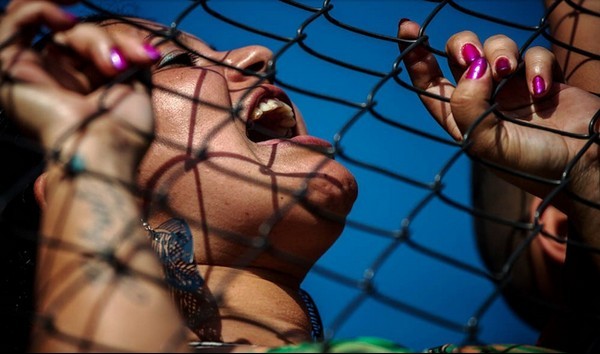
Fans cheered and supported their hometown women's soccer team as they competed.
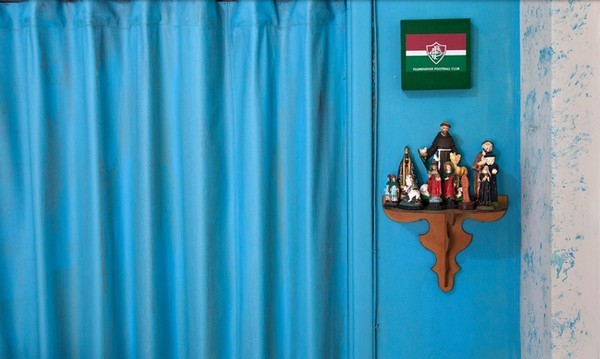
People painted the Fluminense football team flag above the statues of saints in their homes.

Pictures of the Vasco Da Gama football team are plastered all over the walls of a house in Rio de Janeiro.