VI
VI


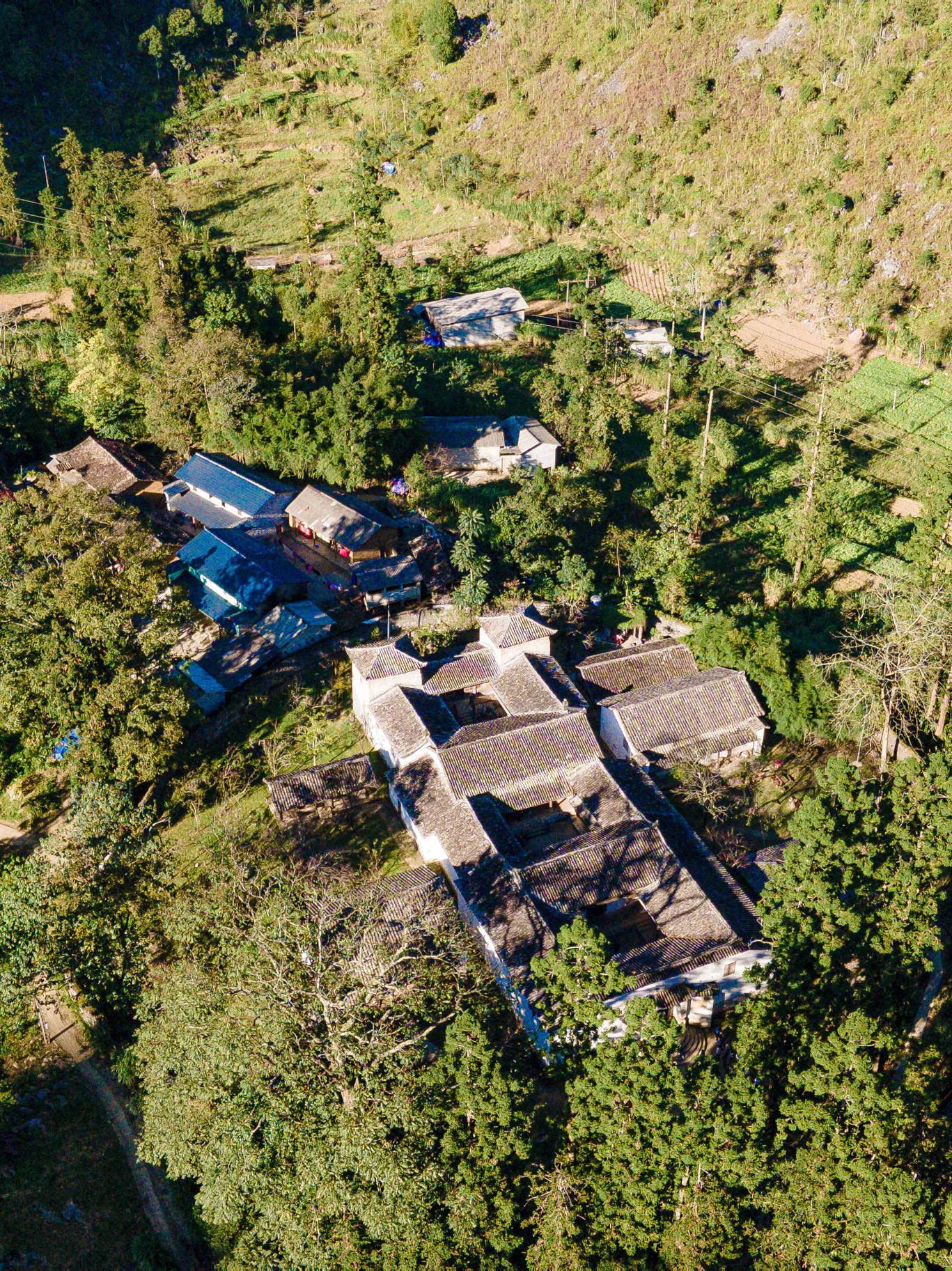
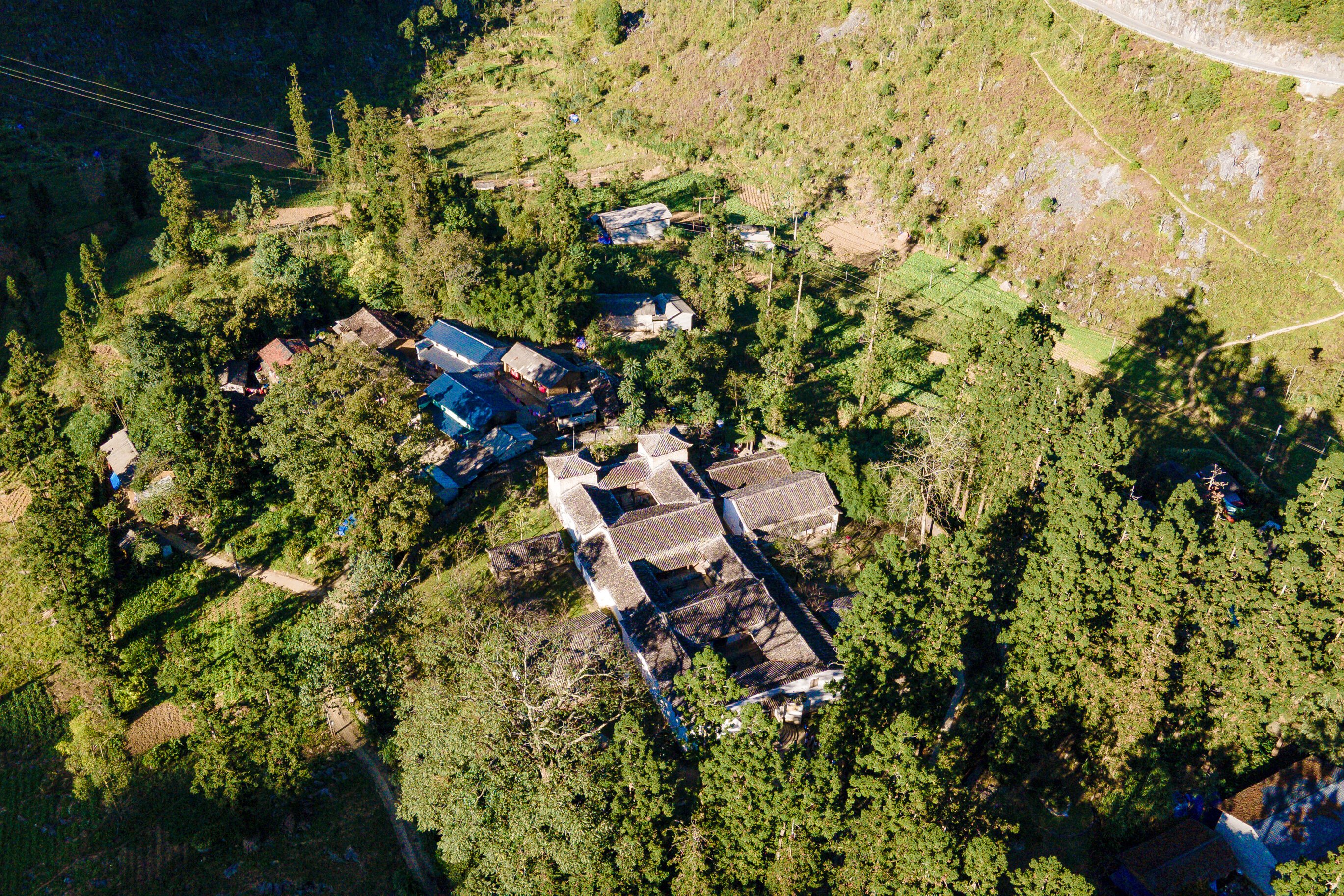
The Hmong King's Mansion (also known as the Royal Mansion) was built over 120 years ago in Sa Phin commune, Dong Van district, Ha Giang province. The construction cost reached 150,000 Indochinese silver coins, equivalent to approximately 150 billion VND today. This structure is a unique blend of three architectural styles: Chinese, French, and the distinctive stone-stacking technique of the Hmong people.
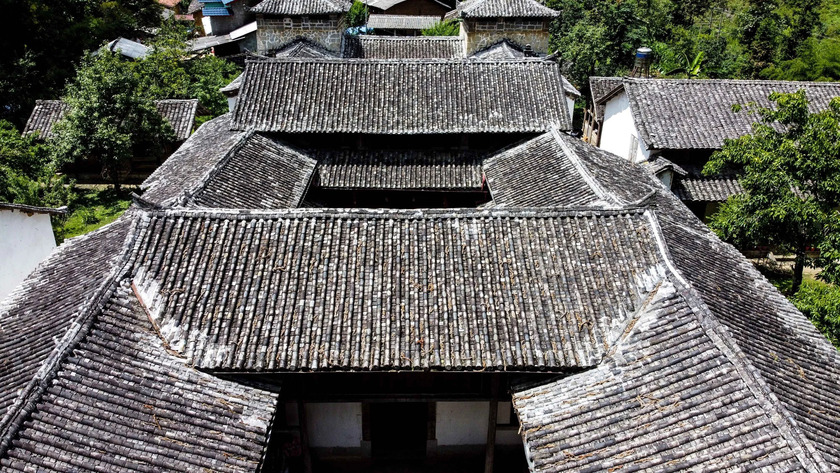
The King of the Hmong's house, built in 1865, is a perfect blend of three architectural styles.
The Hmong King's Mansion in Sa Phin commune (Dong Van district, Ha Giang province) was built during the reign of Vuong Chinh Duc. According to family records, Vuong Chinh Duc, born in 1865, was known to the Hmong people as Vang Dung Lung.
His family was poor, having migrated from Guizhou (China) to Dong Van in the mid-18th century. Growing up, Vuong Chinh Duc had to wander to make a living. Later, he joined the "Deer" organization of the H'Mong people to fight against the Black Flag Army and was revered as the leader governing the land of Dong Van.
In 1890, Vuong Chinh Duc invited a Han Chinese geomancer named Truong Chieu from Pho La commune, Dong Van district, to find a suitable location for the Hmong king's residence. After a long search throughout Dong Van, Truong Chieu finally chose Sa Phin as the site for the Hmong king's house.
According to the feng shui master, in the middle of the Sa Phin valley, there is a hill shaped like a turtle, with a mountain range behind it resembling a reclining chair, providing ample space to stretch one's legs. Surrounding it are high mountains, and in front are two mountains symbolizing literature and martial arts, standing in attendance. Behind these two mountains is a mountain range that stretches across like a winding dragon. Building a house on such geographically auspicious land will bring wealth and prosperity for life.

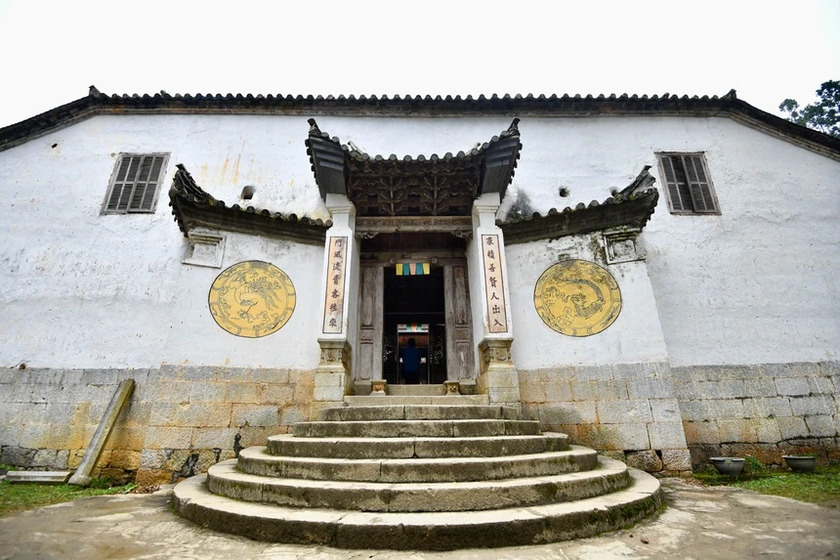
The main entrance to the mansion is curved with bat-like wings – a symbol of good fortune. The wooden gate roof is intricately carved with various exquisite patterns and motifs.
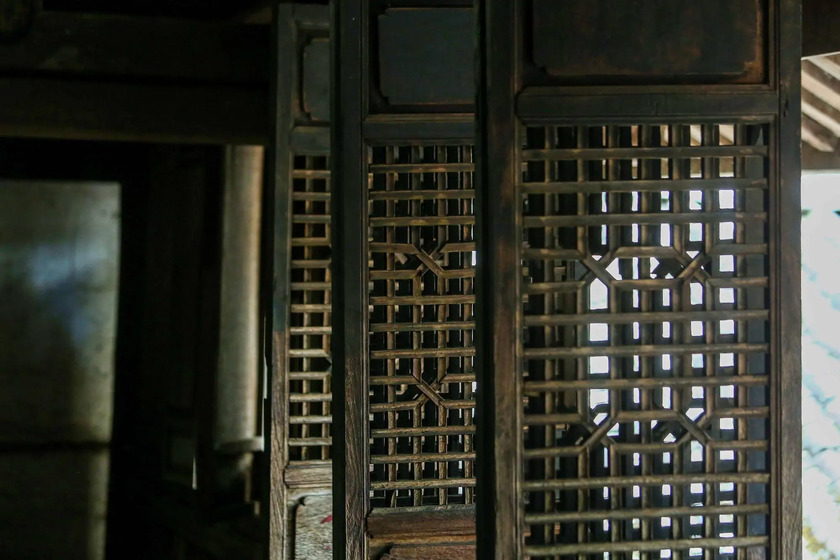
The window grilles are distinctly Chinese in style.
After selecting the location, Vuong Chinh Duc assigned Nguyen Hoang, a Kinh strategist from Nam Dinh, and Cu Chung Lu, the leader of the Hmong army, to research and design the building. Vuong Chinh Duc invited Tong Bach Giao, a Han Chinese from Yunnan province (China), to design and construct the mansion.
From the very beginning of its construction, the Hmong king Vuong Chinh Duc envisioned this complex as a fortress, capable of defense and combat, and able to withstand the test of time and harsh natural conditions. Within the complex grounds were also storage facilities for food, opium, and weapons.
The mansion was started in 1898 and completed in 1903 at a total cost of approximately 15,000 silver coins (in 1930, one silver coin was worth 10 French francs). The mansion was designed like a fortress with thick stone walls 60-70 cm thick and 2 m high surrounding it. Hmong culture is notable for its stone-stacking technique, creating sturdy walls with loopholes for defense and combat. The roof is covered with yin-yang tiles, intricately carved with various patterns, and behind the house are two sturdy bunkers.
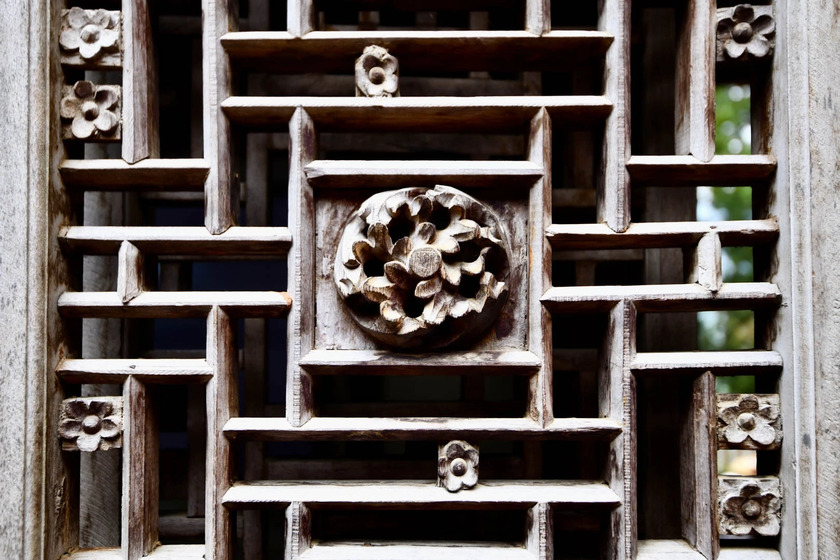
The buildings are adorned with intricately carved reliefs.
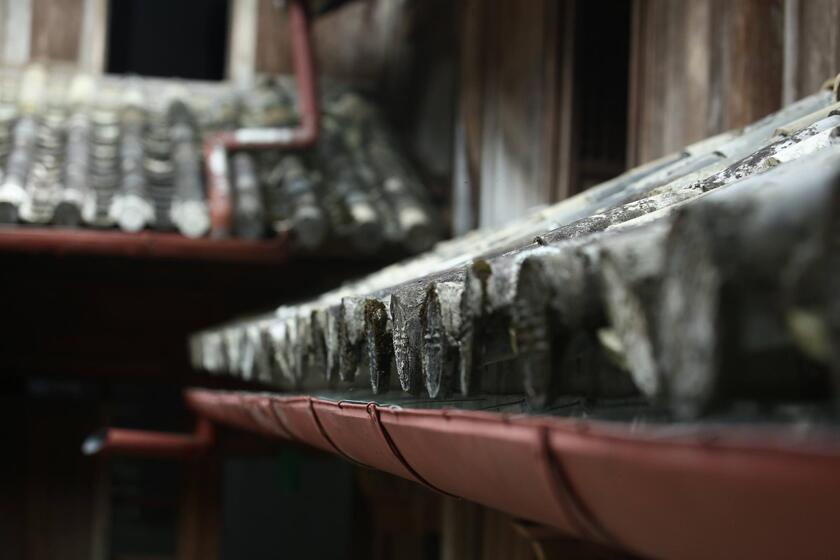
The roof is covered with yin-yang tiles.
Following the Chinese style, the mansion's structure comprises a front, middle, and rear section, with a two-story wooden house containing 64 interconnected rooms, a yin-yang tiled roof, and curved gables. The interior is arranged according to feng shui principles with inner courtyards. The French style is evident in the rooms with fireplaces, two bunkers in the rear section, a protective stone wall with 36 loopholes, and triple-layered windows: an outer wooden door, a middle iron bar, and an inner glass window. The iron and glass materials were imported from France.
In the courtyard of the main palace stands a gilded plaque with the Chinese characters: "Bien Chinh Kha Phong" (Strong Border Government), bestowed by the Nguyen dynasty in the 13th year of Khai Dinh's reign, along with an ivory plaque and ceremonial robes conferring the title upon Vuong Chinh Duc.
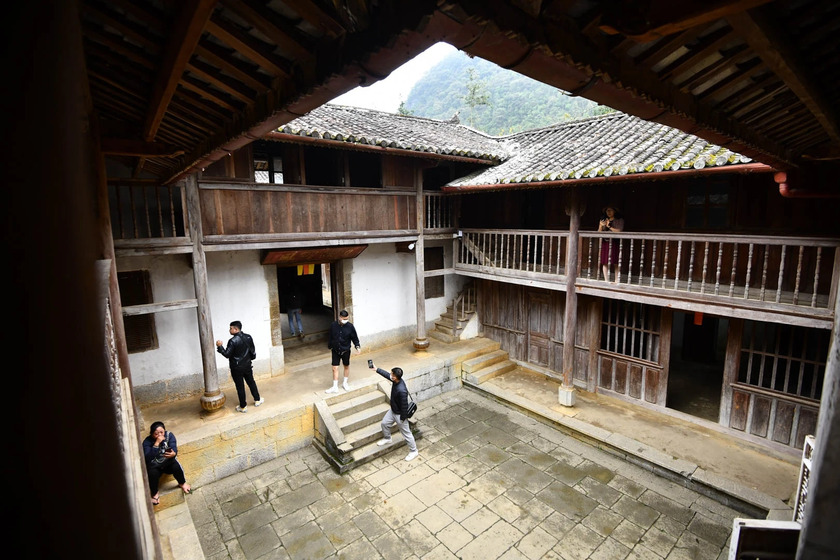
The total cost of building the mansion was approximately 15,000 silver coins (in 1930, one silver coin was equal to 10 French francs).
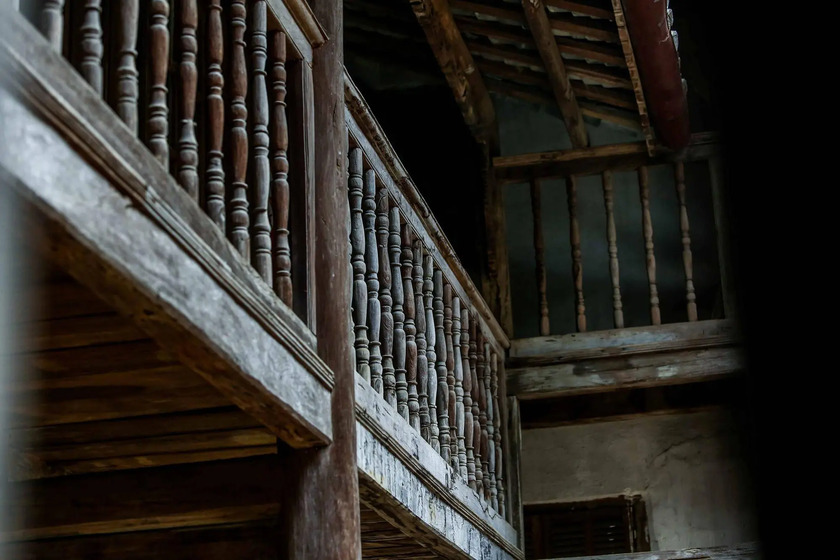
The passage of time is evident in this centuries-old mansion.
The two rows of buildings on either side of the central residence served as resting and dining areas for visiting relatives; the first floor was for women, and the second for men. The main house in the central residence contained an ancestral altar and also served as Wang Zhengde's dining room for receiving relatives. Wang Zhizhu's (Wang Zhengde's third son) bedroom and the bedrooms of his wife and children were also located here. The rear residence was where Wang Zhengde, his wife, and their unmarried children lived and rested.
Before his death, Vuong Chinh Duc divided his residence in Sa Phin into three parts. The front part was managed by his eldest grandson, Vuong Quynh Son. The middle part was managed by his third son, Vuong Chi Chu. The back part was managed by his youngest son, Vuong Chi Sinh. This division was witnessed by the elders of the Hmong clan.
The King of the Hmong's Mansion was recognized as a National Monument by the State in 1993. In 2004, the Vuong family decided to donate the mansion to the State for preservation. The Vuong family mansion has become a tourist attraction ever since.
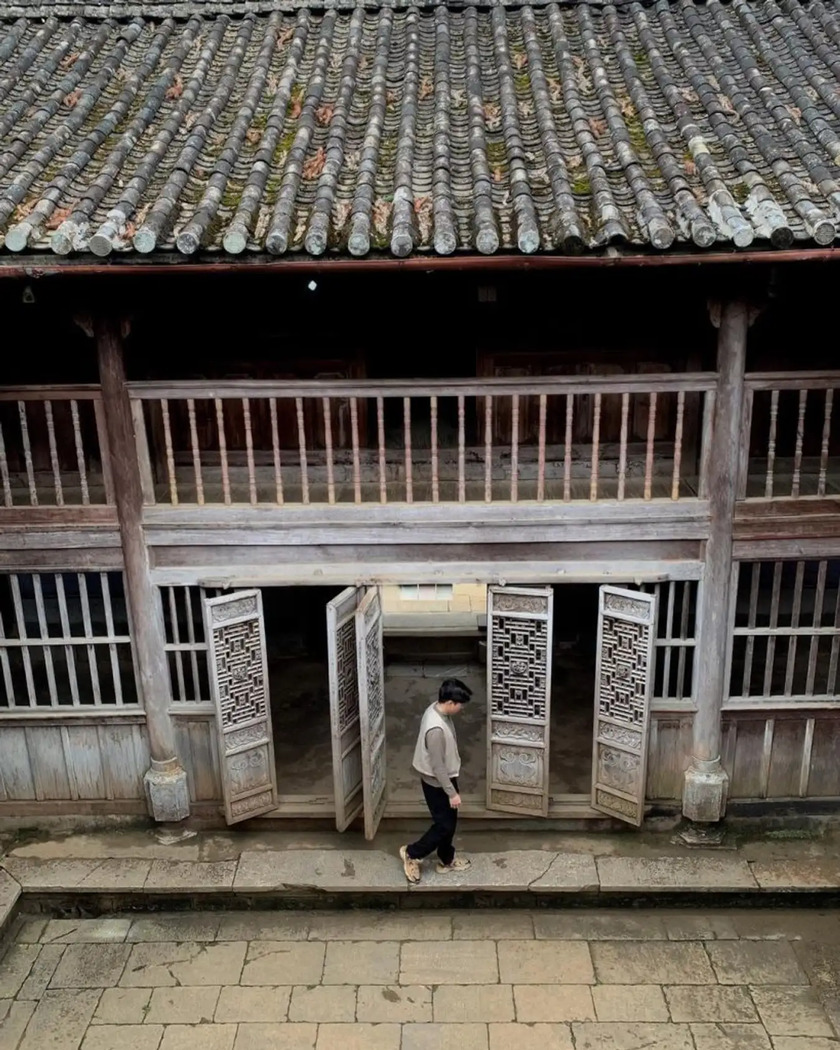
The building is relatively well preserved.