VI
VI



The US-China trade war has not only crippled the Chinese economy but has also severely impacted the tourism industry of Southeast Asian countries such as Thailand and Indonesia.
"The decline in the number of Chinese tourists, leading to a drop in tourism spending, is affecting the entire Southeast Asian region," said Kampon Adireksombat, an expert at Siam Commercial Bank (Thailand).

According to Mr. Adireksombat, the Southeast Asian tourism industry's over-reliance on the Chinese market is a major risk, and now many countries are struggling to find alternative markets to compensate for the decline in Chinese tourists.
According to a McKinsey report, China's booming economy over the past 10 years has driven up average incomes for its citizens. As a result, demand for overseas travel among Chinese people has exploded. The total number of overseas trips by Chinese tourists increased from 57 million in 2010 to 131 million in 2017.

"Southeast Asia has always been the first destination for Chinese tourists when they choose to travel abroad," McKinsey stated. As a result, the number of package tours, restaurants serving Chinese food, and Chinese electronic payment services has mushroomed from Da Nang (Vietnam) to Yogyakarta (Indonesia) and other tourist hotspots in Southeast Asia.
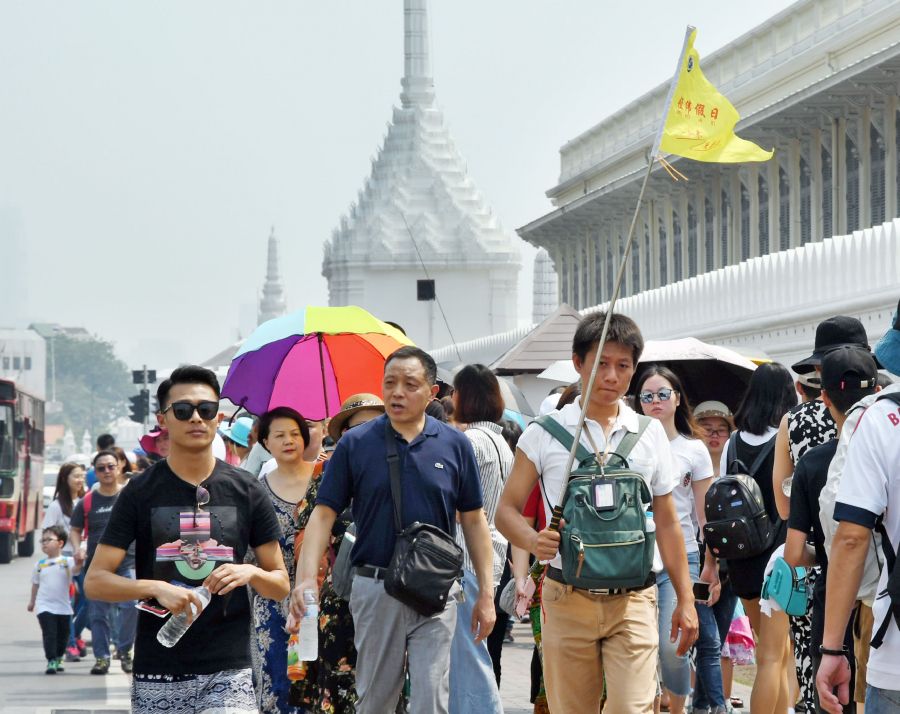
Chinese tourists have become the largest group of foreign visitors to Southeast Asia, contributing $403.7 billion to the region's GDP in 2019. In Thailand and the Philippines, tourism revenue accounts for more than 20% of total GDP, double the global average.

Over the years, local governments and businesses in Southeast Asia have invested millions of dollars to expand resorts, hotels, and tourism facilities to accommodate Chinese tourists.
A significant decline:
Thailand: The number of Chinese tourists decreased in 5 out of the first 7 months of 2019.
Indonesia: The number of Chinese tourists decreased for six consecutive months up to July 2019. The proportion of Chinese tourists among the total foreign visitors fell from 19% at the beginning of 2017 to 13% in July 2019.
Vietnam: The number of Chinese tourists decreased by 3% in the first seven months of 2019, in contrast to a 34% increase.
Singapore: The number of Chinese tourists decreased in March, May, and June, although the total number of foreign visitors to Singapore increased.
Other factors in Southeast Asia also contributed to this decline. The record appreciation of the Thai baht against the Chinese yuan made it more expensive for Chinese tourists to visit Thailand. Last year's boat sinking accident off Phuket, which killed 47 Chinese tourists, also eroded Chinese confidence in the Thai tourism industry. In Bali, Ngurah Wijaya, Vice President of the Tourism Promotion Council, acknowledged that traffic congestion on the island was one of the reasons for the drop in the number of Chinese tourists.
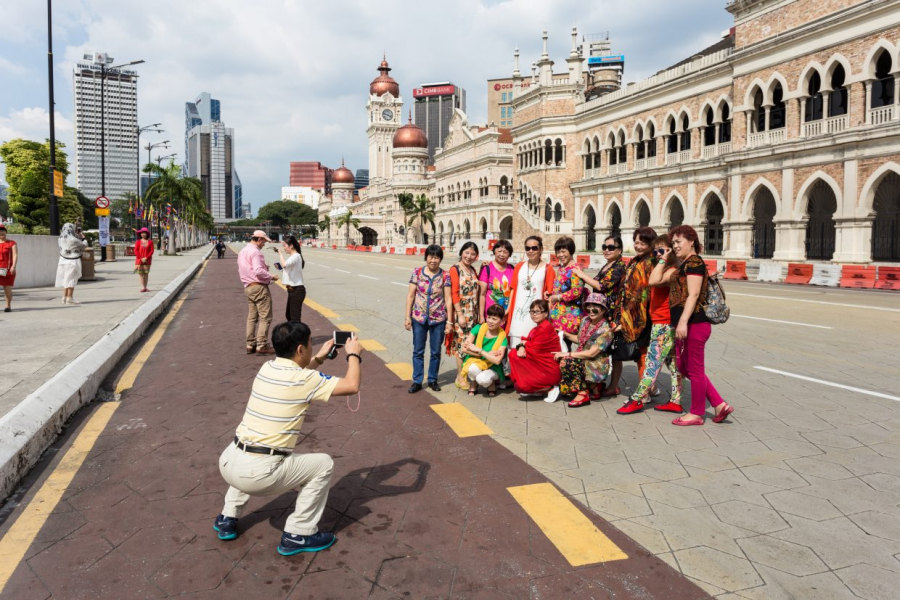
Not all Southeast Asian countries are facing a decline in Chinese tourists. The number of Chinese tourists to Malaysia increased by 6.2% in the first half of 2019 to 1.55 million.
The struggling tourism sector is impacting the growth of Southeast Asian economies at a time when the global economy is volatile due to trade wars. The International Monetary Fund (IMF) predicts that the growth of the region's top five economies will only reach 5% this year.
In light of this situation, Southeast Asian countries are all trying to diversify their tourism markets. Thailand waived visa fees for Indian tourists earlier this year. Airlines and hotels are also working to promote connections between the two countries. Vietnam is establishing tourism promotion offices for the US and Australia, while direct flights from India to Vietnam will begin operating in October.