VI
VI


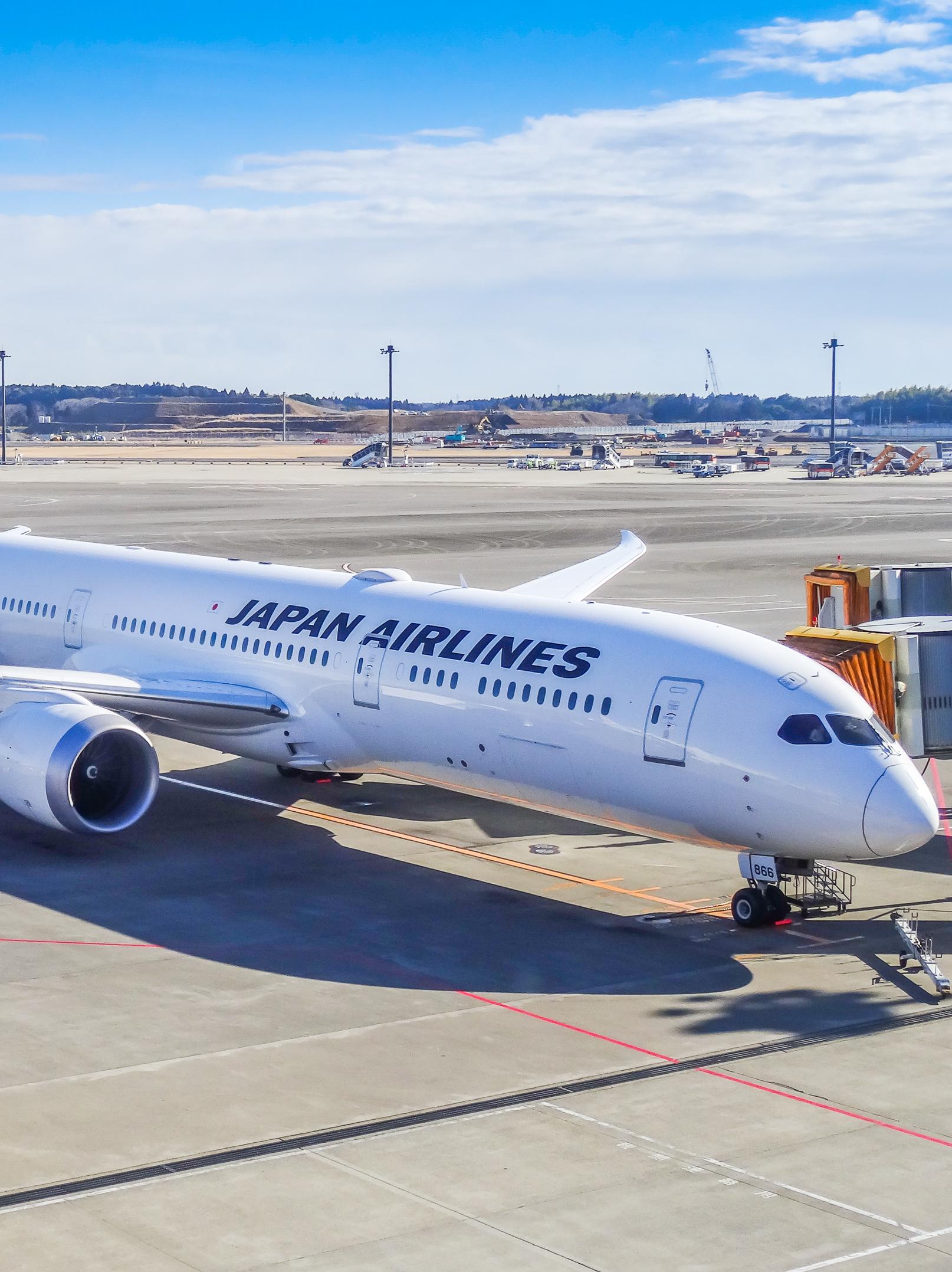
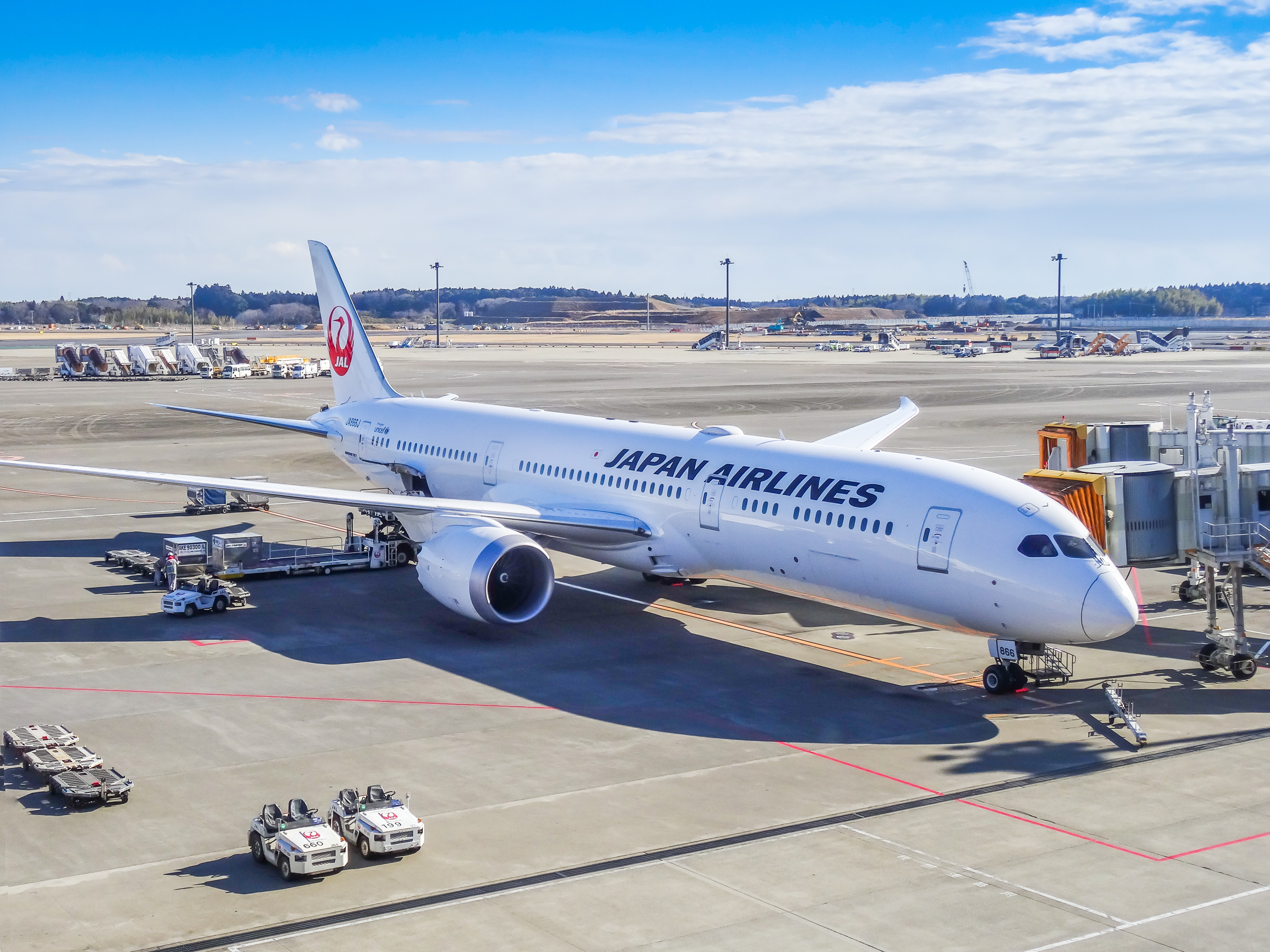
From November 1st, Japan lifted its entry ban for Vietnam and seven other countries that have controlled the Covid-19 pandemic. This decision was made at a meeting of the Covid-19 response task force chaired by the new Japanese Prime Minister Yoshihide Suga, after the Japanese Ministry of Foreign Affairs lowered its travel advisory for several countries and territories from level 3 to level 2 (on a four-level scale) early on October 30th.
The countries/territories whose entry bans have been lifted include: Vietnam, Australia, Brunei, New Zealand, Singapore, Thailand, China, South Korea, and Taiwan. Japanese officials said that all of these countries/territories have generally brought the Covid-19 pandemic under control.
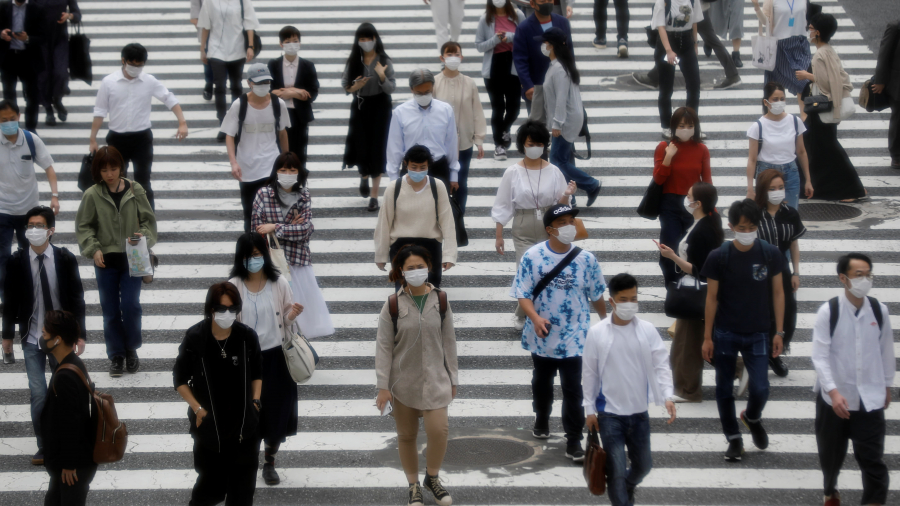
Japan is gradually easing COVID-19 restrictions at its borders as part of an effort to revive its economy.
Prime Minister Suga said Japan will also ease the 14-day quarantine requirement for Japanese citizens or permanent residents returning to Japan starting November 1st. This move aims to facilitate business travel.

This marks the first time Japan has lifted its entry ban on countries/territories since it began including many parts of China, including Wuhan – the city where the Covid-19 outbreak originated – on its blacklist in early February 2020.
However, Japan will continue to suspend visa waiver agreements with other countries and restrict the issuance of new visas, bringing the total number of countries/territories whose citizens are banned from entering Japan to 152. This means that in most cases, tourists will still be unable to travel to Japan.
Japanese Foreign Minister Toshimitsu Motegi also announced on October 30 that Vietnam and Japan have agreed to restart business trips between the two countries starting November 1. This makes Vietnam the third country with which Japan has resumed such short-term business trips, following cooperation with Singapore and South Korea.