VI
VI


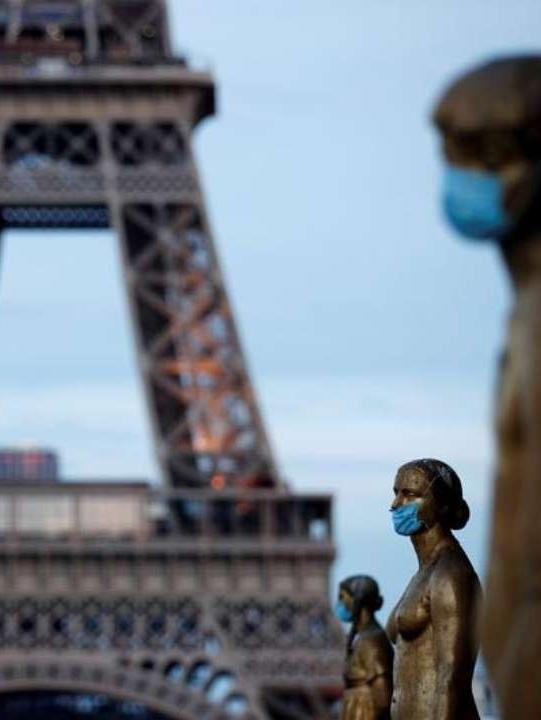
Specifically, the lockdown order forces restaurants and bars to close, schools will teach online, and businesses are encouraged to work remotely. People who want to go to work, go to the hospital, or go to the gym need a self-declaration certificate, similar to the previous lockdown in March.
For small and medium-sized enterprises (SMEs) forced to close, the French government will provide monthly support of up to 10,000 euros.

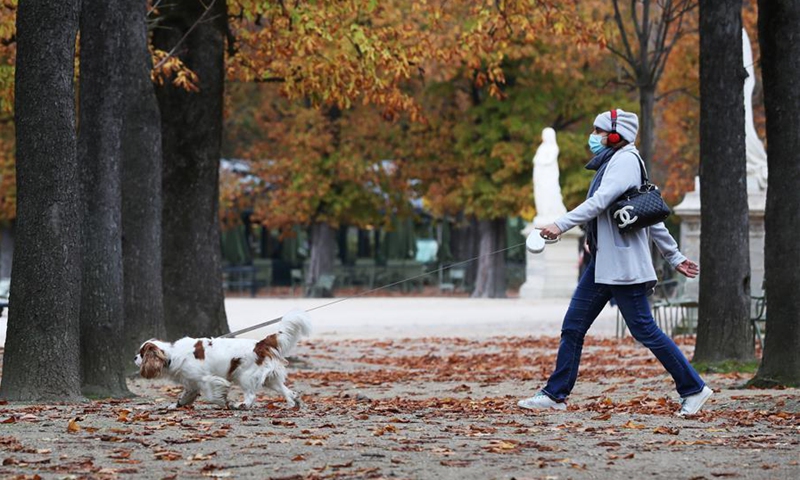
French citizens need a self-declaration certificate when leaving their homes.
Not only France, but other European countries are also grappling with a second wave of Covid-19 infections. In Germany, the number of cases has risen to a record high of 15,000 a day, forcing Chancellor Merkel to implement a partial lockdown from November 2nd to November 30th. The Hungarian government is also urgently negotiating with the US, Russia, Japan, and China to purchase Covid-19 vaccines for its entire population.
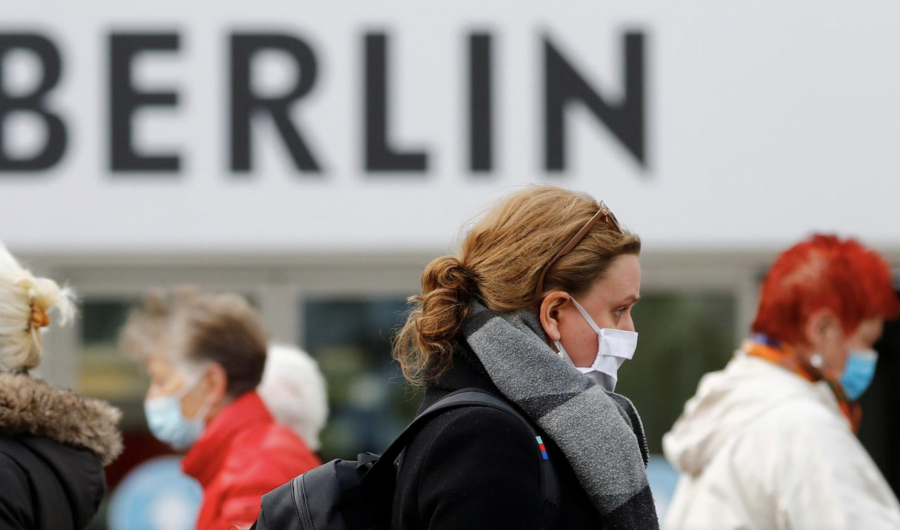
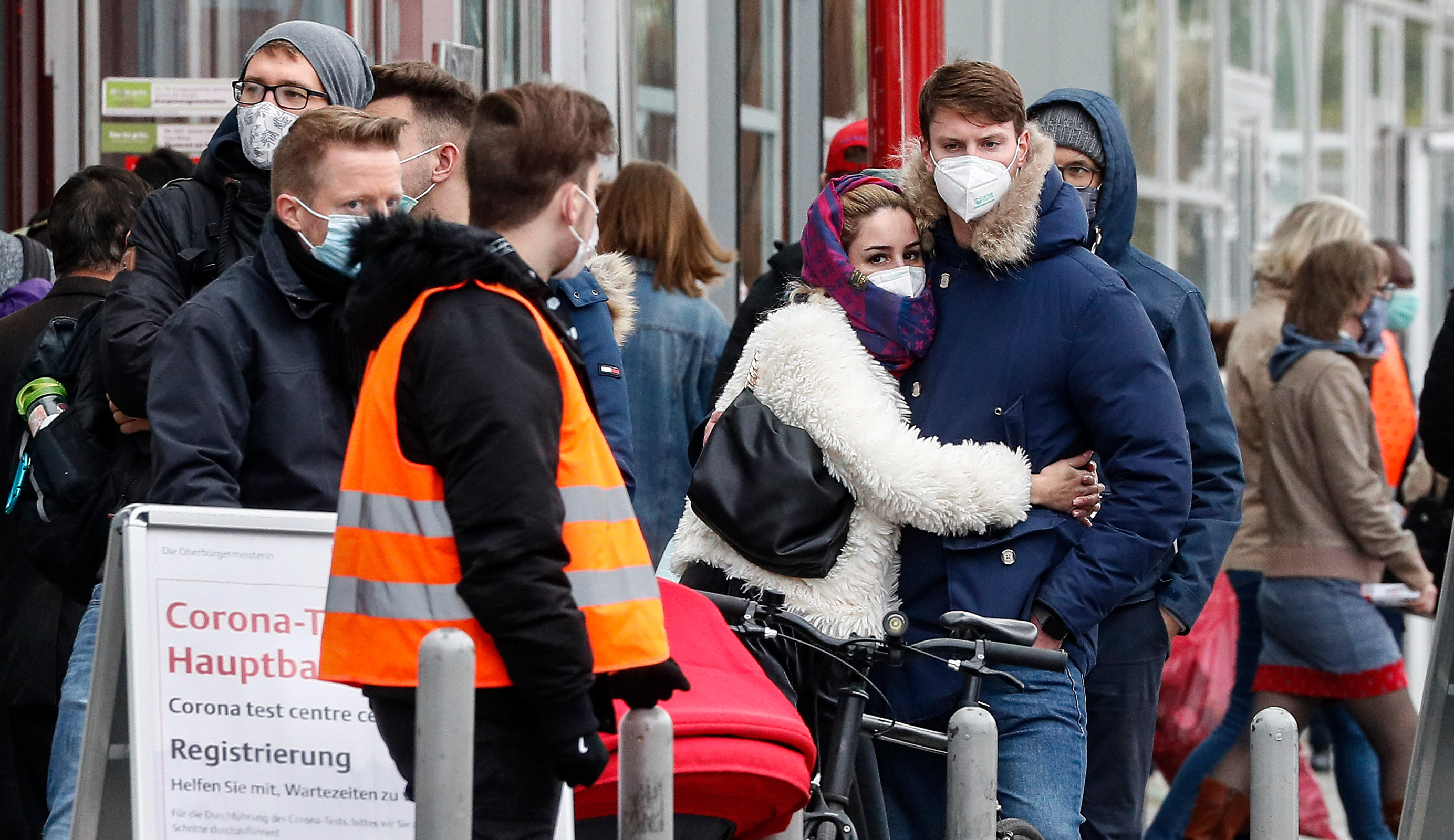
Germany closed entertainment centers, clubs, bars, and restaurants, and restricted public gatherings to groups of more than 10 people. People going out were required to wear masks and maintain social distancing to avoid triggering a national emergency.
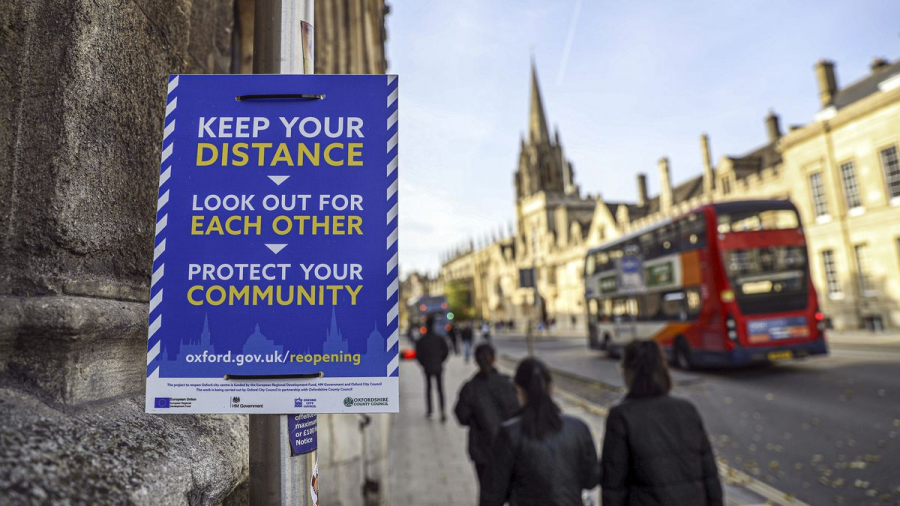
Warning signs on the streets of Europe.
Outside of the Schengen area, France currently maintains open borders with other European countries. Social distancing regulations will be reviewed every two weeks starting October 30th to allow the French government to develop further pandemic prevention plans.
President Macron emphasized that the government's goal is to reduce the average number of Covid-19 cases from the current 40,000 per day to 5,000.