VI
VI


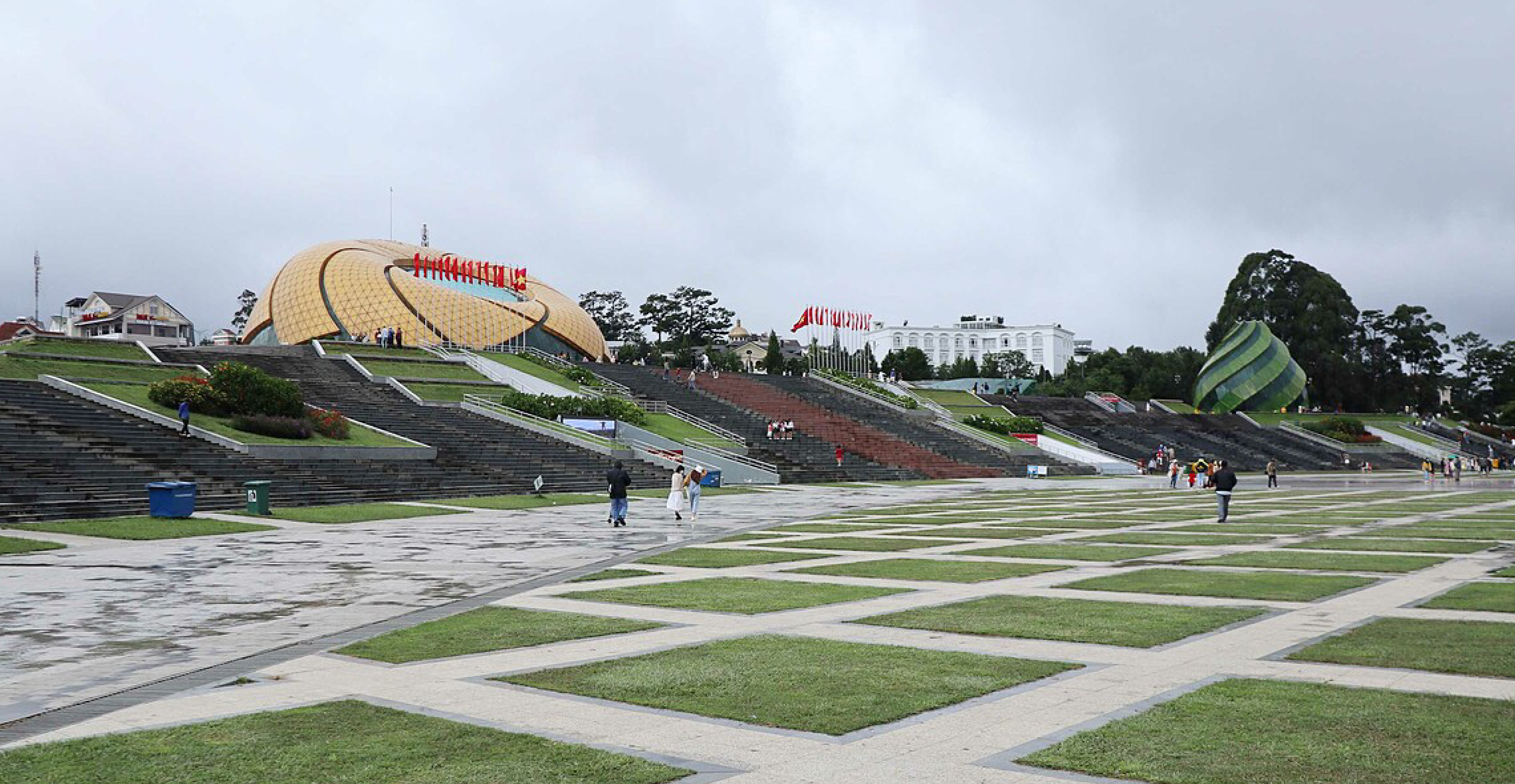
A bleak picture after two waves of the Covid-19 pandemic.
It can be said that the country's tourism industry had barely recovered from the first wave of the pandemic when it quickly suffered another blow, making already struggling businesses even more precarious. According to statistics from the Vietnam National Administration of Tourism, the difficulties caused by the Covid-19 pandemic have led nearly 200 international travel businesses to request the revocation of their licenses, an increase of almost three times compared to the same period in 2019.
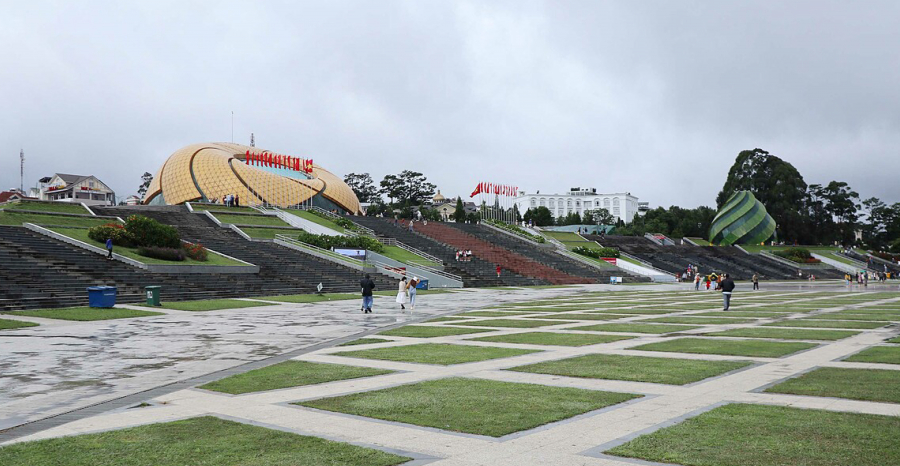
The tourism situation in Da Lat is also not very bright.
Caught in the crisis, travel services and airline ticket sales also suffered, with revenues plummeting by 98% and 77% respectively compared to the same period last year. In Ho Chi Minh City, over 35,000 travel programs, including package tours, customized tours, and services (hotels, airline tickets, attractions, etc.), were canceled. In August alone, most hotel and homestay businesses confirmed a cancellation rate of over 90%, while travel agencies reported over 80% cancellations and requests for full refunds due to the rapidly evolving pandemic situation. Many travel businesses temporarily suspended operations, and many hotels closed down.
Positive signs for the year-end travel season.
The demand for travel has shown positive and promising signs. According to a survey conducted by the Tourism Advisory Board (TAB) in September with over 1,000 participants, more than 20% wanted to travel between December 2020 and January 2021, during Christmas and New Year's; 12.4% planned to travel during the Lunar New Year, from February to April 2021; 18.2% wanted to travel during the summer holidays (from May to September 2021); and only 8.1% thought they would travel later.
In early September this year, at the epicenter of the second wave of the Covid-19 pandemic, social life returned to normal, and the last patient was discharged from the hospital. Da Nang is taking the necessary steps to revive tourism in this beautiful coastal city, and tourists are gradually returning to resorts and tourist destinations nationwide. In just half a month, Hanoi will enter the peak period of celebrating the 1010th anniversary of Thang Long - Hanoi with many large-scale cultural, tourism, and sports activities, creating opportunities to promote development and rebuild the image of Hanoi tourism after a long period of stagnation due to the impact of the Covid-19 pandemic.
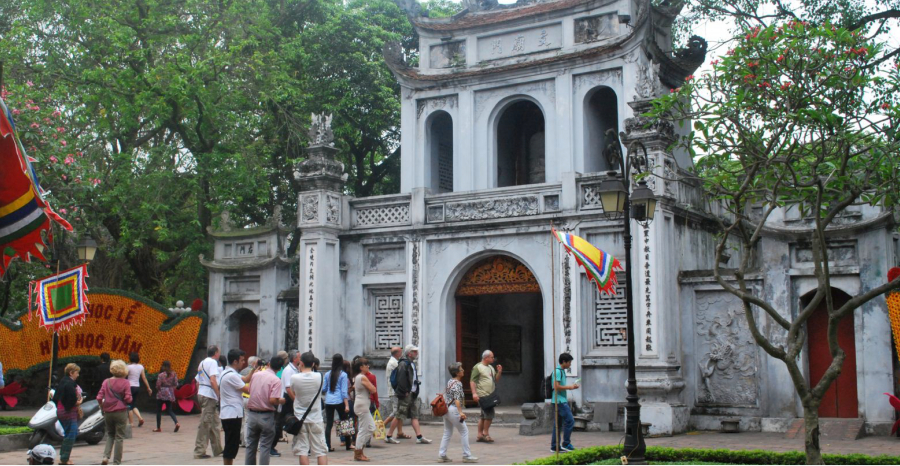
Hanoi hopes to welcome back many tourists.
Many solutions have been proposed to address the difficulties facing the tourism industry, but the key remains the proactive effort to seek new directions and solutions to optimize operations and service quality.

Proactively adapt and change your mindset to accelerate growth and prepare for the year-end peak season.
According to Mr. Vu The Binh, Permanent Vice President of the Vietnam Tourism Association, during this year-end period, businesses should focus on streamlining and stabilizing their operations and improving service quality. Since the number of tourists may not return in large numbers immediately in the following months, businesses need to find solutions to optimize service quality because tourists themselves will be the best communicators for Vietnamese tourism, helping the service sector to recover towards the end of the year.
- Phase 1: Streamlining operations
In fact, right from the first wave of Covid-19, many businesses chose to cut 20-50% of their staff and close some travel agencies to maintain operations. In this next wave of the pandemic, the level of layoffs may be even higher. Besides widespread staff reductions, many businesses are also tightening their budgets on ineffective advertising and marketing to ensure they can cover operating costs during the pandemic.
- Phase 2: Revenue Boost Needed
In the next phase, as soon as the pandemic is under control, travel businesses need to immediately organize promotional programs to stimulate tourism demand. Simultaneously, expanding the potential tourist market through OTA (Online Travel Agent) channels is also something businesses need to consider.
- Phase 3: Recovery
Now that the pandemic is over, tourism is returning to its normal pace, ready to accelerate its recovery. At this time, in addition to boosting marketing on OTAs, travel businesses need to consider building proactive interaction channels and forging close and sustainable relationships with customers. They must also be prepared for other potential negative impacts.
With the resurgence of the "black swan" Covid-19 outbreak in Da Nang, Vietnamese tourism businesses are entering phase 1 with the main goal of cutting costs to survive. However, to achieve this, businesses should rely on the support of technology.
Specifically, the use of virtual staff includes:automated chatbotEmail marketing can replace 80% of the basic tasks of telesales and customer service teams. Meanwhile, CRM management tools, in addition to storing and utilizing customer data, also support the effective tracking and management of online sales personnel during the pandemic. In cases of downsizing while still needing to maintain regular interaction with existing customers, automated email marketing can handle this task.
Similarly, thetravel website designBusinesses should also consider preparing to support online ticket sales and tour bookings as soon as the market shows positive signs.
With reasonable costs, equivalent to the monthly salaries of just 1-2 actual employees, these tools will be a powerful support for businesses during the current period of austerity.
See here for reference.This.