VI
VI


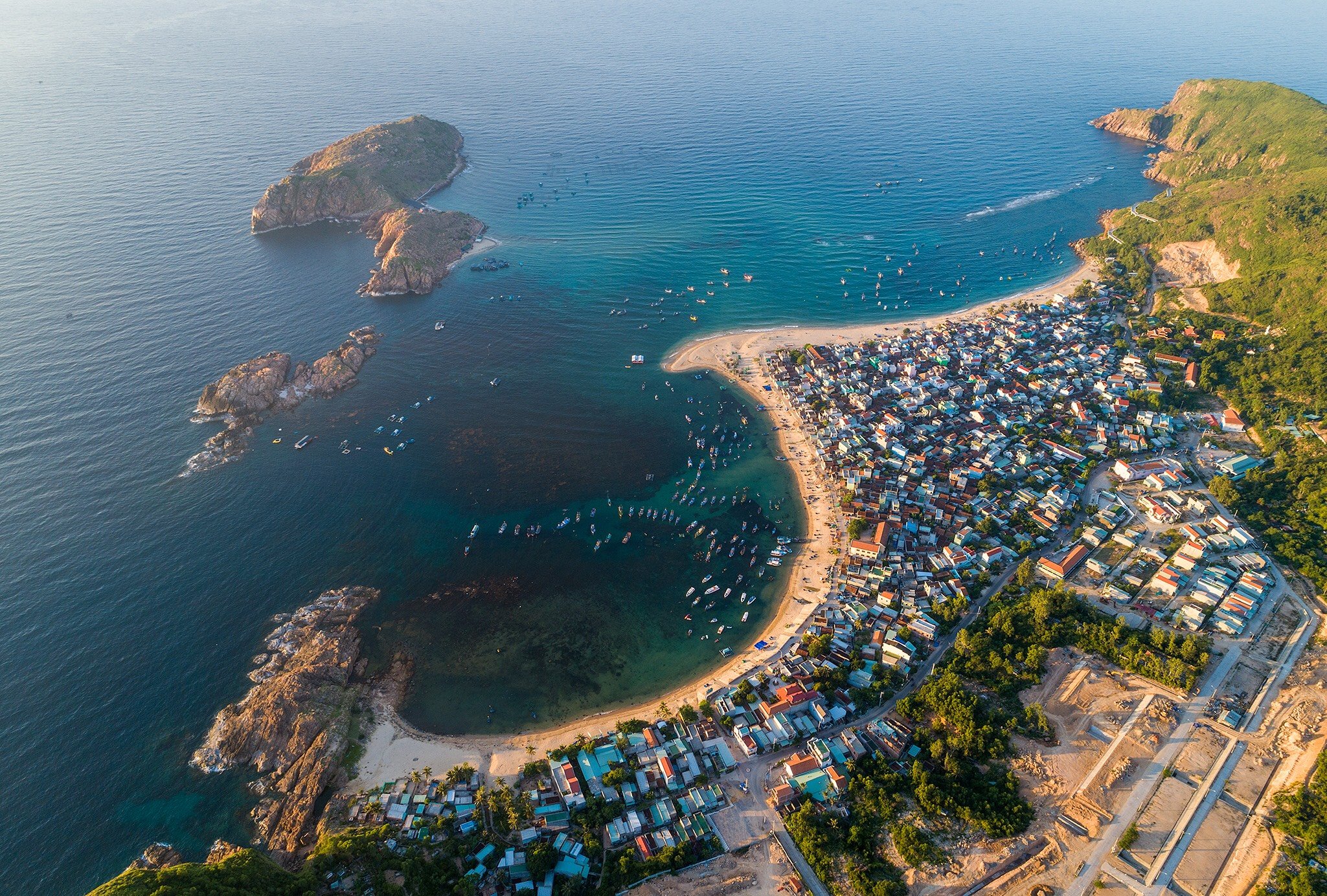
With nearly 100 million people and a long border with China, Vietnam's maximum control of the pandemic has become a rare model of success during the Covid-19 pandemic. According to the Ministry of Health, as of June 7th, Vietnam had only recorded 329 confirmed cases of COVID-19 and no deaths. This figure is the result of the swift decision to close the border with China, quarantine tens of thousands of people, conduct thorough epidemiological background checks, and implement an impressively large-scale testing program.
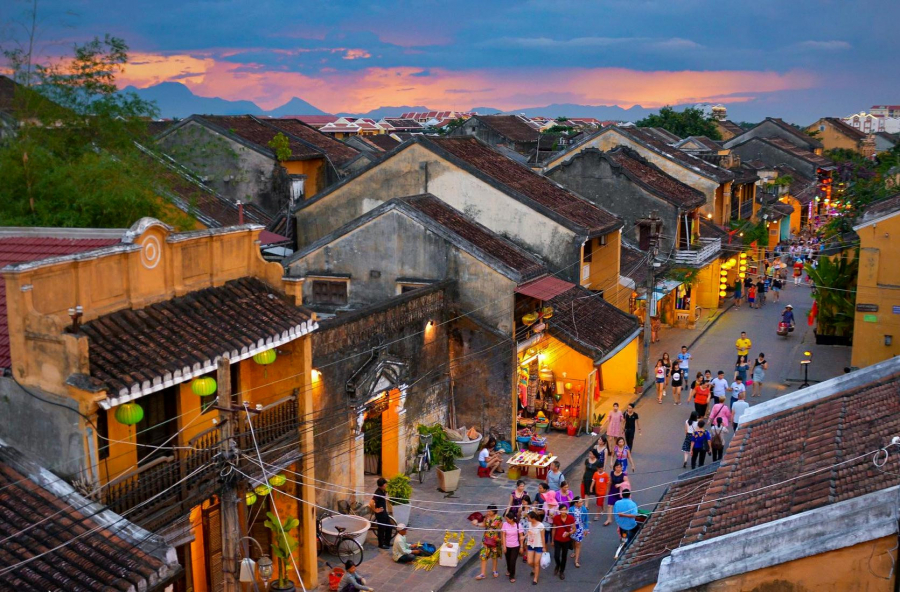
This has been internationally recognized in recent times through the mass media. It is precisely because of this initial success that Vietnam is one of the first countries in the world to allow its citizens to resume domestic travel.
In an article published in Bloomberg on June 7th, author Clara Ferreira Marques praised Vietnam not only for its disease control efforts but also for its milestone reopening, which has led to a strong resurgence of domestic tourism.
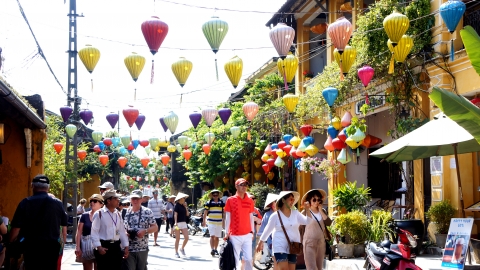
"Vietnamese people travel in Vietnam"
Bloomberg analyzed the situation in surrounding countries: Thailand remains under a state of emergency, Singapore is reeling from hundreds of new infections, and other countries in the region are only just beginning to ease restrictions. Therefore, a stable reopening of tourism will be a crucial tool to help Vietnam recover its economy.

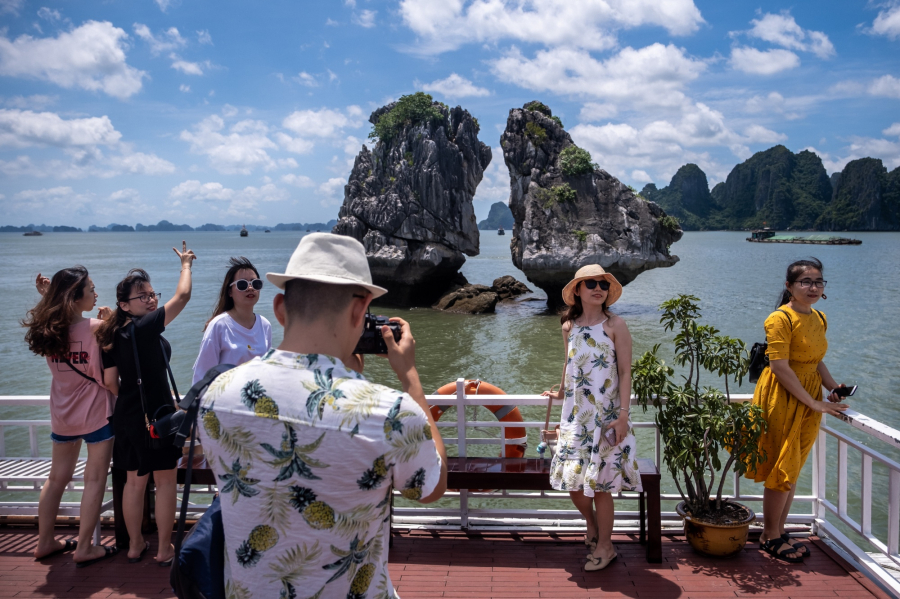
The "Vietnamese People Travel in Vietnam" campaign was launched by the government as soon as the domestic aviation industry restarted with regular flight schedules. Last year, Vietnam welcomed approximately 85 million domestic tourists – accounting for over 80% of the total. Bloomberg noted that this is a "huge" number, even if Vietnamese people don't spend as lavishly as foreign tourists.
According to the Vietnam National Administration of Tourism, travel agencies and businesses in many localities report a recent surge in domestic tourists, with the number of bookings for tours and services increasing daily. This is a positive sign indicating that the tourism industry has regained momentum. With the criteria of "Affordable prices and safety," these key factors have encouraged domestic tourists to participate in travel, spend money, and create millions of jobs in Vietnam at this time.
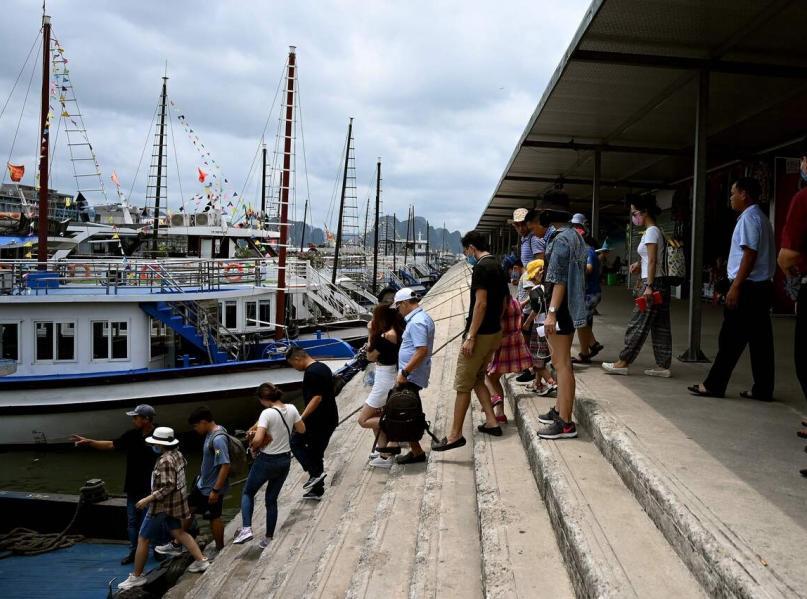
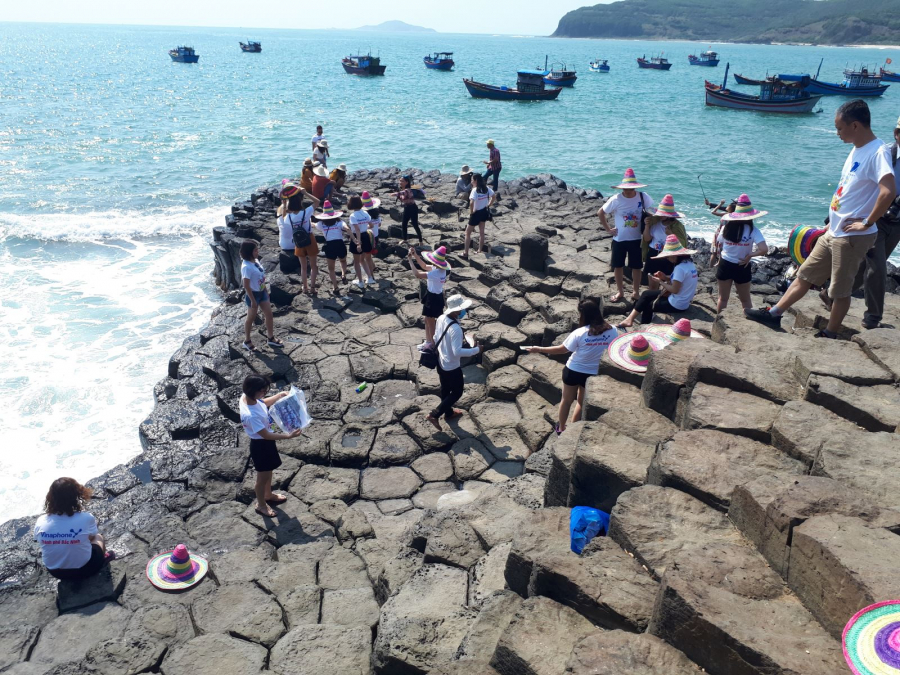
According to Bloomberg, Vietnam's plan is a more cautious version of those implemented by European countries that are racing to attract tourists during the peak summer months.
Vietnam needs time to welcome international tourists.
Vietnam still needs a few more months before it can welcome foreign tourists, although domestic airlines have already begun preparations for international flights.
Looking at Vietnam's tourism industry, Bloomberg noted: This is a clear sign that the global tourism industry – currently worth nearly $9 trillion – will take a long time to recover, as countries are busy negotiating bilateral tourism agreements. Independent analyst Brendan Sobie said that not all agreements are promising, and some even face limitations in ensuring safety and controlling the pandemic.
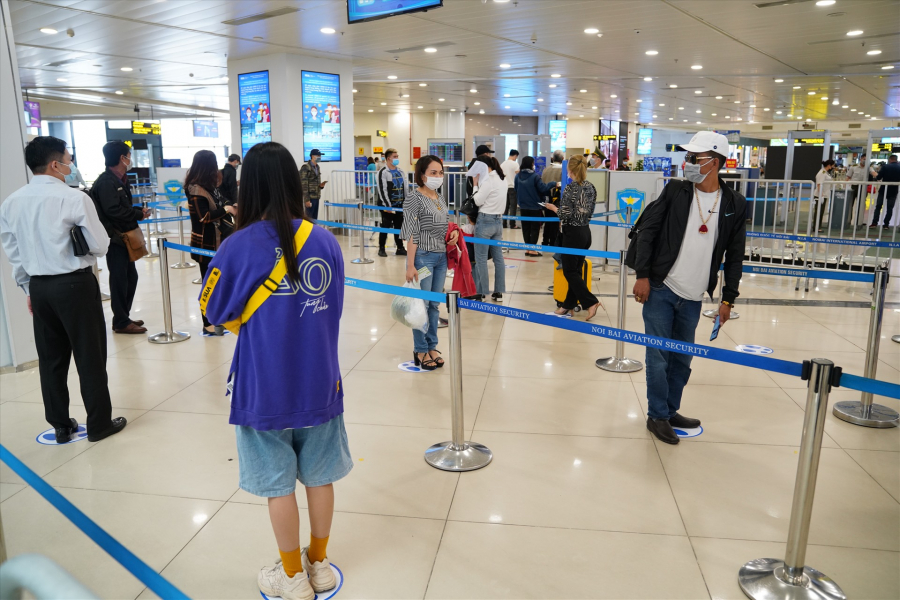
Many challenges lie ahead. Which countries will reach travel agreements first and when the plan will begin implementation are two of the sticking points. Countries that have effectively controlled the pandemic, such as South Korea and New Zealand, are likely to be among the first to resume international tourism.
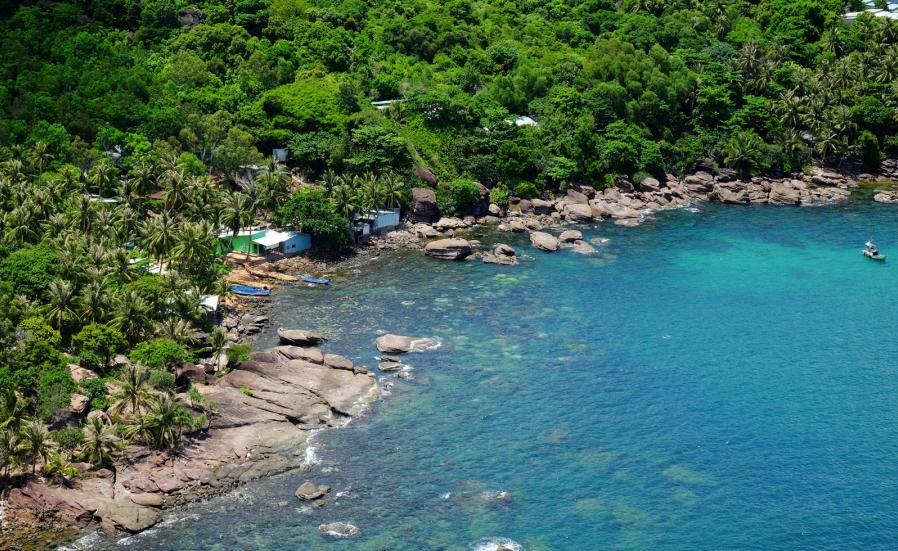
According to Steven Schipani, an analyst at the Asian Development Bank (ADB), isolated locations such as Phu Quoc Island or gated resorts are likely to become the first destinations for international tourists after Vietnam reopens international flights. Tourists will also not need to undergo long quarantine periods, instead opting to pay a mandatory fee for Covid-19 testing.