VI
VI


Tromso, a city in Norway, has long been known as the "aurora capital" of the world. With over 80,000 inhabitants, this once peaceful town is now bracing itself for a massive influx of international tourists who flock here to witness the magical ribbons of light in the night sky.
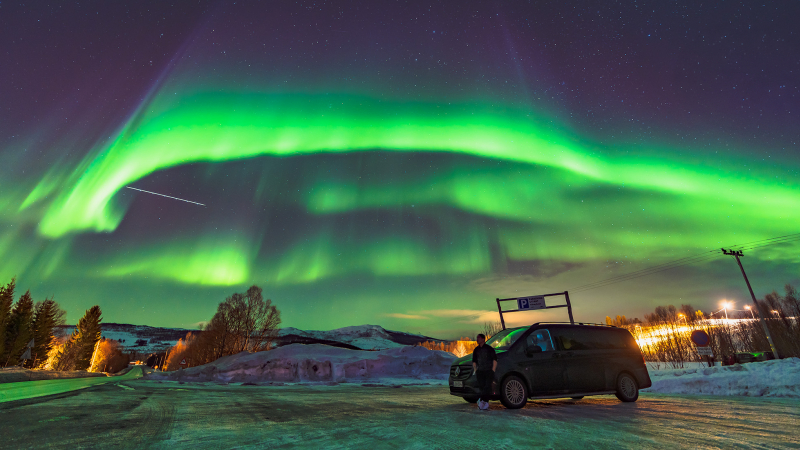
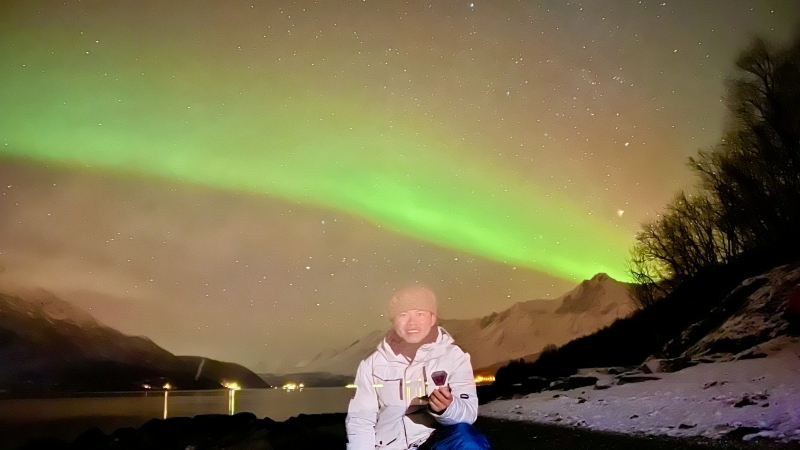
However, behind that breathtaking, fairytale-like beauty, an alarming reality is gradually emerging. The Norwegian aurora hunting craze not only brings economic benefits but also leads to troubling consequences for security, the law, and the disruption of local social life, turning what many people dream of into a risky experience.
The speculative bubble and the "black" market around the Arctic Circle.
The explosion of social media platforms like Instagram and TikTok has transformed the aurora borealis into a symbol of luxury and global exploration. According to data from Avinor, the national airport management company, the newly expanded international terminal at Tromso Airport welcomed a record 137,000 passengers in February alone. However, as tourist demand far exceeds the capacity of infrastructure and official travel agencies, a chaotic "black market" has emerged within the snow-covered land. Illegal tours, unlicensed drivers, and sophisticated scams have begun to plague travelers, turning the quest for the Northern Lights into a dangerous gamble.

A guided aurora borealis viewing tour in Norway.
One of the most pressing issues for Norwegian authorities is the rampant operation of illegal tour operators, many of whom originate from abroad. In a major crackdown in February, local police stopped a minivan right at the airport entrance. The driver, a Chinese national, was found to be organizing a five-day tour at an exorbitant price of over $4,500 without any operating license. This is not an isolated case; each month, security forces in Tromso seize an average of 10 vehicles and arrest dozens of individuals transporting tourists illegally.

The unequal battle of the local tourism industry.
For legitimate local tourism businesses, this is an unequal battle. Unlicensed guides and drivers not only cause traffic chaos at remote viewpoints like Grotfjorden, but also cripple legitimate businesses through unfair price competition. Because they don't pay taxes, insurance costs, and disregard the Norwegian government's stringent safety standards, these unscrupulous operators can easily offer prices significantly lower than the average of $250 for a ride on a designated bus. The consequence is a significant loss of tax revenue, while the reputation of Tromso, Norway's tourism industry is severely damaged by unprofessionalism and fraudulent practices.

Tourists crowded a viewpoint overlooking the "aurora borealis capital".
The most painful experiences belong to tourists who have traveled thousands of kilometers only to be met with disappointment and legal trouble. On travel forums, numerous stories of being abandoned in the freezing cold have been shared as a warning. One tourist from Chengdu recounted her "nightmare" journey when her tour guide was arrested by the police that very night.
The driver even forced her to lie to the police, claiming they were friends, to avoid a fine. As a result, the young woman had to endure four hours of intense questioning instead of enjoying nature. In another case, Tingting Wang spent $1,400 to take her family to see the aurora borealis but was abandoned by the guide that very night. She bitterly remarked that Tromso is beautiful, but the tourism management is incredibly chaotic.
This excessively rapid growth is also causing local residents to gradually lose patience. In the city center, the sight of tourists crowding at the world's northernmost McDonald's or queuing in long lines at reindeer hot dog stands has become overwhelming. This overcrowding not only diminishes the quality of the visitor experience but also infringes on the peaceful living spaces of the local people.

A bustling street corner with local food stalls that are always packed with people.
According to many experts, this year's aurora borealis season should have been a spectacular festival, but the greed of illegal tour operators has tarnished its beauty. Equipping yourself with safe aurora hunting techniques now goes beyond simply checking weather forecasts; more importantly, it requires choosing a reputable travel agency with proper licenses and insurance. Tourists need to be wary of cheap offers on social media to avoid supporting illegal activities and to protect themselves from risks in the harsh Arctic region.