VI
VI


Amidst the economy's efforts to accelerate and the tourism industry preparing for its most vibrant period, the Ministry of Finance has delivered an extremely optimistic signal with the official issuance of Circular 40. This is seen as a "breath of fresh air" to alleviate the surge in transportation costs, which has been a major obstacle for both travel businesses and tourists. By waiving or reducing numerous important fees and charges in the aviation, maritime, and railway sectors, this policy is expected to create a strong enough financial boost to bring airfare and transportation service prices to a more reasonable level ahead of the peak summer season.


The focus of this new policy lies in the special priority given to the aviation industry – the lifeblood of long-haul international and domestic travel. From April 7th until the end of the second quarter of 2026, airlines will be relieved of many administrative and technical fees such as aircraft documentation assessment fees, flight certification inspection fees, and data analysis fees. While these fees may seem highly specialized, they actually contribute significantly to the fixed operating costs of each flight.

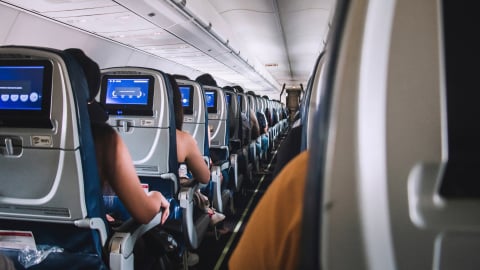
The implementation of Circular 40, which exempts a number of aircraft inspection fees, helps domestic airlines reduce financial pressure.
Once the bottlenecks related to fees are removed, airlines will have more financial leeway to be more flexible in creating promotional fare ranges, thereby helping passengers access good value tickets even during peak periods.
Furthermore, another key factor reinforcing the belief that airfares will cool down is the proposal to extend the preferential 0% import tax rate on gasoline and diesel until June 30, 2026. Fuel is always the largest variable cost for any transportation business. Maintaining this preferential tax rate during a period of complex global energy market fluctuations is a crucial "spearhead" alongside Circular 40. When both taxes and fees are subsidized to the maximum extent, the pressure on airlines to increase airfares to compensate for input costs will be significantly reduced, directly benefiting consumers.


This will provide additional resources to stabilize ticket prices for the public during the summer of 2026.
Furthermore, this support policy extends across all types of rail and inland waterway transport. Completely waiving fees for using railway infrastructure and port docking fees will help reduce logistics and passenger transport costs nationwide.
This is a coordinated move by the authorities to create a seamless transportation ecosystem at the most optimal cost. For travelers who prefer a leisurely experience along the S-shaped railway lines or sea voyages exploring islands, this is the ideal time to plan without worrying too much about increased service fees.

The national railway system will be exempt from infrastructure usage fees until the end of Q2/2026.
However, despite the positive government support policies, travelers should also be aware of certain factors to ensure their personal rights are protected when booking services during this period. It's crucial to recognize that reduced taxes and fees do not automatically mean immediate price reductions across all routes or classes. Airfares are driven by market forces and supply and demand, especially during major holidays like April 30th or the summer months, when demand remains high. Therefore, travelers should avoid waiting until the last minute to book tickets hoping for significant price drops. Instead, these fee reductions actually help maintain more stable prices across a wide range of tickets, preventing sudden price surges and ticket shortages like in previous years.
Another important note for passengers is to be wary of advertisements about "cheap air tickets thanks to fee reduction policies" on unofficial social media sites. Taking advantage of information about Circular 40, some scammers may launch travel packages or air tickets at unusually low prices to entice tourists to transfer deposit money.
Passengers should remember that the waived fees are assessment fees and state fees for businesses, not direct deductions from value-added tax or airport fees (passenger service fees) that passengers pay directly on each ticket. Therefore, all information regarding ticket prices and promotions should be verified through the official websites of airlines or reputable travel agencies.
If travelers want to optimize their travel costs in the summer of 2026, they should take advantage of the diverse transportation options benefiting from the new policy. If flights to popular tourist destinations like Phu Quoc, Nha Trang, or Da Nang are expensive, travelers can consider switching to the national railway system. With free railway infrastructure, railway operators are tending to upgrade the quality of carriages and accompanying services while maintaining competitive prices. This will be an affordable option, offering a novel and safe experience for families with young children or groups of young people who love to explore.

Travel experts warn people to be wary of offers for "super cheap air tickets" that exploit information about Circular 40 for profit.
Closely monitoring the implementation of tax and fee policies will help travelers become savvy consumers. Since the fuel tax incentives and fee exemptions under Circular 40 are expected to end on June 30, 2026, trips planned and executed between April and June will benefit the most in terms of cost. Book your tickets at least 1-2 months in advance to secure good seats and stable prices. A well-planned trip, combined with taking advantage of government support policies, will be key to a fulfilling, enriching, and cost-effective summer vacation for you and your family in 2026.