VI
VI


According to the IAA, archaeologists have discovered a large structure built from concentric stone blocks. The inscriptions at this structure indicate the government's activities in managing and distributing food not only during times of scarcity but also during periods of agricultural surplus, accumulating goods and wealth.
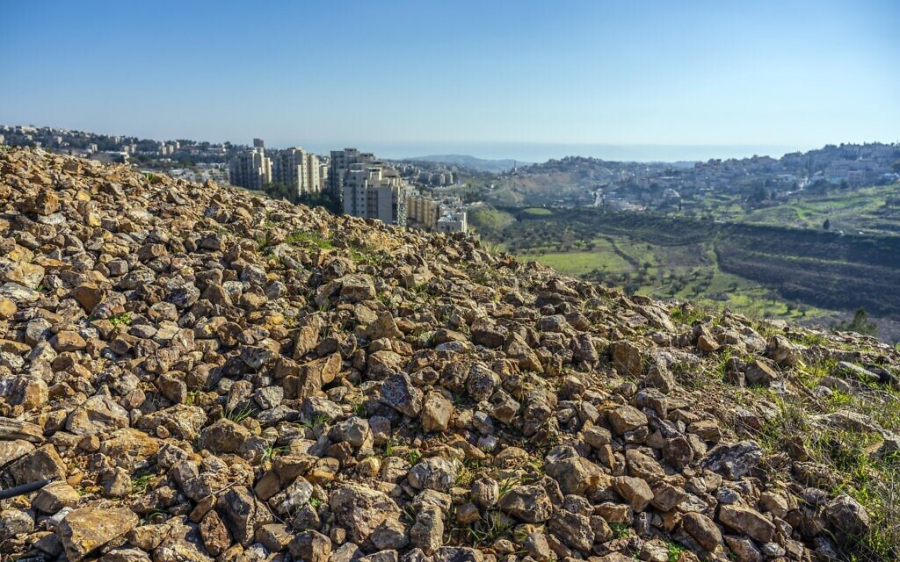
The Israel Antiquities Authority excavated on the slopes of a rocky hill in the Arnona area of Jerusalem and discovered a 2,700-year-old administrative archives center.
The site includes large agricultural plots and orchards of olives and grapes, along with agricultural and industrial equipment, such as grape presses for winemaking. In addition, archaeologists discovered clay statues, designed in the figures of women, horsemen, and animals, possibly used in pagan worship. Furthermore, archaeologists found over 120 seals on the handles of jars. The IAA asserts that this is one of the largest and most important collections of seals ever found in Israel.

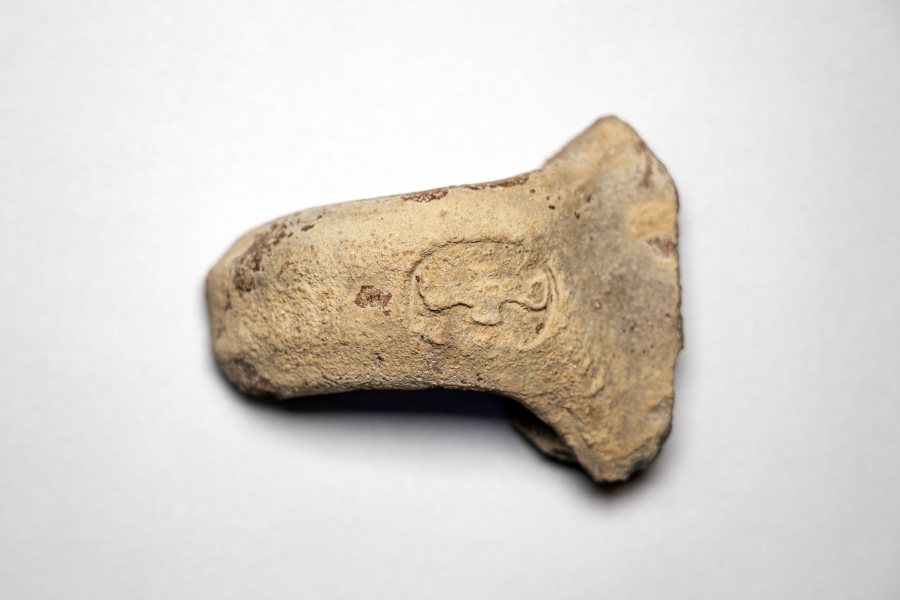
The royal seal was found at the archives.
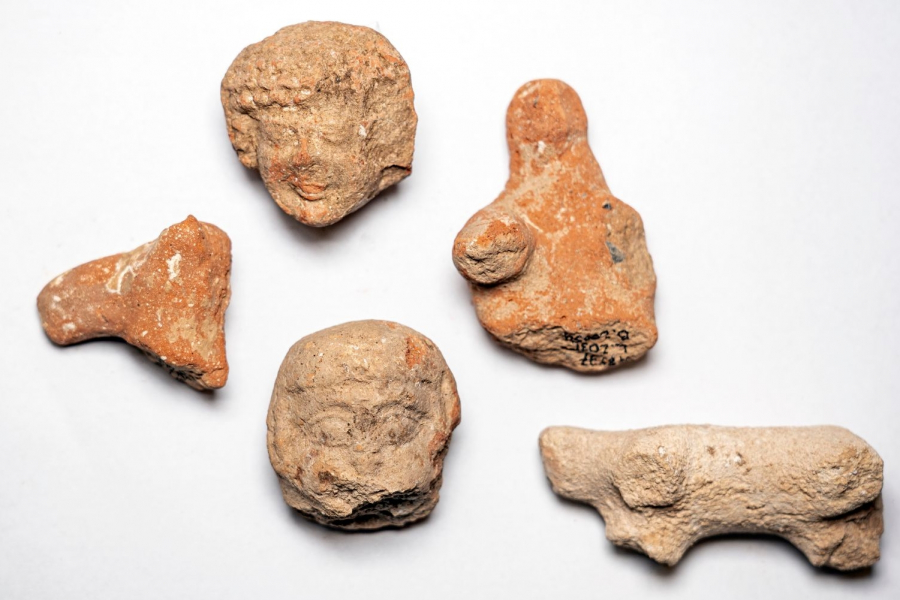
Newly unearthed clay statues
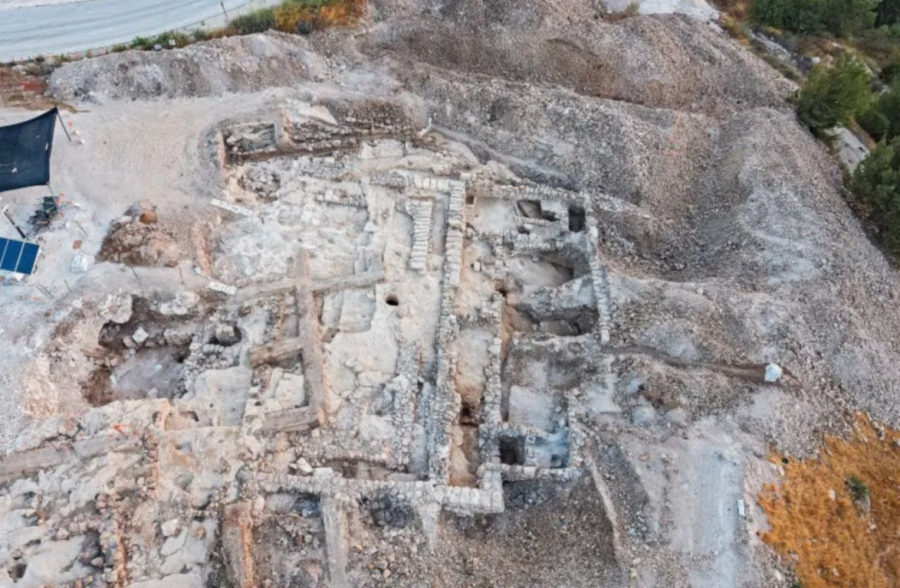
The Arnona archaeological site as seen from above.
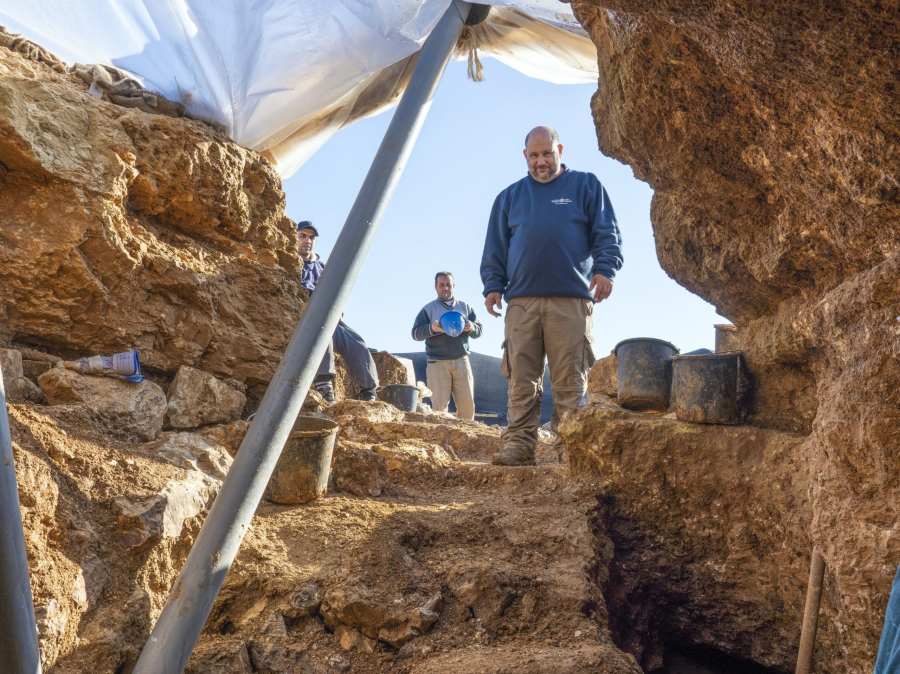
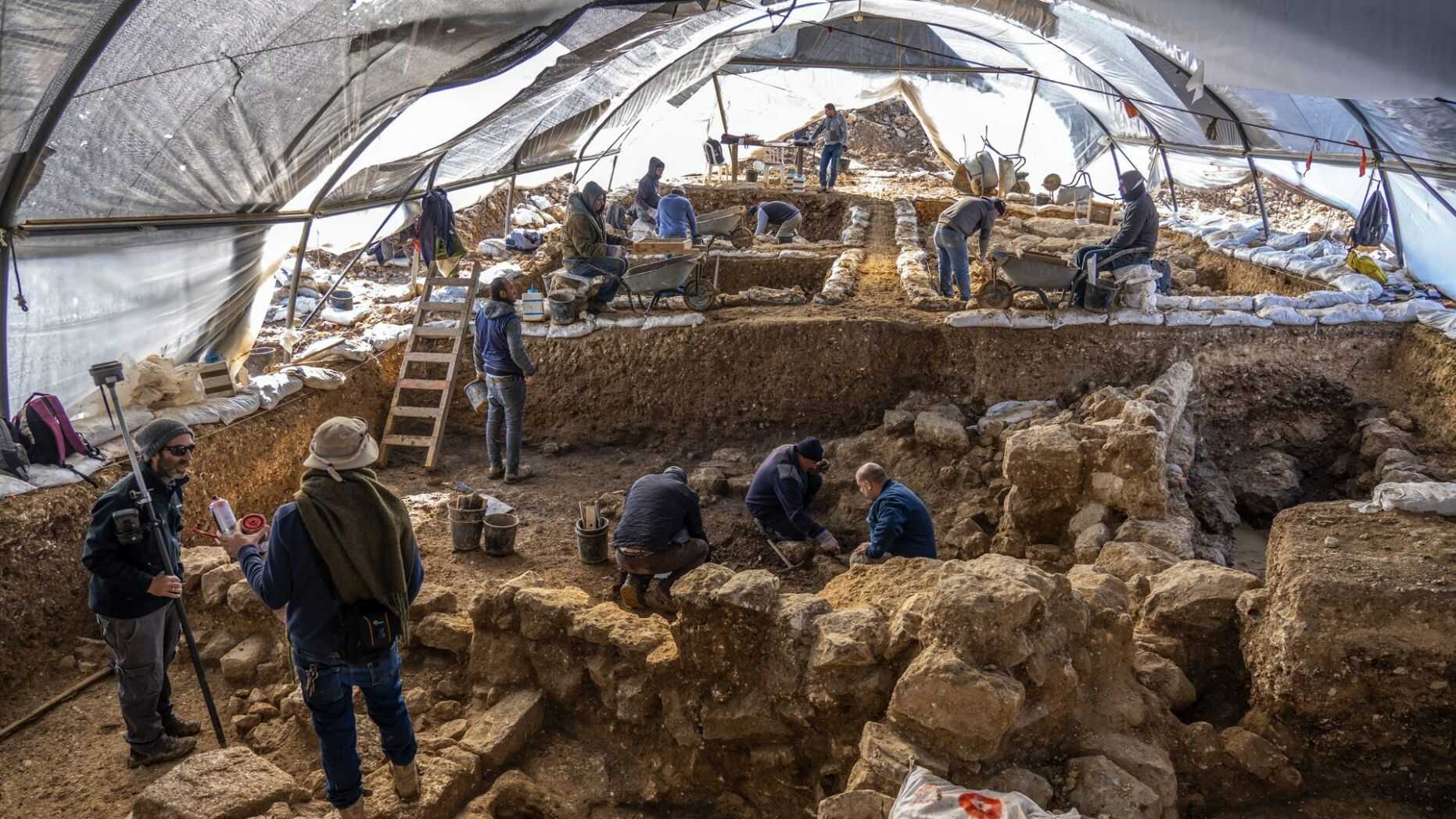
Archaeologists at the archive center
Archaeologists assert that this administrative storage center and the jar handles provide evidence of orderly tax collection during the Judean kings' reign in ancient Israel on agricultural products such as wine and olive oil.