VI
VI



The 500-year-old temple, dedicated to an incarnation of the god Vishnu, once stood on the banks of the Mahanadi River in the eastern Indian state of Odisha, serving as a place of worship for seven nearby villages. However, after floods in the 1800s, the river changed course, forcing villagers to abandon the temple and their homes, which gradually disappeared beneath the raging waters. For generations, no one knew the exact location of the temple, despite efforts by the Indian Art and Cultural Heritage Preservation Fund (INTACH).
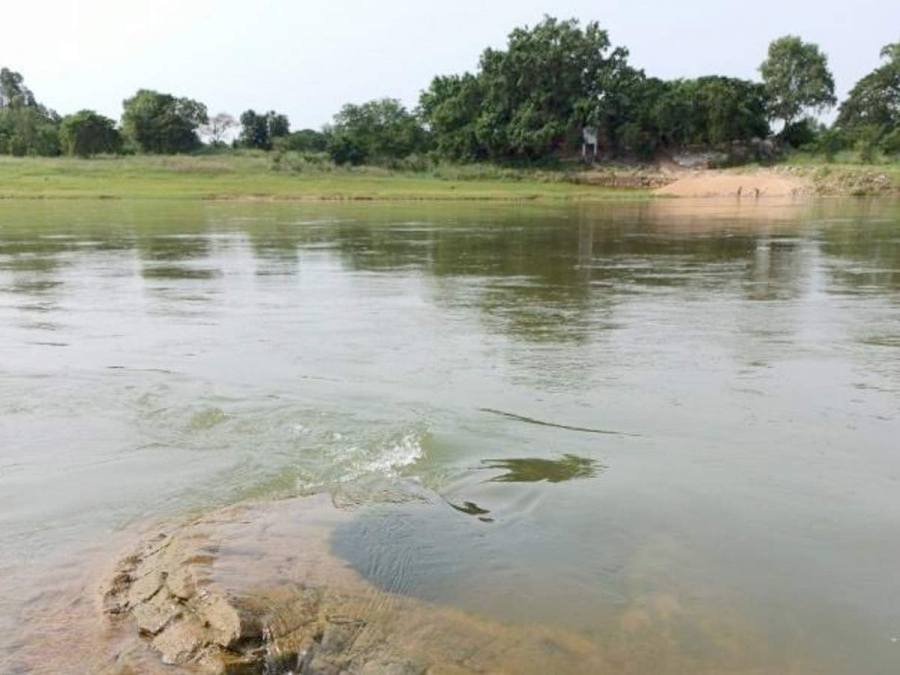
However, the temple unexpectedly reappeared earlier this week when the Mahanadi River's water level dropped to the point where the top of the structure was exposed. Anil Dhir, who led the search project, said his team had successfully located many temples in the Mahanadi River valley, but all efforts to locate this 18-meter-tall temple had been in vain.

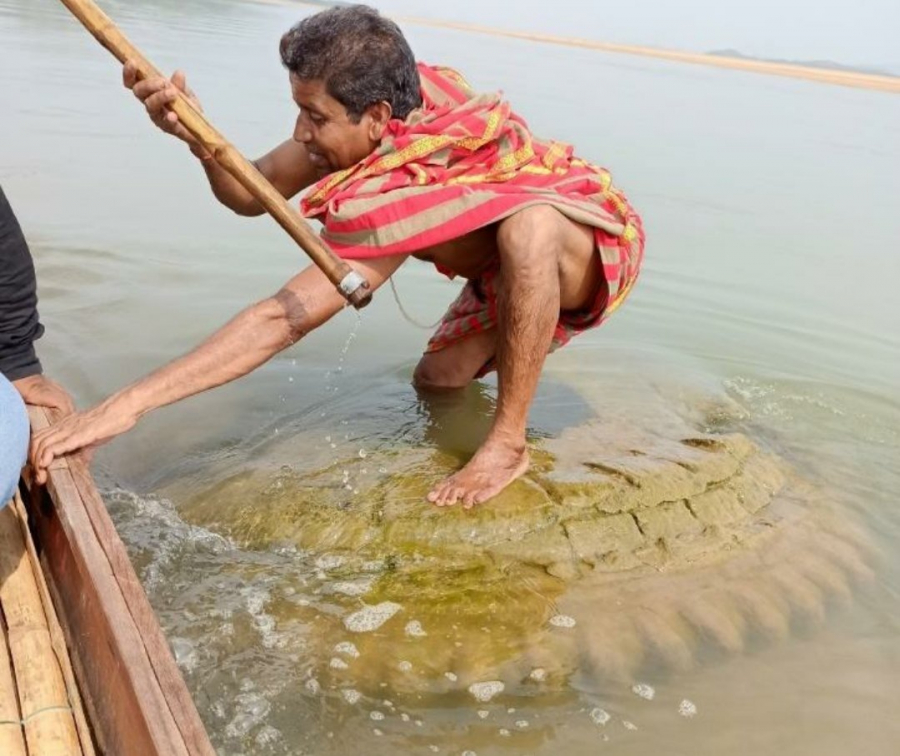
"The temple was situated amidst seven villages collectively known as Satapatana. Between 1830 and 1850, after a devastating flood, the river began to change course and engulf the villages. The villages were abandoned or relocated, but the temple remained intact. The statue representing the god Vishnu was moved to another place of worship. The villagers built a new temple and placed the statue there in 1855. The old temple sank beneath the river and lay submerged in the water for years afterward," Dhir explained.
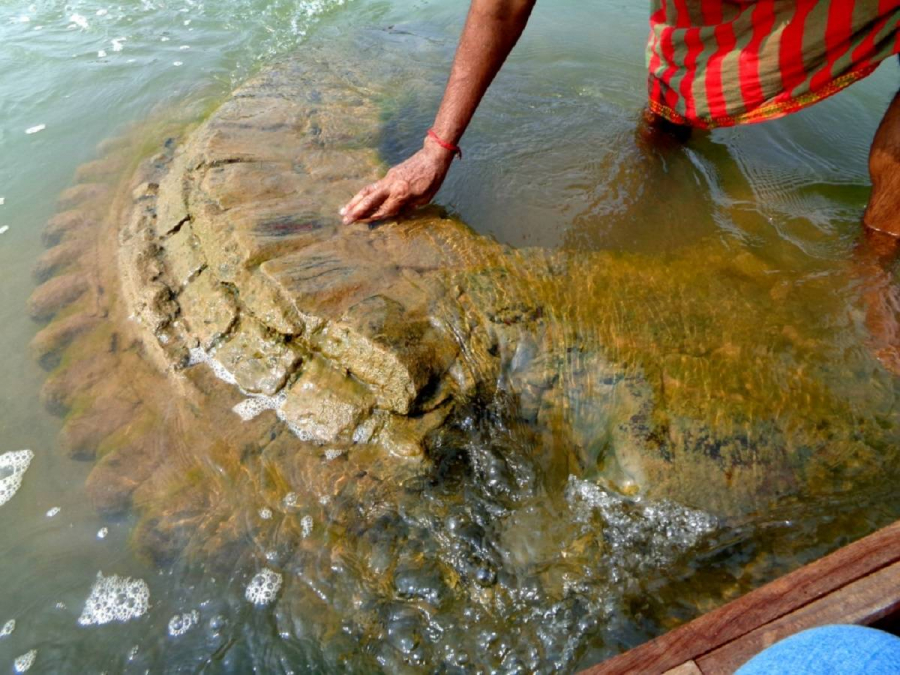
According to Dhir, the temple used to rise about 1.5 meters each year during the summer months. However, after the dam was built, the river level rose and the temple has not been visible again for the past 20 years. Photographs from INTACH's research team show the disc-shaped stone structure at the top of the main tower of the Hindu temple right at the water's edge.

Anil said the temple was built by a local king in the 16th-17th centuries in the Kalingan architectural style. He emphasized that local authorities currently have no plans to excavate the temple because this section of the river is very dangerous and has strong currents.