VI
VI


Amidst the global COVID-19 outbreak, social distancing was the measure adopted by most countries to prevent the spread of the disease. To self-isolate, most people stayed at home and limited contact with others. Meanwhile, many of the super-rich opted for bunkers, yachts, and other similar accommodations.private islandsTo stay during this time, some even book entire hotels or rent entire towns for self-isolation. Many wealthy individuals have equipped their shelters with medical facilities and supplies and hired doctors and nurses to enhance safety.
Shelter
Clyde Scott, CEO of Rising S Company, a provider of underground bunkers and bomb shelters, said customer demand has quadrupled compared to the same period last year. Although the company is based in the US, Scott says he receives calls from all over the world, including countries that previously had no customers, such as Croatia. According to him, the average cost for a bunker that customers are looking for is around $150,000.
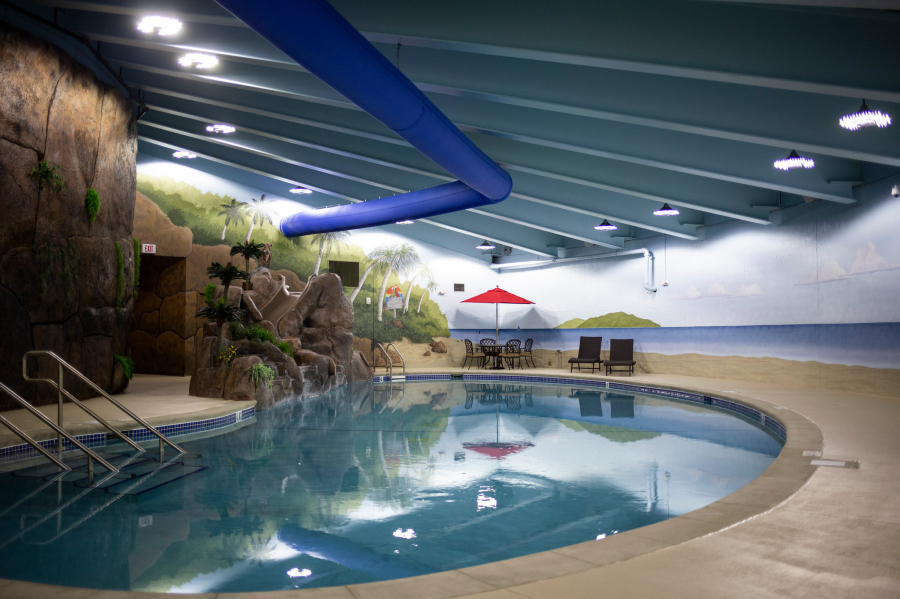
The bomb shelter is fully equipped.
Larry Hallm, owner of Survival Condo, another bunker provider in the US, also reported a surge in customer requests due to the Covid-19 outbreak. He said that previously, the company had to work hard to convince people to use its services, but now bunkers are a major concern for customers, with some even purchasing a bunker without a prior inspection. While receiving requests from the Middle East, the UK, Japan, and France, his clientele is now predominantly American, working in various professions, including doctors and engineers. Survival Condo bunkers range in price from $500,000 to $2,400,000 and include amenities such as indoor swimming pools, gyms, and even climbing walls.
Private island
Instead of bunkers, some other wealthy individuals opted for private islands to escape the Covid-19 pandemic.
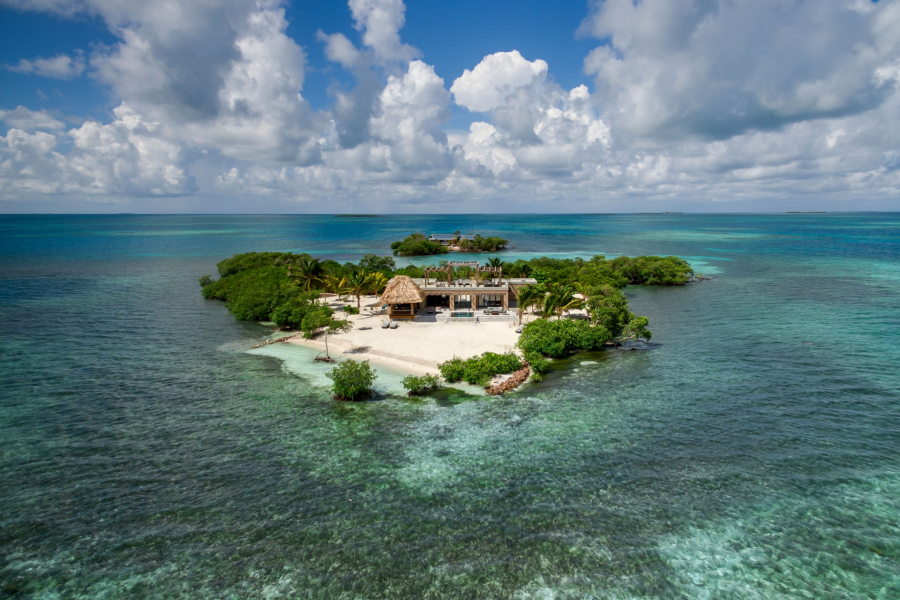
Gladden Private Island
Gladden Island, a private island just off the coast of Belize in the Caribbean, is popular for its “absolute privacy.” Staff live on a separate, nearby islet and turn on red lights on the main island as a signal to let guests know when they pass by. The price to rent the entire island for one night for two people is $2,950. “This might be the safest place on the planet for anyone wanting to escape this terrible virus because it’s only 32 kilometers from the mainland,” said Chris Krolow, CEO of Private Islands.
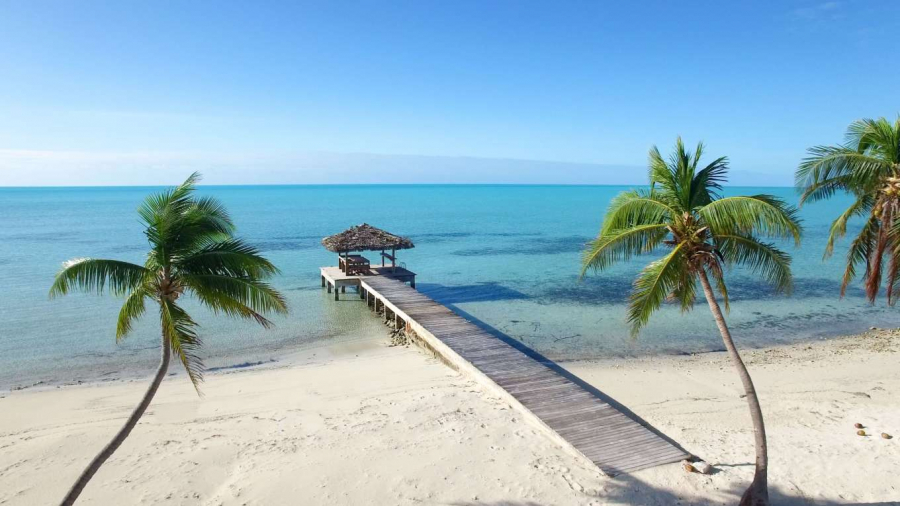
Blue Island, a private island.
Another location in the Caribbean is Blue Island in the Bahamas. What's special about this island is that it even has a runway for wealthy clients to land their private jets. The price to buy the 2.8 square kilometer island is exorbitant.2This is $70 million. Krolow also said he received numerous calls last week from people with yachts, cruising around the islands trying to find a safe place to dock and willing to pay a fee.

Private planes and yachts
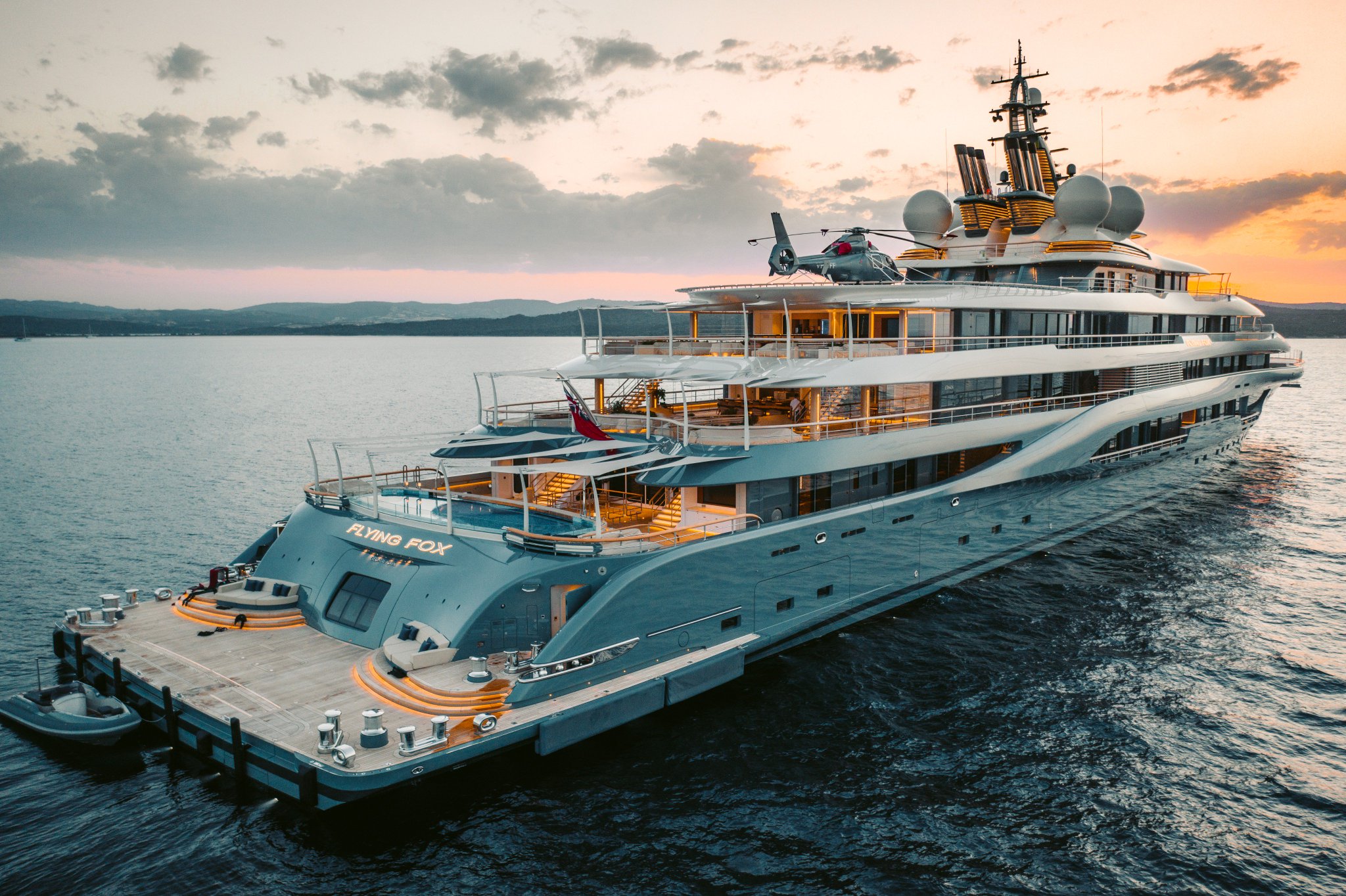
Other families are opting for private jets or luxury yachts for their extended vacations. Jonathan Beckett, CEO of brokerage firm Burgess Yachts, noted a surge in demand for luxury yachts as the ultra-wealthy seek safe havens amidst the Covid-19 pandemic. “People are looking for ways to weather the storm, and a yacht at sea in good weather isn’t a bad idea for self-isolation,” Beckett said.
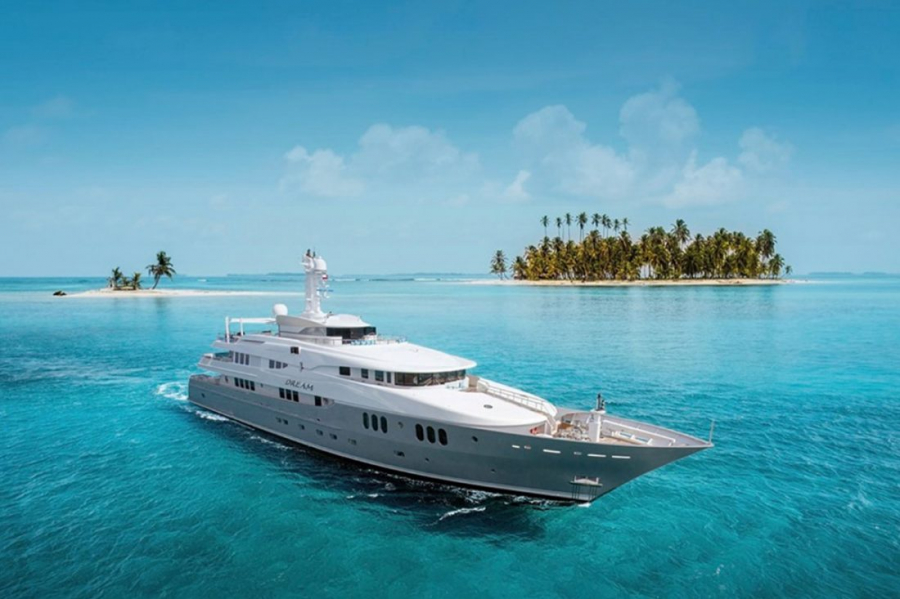
Burgess Yachts' superyacht
He added that there is growing interest in yachts, replacing getaways to sea destinations like Alaska, South Pacific islands, and the tip of Chile. “One family has chartered a yacht for nine weeks, and we’ve also received two long-term charter orders for yachts measuring 39 meters and 70 meters. Our clients are arranging for their children to learn on board, with cooking lessons from the chef and technology lessons in the engine room while staying with the crew,” Beckett said.
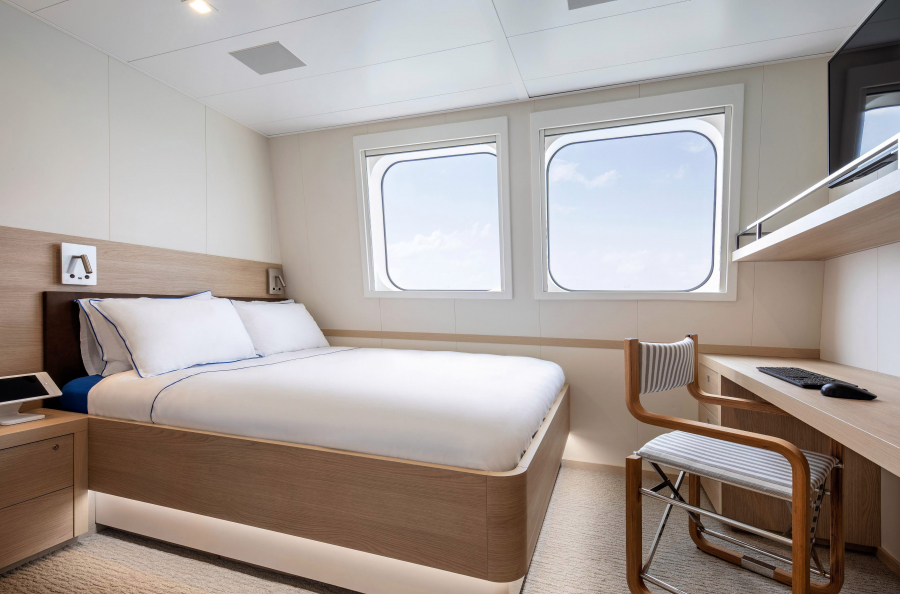
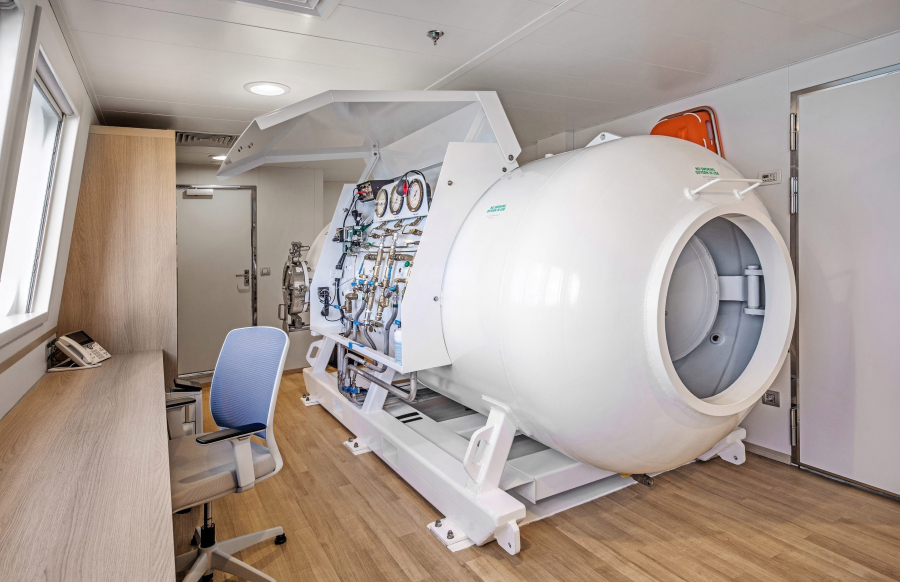
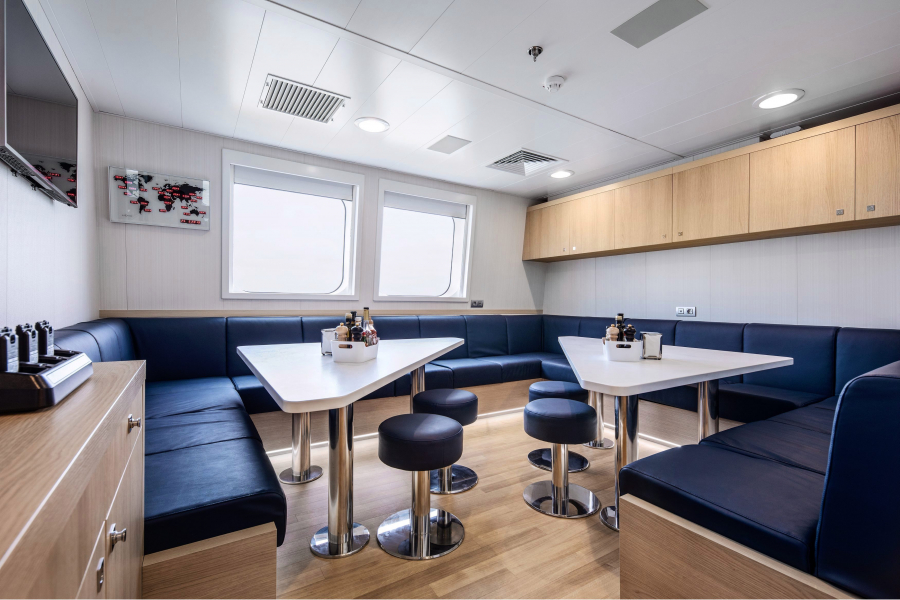
The super-rich set up clinics and hired nurses on their yachts.
Yachts longer than 34 meters can hold enough food supplies for several months without needing to dock, thus avoiding the risk of infection. However, the cost of chartering a yacht to escape Covid-19 is very expensive, potentially reaching millions of dollars. The super-rich would pay around $116,000 per week plus crew costs and other contingency expenses for a 45-meter yacht, and up to $582,000 per week for larger yachts.
Most yachts longer than 91 meters are equipped with a mini-hospital or clinic. Nurses wishing to work on yachts must have an ENG1 medical certification. In addition to hired medical staff, crew members also receive basic first aid training. Many superyacht owners now equip their mini-hospitals with state-of-the-art equipment such as decompression chambers, oxygen chambers, and defibrillators. Superyachts are also equipped with remote monitoring systems so that doctors on land can keep track of the situation and detect dangerous signs promptly.
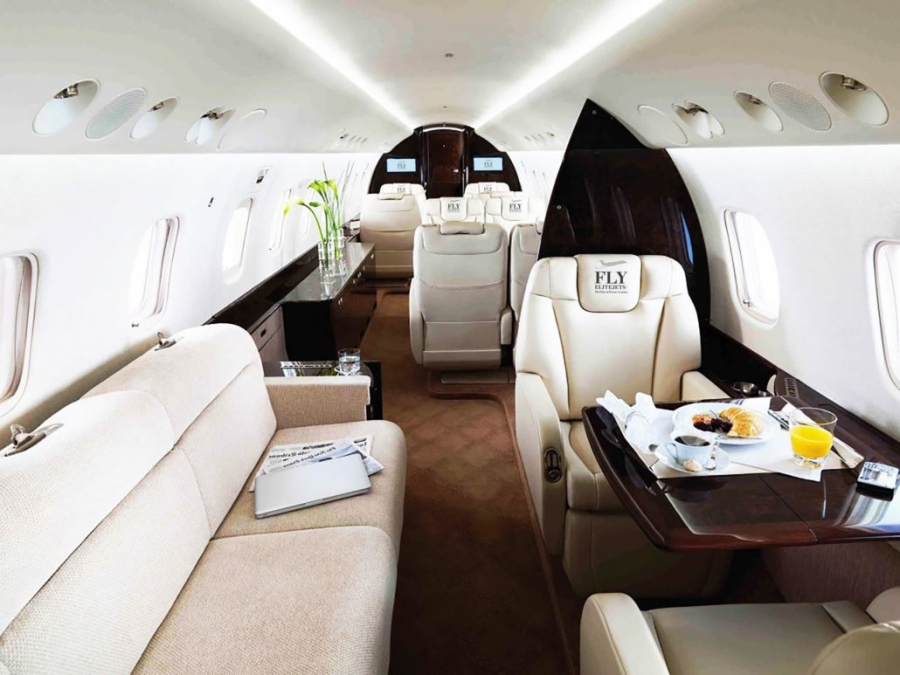
Inside a FlyEliteJets private jet.
Besides yachts, demand for private jets has also surged amid airline shutdowns and border closures across many countries. FlyEliteJets, a London-based private jet brokerage, reported a recent surge in bookings, with 270 requests for a five-day trip, compared to the usual 30 bookings per week. “In the last week, people were panicking as the virus outbreak intensified and saying, ‘Get me out of here now, no matter the cost,’” said Christopher Williams-Marton, CEO of FlyEliteJets. He added that the inability of commercial airlines to operate due to the pandemic has made the services offered by private jets no longer considered “too expensive to use.”
PrivateFly, a UK-based private jet charter company, said that in the past two weeks, as the Covid-19 pandemic worsened, demand for private jets to evacuate relatives and family members surged among the super-rich. Clients were willing to pay $180,000 for a one-way flight from Europe to Canada and South America on mid-size private jets, and $233,000 for flights to the Gulf region.
Rent entire hotels, resorts, and towns.
The upscale Blantyre Country resort on the Berkshires plateau (Massachusetts, USA), which opened last year, is now accepting bookings for the entire property at a price of $38,000 per day. “Even though we’re closed for the winter every year, we still get calls from regulars wanting to book the whole resort. Family travel is trending, and our place is one of the options,” according to manager Stephen Benson.
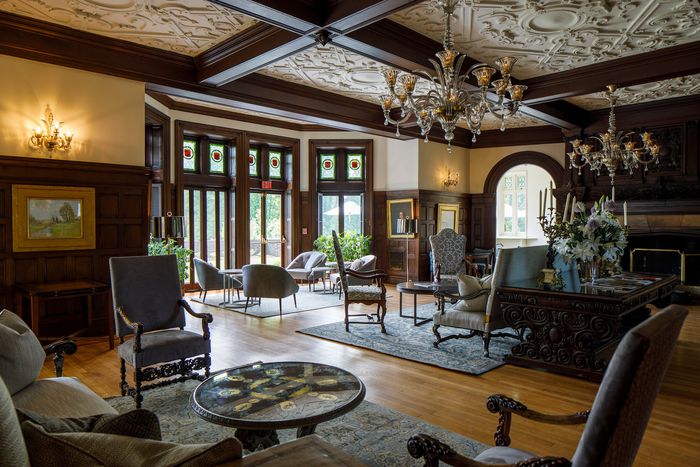
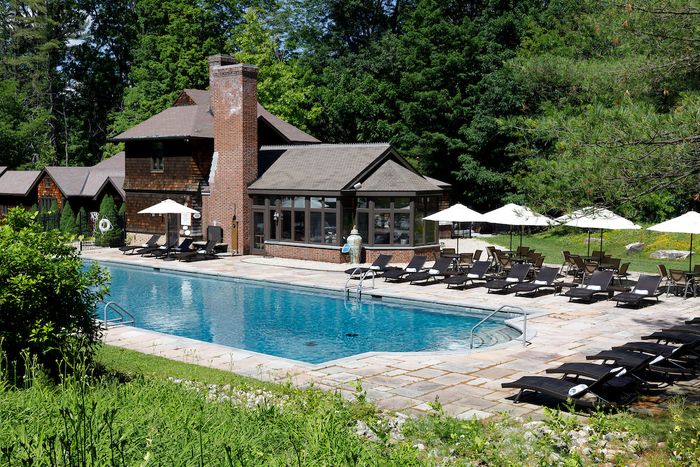
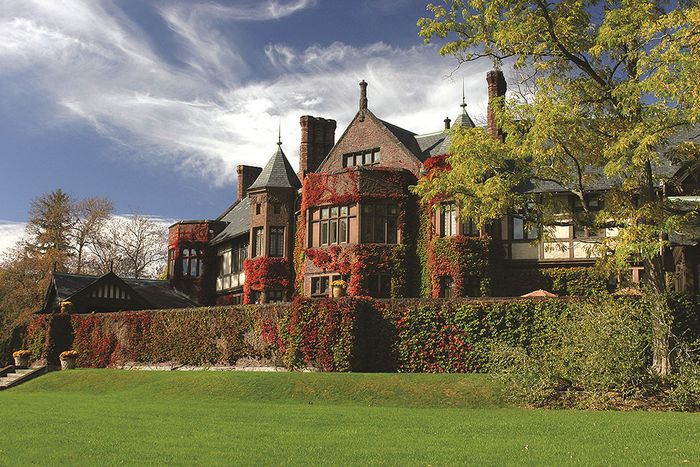
Blantyre Country Luxury Resort
The Cape Arundel Hotel in Maine is also offering a similar rental deal for $19,500 for the entire 14-room hotel for one week, featuring ocean views, weekly housekeeping, and meals. To ensure staff safety, check-in is done online and meals can be prepared in advance. “This is a new package we’re offering for April. We’ve seen many people returning to their summer homes in this area and avoiding the crowded cities since the Covid-19 pandemic,” said CEO Justin Grim.
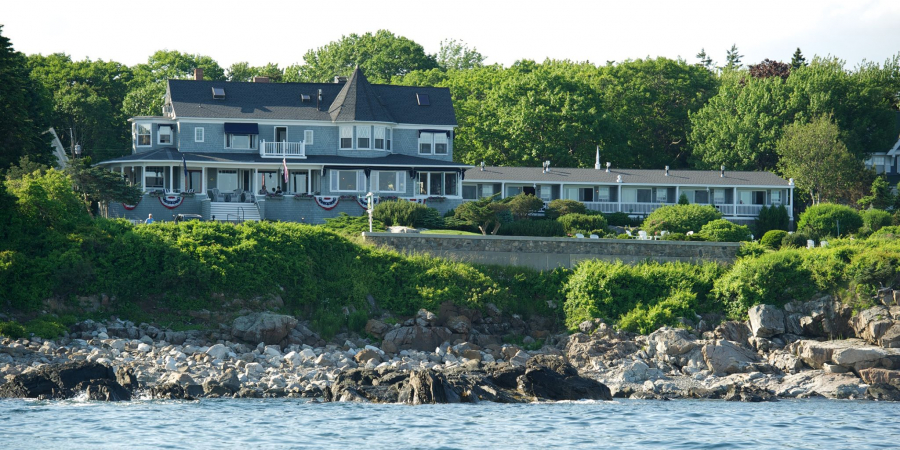
Cape Arundel Hotel
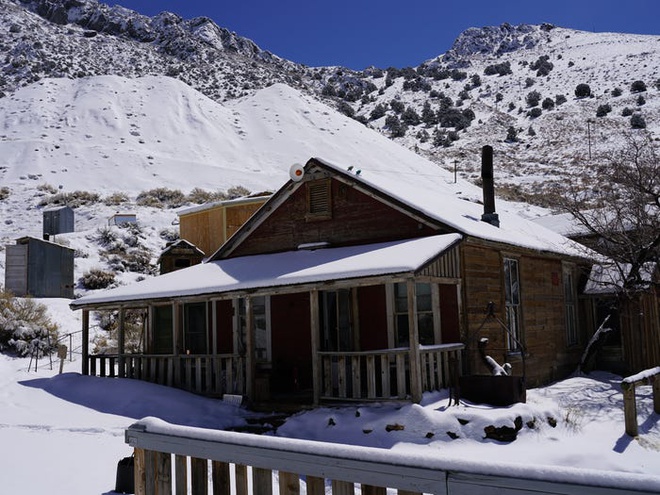
Meanwhile, some wealthy families are renting or buying entire large areas or towns in rural areas to avoid the Covid-19 pandemic. For example, a man named Brent Underwood is self-isolating in an abandoned town called Cerro Gordodo (Inyo County, California, USA) that he bought in 2018 for $1,400,000. Initially, he bought the town with the intention of developing a business, but he has been self-isolating there since March 2020.
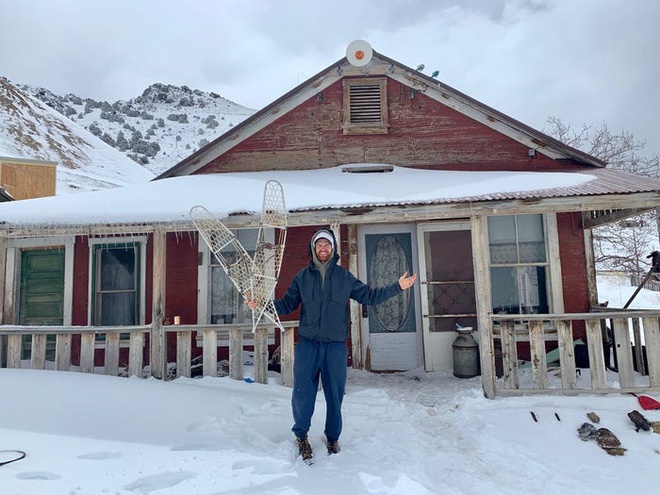
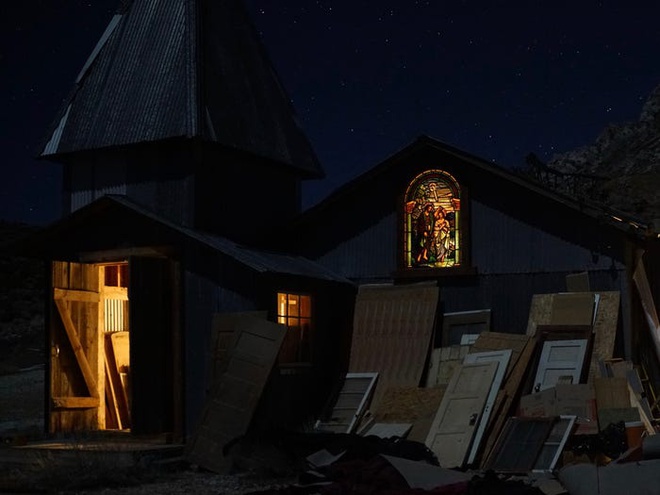
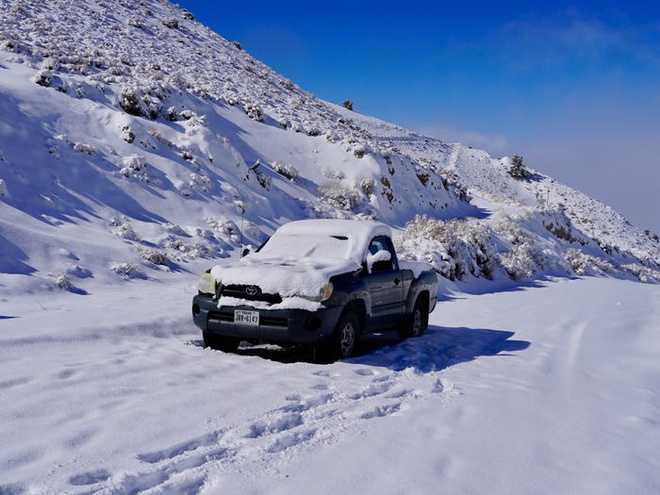
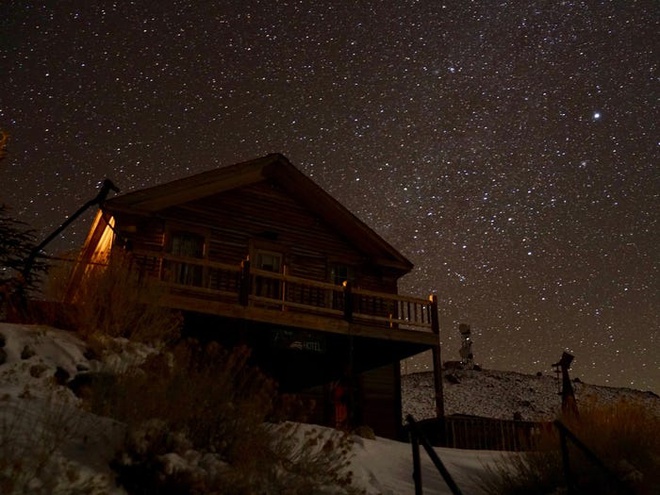
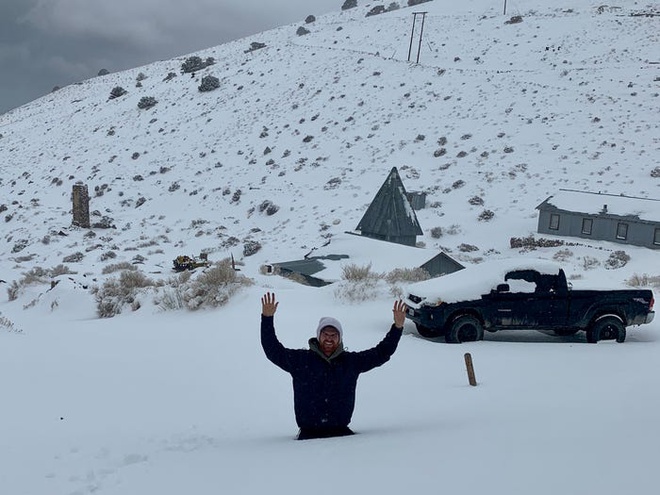
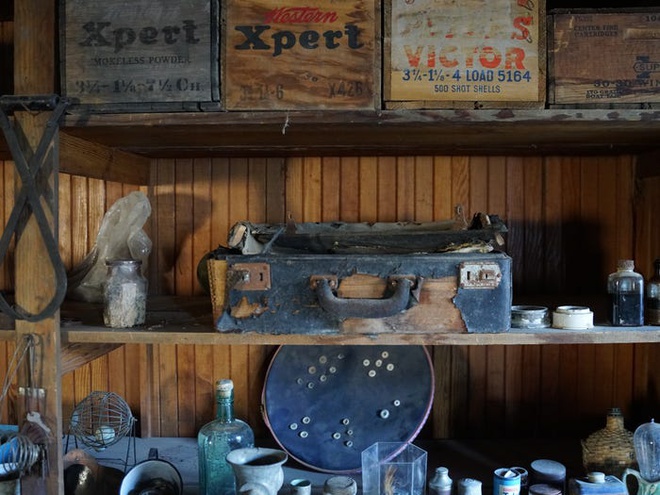
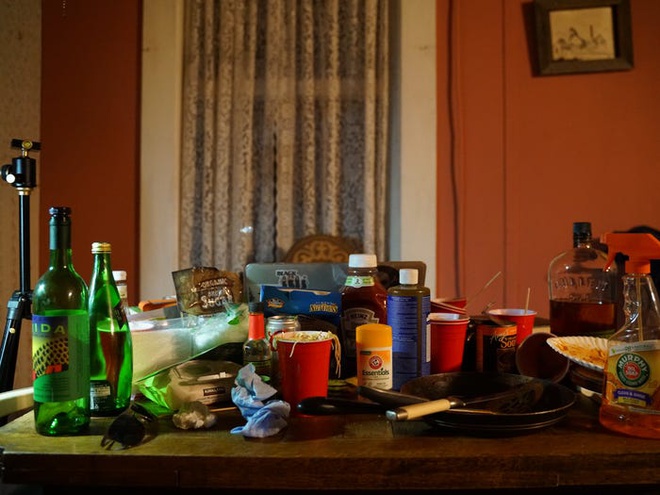
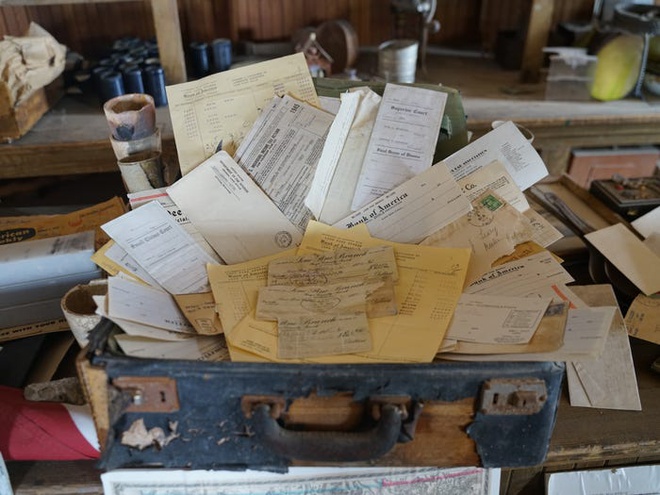
He currently lives in a house built in 1871 with two bedrooms and a bathroom, but the water supply is not working. The nearest grocery store is about 48 kilometers from where he lives. In case of emergency, Brent Underwood can find help in a small town of 20 residents located more than 14 kilometers from Cerro Gordo. During his self-isolation, Underwood explored and repaired several houses in the town, and found some items dating back to the 19th century.
The above information reflects the social polarization in the US, with 3.3 million people registering for unemployment benefits in just one week, from March 15-21. Many people don't even have enough money to leave their homes, let alone leave the state or rent an entire hotel. Furthermore, wealthy individuals are leaving their homes despite recommendations to self-isolate, increasing the risk of becoming "super-spreaders" if they come from hotspots like New York and carry the virus elsewhere. The concentration of people is also overwhelming towns in many ways. On Nantucket Island in Massachusetts, many wealthy people rushed back to their summer homes earlier than expected, prompting local authorities to advise them to stay away because the island only has one hospital with 14 beds.