VI
VI


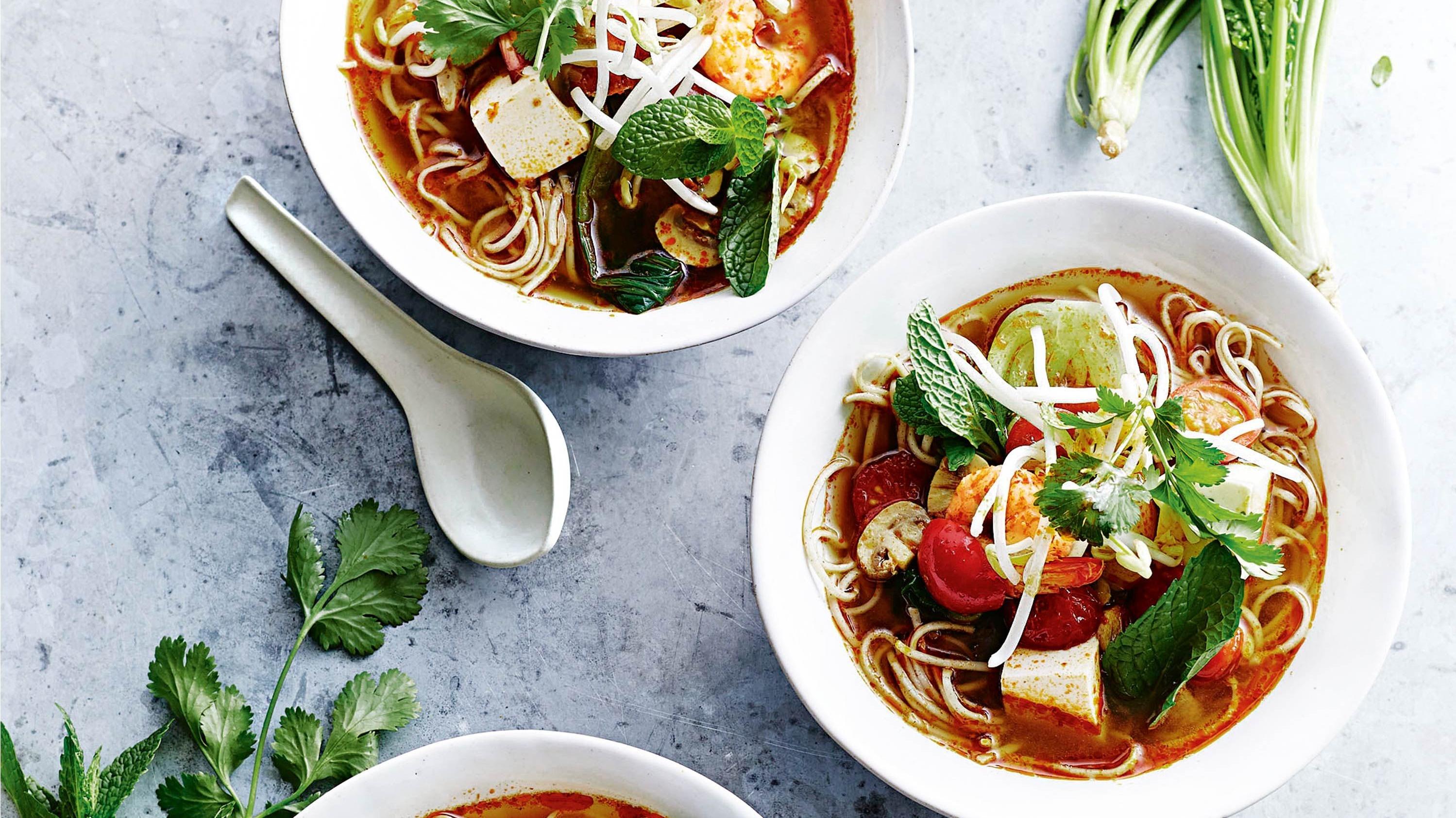
Countries in Southeast Asia all have famous dishes that resemble noodles but aren't officially called noodles, such as Kuy Teav from Cambodia and Tom Yum from Thailand. All these wonderful dishes embody the delicious essence of each country's cuisine and are made with unique, local ingredients.
Kuy Teav - Cambodia
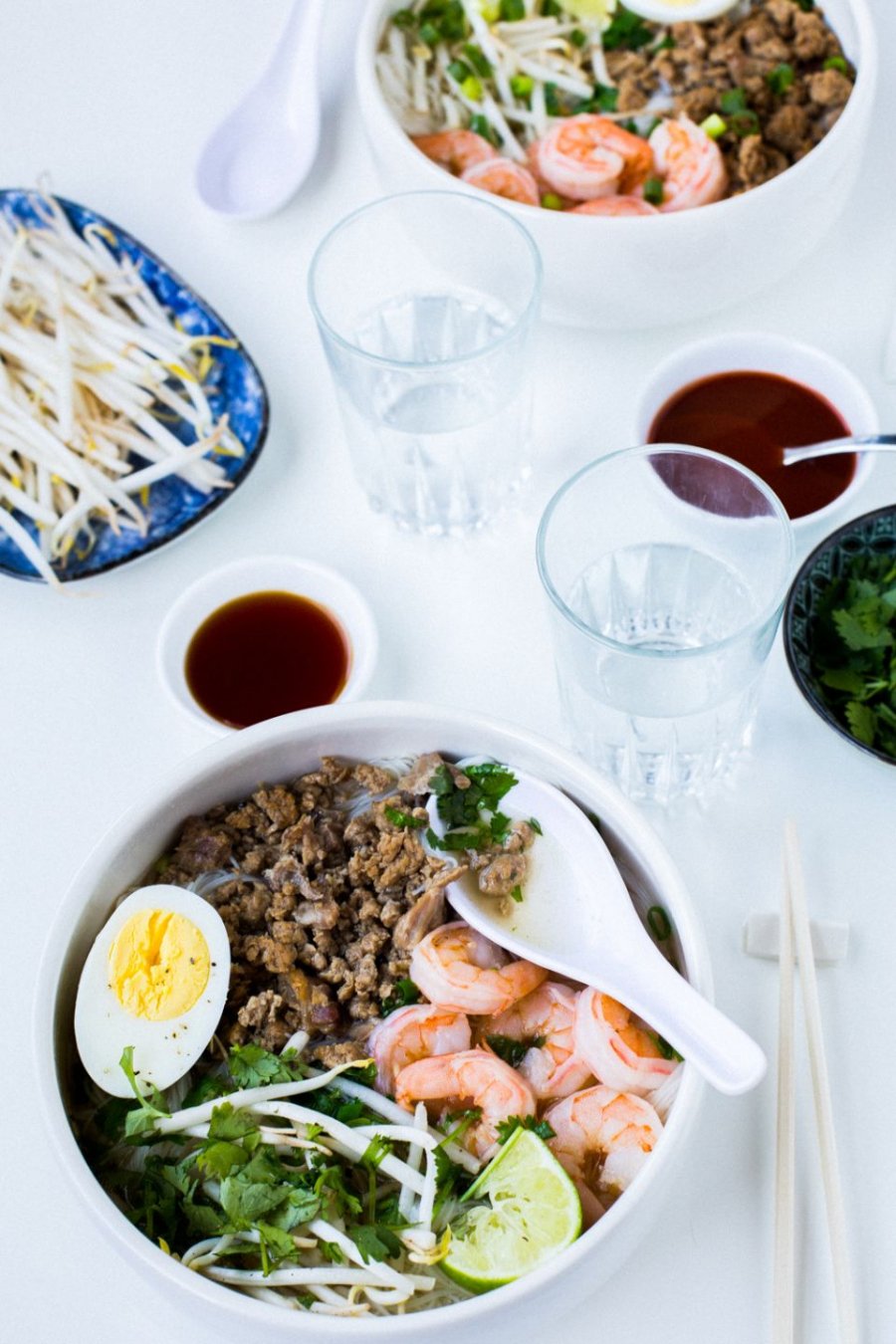
Kuy Teav is one of Siem Reap's best noodle dishes and is a popular breakfast food in Cambodia. This noodle dish shares many similarities with Cantonese sa ha phan, Hakka ban dieu, and Vietnamese hu tieu.
The ingredients for this dish include broth, rice noodles, various meats such as minced pork, seafood, and accompanying spices such as crispy fried garlic, lime, bean sprouts, pepper, and chili. For the Phnom Penh version, it is served with additional ingredients such as roasted duck or Mekong River prawns.
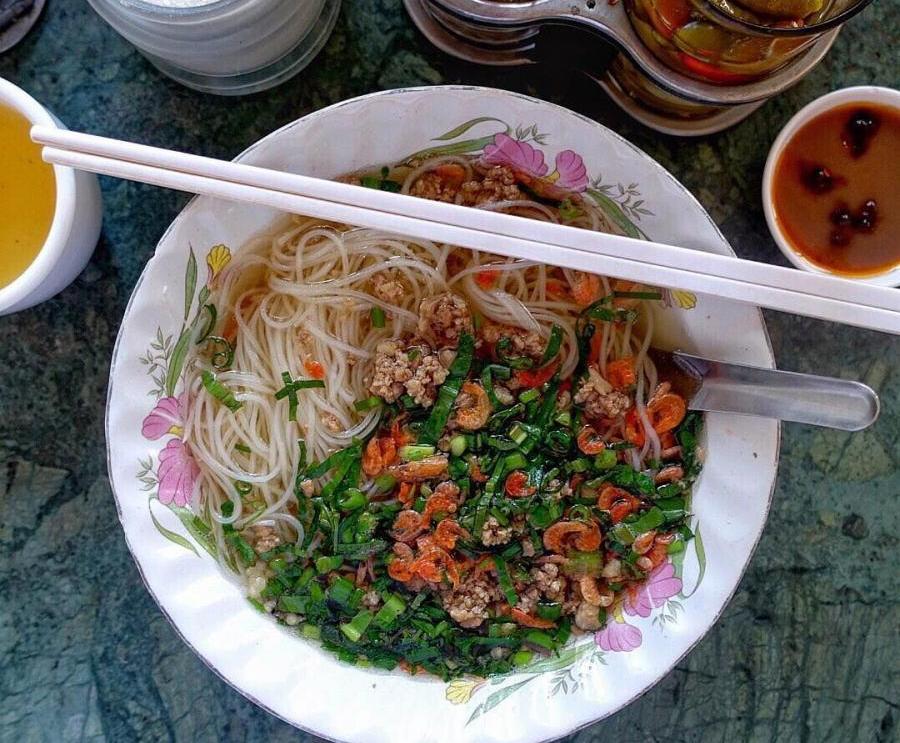

Kuy Teav soup can be found all over Cambodia, but it's mostly served in the morning. So, if you really want to enjoy this delicious dish, head to the shops early in the morning.

Tom Yum - Thailand
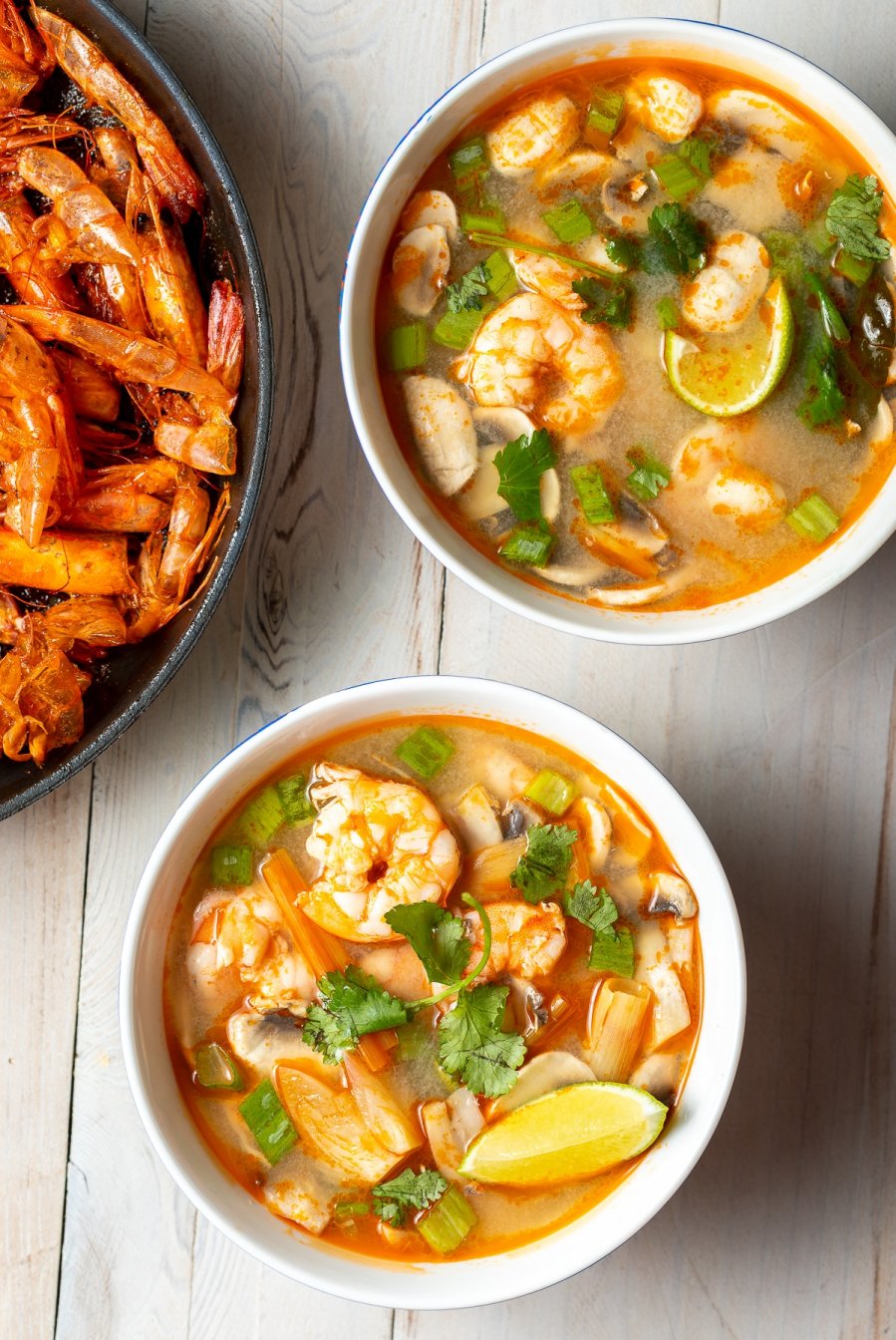
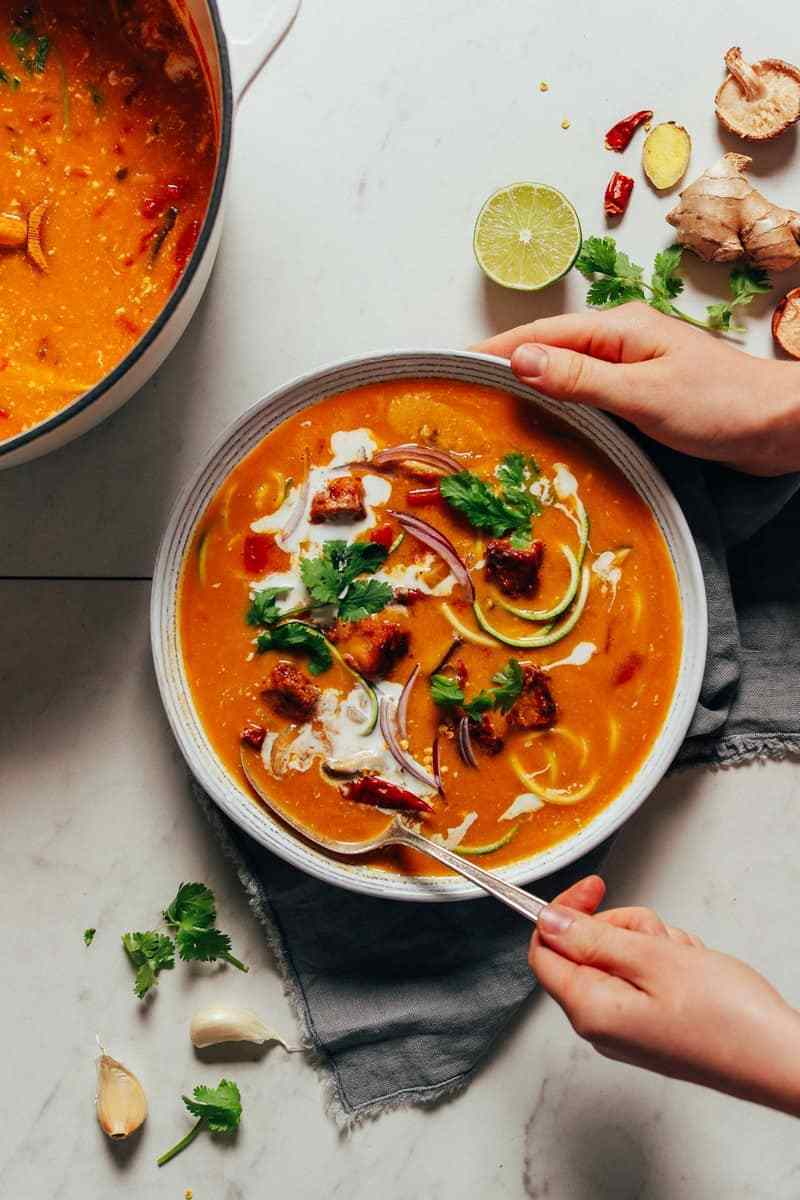
Tom Yum is arguably Thailand's most famous soup and one of the most popular and beloved dishes worldwide. The name Tom Yum refers to two similar soups originating from Laos and Thailand, and also widely consumed in neighboring countries such as Cambodia, Brunei, Malaysia, Singapore, and Myanmar. Tom Yum is essentially a popular hot and sour soup made with shrimp, kaffir lime leaves, galangal, lemongrass, palm sugar, lime, coriander, and rice noodles. Vegetables commonly served alongside include mushrooms, onions, and shallots. This quintessential Thai dish is cooked with a variety of herbs and spices to balance the shrimp's fishy flavor. Notably, versions of Tom Yum are also made with various meats besides shrimp, adding to the dish's uniqueness and variety.
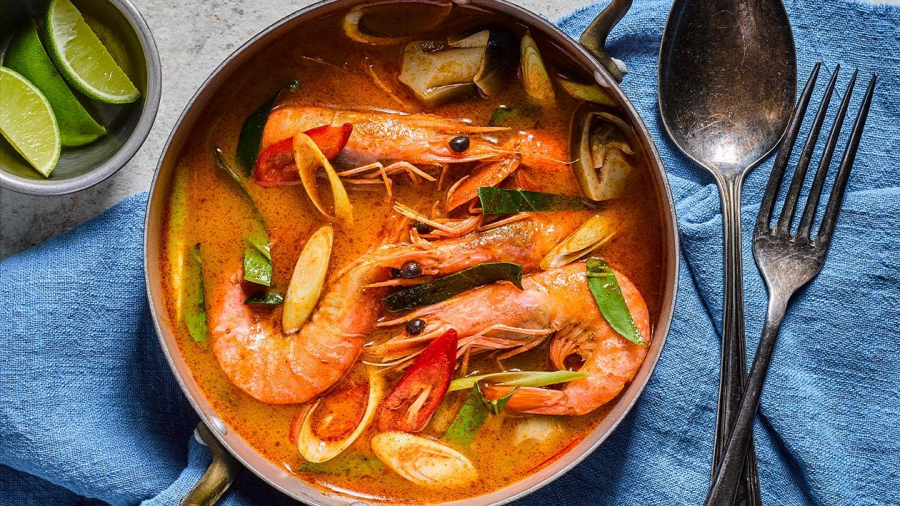
Over time, as cuisine became an important aspect of life, the dish was refined and made more elaborate by adding and reducing various spices and seafood to satisfy the tastes of diners, and the most important variation of Tom Yum is Thai hot pot. This most famous Thai dish ranks 8th in CNN's top 50 most delicious and popular dishes in the world.
Mohinga - Myanmar
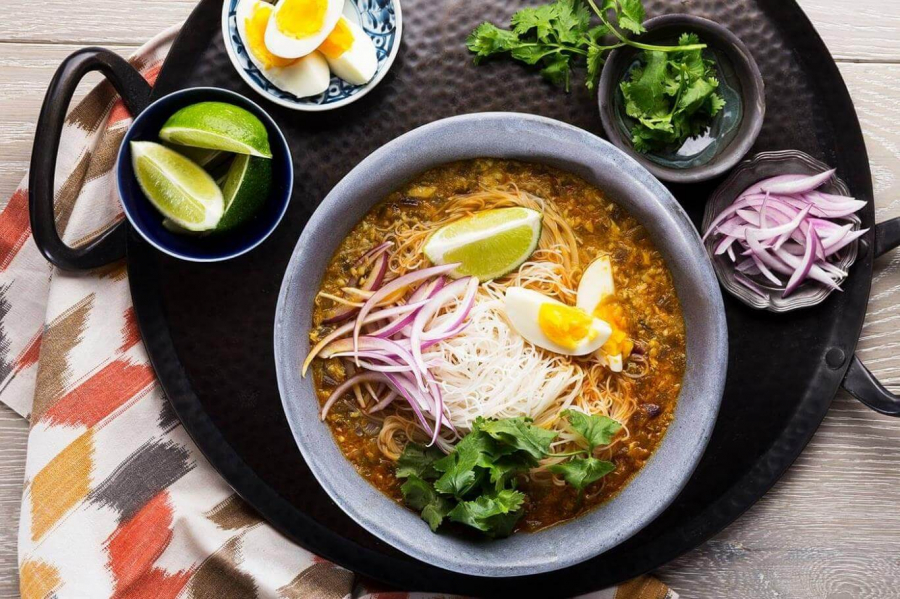
Mohinga is often considered the national dish of Myanmar and shares many similarities with fish noodle soup in Vietnam. In major cities, street vendors and small roadside stalls sell hundreds of bowls of Mohinga every day to locals and passersby. Although sold throughout the day, this noodle dish is often eaten for breakfast.
There are many variations of this dish in different regions of Myanmar, for example, the Rakhine version with more Ngapi fish paste and less broth. However, the authentic way of cooking this dish is in the southern Burmese style, where fresh fish is abundant from the rivers and canals. The main ingredients of Mohinga include: chickpea flour or roasted rice flour, garlic, shallots, lemongrass, banana blossom, ginger, fish paste, fish sauce, and catfish cooked in a rich broth, kept hot in a large pot. It is served with fish sauce, lime juice, toasted shallots, coriander, green onions, crushed dried chilies, and some crispy fried toppings such as fried onions.
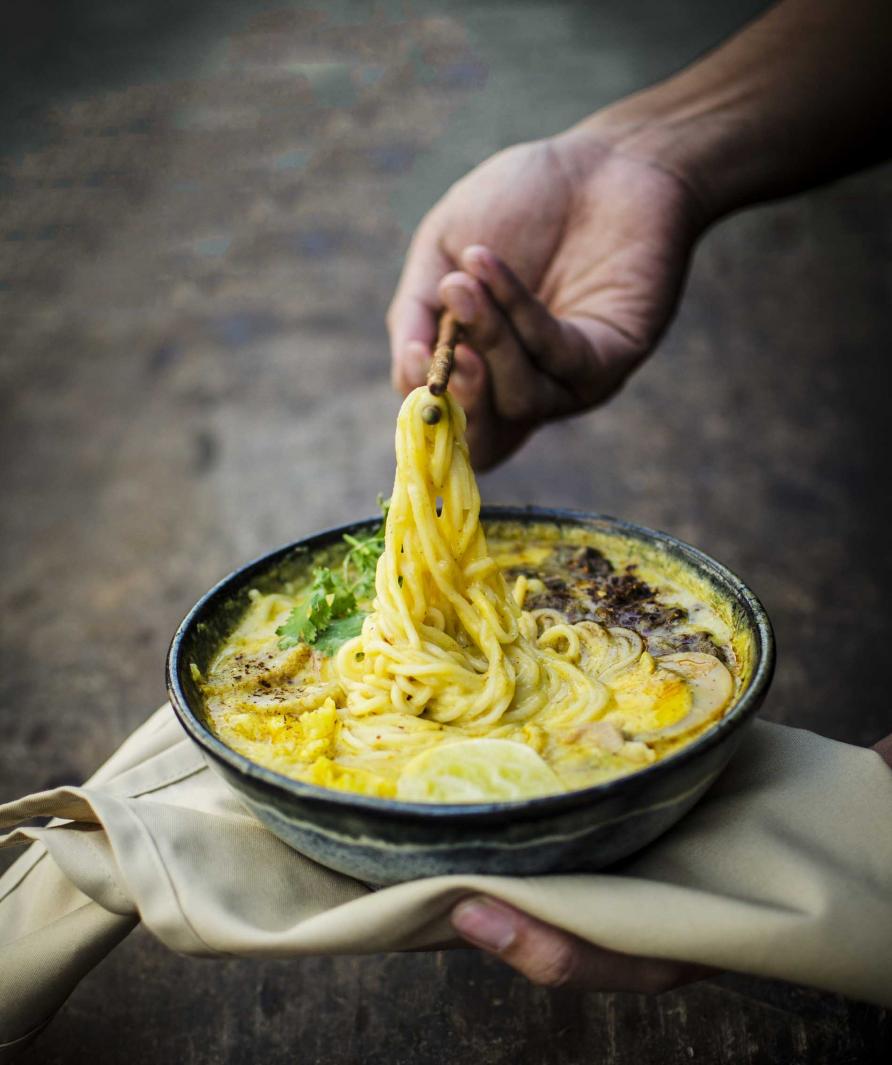
Mohinga has also been modified to adapt to different uses and is gradually becoming more convenient with packaged, instant versions like instant noodles.
Soto ayam - Indonesia
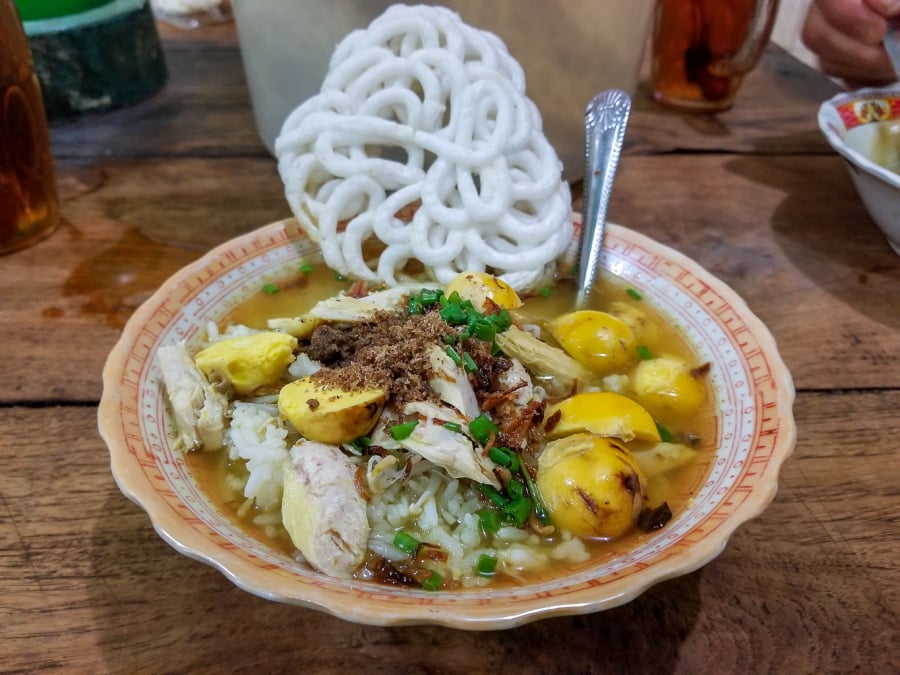
"Soto" is the term used for Indonesian-style soup, and "ayam" means chicken, so simply put, soto ayam is a very popular chicken noodle soup in Indonesia. It's a light and easily digestible dish often eaten for breakfast.
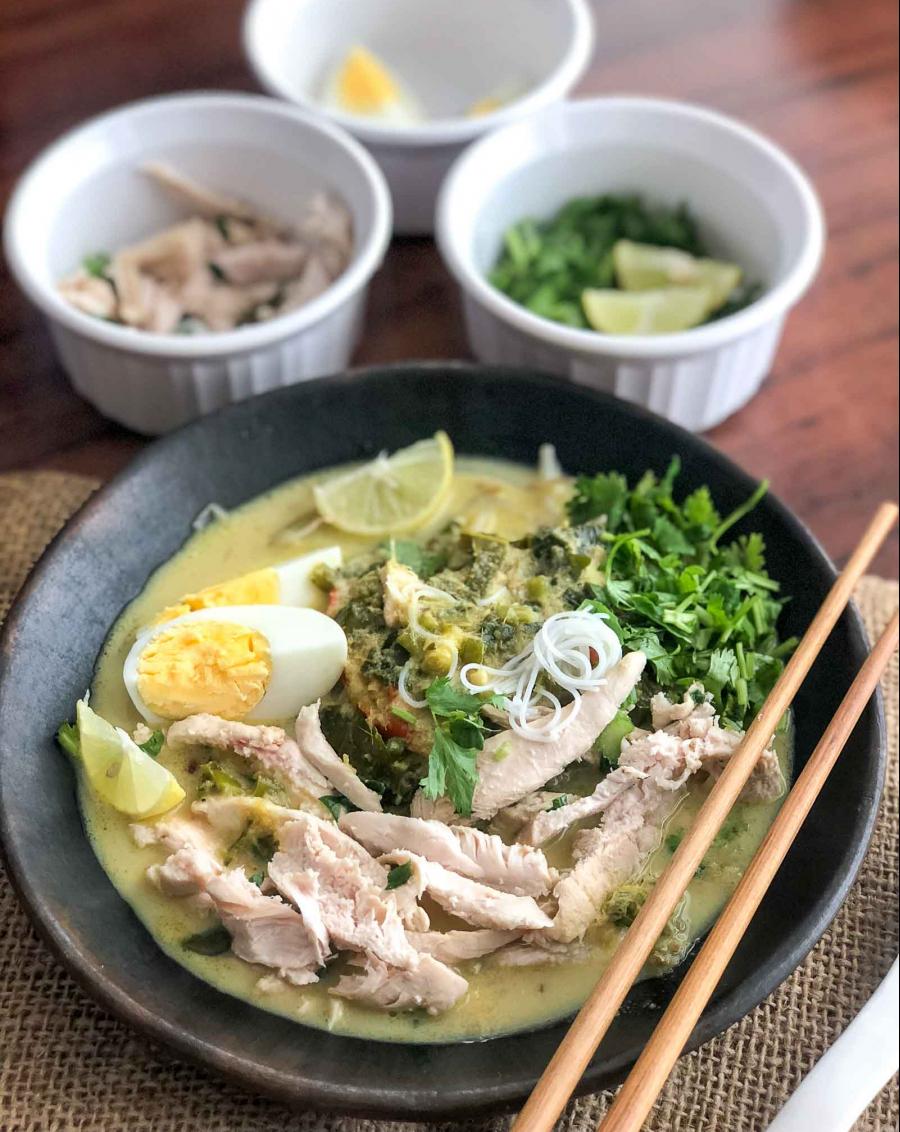

Soto ayam has a distinctive yellow color from turmeric. Boiled eggs, french fries, celery leaves, and sautéed chives are served as accompaniments to stimulate the appetite. However, Soto Ambengan in Surabaya has a slightly different variation with a darker yellow color and the addition of prawn crackers. In some places, soto ayam is also prepared with beef instead of just chicken as traditionally. Soto ayam originates from Indonesia but is now becoming increasingly popular in many parts of Malaysia and Singapore.






.jpg.jpg)


.jpg.jpg)