VI
VI


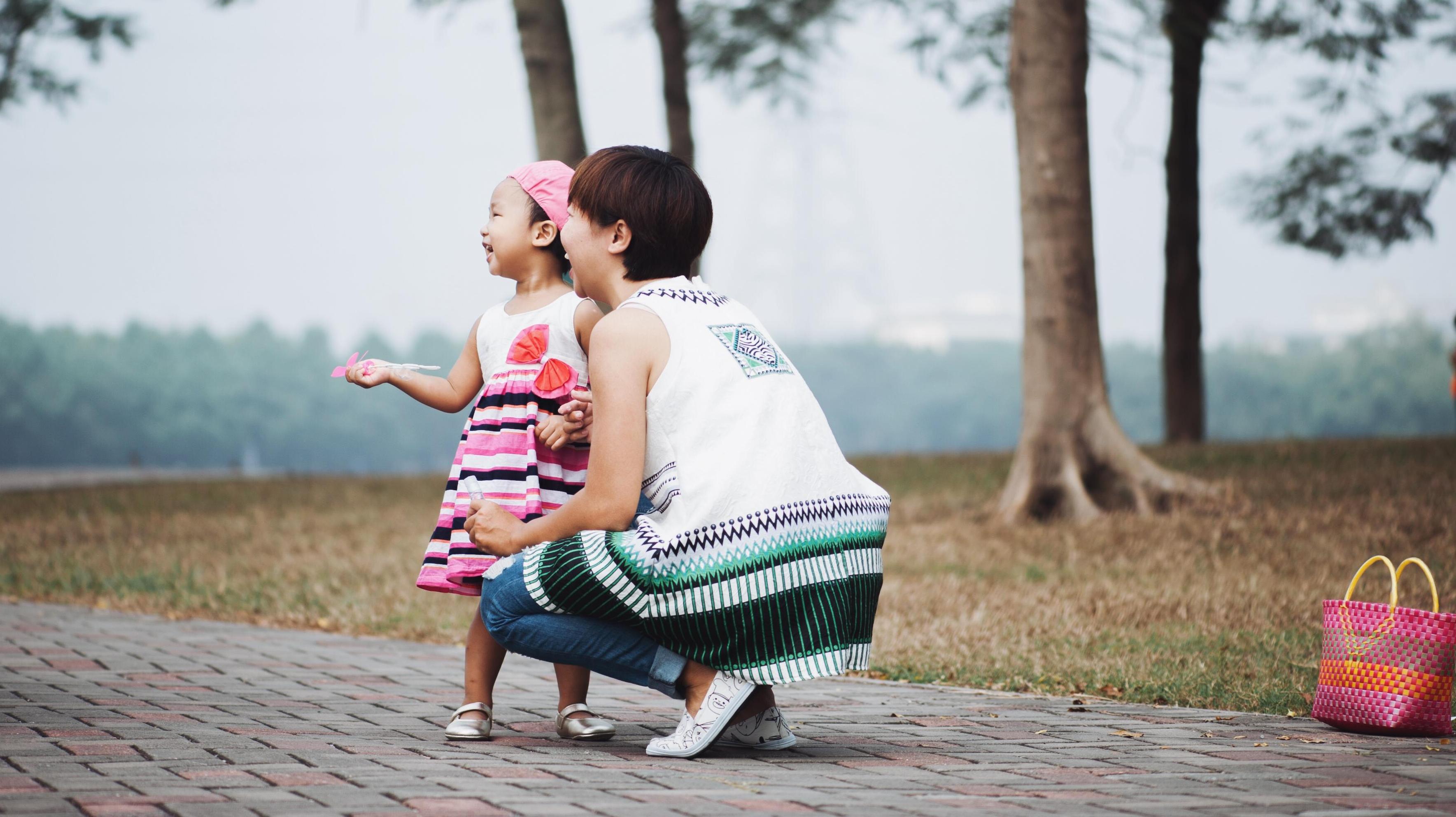
Choose a suitable playing spot.
When traveling with young children, especially those under 6, it's best to keep the distance to a minimum. Excessive travel and frequent changes of transportation, such as switching from airplanes to cars or from one location to another, can tire children out. Choosing the right destination is crucial; it should suit both the child and the mother. Ideally, the destination should be a large, safe tourist area, close to medical facilities like hospitals, with readily available medications so you can respond immediately if your child gets sick due to changes in weather, environment, or travel.
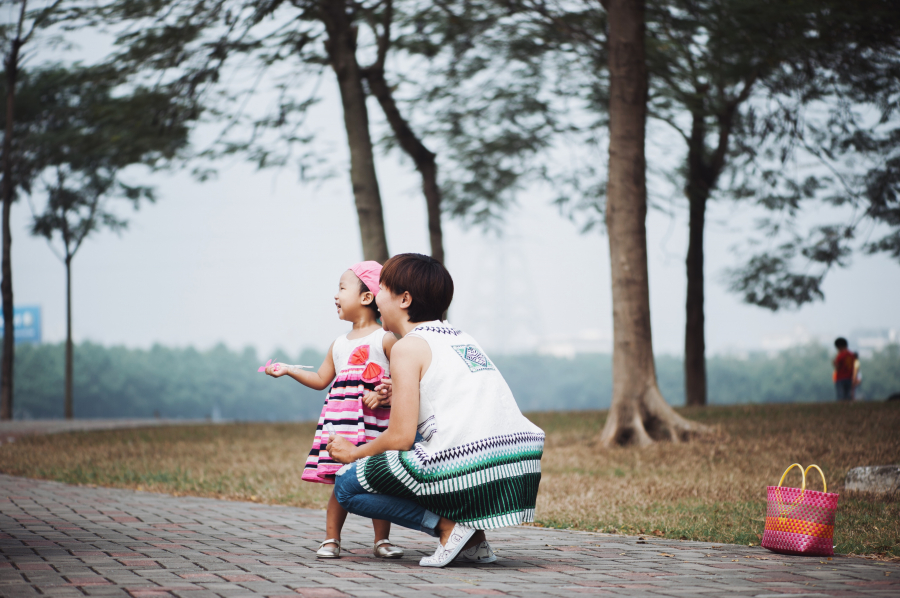
Da Lat, Da Nang, Nha Trang, Phu Quoc… are some safe and suitable destinations for families with young children.
Play according to your child's schedule.
During holidays, children might play so much they forget to eat, skip naps, stay up later, and wake up later. That's a common reaction to having the freedom to play. So, instead of strictly adhering to a rigid schedule for eating and sleeping, let them relax! A little disruption will make them much happier. There are hundreds of ways to enjoy the holidays with your children, such as having pizza together at midnight or cuddling on the rug instead of in bed like usual… They'll sleep soundly and play just as much. Children will fall asleep immediately after a day of fun and be full of energy the next day.
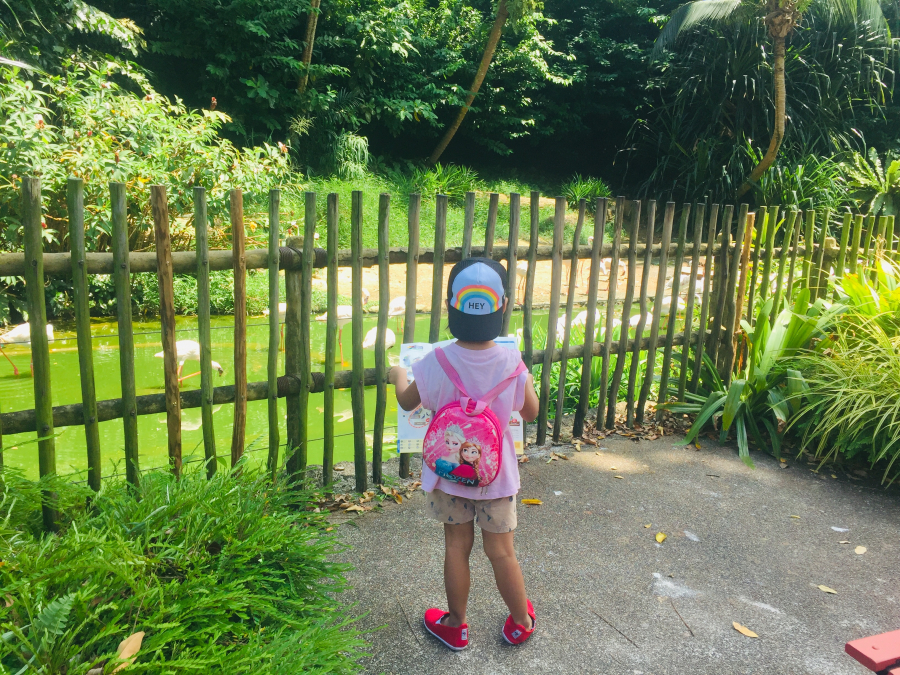
Playtime should be planned entirely based on the child's health and schedule. Don't rush; children need to play, and parents need to rest. If the child is healthy, they can play anywhere. If the child is tired, resting is perfectly fine.
For children, it's better to have too much than too little.
Medicines are always a must-have in your luggage, especially children's medications such as fever reducers, diarrhea medication, allergy medicine, insect repellent, and cough medicine that your child usually uses at home. Pack snacks for your child, including a few of their favorites, a doll, or some small toys. Don't forget a jacket for flights and public transport, as air-conditioned vehicles can easily make children feel cold.

The "one full meal" principle
Taking your kids on a trip also means you'll be running around outside, trying new foods, and eating when they're hungry, rather than having meals at regular times like at home. But one or two off-schedule meals aren't a problem for kids because there are many ways to make up for lost nutrition and give them extra energy.
I have three years of experience traveling with my child. At first, I panicked when she wouldn't eat, got thin, and I had to force-feed her. But later I realized that wasn't necessary. Although I always bring plenty of snacks like dried shredded pork and instant porridge, I've long since brought food only to bring it back home because I decided to feed her the same food I ate – whatever I ate, she ate, or vice versa. The only exception was always milk, because she loves to drink it.
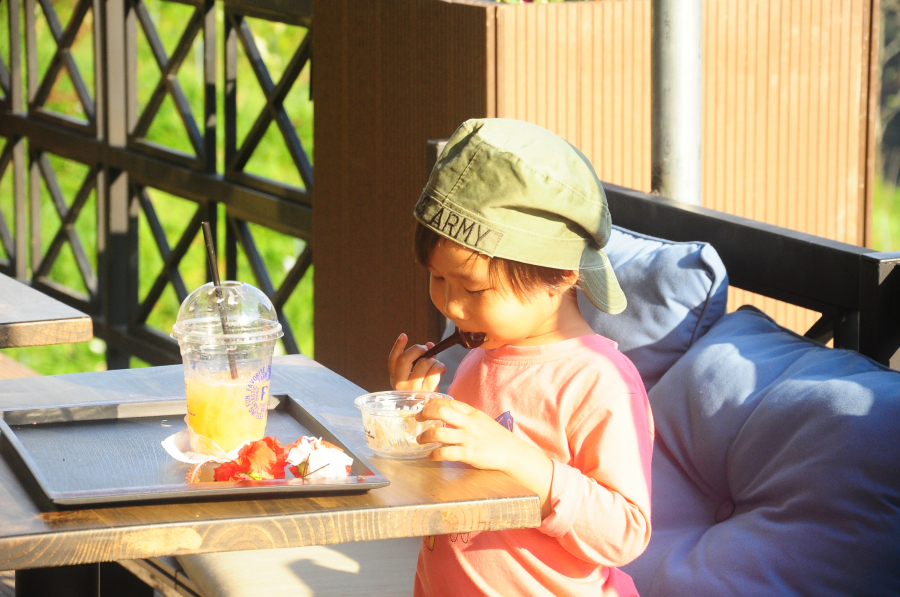
My daughter and I have established a rule: "one hearty meal." When we go out, we might eat light meals like porridge, pho, noodles, or vermicelli all day, but we'll always have one main meal with dishes that are easy for her to eat. This could be lunch or dinner, depending on the time, but as soon as we find a restaurant we like, we make sure to have a hearty meal.
Each trip has only one goal.
Exploring the outside world takes time. For a child, a success is achieved simply if each trip brings about noticeable changes, memorable experiences, and positive memories of the places they've visited. One trip might teach them to swim, another might introduce them to a new fruit, or help them become more sociable with their siblings… Children will enjoy places with plenty of activities and the freedom to do what they like, of course, under close adult supervision.
A day for mother, a day for daughter
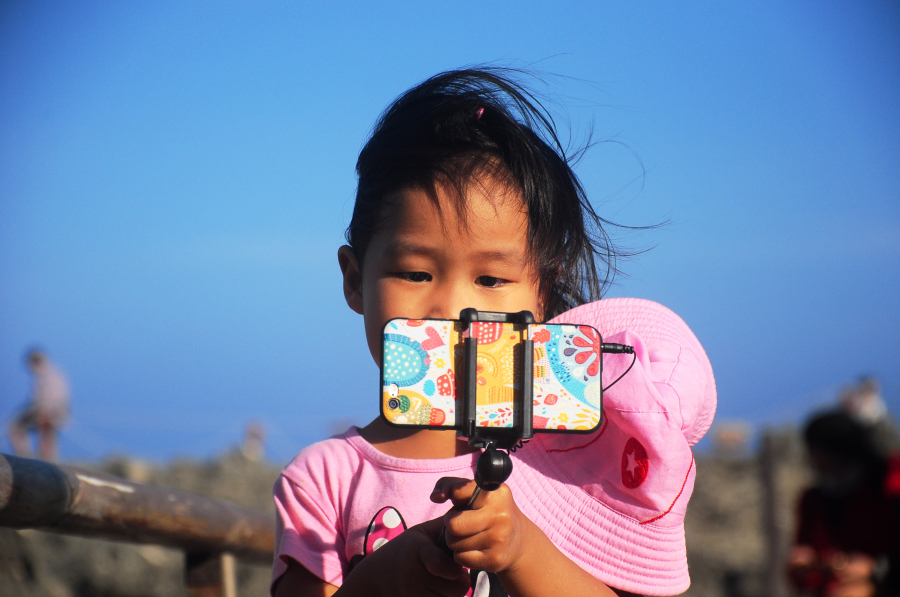
This is also a way to keep the fun going for the two of us. If I take my child to the park one day, I'll spend the next day at the museum. If I take my child to the beach one day, we'll stroll around town the next. This helps us avoid getting bored during long trips. I even have days where I don't leave the room at all, just eating and sleeping, depending on my child's health.
Buy travel insurance for your trip.
This is an important principle when traveling with children. You never know what might happen while traveling with them. If a child gets sick and needs hospitalization, or if belongings are lost during a flight, insurance will give your family peace of mind because everything will be covered if necessary. Travel insurance comes in various coverage levels, but I usually choose insurance based on the number of days of travel. Many insurance companies offer travel insurance with different premium rates, so you should research carefully and consider your options before purchasing.