VI
VI


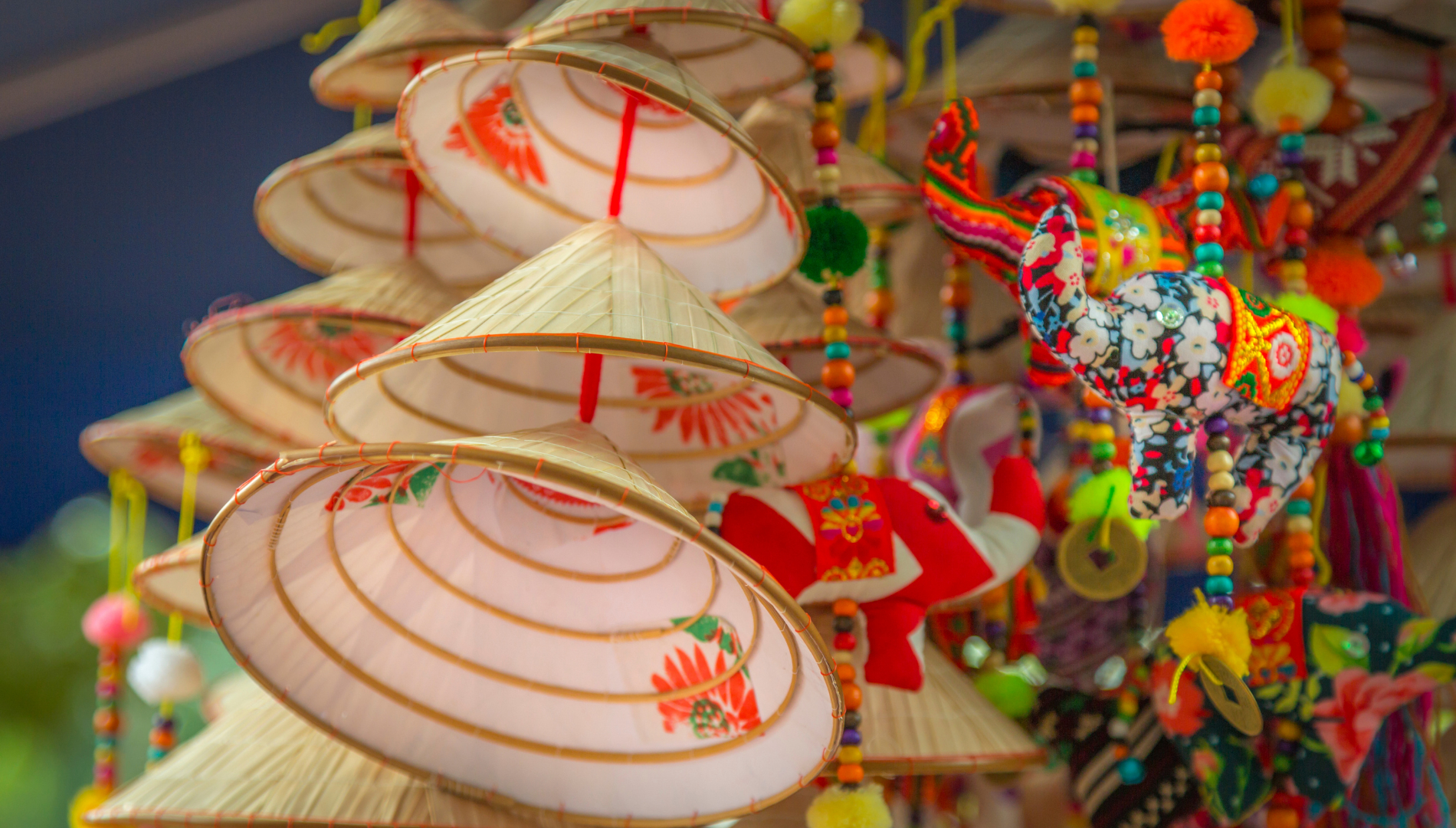
Gift and souvenir products are important elements that contribute to creating a unique identity for a destination, increasing its attractiveness to tourists, and serving as a tool for promoting the destination's image. However, in the context of Vietnamese tourism, the development of gift and souvenir items has not yet played a role commensurate with image building and commercial business.


Vietnam possesses unique tourism resources, including world natural wonders such as Ha Long Bay; 8 World Heritage sites, 15 intangible cultural heritage sites, 9 documentary cultural heritage sites, 11 World Biosphere Reserves, 3 Global Geoparks..., and this number in Vietnam's cultural and heritage treasure trove is expected to increase further.
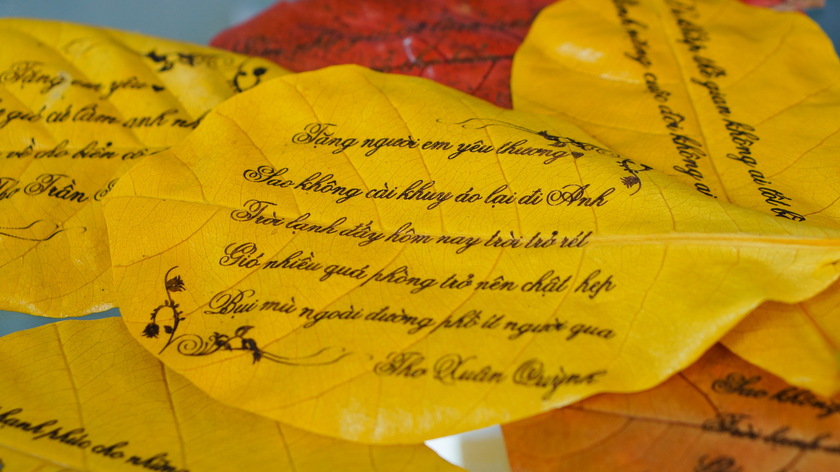
Hoa Lo Prison, with its souvenirs made from Terminalia catappa leaves, bears a distinct and unique mark.
Furthermore, according to statistics from the Vietnam Handicraft Village Association, Vietnam currently has over 10,000 festivals of various sizes, more than 40,000 cultural relics, and over 3,000 craft villages nationwide, including nearly 400 traditional craft villages belonging to major groups such as: lacquerware, including porcelain, gold and silver, embroidery, rattan and bamboo weaving, silk weaving, folk paintings, and carving. It is evident that these represent enormous potential and a large market for developing gift and souvenir products.
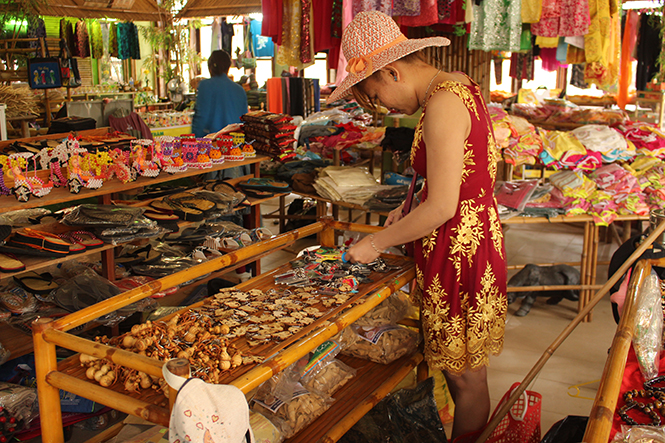
Souvenirs that reflect the unique characteristics of the land and its people are one of the important factors contributing to increased attractiveness.
Over the years, the Vietnam National Tourism Administration has also launched programs to encourage key tourist destinations to choose souvenirs and gifts that are characteristic and deeply imprinted with the local culture.

For example, tourists visiting the Temple of Literature are always surprised to find souvenirs such as paintings depicting the Khue Van Cac Pavilion made from grains of rice. Similarly, the Hoa Lo Prison historical site has launched unique products such as dried banyan leaves carved with images of the historical site and poems by revolutionary soldiers; rice bowls made from coconut shells... These souvenirs have left an unforgettable mark on the revolutionary history of the capital.
However, the Temple of Literature and Hoa Lo Prison are just a few examples of places that offer souvenirs and gifts with serious and dedicated investment. In reality, most tourist attractions in Hanoi still lack distinctive and unique souvenirs that can truly attract visitors. This also hinders the promotion of Vietnam's tourism brand and fails to establish a strong presence for gift products that embody the essence of Vietnamese culture.
In reality, although there is a huge demand for souvenirs from tourists visiting Hanoi, traditional craft villages, which mainly produce for export, have not focused on exploiting niche markets in terms of product consumption and promotion.
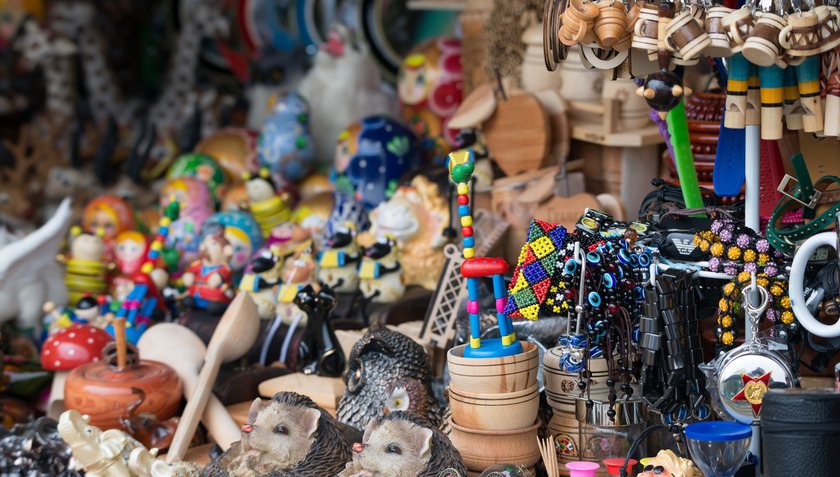
Although it's only a small element in the overall tourism industry, the lack and weakness of souvenir and gift products clearly have a significant impact on the image and values of the tourism sector.
Explaining why the consumption of souvenirs and gifts from traditional craft villages is not as high as expected, tourism experts share the opinion that the system of establishments and shops selling tourism products is still very inadequate. Some privately owned establishments that have developed spontaneously in tourist areas prioritize commercial aspects, resulting in low product quality and the continued existence of counterfeit and imitation goods. Furthermore, local production facilities lack the capital and capacity to invest in showrooms to allow customers to directly experience production and purchase products.
Regarding solutions to improve the quality of souvenir products, to ensure that Hanoi's gifts remain memorable for tourists, producers must incorporate cultural stories into their products. This will touch the emotions of tourists and stimulate their purchasing desires. Furthermore, traditional craft villages and artisans should organize "creative spaces" where tourists can experience product manufacturing firsthand.
With the development of digital technology and the diversification of e-commerce platforms, the distribution channels for souvenirs and gifts need to combine both traditional and online markets to ensure that products are easily accessible to tourists, giving them a wide variety of choices. Attention should also be paid to developing promotional activities through tourism seminars, tourism fairs, etc., and offering special promotions more frequently.