VI
VI



American author Dan Buettner founded the Green Zones project to understand and explain where people live the longest and healthiest lives. With the help of the National Geographic Society, over the past decade, he has identified the places with the highest percentage of centenarians and the lowest rates of cardiovascular disease, obesity, cancer, and diabetes.

Sardinia, Italy
Sardinia is the second largest island in Italy, after Sicily. It is one of the places with the highest life expectancy rates in the world. People there often live to over 90 years old, with an equal proportion of elderly people between men and women – unlike the disparity in life expectancy where men are generally shorter than women, as is the case globally.
Dietary studies show that the islanders typically eat a lot of whole-grain bread, beans, green vegetables, fruits, and frankincense oil. Traditionally, Sardinians eat cheese made from the milk of grass-fed sheep, which is rich in omega-3 fatty acids, and they drink one or two glasses of red wine daily. Notably, they only eat meat on weekends and special occasions.

Scientists point out that family life and social activities are a factor contributing to the higher life expectancy of people in Sardinia. When all family members are cared for, the rates of depression, stress, and suicide are significantly reduced. Elderly people in Sardinia do not live in nursing homes but are cared for by relatives and neighbors.

Maria Chiara Fastame, a psychologist at the University of Cagliari, says that in Sardinia, the elderly are not considered a burden; they are valued for their ability to pass on traditional knowledge and values to the next generation.
Okinawa, Japan
Located in southern Japan, the Okinawa Islands are known as the land of the "immortals." Their inhabitants have the highest rate of centenarians in the world and low rates of cardiovascular disease, dementia, stroke, cancer, and diabetes. In Okinawa, there are 68 centenarians per 100,000 people. Therefore, scientists have spent decades trying to uncover the secrets of longevity in this region.

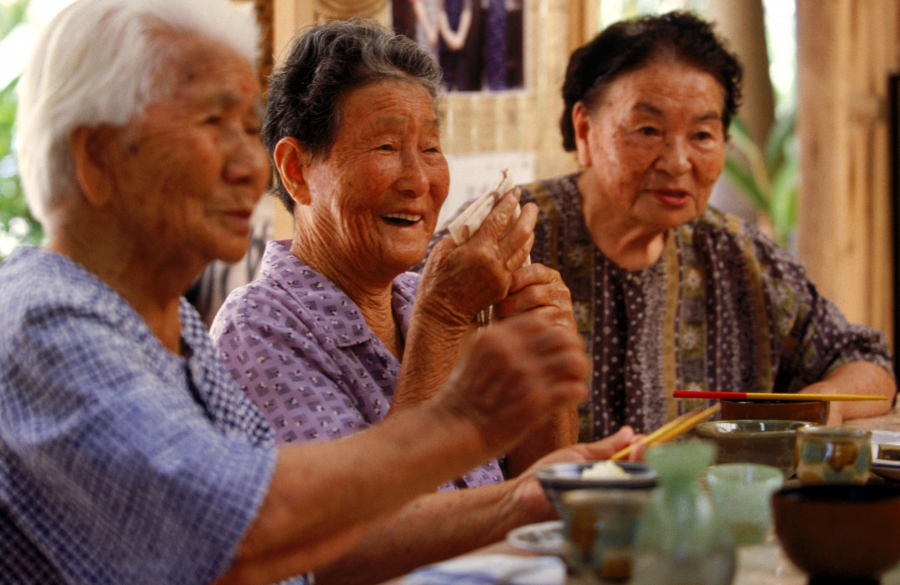
The islanders' diet mainly consists of green vegetables, sweet potatoes, soybeans, bitter melon, with the remainder being lean meat, seafood, fruits, and tea. A typical meal usually includes miso soup, stir-fried vegetables, seaweed, and jasmine tea. Most centenarians garden to harvest fresh produce, exercise, and reduce stress. In particular, daily sunbathing contributes to the islanders' strong bones and healthy bodies.


Furthermore, the people here maintain a tradition of close friendships from childhood to old age. They meet daily or a few times a week to chat, share advice, and provide financial support when needed. Research shows that these friends contribute to their happiness and better health.
Ikaria, Greece
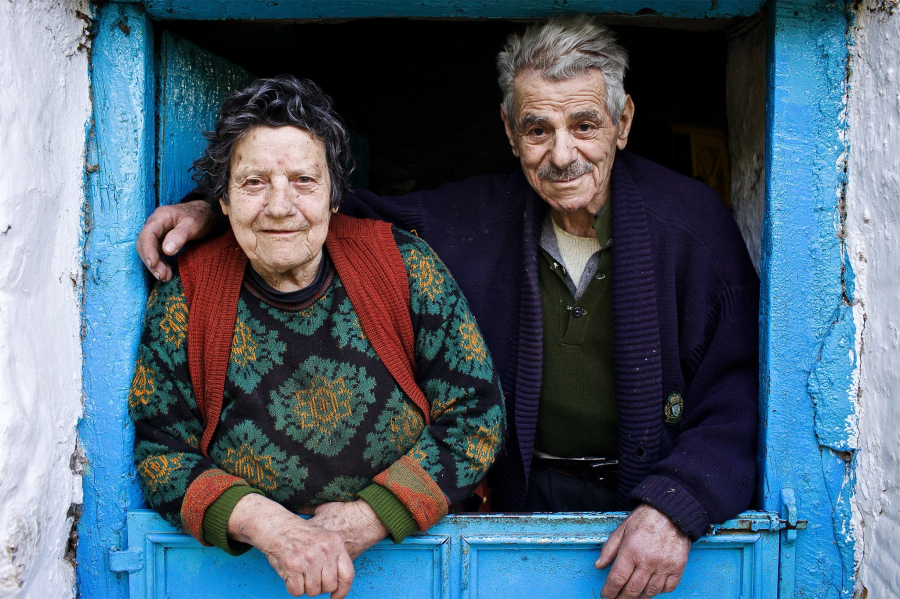
This beautiful Greek island is considered one of the healthiest places in the world. According to scientific studies, island residents have low rates of cancer, cardiovascular disease, depression, and dementia. Even elderly couples maintain a healthy sex life and physical activity level well into their 90s.
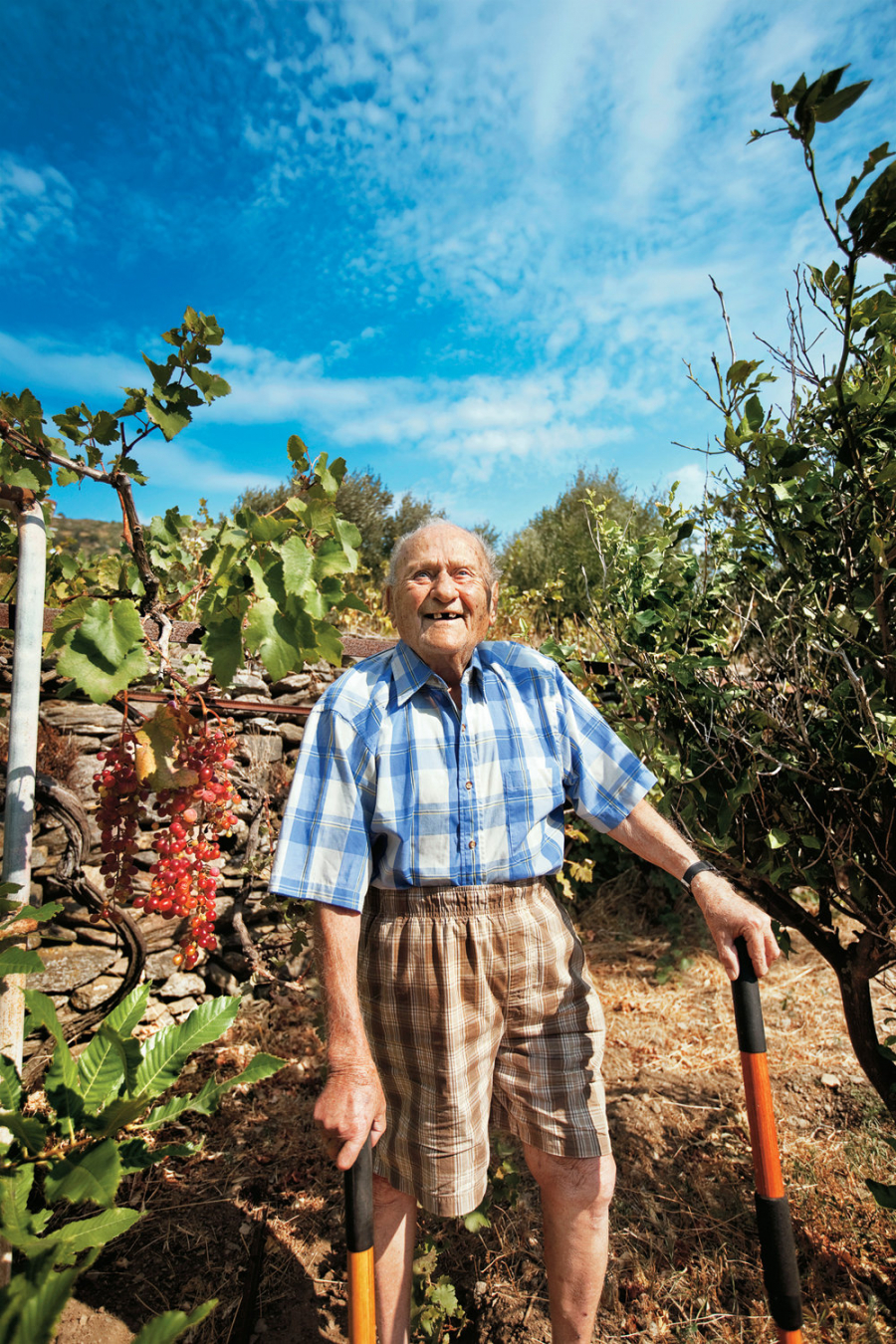
The Ikari people's high life expectancy is attributed to geographical, cultural, and dietary factors. The longest-living people often reside in the island's highlands. They exercise by gardening or walking to their neighbors' houses. In addition, their daily meals include plenty of fruits, vegetables, whole grains, beans, and olives. They also frequently drink herbal tea with family and friends, made from sage and rosemary leaves. This tea has diuretic effects and helps control blood pressure.

The Ikari people also have a habit of taking afternoon naps, which helps reduce stress hormones and protect heart function. Good family and social relationships also contribute to increased longevity.
Loma Linda, USA
Loma Linda is a city nestled in the San Bernardino Valley, California. According to research, residents here live 8-10 years longer than the average American. Unlike other Green Zones, the city's residents live longer thanks to their religion, Seventh-day Adventism.
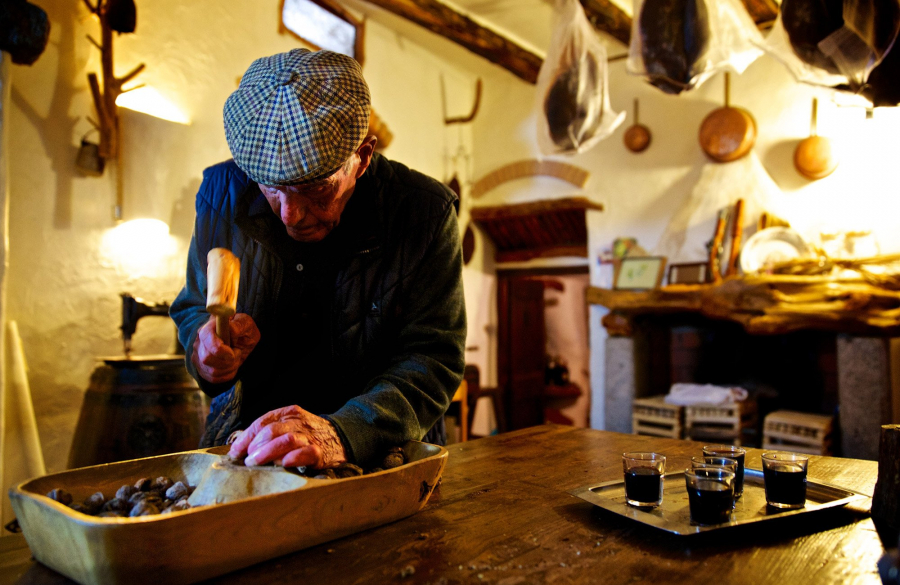
Followers of this religion do not drink alcohol or caffeine. Instead, they drink tomato juice or decaffeinated Roma coffee. Drinking six or seven glasses of water a day helps reduce the risk of heart attack by 60-70%.
They also adhere to the "eat breakfast like a king, lunch like a prince, and dinner like a pauper" diet to reduce excess calories and improve sleep. Many maintain a vegan diet consisting of fruits and whole grains. For those who eat meat, meat is only a supplementary meal.

The wedding of a 93-year-old man.
City dwellers often spend time with their community. They are happy to share their hobbies and habits with each other. Daily exercise, such as walking, also helps reduce the risk of heart disease and cancer. Finally, despite their daily work schedules, they still dedicate time from Friday evening to Saturday to their families. Family members can go on picnics together, avoiding the internet, TV, and work.