VI
VI


Text and photos: The Thang
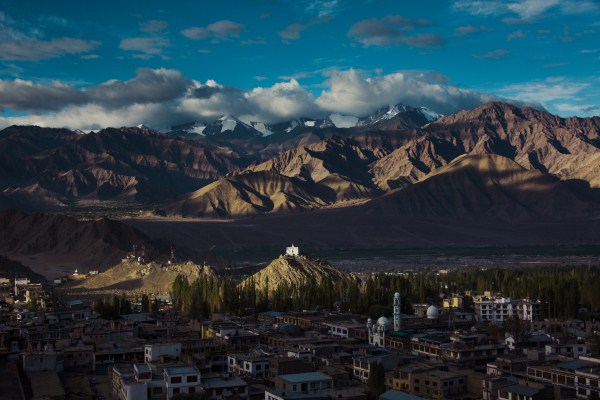
I arrived in Leh as the sun was setting. Here and there, the last rays of sunlight were gradually fading and disappearing along with the snow-capped peaks that had already disappeared into the twilight.
According to our plan, we will stay in Leh for about a week. From here, we will embark on journeys to explore famous landmarks, known for their wondrous beauty but also for the immense challenges they present.
Waking up after a restless night's sleep, still adjusting to the altitude, everything became more pleasant as the sun rose, casting its rays gradually over the snow-capped peaks. Armed with my camera, I hitched a ride, and after a few tiring hikes, I arrived at Leh Palace, a magnificent ancient palace built in the 16th century, now only an exhibition space, preserving what it could and evoking the past through the imagination of visitors. Leh Palace is situated in a beautiful location, offering panoramic views of the surrounding area, with the entire Leh region nestled beneath the endless snow-capped peaks at dawn. The majestic scenery becomes even more enchanting as patches of sunlight pierce through the clouds, creating interplay of light and shadow. At that moment, Leh seems to be draped in a tapestry of Kashmiri colors.
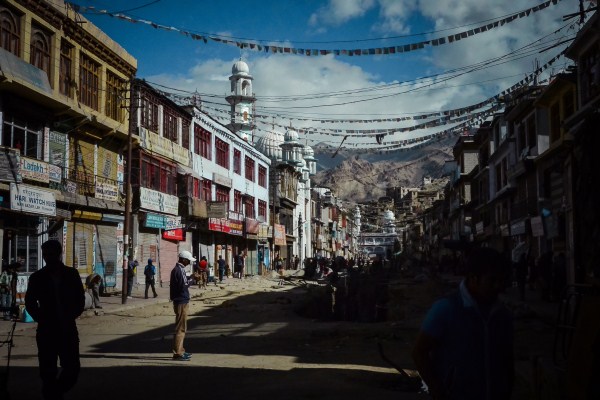
The morning in Leh was beautiful. I wandered through the streets, then meandered through the narrow alleys. You could walk through all of Leh in just a few hours. The sun brought warmth and painted the already colorful houses with interwoven shades of light and shadow. The women and children in Leh were lovely, basking in the sun on flower-filled porches. Outside, men gathered at the market, lining up for work. The stalls began to open, displaying their wares. Leh became lively and bustling with laughter and conversation.
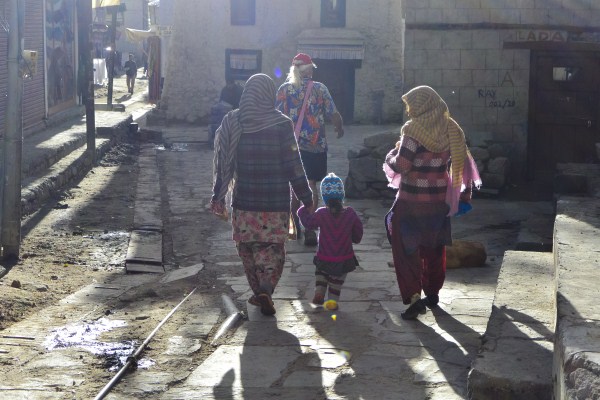

Leh is the most bustling city in the Ladakh region. Its ancient streets offer a full range of tourist services and professional company offices. Hotels, restaurants, and cafes in Leh are diverse in type and number. The cuisine is therefore very rich with many delicious dishes. Tourists can enjoy flavorful Indian, Chinese, or Western-influenced dishes. Souvenir shops are everywhere in Leh, from markets and exhibitions to street shops; buying gifts for friends and family is perhaps the most enjoyable activity here, as there are many beautiful items at incredibly low prices.
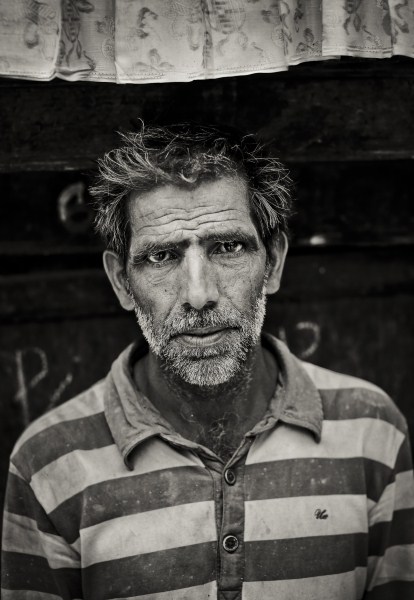
We stayed at a small hotel, a two-story wooden house with a large garden. The garden had several apple and apricot trees laden with delicious fruit. The hotel owners were a very friendly and lovely family, like so many kind and hospitable people of Ladakh. We picked apples and apricots to eat every day – the sweetest and most delicious fruit we had ever tasted in our lives.


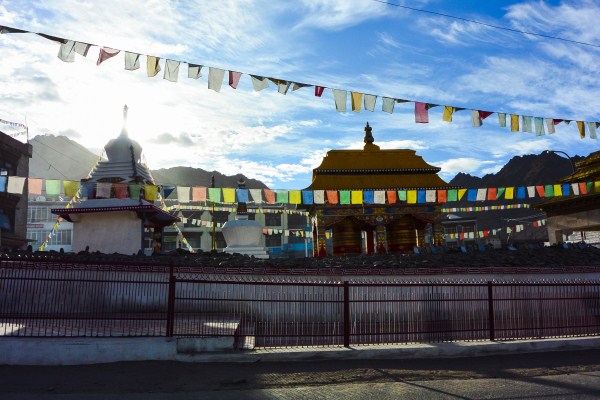
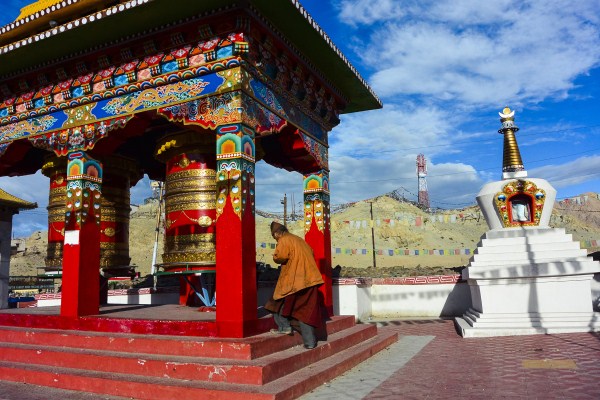
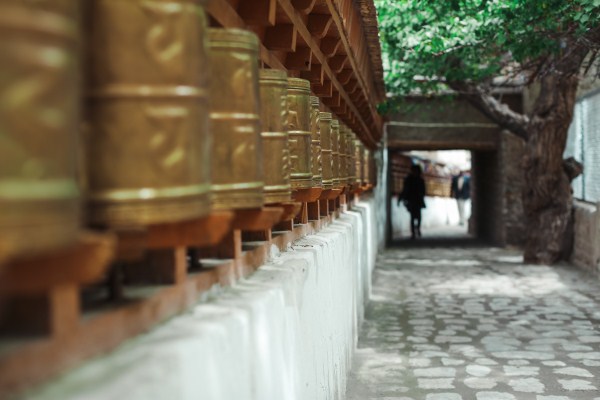
The Buddhist influence in Leh is distinct and remarkable. According to legend and culture, Ladakh is one of the best places to experience Tibetan Buddhist culture outside of Lhasa. I saw prayer wheels everywhere in Leh, and the locals always prayed while walking around them clockwise. Ladakh is a land of enormous monasteries, with histories spanning hundreds to thousands of years, carrying within them historical imprints and mysterious legends.
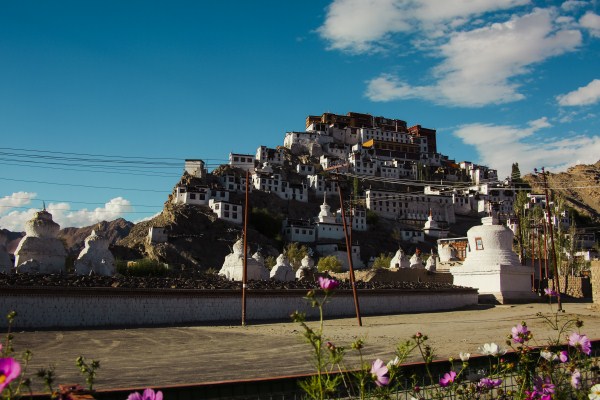
I visited Alchi Monastery and Thiksey Monastery, and had the opportunity to admire other monasteries perched on mountaintops or hidden somewhere on the horizon. Alchi Monastery is captivating with its sculptures and murals dating back over a thousand years; they are incredibly beautiful and hold immense historical, artistic, and sculptural value. Thiksey attracts visitors with its expansive exterior, unique architecture, and its location high on a mountaintop overlooking a vast valley. I arrived at Thiksey in the afternoon sun, the interplay of light and shadow on the walls making this sacred place incredibly enchanting.
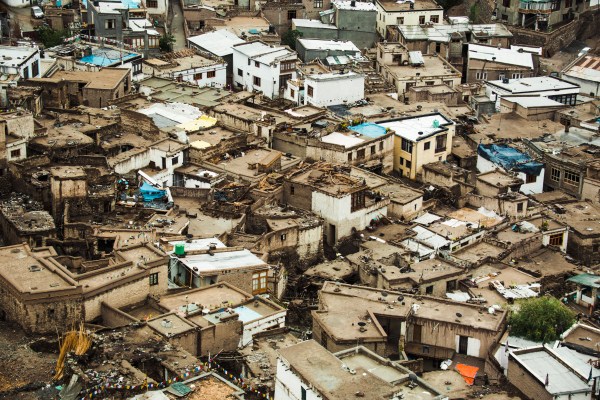

The surrounding landscape at the foot of the Himalayas gradually faded into the shadows of the mountain range that stretched across the valley, the purplish-blue hue slowly enveloping everything in darkness. We returned to the hotel, preparing for the final, most magnificent, and most challenging leg of our journey: exploring Lake Tso Moriri and conquering the Khardung La Pass.
Additional information:
From Vietnam, you can fly to India (Dehli) with airlines such as Thai Airways or Jet Airways (with a layover in Bangkok). Then, connect to Leh with Jet Airways or Indian Airlines. You should book your tickets early, especially during peak seasons. However, if possible, travel to Leh by road from Srinagar, as the Leh – Srinagar Highway is one of the most beautiful roads in the world that you shouldn't miss.
+ You'll need to get used to the thin air because Leh is at an altitude of 3,500 meters, which is quite low in Ladakh. Even climbing hills can easily tire you out. Take your time and drink plenty of water. Taxis are suitable for longer journeys outside the city.
+ The bargaining rule recommended by locals is 1/5. That is, offer 1/5 of the price the seller is asking. However, this depends on your experience.