VI
VI


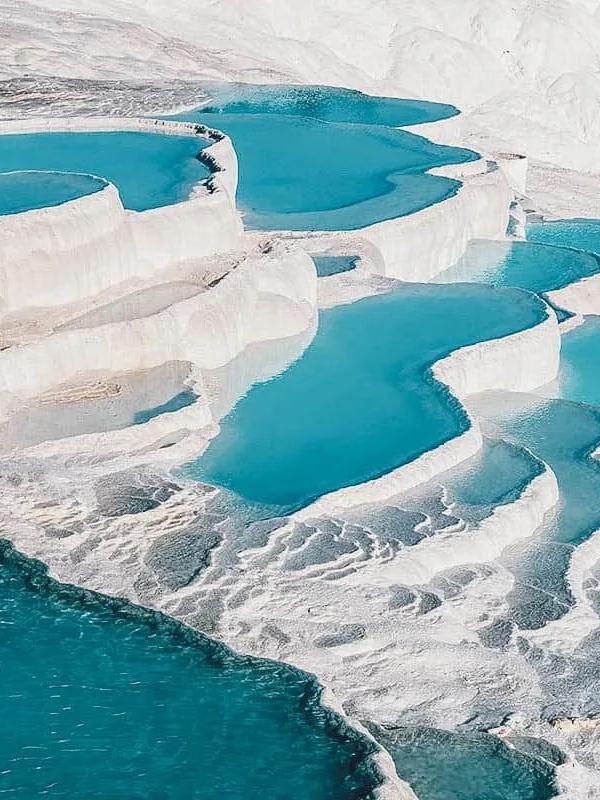
Pamukkale (Turkish for "Cotton Castle") is a natural site located in the Büyük Menderes river valley in Denizli province, southwestern Türkiye.
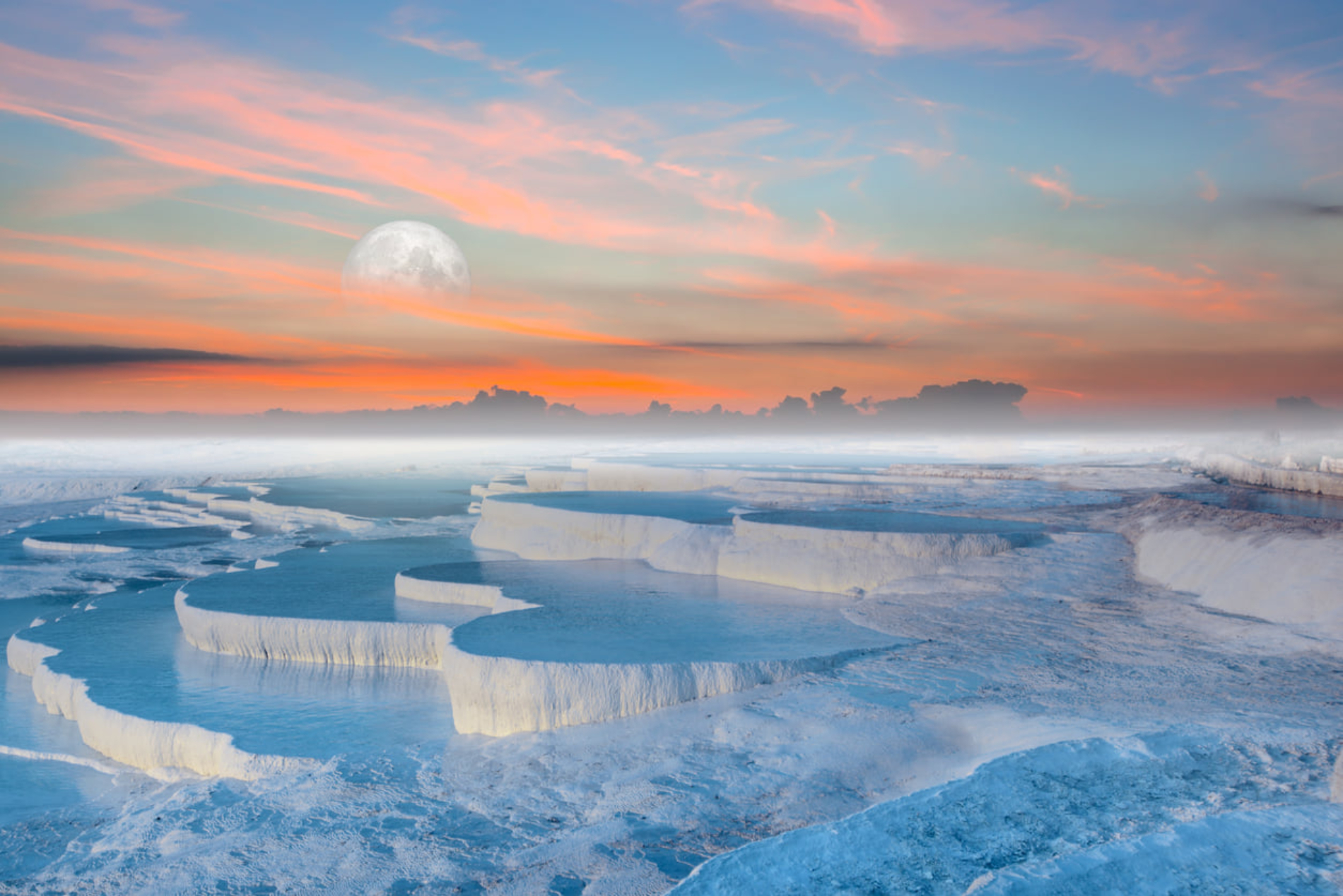
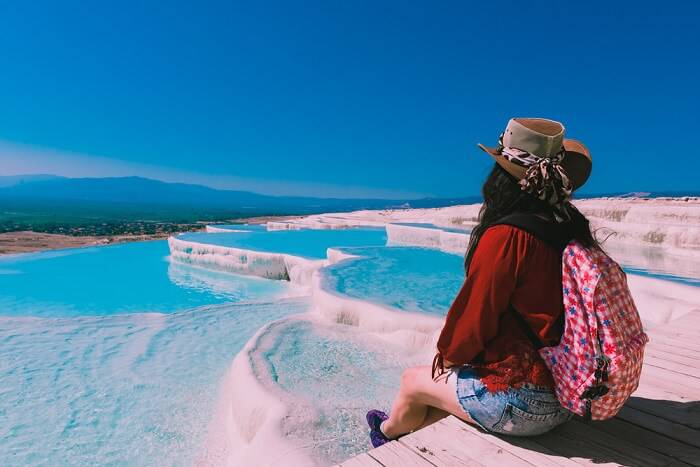
Stretching 2,700 meters along a steep mountain slope, Pamukkale, at first glance, could easily be mistaken for a cold, snow-covered mountain. But no, it was formed from a type of sediment deposited by water from hot springs containing high levels of calcium carbonate flowing over many years, creating layers of pristine white limestone formations resembling seashells.
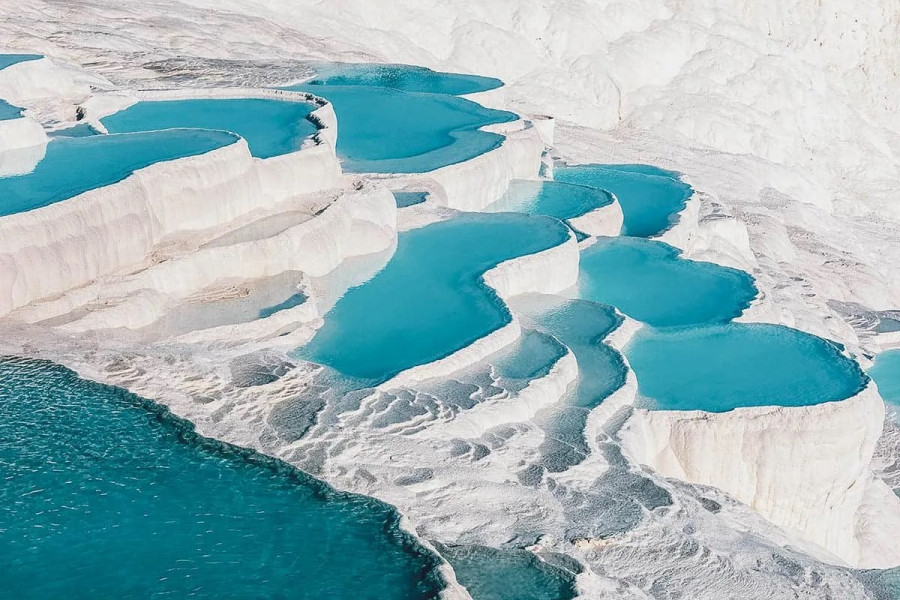
These layered white formations create the sensation of walking on clouds for visitors. Beneath this pristine white expanse are small, short, blue pools, only about half a meter high. With temperatures ranging from 35 to 100 degrees Celsius, the 17 hot springs in this area are a major tourist attraction in Pumakkale.
The legend of the miraculous water source in Pamukkale
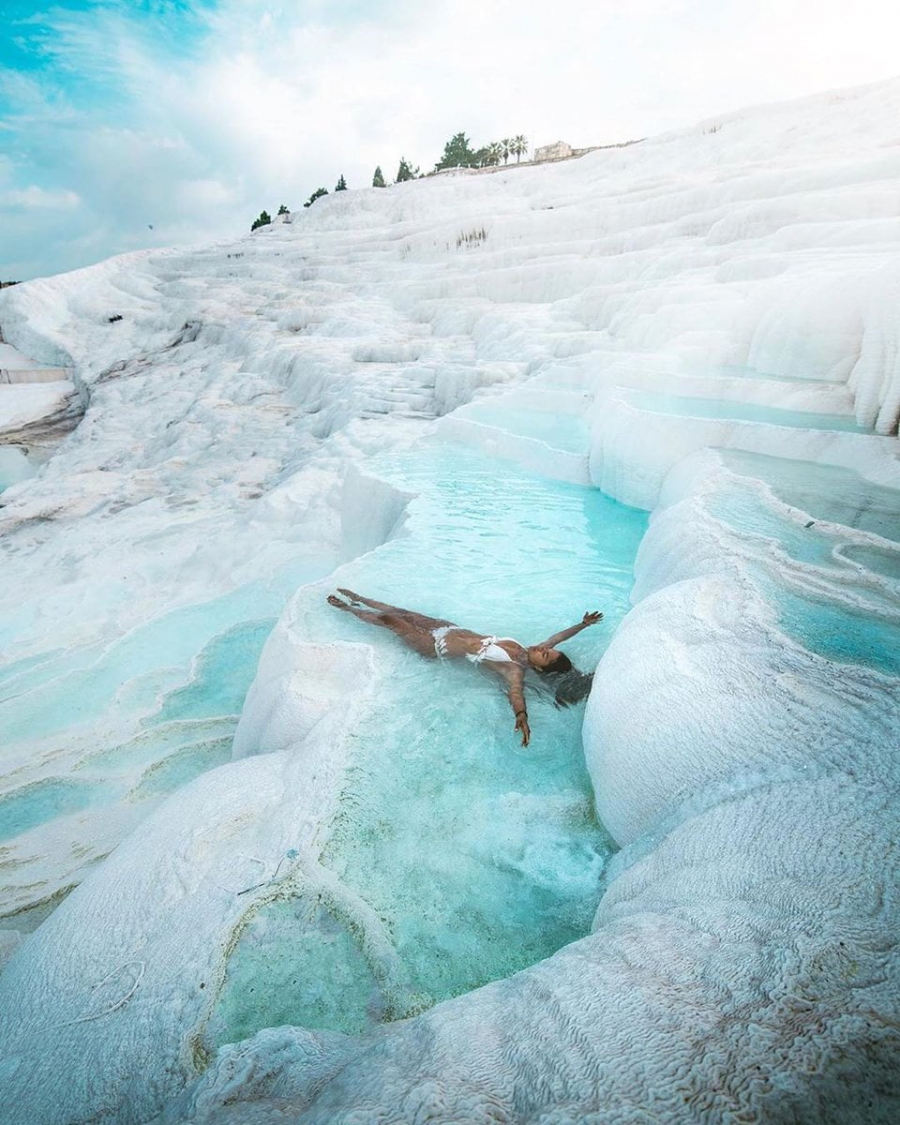
Visitors are told an ancient story about an ugly girl whom no one wanted to marry. Overwhelmed with sadness, she thought she shouldn't live anymore. She decided to commit suicide and threw herself into the water. Strangely, she not only didn't die but transformed into an incredibly beautiful woman. Locals believe that the natural mineral water caused this miracle. Since then, the people here have believed in the power of the mineral-rich water in these natural pools. They also claim that the water can cure various ailments such as high blood pressure, heart problems, joint pain, skin problems, and nervous system disorders.
The historical value of natural hot springs
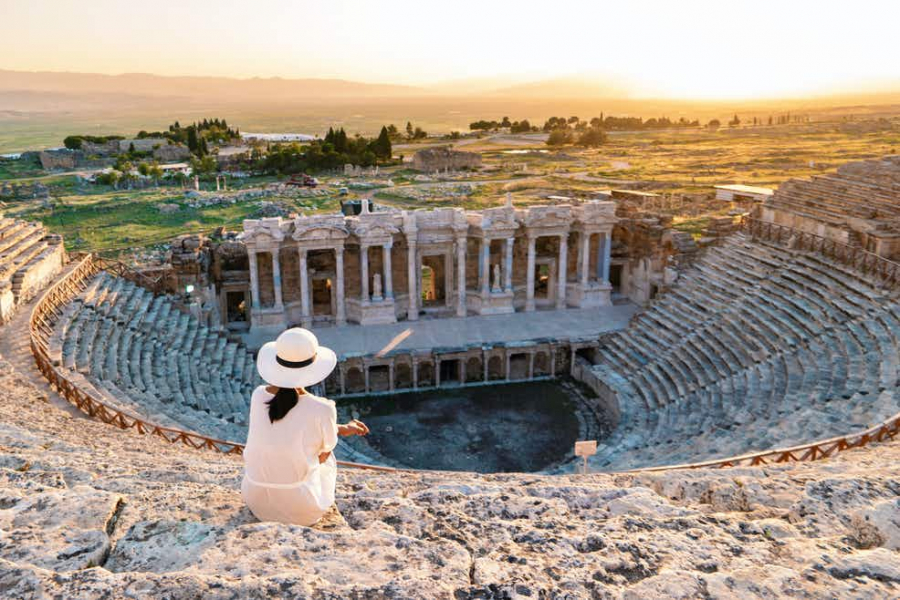
From the 2nd century BC, the Romans built a city on top of Pamukkale Hill called Hierapolis to take advantage of the healing properties of the mineral springs. They came here to soothe their worries and pain, and even to live in seclusion and die there. However, to this day, the only remaining traces of Hierapolis are the open-air theater with about 50 tiers of seats capable of holding tens of thousands of people.

When is the best time to visit Pamukkale?
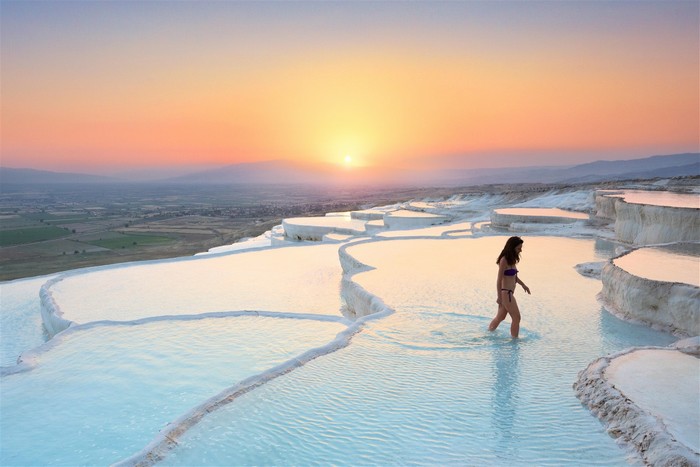
The ideal time to visit is from April to June or from September to the end of October. In winter, the water level gradually decreases and the temperature is very low, making it difficult for visitors to soak in the mineral springs.
How to get to Pamukkale
To reach Pamukkale, travelers first need to go to the city of Denizli. Located approximately 650 km from Istanbul, it can be reached by plane or bus. The best time to depart from Istanbul is around 11 PM - 12 AM, ensuring a safe arrival the following morning. From the Denizli bus station, Pamukkale is about 20 km away; minibuses are readily available to take visitors directly to the "cotton castle".
Stay in Pamukkale
There are many different accommodation options in Pamukkale, ranging from 1-star to 5-star hotels and apartments. You can rent rooms in the Pamukkale area or in the city of Denizli. Based on travel experience in Pamukkale, it's recommended to stay in Pamukkale itself, not only to save travel time, but also because most luxury hotels in Pamukkale have their own thermal pools, and some even have separate canals that bring water directly from the pools into the guest bathrooms, offering great convenience.
What to eat in Pamukkale?
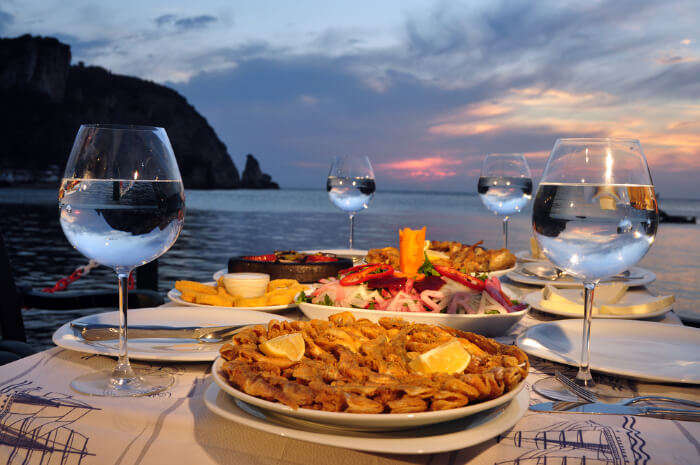
Some must-try dishes in Pamukkale include borek, pide, ayran (a salty yogurt), or the traditional rice wine raki. Ice cream cones are also widely sold along the way; visitors should try them and chat with the humorous vendors during their journey.
Things to note when visiting Pamukkale
Prepare a bag to hold your shoes, as you will be going barefoot in Pamukkale. If you plan to wade through water, leave your shoes at the source and return later; otherwise, carry them on foot all the way down the mountain and back.
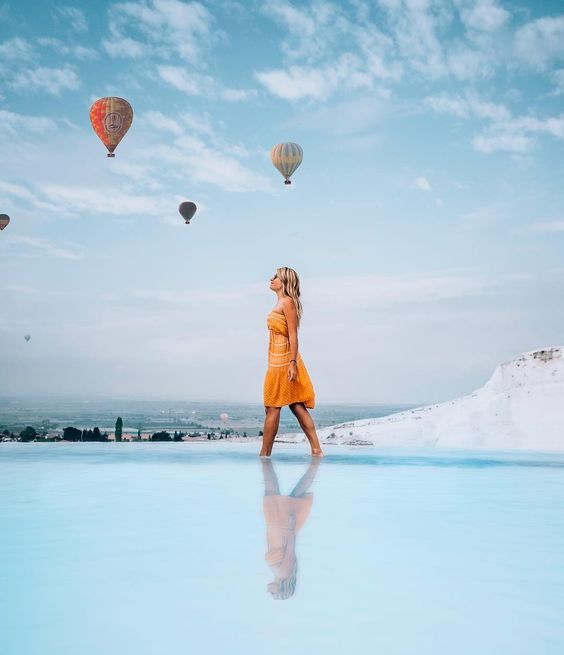
Don't forget to bring a hat, sunscreen, and sunglasses, because the temperature can still reach 33 degrees Celsius overhead.
Combining a visit to Ephesus with a trip to Pamukkale will only take about two hours by car.