VI
VI


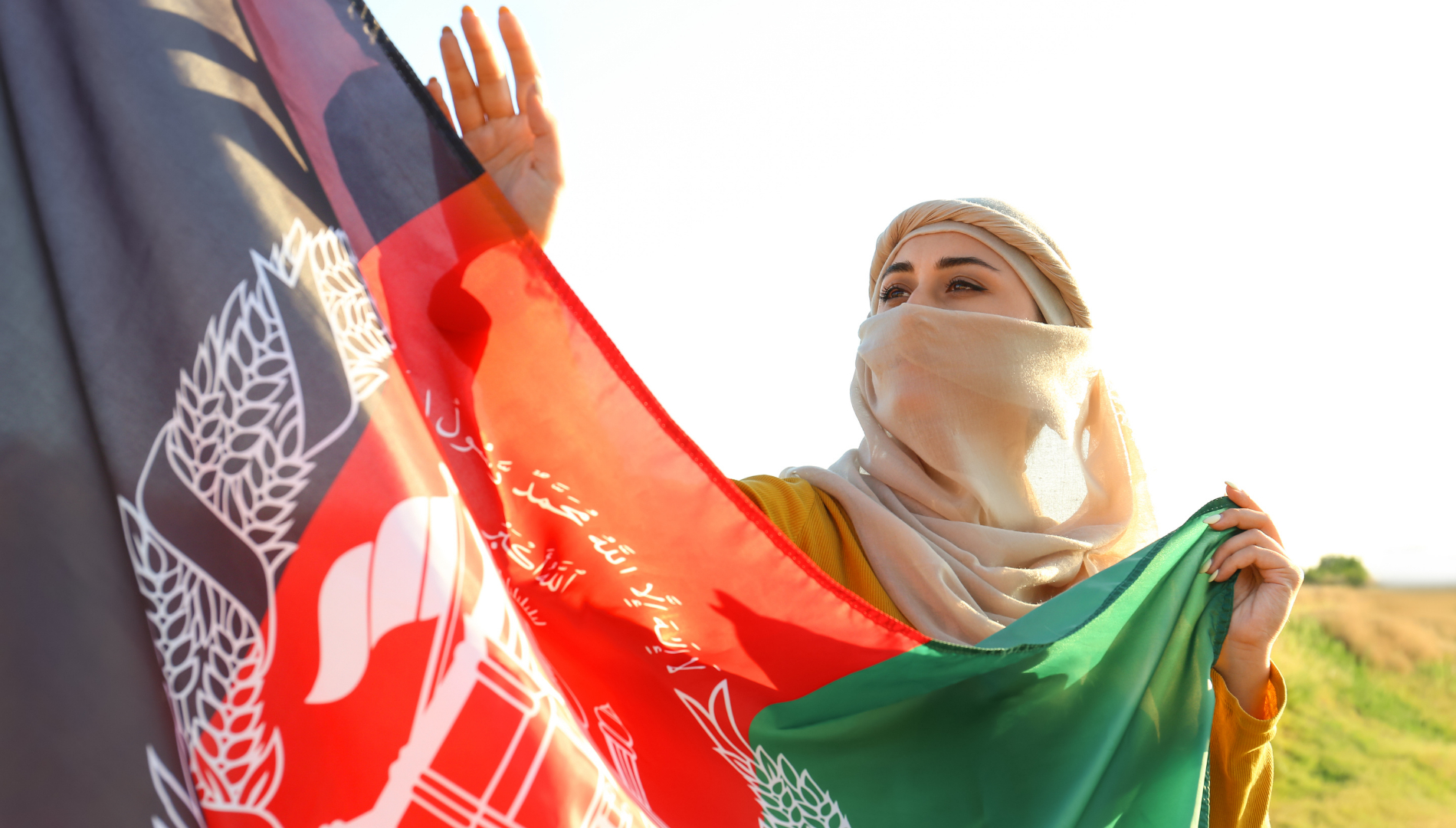
Dubbed the world's most dangerous country, Afghanistan is seeing a surge in tourism despite being under Taliban control. The country has been given this title by the Global Peace Index for six consecutive years due to its low safety score.
Decades of war have left Afghanistan with devastating consequences: food shortages, orphaned children, drugs, and weapons are all serious problems. The rise of the Taliban has only exacerbated the situation. However, despite these difficulties, the country holds a strange allure for some travelers, Black tourists who are flocking to its rugged terrain to explore the land.
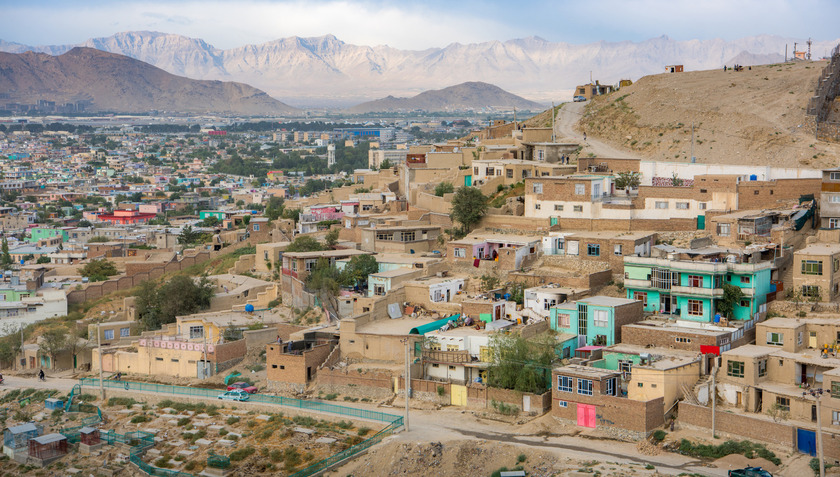
Afghanistan, a country widely considered one of the most dangerous destinations in the world.
However, the UK's Foreign, Commonwealth and Development Office (FCDO) stressed that Britons should avoid any travel to this Asian country. The FCDO warned: "You should not travel to Afghanistan. The security situation is unstable. Travel across Afghanistan is extremely dangerous and border crossings may not be open."
There is a high risk of British citizens being detained in Afghanistan. If you are a British citizen and are detained in Afghanistan, you could face months or years in prison. FCDO's capacity to help is extremely limited and it cannot provide direct assistance in Afghanistan."

Obtaining a visa has become a difficult and expensive undertaking for tourists amid Afghanistan's diplomatic isolation following the Taliban's rise to power after 20 years of war. Countries have cut off access to Kabul, where no nation recognizes the group as the legitimate government.
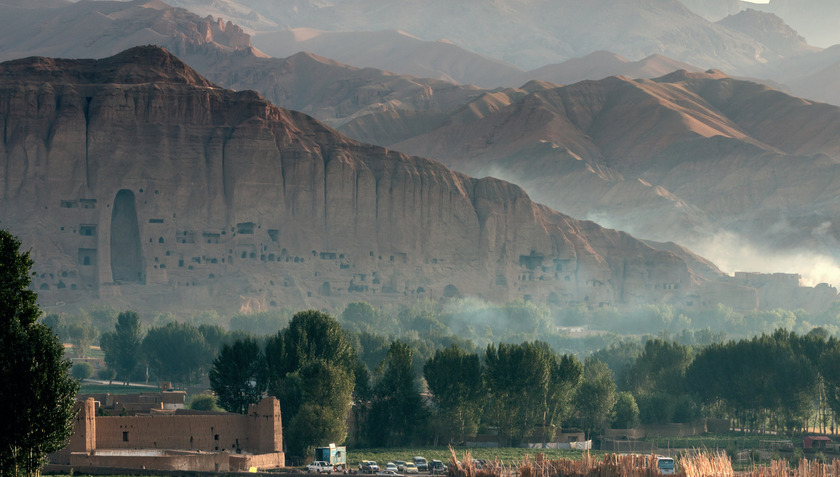
Despite numerous warnings from diplomatic agencies, the number of people visiting the country continues to increase.
The largest hub for flights to Afghanistan is the United Arab Emirates (UAE). There are 16 flights per week to Kabul International Airport from Dubai and 3 more from Abu Dhabi. However, citizens of Western countries need a visa before entering Afghanistan, and the visa application process is quite complicated.
Furthermore, there are more factors to consider than simply obtaining a visa, as travelers who choose to visit Afghanistan may not receive support from any organization if they encounter danger or need assistance. In August 2021, the US closed its embassy in Kabul and issued a Level 4 travel advisory: do not travel to Afghanistan.
However, government warnings couldn't deter adventurous travelers. After the war, tourists could stay in city hotels, rural hostels, or camp in the valleys of Afghanistan. Instead of restaurants, tour groups often ate at local homes to avoid the risks of going out at night.
Under the patronage of the Taliban regime, Afghanistan's tourism industry is undergoing significant transformation. The establishment of a tourism training academy demonstrates the Taliban's efforts to diversify the economy and attract foreign investment. Mohammad Saeed, director of the Kabul Tourism Department, expressed optimism about the future of tourism. Despite the country's many challenges, he and his colleagues are striving to build a professional tourism industry. The establishment of the tourism training academy is a crucial step, reflecting the Taliban government's determination to develop this sector.