VI
VI


The unexpected combination of traditional betel leaves and modern chocolate was born from the creative idea of farmers in Ramanagara, as they sought to create a novel and unique product.


The Covid-19 pandemic has posed many challenges to the agricultural sector in this region. During lockdowns, the consumption of betel leaves decreased, leading to a surplus. Farmers were forced to find new ways to sell their produce. However, betel farmers transformed this difficulty into motivation to create a new product, adding value to betel leaves.
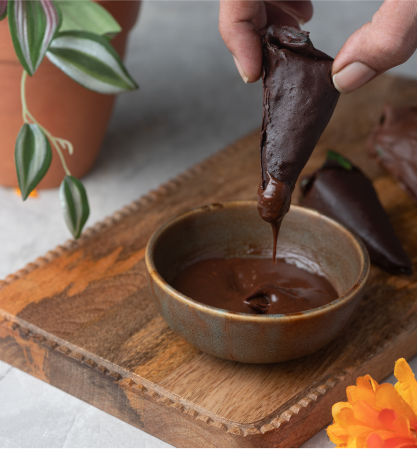
The unexpected combination of traditional betel leaves and modern chocolate was born from the creative idea of farmers in Ramanagara.
As a long-standing cultural symbol, the betel plant not only has economic value but also holds deep spiritual significance for the Indian people. Therefore, upon receiving appeals from struggling farmers, scientists were determined to find an innovative solution that would both honor traditional values and meet the demands of the modern market.

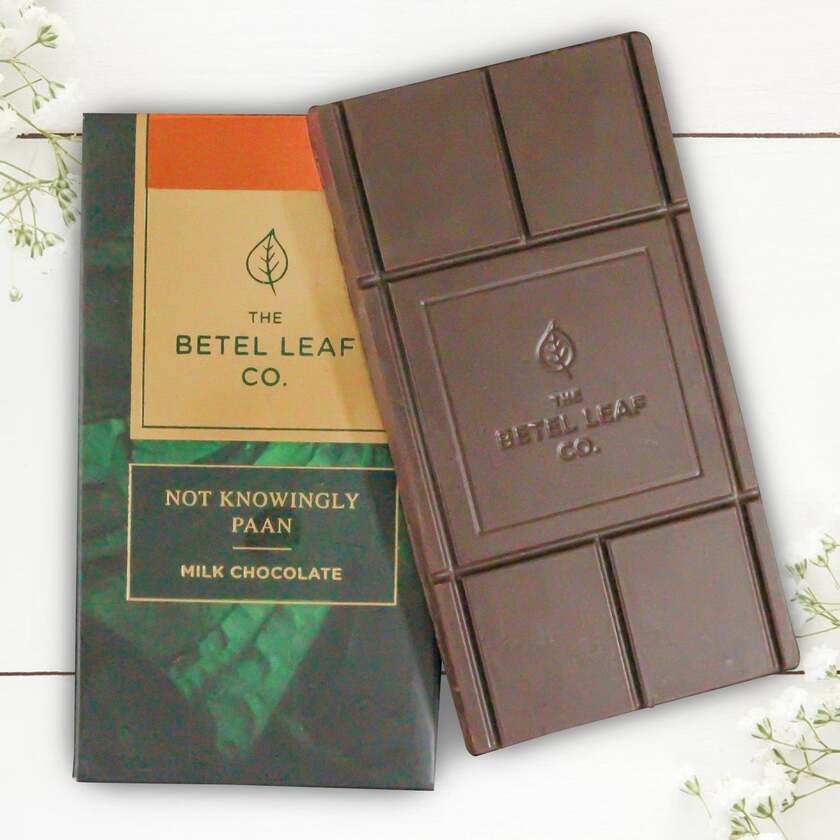
An unusual combination, yet it's delicious.
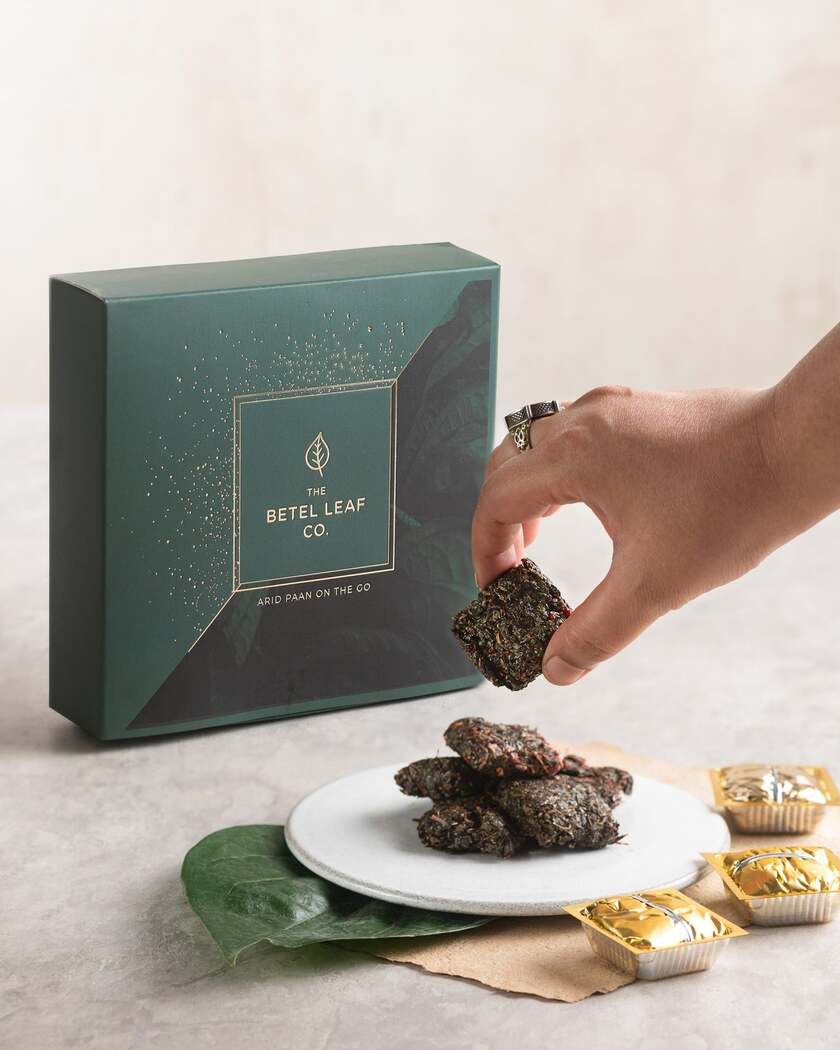
The idea of combining betel leaves with chocolate is a clear testament to human ingenuity. From a traditional plant, betel leaves have been transformed into a modern product, meeting the needs of young consumers.
Explaining the production process of betel-flavored chocolate, scientists said that betel leaves are dried, ground into powder, and mixed with other ingredients of the chocolate bar. The research showed that the product is not only delicious but also good for health and has excellent antibacterial properties.
Betel is one of the plants that plays an important role in both the economy and culture of India. Indians often use betel as a smoking tobacco or as an offering in religious ceremonies and wedding celebrations. In the state of Karnataka, more than 7,000 hectares of land are used for betel cultivation. It is especially widely grown in the Ramanagara district and the outskirts of Bengaluru, India.