VI
VI


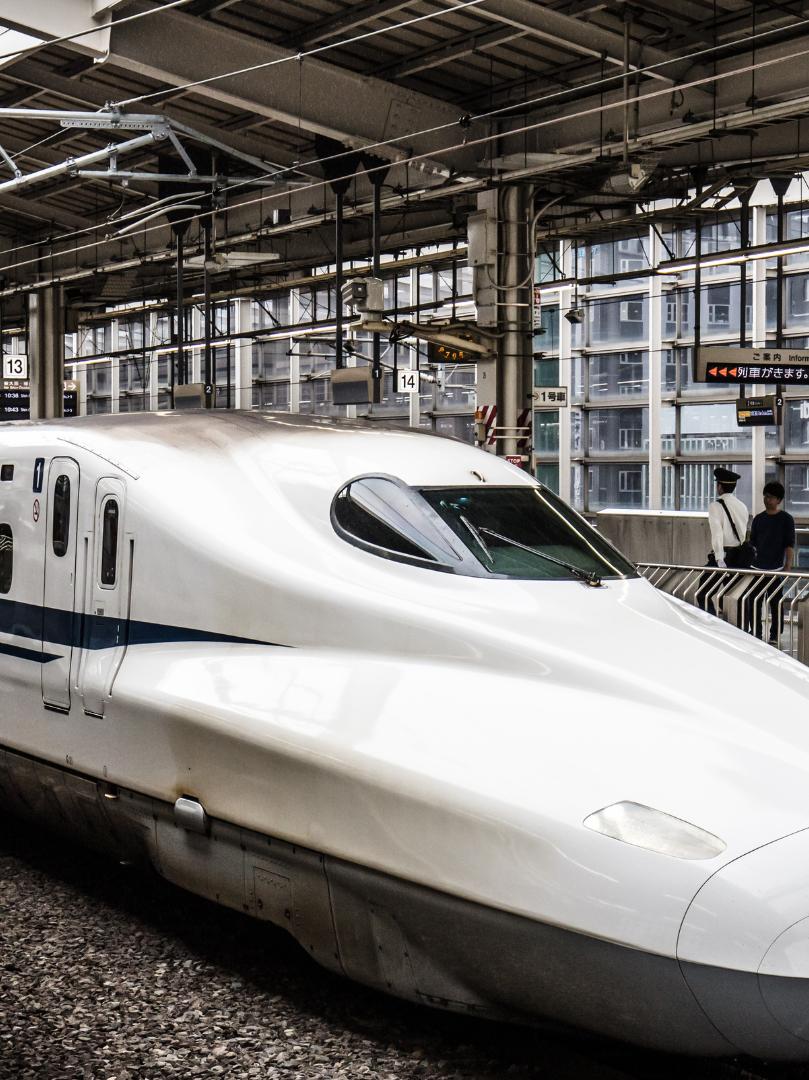
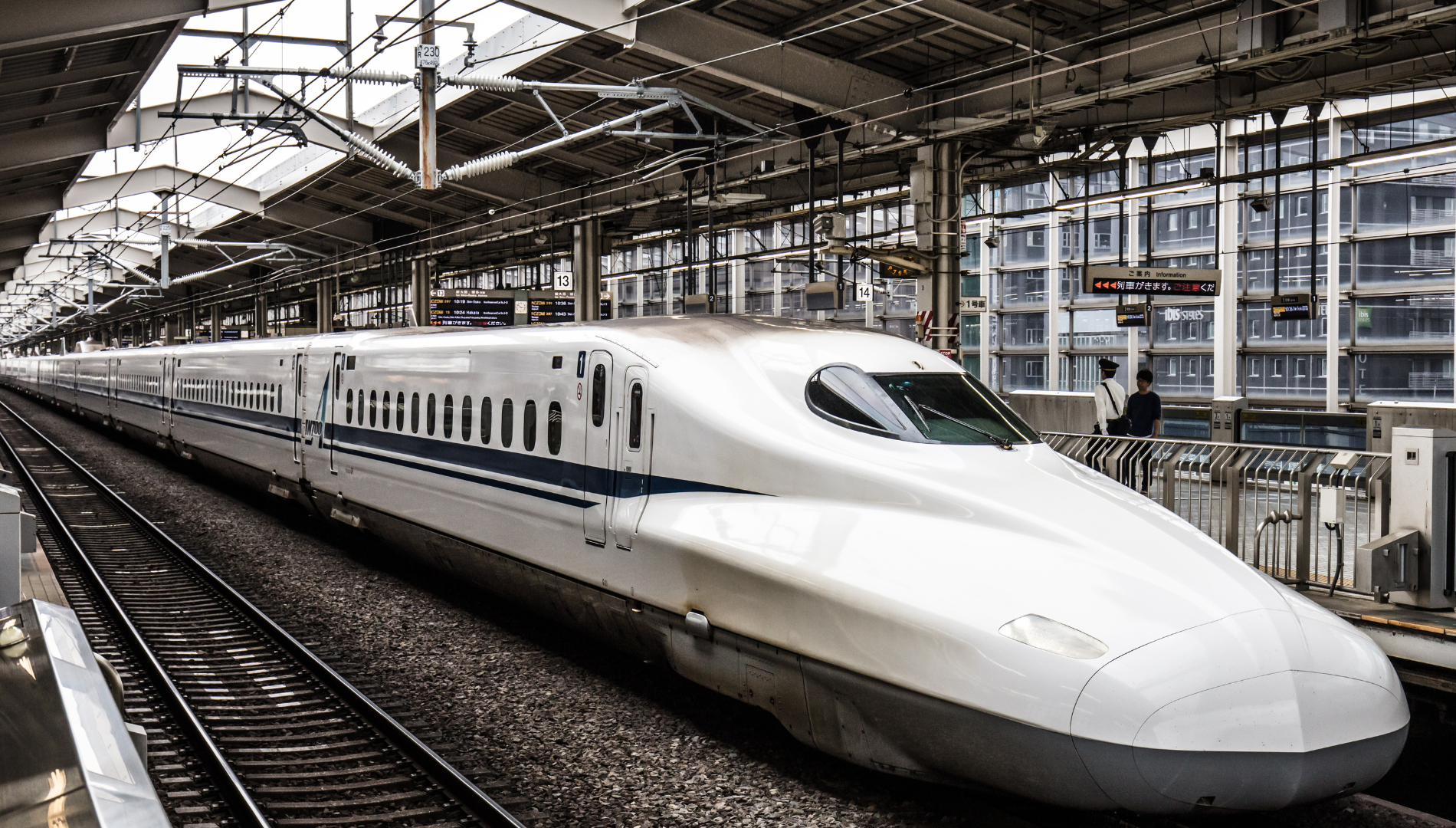
The National Assembly issued Resolution No. 103/2023/QH15 dated November 9, 2023, on the Socio-Economic Development Plan for 2024, which requires effective research and implementation of Conclusion No. 49 of the Politburo, accelerating the construction progress of several important national railway lines, including the East-West railway line; and researching and finalizing the plan for the high-speed railway project on the North-South axis, striving to approve the investment policy for the project as soon as possible in 2024.

In late November 2023, the Ministry of Transport sought opinions on three scenarios for the North-South railway, including two scenarios with trains at 350 km/h for passenger transport only and a reserve for freight transport. In its report to the Government, the Ministry of Transport stated that it would maintain the proposed high-speed railway line with a design speed of 350 km/h, approximately 1,500 km long, serving both passengers and freight when needed, while the current North-South railway would be shifted primarily to freight transport, with an investment of approximately 70 billion USD.
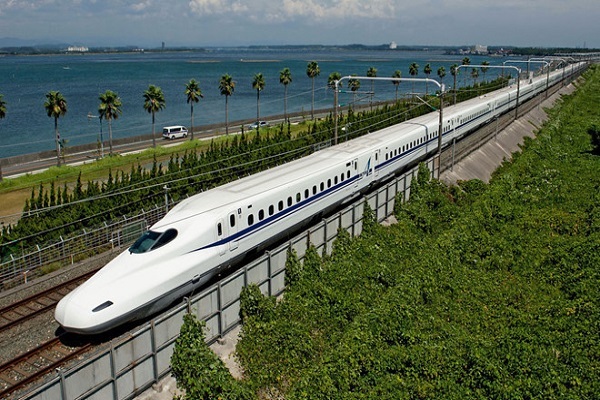
The North-South high-speed railway will create a breakthrough in the country's development.
Based on joint assessments between the Ministry of Transport and the General Statistics Office, the North-South High-Speed Railway Project is projected to contribute approximately 1% to annual GDP growth from 2025 to 2037.

To make high-speed rail accessible to the public, the North-South high-speed train will offer three ticket classes: Business class tickets priced similarly to business class airfares, catering to those seeking high-quality service; second class tickets priced at 0.75% of the average airfare; and third class tickets priced at 0.45% of the average airfare. These distinct ticket classes are designed for easy accessibility for the public.
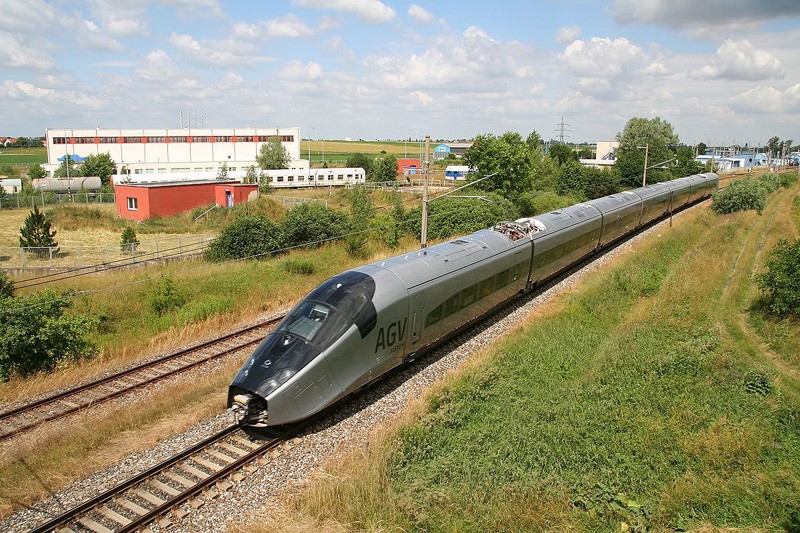
The strengths of the railway industry lie in its energy efficiency and high capacity for transporting large volumes of passengers and goods.
According to railway experts, if the high-speed rail system becomes operational, with an average speed of approximately 350 km/h, the journey from Hanoi to Ho Chi Minh City would only take about 6 hours, including stops at stations (a distance of 1,540 km). The journey from Hanoi to Vinh - Nghe An would take just over an hour. Therefore, instead of choosing to travel by plane or road, people could opt for high-speed train travel, potentially having breakfast in Hanoi and lunch in Ho Chi Minh City by rail.
The North-South high-speed railway is a key national transportation project of significant importance to the socio-economic development of the country. The project promises to bring many benefits to the people and contribute to promoting trade and tourism between regions.