
 VI
VI


In an effort to address the pressing issue of tourist overcrowding at World Heritage sites, the Rome city government (Italy) has made a landmark decision. Starting in 2026, one of the world's most magnificent and famous Baroque symbols – the Trevi Fountain – will no longer be a completely free-to-visit destination.
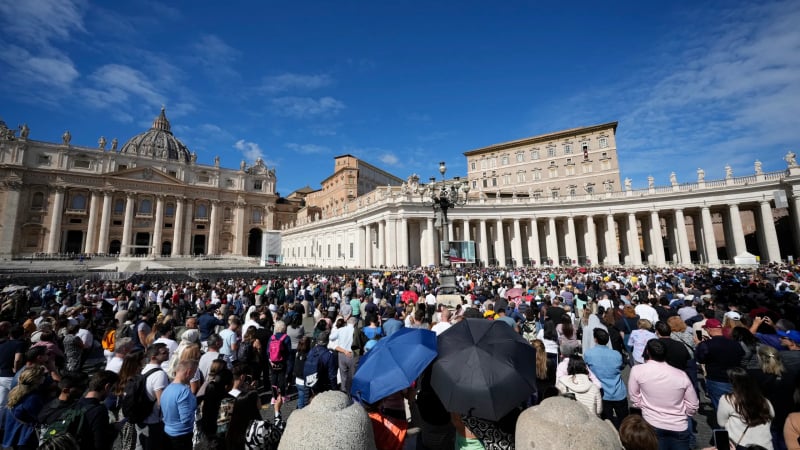
According to an official announcement from Mayor Roberto Gualtieri, international tourists will have to pay a fee to gain close access to the fountain area, where the globally famous coin-throwing ritual takes place.

Rome will charge tourists who want to access the Trevi Fountain.
This decision comes as Rome faces immense pressure from the relentless influx of people. The latest statistics reveal an alarming situation: in the first six months of 2025 alone, the Trevi Fountain welcomed 5.3 million visitors. From the beginning of the year to early December, this number reached 9 million, with an average of 30,000 people crammed into the square's limited space each day, and even reaching 70,000 on peak days.

According to Reuters on December 20, Rome Mayor Roberto Gualtieri announced that from February 1, visitors will have to pay 2 euros (approximately 55,000 VND) to climb the stone steps surrounding the fountain's basin.
This overcrowding not only diminishes the visitor experience but also turns historical sites into fertile ground for street crimes such as pickpocketing, causing serious security and public order problems.
Specifically, a fee of 2 euros (approximately 55,000 VND) is applied for each access to the stone steps near the fountain. However, the city authorities have also implemented strict operational regulations to ensure transparency and modernity. The entire payment process only accepts bank cards or electronic payment methods, completely eliminating cash at the collection point.


According to the new regulations, the small square surrounding the fountain – where visitors can admire the entire structure – remains open to everyone free of charge.
Specifically, to maintain a balance between tourism development and community interests, local residents in Rome will be completely exempt from fees. A separate pathway will be established for city residents, helping them avoid long queues and not be affected by the influx of tourists from outside the city.
Beyond simply charging an entrance fee, Rome has implemented a crowd management solution using quantitative technology. The fountain's basin will be limited to a maximum of 400 people at a time. Visitors who don't wish to pay can still admire the masterpiece of Oceanus – the god of the waters – from a distance in the square above without spending a penny. Mayor Gualtieri asserts that 2 euros is not a large sum compared to the cultural value of the monument, but it acts as a necessary "filter" to reduce chaos and restore the solemn atmosphere to a structure completed in 1762.
Economically, this move is expected to generate enormous revenue for the city's budget. According to optimistic estimates from Rome officials, collecting fees at the Trevi Fountain could bring in between 6.5 million and 20 million euros annually. All of this money is committed to being directly reinvested in conservation, restoration of the heritage site, and improvement of tourism services.

Many tourists have expressed their support for this policy if the revenue is used for the right purposes.
This is the "heritage nurturing heritage" model that Rome successfully implemented with the Pantheon in 2023. At that time, the introduction of a 5 euro entrance fee did not diminish the appeal of the monument; on the contrary, it helped the city gain more resources to maintain the eternal beauty of this ancient architectural masterpiece.
Charging fees at numerous tourist attractions in Italy seems to be becoming an inevitable trend as leading tourist cities can no longer bear the cost of preservation against the ravages of time and human pressure. Besides Trevi, Rome has also announced that five other lesser-known sites will begin charging a 5 euro fee starting next February.
Reactions from the international tourist community to this new policy have been varied, but largely supportive. Many believe that paying a small fee for safety, open spaces, and contributing to the protection of heritage is a worthwhile trade-off. Yvonne Salustri, a tourist from the UK, shared that if the money collected is actually used for cleaning, restoration, and preventing vandalism, then the fee is the right step. In the future, the Rome authorities plan to officially implement this regulation more widely from January 7, 2026, making tourist control at "hot spots" an integral part of urban planning.
For travelers planning a trip to Italy's "City of Lights" in the near future, staying updated on the new fees is crucial. Now, to express their wish to return to Rome with a small coin, travelers need to prepare themselves and their digital wallets for a more civilized, orderly, and sustainable experience.













